@MsAdaO The leap to AI is nothing like any other tool before it, and she’s not wrong, AI can do any knowledge work, that’s not just being a tool, the problem then being quality of output and these are still the early days
English
Ajanaku. 🇹🇼 .
13.2K posts

This is scary to me and not in a good way, because you’re basically training the ai to take your job and eventually they’ll downsize. That’s not upskilling. Lastly, i am worried that so many people can say the same, soonest companies lose the human input and be relying on bots for everything

We need more listing on the NGX

Senior backend interview question: CPU usage jumps to 100% every night at 3:17 AM. No cron jobs. No deployments. No traffic spike. What are you checking first?





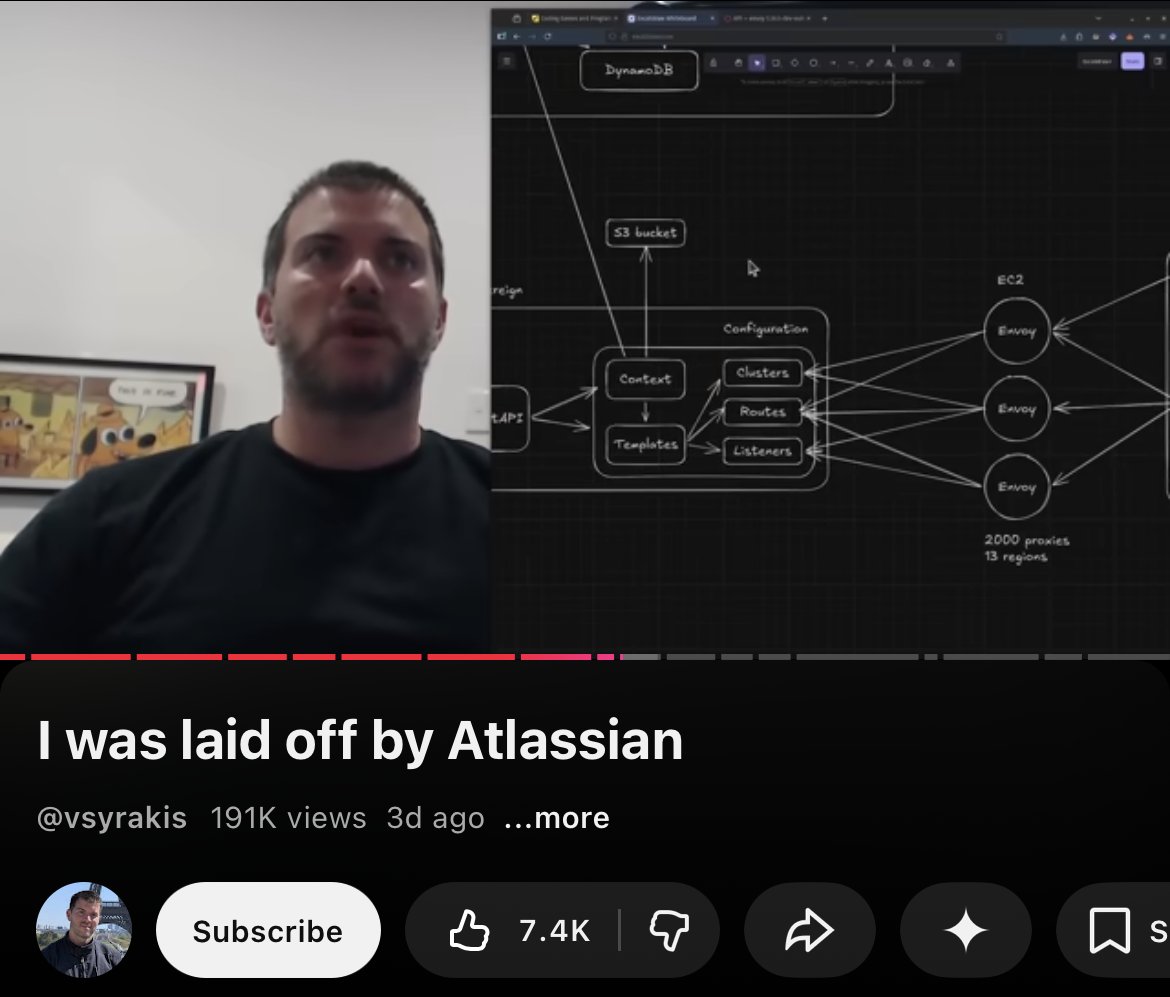


too much idea want to finish you people on this twitter. some people are writing their business logic in their dBs 😂 how do you handle horizontal scaling, sharding and replication? how do you ensure a highly available system if your business logic is tightly coupled-

I’m a learner myself and that’s why I would not shut down someone’s design decision until they have the chance to defend it. Open to extension, closed to modification has nothing to do with predicting future architecture prematurely and bearing the cost for it. For instance, you can have a service layer that makes it easy to swap out underlying implementation. That doesn’t mean setup kubernetes on day 1 so you can easily setup the api for that service and scale it. As for how it works, I don’t know much about but what he said is not new tech. Databases can have functions, triggers and procedures and very sophisticated ones too. So it’s possible to move most business logic there if you want. Everything is a trade off.
🚨 How the TanStack npm attack actually happened: 1. Attacker opened a normal-looking pull request (#7378) on the TanStack repo. 2. GitHub automatically ran CI tests on that PR. 3. Code inside the PR stole the workflow's GitHub Actions Cache write token during the test run. 4. The attacker used that token to plant poisoned files in the shared build cache. The PR could be closed afterwards. The poisoned cache stays. 5. The official release workflow later pulled from the cache, baked the malicious files into the build, and signed and published 84 malicious package versions to npm.

Become a Full Stack Dev in 365 Days 👩🏽💻 Jan — HTML + CSS Feb — More CSS March — JavaScript Basics April — Deep Dive into JavaScript May — React.js June — Python Basics July — Django August — Databases + APIs September — Full Stack Projects October — Advanced Projects + Deployment Nov — Freelance Work Dec — Full-time Job