Ksian τ
84 posts

@7ksian
Building on #Bittensor 🧠 | 10+ years Data Engineer | #TAO


FUN FACT: 10 years ago today, Bitcoin was $388.


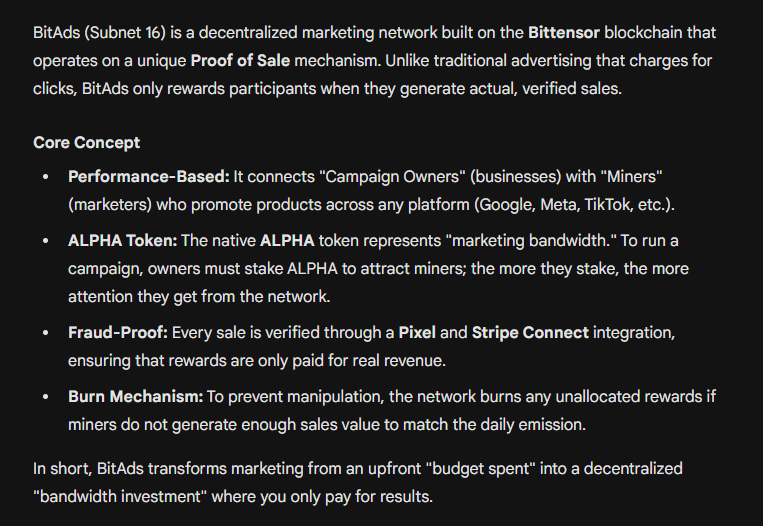
The difference is that with this mechanism the entire process becomes more transparent, because the decision on how much revenue is used to buy back Alpha is controlled by the Subnet owner. Even if he earns $1 million in a month, he can choose to use only $100k for buybacks and keep the rest. With our BitAds model, we allow every network participant to buy SN16 Alpha and directly influence the weights for their own marketing campaign. This way, the incentives for miners promoting their campaign increase, which ultimately results in more sales and more customers for them. Here is an example of how BitAds will work in the end. We’ve used Subnets as examples. The BitAds team will run its own marketing campaign through its allocated marketing bandwidth (SN16 Alpha) in order to generate revenue by selling its own products. Other clients/merchants (Chutes, Lium, Ridges) will also run their own marketing campaigns for their respective products. Based on the amount of SN16 Alpha staked, campaign weights will adjust accordingly. Miners might earn more $TAO by promoting Chutes’ products instead of Lium’s. But this can change very quickly if Lium starts buying and staking more Alpha than Chutes or any other competitor. In that case, miners become more incentivized to promote Lium’s campaign. Also, new participants / companies needing marketing bandwidth for their campaigns, can start acquiring SN16 Alpha and become direct competitors to the four original campaigns (for the sake of the example, let’s say we initially allow a maximum of four campaigns). The owners of the four original campaigns will need to buy more SN16 Alpha if they want their campaigns to remain active and not be pushed out as the new participants accumulate more Alpha.