8Korgi

4.2K posts

8Korgi banner
8Korgi

8Korgi

@8Korgi

21st Century Caligulan ♆ Royal Juche ★

Katılım Ekim 2024
229 Takip Edilen69 Takipçiler
8Korgi
8Korgi@8Korgi·
@iambored2006 The love of virtue, justice, and laws--that everyone has a common interest in--might have an appeal. When it comes to irreconcilable factions, who are totally opposed, think of the most radical groups--it's the law of fear that keeps them together.
8Korgi tweet media
English
0
0
1
9
(((iambored)))
(((iambored)))@iambored2006·
@8Korgi @seethroughit2 I hope you didn't take offense at my crass remarks earlier. FWIW, I sincerely believe that evolution is God's right hand, and that inevitably, the healthy elements in your civilization will win out over the deleterious and get you out of your mess. Natural selection. Cheers!
English
7
0
0
19
Seethroughitall
Seethroughitall@seethroughit2·
Here is my official position on Christianity: The New Testament was "written to fulfill prophecy" (i.e., fabricated or retrofitted after the fact) not a recording a historical person genuinely fulfilling Old Testament expectations They drew on existing Jewish hopes that the God of Israel would one day be worshiped by the nations, and used a Jesus figure to make that happen Jewish scriptures already contain strong themes of universal worship: - Isaiah 2:2-4, 11:10, 42:6, 49:6, 56:6-7 - Gentiles streaming to the God of Israel, the nations worshiping at the Temple, Israel as a "light to the Gentiles." - Zechariah 8:23, 14:16 - Foreigners grabbing hold of Jews to learn about God; all nations coming to Jerusalem. - Psalms 22:27, 86:9, etc. - All families of the nations worshiping the Lord. These passages created an expectation that the God of Israel would eventually draw the whole world. Gentiles (Greeks, Romans, etc.) had no reason to care about Jewish scriptures. Why trust the Jews’ prophets? Their God seemed tribal and weak - His people were conquered repeatedly, the Temple was destroyed, and many prophecies of restoration and worldwide rule looked like obvious failures or unfulfilled boasts. Dismissing Jewish prophecy as fraudulent or mythical would have been the default skeptical response. The NT Solution: Jesus as Proof That the Prophecies Are Real By centering the story on "Jesus fulfilled the prophecies," the New Testament does something very powerful: - It retroactively validates the entire Old Testament prophetic tradition in Gentile eyes: “Look these ancient Jewish writings weren’t empty promises or lies. They were accurate predictions pointing to this man. Therefore, the God behind them is the true God.” - Jesus becomes the living demonstration that the prophecies work. Every claimed fulfillment acts as evidence: “See? Micah was right about Bethlehem. Zechariah was right about the donkey. Isaiah was right about the suffering servant. Psalm 22 was right about the details of the crucifixion.” This creates a halo effect - if these prophecies came true, then the whole system is trustworthy. Some “fulfillments” are real stretches from the original context (e.g., Hosea 11:1 “Out of Egypt I called my son” applied to Jesus’ family fleeing - originally about Israel). Others appear to have no clear prior prophecy at all and are completely made up, yet the Gospels still frame events as fulfillment Why do this? Because the goal wasn’t just to tell Jesus’ story. It was to rescue and legitimize Jewish prophecy itself for outsiders. If Jesus checks enough boxes, then skeptics can’t easily write off the OT as failed or made-up. The prophecies are proven reliable and therefore the God who gave them is real and powerful. Claiming Jesus fulfilled the prophecies wasn’t mainly about documenting history - it was about saving the credibility of Jewish prophecy in the eyes of a skeptical Gentile world. And this is Paul’s Ultimate Strategy: “Saving Israel” Through the Gentiles He use the Gentiles to validate and advance Israel’s mission Christianity becomes Judaism for the world: “The prophecies are true. The God of Israel is the only God. Jesus is the proof and the door for you Gentiles.” It doesn’t replace Judaism - it spreads its core claims universally. Paul’s mission wasn’t primarily “start a new religion.” It was a strategic workaround: Get the nations to adopt the Jewish God and prophetic framework, with Jesus as the fulfillment hook By making Jesus the fulfillment (or partial fulfillment) of the prophecies: - It gives Gentiles a compelling reason to worship the Jewish God and accept Jesus as Messiah/Lord: “This ancient tradition was right all along” - It positions Christianity as the vehicle for the OT promises of Gentile inclusion (Isaiah’s “light to the nations,” etc.). This legitimization was essential. Without it, why would a Roman or Greek abandon their gods for a crucified Jewish preacher’s movement? The historical success of Christianity achieved key elements of the Jewish prophetic vision (as later summarized by thinkers like Rambam/Maimonides in his views on the nations coming to recognize the true God): -Destruction of idolatry: Pagan gods of Rome, Greece, northern Europe, etc., were systematically replaced or erased. The old idol worship of the nations largely collapsed wherever Christianity spread. -Spread of the God of Israel and Torah ethics: Gentiles adopted monotheism, the moral framework of the Hebrew Bible (Ten Commandments, etc.), and the idea of a single Creator God. Bibles (containing the Torah and Prophets) went global. -Worldwide recognition: The God of a small, repeatedly crushed people (conquered by Assyria, Babylon, Rome) became the dominant deity of empires. No other gods are seriously recognized in most of the former pagan world. -Gentiles as the carriers: Ironically, it was the Gentile converts, not the Jews themselves, who spread this faith aggressively across the Roman Empire and beyond, fulfilling the “nations streaming to the mountain of the Lord” motif in a way Paul envisioned. The Jews were often persecuted and powerless, yet their God and scriptures triumphed through this vehicle. The historical irony is that the God of a perpetually conquered people ultimately conquered His conquerors - not through military might or political power, but through a story. The God of the slaves and the vanquished won the hearts and minds of the masters
Adam Green - Know More News@Know_More_News

Tired of Christians treating the Bible like it's gospel.

English
65
74
349
17.7K
8Korgi
8Korgi@8Korgi·
@iambored2006 Not only fear of those countries, but what they might do without the US power--when there's a vacuum, European countries might fear they'd make war upon each other again, like WW1/WW2, without US hegemony.
English
0
0
0
8
8Korgi
8Korgi@8Korgi·
@iambored2006 That is how US foreign policy works. Fear of Iran keeps the gulf monarchies & Middle East under US protection; Fear of China and North Korea keeps Japan & Korea under US protection; Fear of Russia keeps NATO together.
English
0
0
1
15
8Korgi
8Korgi@8Korgi·
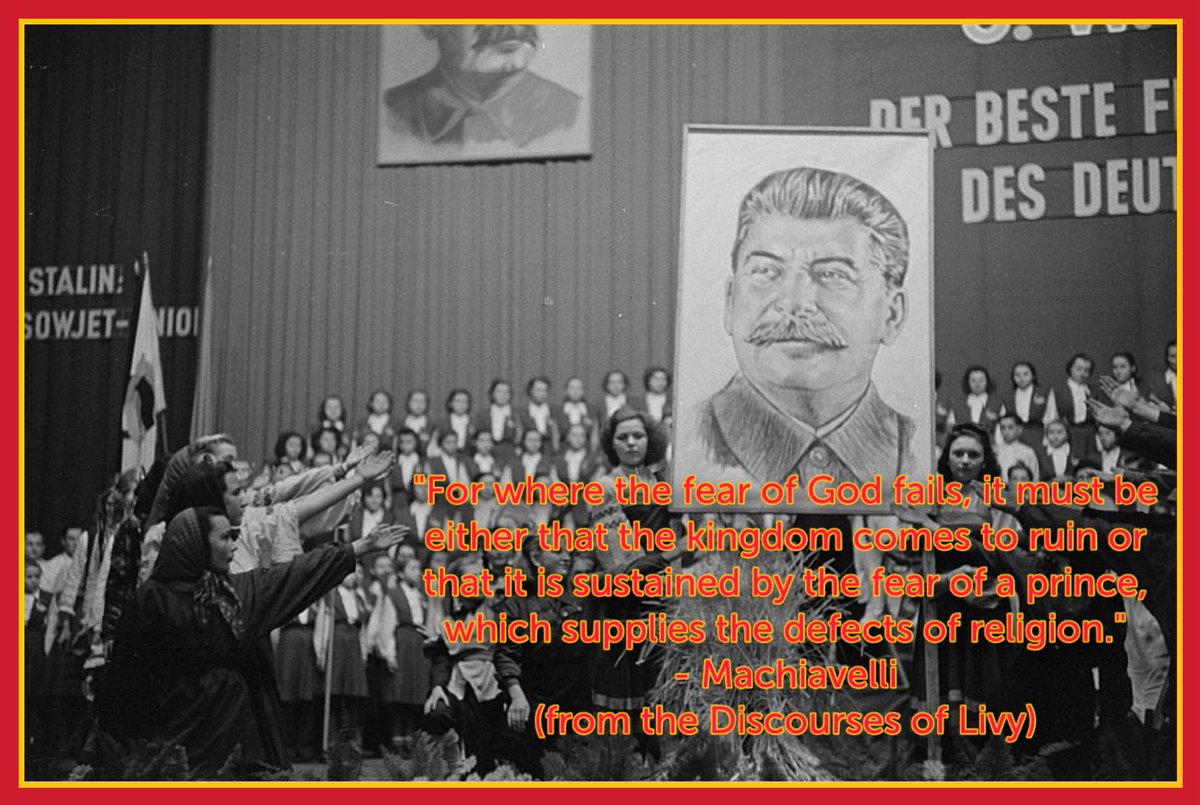
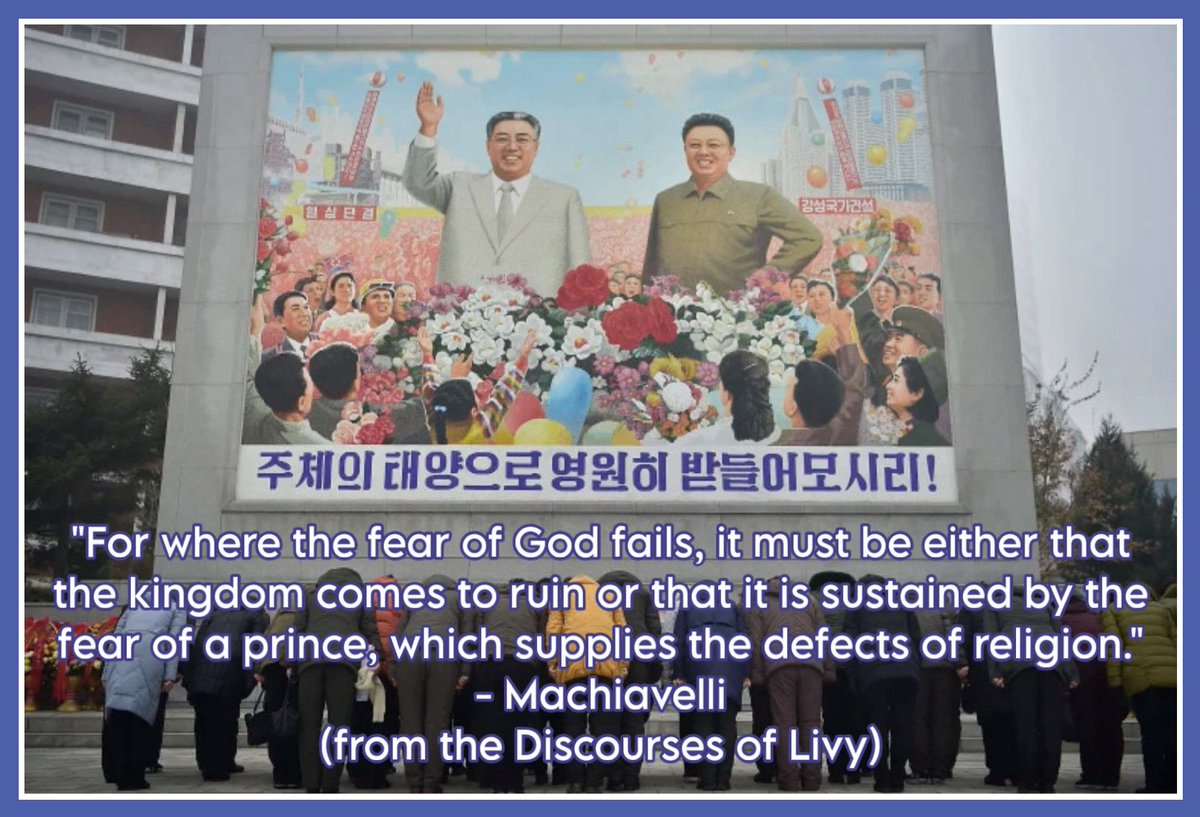
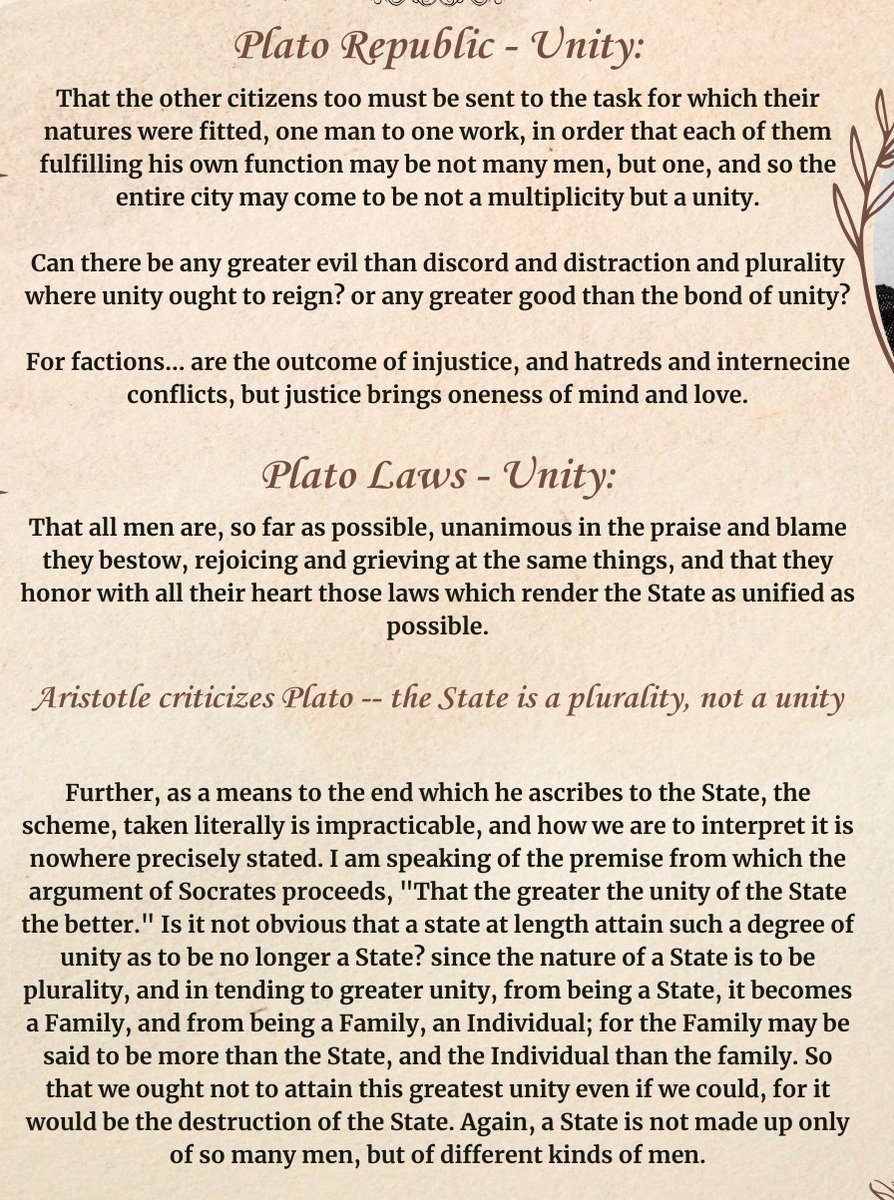
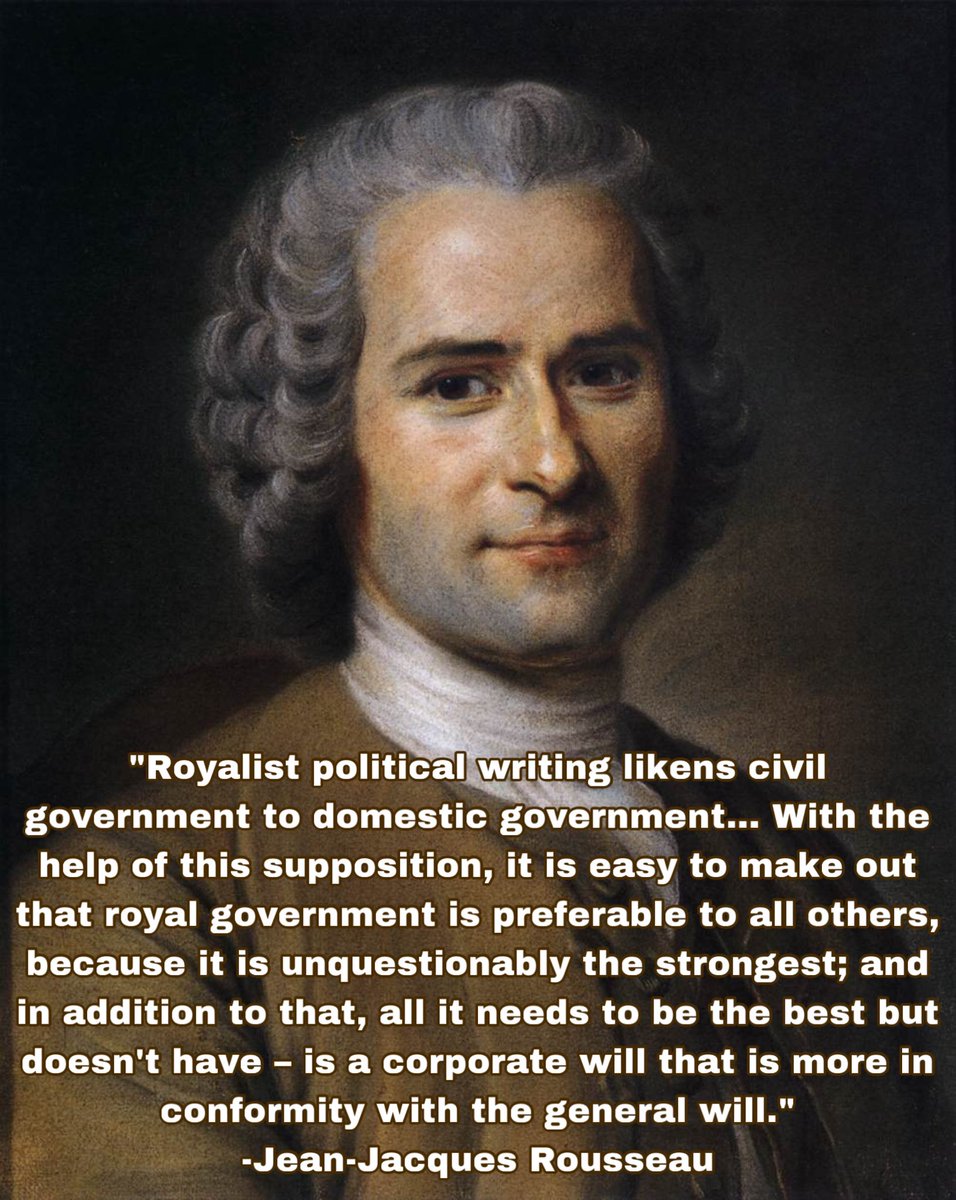
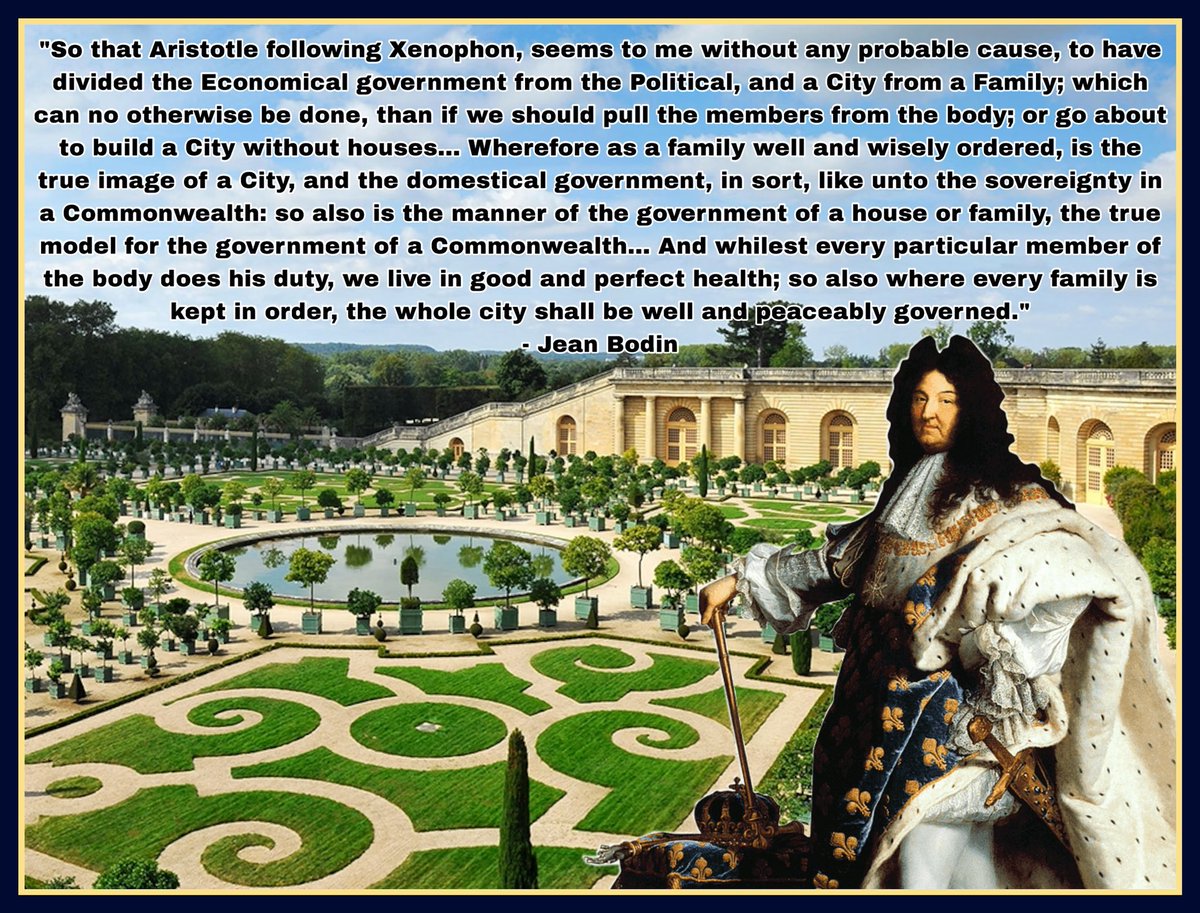
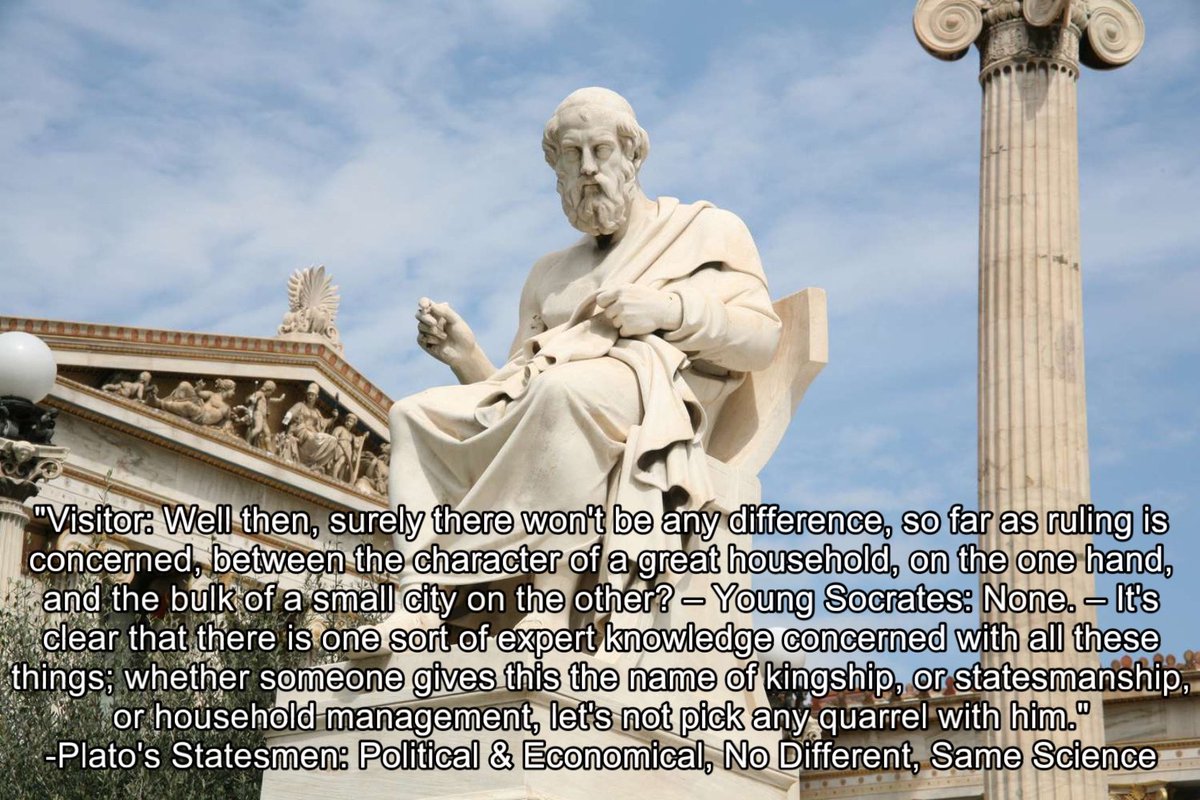
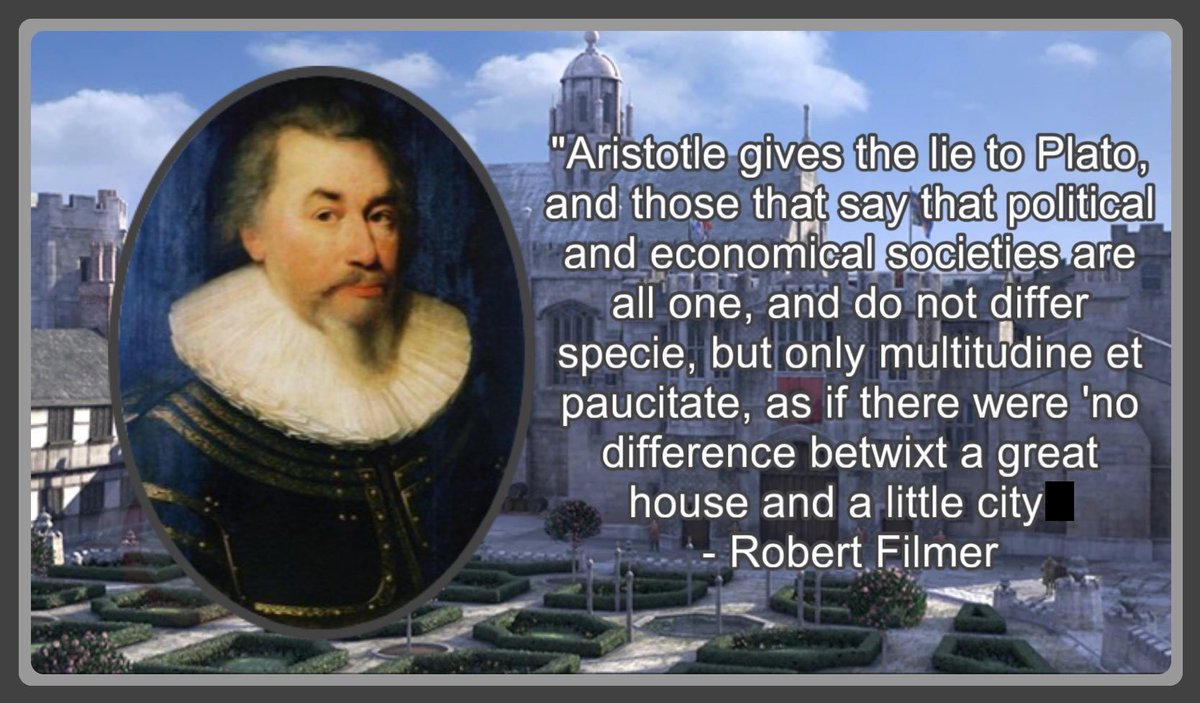
@iambored2006 My opinion is w/ Machiavelli. Where the fear of God fails w/ secular people, the next resort is fear of a prince to keep people knit. Hobbes Leviathan spells that out--if there is anything that unites people, it's fear, not only of an enemy, but what they might do to each other.
8Korgi tweet media8Korgi tweet media8Korgi tweet media8Korgi tweet media
English
0
0
0
8
8Korgi
8Korgi@8Korgi·
@iambored2006 It's "mine" and "thine" all over again, but not with property, but people themselves are in a war of all against all in a way not only in race but in many other factions. It is what it is.
English
0
0
0
9
8Korgi
8Korgi@8Korgi·
@iambored2006 People here are raised by Japanese men in anime and video games and manga, like all the exotic foods, intermarry, like Black athletes in sports & music, have Christianity as a religion, etc. Even far rightwing people themselves are hopelessly raised in an environment favoring it.
English
0
0
0
23
8Korgi
8Korgi@8Korgi·
@iambored2006 America definitely cannot be a homogeneous country or have that kind of unity-I think that is primarily why people don't like multiculturalism, because like Plato says it divides a city, racial tension with George Floyd is a good example; half the city mourns, other half doesn't.
English
1
0
1
11
8Korgi
8Korgi@8Korgi·
@iambored2006 @seethroughit2 Plato didn't like it with the poets. He hated that the father god is castrated by the son god -- I also think that also helped the rise of Christianity, because people were used to the idea of gods usurping other gods.
8Korgi tweet media
English
0
0
1
10
(((iambored)))
(((iambored)))@iambored2006·
@8Korgi @seethroughit2 Right, but it's not like it's a good thing in his view, is it? He speaks of the father as a monarch disparagingly. The family unit has no inherent sanctity. Correct me if I'm wrong. The Jewish idea is that your family ties are sacred precisely BECAUSE you didn't choose them.
English
4
0
0
20
8Korgi
8Korgi@8Korgi·
@iambored2006 @seethroughit2 Plato says that his Republic is a corporate state: One personhood. Plato Republic: >And the city whose state is most like that of an individual man. Aristotle denies this kind of corporatism, compares it to a monarchy/family--Aristotle is more politically pluralistic.
English
1
0
1
26
(((iambored)))
(((iambored)))@iambored2006·
@8Korgi @seethroughit2 I see, that's fascinating. I notice all your quotes are primarily concerned with the mode of rulership. Obviously, the Bible is concerned with that too, and doesn't have clear answers. Despite this, the concept and reality of the עם, the people, is held consistently throughout.
English
2
0
0
20
8Korgi
8Korgi@8Korgi·
@iambored2006 @seethroughit2 Hobbes wants to lay this foundation: that what happens in the State is the -same- as the family. Plato says this--that a family & state have the same science or knowledge, & are akin, corporate model. Aristotle denies this--says a family & state are two different kinds.
English
0
0
1
11
8Korgi
8Korgi@8Korgi·
@iambored2006 @seethroughit2 Plato envisions a corporate, unitary state where there is a community of pleasures and pains--where all people say in one accord--"this is mine, and this is thine".
8Korgi tweet media
English
0
0
1
12
8Korgi
8Korgi@8Korgi·
@iambored2006 @seethroughit2 Hobbes is trying to make a corporate state entity like Plato envisioned in Republic--he wants all the mines & thines to come together in one voice--to counteract Aristotle's dichotomy & the Classical influence, that demand voluntarism. Like Mussolini does.
8Korgi tweet media
English
0
0
1
11
8Korgi
8Korgi@8Korgi·
@iambored2006 @seethroughit2 Hobbes' individualism is working towards an outline like Plato set up in Republic--he's trying to counter Aristotle's pretenses... it's because of Aristotle, really, that Westerners cannot see themselves as a family... but rather go towards democracy, that's my opinion.
8Korgi tweet media8Korgi tweet media8Korgi tweet media8Korgi tweet media
English
1
0
0
19
(((iambored)))
(((iambored)))@iambored2006·
@8Korgi @seethroughit2 You probably know more Hobbes than I do, but one thing I find severely lacking in his and other Western philosophers' sociology is the decentering of the family. In Jewish thought, the family is so central, that we perceive both our own nation and other nations as families.
English
3
0
0
20
8Korgi
8Korgi@8Korgi·
@TheLeftMons Lavader is not a normal Monarchist IMHO, he's a bit of a right libertarian leaning guy... maybe not so much anymore.
English
0
0
2
43
LeftMon United Front👑🇮🇷
I've just realized that trend in Monarchist spaces, Far-Right ideals are really taking over. It's what destroyed the Monarchist Front, and what caused a split in the Radical Monarchists. Look at Lavader, normal Monarchist YouTuber but his fanbase are all Far-Righters
English
2
2
8
223
8Korgi
8Korgi@8Korgi·
@iambored2006 @seethroughit2 Ultimately, it's like Hobbes says, a competition of mine and thine--and egos, friends and enemies... motivation by fear and self-preservation. As soon as the enemy disappears, the people would fight amongst themselves.
English
1
0
0
26
(((iambored)))
(((iambored)))@iambored2006·
@8Korgi @seethroughit2 I personally hold to this idea- if European peoples are to survive the coming decades, you're going to have to shed the excesses of your liberal morality and regain your pride in your culture and people. But doing so under Israel's influence could become weird, e.g. Pharaoh..?
English
2
0
0
20
8Korgi
8Korgi@8Korgi·
@iambored2006 @seethroughit2 Jews ultimately want to be a light to the nations, and perhaps be the very model nation. And I'll be fair and say this--that's not unique to the Jews as a people, everyone else also has a bit of tribalism themselves. Although I don't think there can be any universal peace.
English
0
0
1
12
8Korgi
8Korgi@8Korgi·
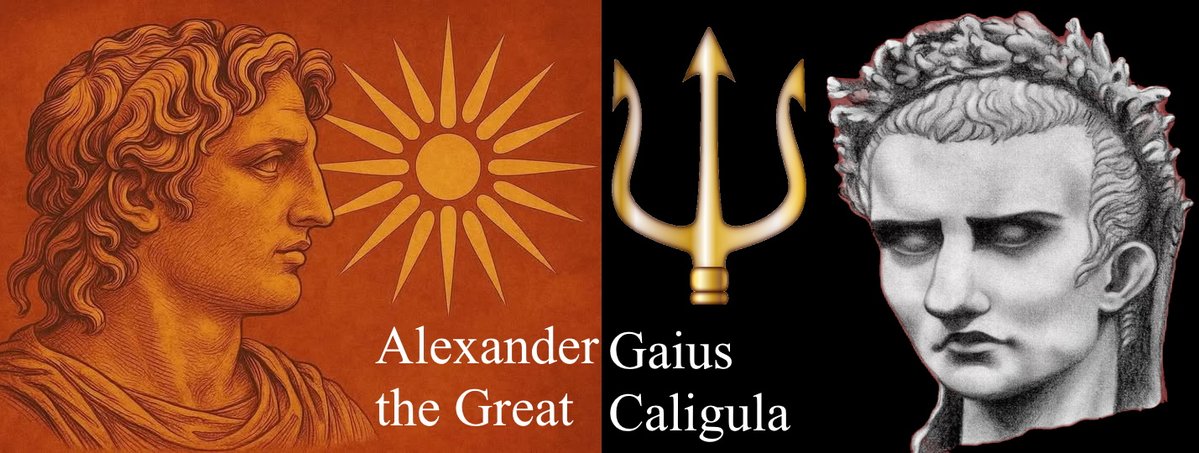
@iambored2006 @seethroughit2 I invoke Alexander the Great--because in many ways Jesus was a Hellenistic King (& that is why I think the Jews ultimately rejected Jesus). Roman Emperors, like Alexander the Great, claimed a kind of divinity--so did Jesus.
8Korgi tweet media
English
0
0
1
14
(((iambored)))
(((iambored)))@iambored2006·
@8Korgi @seethroughit2 Yeah, but that's a great example. Sometimes you really do find yourself standing up against powerful systems set up against you, and puny little you can only hope to succeed with God's help. I know I have, and Jews have certainly far outlasted the glory and raw power of Egypt.
English
2
0
0
19