ᴄᴀʀʟ8 retweetledi
ᴄᴀʀʟ8
3.7K posts


Seguite la saggezza di @Ruffino_Lorenzo, che sa ben guardare i dati e dunque non va in televisione
Lorenzo Ruffino@Ruffino_Lorenzo
Exit poll e instant poll saranno sostanzialmente inutili. Bisognerà aspettare almeno le prime proiezioni per capire chi sta vincendo.
Italiano

È commovente leggere la storia di decine e decine di uomini e donne che in questi ultimi vent’anni hanno condiviso la loro storia di accettazione dell’omosessualità all’interno di un contesto religioso. Quante lacrime e quante gioie.
Progetto Gionata@gionatanews
Quando la fede incontra la vita: le storie dei gay cristiani su gionata.org dal 2007 a oggi gionata.org/quando-la-fede… #tendadigionatatestimonianze #appuntamenti #newsletter
Italiano
ᴄᴀʀʟ8 retweetledi

Quando la fede incontra la vita: le storie dei gay cristiani su gionata.org dal 2007 a oggi gionata.org/quando-la-fede… #tendadigionatatestimonianze #appuntamenti #newsletter
Italiano
ᴄᴀʀʟ8 retweetledi

Buonasera senatore, vorrei fallire come Bizzarri, il cui conto in banca credo sia superiore persino al suo. Però, lavorando. Detto questo, la ringrazio per le belle parole a difesa della Repubblica. Le spiego: mio padre, per colpa di quelli con la sua Storia politica, si è fatto un anno e mezzo in un campo di concentramento nazista. A me tocca al massimo prendere qualche insulto che la qualifica davanti a tutti. In democrazia. Che abbiamo tanta voglia di tenerci stretta. Un saluto cordiale.
Italiano
ᴄᴀʀʟ8 retweetledi
ᴄᴀʀʟ8 retweetledi
ᴄᴀʀʟ8 retweetledi

c'e' negli USA una crisi religiosa e teologica che in Italia e in Europa non si comprende, o si deride o si guarda dal basso in alto. C'è una teologia politica dialettica rispetto al vecchio mondo in cui l'Europa ancora vive. Il vecchio continente è disarmato, anche da questo punto di vista.
Italiano
ᴄᴀʀʟ8 retweetledi
ᴄᴀʀʟ8 retweetledi

Aveva 37 anni quando lo uccisero.
I tedeschi lo avevano torturato settimane e in ogni modo possibile e immaginabile: unghie strappate, mani rotte, capelli bruciati, botte, frustate.
L’obiettivo era far parlare Placido Cortese, prete francescano, e fargli dire chi aveva aiutato a fuggire in Svizzera. Aveva infatti trasformato la sua basilica a Padova in un luogo di rifugio e fuga per i perseguitati dai nazisti.
Li accoglieva, li sfamava, li faceva scappare. Quando servivano documenti falsi, scendeva nella tomba di s. Antonio, dove i fedeli lasciavano le foto dei propri cari, e passava ore a cercare quella che somigliasse di più alla persona che doveva fuggire, così da usarla per stampare documenti falsi. In tal modo i defunti aiutavano i vivi a lasciare un inferno di persecuzioni. Ne aiutò centinaia tra italiani, croati e sloveni, cristiani ed ebrei così, rimanendo sempre in contatto con la Resistenza.
Poi lo tradirono due infiltrati. Lo caricarono su una macchina e lo portarono via, a Trieste.
“Teneva un comportamento da mite e pieno di speranza. Pregava sempre, a mezza voce. Gli avevano spezzato le dita. Mi colpiva la sua tenace volontà di resistere. La fermezza e la fede di quel piccolo e fragile padre, che non si arrese e non tradì nulla”, raccontò il pittore Zoran Mušič che con lui condivise la cella.
Dopo averlo torturato e ucciso, bruciarono il corpo. Di lui non è rimasto niente, se non il ricordo.
Nasceva oggi, 7 marzo, Placido Cortese, figura di cui occorre davvero ricordare ogni attimo della vita per l’esempio che è stato e che non può che rimanere vivo nella memoria nazionale. 🙏

Italiano
ᴄᴀʀʟ8 retweetledi

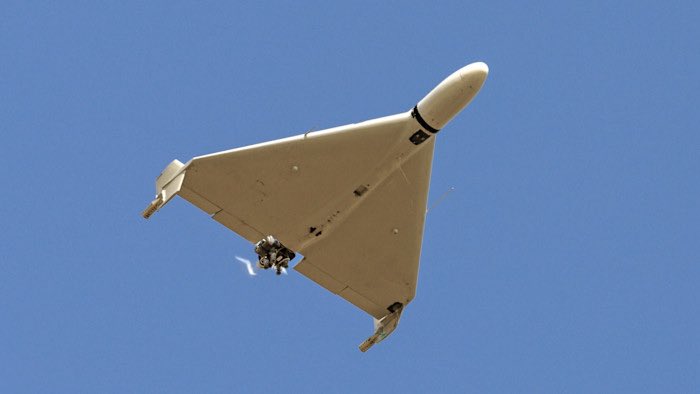
BREAKING: Iran just struck Microsoft data centers in the Gulf. Not Amazon. Not a generic cloud provider. Microsoft — whose Azure platform runs the operational backbone of NATO, the US Department of Defense, and every major Western financial institution that has expanded into the Gulf over the last five years.
This is categorically different from the AWS strikes earlier in the war.
Microsoft Azure is not simply a commercial cloud product. It is a defense-grade infrastructure platform operating under FedRAMP High and DoD Impact Level 5 and 6 authorizations, the highest security classifications available to a commercial provider. Azure GovCloud runs classified US government workloads. Azure for Operators runs 5G military communications infrastructure. The Gulf Azure availability zones, built under billions of dollars of sovereign cloud commitments to UAE, Saudi Arabia, and Qatar, sit at the intersection of commercial enterprise and military-adjacent operations in a way no other cloud platform does. When Iran fires missiles at Microsoft data centers in the Gulf, it is not attacking a commercial storage facility. It is attacking the digital connective tissue between American defense architecture and Gulf sovereign AI ambitions.
The mechanism Iran is applying across every domain of this war is now operating at the infrastructure layer of the global digital economy. Hormuz for maritime insurance. BAPCO and Ras Tanura for oil infrastructure insurance. Manama hotels for corporate presence insurance. AWS for basic cloud insurability. Microsoft for the tier of cloud infrastructure that carries defense-adjacent and government workloads. Each successive target has moved one layer deeper into the critical infrastructure stack.
Microsoft has not yet confirmed the extent of damage or the impact on service continuity. That silence is itself data. When AWS facilities were struck earlier in the war, the company posted status updates within hours. The Microsoft situation is being handled with a different communication posture, which is consistent with facilities that carry sovereign and defense-adjacent contractual obligations that restrict what can be publicly disclosed about operational status.
The Gulf was supposed to be the proving ground for the sovereign AI thesis. Every major hyperscaler made the bet simultaneously: Gulf governments want their data onshore, under their own regulatory frameworks, close to their own populations, contributing to their own AI capability development. Microsoft, Google, AWS, Oracle, all committed multi-billion dollar buildouts to that thesis in the last three years. The thesis assumed physical security. The thesis assumed the Gulf was a stable operating environment for long-term digital infrastructure. That assumption was always geopolitically contingent. It is now empirically falsified.
Every CTO and every procurement officer running a sovereign cloud negotiation anywhere in the world is looking at the Microsoft strike footage right now and running the same calculation: if the Gulf is a ballistic missile target range, where does the sovereign AI buildout go instead?
Iran cannot win this war militarily. But it is methodically repricing every assumption the American-aligned economic order made about the Gulf as a safe jurisdiction for permanent infrastructure.
The missiles hitting Microsoft data centers today are not attacking cloud storage. They are attacking the confidence interval on a decade of digital infrastructure investment.
open.substack.com/pub/shanakaans…


English

@jacopogiliberto La cosa inquietante è che sembrano scene di film o clip fatti con l'IA. Ormai siamo assuefatti nel vedere certe immagini e non riusciamo più a capire se sia realtà o finzione, con tutte le conseguenze del caso.
Italiano
ᴄᴀʀʟ8 retweetledi

A CUNEOOOOO
SPLENDIDA CITTÀ DEL PIEMONTE
CON IL SOLE DI FRONTE
PARLO DI CUNEOOOOOOOO
C'È L'ATMOSFERA SABAUDA
C'È LA BAGNACAUDA
#Sanremo2026
Italiano
ᴄᴀʀʟ8 retweetledi

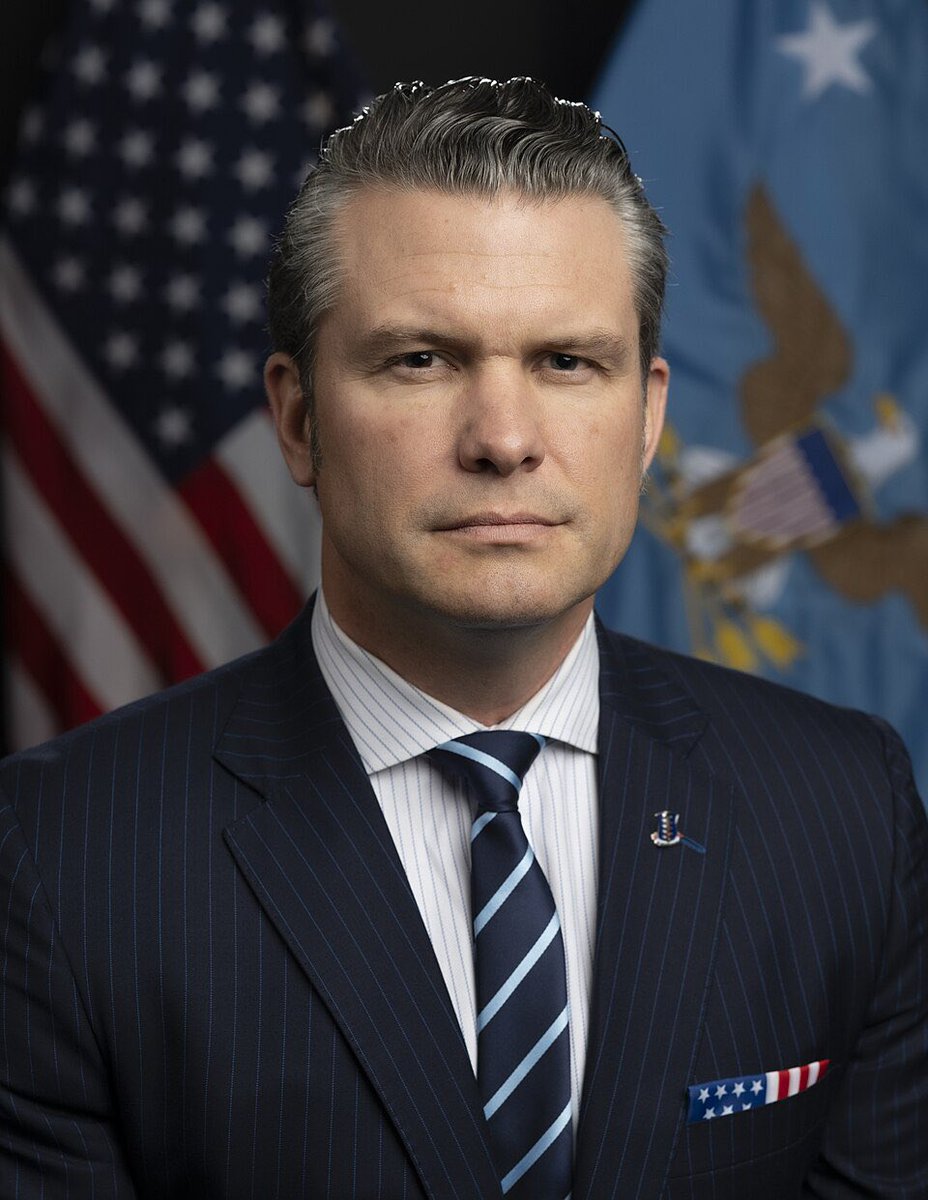
Pete Hegseth is once again demonstrating that he’s dangerously unfit to lead the Pentagon.
Instead of building consensus on how to responsibly integrate AI into our national defense, he’s threatening an American AI company with an ultimatum: abandon its ethics rules or be cut off, labeled a supply chain risk, or even forced into compliance.
Red lines of no mass domestic surveillance and no autonomous weapons without human control are necessary and reasonable. Yet Hegseth’s response is coercion, jeopardizing both innovation and our security.
When even the AI company that stands to benefit says to pump the brakes, we must listen.
politico.com/news/2026/02/2…
English
ᴄᴀʀʟ8 retweetledi

Dario stamattina si è alzato.
E ha scelto di fare la guerra al Dipartimento della Guerra.

Anthropic@AnthropicAI
A statement from Anthropic CEO, Dario Amodei, on our discussions with the Department of War. anthropic.com/news/statement…
Italiano

ᴄᴀʀʟ8 retweetledi

Anthropic's CEO Explains His Refusal to Back Down to the Pentagon.
Amodei explained his deep concerns over "autonomous drone swarms" and mass surveillance.
He pointed out a crucial reality: our military's constitutional protections rely entirely on human soldiers having the ability to disobey an illegal order. AI weapons don't have that fail-safe.
He also warned that AI could completely bypass the Fourth Amendment. Right now, the government can't possibly process every single conversation recorded in public spaces.
But with AI's ability to instantly transcribe and connect millions of data points, it could easily map out political opposition in seconds.
English
ᴄᴀʀʟ8 retweetledi

The Pentagon is about to give an American AI company the Huawei treatment.
Not because it’s Chinese. Not because it’s a spy risk.
Because it refuses to let the military use its AI for mass surveillance of Americans and fully autonomous weapons.
This morning, Defense Secretary Pete Hegseth summoned Anthropic CEO Dario Amodei to the Pentagon. A senior Defense official told Axios: “This is not a friendly meeting. This is a sh*t-or-get-off-the-pot meeting.”
Here’s what’s actually happening:
Claude is the only AI model running inside the Pentagon’s classified systems. The most capable model for sensitive defense and intelligence work. It was used in the Maduro raid in January through Palantir, the first confirmed use of a commercial AI in a classified military operation.
Now the Pentagon wants all restrictions removed. “All lawful purposes.” Including capabilities that would let the military continuously monitor the social media posts, voter registration, concealed carry permits, and demonstration records of every American citizen using AI at scale.
Anthropic said no to two things: mass surveillance of Americans and fully autonomous weaponry.
The Pentagon’s response: threatening to designate Anthropic a “supply chain risk.”
That designation is reserved for foreign adversaries. The last company to receive it was Huawei. It would force every defense contractor in America to certify they don’t use Claude in their workflows. Given that 8 of the Fortune 10 use Claude, this would cascade through the entire defense industrial base.
A senior Pentagon official told Axios: “It will be an enormous pain in the ass to disentangle, and we are going to make sure they pay a price for forcing our hand like this.”
Another official: “The problem with Dario is, with him, it’s ideological. We know who we’re dealing with.”
Meanwhile: OpenAI, Google, and xAI have already agreed to remove their safeguards for military use. OpenAI deployed ChatGPT to all 3 million DoD personnel through GenAI. mil. xAI holds a separate $200M contract backed by Musk’s political proximity to the administration.
Anthropic is the only one that said no.
Think about what’s being asked. The company whose own safety chief resigned two weeks ago warning “the world is in peril.” The company that just published a report showing its most advanced model “knowingly assisted with chemical weapons research” in testing. That company is being punished for refusing to hand the U.S. military unrestricted access to that same technology.
The Pentagon admits competing models “are just behind” for classified work. They need Claude. But they’re willing to blow up the relationship rather than accept two restrictions that protect American citizens from their own government.
This is the most important story in AI right now and almost nobody is framing it correctly.
It’s not about one $200M contract. It’s about whether the U.S. military can compel a private company to remove safety restrictions on technology its own developers have demonstrated is dangerous, under threat of receiving the same designation as a Chinese national security threat.
Dario Amodei walks into that meeting this morning with $380 billion in enterprise value, $14 billion in revenue, and a principle that may cost him both.
Full institutional analysis on my Substack.
open.substack.com/pub/shanakaans…


English
ᴄᴀʀʟ8 retweetledi