ABM Nasir
2K posts


ABM Nasir
@ABMNasir
Professor, Economics, School of Business, NCCU

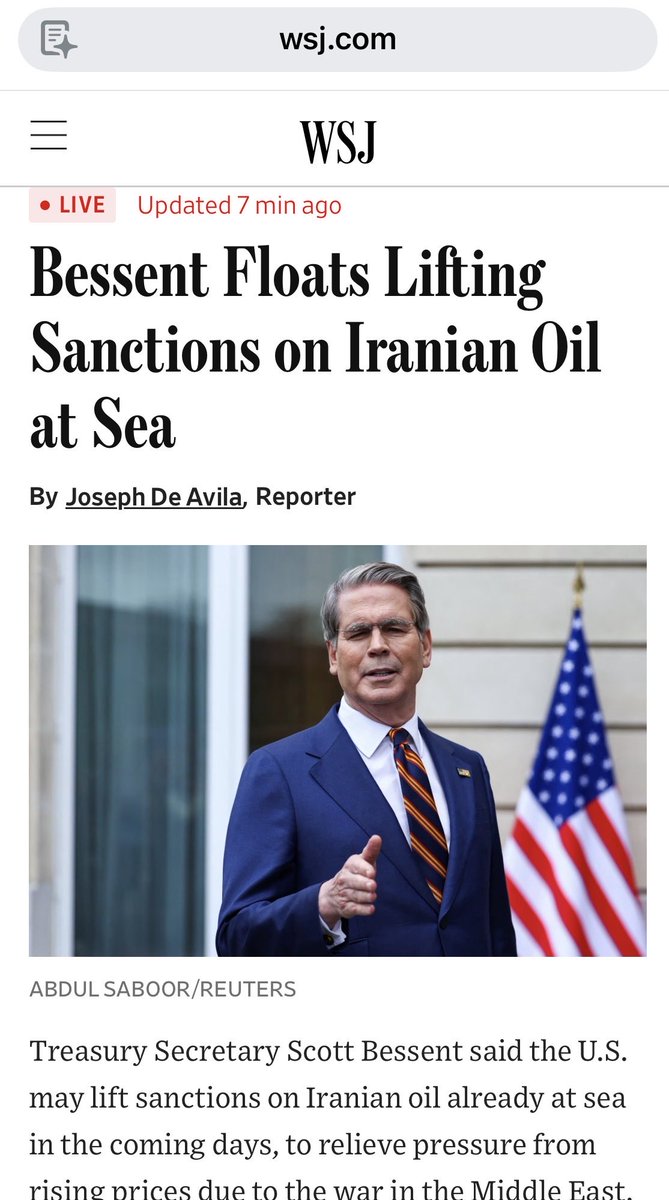
The number of people facing acute hunger could reach record levels in 2026, if the conflict in Iran does not end soon. The Economist has analysed some of the emerging markets most at risk, examining their reliance on imported energy and the fragility of their economies. Explore the full list: econ.st/489se4d
কি যে কমু….. ! ……..ভালোই…….! @SarwarWassel @077aamamun @Akash735396 @ALBDMedia @ShahdatShaj @col_chaubey @bbcbangla @FoxNews @CNN @mdazizu16426348 @salah_shoaib @JannatSami99212


Many of Bangladesh's current political leaders, to include the Prime Minister, Cabinet Members, and Treasury and Opposition MPs were victims of human rights abuses by the 2009-24 Awami League Government. They should have a personal and political interest in ensuring that such abuses never are allowed to occur again. The efforts by the Interim Government to strengthen institutions to prevent future human rights violations were among its most important legacies. These include the National Human Rights Commission Ordinance and the Enforced Disappearance Protection and Remedy Ordinance. These Ordinances were the product of broad consultation within Bangladesh and with international partners. It is therefore of greatest concern that I receive reports that the Government intends to make fundamental changes to both ordinances, or even allow them to lapse. This would represent a huge step backwards and call into question the Government's commitment to promoting human rights. I can understand why those who would be subject to increased scrutiny and possible future liability for abuses would want to weaken institutions designed to protect human rights. But I struggle to understand why a Govenment that is only in power because of the sacrifices of those who fought against a brutal authoritarian regime would side with human rights violators rather than their victims.