ACAFYDE

2.6K posts

ACAFYDE banner
ACAFYDE

ACAFYDE

@ACAFYDEX

Grupo de Investigación | Sports Science, Big Data, Sport Psychology and Physical Education & Health Research | Universidad de Extremadura | [email protected]

Cáceres, Extremadura Katılım Aralık 2017
1.8K Takip Edilen2.6K Takipçiler
Sabitlenmiş Tweet
ACAFYDE
ACAFYDE@ACAFYDEX·
📢 Inicio del XIII Congreso Internacional de la Asociación Española de Ciencias del Deporte 📅 1-3 octubre 2025 📍 Elche – @UniversidadMH Punto de encuentro para compartir conocimiento, innovación y pasión por las ciencias del deporte 💪🏽⚽🏀🏋️‍♂️ #CongresoAECD2025 @aecdeporte
ACAFYDE tweet media
Español
1
10
20
2.6K
ACAFYDE
ACAFYDE@ACAFYDEX·
📢🎓 ¡I JORNADA DE DOCTORANDOS/AS DEL @Inideporte! Conecta y aprende. Tejiendo redes de investigación 🔬 📅 10 y 11 de junio 🕥 9:30 – 13:00 h 📍 Facultad de Ciencias del Deporte (UEx) 🆓 Gratuito 🎯 Objetivo Formación en temas transversales de la carrera investigadora 📋 Temas confirmados 🔹 ¿Qué hacer después de la Tesis Doctoral? Retos y Oportunidades 🔹 Investigación con metodología cualitativa 🔹 Adquisición de competencias profesionales durante el doctorado 🔹 Presentación de doctorandos/as: tu proyecto de tesis ☕ Coffee break & social networking incluido 📝 Próximamente se abrirá el formulario. Sigue a @Inideporte en redes (ig: inide_uex) Si estás haciendo tu doctorado y quieres formarte, hacer contactos y compartir tu investigación, este es tu sitio 💪 #INIDE #UEx #Doctorado #JornadaINIDE #InvestigacionDeportiva
ACAFYDE tweet media
Español
0
7
10
454
ACAFYDE
ACAFYDE@ACAFYDEX·
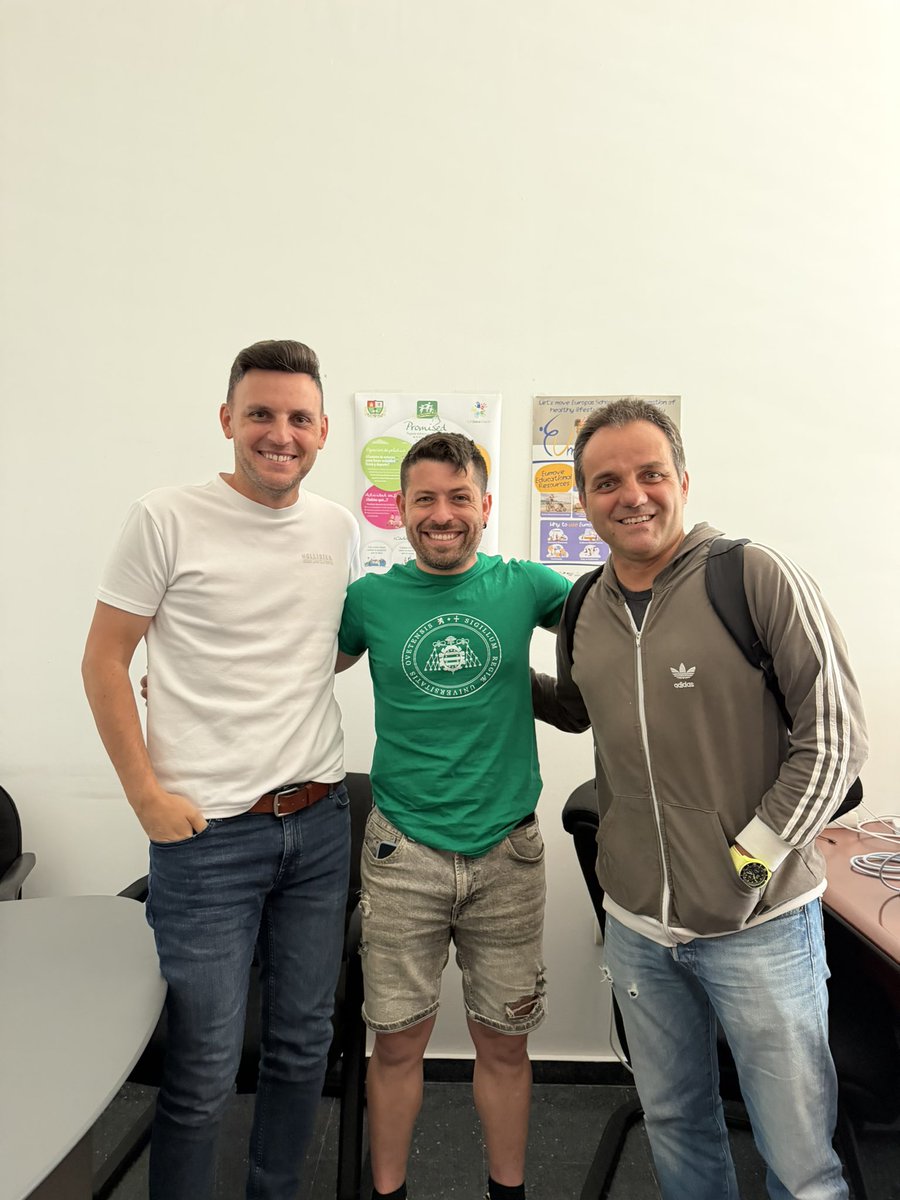
📢 ¡TIEMPO DE FORMACIÓN! 📖 📱💤 ¿Cómo se reparten las 24 horas del día de nuestros hijos e hijas? Nuestro compañero @matapiase tuvo el placer de visitar al CEIP Isabel de Moctezuma de #Cáceres para realizar una actividad formativa sobre hábitos saludables dirigida a familias del AMPA, sobre tres pilares básicos: 🏃Actividad Física, 📱Uso de Pantallas y 💤 Tiempo de Sueño El taller sirvió para comprender la importancia de controlar los límites recomendados analizando nuestro día a día y, sobre todo, cómo mantener esas rutinas saludables también durante los fines de semana. Fue una sesión súper amena y dinámica. ¡Muchísimas gracias por la invitación! 👏
ACAFYDE tweet media
Español
0
1
11
366
ACAFYDE
ACAFYDE@ACAFYDEX·
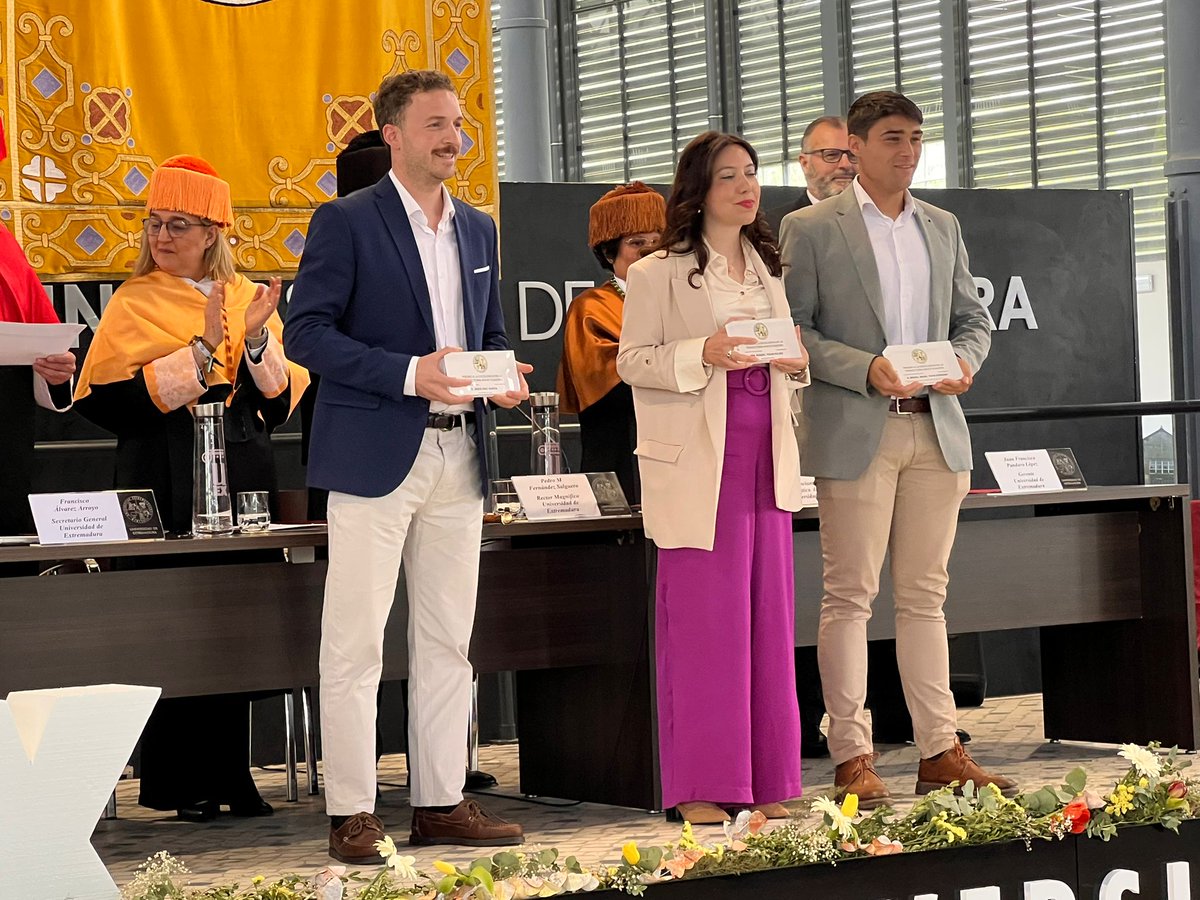
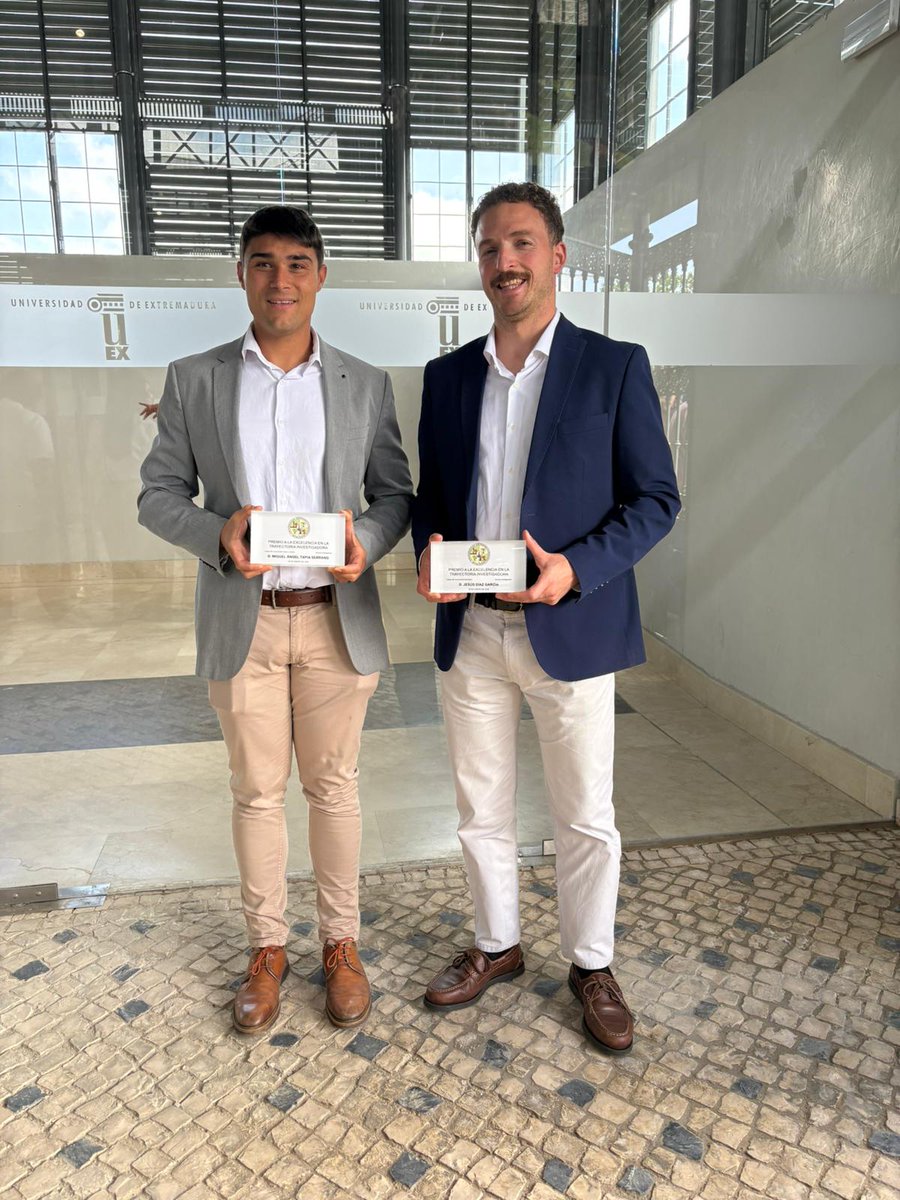
🎓📢 ¡Reconocimiento y méritos! El pasado 22 de abril de 2026, nuestros compañeros @DiazGarciaJesus y @matapiase fueron distinguidos con el Premio a la Excelencia en la Trayectoria Investigadora para Jóvenes Investigadores de la Universidad de Extremadura (@infouex) durante el Solemne Acto de Festividad Universitaria de Santo Tomás de Aquino. Este reconocimiento pone en valor la calidad, el impacto y la proyección de la labor investigadora de jóvenes investigadores en la UEx. 🎖️ Jesús Díaz García recibió el premio en el ámbito Biomédico, destacando su contribución científica en este campo 🎖️ Miguel Ángel Tapia Serrano fue galardonado en el ámbito Social y Jurídico, en reconocimiento a su trayectoria investigadora en este área. Desde aquí, nuestra enhorabuena a ambos por este merecido reconocimiento a su compromiso con la investigación y la excelencia académica 🎓👏 @UExDivulga @infouex @FFP_Uex @fcd_uex
ACAFYDE tweet mediaACAFYDE tweet media
Español
1
3
18
670
ACAFYDE
ACAFYDE@ACAFYDEX·
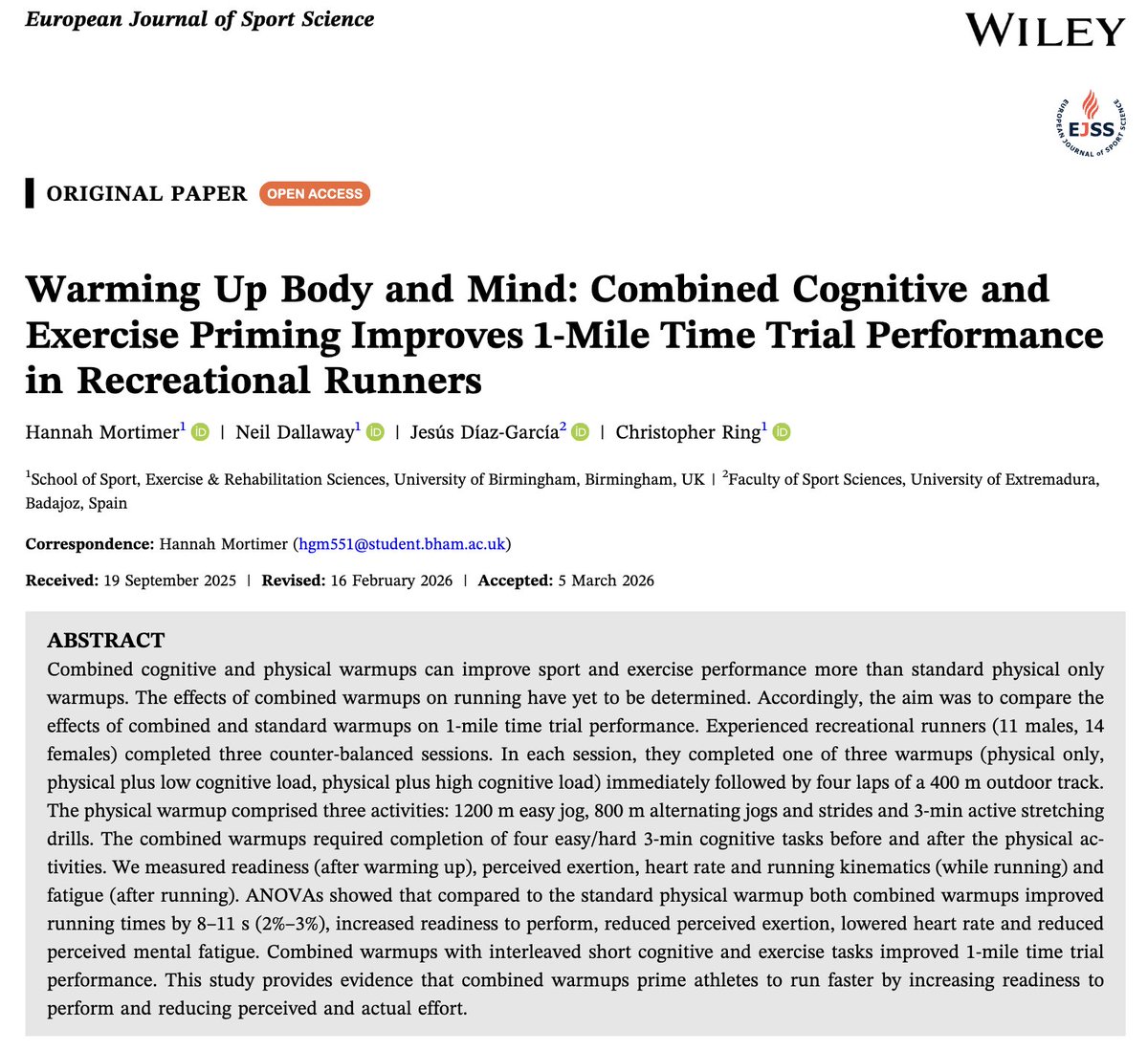
📢 NEW STUDY PUBLISHED! "Warming Up Body and Mind: Combined Cognitive and Exercise Priming Improves 1-Mile Time Trial Performance in Recreational Runners" 🎓 Hannah Mortimer Neil Dallaway @DiazGarciaJesus Chris Ring 📖 European Journal of Sport Sciences (JCR Q2, 3.0 IF) 🔗 Read the full article: doi.org/10.1002/ejsc.7… Does including cognitive exercises during a warm-up help improve performance in 1-mile races? 🤔 It is widely accepted that the brain plays a key role in athletic performance. Why, then, do pre-activity warm-ups only focus on preparing the body and not the brain? Our study is the first to compare the effects of a combined warm-up (physical + cognitive) versus a physical-only warm-up on 1-mile run performance. Key takeaways from this work: 🎯 Main Objective To compare the effects of combined vs. physical warm-ups on running performance and other related variables. 🫂 Method 25 amateur athletes participated (11 men, 14 women) who regularly train and compete in local races. 📊 Main Results 1️⃣ The combined warm-up improved total time, reducing it by 2% to 3%. 2️⃣ Other performance and satisfaction variables also improved: better readiness for performance, lower RPE (Rate of Perceived Exertion), lower heart rate, and lower levels of mental fatigue. 🔎 Why does it matter? These findings reinforce the importance of priming not just the body, but also the mind, to enhance athletic performance and its related psychological factors. To cite this article: Mortimer, H., Dallaway, N., Díaz-García, J., & Ring, C. (2026). Warming Up Body and Mind: Combined Cognitive and Exercise Priming Improves 1-Mile Time Trial Performance in Recreational Runners. European Journal of Sport Science, 26(5), e70163. doi.org/10.1002/ejsc.7… #Brain #Performance #Priming #PhysicalActivity #Research #SportScience
English
0
1
2
161
ACAFYDE
ACAFYDE@ACAFYDEX·
📢 ¡NUEVO ESTUDIO PUBLICADO! "Warming Up Body and Mind: Combined Cognitive and Exercise Priming Improves 1-Mile Time Trial Performance in Recreational Runners" 🎓 Hannah Mortimer, Neil Dallaway, @DiazGarciaJesus & Chris Ring 📖 European Journal of Sport Sciences (JCR Q2, 3.0 IF) 🔗 Lee el artículo completo: doi.org/10.1002/ejsc.7… ¿Ayuda la inclusión de ejercicios cognitivos durante el calentamiento a mejorar el rendimiento en carreras de 1 milla? 🤔 Está ampliamente aceptado que el cerebro juega un papel clave en el rendimiento deportivo. Pero, ¿por qué entonces los calentamientos pre-actividad solo se centran en preparar el cuerpo y no el cerebro para estas actividades? Nuestro estudio es el primero en comparar los efectos del calentamiento combinado (es decir, físico + cognitivo) y el calentamiento físico sobre el rendimiento en carreras de 1 milla. Os contamos las claves de este trabajo: 🎯 Objetivo principal Compara los effectos de calentamientos combinados vs físicos sobre el rendimiento de carrera y otras variables relacionadas. 🫂 Método Participaron 25 atletas amateur (11 hombres, 25 mujeres), que suelen entrenar y participar en carreras populares. 📊 Resultados principales 1️⃣ El calentamiento combinado mejoro el tiempo total, reduciendo entre un 2 y un 3%. 2️⃣ También se mejoraron otras variables relacionadas con el rendimiento y la satisfacción: Mejor preparación para el rendimiento, menor RPE, menor frecuencia cardiaca y niveles más bajos de fatiga mental. 🔎 ¿Por qué es importante? Estos hallazgos refuerzan la relevancia de preparar no solo el cuerpo, sino también la mente, para mejorar el rendimiento deportivo y otras variables relacionadas con el mismo. Para citar este artículo: Mortimer, H., Dallaway, N., Díaz-García, J., & Ring, C. (2026). Warming Up Body and Mind: Combined Cognitive and Exercise Priming Improves 1-Mile Time Trial Performance in Recreational Runners. European journal of sport science, 26(5), e70163. doi.org/10.1002/ejsc.7… #Brain #Performance #Priming #ActividadFísica #Investigación #SportScience
ACAFYDE tweet media
English
1
2
3
671
ACAFYDE
ACAFYDE@ACAFYDEX·
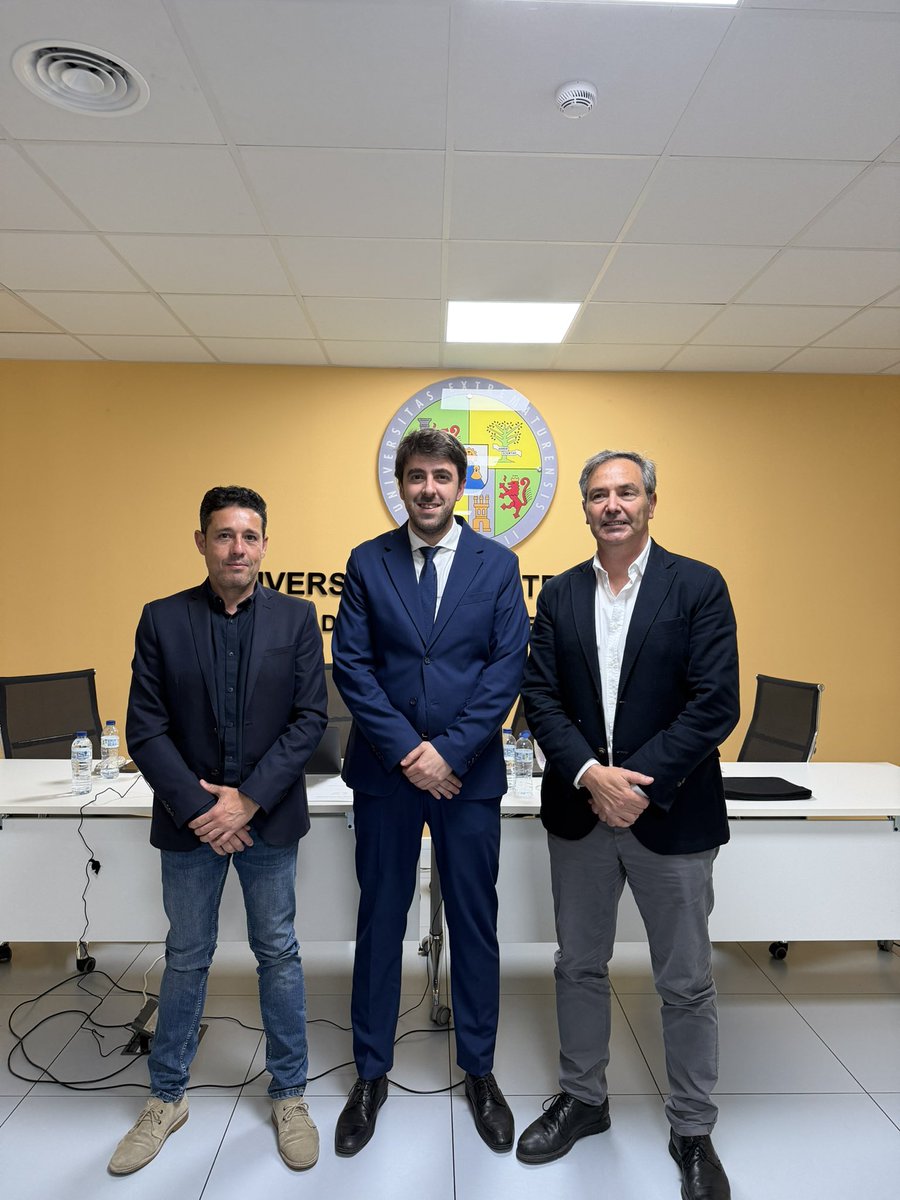
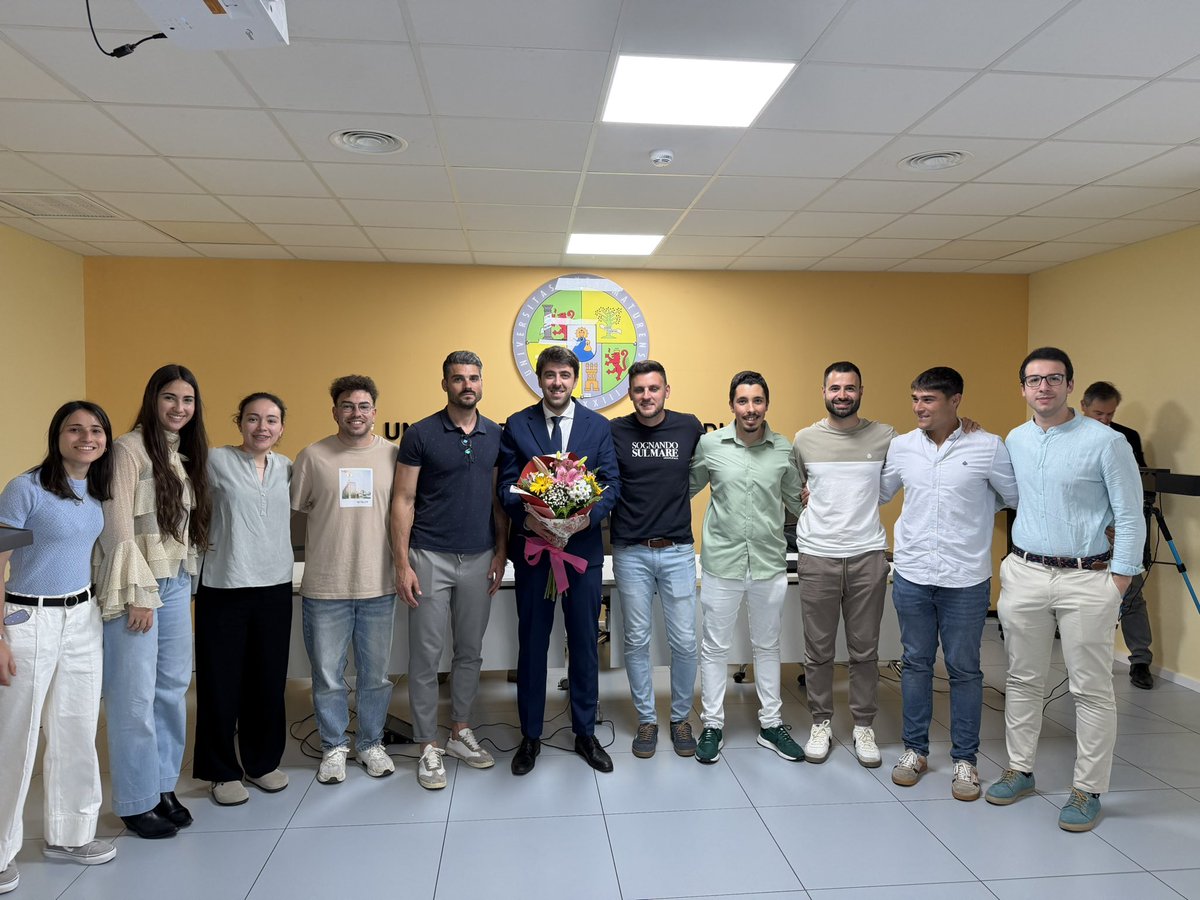
¡Estamos de enhorabuena! 🥳 En el día de hoy, nuestro compañero @jsevilsphd ha defendido y conseguido la plaza de Profesor Titular de Universidad de la @infouex en el área de Didáctica de la Expresión Corporal, perteneciente al Departamento de Didáctica de la Expresión Musical, Plástica y Corporal de la @FFP_Uex Esta defensa es fruto de una sobresaliente labor investigadora y docente desarrollada a lo largo de los años ¡Enhorabuena Javi! 🙌✨
ACAFYDE tweet mediaACAFYDE tweet mediaACAFYDE tweet mediaACAFYDE tweet media
Español
4
5
45
3.9K
ACAFYDE
ACAFYDE@ACAFYDEX·
¡Estamos de celebración! 🥳 En el día de hoy, nuestro compañero @juanjopulido ha defendido y conseguido la plaza de Profesor Titular de Universidad de la @infouex en el área de Didáctica de la Expresión Corporal, perteneciente al Departamento de Didáctica de la Expresión Musical, Plástica y Corporal Esta defensa es fruto de una trabajada y brillante carrera investigadora y docente ¡Enhorabuena! ✨
ACAFYDE tweet mediaACAFYDE tweet mediaACAFYDE tweet mediaACAFYDE tweet media
Español
3
5
31
1K
ACAFYDE
ACAFYDE@ACAFYDEX·
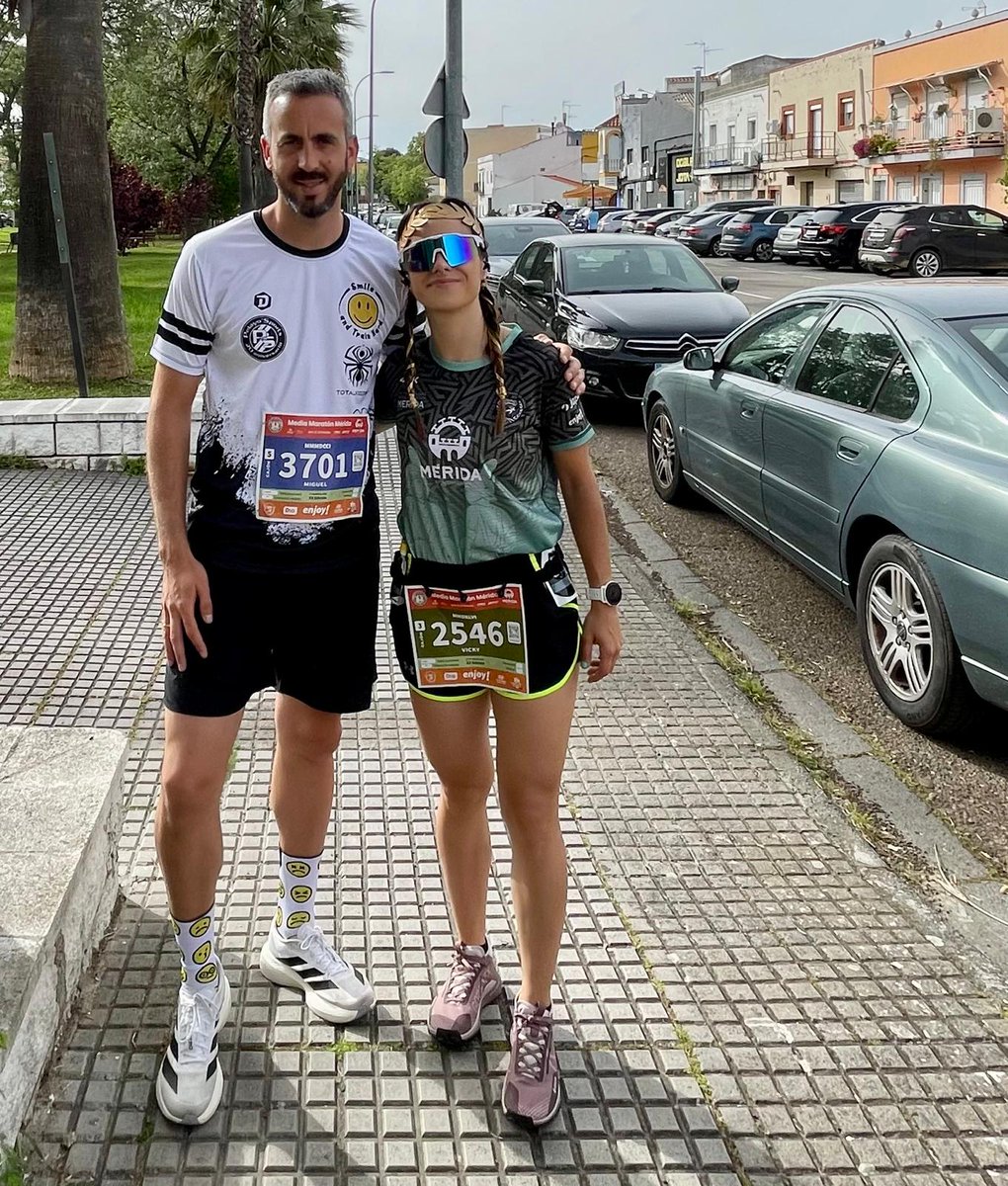
📢 ¡TRANSFERENCIA Y ACCIÓN! En el grupo de investigación @ACAFYDEX no solamente nos encargamos de investigar y compartir conocimiento, sino también de vivenciarlo y de predicar con el ejemplo 🙌 Nuestros compañeros @Miguel_Lopez_G y @anarubmor94 completaron el pasado sábado la XX Media Maratón de Mérida 🏛️✨ ¡Vaya equipazo! Estamos muy orgullosos de vuestro esfuerzo. ¡Enhorabuena! 👏🔥
ACAFYDE tweet media
Español
1
2
19
712
ACAFYDE
ACAFYDE@ACAFYDEX·
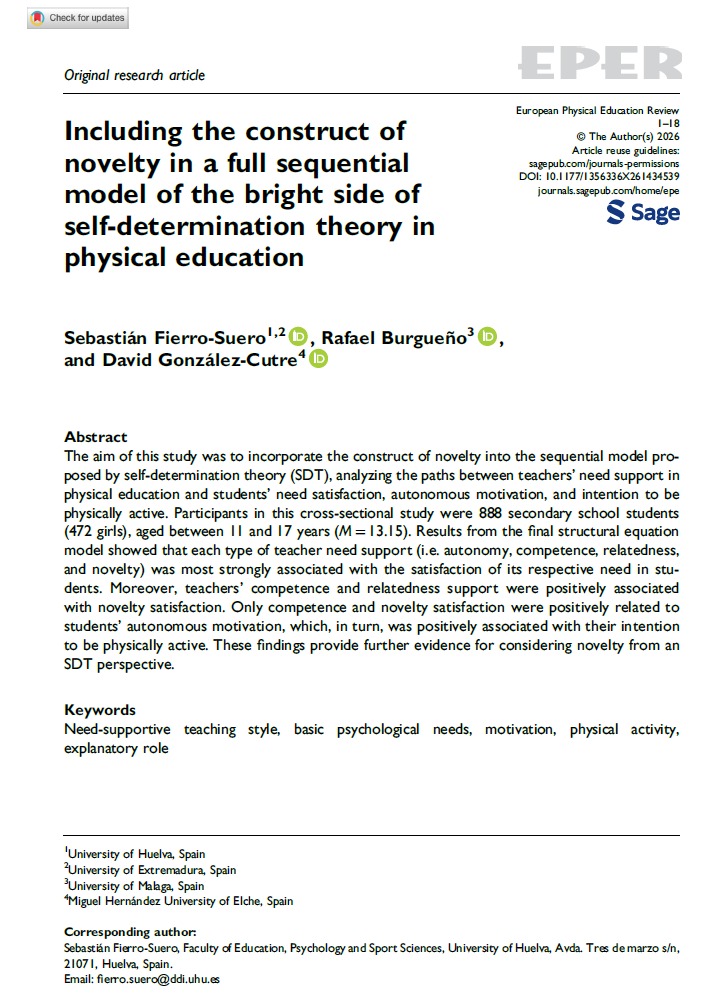
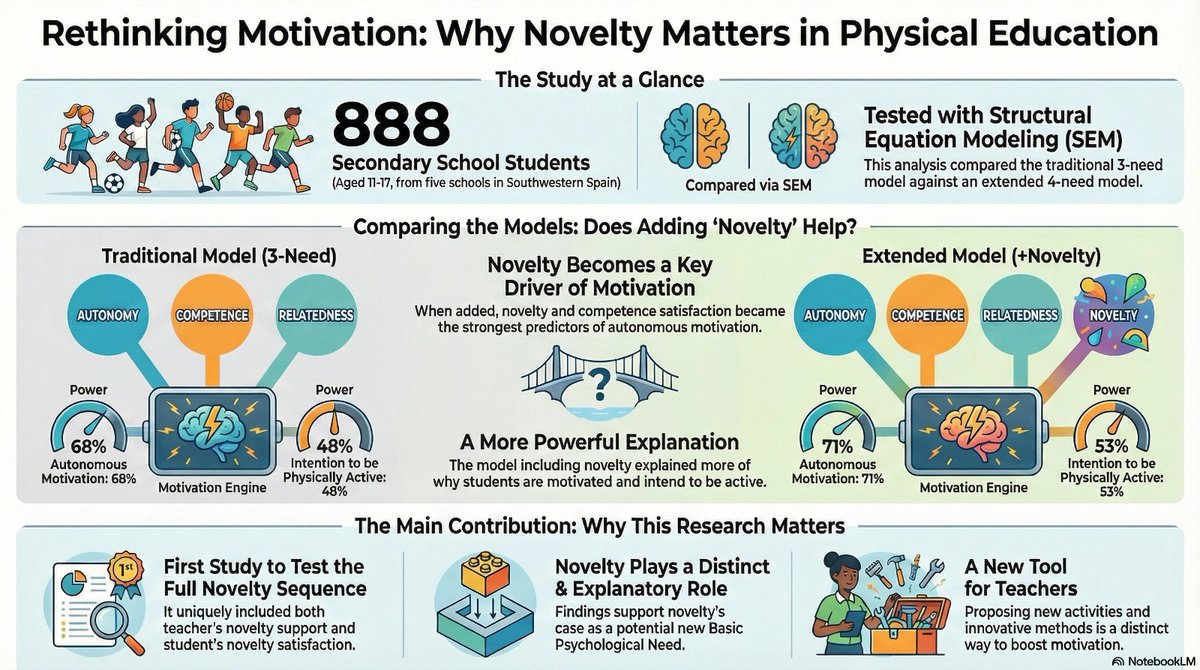
📢 NEW STUDY PUBLISHED! "Including the construct of novelty in a full sequential model of the bright side of self-determination theory in physical education" 🎓 @ChanFierro @davidgcutre @RafaBurguenoPhD 📖 European Physical Education Review (JCR Q1, 3.3 IF) 🔗 Read the full paper here: doi.org/10.1177/135633… Does novelty help us better explain students’ motivation in Physical Education? 🤔 Self-Determination Theory has traditionally focused on autonomy, competence, and relatedness. But what happens when novelty is also included? Our study is the first to integrate novelty into the full bright-side sequential model of SDT in Physical Education. Here are the key takeaways from this paper: 🎯 Main objective To incorporate the construct of novelty into the full sequential model of Self-Determination Theory, analyzing the links between teachers’ need support, students’ need satisfaction, autonomous motivation, and intention to be physically active. 🫂 Method The study involved 888 secondary school students aged 11 to 17 from 5 schools in the south-west of Spain. 📊 Key findings 1️⃣ Each type of teacher need support was mainly associated with the satisfaction of its corresponding need: autonomy, competence, relatedness, and novelty. 2️⃣ Teacher novelty support strongly predicted novelty satisfaction and was also positively related to autonomy satisfaction. 3️⃣ Only competence satisfaction and novelty satisfaction were positively associated with autonomous motivation, which in turn was positively related to students’ intention to be physically active. 4️⃣ Including novelty improved the explanatory power of the model, increasing the explained variance in autonomous motivation (from 68% to 71%) and in intention to be physically active (from 48% to 53%). 🔎 Why does it matter? These findings reinforce the relevance of novelty from an SDT perspective and suggest that offering novel tasks, materials, spaces, and experiences may help us better understand students’ motivation in Physical Education. To cite this article: Fierro-Suero, S., Burgueño, R., & González-Cutre, D. (2026). Including the construct of novelty in a full sequential model of the bright side of self-determination theory in physical education. European Physical Education Review, 1–18. doi.org/10.1177/135633… #PhysicalEducation #Motivation #SelfDeterminationTheory #PhysicalActivity #Research #SportScience
English
0
1
9
1.8K
ACAFYDE
ACAFYDE@ACAFYDEX·
📢 ¡NUEVO ESTUDIO PUBLICADO! "Including the construct of novelty in a full sequential model of the bright side of self-determination theory in physical education" 🎓 @ChanFierro @davidgcutre @RafaBurguenoPhD 📖 European Physical Education Review (JCR Q1, 3.3 IF) 🔗 Lee el artículo completo: doi.org/10.1177/135633… ¿Ayuda la novedad a explicar mejor la motivación del alumnado en Educación Física? 🤔 La Teoría de la Autodeterminación ha analizado tradicionalmente el papel de la autonomía, la competencia y la relación. Pero, ¿qué ocurre cuando incorporamos también la novedad? Nuestro estudio es el primero que integra la novedad en el modelo secuencial completo del lado positivo de la SDT en Educación Física. Os contamos las claves de este trabajo: 🎯 Objetivo principal Incorporar el constructo de novedad al modelo secuencial completo de la Teoría de la Autodeterminación, analizando las relaciones entre el apoyo docente a las necesidades psicológicas, la satisfacción de esas necesidades, la motivación autónoma y la intención de ser físicamente activo/a. 🫂 Método Participaron 888 estudiantes de Educación Secundaria de entre 11 y 17 años, procedentes de 5 centros del suroeste de España. 📊 Resultados principales 1️⃣ Cada tipo de apoyo del docente se asoció principalmente con la satisfacción de su necesidad correspondiente: autonomía, competencia, relación y novedad. 2️⃣ El apoyo docente a la novedad predijo fuertemente la satisfacción de novedad y también se relacionó positivamente con la satisfacción de autonomía. 3️⃣ Solo la satisfacción de competencia y la satisfacción de novedad se asociaron positivamente con la motivación autónoma, que a su vez se relacionó positivamente con la intención de ser físicamente activo/a. 4️⃣ Incluir la novedad mejoró la capacidad explicativa del modelo, aumentando la varianza explicada de la motivación autónoma (del 68% al 71%) y de la intención de ser físicamente activo/a (del 48% al 53%). 🔎 ¿Por qué es importante? Estos hallazgos refuerzan la relevancia de la novedad desde la perspectiva de la SDT y sugieren que proponer tareas, materiales, espacios y experiencias novedosas puede ayudar a comprender mejor la motivación del alumnado en Educación Física. Para citar este artículo: Fierro-Suero, S., Burgueño, R., & González-Cutre, D. (2026). Including the construct of novelty in a full sequential model of the bright side of self-determination theory in physical education. European Physical Education Review, 1–18. doi.org/10.1177/135633… #EducaciónFísica #Motivación #TeoríaDeLaAutodeterminación #ActividadFísica #Investigación #SportScience
ACAFYDE tweet mediaACAFYDE tweet media
English
1
4
16
416
ACAFYDE
ACAFYDE@ACAFYDEX·
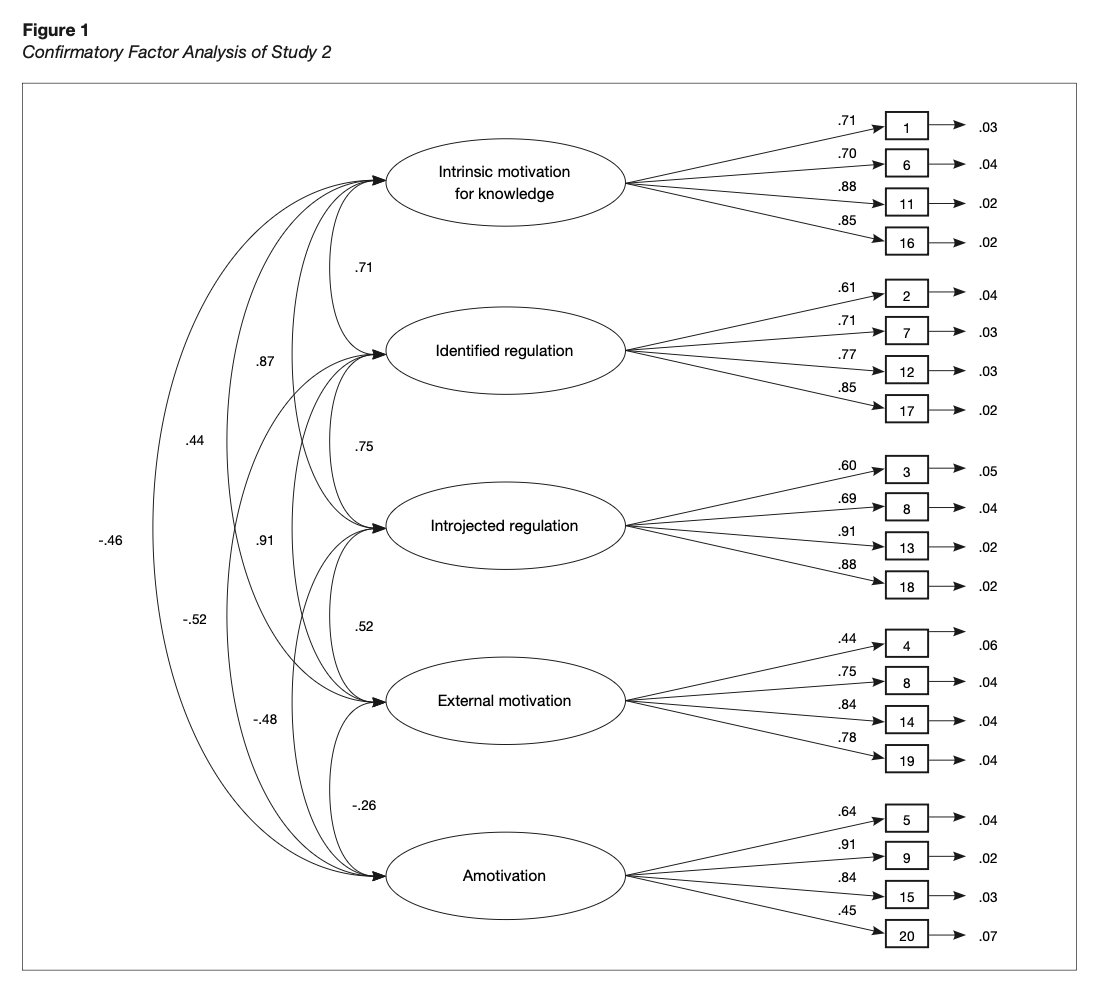
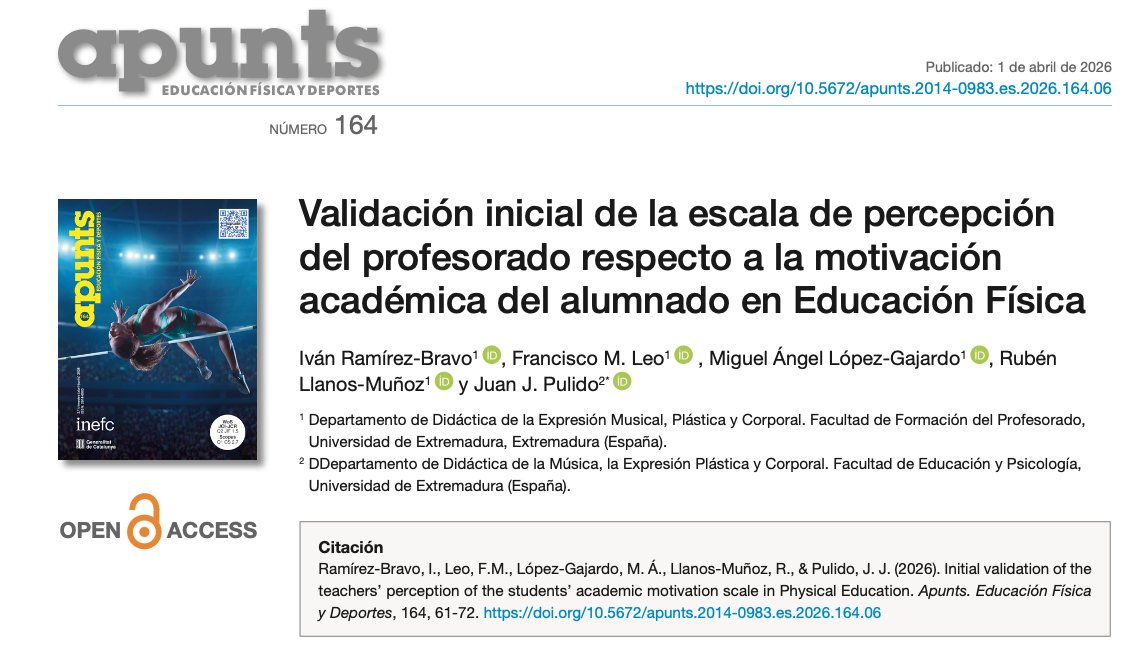
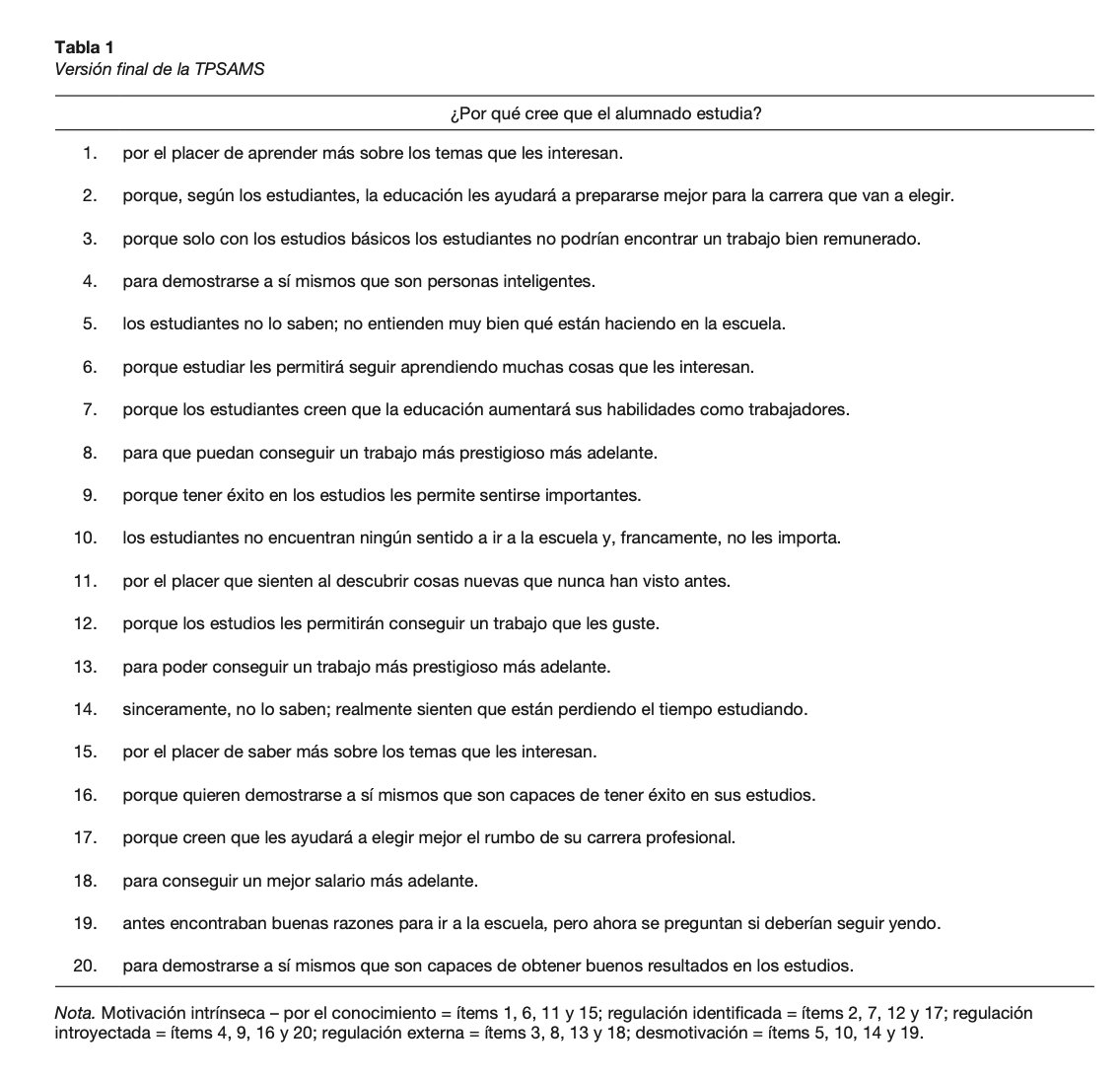
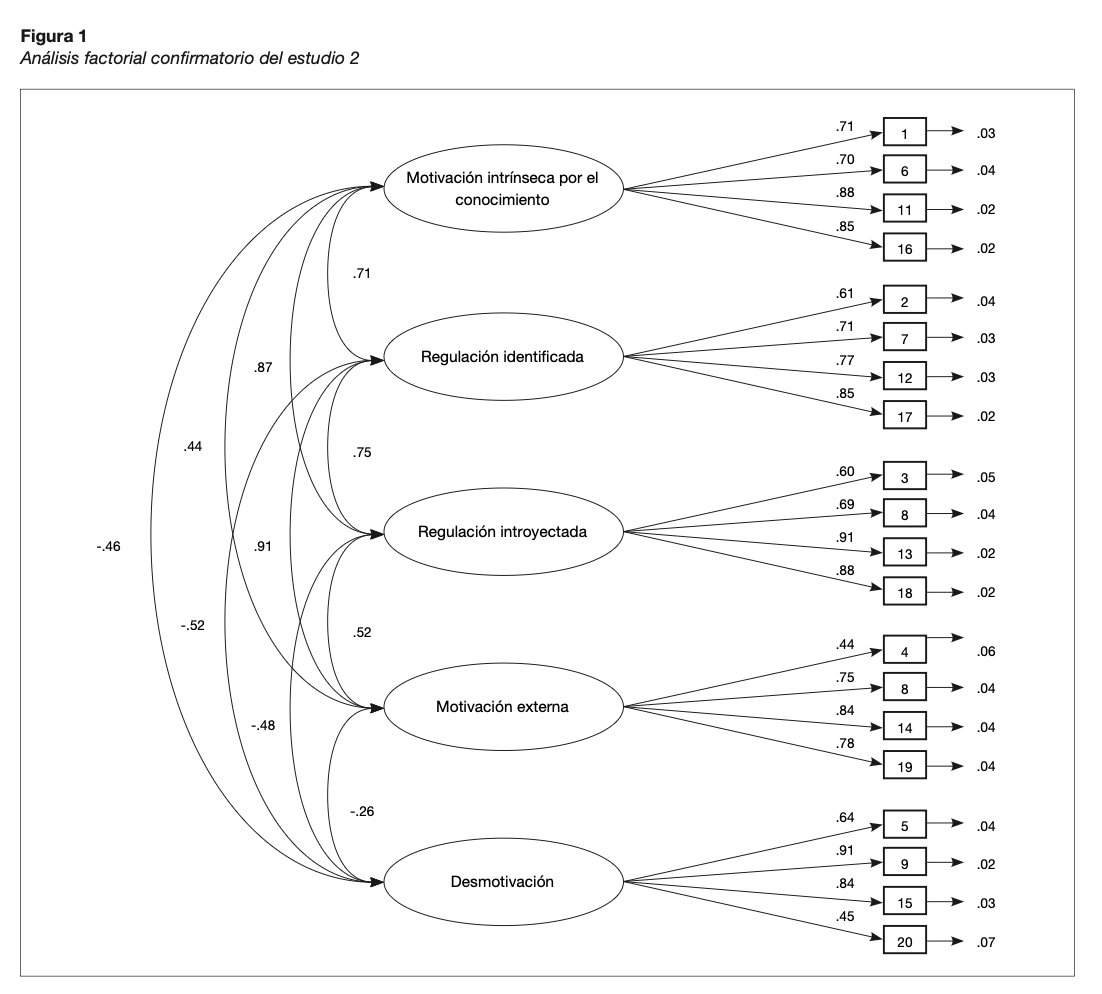
📢 NEW STUDY PUBLISHED! "Initial Validation of the Teachers’ Perception of the Students’ Academic Motivation Scale in Physical Education" 🎓 @IvansRamirez10 @FranMLeoMarcos @Miguel_Lopez_G @Rubenllm06 @juanjopulido 📖 Apunts. Educación Física y Deporte 🔗 Read the full paper here: doi.org/10.5672/apunts… How do PE teachers perceive their students' motivation? 🤔 Traditionally, motivation has been assessed from the student's point of view. But what about the teacher's perspective? Our study presents the validation of the Teachers’ Perceptions of Students’ Academic Motivation Scale (TPSAMS). Here are the key takeaways of this tool designed to complement classroom research: 🎯 Main Objective To adapt and validate an instrument (TPSAMS) to measure how PE teachers perceive their students' different motivational regulations under the Self-Determination Theory framework. 🫂 Method The study involved 350 teachers from across Spain. Five factors were evaluated: intrinsic motivation, identified regulation, introjected regulation, external regulation, and amotivation. 📊 Key Findings 1️⃣ The scale demonstrates excellent reliability and psychometric validity. 2️⃣ It is gender-invariant, performing equally well for both male and female teachers. 3️⃣ A direct correlation was found: teachers who perceive highly motivated students also observe greater behavioral and emotional engagement in their classes. 🔎 Why does it matter? Numerous studies focus exclusively on students' perceptions, but understanding teachers' perceptions is also important, as these directly influence their teaching strategies and the motivational climate they create in the Physical Education classroom. To cite this article: Ramírez-Bravo, I., Leo, F.M., López-Gajardo, M. Á., Llanos-Muñoz, R., & Pulido, J. J. (2026). Initial validation of the teachers’ perception of the students’ academic motivation scale in Physical Education. Apunts. Educación Física y Deportes, 164, 61-72. doi.org/10.5672/apunts… #PhysicalEducation #Motivation #Research #SportScience #AcademicTwitter @infouex @FFP_Uex @Apunts_INEFC
ACAFYDE tweet mediaACAFYDE tweet mediaACAFYDE tweet media
English
0
1
5
187
ACAFYDE
ACAFYDE@ACAFYDEX·
📢¡NUEVO ESTUDIO PUBLICADO! "Initial Validation of the Teachers’ Perception of the Students’ Academic Motivation Scale in Physical Education" 🎓 @IvansRamirez10 @FranMLeoMarcos @Miguel_Lopez_G @Rubenllm06 @juanjopulido 📖 Apunts. Educación Física y Deporte 🔗 Lee el artículo completo: doi.org/10.5672/apunts… ¿Cómo percibe el profesorado de EF la motivación de sus estudiantes? 🤔 Tradicionalmente, la motivación se ha evaluado desde el punto de vista del estudiante. Pero, ¿qué pasa con desde el foco del profesorado? Nuestro estudio presenta la validación de la Escala de Percepción del Profesorado respecto a la Motivación Académica del Alumnado [Teachers’ Perceptions of Students’ Academic Motivation Scale (TPSAMS)] Os contamos las claves de esta herramienta que pretende complementar la investigación en el aula: 🎯 Principal objetivo Adaptar y validar un instrumento (TPSAMS) para medir cómo el profesorado de EF percibe las diferentes regulaciones motivacionales de su alumnado bajo la Teoría de la Autodeterminación. 🫂 Método Participaron 350 docentes de toda España. Se evaluaron 5 factores: motivación intrínseca, regulación identificada, regulación introyectada, regulación externa y amotivación 📊 Resultados principales 1️⃣ La escala muestra una excelente fiabilidad y validez psicométrica. 2️⃣ Es un instrumento invariante por género, funcionando igual de bien para profesores y profesoras. 3️⃣ Existe una relación directa: los profesores que perciben alumnos más motivados también observan un mayor compromiso (engagement) conductual y emocional del alumnado en sus clases 🔎 ¿Por qué es importante? Numerosos estudios se centran exclusivamente en las percepciones del alumnado, pero entender la percepción del profesorado también resulta importante, ya que esta influye directamente en sus estrategias de enseñanza y en el ambiente motivacional que crea en el aula de Educación Física. Para citar este artículo: Ramírez-Bravo, I., Leo, F.M., López-Gajardo, M. Á., Llanos-Muñoz, R., & Pulido, J. J. (2026). Initial validation of the teachers’ perception of the students’ academic motivation scale in Physical Education. Apunts. Educación Física y Deportes, 164, 61-72. doi.org/10.5672/apunts… #EducaciónFísica #Motivación #Investigación #SportScience @infouex @FFP_Uex @Apunts_INEFC
ACAFYDE tweet mediaACAFYDE tweet mediaACAFYDE tweet media
Español
1
5
14
723
ACAFYDE
ACAFYDE@ACAFYDEX·
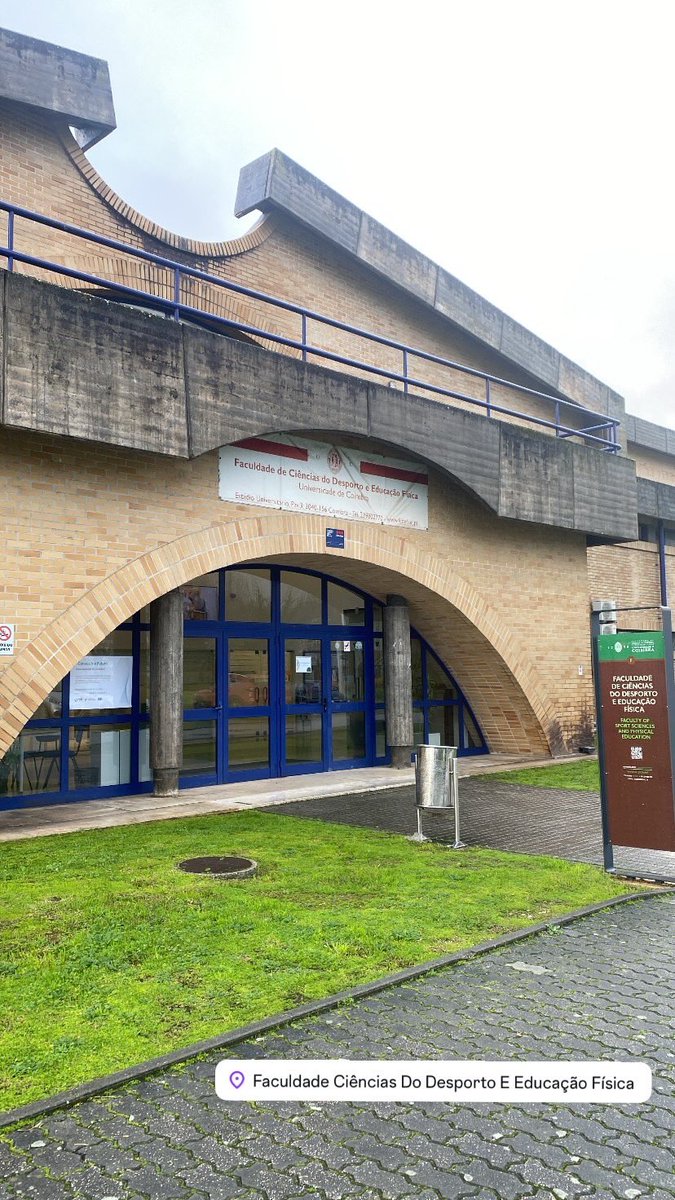
🫱🏻‍🫲🏼 INTERNATIONAL COLLABORATION! 🌍 Our colleagues @david_lobo4 and @13_JoseCarlos are currently working at the Faculty of Sports Sciences and Physical Education (uc.pt/fcdef/) at @UnivdeCoimbra alongside Professor Hugo Sarmento (@hg_sarmento). David Lobo is undertaking an international research placement as part of his pre-doctoral fellowship. Meanwhile, Jose Carlos is undertaking his postdoctoral research under an international mobility contract. We continue to generate knowledge together! 📚
English
0
0
0
179
ACAFYDE
ACAFYDE@ACAFYDEX·
🫱🏻‍🫲🏼 ¡COLABORACIÓN INTERNACIONAL! 🌍 Nuestros compañeros @david_lobo4 y @13_JoseCarlos se encuentran trabajando en la Faculdade De Ciências Do Desporto E Educação Física (uc.pt/fcdef/) de la @UnivdeCoimbra junto con el profesor Hugo Sarmento (@hg_sarmento). David Lobo está realizando una estancia internacional de investigación durante su etapa predoctoral. Por otro lado, Jose Carlos está desarrollando su etapa posdoctoral a raíz de un contrato en el marco de movilidad internacional. ¡Seguimos generando conocimiento juntos! 📚
ACAFYDE tweet mediaACAFYDE tweet mediaACAFYDE tweet mediaACAFYDE tweet media
Español
1
6
13
653
ACAFYDE
ACAFYDE@ACAFYDEX·
¡NUEVA COLABORACIÓN! 🤝 El Grupo de Investigación @ACAFYDEX se alinea con el Centro de Día de Alzheimer “Tierra de Barros” de Almendralejo (Badajoz) para trabajar de manera conjunta 🫂 En las próximas semanas se va a implementar una intervención Brain Endurance Training, es decir, ejercicio físico + actividades cognitivas en personas que padecen alzheimer 🧠 Esta colaboración es parte del nuevo proyecto: EMPICATExt, que pretende evaluar los beneficios del ejercicio físico sobre la cognición en diferentes poblaciones 🙌 #investigación #ejercicio #alzheimer #salud
ACAFYDE tweet media
Español
0
4
8
339
ACAFYDE
ACAFYDE@ACAFYDEX·
El pasado viernes, nuestro director @tgarciacalvo junto con los compañeros @Cokepolo_20 @BorjaSP7 y @david_lobo4 asistieron al SCS FootballLab 2026 en la Ciudad del Fútbol de las Rozas. Fenomenal jornada repleta de profesionales top. 🔝 ¡Seguimos aprendiendo sobre el rendimiento en fútbol! 🧠🧑‍💻⚽️ @S_C_Society @rfef
ACAFYDE tweet media
Español
0
4
12
490
ACAFYDE
ACAFYDE@ACAFYDEX·
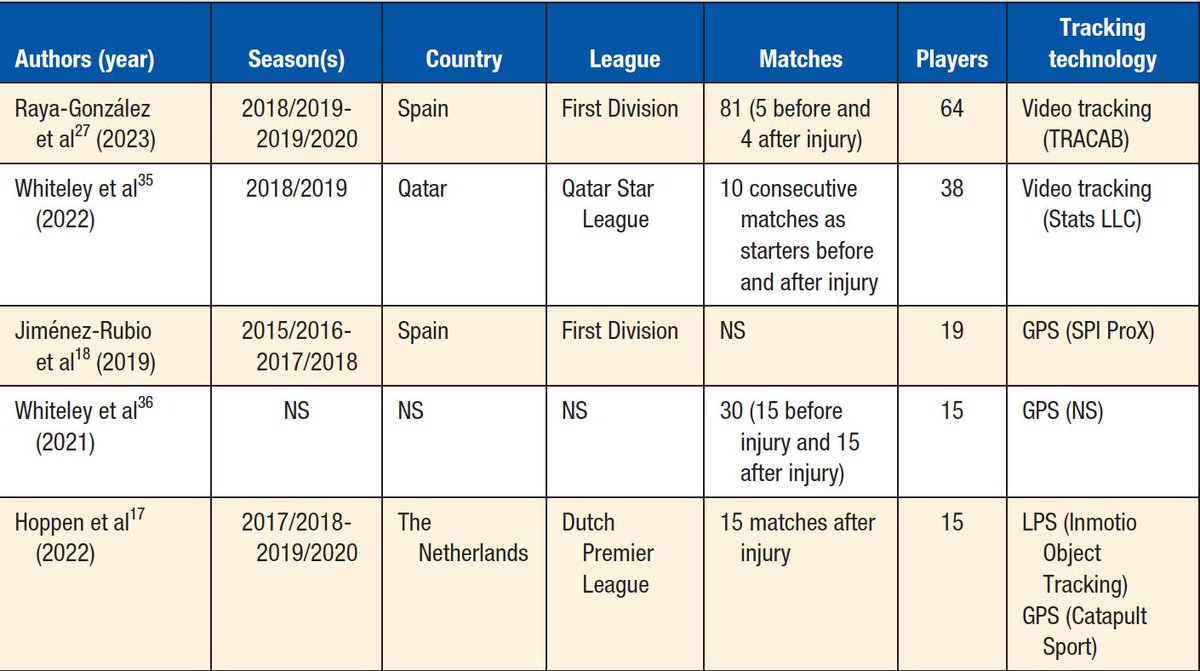
📢 ARTICLE PUBLISHED! What are the consequences of hamstring injuries on the performance of soccer players during matches? A systematic review Also, we have some special news: we've received the print version of the magazine! @Sports_Health Hamstring injuries account for between 4 and 13% of all injuries and usually occur during sprinting or high-speed running. But what happens to a player's performance when they return to competition after a hamstring injury? To answer this, we conducted a systematic review. We analyzed 4,082 articles, and only 5 met all the scientific criteria. The included studies analyzed: ⚽️ 169 hamstring injuries 📊 163 official matches 🏃🏼‍♂️ Professional players from different leagues The most studied variable was High-Speed ​​Running (HSR) – distance covered at high speed. 📈 Main results indicate that after a hamstring injury, players tend to show: Lower maximum speed Lower HSR Shorter total distance covered Especially in the first few matches after injury 📝 Practical Implications Rehabilitation programs should include: Specific high-speed training Progressive exposure to high-speed training Monitoring of competitive performance after return to play. 👨🏼‍🎓 @javiraya7 @13_JoseCarlos @tgarciacalvo @Cokepolo_20 @BorjaSP7 @david_lobo4
English
0
0
0
137
ACAFYDE
ACAFYDE@ACAFYDEX·
📢 ARTÍCULO PUBLICADO! What Are the Consequences of Hamstring Injuries on Soccer Players’ Match Running Performance? A Systematic Review Además, tenemos una noticia especial: ¡ya hemos recibido la versión física de la revista! @Sports_Health Las lesiones de isquiotibiales representan entre el 4 y el 13% de todas las lesiones y suelen ocurrir durante acciones de sprint o carrera a alta velocidad. Pero, ¿qué ocurre con el rendimiento del jugador cuando vuelve a competir tras una lesión de isquiotibiales? Para responderla realizamos una revisión sistemática. Se analizaron 4082 artículos y sólo 5 cumplían todos los criterios científicos. Los estudios incluidos analizaron: ⚽️ 169 lesiones de isquiotibiales 📊 163 partidos oficiales 🏃🏼‍♂️ Jugadores profesionales de distintas ligas La variable más estudiada fue High-Speed Running (HSR) - distancia recorrida a alta velocidad. 📈 Principales resultados indican que tras una lesión de isquiotibiales, los jugadores suelen mostrar: Menor velocidad máxima Menor HSR Menor distancia total recorrida Especialmente en primeros partidos tras lesión 📝 Implicaciones prácticas Los programas de readaptación deberían incluir: Trabajo específico de alta velocidad Exposición progresiva a HSR Seguimiento del rendimiento en competición tras retorno. 👨🏼‍🎓 @javiraya7 @13_JoseCarlos @tgarciacalvo @Cokepolo_20 @BorjaSP7 @david_lobo4
ACAFYDE tweet mediaACAFYDE tweet mediaACAFYDE tweet mediaACAFYDE tweet media
Español
1
4
5
615
ACAFYDE
ACAFYDE@ACAFYDEX·
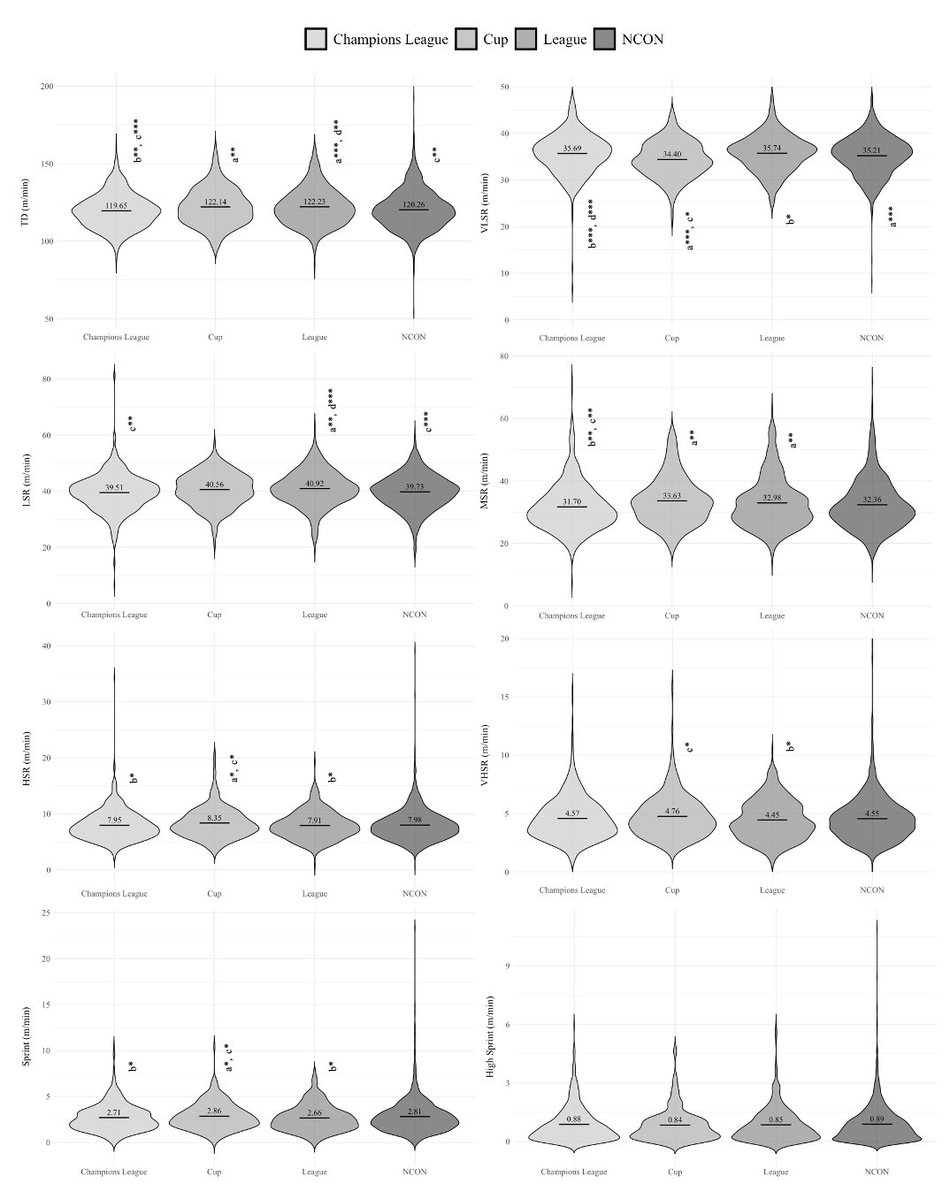
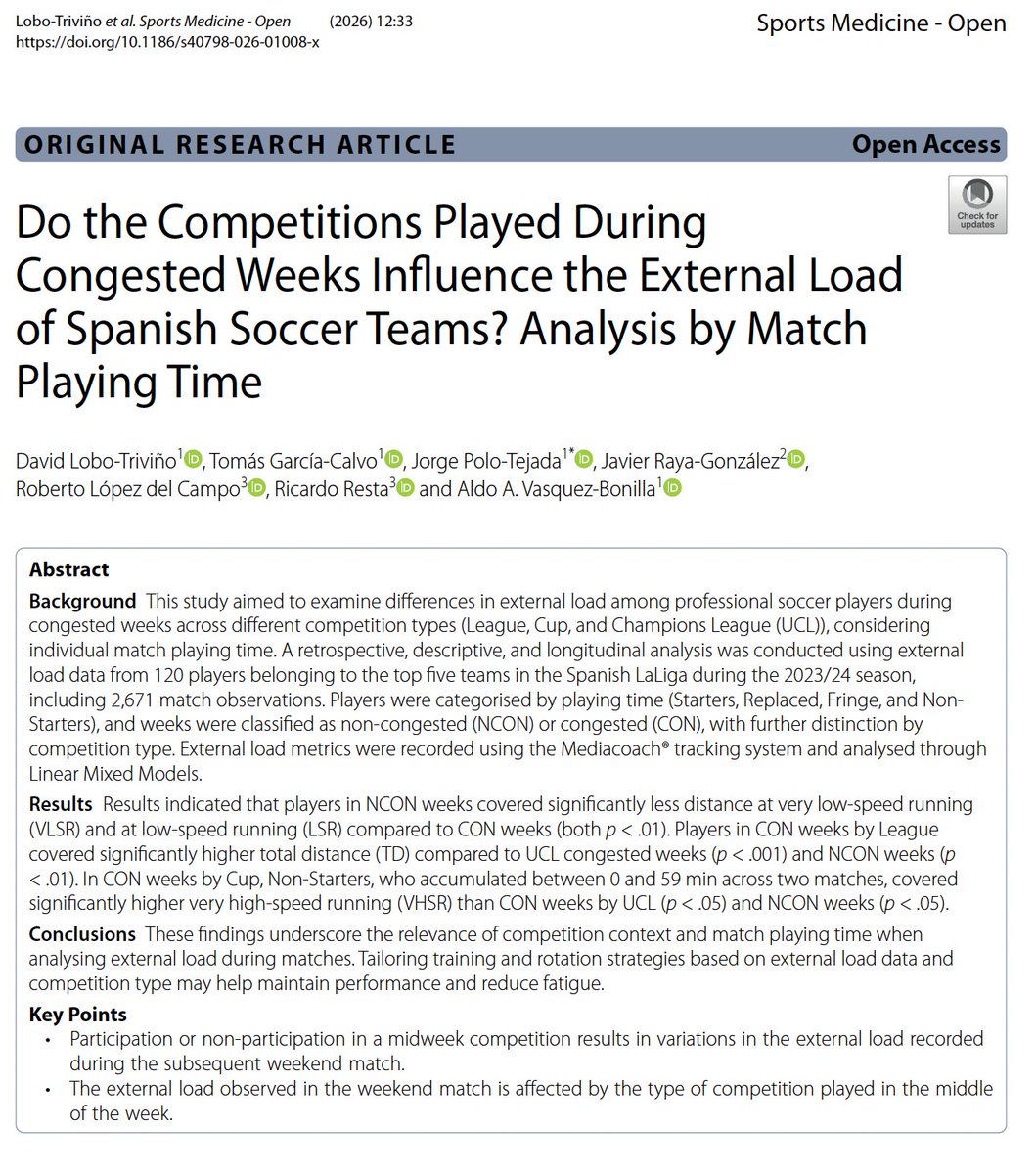
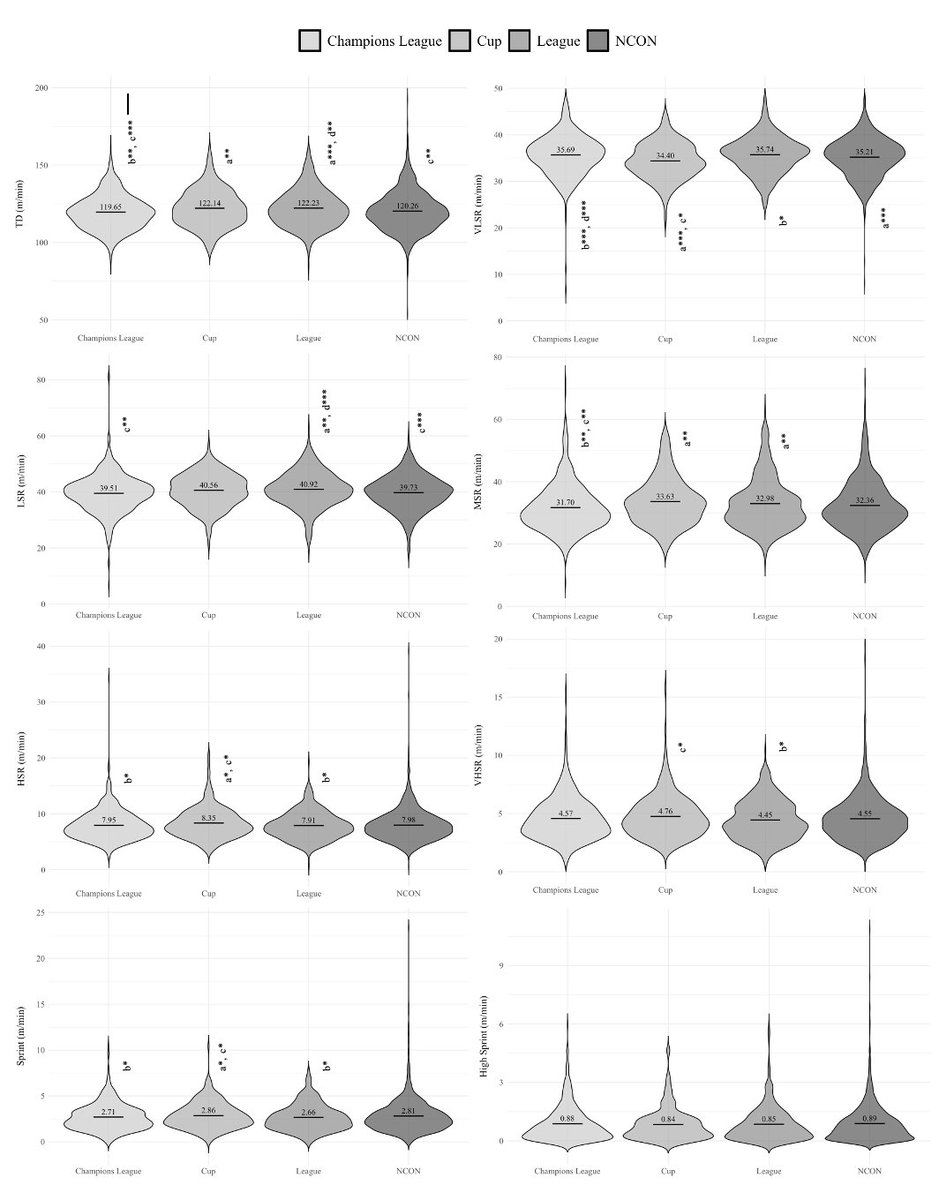
📢 NEW STUDY PUBLISHED! "Do the Competitions Played During Congested Weeks Influence the External Load of Spanish Soccer Teams? Analysis by Match Playing Time" 📖 Sports Medicine - Open 🎓 @david_lobo4 @tgarciacalvo @Cokepolo_20 @javiraya7 @Vasquez21Aldo @LaLiga @MediacoachTeam 🔗 link.springer.com/article/10.118… 🎯 Objective To examine the influence of competition type (i.e., Cup, League and Champions) and match playing time on external load during congested weeks (CON) in top five Spanish soccer teams. 🧑‍💻 Study design 1⃣vs2⃣. Non-congested weeks (1 match; NCON) vs. congested weeks (2 matches; CON). 🏆 A distinction was made between weeks that were congested by National Cup (Cup), LaLiga (League) or Champions League (UCL) matches. ⏱️⚽️🏃‍♂️Players were classified according to their playing time in the match or matches from the same week: Starters > 150 min Replaced: 95-149 min Fringe : 60-94 min Non-Starters: 0-59 min 🔍 108 matches from the top five teams in @LaLiga during 2023/24 season were included in the study. 📊 Main results ⬇️🚶 Players in NCON weeks covered less distance at low-intensity (VLSR and LSR) compared to CON weeks. 📈 Players in CON weeks by League covered higher Total Distance compared to UCL congested weeks and NCON weeks. ⚙️ HMLD was higher in CON weeks by Cup compared to UCL, League and NCON weeks. ‼️ Non-Starters players covered higher VHSR in CON weeks by Cup than UCL congestion and NCON weeks. 💡Conclusion The type of competition included in CON weeks influences players’ physical performance, which varies according to individual playing time. 🧑‍💻🧠 Practical applications ⚽️🏃‍♂️ ✅ The importance of individualising training loads based on players’ exposure time to matches and the type of competition through top-up sessions. ✅ Conduct recovery sessions primarily for players who have accumulated the most playing time during CON weeks. ✅ Preventive strategies focused on the calf muscles could be beneficial for players who have played more minutes after CON weeks by Champions League.
ACAFYDE tweet mediaACAFYDE tweet media
English
0
2
2
274
ACAFYDE
ACAFYDE@ACAFYDEX·
📢 ¡NUEVO ARTÍCULO PUBLICADO! "Do the Competitions Played During Congested Weeks Influence the External Load of Spanish Soccer Teams? Analysis by Match Playing Time" 📖 Sports Medicine - Open 🎓 @david_lobo4 @tgarciacalvo @Cokepolo_20 @javiraya7 @Vasquez21Aldo @LaLiga @MediacoachTeam 🔗 doi.org/10.1186/s40798… 🎯 Objetivo Examinar la influencia del tipo de competición jugada (Copa, Champions o Liga) y el tiempo individual de juego en la carga externa durante semanas congestionadas en los equipos Top 5 de @LaLiga. 🧑‍💻 Diseño del estudio 1⃣vs2⃣. Semanas no congestionadas (1 partido; NCON) vs. semanas congestionadas (2 partidos; CON). 🏆 Semanas congestionadas se dividieron en semanas en las que se jugó Copa, Liga o Champions. ⏱️⚽️🏃‍♂️Jugadores se clasificaron en función del tiempo de juego: Starters > 150 min Replaced: 95-149 min Fringe : 60-94 min Non-Starters: 0-59 min 🔍 Se analizaron 108 partidos de los equipos Top 5 de la temporada 2023/24 en @LaLiga. 📊 Principales resultados ⬇️🚶 Los jugadores en las semanas NCON recorren menos distancia a baja intensidad (VLSR y LSR). 📈 En las semanas CON por Liga se recorre más TD que en las de Champions y NCON. ⚙️ HMLD es mayor en las semanas CON por Copa que en las de Liga, Champions y NCON. ‼️ Jugadores Non-Starters recorren mayor VHSR en las semanas CON por Copa que en las de Champions y NCON. 💡Conclusión El tipo de competición jugada (Copa, Liga, Champions) en las semanas CON influye en el rendimiento físico de los jugadores del Top 5 de LaLiga, el cual varía en función del tiempo individual de juego. 🧑‍💻🧠 Aplicaciones prácticas ⚽️🏃‍♂️ ✅ Individualizar las cargas de entrenamiento en función del tiempo de exposición de los jugadores a los partidos y del tipo de competición mediante sesiones de compensación. ✅ Realizar sesiones de recuperación principalmente para los jugadores que acumulan mayor números de minutos en semanas CON. ✅ Estrategias preventivas focalizadas en los músculos de la pantorrilla podrían ser beneficiosas para los jugadores con más minutos después de las semanas CON por Champions.
ACAFYDE tweet mediaACAFYDE tweet media
English
1
4
7
723