Sabitlenmiş Tweet

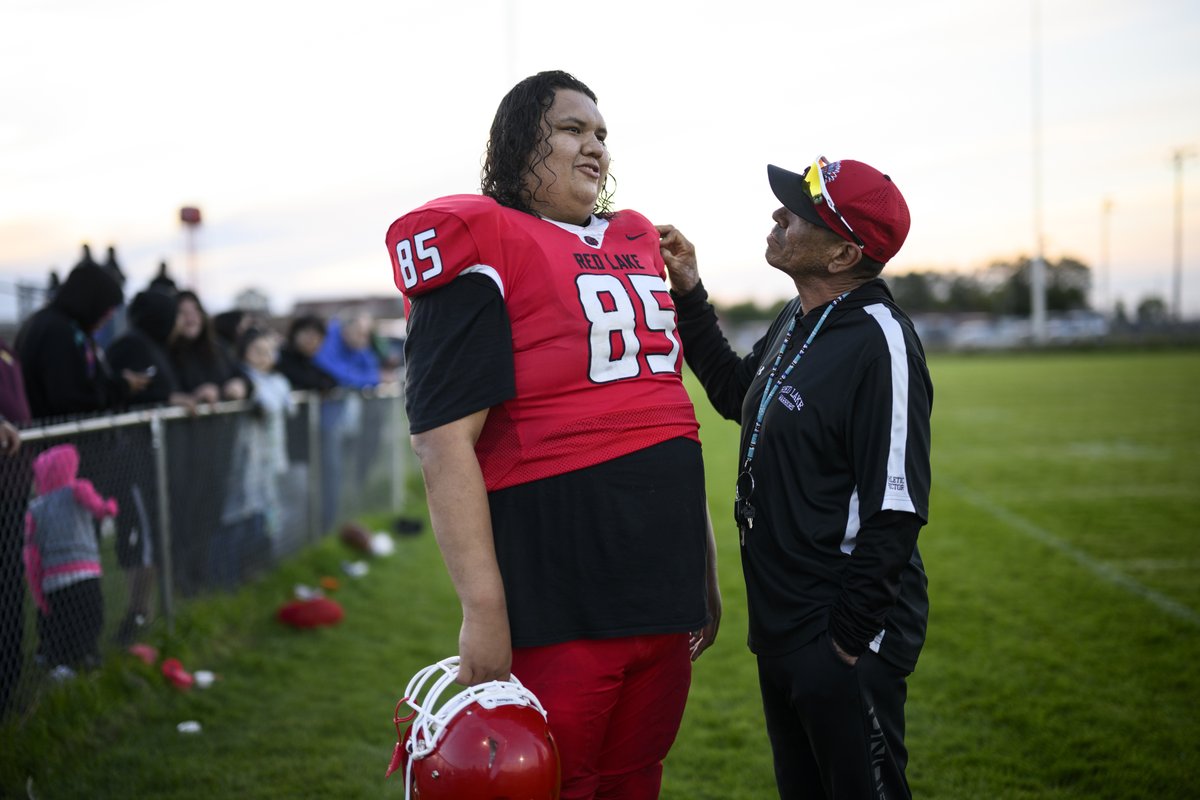
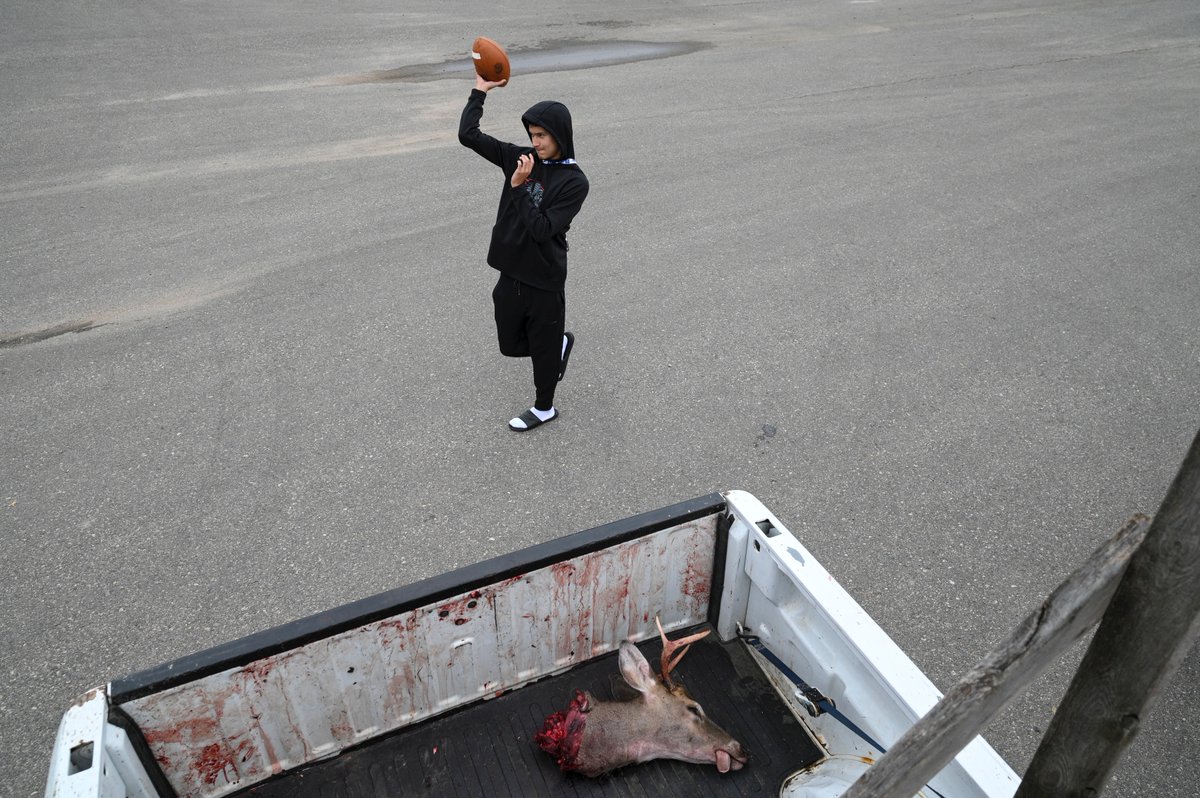
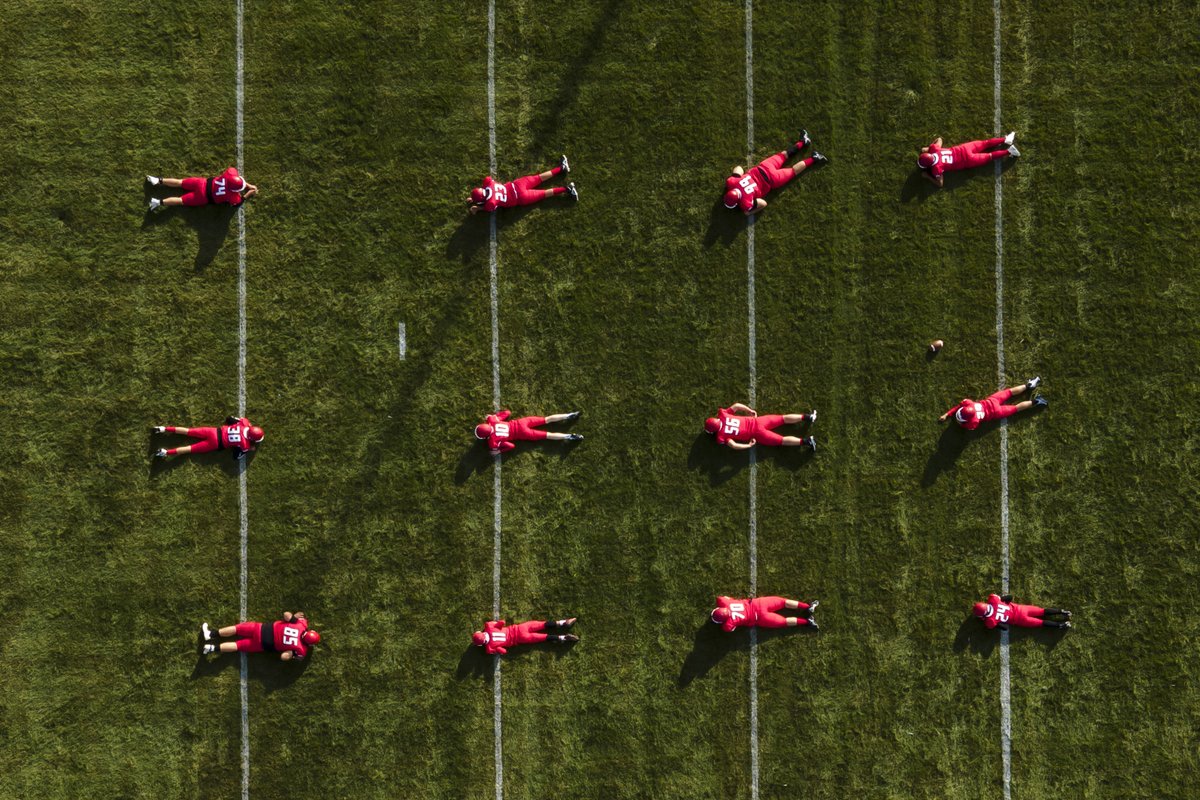
The Red Lake Nation football team hasn't won a game in years, but its coach keeps his kids undefeated startribune.com/red-lake-natio… - reporting by @chipscoggins, @StribSports

English
Aaron Lavinsky
25.6K posts

@ADLavinsky
Photojournalist with the Star Tribune


Ayman Ghazali was originally from Machgharah, a town in southern Lebanon with a significant Hezbollah presence and influence, particularly in terms of security and infrastructure. Images of Hezbollah fighters hang on a wall in town. Ghazali, who was 41 when he carried out the attack on Temple Israel synagogue in Michigan and was killed Thursday, moved to the U.S. in 2011 on a IR1 immigrant visa as the spouse of a U.S. citizen and became a naturalized U.S. citizen in 2016. His two brothers stayed in Lebanon and were both members of Hezbollah’s rocket unit in southern Lebanon, CBS News has learned. Both men were killed in a drone strike carried out by the Israel Defense Forces on March 5th, according to sources in Lebanon. Hezbollah has been designated as a foreign terrorist organization by the U.S. government and is a proxy of the Iranian regime’s Islamic Revolutionary Guard Corps (IRGC). Hezbollah had been shooting rockets into Israel. Sources in the Lebanese community in Dearborn Heights Michigan where Ghazali lived and worked at the time of the attack told CBS News (Ash-har Qureishi) that Ghazali’s two brothers were killed, his sister-in-law was wounded, and his brother and sister-in-law’s two young children were also killed. It is unclear if Ayman Ghazali was personally involved with Hezbollah.

The Temple Israel attack underscores a painful irony of Jewish life: synagogues, schools, JCCs, etc are all extremely vulnerable targets and also the safest places for Jews in American to congregate. Security also isn’t free: @jfederations estimates a $775M annual cost. @CBSNews


Sextortion terrorizes teens in Minnesota and beyond startribune.com/sextortion-sui…




Minneapolis’s ICE watch network is not just “monitoring” ICE activity. Internal Signal chats explicitly describe their media work as propaganda and discuss controlling narratives and managing journalists. While undercover in the Defend the 612 network, I accessed a vetted channel called “Central communications,” created for “external narrative-shaping strategy.” 🧵