Andrew J 𐤊 retweetledi

Andrew J 𐤊
3.5K posts


@AJS_K_A_S
The early don’t chase the future. They position before it emerges.





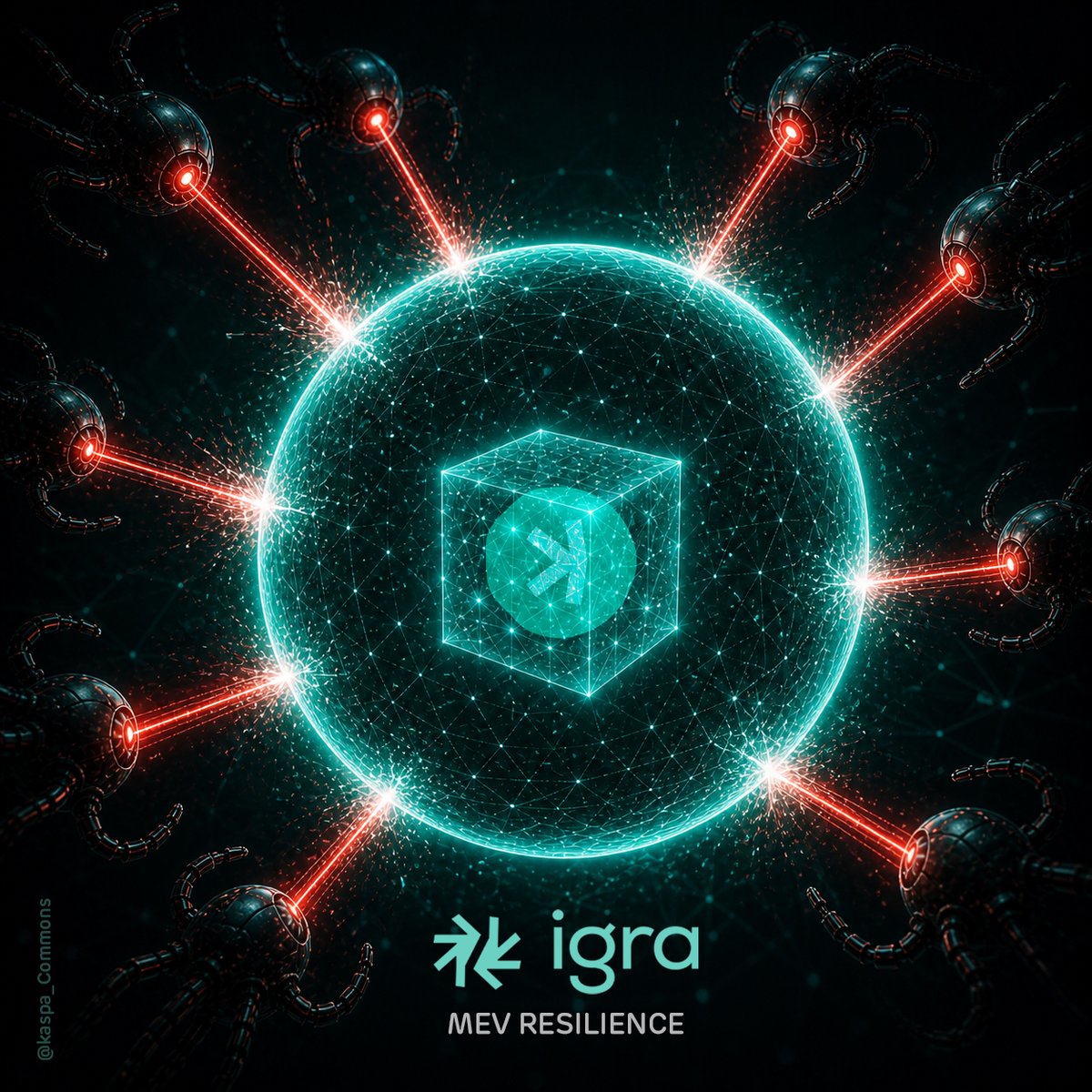
One of Igra's defining properties is MEV resilience. We just published a documentation page on the mechanism, aimed at integrators and partners. Short version: Igra has structural properties that make the most common MEV attacks (sandwiching, front-running, oracle manipulation) significantly harder than on Ethereum or single-sequencer L2s. Unless an attacker acquires 50% of Kaspa hashrate, MEV cannot be extracted deterministically. Sophisticated searchers paying large fee premiums on Kaspa L1 can extract probabilistic MEV at single-digit per-attempt success rates. For comparison, the same attacks succeed at order-of-magnitude higher rates on Ethereum and operator-controlled L2s. Read the full page: igra-labs.gitbook.io/igralabs-docs/… Feedback from the community most welcome.
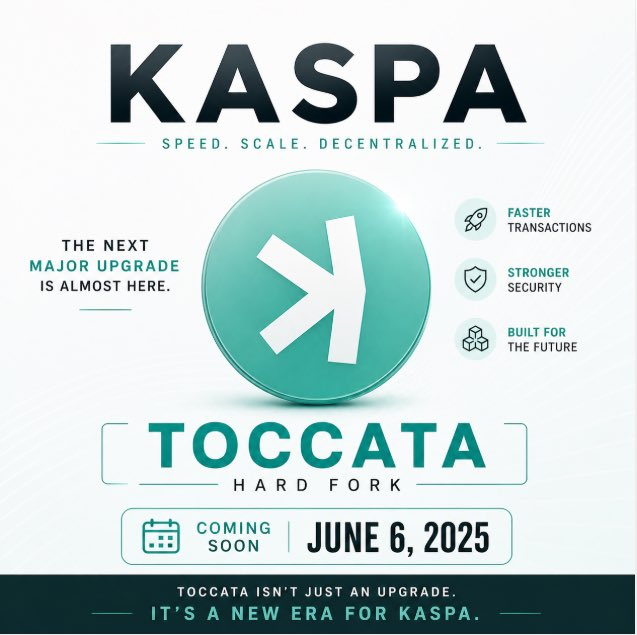
Toccata consensus feature freeze is finally here after a heroic last-mile push by kas core devs. Aiming to reset TN12 tonight, or tomorrow at the latest. Genesis update: + 0x6b617370612d746573746e6574 // kaspa-testnet - 12, 2 // TN12, Launch 2 + 0x544f4343415441 // TOCCATA + 12, 3 // TN12, Launch 3

None of the above, WarpCore on Kaspa $kas, is far superior in almost every metric and much greater in reach terms of feature set. We are nearing full production readiness with some minor tweaks for the upcoming Toccata Fork. Will leave these faux ISO projects in the dust. There is nothing comparable.

60+ Enterprises to be Disrupted by #Kaspa Tech #29 P2P Energy Trading Legacy Standards (NA & Global) • Centralized utilities and grid operators • Net metering programs for residential solar • Wholesale electricity markets and energy exchanges • Smart meter billing systems • Feed in tariff programs and energy credit systems Platforms & Systems • Energy production and distribution controlled by centralized utilities • Pricing determined through regulated structures or wholesale markets • Excess residential energy sold back through intermediated programs • Settlement occurs in billing cycles, not in real time • Grid balancing managed by centralized coordination systems What’s Broken / Innovation Gaps • Energy flows are local but markets are centralized • Settlement is delayed and disconnected from real time usage • Small producers have limited direct market access • Pricing does not always reflect immediate supply and demand • Grid coordination depends on centralized control systems • Machine level energy exchange is not supported by existing infrastructure Where P2P Energy Systems Can Still Innovate and Where Kaspa Could Help ❌ Local energy producers cannot transact directly Households and small producers rely on utilities to buy and redistribute energy. ✅ Kaspa could support direct settlement between participants, allowing energy producers and consumers to transact within local networks. ❌ Settlement is slow and based on billing cycles Energy usage and production are continuous, but payments are periodic. ✅ Kaspa’s RTD model could support near real time settlement aligned with actual energy flow. ❌ Pricing lacks real time responsiveness Rates are often fixed or delayed relative to grid conditions. ✅ Kaspa may enable dynamic pricing models where supply and demand signals are reflected continuously through verifiable transactions. → Oracle systems such as Kaskad-Nuntius could anchor trusted price data at specific points in time, allowing participants to agree on energy value with greater certainty during settlement. ❌ Small producers lack market access Entry into energy markets requires scale or participation through aggregators. ✅ Initiatives like Gigawatt Coin within the Kaspa Industry Initiative (KII) are exploring how energy production could be represented and exchanged, opening participation to smaller producers without centralized gatekeepers. ❌ Grid coordination is centralized Balancing supply and demand depends on operator controlled systems. ✅ Kaspa, strengthened by DagKnight, could support a shared coordination layer where energy events are ordered consistently across participants. ❌ Machine to machine energy exchange is limited Devices cannot transact autonomously in existing systems. ✅ Future covenant structures and vProgs may enable automated settlement between devices based on predefined conditions such as usage thresholds or pricing signals. → Oracle inputs, including approaches explored in Nantius, (@eliottmea ) could provide the external data needed for devices to act on verified pricing conditions. ❌ Energy data is siloed and difficult to verify Metering and reporting systems are controlled by utilities. ✅ @KaspaKii aligned efforts like #GigawattCoin could anchor production and consumption events to Kaspa, supporting verifiable energy records while keeping sensitive data abstracted. It could provide a coordination and settlement layer where energy production, consumption, and exchange are recorded and settled in a globally ordered, tamper resistant system. Energy systems are becoming more distributed. As generation moves closer to the edge, coordination requirements increase. Kaspa could support that shift by enabling systems where energy and value move together, in real time, across participants. #BuildonKaspa → protocol layer #BuildwithKaspa → application / integration layer #PoweredbyKaspa → user-facing outcome layer See more markets to be disrupted in link in thread
🚨ALERT: NEW ETHEREUM WALLET EXPLOIT DETECTED Hundreds of wallets, many inactive for 7+ years, were just drained by the same address on Ethereum mainnet. The activity suggests a possible new live exploit and is being closely monitored.



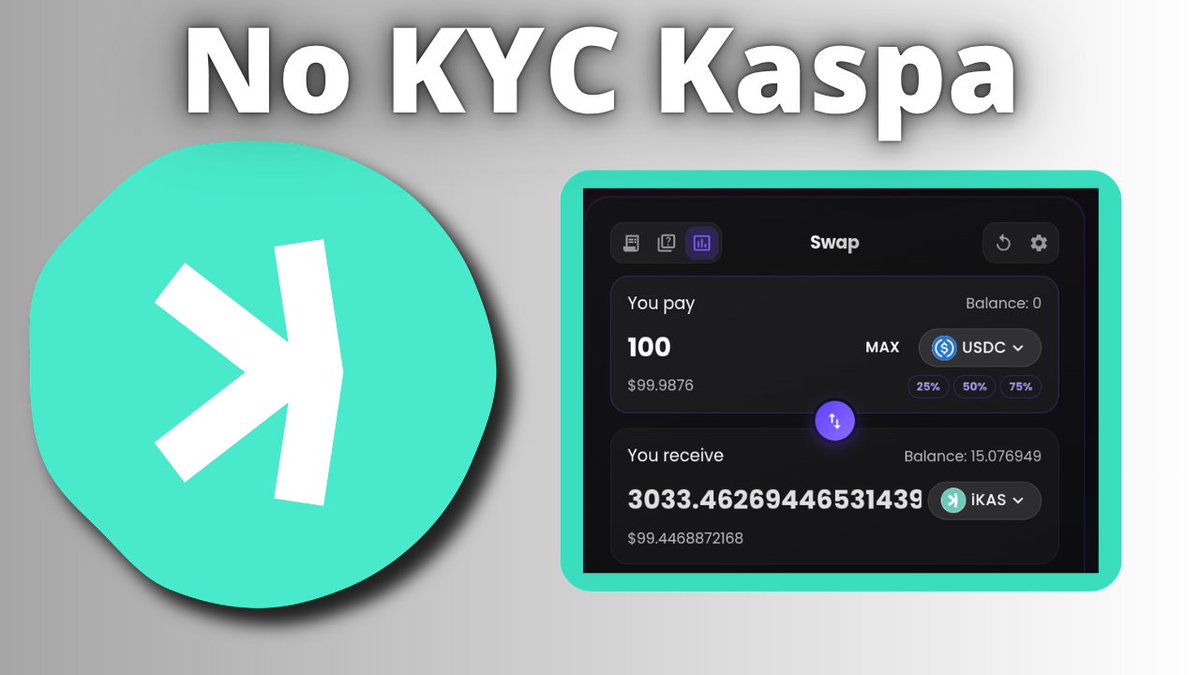
How To Purchase Kaspa Without A Centralized Exchange Members have early access! Public can watch on Monday 8AM EST! $KAS