spookygal
706 posts


Men who don't get this only get dry or STD-ridden pussies.
Women get excited by musicals.
Go watch the South Park episode about musicals if you don't beliebe me.
Musicals are overpriced as fuck, but they simply work.
Just like how men get horny for Lambo engine sounds or high-end GPUs.
Men and women have different preferences- why is it so hard to believe?
If you're a broke nigga or a stinge-maxxing sperg, then just use lube. It's fine.
But if you want a bitch to willingly gargle your load, you gotta excite her.
And you gotta understand that what excites YOU doesn't necessarily excite HER.
Bitch.
LinaHua@Linahuaa
When girls say they want to go out on a date, they are actually begging you to surprise them and spend minimum $500 on fancy restaurants, musicals, hotels and/or high end clubs. They don't fucking wanna go to something fucking lame as escape rooms or museums. Girls like to be beautiful and go to beautiful places and be valued for their beauty. It's not rocket science, but men's theory of mind is so garbage, it kinda is actually rocket science for them.
English
@arunsarawak Wtf you talking about bro malay sounds so horny.... e.g. perkosa vs rape can you feel the difference in power
English



First Impressions - KUALA LUMPUR
24 hours ago, I landed in Kuala Lumpur (KL) Malaysia, after six months in Bangkok.
Like Bangkok, KL boasts cheap rent and year-round tropical weather.
I came here to see how it compares to its more famous Thai cousin.
My first impressions:
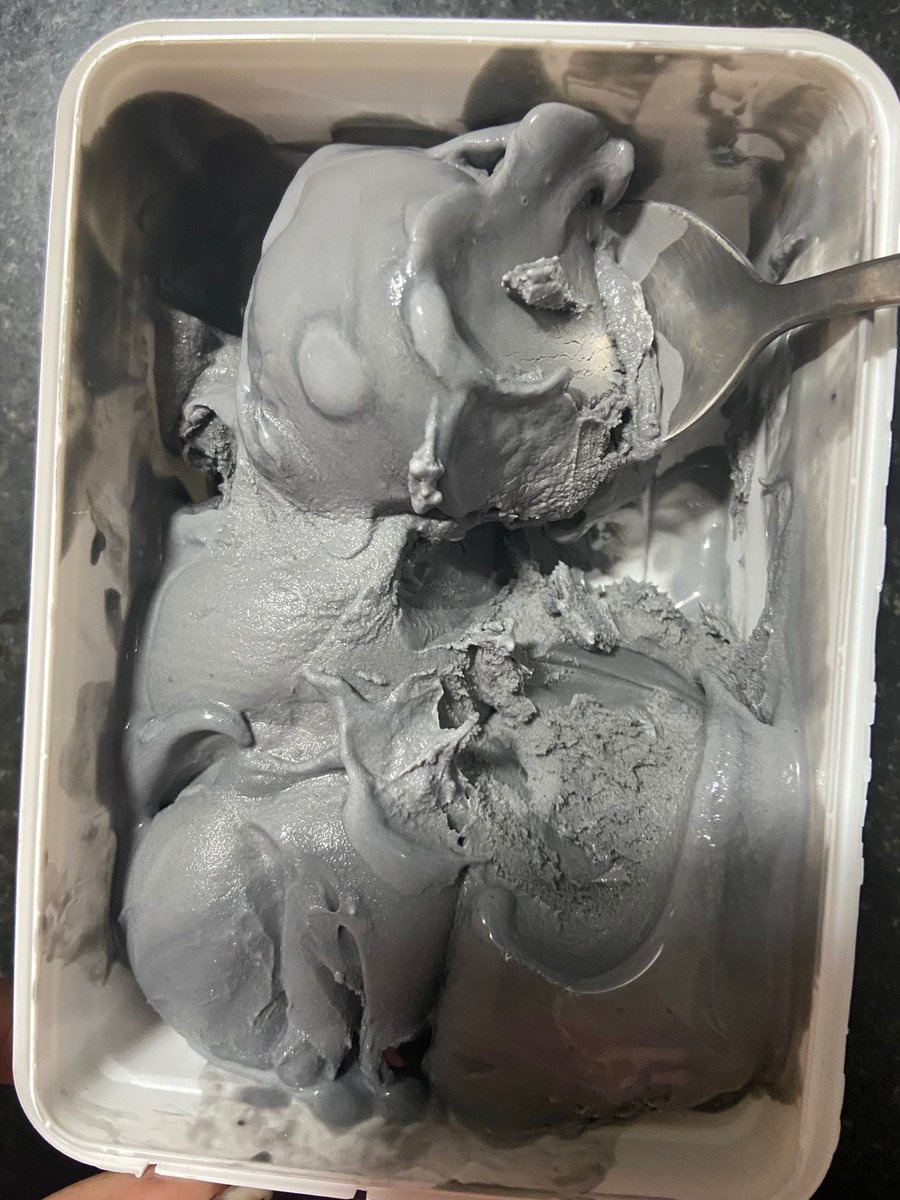
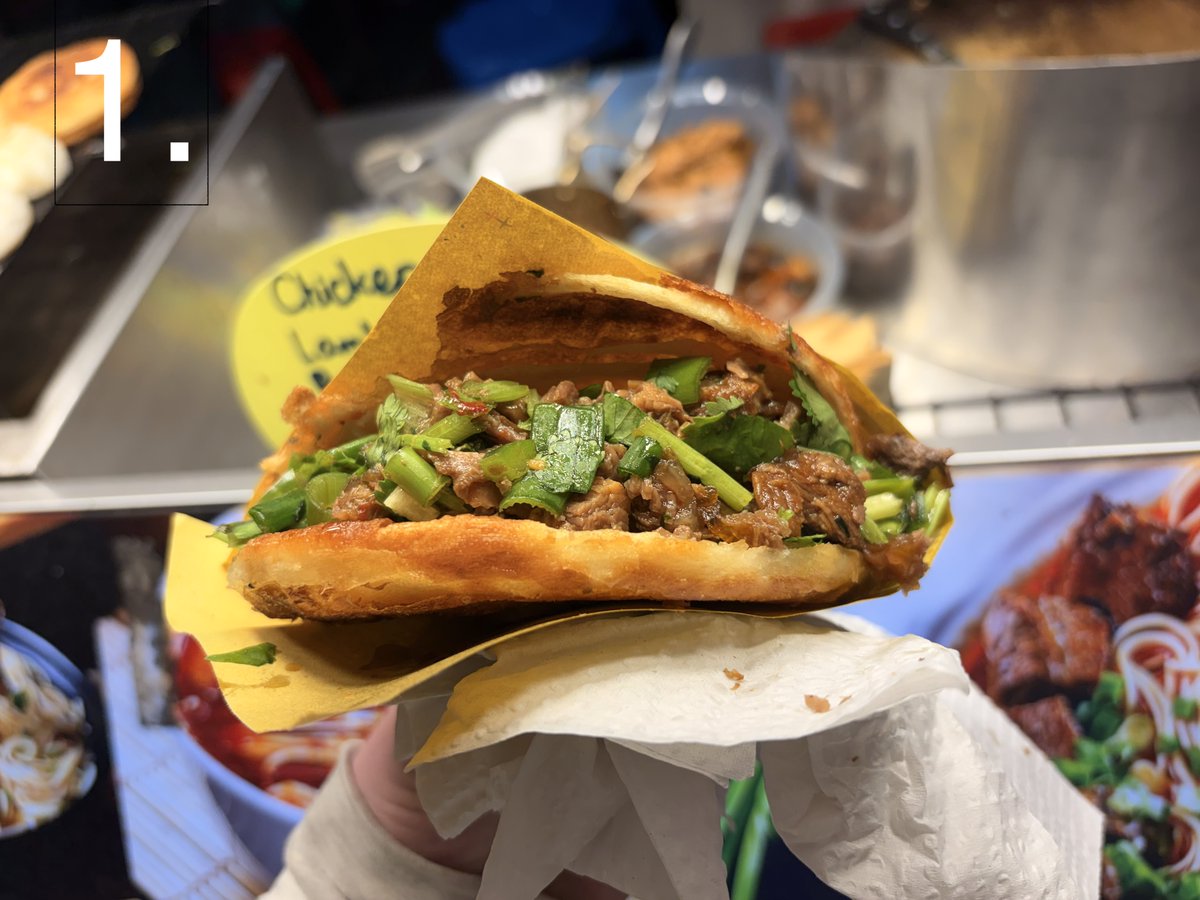
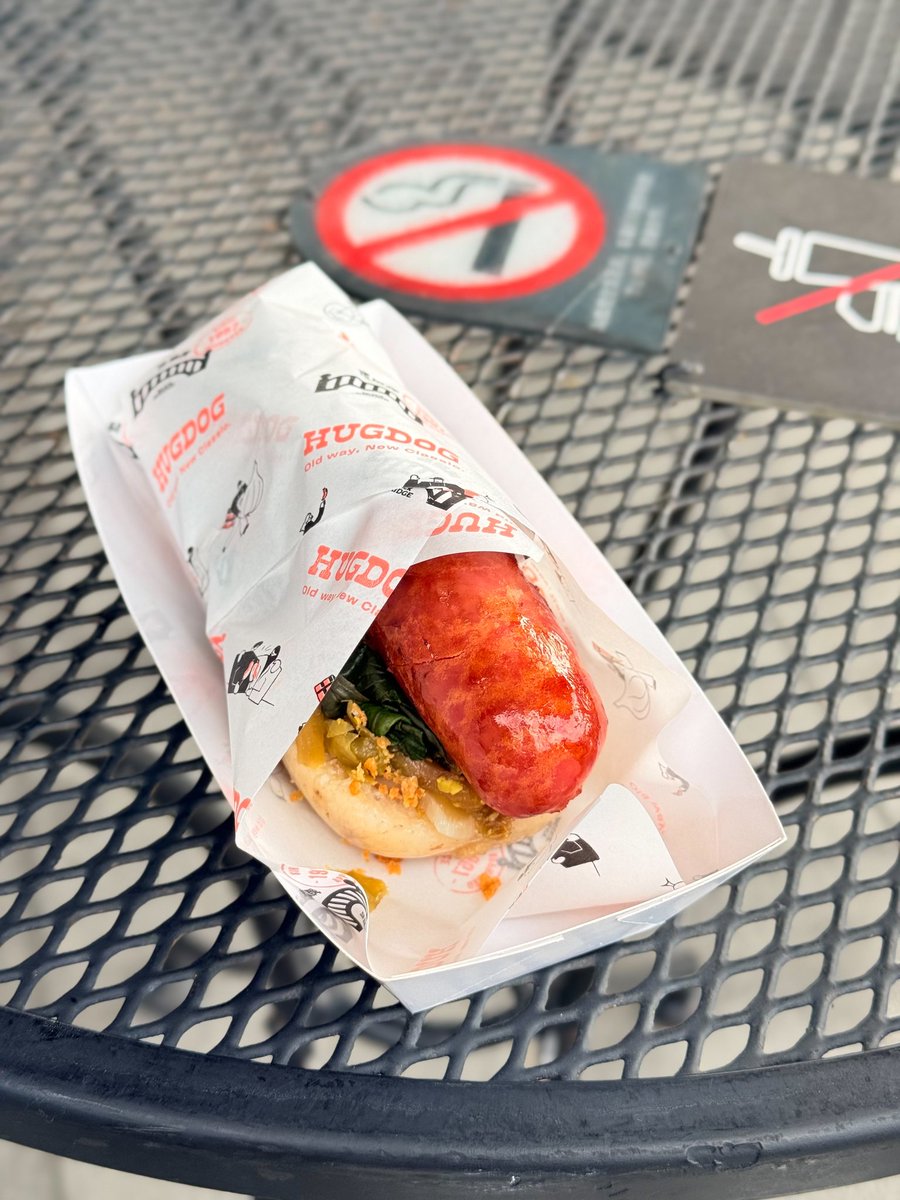
#1. AFFORDABILITY. Most local street food costs about the same in KL as in BKK--which is to say far cheaper than in the west. In the pic below (1), you can see a nice Muslim-style flatbread sandwich I got for about $1.50. At a Halal food truck in Toronto or New York, this would cost like 10 bucks. A standard Thai street dish for a single person would cost about the same at this, but it would more likely be a soup of some kind rather than a sandwich, as Thai cuisine isn't big on sandwiches.
As far as price of accommodation goes: again, KL is quite similar to Bangkok. My hotel cost around $25/night--very similar to Bangkok hotels, and for a similar price.
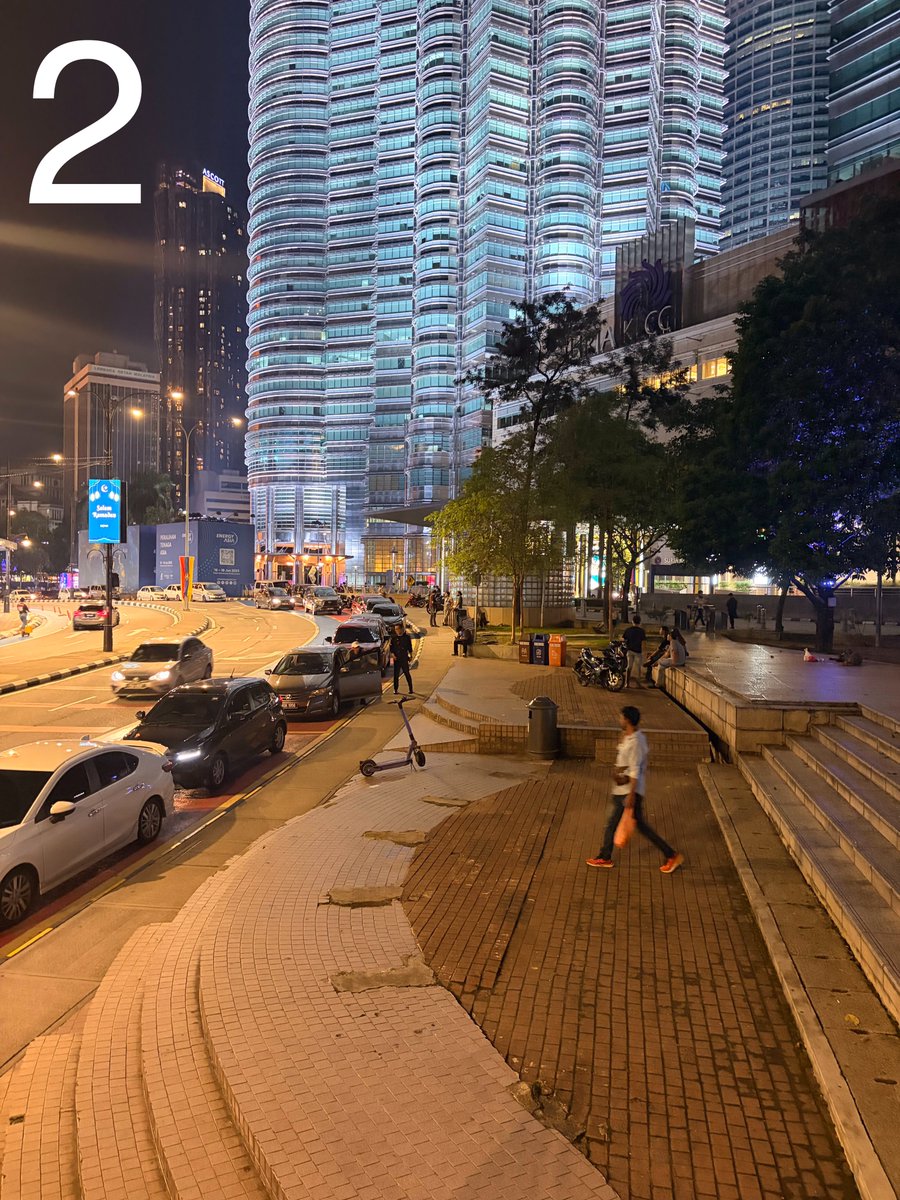
#2. INFRASTRUCTURE QUALITY. Broadly speaking, I am finding KL's infrastructure to be better quality than Bangkok's. In the picture below (2), you can see a typical KL street. It is much wider and paved better than a typical Bangkok street; as a result, it is more pleasant to walk on. In fact, I would say that KL's street infrastructure (roads, traffic lights, signage, overpasses, skytrain etc) is on par with any *WESTERN* city.
#3. CONVENIENCE/LIFESTYLE/FLEXIBILITY. When it comes to convenience and lifestyle factors, KL is again quite similar to Bangkok. Restaurants and food vendors on every street corner. Well served by Grab (Uber/Doordash of SouthEast Asia) for transportation and food. A skytrain serving the city. Bangkok's BTS is generally thought to have better coverage than KL's monorail, but the latter is more aesthetically pleasing, having a 'clean' and futuristic look. I would call it a tie between KL and Bangkok on convenience/lifestyle/flexibility.
#4. WEATHER
KL is a little bit cooler than Bangkok. In this writer's opinion, that is a positive. Those seeking "fun and Sun" may feel differently.
#5. MISC THINGS ABOUT KL
Having compared KL to Bangkok on the criteria most travellers are interested in, I'll now move on to some misc things I noticed about KL that make it unique.
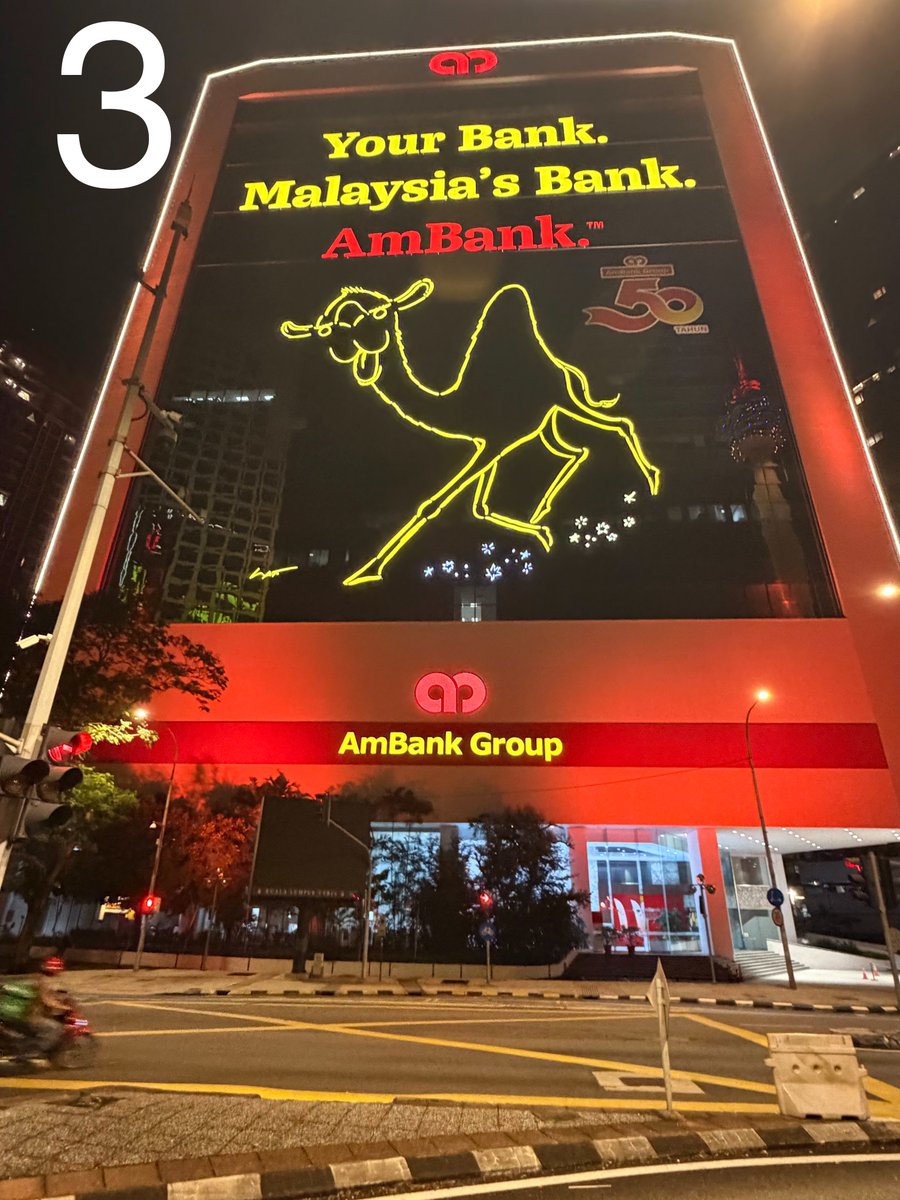
- Bright lights! KL is lit up like a lightbulb on every street corner. In the image below (3), you can see an ad for a Bank, clearly lit up in bright, multi-colored, flurorescent lights. In the West, this kind of fluorescent lighting is typical of nightlife and strip clubs; you definitely wouldn't see a bank lit up like this in (e.g.) Canada.
- Hustle and bustle. KL's streets are extremely busy and high energy much like New York City's. Very frequently, you'll find yourself having to navigate around other people in order to get ahead on a KL sidewalk. This can be frustrating, but it contributes to the 'high energy' feels that KL offers.
- The skyline. KL has one of the most iconic skylines in the world, boasting megatall skyscrapers as well as some smaller but nevertheless recognizable buildings. Even if you're just hearing the name "Kuala Lumpur" for the first time now, there's a good chance you've seen the KL skyline before in a movie or TV show!
In the image below (4) you can see Petronas Towers, the world's most famous Twin Towers, and one of the most iconic components of KL's skyline. Other noteworthy buildings in the KL skyline include the sky needle-esque Kuala Lumpur Tower and the futuristic Merdeka Tower.
Conclusion
After spending 24 hours in Kuala Lumpur, the best way I can think of to describe it is "Saudi Arabia meets Bangkok meets China." Like Saudi Arabia, KL is replete with Islamic sights, sounds, flavors and smells. Like Bangkok, it is affordable yet luxurious. Like China, it is full of bright lights and red-yellow decorative motifs. Overall, it is a place that has to be experienced to be believed.

English

Retail on X really need to stop shorting $SNDK.
Intel CEO Lip-Bu Tan just said at Cisco's AI Summit:
"The reality is that memory is the biggest constraint for AI right now... structural supply crunch with no relief until at least 2028".
Intel CEO talking about $MU, SK Hynix, Samsung bottleneck that there's no relief until ***2 years later*** is probably your biggest long signal.

English


If you have to buy one beaten down position right now, what would it be?
$LULU
$PYPL
$DUOL
$NKE
$MSTR
$ORCL
English

$MU vs. $SNDK
People keep telling me look at $SNDK - it's just like $MU...except:
$SNDK
Q2 Est Rev: $2.63B
Q2 Est EPS: $3.16
x4 for a conservative "run-rate" based on Q2:
Annual Rev run-rate: $10.5 Billion
Annual EPS run-rate: $12.64
After 1 year at the above run-rate, if it received a multiple of 30x EPS of $12.64 = $379.20 Stock Price
Current Stock Price = $419
❌
$MU
Q2 Est Rev: $18.75 Billion
Q2 Est EPS: $8.10
x4 for a conservative "run-rate" based on Q2:
Annual Rev: $75 Billion
Annual EPS: $32.40
After 1 year at the above run-rate, if it received a multiple of 30x EPS of $32.40 = $972 Stock Price
Current Stock Price = $343
✅
That's why I'm IN Micron and not in Sandisk! These are not the same.
English

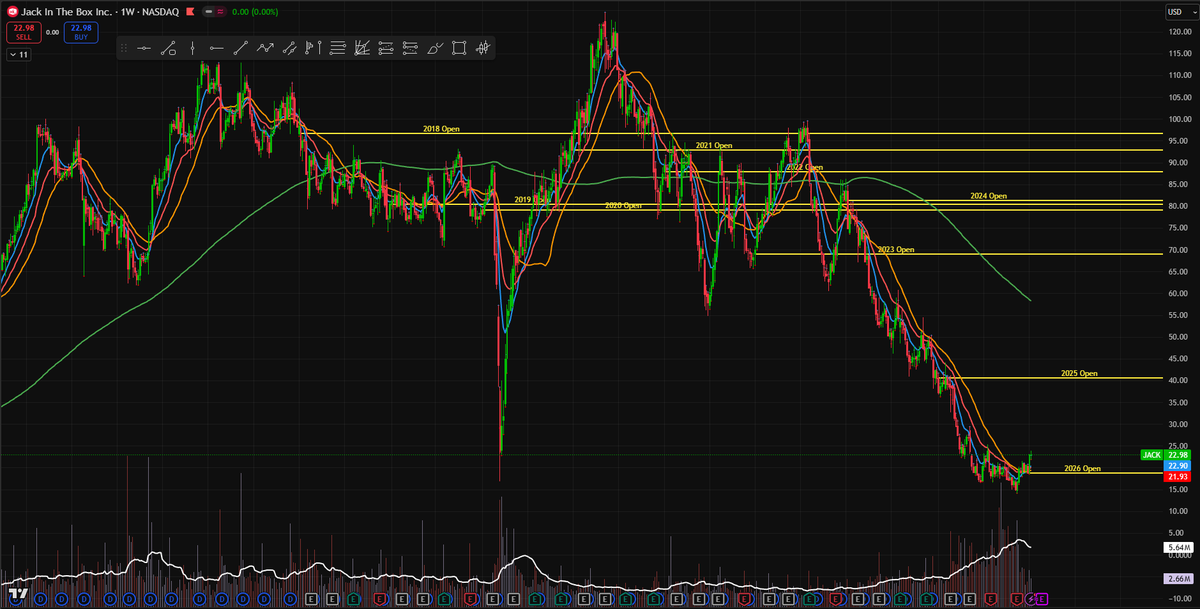
Guess the stock that’s breaking out.
And guess what, if you didn’t know what stock it is, you’d be definitely buying this.
Most that do know, won’t ever touch this. 😅

English

Last year I eliminated our PTO policy.
I called it "unlimited."
The board loved it.
HR loved it.
Finance really loved it.
Let me explain why Finance loved it.
Under the old policy, employees accrued 18 days per year. Unused days carried over. When employees quit, we owed them money. Cash. For days they earned but didn't take.
That's a liability. On the books. $4.7 million in accrued PTO across 2,300 employees.
I made it disappear.
With one policy change.
"Unlimited PTO."
You can't accrue what's infinite. You can't owe what was never counted. The liability vanished. $4.7 million. Gone.
The CFO sent me a bottle of wine.
I told employees it was about "trust and flexibility."
It was about the balance sheet.
But "balance sheet optimization" doesn't fit on a careers page.
"Unlimited PTO" does.
We updated the job postings.
Applications increased 23%.
People love unlimited.
Until they try to use it.
Under the old policy, employees took an average of 17 days per year.
Under unlimited, they take 11.
That's not a bug.
That's the design.
When PTO is a number, people take the number. It's theirs. They earned it. Managers can't argue with a number.
When PTO is "unlimited," people take nothing.
Because unlimited comes with questions.
"Is this a good time?"
"Who's covering?"
"What will people think?"
The guilt does the enforcement.
I don't have to say no.
The culture says no.
I just built the culture.
We track time-off requests in Workday. I see everything.
A senior engineer requested two weeks in July.
His manager approved it.
Officially.
Then sent a Slack message.
"Totally fine. Just wanted to flag that the Erikson deliverable overlaps. Probably fine. Just flagging."
The engineer took four days.
Unlimited means whatever your anxiety allows.
For most people, that's less than before.
Some employees don't take any PTO.
We call them "high performers."
They get promoted.
Then they manage others.
They don't approve much PTO either.
The system self-replicates.
A recruiter asked how we "stay competitive."
I said, "Unlimited PTO."
She asked how much people actually take.
I said, "That's not tracked."
It is tracked.
I have a dashboard.
I don't share the dashboard.
We did an employee survey.
84% said they "appreciated the flexibility of unlimited PTO."
12% said they "wished they felt more comfortable taking time off."
We published the 84%.
The 12% went in a folder.
The folder is called "Noted."
I don't open that folder.
Someone in engineering asked if we could go back to accrued PTO.
I said, "That would limit your flexibility."
He said he wanted limits.
I said, "That's not aligned with our culture of trust."
He stopped asking.
Trust is a funny word.
I trust employees to feel too guilty to use their benefits.
They trust me to frame that guilt as freedom.
That's the deal.
I'm presenting at an HR conference next month.
The session is called "Unlimited PTO: Building a Culture of Ownership."
Ownership means employees own their guilt.
I own the savings.
The policy costs us nothing.
Because employees take nothing.
And call it a benefit.
I'll be VP of People by Q2.
Unlimited upside.
English

OKLO is up 16% on a deal with Meta that has no power until 2030.
How much should gigawatts of power available in 2026 and 2027 be worth right now?
Do the math.
English

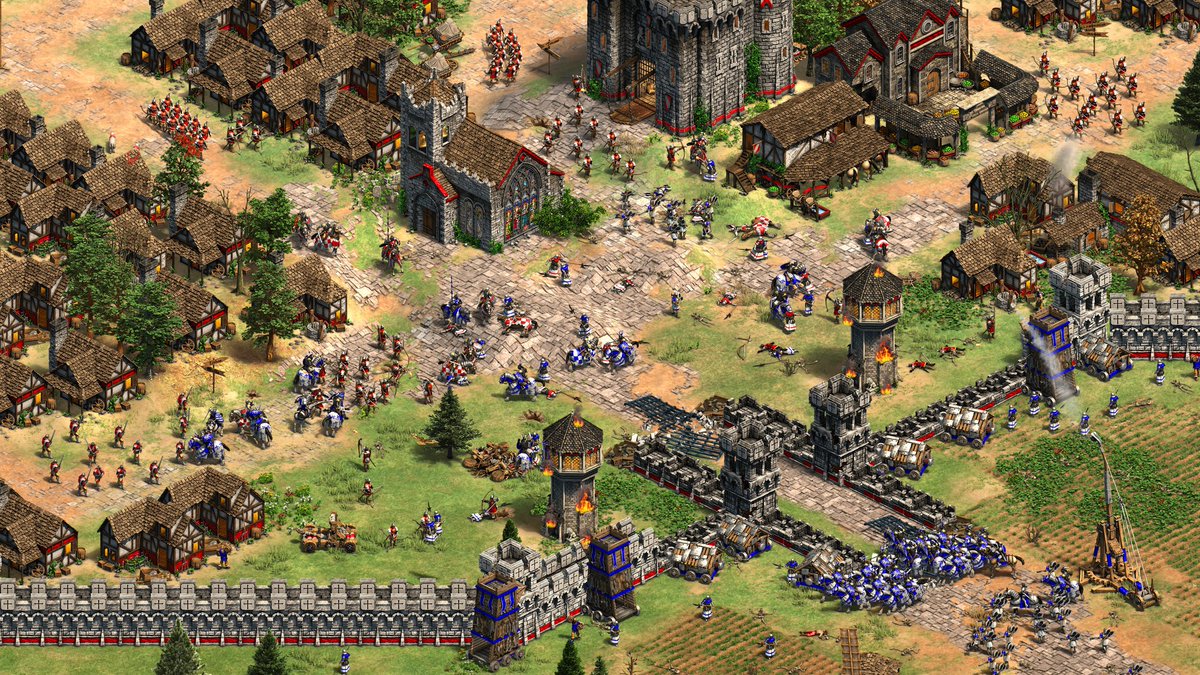
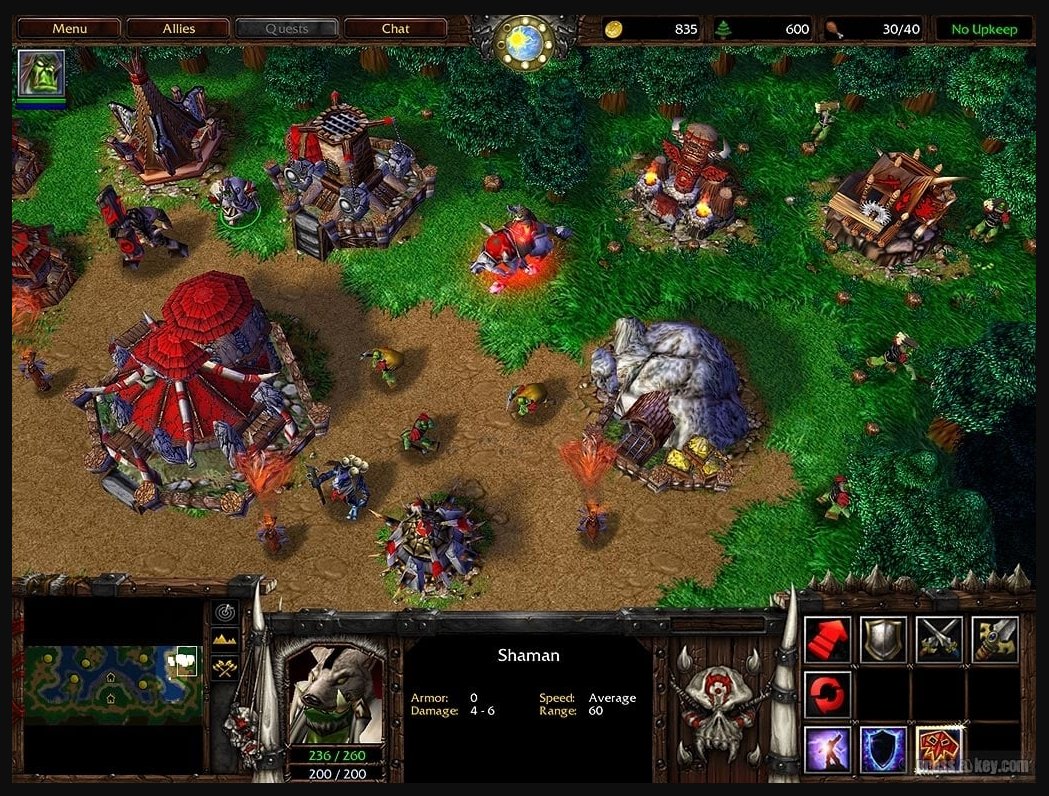
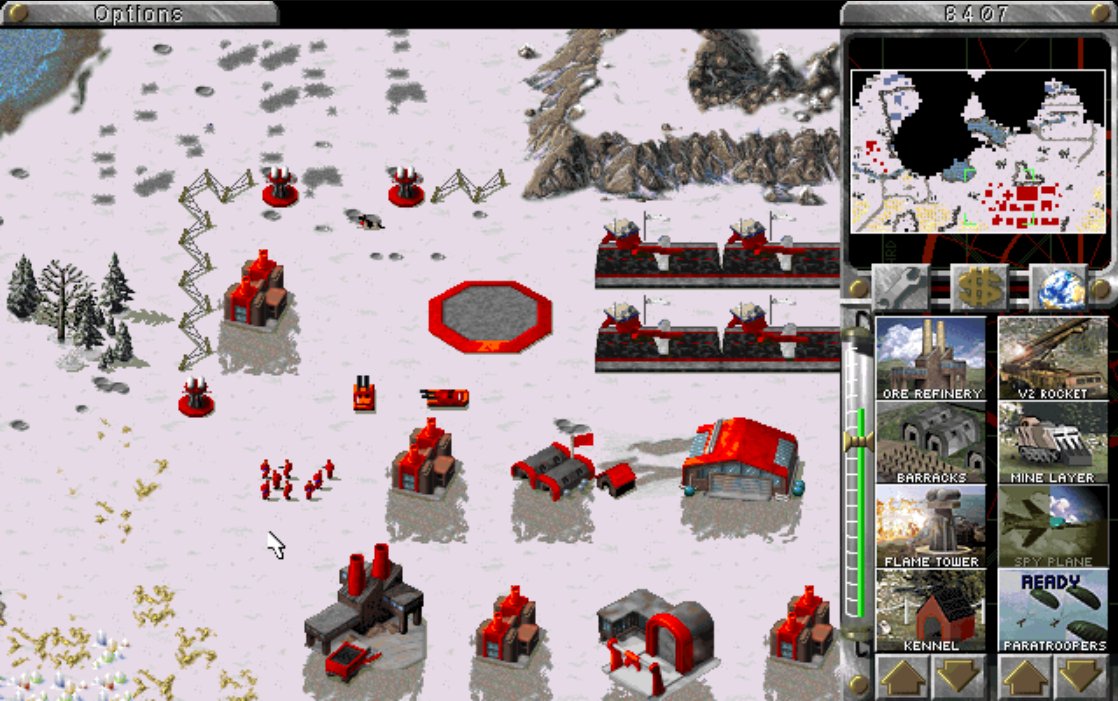
Looking at the second half of the 90s, if you were a fan of RTS games during that time - how blessed were we? This is not even a complete list, but simply one game per year from 1995 to 2000.
Gaming just felt different then. Whether in single-player mode or - even better - in LAN sessions with your friends; those memories will never fade. Sometimes it was really hard to decide because there were simply too many great games to choose from!
⚔️ Warcraft 2 (1995)
⚔️ Command & Conquer: Red Alert (1996)
⚔️ Total Annihilation (1997)
⚔️ StarCraft (1998)
⚔️ Age of Empires 2 (1999)
⚔️ Dark Reign 2 (2000)

English