
Sabitlenmiş Tweet
Grotesque
3.2K posts


Grotesque
@A_House_Built__
در زندان آموختم که صبر فقط یک فضیلت نیست؛ بلکه سلاحی است، سلاح تلخ. مانند کسی که قطره قطره دریا را مینوشد.
Katılım Şubat 2024
773 Takip Edilen78 Takipçiler
Patricia Marins@pati_marins64
How many missiles does Iran stilll have? During the 12-day war, I estimated Iran’s missile stockpile at around 20,000, based on the number of different models and the years they entered production. Of that total, I calculated approximately 7,000 to 8,000 ballistic missiles and 12,000 to 13,000 cruise missiles, including both units in service and those in reserve. Iran began mass-producing ballistic missiles in the early 1990s, starting with the Shahab-2, which was produced for about 15 years, and the Shahab-3, manufactured from 2004 to 2008 before being replaced by more modern systems. These were lower-precision missiles, which is why, in 2015, Iran launched a major refurbishment and modernization program for these old stocks, replacing guidance systems and warheads. Today, there are certainly still a few thousand of these older missiles in reserve, and I do count them. Around 2010, Iran was already producing about 12 different models of ballistic and cruise missiles. If we assume a conservative average production rate of roughly 100 units per model per year, taking into account multiple parallel production lines, that alone would give Iran, over the last 15 years, an arsenal exceeding 17,000 missiles. The picture becomes even clearer when we look at 2015 onward. At that time, Iranian production lines were operating with at least 8 to 12 models with ranges over 1,000 km. Cruise missiles like the Soumar and Meshkat already had ranges exceeding 2,000 km, as did about 7 to 10 variants of two-stage solid-fuel ballistic missiles such as the Emad, Sejjil, and others. In other words, Iran spent at least 10 years producing on a significant scale 8 to 12 models of ballistic and cruise missiles capable of reaching Israel. Russia, even while fighting a full-scale war in Ukraine, produces around 2,500 precision missiles per year. There is simply no logic in claiming that Iran, after more than 30 years of dedicated missile production with multiple active lines, had only 2,500 missiles in stockpile as of February, as many Western think tanks claim. These estimates consistently understate Iran’s real industrial capacity. Iran has an entire ecosystem of public companies, private firms, and startups, with more than 300 companies dedicated to the missiles sector, out of a total of another 6,500 that support the country’s defense in various areas. Read full article: open.substack.com/pub/global21/p…
QME
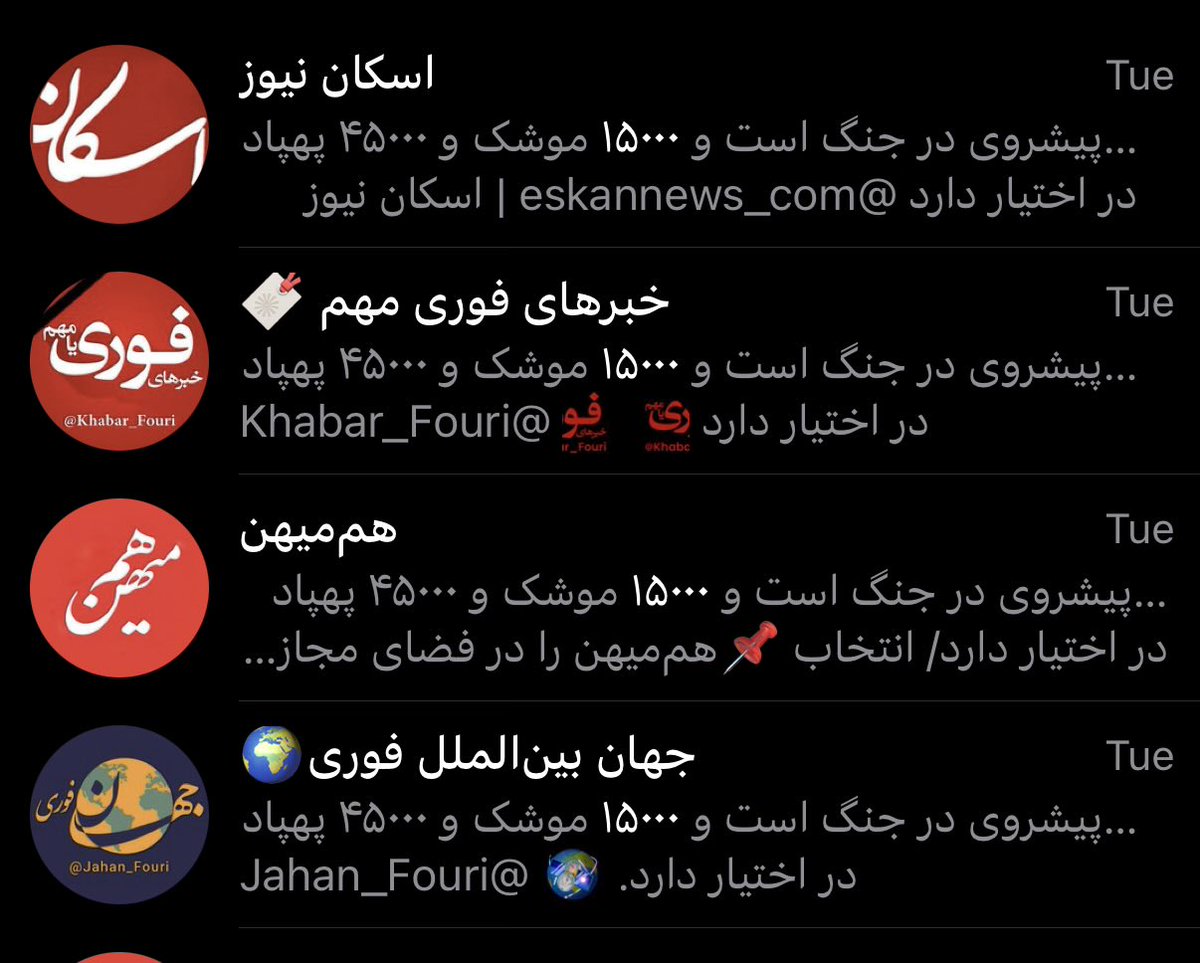
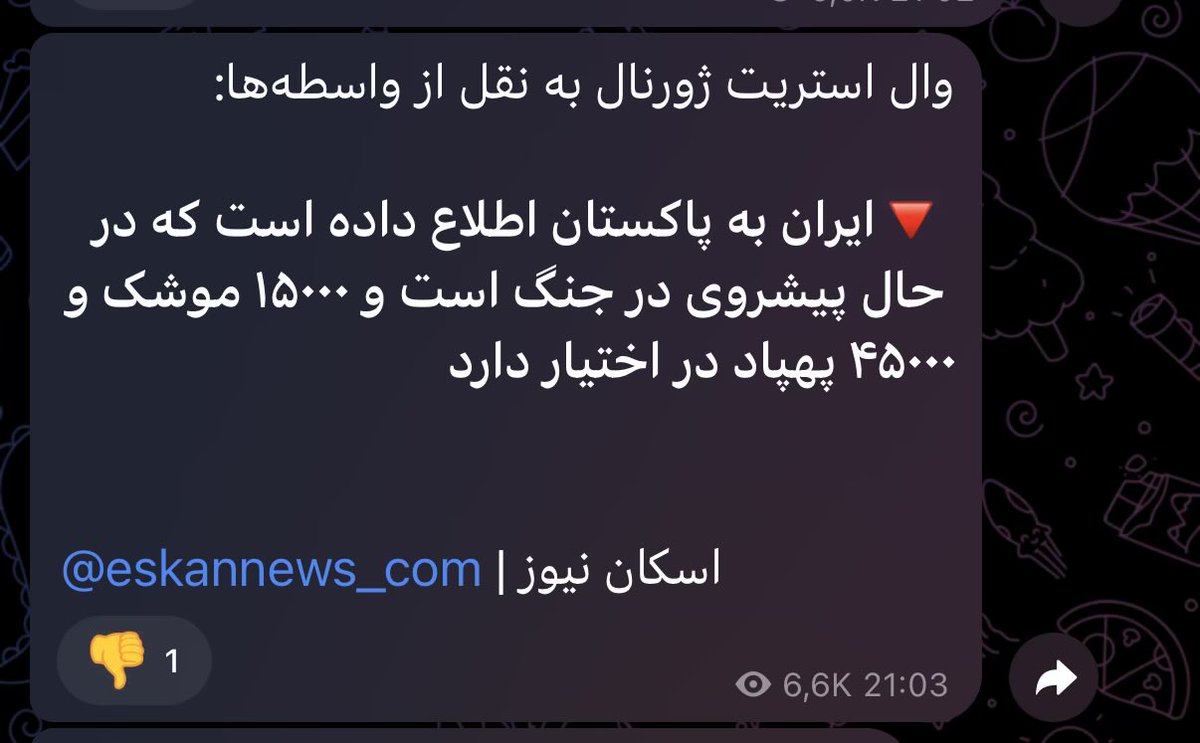

بعضی از دوستان ظاهرا بد متوجه شدند! ایران سی سال است که به تولید موشک می پردازه! ۳۰ سال رو با تعداد هفته های هر سال در نظر بگیرید! در ضمن ۵۰ موشک استراتژیک تولید میکنه، تعداد موشک های کوتاه بردش خیلی بیشتره، یعنی فکر نکنید که اون موشک هایی که به اسراییل میفرسته مثل موشک هایی هست که به کویت یا کشورهای حاشیه خلیج فارس میفرسته. خیلی از پایگاه های موشکی ایران اصلا دست نخورده هستند، چون اصلا نیاز نبوده، که اونها رو فعال کنه!
ایران بیش از ۵۰ پایگاه موشکی داره، که حداکثر در بدترین حالت ده تاش رو هم عملیاتی نکرده.
اگه به فیلم هایی که منتشر میشه، وقتی روی موشک ها شعار می نویسن، یا عکس می چسبونند دقت کنید، همه اش از یک یا دو پایگاه هست! عمدا هم منتشر می کنند تا بگن شما از پنجاه پایگاه ما که حداکثر ده تاش عملیاتی هست و همیشه از اینها موشک پرتاب میشه، حتی این یک پایگاه رو هم نتونستین از بین ببرید!
به این جور چیزهای ریز دقت کنید! هر کدام حاوی یک کد رسانه ای هست، هم دوست می بینه و هم دشمن!
تحلیل راهبرد@tahlilrahbord
نگران تولید موشک نباشید! ایران در حالت عادی هر هفته بین ۱۲ تا ۱۳ تا موشک تولید کرده، یعنی بیش از ۵۰ تا در ماه. (بنا به گفته منابع غربی). روبیو که می گفت ایران هر ماه ۱۰۰ تا میسازه! ولی اکثر منابع گفتن ایران، هر ماه بیش از ۵۰ موشک تولید می کنه. بعد از جنگ ۱۲ روزه تعداد ساخت موشک های ایران، شتاب بیشتری داشته و در جنگ ۱۲ روزه و در این جنگ اخیر هم سیستم موشکی بر خلاف تبلیغات رسانه ای زیاد آسیب ندیده... اینها چون بحث های فنی هست، نیاز به توضیح اضافه به مخاطب توییتر نداره. در همین حد بدونین که ادعاهای فرماندهان لافی در غریبی نبوده و از مکان شهرک های موشکی، کاملا مشخصه که حرفاشون درست بوده.
فارسی
@peymanr_farsi درست نوشته
در جملهی بعدی که با نقطه ویرگول ادامه داده شده تعیین کرده
اعراض در لغت بهمعنای روی گرداندن
در فقه و حقوق هم بهکار میره و دفاتر اسناد رسمی: اعراض از مال
فارسی

چرا نوشته تا «برادری نشان دهیم»؟
بگو منتظریم تا برادری خود را نشان «دهید».
رسانه رهبر انقلاب اسلامی@Rahbarenghelab_
به همسایگان جنوبی ایران میگویم: شما در حال دیدن یک معجزه هستید پس درست ببینید و درک کنید و در جای درست بایستید و به وعدههای دروغ شیاطین بدگمان باشید. هنوز منتظر واکنش مناسبی از سوی شما هستیم تا برادری و خیرخواهی خود را نشان دهیم؛ این صورت نمیگیرد مگر با اِعراض شما از مستکبران.
فارسی
@arnoldrothstei از کنفرانس خبری بانوی آخر و اختلاف سر آتشبس موقت در لبنان مشخص بود خبری در راه است.
فارسی

نتانیاهو دست به کار شد
Mark Slapinski@mark_slapinski
IT'S COMING A BOMBSHELL REPORT about Melania Trump and Jeffrey Epstein STAY TUNED
فارسی
«باید با صدای روشن گفت: ایران میدان تحقق رویاهای بیریشه و طرحهای ویرانگر دیگران نیست.
سرنوشت ایران را مردم ایران، با عقلانیت، با ایستادگی، با شرافت و با تصمیم تاریخی خود رقم خواهند زد.»
رییسجمهور دکتر پزشکیان.
@drpezeshkian
فارسی
Grotesque retweetledi

ترجمه این گزارش مهم نیویورک تایمز از پشت پرده جنگ را گذاشتم اینجا: open.substack.com/pub/bahmankalb…
بهمن كلباسى@bbckalbasi
توصیه میکنم پیش از راه انداختن موتور تحلیل و ابراز نظر در مورد نتایج این جنگ و برنده و بازنده ۴۰ روز بمباران، موشک و پهپاد به خودتون زحمت بدهید و این گزارش نیویورک تایمز در مورد رخ دادهای روزهای پیش از حمله را بخوانید. nytimes.com/2026/04/07/us/…
فارسی
فرض کنید الان ایران بمب اتم داشت، خب استفاده میکرد یا دو کشور مهاجم حمله نمیکردند؟
بازدارندگی تعریف داره در علم سیاست و فقط دستیابی به سلاح هستهای نیست.
مضافا اینکه به محض هستهای شدن ایران، سعودی، قطر وامارات کمتر از سه سال هستهای میشوند، خب باز هم بازدارندگی برای ما نداره.
فارسی
Grotesque retweetledi

A War That Has Already Cost Over $280 Billion and Achieved None of Its Objectives
Seven weeks ago, based on the figures from the 12-day war, I estimated that a new large-scale conflict against Iran would cost in the order of $360 billion just in the first three months.
Today, after 40 days of fighting and with a possible ceasefire agreement on the horizon, the numbers suggest that my estimate could be surpassed well before the 90-day mark.
Each day of coalition air operations costs around $1 billion. That alone adds up to approximately $40 billion in operational costs so far.
According to the Payne Institute for Public Policy, the war with Iran is facing a serious crisis due to unsustainable ammunition consumption rates and exorbitant replenishment costs, which have already exceeded $50 billion.
When we look at material losses, the situation becomes even worse. Reports show that several of the 13 American bases struck have become practically uninhabitable.
Housing blocks were destroyed, communication facilities, power plants, and water systems were pulverized. Just the high-complexity radars confirmed as damaged or destroyed by satellite imagery and intelligence reports up to early April already exceed $4 billion.
On top of that, damage to intelligence and command aircraft, such as the two E-3 Sentry and the E-7 Wedgetail, pushes the bill to around $2 billion. When we add losses of KC-135 tankers, C-130, F-15s, F-16s, A-10s, helicopters and drones, the total easily climbs by another $2 billion.
On the Israeli side, although the government tries to downplay the figures, it is estimated that at least two F-35I Adir units suffered severe damage or total loss in attacks on Nevatim base.
When combined with the F-16I Sufa and F-15I Ra’am hit during interception missions, the damage to Israeli aircraft approaches $1 billion.
However, nothing compares to the material and economic destruction inflicted on the region, especially in energy infrastructure and aluminum smelters.
Destruction of Energy Infrastructure
Iranian attacks (and the retaliations) turned this war into a direct assault on the Gulf’s energy backbone.
Dozens of refineries, oil fields, gas plants, export terminals, and LNG facilities were hit by missiles and drones.
Read the full article:
open.substack.com/pub/global21/p…

English
Grotesque retweetledi
روایت تکاندهنده امدادگر هلال احمر از امدادرسانی در مدرسه میناب / ۳۴ نفر از نزدیکانم را از دست دادم
+ انتشار به مناسبت چهلمین روز شهادت دانشآموزان مظلوم #مدرسه_میناب
فارسی
بهنظرم ضربهای که امروز مردم لبنان متحمل شدند بیشتر ناشی از دولت بیکفایت ووابستهی خودشانست تا موارد دیگر.
جنایت جهود جماعت که اظهرمنالشمسه.
اوصیکم به مرور مجدد اتفاقهای آخرین سفرهای مقامات ایرانی.
لازم به توضیح به چپها هم نیست که وجود وظهور و استمرار حزبا… مدیون ما هست
فارسی
Grotesque retweetledi

JUST IN: PAKISTAN SAYS U.S. CEASEFIRE INCLUDED LEBANON
English

Grotesque retweetledi

UAE is playing with fire, the wise leadership of UAE must respect the 'ceasefire' because they won't be able to absorb the retaliation by Iran & no way UAE can manage/take on Iran single handedly, if Israel + U.S. can't, definitely UAE cannot, its impossible.
English
@Mostafa_Najafii دو الی سه روز پیش بهصراحت گفته شد که برای تکمیل اهداف برنامهریزی وهماهنگی ایجاد شد.
فارسی

برخلاف آنچه رسانههای اسرائیلی میگویند معتقدم که تلآویو از روزهای گذشته از احتمال دستیابی به آتشبس کاملا آگاه بود و به همین جهت شروع به حمله علیه زیرساختهایی چون فولاد، پتروشیمی و راهآهن کرد تا توان اقتصادی ایران را تضعیف کند.
به همین جهت، ضروری است در مذاکرات پیشرو، توافق احتمالی بهگونهای بسته شود که امکان بازسازی فوری زیرساختهای آسیبدیده فراهم شود.
فارسی
@seyd_laghar این برآورد برای کشورهای متخاصمه، برای ما بیشتر نباشه کمتر نیست به نظرم متاسفانه.
Patricia Marins@pati_marins64
Soon I will publish an analysis on the costs of the war, which is now approaching its 40th day. The cost of defense and attack munitions alone so far is nearing $60 billion, with aviation operational costs adding another $60 billion. When total costs include direct damage/destruction to American, Israeli, and Gulf countries’ assets, the figure already reached $200 billion in less than 40 days of war, perfectly in line with my estimate from five weeks ago of $360 billion for a three month conflict.
فارسی
@seyd_laghar با یکی دو ماه حتی یک سال نمیشه.
اگر وارد ضربه به فولاد، پتروشیمی، سیمان، راه نمیشد شاید، الان نه بهنظرم.
فارسی
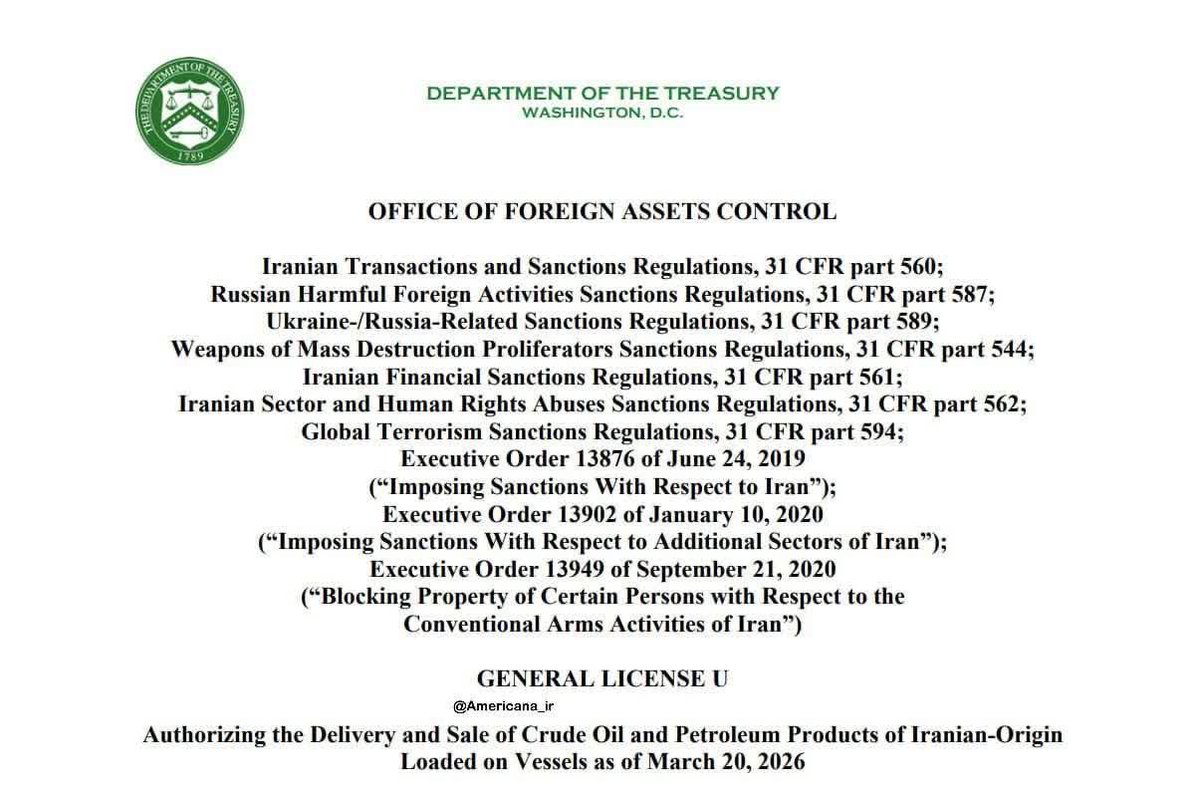

@A_House_Built__ فکر کنم برای مارس بود نمیدونم برای آوریل هم تمدید شده یا نه.
فارسی