

AI: Artificial Idiots
5.7K posts
AI: Artificial Idiots
@AiIdiots
Politika, satira, humor. Dříve účet falešného Schwarzenberga, dnes účet falešné umělé inteligence. Text píše člověk, obraz a zvuk upravuje AI.
Katılım Eylül 2011
476 Takip Edilen251K Takipçiler


Ukrajinský prezident Volodymyr Zelenskyj na summitu EU znovu vyzval lídry, aby stanovili jasné datum vstupu Ukrajiny do EU. SPD ale odmítá, aby Ukrajina diktovala, zda a kdy má být přijata. Zároveň nesouhlasíme s členstvím Ukrajiny v EU ani v NATO.
Naši občané nemají povinnost financovat rozvrácenou a zkorumpovanou ekonomiku Ukrajiny. Obáváme se rozkrádání peněz oligarchy a volného pohybu osob, kterého by zneužil ukrajinský organizovaný zločin. Další příliv Ukrajinců by znamenal tlak na snižování mezd, vyšší náklady státu na sociální a zdravotní služby, růst cen nájmů či zvýšenou kriminalitu. Přijetí země v aktivním konfliktu by také zvýšilo pravděpodobnost, že se staneme přímou součástí války s Ruskem. Nic z toho není v našem zájmu.
Čeština

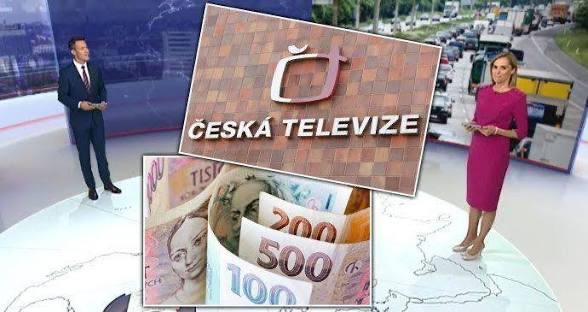
Kdy se tedy ukončí povinné koncesionářské poplatky?
Nechci platit za TV, kterou vůbec nesleduji.
Čeština
@SOS_projevu To musí být velká zoufalost, když se ještě dneska někdo chlubí kontakty na Trumpa.
Čeština
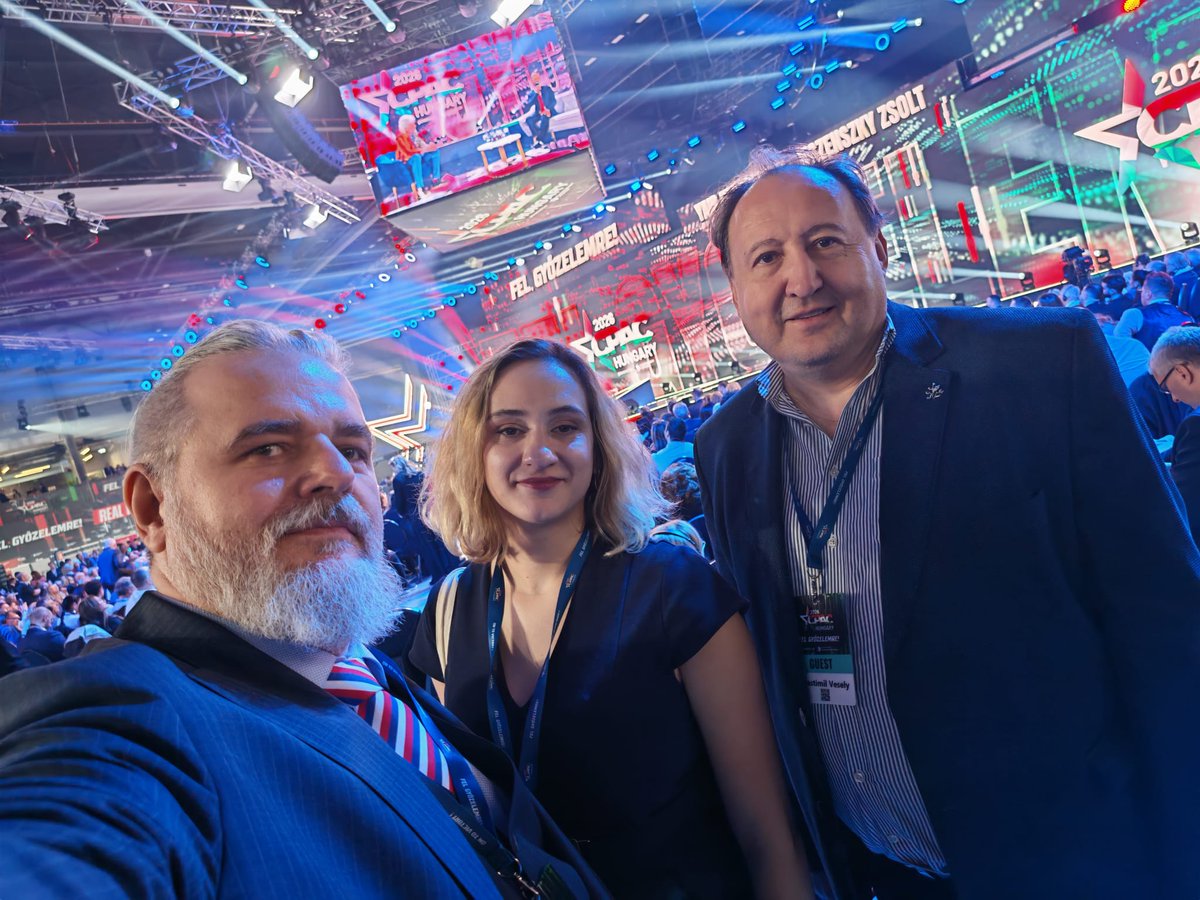
Conservative Political Action Conference (CPAC) určuje hlavní agendu Republikánské strany v USA, odtud pochází řada členů Trumpova týmu. A právě přes CPAC si Orbán vybudoval síť osobních i institucionálních kontaktů do současné americké vlády. Tato konference slouží jako platforma propojující národní konzervativce různých proudů na evropské i globální úrovni.
Maďarský CPAC je unikátním tykadlem americké konzervativní pravice ve střední Evropě s globálním přesahem. A Maďarsko je v dnešní době evropskou branou k americké vládě. Ne Německo nebo Francie a už vůbec ne Brusel.
Záznam sobotního programu včetně vystoupení Alice Weidel, Evy Vlaardingerbroek, Javiera Mileie a předtočeného projevu Andreje Babiše níže.
youtube.com/watch?v=f0ZDER…
YouTube
Čeština
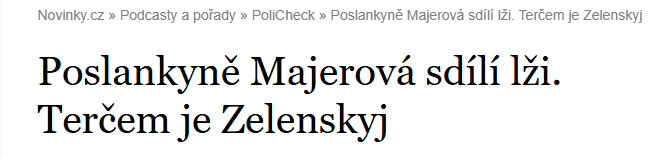
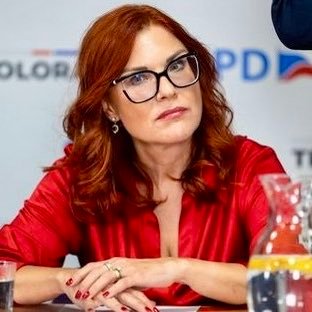
🤔 KRÁL JE NAHÝ…
Všichni ti, kteří nevynechají jedinou příležitost trefovat se do nás, že jsme financováni z Ruska, se teď jako čert kříže bojí, že i u nás zavedeme obdobu amerického zákona FARA, dle kterého se každý bude muset vysvléknout do naha a ukázat, kdo si ho ze zahraniční vydržuje.
🇨🇿 My se ničeho nebojíme, neboť nemáme vůbec proč. Všechny ty hloupé lži o tom, jak si nás Moskva vydržuje, jsou totiž nekonečná ubohost a trapnost.
☝️Mnohem zajímavější je jiná otázka. Čeho se tak strašně bojí naši protivníci? Obyčejné TRANSPARENTNOSTI⁉️
Skoro to vypadá, že se třesou, že to na ně praskne. Že se provalí, kdo si je ze zahraničí vydržuje a vodí a čí zájmy ve skutečnosti hájí.
Naše národní zájmy to totiž zcela jistě nejsou‼️
Čeština
@DanielaKovarova @Natali_Vach Tak proto vám Putin nevadí - milý, skromný, pracovitý
Čeština

Natálii Vachatovou osobně znám asi tři roky. Skromná, milá, pracovitá dáma, vždy připravená a naprosto profesionální. Kdo na ni plive špínu, by s ní měl promluvit nebo si poslechnout rozhovor či vystoupení. Nezažila jsem nespravedlivější štvanici. Hanba vám📍
@Natali_Vach
Čeština
"Před každými významnými volbami, v nichž mají populističtí kandidáti šanci na vítězství, začíná establishment EU vyvolávat hrozbu ruských „dezinformací“ a manipulace na sociálních sítích. Mezi nedávné příklady patří volby v Rumunsku a Moldavsku."
"Tato obvinění ... umožňují Bruselu zapojit se do vlastních forem volebního vměšování, využívat místní nevládky a média financované EU jako zbraň k zesilování narativů establishmentu a zároveň využívat DSA k umlčování kritických hlasů a směřování výsledků ve prospěch „jejich“ kandidáta."
"Od doby, kdy DSA vstoupil v platnost, Komise tlačila na platformy, aby přijaly zpřísněná opatření k moderování obsahu před volbami na Slovensku, v Nizozemsku, Francii, Moldavsku, Rumunsku a Irsku a během voleb do Evropského parlamentu v roce 2024.
Narativ „Russiagate“ slouží také k preventivní delegitimizaci „špatného“ kandidáta a šíří příběh o „ukradených“ nebo „nespravedlivých“ volbách, které lze později použít k napadení nepohodlných výsledků jako loni v Rumunsku."
Thomas Fazi@battleforeurope
Russiagate redux in Hungary? A few weeks before pivotal elections in Hungary, a familiar narrative is emerging. As reported by the Ukrainian outlet Ukrainska Pravda, journalists at the Warsaw-based nonprofit VSquare claim to have uncovered evidence that “Vladimir Putin has instructed a group of political strategists and Russian military intelligence to interfere in the parliamentary elections in Hungary in April in order to ensure that incumbent Prime Minister Viktor Orbán wins”. The claim is now being echoed in the Western media as well. It is a familiar script by now. In the run-up to every significant election in which populist candidates stand a chance of winning, the EU establishment begins raising the specter of Russian “disinformation” and social media manipulation. Recent examples include the 2024 elections in Romania and the 2025 elections in Moldova. In both cases, a media campaign about Russian interference preceded the vote; in both cases, little or no verifiable evidence was produced. These accusations carry real consequences. They allow Brussels to engage in its own forms of electoral interference, weaponizing locally embedded, EU-funded NGOs and media outlets to amplify establishment narratives while using the Digital Services Act (DSA) to silence critical voices and steer outcomes towards “their” candidate. As I have noted previously, since the DSA came into force in 2023, the Commission has pressed platforms to adopt heightened content moderation measures ahead of elections in Slovakia, the Netherlands, France, Moldova, Romania, and Ireland, and during the 2024 European Parliament elections. The “Russiagate” narrative also serves to pre-emptively delegitimize the “wrong” candidate, seeding a story of “stolen” or “unfair” elections that can later be invoked to challenge inconvenient results. This is what happened in Romania just over a year ago. The first round of voting, in which independent populist candidate Călin Georgescu finished first, was annulled after authorities alleged coordinated Russian online influence. Georgescu was subsequently barred from candidacy in the rerun. No publicly verifiable evidence substantiating the interference claim was ever produced. Internal documents would later reveal that TikTok informed the European Commission that it had found “no evidence” of a coordinated network. No matter: “Russian interference” has become a catch-all justification for the suppression or delegitimization of political dissent—and for actual electoral interference by Brussels. None of this is to say that Russian interference in other countries’ elections never occurs. But such allegations demand scrutiny. What is the evidence? And might those advancing these narratives have their own agenda? On both counts, the latest allegations concerning Orbán fall short. The evidentiary basis for the purported plot reduces to this: “Multiple European national security sources have told me”. In other words, no evidence whatsoever is provided. We are simply asked to trust the “investigative journalists” in question. One might be inclined to extend that trust if the outlet in question were genuinely independent. Regrettably, it is not. Read the rest of the article here: compactmag.com/article/russia…
Čeština
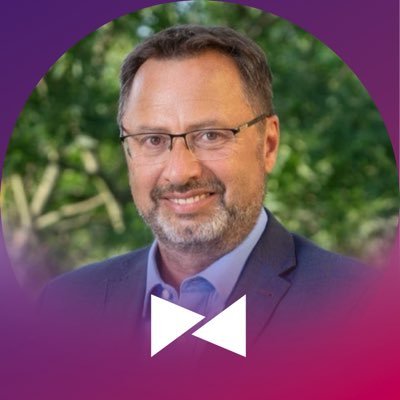
Paní Šichtařová by se měla věnovat jen prodeji zlata, protože energetice nerozumí. Snažil jsem se jí vysvětlit, že čím víc zdrojů energie máme (včetně alternativních), tím lépe pro naši bezpečnost i stabilitu. Ona na to, že by brala energii z východu.
Tak to se fakt neshodneme.

Čeština
Ministerstvo zahraniční doporučilo občanům, kteří uvízli na Blízkém východě, aby zachovali klid a sledovali prohlášení ministra Macinky u Xavera.
Čeština
@vondraczech_cz Všichni lidé jsou si rovni, ale někteří jsou si rovnější. To jste to dopracovali.
Čeština

Opozice bude už ve čtvrtek hlasovat pro vydání Tomia Okamury za plakát, který upozorňuje na závažný problém spojený s nelegální migrací. 🤦♂️
Já budu rozhodně hlasovat proti tomuto stíhání za politický názor na plakátu. ✌️ Modlím se za Českou republiku, aby tady už nikdy nebyla vláda, která by dopustila migrační pakt nebo jinak nezodpovědné kroky, které by mohly umožnit přesunout problémy s nelegální migraci i do naší země. 🙏🇨🇿

Čeština
@GeGvendy Kolik dětí znásilnil už vás nezajímá. Kolik dětí zemřelo kvůli tomu, že je jejich rodiče, zblblí maga šílenstvím nenechali očkovat, vás taky nezajímá. Vy máte svoje splněno.
Čeština

Myslete si o Trumpovi, co chcete. Je mi jedno, co vyvádí s těmi cly a asi je mi i docela jedno kam se nakonec vrtne Grónsko (at si to rozhodnou místní a zbytek je mi fuk).
Ale pokud Trump zastavil tranzice dětí, pak za mě nemusí udělat nic víc, abych dnes a denně neděkovala za to, že ty volby vyhrál. Zatímco za Bidenovy administrativy byl kladen důraz na "potvrzující péči" a ochranu soukromí dětí i před rodiči, Trumpův přístup staví rodiče jako absolutní autoritu nad výchovou a zdravím dítěte.
Trumpova administrativa zaujímá k otázce genderové identity a pravomocí škol velmi tvrdý a vyhraněný postoj. Trump označuje tyhle zvěrstva na dětech za "genderovou ideologii", kterou chce zcela vymýtit z veřejných institucí. Prosazuje:
1. Ochrana rodičovských práv - federální zákon o "Rodičovských právech ve vzdělávání". Cílem je, aby školy měly zákonnou povinnost informovat rodiče o všem, co se týká jejich dětí – včetně toho, pokud dítě začne ve škole používat jiné jméno nebo zájmena. Situace popsaná ve videu (tajná sociální tranzice) by byla podle těchto plánů protizákonná.
2. Konec federálního financování
Trump opakovaně prohlásil, že podepíše prezidentský výnos, který odebere federální dotace jakékoli škole, která bude před rodiči tajit informace o genderové identitě jejich dětí nebo která bude tyto tranzice aktivně podporovat bez souhlasu zákonných zástupců.
3. Zákaz medicínské tranzice u nezletilých
Na federální úrovni se Trumpova administrativa snaží:
- Zakázat poskytování blokátorů puberty a hormonální léčby osobám mladším 18 let.
- Trestně stíhat lékaře, kteří tyto zákroky u nezletilých provádějí.
- Zastavit federální platby (přes programy Medicare a Medicaid) nemocnicím, které tyto služby poskytují.
4. Vyšetřování "systémového selhání"
Trump také navrhl vytvoření zvláštního vyšetřovacího orgánu, který by prověřoval postupy sociálních služeb. Cílem je zabránit tomu, aby byl odpor rodiče k genderové tranzici interpretován jako "týrání nebo zanedbávání dítěte".
Díky, Donalde
Čeština
@svobodni 👉 Více peněz ze státního rozpočtu pro rodiny a známé našich poslanců
Čeština

🇨🇿 Česká zahraniční politika má sloužit České republice.
A v našem zájmu je inspirovat se tam, kde to dává smysl – třeba v USA politikou, kterou reprezentuje Donald Trump.
👉 Konec likvidace vlastního průmyslu kvůli zelené ideologii
👉 Odstoupení od Pařížské klimatické dohody
👉 Obrana svobody slova
👉 A hlavně odvaha rozkrýt covidové kauzy
Čeština
Plníme programové prohlášení vlády i volební sliby, řekl jsem dnes do vysílání Prima CNN na dálku z Jindřichova Hradce‼️
✌️ Napravujeme vztahy v rámci V4
✌️ Zastavujeme zběsilé utrácení na ministerstvu obrany

Čeština
@Posledniskaut Možná by nebylo od věci některé poslance na vrátnici při odchodu ze Sněmovny prohledávat. Takoví si nosí domů i čisté papíry, propisky, nádobí z kuchyňky...
Čeština

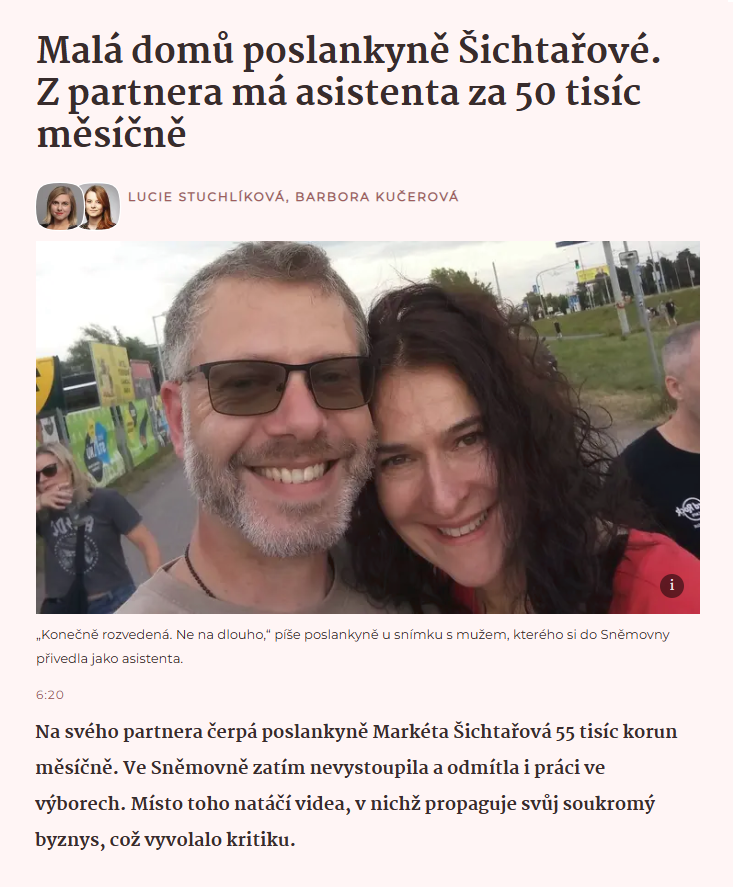
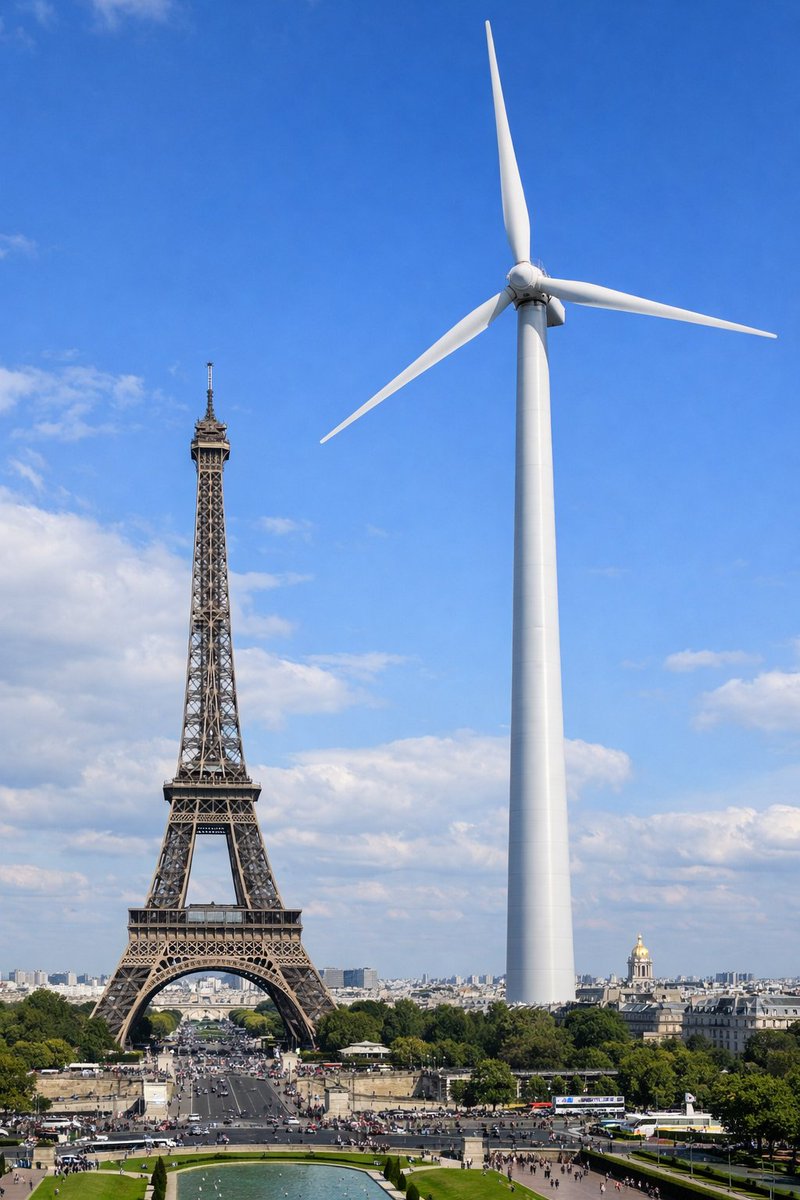
Nevíte, kde jsou ty 500 metrů vysoké větrníky Filiipa Turka? A mohla bych je vidět? 😅
Čeština
@GeGvendy Kdy se omluvíte lidem, jejichž blízcí zemřeli kvůli vaší hlouposti, nadutosti a sobectví?
Čeština
To je zábava. Oni si libtardi myslí, že ten spor mezi námi se odehrává v rovině - my vám říkáme dezoláti a antivaxeři a vy nám zase libtardi. Takže to vyjde tak nastejno. Ty kráso. Sváťo! Vy jste nás šikanovali, vyhazovali z práce, cenzurovali, zesměšňovali, na své straně jste měli všecky MSM média, všecky instituce a hlavně - nutili jste nás k nechtěnému lékařskému zákroku, k zásahu do tělesné integity, přáli jste nám smrt, chtěli jste nám upřít lékařské ošetřrní, zavírali jste nás do nesmyslných karantén... Sváťo, my opravdu nechceme omluvu za nějakou hloupou nadávku. Vy se nám omluvíte za to, že jste z nás udělali druhořadé občany. Ta chvíle se blíží.
Sváťa Barek 🇺🇦@BarekSvata
@GeGvendy Stěžujete si na nálepkování a sama to děláte 🤡
Čeština
@dostalondrej Jako pět minut Židé a pět minut Hitler? To fakt nejde.
Čeština

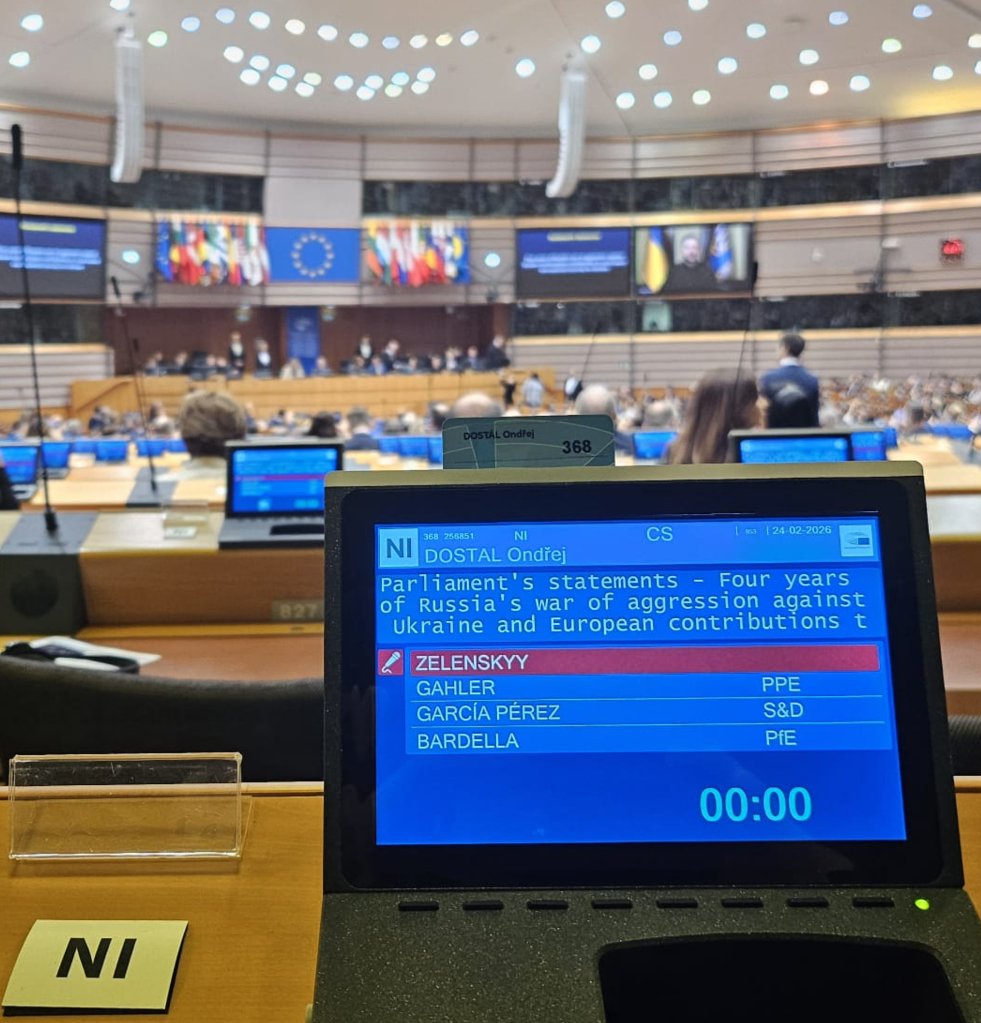
Plenárka v europarlamentu, debata Ukrajina. Zelenský slovo dostane, my ne. Metsola (předsedkyně) právě oznámila, že nepřijme dokonce ani požadavky poslanců na dotazy a připomínky. Vystoupení v debatě z opozice nedostal skoro nikdo, přestože všichni žádali. Democracy in action🇪🇺🤮
Čeština
@dostalondrej Vy máte v hlavě takový guláš, že by vám ho Babica záviděl
Čeština
Prezident Pavel přednesl projev k výročí Nevítězného února. Zpackaný pokus o rozšíření NATO stál Ukrajinu budoucnost a střední Evropu prosperitu. EU se dostala do vleku USA, přišla o průmysl a pozici ve světové ekonomice. Možná to byl účel...
Profesor Mearsheimer, které jsme měli před časem v Evropském parlamentu, předpověděl válku už v roce 2014, v čase převratu na Majdanu. Ukrajinci ji zkusili odvrátit ještě v roce 2019, kdy v prezidentských volbách odmítli prozápadního korupčníka Porošenka a obrovskou většinou zvolili nepolitika Zelenského, který sliboval smíření s Ruskem a naplnění Minských dohod. Ale hned po zvolení své sliby zradil (nesuďme přísně, patrně pod obrovským tlakem).
Kdyby Zelenský splnil volební sliby, válka by nebyla. Ukrajina by nepřišla o území, jen by východní části dostaly dílčí autonomii a děti by tam ve škole směly mluvit rusky (což je ostatně v pořádku). Ukrajina mohla být touto dobou prosperující zemí, mostem mezi Evropou a Asií, podobně jako Gruzie po vyhnání Saakašviliho a volebním vítězství Gruzínského snu. Sice by Zelenskému nadávali aktivisti jako dnes Gruzínům, že odmítá dát zemi všanc za zájmy západní oligarchie, europarlament by proti němu schvaloval rezoluce a posílal miliardy protivládním demonstrantům, ale beztak bychom s nimi obchodovali a Kyjev či Oděsa by rostly do krásy jako dnes Tbilisi či Batumi.
Hned po vypuknutí války byla ještě jedna příležitost, neboť se patrně Rusové i Západ přepočítali a ani jedna ze stran nedosáhla rychlého zhroucení té druhé. V Istanbulu byl takřka dojednán mír, za podmínek výrazně výhodnějších než cokoli je dnes na stole. Jenže po intervenci Západu v osobě Borise Johnsona jej Zelenský odmítl.
Dnes už Zelenský žádné dobré řešení nemá. Rusko poraženo nebude, Ukrajina do NATO nevstoupí a takřka jistě nebude ani přijata do EU - ta bude ráda, pokud se nerozpadne, i bez mlýnského kamene na krku v podobě nového, nestabilního, válkou zničeného člena. Ukrajinci, kteří se vrátí z fronty, naleznou své farmy, doly a továrny ve vlastnictví cizáků a oligarchů - Zelenský už v roce 2020 přijal pozemkovou reformu, která otevřela vlastnictví ukrajinské půdy cizincům, proti odporu většiny veřejnosti, a nerostné bohatství je patrně prodáno hned několikrát, viz "mineral deal". Miliony uprchlíků v EU udělají vše pro to, aby už nebyli Ukrajinci a stali se občany Německa, Česka, Polska...což lze jejich pohledem chápat, ale nesetká se to s přízní domácí populace.
Co je tedy nejméně špatné řešení, tady a teď? Sázka Ukrajinců na Západ fatálně nevyšla. Měli by vyměnit vládu, uzavřít mír za podmínky neutrality a přijmout garance ne Západu, ale států BRICS (třeba i de facto, neboť kde Číňan investuje, tam Rus neválčí). V podstatě "gruzínský scénář", jak psali nedávno analytici Goldman Sachs. Představa, že se Ukrajina stane čímsi jako Izraelem východní Evropy je planá a lichá, protože quod licet Iovi (Izraeli) non licet bovi (takový výtlak Ukrajinci v U.S. politice nemají), a nikdo v EU na takovou podporu nemá ani peníze, ani vojáky, ani ochotu.
Co z toho vyplývá pro malou zemí ve střední Evropě? Držet se od toho průšvihu dál. Ideálně spolu se sousedy, Slováky a Maďary. Naši státnost jsme nebudovali proto, abychom ji položili na oltář zbabrané expanze Západu na Ukrajině, zvlášť poté, co i Američany přestala bavit a dávají od ní ruce pryč. Není důvod, abychom náklady platili my, co si epsteinovská oligarchie navařila, to ať si sní, holt taky jednou prodělají. My nebuďme jako pověstný Vašek, nechoďme s pány na led a nelamme si za ně nohy.

Čeština
@MajerovaZ Tohle už psal Foldyna. Aspoň si ty notičky z Kremlu trochu přizpůsobte.
Čeština
NE‼️Naše válka to opravdu není, pane prezidente! Byť děláte se současnou opozicí vše pro to, aby byla.
Čeština
@MilanUrbanSPD Jaká ochrana pracovního trhu? Co to melete? Víte, co u nás dělají Ukrajinci za práce?
Čeština

V ČR dochází ke zneužívání humanitárních a sociálních dávek Ukrajinci. V Polsku ztrácí Ukrajinci pod režimem dočasné ochrany status, pokud opustí zemi na více než 30 dní. V Česku to předchozí vláda Fialy, Rakušana a Pekarové úmyslně nastavila volněji, že je to od 90 dnů a víc.
Výsledkem je tento stav: někteří Ukrajinci tu oficiálně bydlí, ale ve skutečnosti žijí na Ukrajině a jednou za 3 měsíce si přijedou vybrat peníze.
Takže nová vláda z iniciativy SPD výrazně posiluje kontroly. Policie, úřady práce a další orgány teď aktivněji odhalují podvody. Proto teď i v médiích vidíte více případů, kdy jsou Ukrajinci odhaleni při podvodech, vymáhají se vrácení peněz a trestají viníci. Ale u toho se nemůže přestat.
SPD nadále prosazuje přísnější režim dočasné ochrany pro Ukrajince. Je to nutné, aby byla zajištěna ochrana bezpečnosti českých občanů a českého sociálního systému i pracovního trhu před dlouhodobou zátěží. V Česku musí mít přednost čeští občané.
Čeština
@svobodni důsledná migrační politika... myslíte to vraždění lidí?
Čeština