Sabitlenmiş Tweet

Aleksander
2.6K posts
@Aleksander_gor
Spekulacja 📈 Ekonomia💲filozofia💡free-thinker (wolno myślący🐌) Kierowany przez ciekawość

@SixSigmaCapital What are you favourite macro accounts on X and or SS?

Everyone in the world has to take a private vote by pressing a red or blue button. If more than 50% of people press the blue button, everyone survives. If less than 50% of people press the blue button, only people who pressed the red button survive. Which button would you press?

The overall point I am hoping to make is this. If you’re a blue voter, great! However, “everyone is probably going to vote blue, so I’ll vote blue!” is not an argument for the rationality of blue. Blue is explicitly irrational in that scenario. You have to be deriving some benefit directly from voting blue, not just the outcome. I don’t think that holds up in reality.
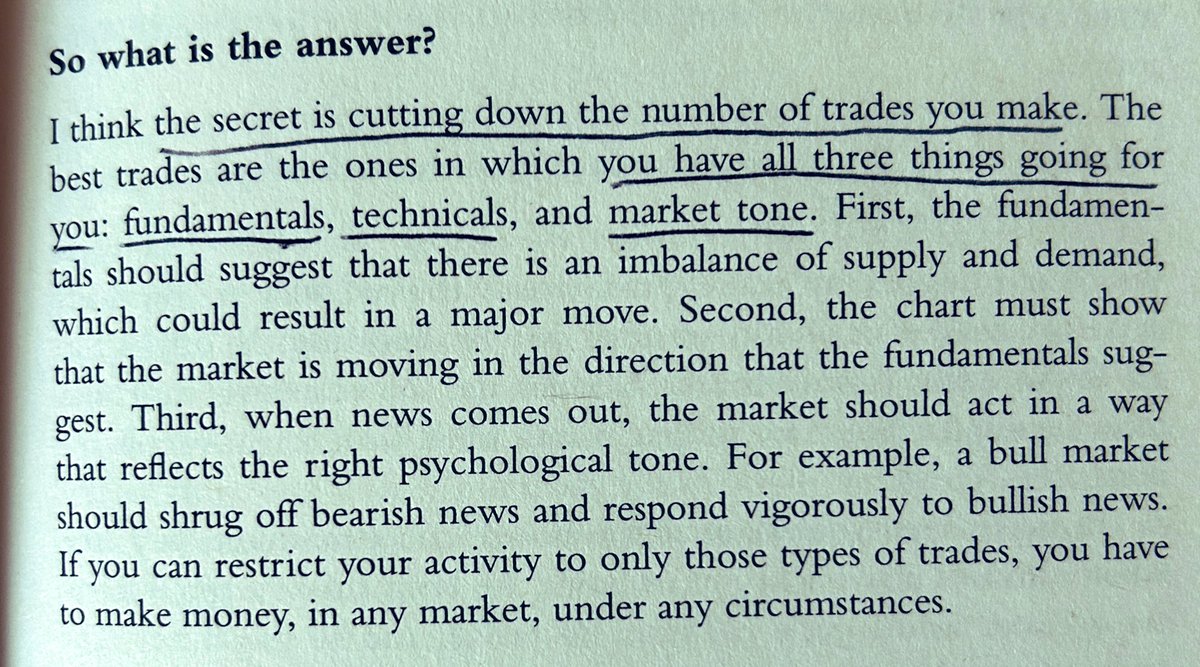
This market structure has brought legends down, because of course, it’s a centralized ponzi instead of a decentralized free market like they grew up trading. It’s why Jane Street makes $39 bln a year front-running orders and arbing relative volatile while guys like Ricky Sandler can’t just buy great undervalued businesses anymore to help grow them. Market structure has perverted true investment & innovation. Capital markets were supposed to be about funding new ideas to grow an economy, not arbitrage everything in an absurd cycle of relative oblivion to appease giant bureaucratic incentives.

Legend. Congratulations on a great run @rsandler21969

Karl Popper on How We Gain Knowledge: ––Karl Popper: "People think, usually, that we acquire knowledge by opening our eyes and our ears and let the sensations stream into us, and they believe then that we record this like a camera. In my opinion, if we wish to get knowledge, we have to have a problem. It has to be knowledge of something. We have to find out something. We don't have to wait for information to stream into us, but we have to be inquisitive if we want to get knowledge. If we were passive, we would gain a confused mass of sensations or something like that, which we would hardly be able to understand and to convert into what one may call knowledge. Quite apart from that, perception is not really, in my opinion, the main source of our knowledge. The role of perception is to inform us about a momentary situation in our environment. But we couldn't really interpret our perceptions without knowing much more about our environment, namely, we know whether we are in a house or whether we are in a glacier. So we have two kinds of knowledge: this wider knowledge of a frame in which we orientate ourselves, and the momentary perception which gives us information about the situation at that particular moment. And it is only this situation in which we can use our perception. So we have theoretical knowledge and, if you like, the momentary practical challenge to our theoretical knowledge. And here comes perception in."




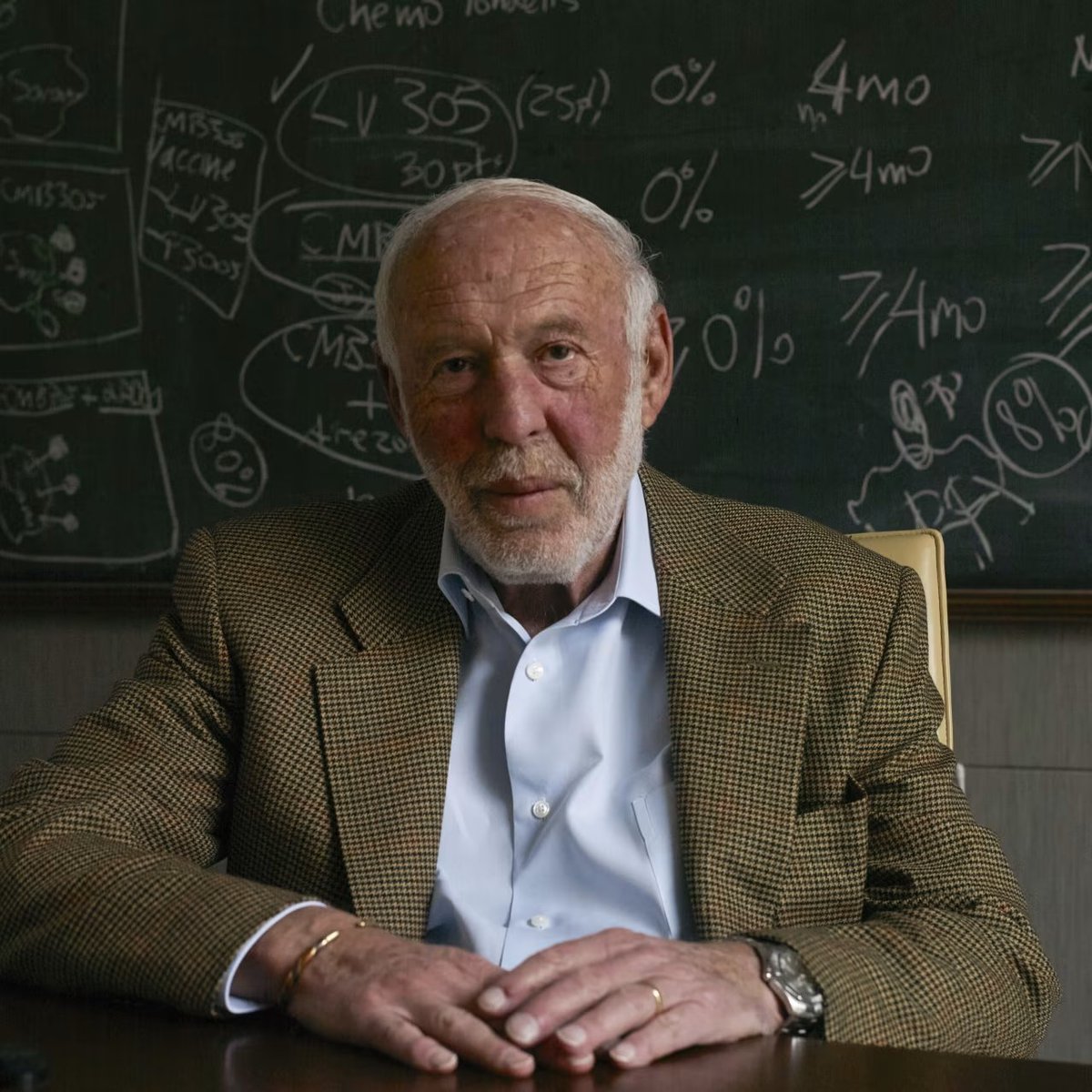

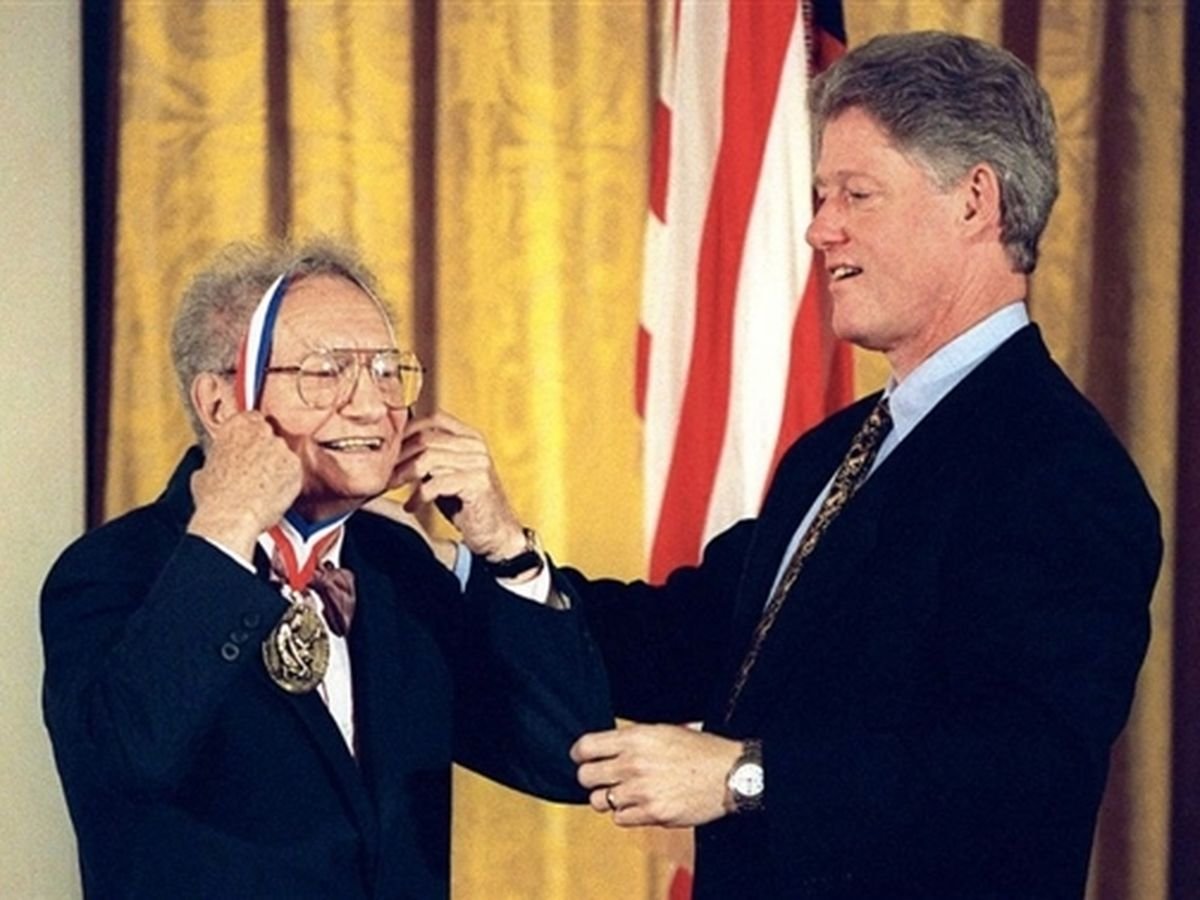

Think about this quote a lot recently as I read and listen to so many different takes on AI “For the simplicity on this side of complexity, I wouldn't give you a fig. But for the simplicity on the other side of complexity, for that I would give you anything I have.” - Oliver Wendell Holmes