Alex Mercer

409 posts

Alex Mercer

Alex Mercer

@AlexMercer8005

Katılım Ocak 2024
19 Takip Edilen10 Takipçiler
scaryjello
scaryjello@scaryjellomj·
@KairosPower Build test learn repeat but your architecture relies on extremely expensive fuel, weapons quality lithium halide corrosive bath, and doesn't seem remotely competitive.
English
1
0
0
77
Kairos Power
Kairos Power@KairosPower·
How do you drive greater cost certainty for new reactors? Build. Test. Learn. Repeat.
Kairos Power tweet media
English
3
11
53
3.3K
Alex Mercer
Alex Mercer@AlexMercer8005·
@yasir_fission This is not a commercial nuclear reactor or anything resembling one. It’s yet another zero power criticality experiment to join the hundreds of others at national labs and universities. The only reason you were able to build it so fast is because it’s not a real power reactor.
English
8
1
27
4.6K
Yasir Arafat
Yasir Arafat@yasir_fission·
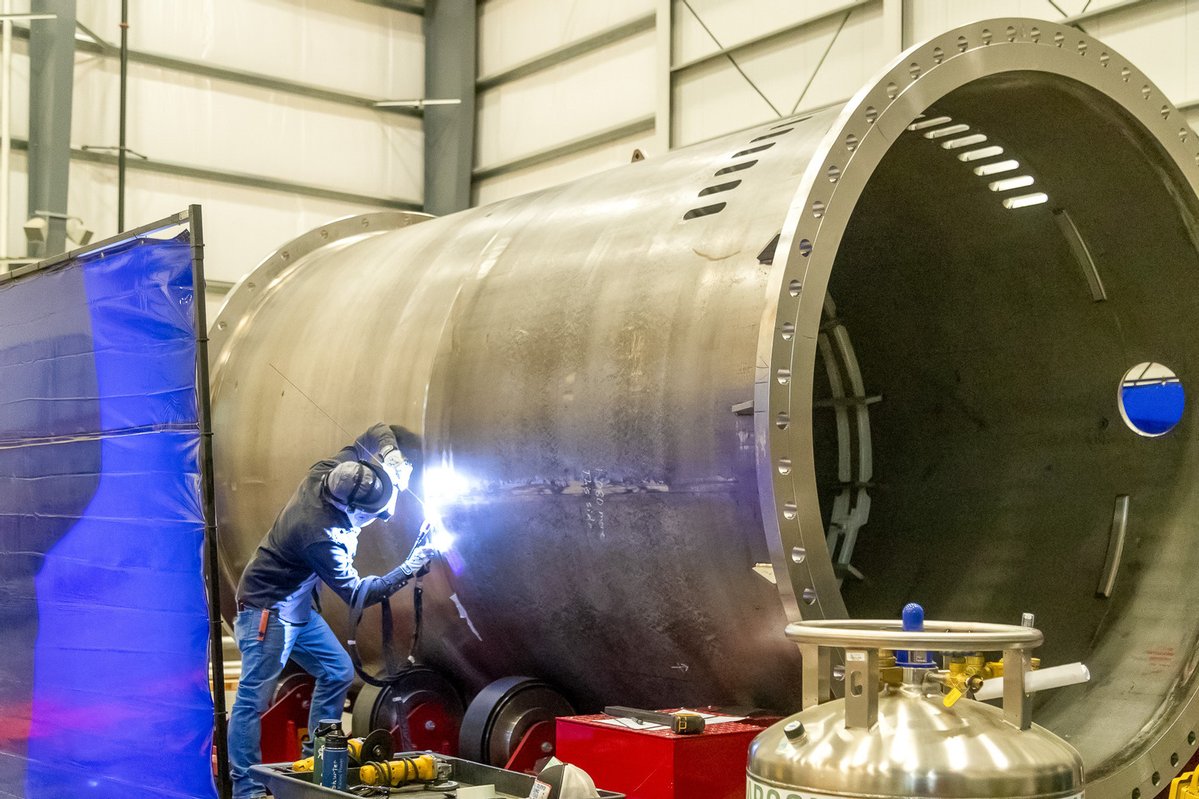
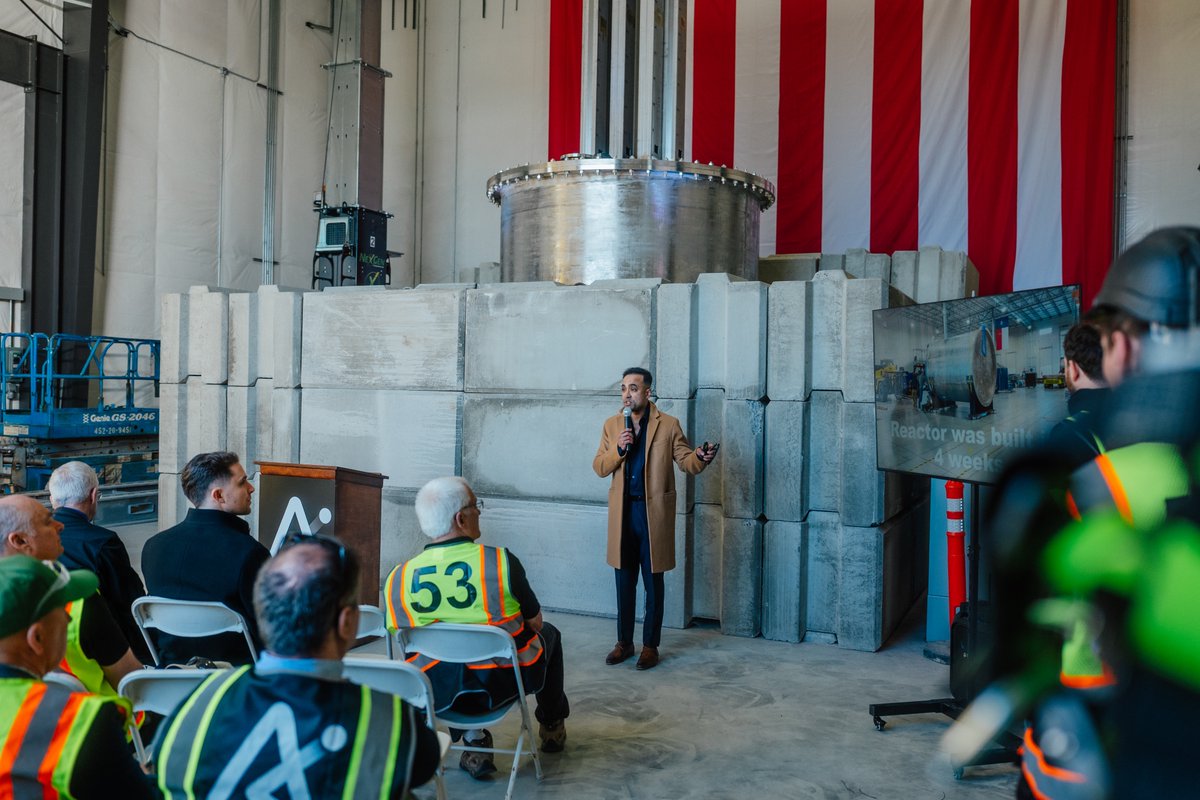
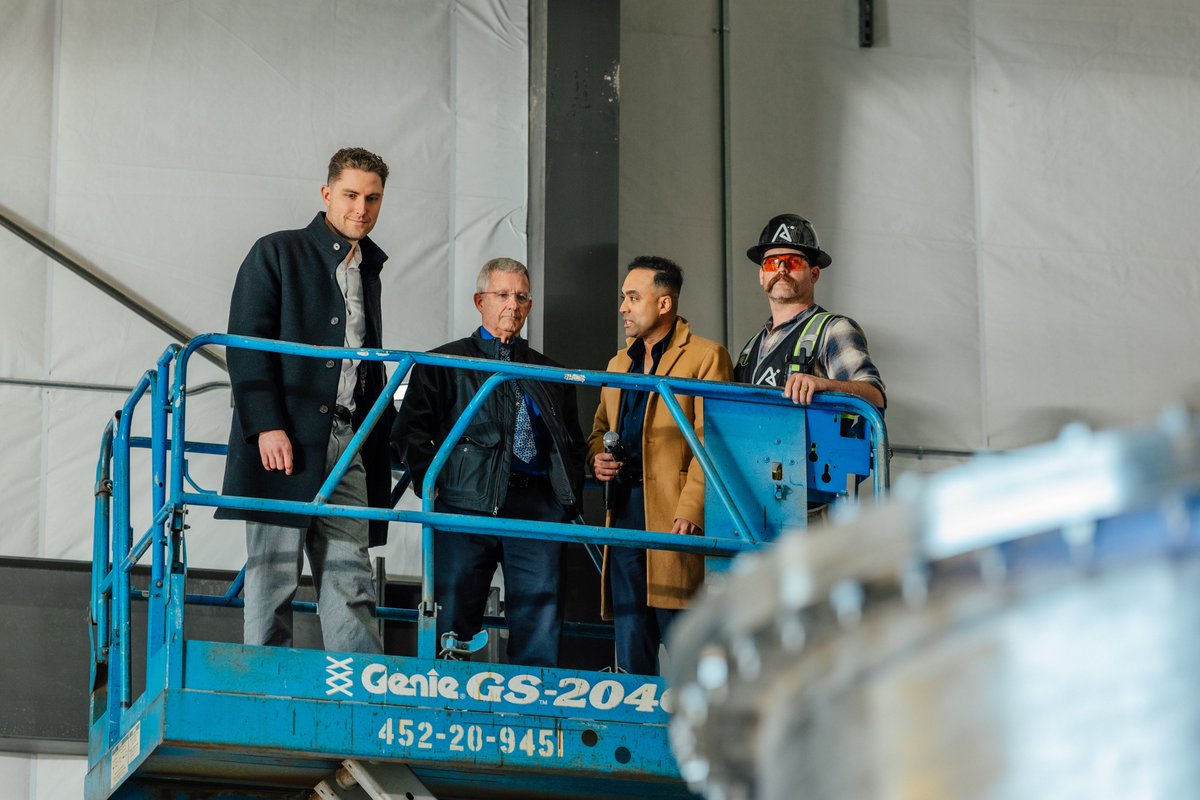
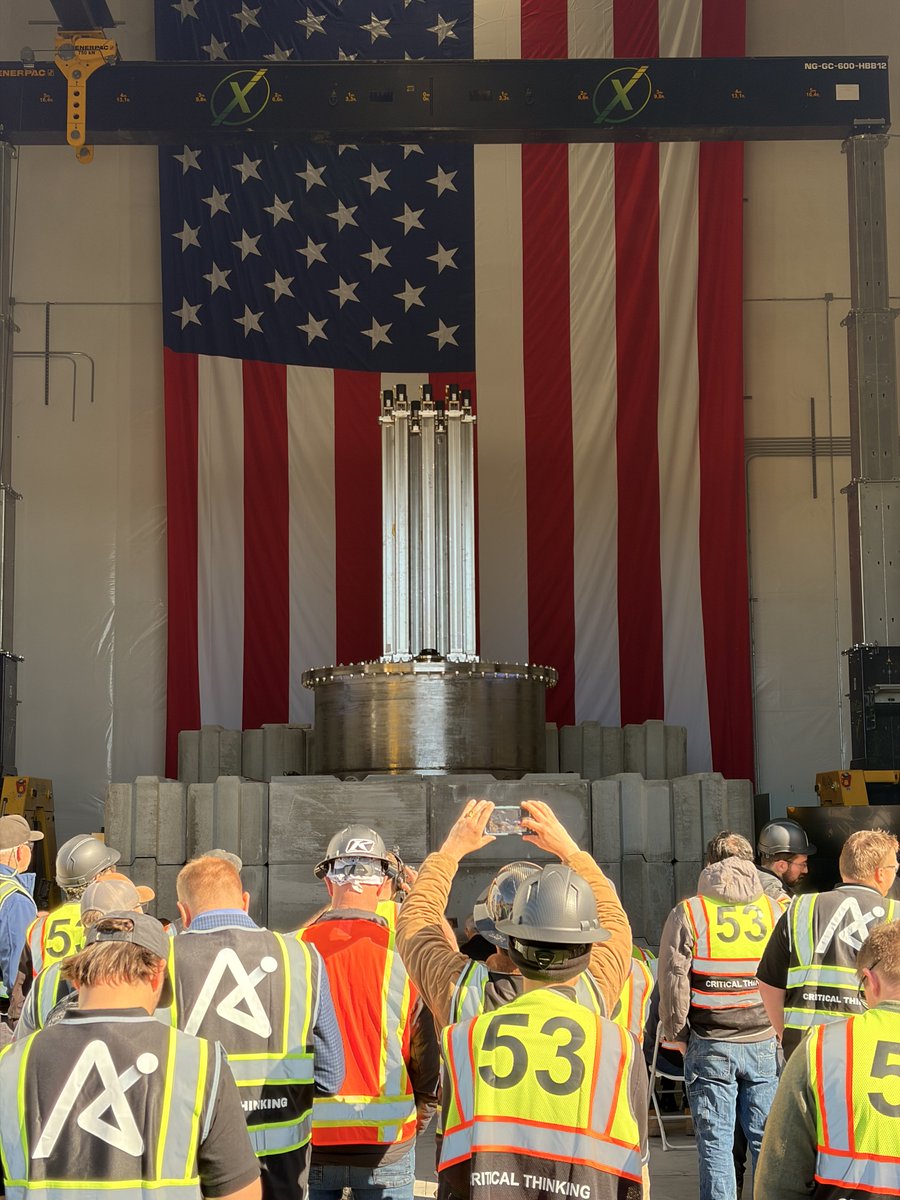
We just built our first nuclear reactor, at an impossible speed - 14 days: completed PDSA - 36 days: finished construction - 28 days: built the reactor - 10 days: assembled on site Core goes in after final DOE approval. Speed without sacrificing safety.
Yasir Arafat tweet mediaYasir Arafat tweet mediaYasir Arafat tweet mediaYasir Arafat tweet media
English
96
229
2.3K
251.8K
Matt Loszak
Matt Loszak@MattLoszak·
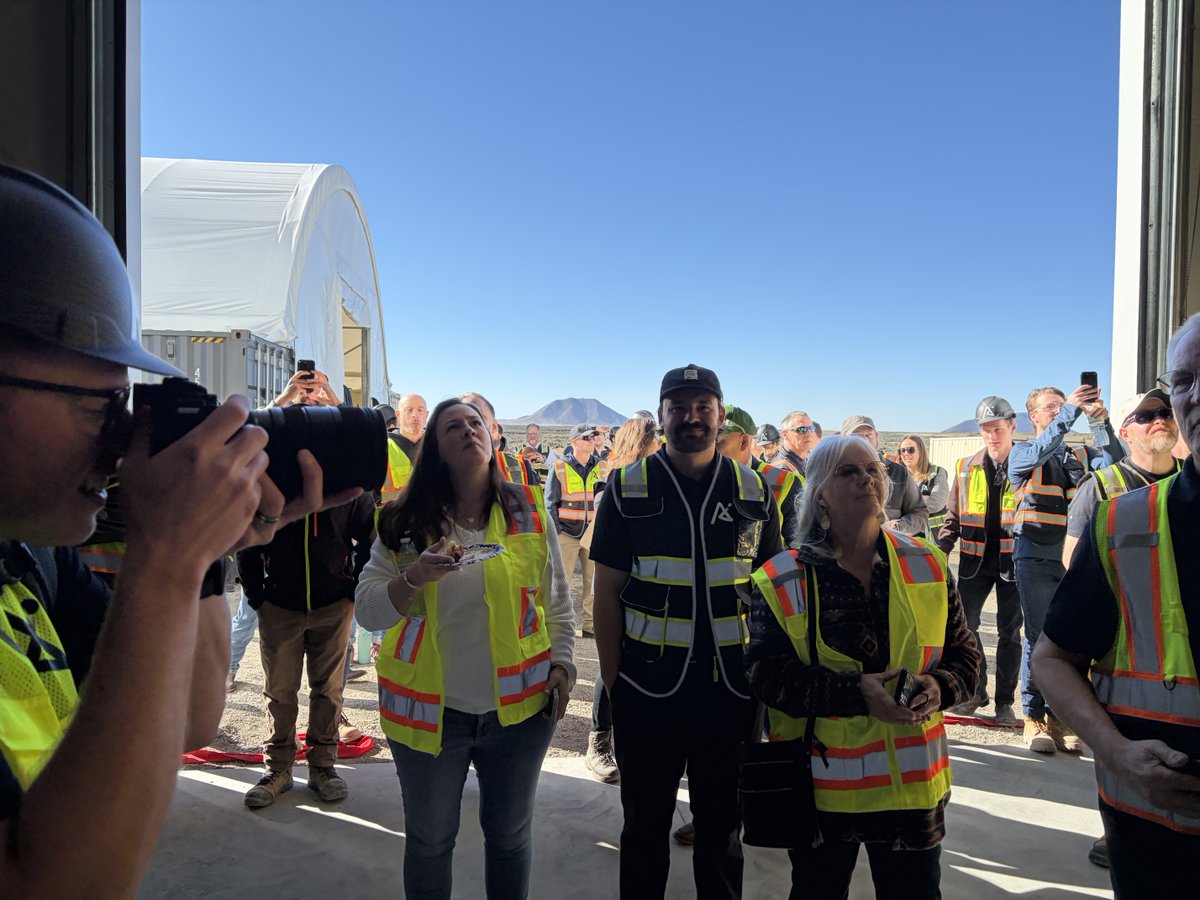
Today, we unveiled our completed Critical Test Reactor facility. We will be turning this reactor on (a “zero power criticality”) well before July 4th! This is a commercial-scale system with enough fuel to produce 10 MW of electricity, and will someday soon power a co-located data center from one of our partners. Here’s what people saw today at our ribbon cutting: ✅ Reactor vessel ✅ Graphite as moderator ✅ Instrumentation and control ✅ Concrete shielding ✅ Building with crane ✅ Control room All designed and built by Aalo. And the nuclear fuel will be arriving any day now. One last step remains: the final DOE approval to turn the reactor on, which we expect to receive soon. DOE has been an incredible partner in this 2.5 year journey, working hard to support a number of companies pushing to advance US nuclear energy. Follow us to be the first to know when we turn this reactor on!
Matt Loszak tweet mediaMatt Loszak tweet mediaMatt Loszak tweet mediaMatt Loszak tweet media
English
46
94
735
120.5K
Big Think
Big Think@bigthink·
The likelihood of a catastrophe caused by a terrorist at a U.S. nuclear power plant is as close to zero as humanly possible. bit.ly/3JKtHij
English
5
5
68
0
Alex Mercer
Alex Mercer@AlexMercer8005·
@BumfOnline @bigthink Actually, for political reasons, Japan made the exclusion zone *smaller* than scientists recommended, because they knew that being unable to return home was traumatic and very unpopular. The ICRP recommended dose limits of 1 mSv/yr. Japanese officials decided to allow 20 mSv/yr.
English
1
0
0
43
Alex Mercer
Alex Mercer@AlexMercer8005·
@BumfOnline @bigthink You realize a sizable portion of that exclusion zone is still in place to this day, right?
English
1
0
0
32
bumf
bumf@BumfOnline·
@AlexMercer8005 @bigthink We all know more than they did now. They overreacted. The displacement was political, not risk-informed.
English
1
0
0
48
Alex Mercer
Alex Mercer@AlexMercer8005·
@BumfOnline @bigthink As for the Fukushima question, I’m amazed that you think you know more than the thousands of health physics experts, regulators, and policymakers who decided the size of the exclusion zone. You may be right about the initial evacuation, but not about the permanent displacements.
English
1
0
0
41
bumf
bumf@BumfOnline·
@AlexMercer8005 @bigthink For one thing, soent-fuel casks aren’t pressurized within a reactor. For another, the displacements at Fukushima were precautionary and very likely resulted in far more harm than any dose exposure they could have received.
English
2
0
0
38
Alex Mercer
Alex Mercer@AlexMercer8005·
@BumfOnline @bigthink I’m talking about the spent fuel *pools* for wet fuel storage during the ~5-10 year cooldown period between being unloaded from the reactor and being placed in a dry cask. Needs to be constantly cooled and represents a source term an order of magnitude larger than a reactor core.
English
0
0
0
28
Alex Mercer
Alex Mercer@AlexMercer8005·
@BumfOnline @bigthink Yeah, right. 130,000 initially evacuated from Fukushima and 30,000-40,000 remain permanently displaced 15 years later. All of this with dose regulations significantly less strict than the NRC. But sure, tell me more about how radioactivity releases aren’t a concern for the public
English
1
0
0
18
bumf
bumf@BumfOnline·
@AlexMercer8005 @bigthink If this was released, it would cause local contamination, nothing more. A concern for the plant but no concern for the public.
English
1
0
0
23
Alex Mercer
Alex Mercer@AlexMercer8005·
@DNgenuity48883 @bigthink I’m not sure what point you’re trying to make here. Spent fuel is very, very dangerous if not continuously cooled. Fresh fuel is largely benign and doesn’t need to be cooled. It’s the radioactive fission products that make fuel dangerous.
English
0
0
0
14
Alex Mercer
Alex Mercer@AlexMercer8005·
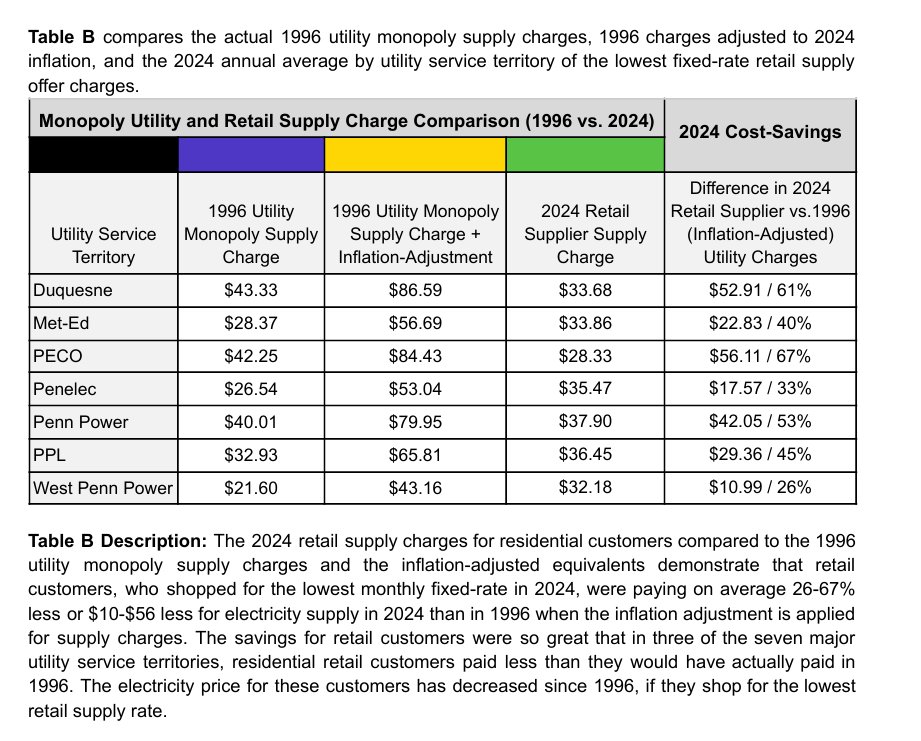
@johnrhanger @EnergyLawJeff @mattyglesias Interesting that people used to pay so much for electricity. Sooner or later we may need to hit those prices again. We’re not building much firm generation these days - coasting off nuclear plants built in the 1970s with very low operating costs. Those plants can’t last forever.
English
0
0
0
13
Jeff Dennis
Jeff Dennis@EnergyLawJeff·
With all due respect to @mattyglesias, anyone reaching even the tentative conclusion that fully returning to integrated monopolies is the answer to our present circumstances hasn't spent enough time learning the history of the electricity industry. 1/
English
7
10
70
10K
Alex Mercer
Alex Mercer@AlexMercer8005·
@bigthink (2/2) These changes suggest that traditional containment building designs with reinforced concrete may not in fact be sufficient to withstand all credible impacts from a large modern jet airplane, which calls into question the resiliency of existing plants.
English
0
0
0
765
Alex Mercer
Alex Mercer@AlexMercer8005·
@bigthink (1/2) If it’s true that all existing plants are impervious to aircraft impacts as you claim in the article, then why was the Aircraft Impact Assessment rule instated by the NRC in 2009? And why did it result in containment building design changes for the AP1000 and ABWR designs?
English
1
0
0
1.1K
Alex Mercer
Alex Mercer@AlexMercer8005·
@JosephSomsel @scaryjellomj Very interesting. Yeah with all of those redundancies it sounds like it would be a pretty vanishingly small frequency branch in the PRA even before considering physical conditions that would minimize consequences.
English
1
0
1
24
Joseph Somsel
Joseph Somsel@JosephSomsel·
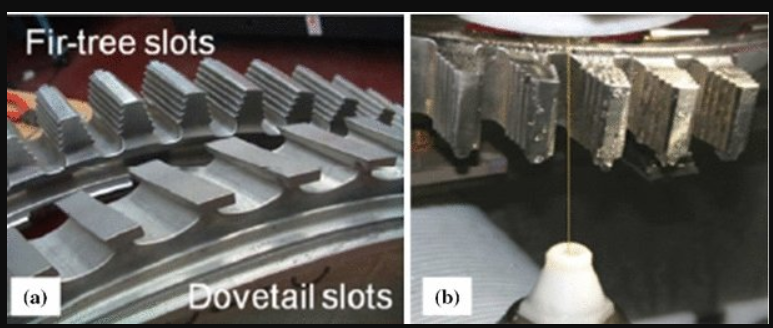
Let me expand on item 3 - "(3) Is it practically workable to prevent turbine spinup just by inspections?" I didn't answer completely by essentially skipping ahead. We've triple redundant and diverse systems to prevent overspeed. There is a separate digital overspeed trip for main steam, a standard governor overspeed trip, and a passive mechanical overspeed trip. (This is from memory.) I had originally answered about mechanical failure of the turbine rotors which had been the historical problem. Turbines had big steel discs with slots to attach the individual blades. There had been stress corrosion cracking in the discs here the blades slipped into slots in the disc. These stress concentration points were redesigned and better steel was used in the discs.
Joseph Somsel tweet media
English
1
0
0
28
scaryjello
scaryjello@scaryjellomj·
Help me create a pinned thread where we log ideas about what NRC requirements could be rolled back by the Trump administration to reduce nuke plant operator expenses. Not vague ideas like 'End ALARA' but real things like 'reduce security to the size of a small town PD'.
English
4
0
15
1.3K
Alex Mercer
Alex Mercer@AlexMercer8005·
@JosephSomsel @scaryjellomj Interesting stuff, thanks! It would be nice to be able to arrange turbines in a parallel with reactor buildings again like we used to - clearly a slightly more economic configuration given that coal plants and old nuclear plants generally chose that arrangement. What’s NDTP?
English
1
0
1
41
Joseph Somsel
Joseph Somsel@JosephSomsel·
1) The PRAs I've seen put the core damage frequency risk very very low from ATWS. 2) we've identified the drivers of NDTP in the original RPV steel and in the beltline welds (sulfur.) 3) EPRI did good work on the blade-to-disc vulnerability and turbine manufacturers have implemented.
English
1
0
1
41
Alex Mercer
Alex Mercer@AlexMercer8005·
@JosephSomsel @scaryjellomj Questions: (1) Why? This has been a real concern at plants like Browns Ferry, LaSalle and others. (2) Aren’t the RPV coupons strictly beneficial for long-term SLRs? (3) Is it practically workable to prevent turbine spinup just by inspections? (4-6) Don’t know much about these.
English
2
0
1
35
Joseph Somsel
Joseph Somsel@JosephSomsel·
Off the top of my head. 1) Never thought much of ATWS. 2) Relax the RPV vessel coupons program. 3) Allow island plant arrangements so peninsula arrangements no longer mandated if you have regular turbine inspections. 4) no spent fuel rack sprays. 5) loosen the Possible Max Precipitation (PMP) flooding analysis. 6) don't need ACRS review for each application.
English
1
0
3
71
Alex Mercer
Alex Mercer@AlexMercer8005·
@PattyDurandGA 35 MW thermal, no less! After thermodynamic efficiency losses it’ll be <= 15 MW of electricity.
English
0
0
0
7
Alex Mercer
Alex Mercer@AlexMercer8005·
@Nuklearia @MattLoszak Decarbonization is a very complex optimization problem with many technology options available, and it’s not exactly crystal clear that new nuclear makes sense in most countries, although it does make sense in some. See this study for the U.S. case: docs.nrel.gov/docs/fy22osti/….
English
0
0
0
14
Nuklearia e. V.
Nuklearia e. V.@Nuklearia·
@AlexMercer8005 @MattLoszak You shouldn't have to pay market prices for the capital costs of foundational infrastructure that is also decarbonising full time, when your goal is to decarbonise. This makes no sense at all when you on the other hand pay heavy annual subsidies for the part time decarbonizers.
English
2
0
3
33
Matt Loszak
Matt Loszak@MattLoszak·
Can nuclear get below 2 - 3 c/kWh? Most people think it's impossible, so we built an interactive cost model to debate on a more granular level. Here's what must be true, line by line, for < 3 c/kWh nuclear. In my view it's surprisingly feasible... 👇🧵
English
40
44
238
23.6K
Alex Mercer
Alex Mercer@AlexMercer8005·
@Nuklearia @MattLoszak Show me a credible capacity expansion model for deep decarbonization that says we should build new nuclear at anywhere close to the cost of Vogtle in the U.S. or Flamanville in France. Or hell, even a factor of 2-3x cheaper than those plants.
English
0
0
0
20