Ali Saedvandi علی سعدوندی
12.3K posts

Ali Saedvandi علی سعدوندی
@AliSaedvandi
PhD, FRM, MBA اقتصاددان مستقل مخالف انحصار، رانت، تبعیض، نفاق، نگران آینده ایران مظلوم
Katılım Nisan 2015
2.8K Takip Edilen19.7K Takipçiler
Sabitlenmiş Tweet
Ali Saedvandi علی سعدوندی retweetledi

Nothing Will Be the Same for a Long Time
The world we knew has changed and will remain different for years to come. We were still recovering from the effects of the pandemic and the war in Ukraine when the new war, started by the United States and Israel, struck hard at the infrastructure of Iran, the Persian Gulf countries, Israel itself, and Oman.
These bombings were not just military actions, they delivered a deep blow to the global economy. Oil, natural gas, fertilizers, semiconductors, chemicals, metals, and even helium saw their supply drastically reduced. Recovery will be slow and painful.
The Price of Destruction
The damage to the region’s metallurgical infrastructure was massive and concentrated on strategically vital points. In Iran, the Mobarakeh Steel Company complex suffered the collapse of blast furnace structures and critical cooling systems in its direct reduction units and electric arc furnaces.
Reconstruction costs are estimated at US$ 6 billion, with a recovery timeline of 2 to 3 years.
In Bahrain, the impact focused on Aluminium Bahrain, where the attack severely damaged reduction lines and logistics, causing structural losses of US$ 2.5 billion. In the United Arab Emirates, strikes against Emirates Global Aluminium (EGA) facilities in Abu Dhabi and Dubai resulted in estimated structural damage of US$ 4.2 billion.
This coordinated destruction in the three countries created a major gap in the global supply of primary metals, sharply raising operational costs and commodity prices worldwide.
In the oil and gas sector, the destruction was even more brutal. The Kharg Island Terminal, Iran’s main crude oil export point, lost docking berths, pipelines, and giant storage tanks.
Estimated cost: US$ 12 billion. The Asaluyeh and South Pars complex, the heart of gas and condensate processing, had fractionation towers, heat exchangers, and control systems incinerated, another US$ 10 billion in losses.
The Abadan and Isfahan refineries, essential for gasoline and diesel production, were also badly damaged. When pipelines, gas lines, and pumping stations are added, the total cost for Iran’s energy sector alone reaches US$ 30.5 billion.
The biggest problem is not just the money. It’s logistics. Iran needs to import turbines, special valves, and compressors that have long global production queues. Without easy access to Western suppliers, returning to pre-war levels could take 3 to 4 years.
Israel also paid a heavy price. Its technology and chemical centers were hit. Semiconductor plants, such as Intel’s facility in Kiryat Gat, lost clean rooms and precision equipment. Chemical complexes in Haifa and desalination plants suffered significant damage.
The total estimated cost is US$ 10 billion, with recovery times ranging from 6 months to 3 years.
In Iraq, the already fragile electricity and port infrastructure lost high-voltage substations, cranes at Umm Qasr port, and grain silos.
Approximate cost: US$ 5 billion. Recovery is expected to take 1 to 2 years.
In the United Arab Emirates, attacks hit the Fujairah Industrial Zone, fuel tanks, the port that bypasses the Strait of Hormuz, and key gas fields and refineries such as Ruwais, Habshan, and Shah. Physical infrastructure costs exceed US$ 10 billion, with timelines from 6 months to 2 years.
Kuwait and Bahrain faced direct impacts on ships and refineries. Kuwait lost a large tanker and saw its facilities operating at minimum capacity. Estimated losses: US$ 3 billion. Bahrain had its Sitra refinery damaged and pipelines affected, with repair costs around US$ 800 million and a timeline of 9 to 14 months.
Oman was also hit, although on a smaller scale than its neighbors. Drone and missile strikes targeted key ports, damaging oil storage tanks and silos at Salalah, Duqm, and Sohar. Salalah, a major container and fuel hub outside the Strait of Hormuz, suffered fires in storage tanks and limited damage to cranes.
Read More in my Substack:
open.substack.com/pub/global21/p…
English

@MMajjidi10317 خیر بنده بارها اعلام کردم در شرایط انتظارات تورمی جراحی اقتصادی به فاجعه منجر می شود.
فارسی

@AliSaedvandi مگه شماهم همین نسخه حذف ارز ترجیحی و شناور سازی نرخ ارز رو پیشنهاد نمیدادین؟؟
فارسی

@AliSaedvandi دوست خوبم ...
لطفا هیجانی و رسانه ای رفتار نکنید. علت اصلی این تورم، آن جراحی اقتصادی ۲ ماه قبل و حذف #ارز_ترجیحی است. پیش بینی این تورم در بهمن ماه چیزی نبود که بخواهد یک اقتصاددان را شوکه کند.
فارسی


@abbaseyekom62 با هر نوع مهاجر افغانستانی مشکل داشتند.
مسایل اقتصادی هم ربطی به امت گرایی ندارد.
Islamic Republic of Iran 🇮🇷 فارسی

@AliSaedvandi اقای دکتر سعدوندی گرامی، کسی در ایران با مهاجر مشکلی ندارد. ملت ایران با مهاجر غیرقانونی که سرش را پایین می اندازد و از مرز کشور ما غیرقانونی رد می شود و بدون هیچ گزینش و ثبت در هیچ سامانه ای در ایران ساکن می شود مشکل دارند.
شما هم امتگرا نباشید. امتگرایی آفت جان ایران شد.
فارسی

@MMixci171036 قطعا کارگر ارزان ارزش پرداخت یارانه نان و آب را دارد.
Islamic Republic of Iran 🇮🇷 فارسی

@AliSaedvandi دکتر فکر میکنم مهاجر بی تخصص مثل افغانی وقتی به کار ایران میاد که موتور اقتصاد روشن باشه،در شرایط کنونی فقط سربار بودند و یارانه خور نان و آب.
شاید شما چیزی میدونید که ما نمیدونیم البته.
اما این به ذهن من میرسه
فارسی

@rezasajjadi2 این آمار را از کجا آوردی؟ آمار با دروغ متفاوت است
Islamic Republic of Iran 🇮🇷 فارسی

@AliSaedvandi با آمار حرف بزن
وگرنه وجود هشت تا ده میلیون اتباع برای کشور از تحریم هم بدتره
فارسی

@ssb0966 تاثیر مثبت بر اقتصاد داشتند. درباره سایر موارد هم از شما بیشتر می دانم
Islamic Republic of Iran 🇮🇷 فارسی

@AliSaedvandi عمد یا غیرعمدش را نمیدانم
اما هیچ چیزی از میلیونها افغانی، و آنچه از ایشان بر #ایران_عزیز رفته و میرود نمیدانی...
مردمانی هستند نامحرم
بسیار نامحرم
حتی به خودشان و افغانستان هم نامحرماند، چه رسد به ما و در خانه ما
میلیونها #نامردم را پذیرا هستیم، نه بیشتر.
فارسی

@Mostafa76100 کارگر ارزان هستند که تاثیرشان بر اقتصاد کمتر از تحصیل کرده هاروارد و آکسفورد نیست. مشکل این است که با دنیای مدرن بیگانه هستید.
Islamic Republic of Iran 🇮🇷 فارسی

@AliSaedvandi خوب این افاغنه ای که شما ازشون دفاع میکنی کار افرین هستند سرمایه گذار هستند وارد کننده تکنولوژی و های تک هستند تحصیل کرده هاروارد و اکسفورد هستند که خروج شان به اندازه تحریم ضرر داره خیر سرت اقتصاد دان هم هستی تمام کارگران ایرانی بی کارند
فارسی

@manoochehrsad با شجاعت و شرافت از حقیقت دفاع میکنم. شرارت از آن امثال توست که اثر کارگر ارزان را نمی بینی و شعر می بافی.
Islamic Republic of Iran 🇮🇷 فارسی

@AliSaedvandi مایه شرمساری است که بعد اینهمه سال شرارت افغان ها یه ایرانی با وقاحت تمام از حضور اونها دفاع میکنه
فارسی

@Life_Work_Peace قطعا از امروز بهتر بود. خودت شعر نگو!
Islamic Republic of Iran 🇮🇷 فارسی

@AliSaedvandi قبل از سال ۱۴۰۰ که مواجه با سیل جمعیت افغان ها نبودیم اقتصاد چطور بود؟
چرا شعر میگی
فارسی

@beh_mp54 @hsnhasankhani @Shivehtv4 @AliSaedvandi ایمان دارم هر کس در جای خودش میتواند به ایران بزرگ کمک کند.
شاید نقد ما به جا باشد، اما نیاز به گفتگو میباشد تا واقعیت ها روشن شود.
همانطور که برخی نقدها به خودمان نیز وارد است اما تلاش می کنیم نقدهای را به خوبی بشنویم.
فارسی

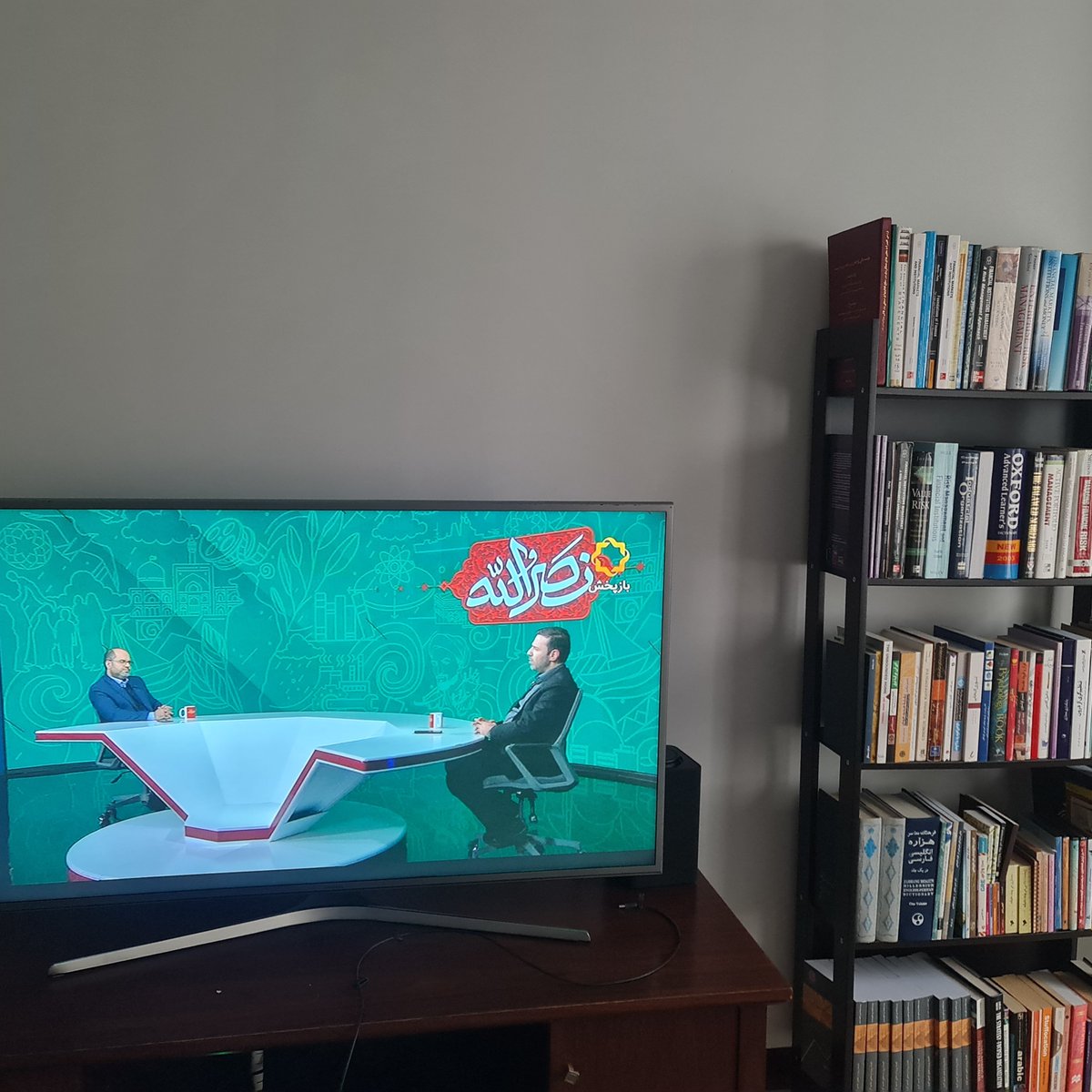
حضور استاد گرانقدر اقتصاد:
دکتر حسن حسنخانی
در برنامه نصرالله
مجری: دکتر عطاالله بیگدلی
@hsnhasankhani
@Shivehtv4
سپاس از اطلاع رسانی استاد علی سعدوندی اقتصاد دان برجسته کشورمان
امیدوارم فرصت گفتگوی دوطرفه برای این بزرگواران نیز ایجاد شود.
@AliSaedvandi telewebion.com/episode/0x16b8…
فارسی

@mazaher_ir منظور شما این است که شیوه قصد حفظ آبرو داشت و برنامه نصرالله قصد دیگری دارد؟
فارسی

@AliSaedvandi رویه شیوه و برنامهاش چیز دیگهای بود و نصرالله هم برنامه دیگهایه تیمهاشونم فکر کنم فرق میکنه
فارسی

@mtnudge کاملا درسته. البته اینکه ایشان دلسوز هستند و برای اصلاح امور کار می کنند و فقط حرف نمی زنند نیاز به تطبیق با واقعیت دارد.
فارسی

@AliSaedvandi فارغ از اینکه آقای پزشکیان چه کار کرده، به طور کلی در شرایط امروز ایران آن رئیس جمهوری که دلسوزانه برای اصلاح امور ایران کار کند لاجرم منفور مردم ایران می شود.
فارسی