
Sabitlenmiş Tweet
𝐀𝐥𝐢 𝐇𝐚𝐬𝐬𝐚𝐧 𝐈𝐝𝐨𝐰, 𝐌𝐏𝐑𝐒𝐊
10.6K posts


𝐀𝐥𝐢 𝐇𝐚𝐬𝐬𝐚𝐧 𝐈𝐝𝐨𝐰, 𝐌𝐏𝐑𝐒𝐊
@AliidowPR
𝐂𝐨𝐫𝐩𝐨𝐫𝐚𝐭𝐞 𝐂𝐨𝐦𝐦𝐮𝐧𝐢𝐜𝐚𝐭𝐢𝐨𝐧 𝐏𝐫𝐨𝐟𝐞𝐬𝐬𝐢𝐨𝐧𝐚𝐥 | Driving Business Success Through Impactful Communication Strategies | Mentor |
Kenya 🇰🇪 and Global 🌍 Katılım Ekim 2013
1.4K Takip Edilen1.8K Takipçiler
@pitandirangu One what if one can't account for the expenses incurred? You have spent but no receipts. Expenses like transport, shopping, sending money home, etc.
Second. Some universities don't remit. They have deducted the tax percentage but none asked for your KRA pin.
What happens here?
English

Make sure you account for expenses that you have to incur to earn that revenue ! Get eTIMS receipts/invoices - for every expense ,
Consolidate these expenses and deduct against the income for the particular year of income .
Pay Tax on profit .
The key thing is ensure solid bookkeeping and expense support ( eTIMS )
𝐀𝐥𝐢 𝐇𝐚𝐬𝐬𝐚𝐧 𝐈𝐝𝐨𝐰, 𝐌𝐏𝐑𝐒𝐊@AliidowPR
@pitandirangu Sir, for a part time lecturer in the Kenya university how is one suppose to file for taxes. NB: Some are paid once or twice a year!
English
@pitandirangu Sir, for a part time lecturer in the Kenya university how is one suppose to file for taxes. NB: Some are paid once or twice a year!
English
Understanding How Tax Works for Influencers & Freelancers in Kenya.
Let’s break this down using a hypothetical scenario.
You land a gig worth Ksh. 100,000.
The company pays you 95,000 and withholds 5,000 as tax.
Many people think that 5,000 is the final tax. It is NOT.
That 5,000 is a Withholding Tax ; which simply means tax paid in advance on your behalf.
What this means in practice:
• The tax authority already knows you earned 100,000
• The company remits the 5,000 withholding tax
• Upon remitting the 5,000 , a withholding certificate is issued .
• That certificate links the income to your PIN
When filing your taxes, the system already expects you to declare the 100,000 income.
With the current validation rules, you cannot declare less than what has been reported.
Here’s the important part most people miss 👇
-You are not taxed on the 100,000 unless you have zero expense
-You are taxed on NET PROFIT.
Net Profit = Income – Expenses
Example:
Income from gig: 100,000
Possible expenses:
• Capital allowance on Equipment (camera, lighting, microphone)- most people have zero clue on this 😎
• Internet costs
• Transport for the shoot
• Editing software subscriptions
• Studio hire
• Assistant payments
Assume total valid expenses = 40,000
Your taxable profit will be 60,000, not 100,000.
The 5,000 withholding tax you already paid is then credited against your final tax liability.
Important to note going forward (especially from this year 2026)
-Expenses must be properly supported, ideally through eTIMS compliant receipts/invoices.
-If your influencer or freelance business is:
• unstructured
• cash-based
• poorly documented,
Reconstructing expenses at the end of the year will not work
This is one of the main reasons why influencers & freelancers must treat their brand like a real business.
-Track your income
-Record your expenses
-Keep invoices and receipts
-Use proper documentation
Otherwise, you risk paying tax on income that was actually spent running your business.
The earlier you structure your business model for Tax planning , the better
#CreatorEconomy #Freelancers #Influencers #TaxEducation #Taxfiling #Taxcompliance
English
𝐀𝐥𝐢 𝐇𝐚𝐬𝐬𝐚𝐧 𝐈𝐝𝐨𝐰, 𝐌𝐏𝐑𝐒𝐊 retweetledi


𝐀𝐥𝐢 𝐇𝐚𝐬𝐬𝐚𝐧 𝐈𝐝𝐨𝐰, 𝐌𝐏𝐑𝐒𝐊 retweetledi

COMMON MISTAKES PEOPLE MAKE WHEN BUILDING THEIR FIRST HOUSE
Building your first house is one of the biggest decisions you will ever make. It feels exciting, emotional, and sometimes overwhelming. But the truth is, many people make costly mistakes simply because they do not understand the process. Some of these mistakes delay the project, increase the cost, and even weaken the building.
Understanding these mistakes will help you avoid them and complete your project faster, cheaper, and with better quality.
Starting Without a Proper Plan
The biggest mistake most people make is rushing into construction without proper drawings. They rely on local experience instead of architectural and structural designs. This always leads to confusion, waste, wrong measurements, and expensive corrections. A building without a plan is a building headed for problems.
Underestimating the Total Cost
Many people start building without knowing the full cost of the project. They only think about buying blocks and cement but forget other expenses like workmanship, reinforcement, roofing, windows, doors, plumbing, and electrical works. This leads to abandoned projects. A bill of quantities helps you know what the entire project will cost from start to finish.
Using Cheap or Unskilled Workers
Trying to save money by hiring cheap labor usually becomes more expensive. Unskilled workers make mistakes, waste materials, and produce poor workmanship. You end up paying twice for the same job. It is better to hire experienced masons, carpenters, electricians, and plumbers who will do the work once and do it well.
Buying Materials in Excess
Some people buy materials in large quantities because they want to feel like the project has started. They buy too many blocks, too many bags of cement, or too much sand before they are needed. These materials can spoil, get stolen, or deteriorate. Buying in stages reduces waste and saves money.
Ignoring Soil Investigation
Every land behaves differently. Some soil types require deeper foundations, while others need special treatment. Many people ignore this because they want to save cost, but they later spend more on repairs. Understanding the soil type helps you choose the right foundation and prevents structural problems.
Not Supervising the Project
Leaving your building entirely to workers is risky. Most first-time builders do not visit the site regularly. Mistakes go unnoticed. Materials get wasted. Workmanship drops. A project without supervision always costs more and takes longer.
Using Inferior Materials
Some people buy low-quality cement, substandard steel, weak blocks, or cheap roofing sheets just to save money. These choices weaken the building and cause cracks, leaks, structural failure, and huge future repair expenses. Quality materials may cost more initially, but they save you from suffering later.
Overdesigning or Overspending on Luxury
Using expensive tiles, foreign doors, rare roofing materials, or luxury interior finishes may look attractive, but they are not necessary during the early stages of a project. Focus on structural strength first. Luxury can always be added later when the building is complete.
Starting Too Big
Some people choose to build a mansion when their budget can only handle a two-bedroom. This leads to abandoning the project. It is smarter to start with a design that matches your budget. You can always expand later.
Changing Designs Midway
Changing your building design during construction is one of the fastest ways to waste money. When you alter foundation size, wall positions, beam dimensions, or roof type, you redo work you already paid for. Make all decisions before construction begins.
Building your first house requires knowledge, planning, supervision, and patience. The mistakes listed above cause delays, waste money, and compromise quality. But when you avoid them, your building becomes smoother, cheaper, stronger, and faster to complete
© Ahmed Inusa

English
𝐀𝐥𝐢 𝐇𝐚𝐬𝐬𝐚𝐧 𝐈𝐝𝐨𝐰, 𝐌𝐏𝐑𝐒𝐊 retweetledi

A 92-year-old man who buried three wives and outlived two divorces told me what kills love faster than anything else.
He said: "It's not fighting. It's not cheating. It's not falling out of love.
It's this one silent habit couples do every day without noticing."
Here it is…
English
𝐀𝐥𝐢 𝐇𝐚𝐬𝐬𝐚𝐧 𝐈𝐝𝐨𝐰, 𝐌𝐏𝐑𝐒𝐊 retweetledi

If you want to grow in Finance or Consulting, don't just chase titles.
Chase competence.
Learn how businesses actually make money, how capital is allocated, how margins expand, and how costs are cut.
Executives promote those who understand economics not those who talk the most.
English
𝐀𝐥𝐢 𝐇𝐚𝐬𝐬𝐚𝐧 𝐈𝐝𝐨𝐰, 𝐌𝐏𝐑𝐒𝐊 retweetledi

𝐀𝐥𝐢 𝐇𝐚𝐬𝐬𝐚𝐧 𝐈𝐝𝐨𝐰, 𝐌𝐏𝐑𝐒𝐊 retweetledi
Turnover Tax (TOT): The Simple Tax Option Many SMEs are Overlooking
Imagine a tax regime that requires neither complex accounting nor constant worry about the compliance status of other players in your supply chain.
Over the weekend, I met a group of small business owners , mostly sole proprietors.
Their concern and question was honest:
“How do we stay tax compliant without getting overwhelmed?”
-None of them is an accountant.
-Most don’t have bookkeeping systems.
-Their primary focus is selling, serving customers and keeping their businesses alive.
We discussed eTIMS compliance, record keeping and tax planning.
We later took time to talk about something many of them had never seriously considered:
Turnover Tax (TOT).
Key Facts About TOT
-Applies to resident persons with annual turnover of between 1 million – 25million p.a
-Charged at 1.5% of gross sales
-Filed and paid monthly by the 20th via iTax
-It’s a Final tax ; no further income tax due on that income
Simple formula:
Sales × 1.5% = Tax payable
With TOT:
-Your tax is based purely on your turnover
-You don’t rely on expense deductibility
-You aren’t exposed to disputes over supplier compliance
-Your tax obligation is independent and straightforward
That clarity alone brings peace of mind.
Simple Illustration
1. Monthly turnover , 600,000 → 600,000 × 1.5% = 9,000
2. Monthly turnover , 400,000 → 400,000 × 1.5% = 6,000
3. Monthly turnover 500,000 → 500,000 × 1.5% = 7,500
-No complex accounting.
-No worrying about whether every supplier along the chain has complied with eTIMS.
By the end of the session, one thing was clear:
For many SMEs, the real problem isn’t tax. It’s not knowing what works for their business and options available
Turnover Tax may whoever not suit everyone especially if margins are very low,
but for many growing SMEs, it offers something powerful:
✅ Simplicity.
✅ Predictability.
✅ Reduced compliance stress.
Disclaimer:
This post is intended for information and educational purposes only and should not be construed as tax advice.
English
𝐀𝐥𝐢 𝐇𝐚𝐬𝐬𝐚𝐧 𝐈𝐝𝐨𝐰, 𝐌𝐏𝐑𝐒𝐊 retweetledi

I Once Met A Sheikh in Dubai.
He told me "Money Loves Water"
- important thread -

English
𝐀𝐥𝐢 𝐇𝐚𝐬𝐬𝐚𝐧 𝐈𝐝𝐨𝐰, 𝐌𝐏𝐑𝐒𝐊 retweetledi
ETIMS CHANGED HOW BUSINESSES OPERATE (BUSINESS MODEL) — NOT JUST HOW THEY INVOICE
-When eTIMS regulations took effect, my clarion call to businesses focused on two non-negotiables:
1. Vet your suppliers for eTIMS compliance
2. Restructure your supply chain and business model to ensure tax compliance
-While a few businesses took this seriously, many remained stuck in the mindset of:
“It’s not possible to have all expenditure on eTIMS.”
-This feedback continues to surface consistently in my Tax Clinics, SME trainings and advisory engagements.
-The reality, however, is uncomfortable but clear:
If your business model cannot support eTIMS-compliant expenditure, your expenses are at risk of being disallowed.
THE CORE PROBLEM: HOW SMEs PAY FOR EXPENSES
-From my observation and experience , most non-compliance does not arise from tax evasion, it arises from informal payment structures that no longer fit within the current tax regime.
The solution to this is not fear, but restructuring how SMEs procure, pay, and contract.
PRACTICAL RESTRUCTURING MEASURES FOR SMEs TO PLANNING THEIR TAXES UNDER eTIMS regime (PRE-VALIDATION ERA)
1. Procurement of Supplies
Avoid “Cheaper plugs” / informal suppliers and instead deal with suppliers who are eTIMS compliant .
The small saving today is not worth a disallowed expense tomorrow.
2. Casual Labour & Services
Instead of engaging and informally Paying technicians, Cleaners, Plumbers and other cashual workers in cash without any documentation and regards to tax compliance , Consider to Formalize the contract or work with Registered Service Providers
3. Communication Costs
Instead of buying Airtime & bundles casually via M-PESA, register for Postpaid Business Lines.
With this ,monthly eTIMS compliance invoice can be issued
4. Transport & Staff Movement
Instead of getting any available service provider (could be your regular Uber / bolt ride) and pay Cash, consider Corporate Accounts with Bolt /uber → One that consolidated monthly invoice
5. Deliveries & Logistics
Instead of getting any available service provider for your deliveries (could be your regular boda boda or the local delivery guy who are Informal ) , Get a Registered Courier Companies Or ensure the rider is eTIMS-registered
If they want your business, they must formalize
FINAL Thought TO SMEs on this matter
-Tax compliance is no longer just an accounting issue , it is an operational decision.
Businesses that restructure early will:
-Protect deductions
-Reduce audit exposure
-Improve financial discipline
-Gain credibility with financiers and regulators
Those that don’t will continue arguing that:
“Compliance is impossible”
until assessments prove otherwise.
#eTIMS #TaxCompliance #SMEsKenya #BusinessRestructuring #Taxplanning
#BusinessOperations #SupplyChain #RiskManagement

English
𝐀𝐥𝐢 𝐇𝐚𝐬𝐬𝐚𝐧 𝐈𝐝𝐨𝐰, 𝐌𝐏𝐑𝐒𝐊 retweetledi

𝐀𝐥𝐢 𝐇𝐚𝐬𝐬𝐚𝐧 𝐈𝐝𝐨𝐰, 𝐌𝐏𝐑𝐒𝐊 retweetledi

paying 40k for someone to review your CV? in 2026? please let's apply sense this year. there is even no 'one size fits all' CV, modify it for the job you are applying for. we are in the era of AI, use it. here's an example of a prompt i use [i have several]:
Analyze this job description carefully and identify core responsibilities, required and preferred skills. key competencies, tools, and keywords (including ATS-relevant phrases) and seniority level and performance expectations. Then use this information to directly align my experience, skills, and achievements to the exact requirements of the role.
Be sure to use measurable outcomes (metrics, impact, scale, growth, efficiency, revenue, users, etc.) wherever possible, and mirror the language, tone, and keywords used in the job description (without copying verbatim), so you can position me as someone who is already performing at or above this role’s level
Also, optimise for ATS and human reviewers by using standard section headings, prioritizing the most relevant experience first, removing or de-emphasizing irrelevant roles, tasks, or skills and avoiding buzzwords without evidence.
Also do the following:
1. Strengthen:
- Professional summary (clear value proposition in 3–4 lines)
- Experience bullets (impact-driven, concise, role-specific)
- Skills section (hard skills first, grouped logically)
2. Do not fabricate experience, just reframe and elevate what already exists.
3. Deliver a fully rewritten CV, not suggestions, but keep it concise (1–2 pages max), use clear, professional formatting and highlight why I am a strong match and low-risk hire.
After rewriting the CV, briefly explain (in bullets) why this version would rank highly in ATS and impress a hiring manager, and list any remaining gaps I should proactively address in interviews.
English
𝐀𝐥𝐢 𝐇𝐚𝐬𝐬𝐚𝐧 𝐈𝐝𝐨𝐰, 𝐌𝐏𝐑𝐒𝐊 retweetledi

𝐀𝐥𝐢 𝐇𝐚𝐬𝐬𝐚𝐧 𝐈𝐝𝐨𝐰, 𝐌𝐏𝐑𝐒𝐊 retweetledi

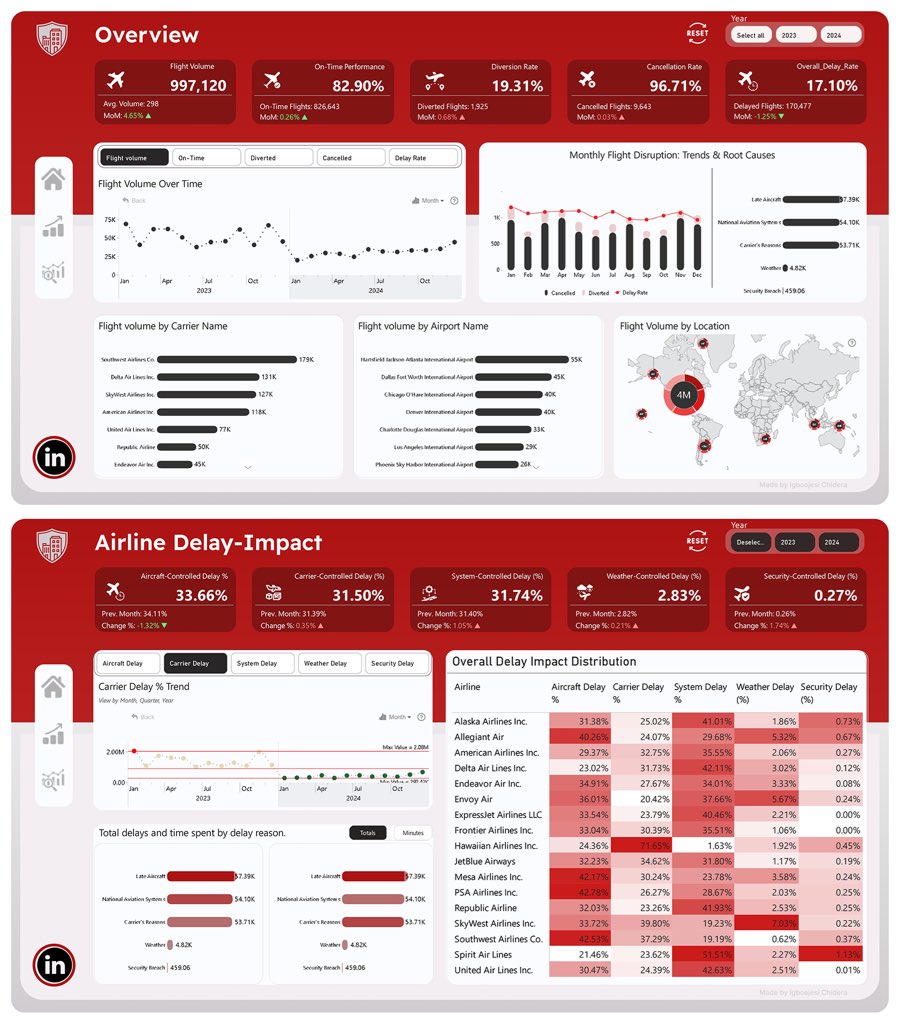
If you’re interested in data analytics but not sure where to start, here’s a simple and realistic way to think about it. Consider this a broad roadmap to guide your learning.
Note: Whatever tools or concepts you choose to learn, always focus on how they are applied to ‘ data analysis’ not just the tools themselves.
📍 Start with basic statistics
This helps you understand what the data is actually saying. Things like averages, percentages, trends, and comparisons show up in almost every analysis. The goal isn’t heavy math, but knowing how to interpret results and ask the right questions.
If a tool helps you summarize data, compare groups, or spot patterns, then you’re applying statistics in practice.
📍 Next is Excel
This is often the first place analysis happens. Excel helps you explore data quickly, clean messy datasets, and apply basic statistical thinking using formulas, pivot tables, and simple comparisons.
In many roles, Excel is still the fastest way to answer urgent business questions.
📍 Then comes SQL
Most company data lives in databases. SQL allows you to pull the exact data you need, filter it, group it, and calculate totals or averages across large datasets.
This skill gives you independence and helps you work with real production data.
📍 After that, learn a data visualization tool
Tools like Power BI or Tableau help you communicate insights to stakeholders. Charts and dashboards make it easier for people to see trends, patterns, and key metrics so decisions can be made faster.
Once you understand one visualization tool, adapting to others becomes much easier.
This is your foundation.
From there, you can iterate into other tools and more advanced areas of analytics as you grow.
#DataAnalytics #Datafam
English
𝐀𝐥𝐢 𝐇𝐚𝐬𝐬𝐚𝐧 𝐈𝐝𝐨𝐰, 𝐌𝐏𝐑𝐒𝐊 retweetledi

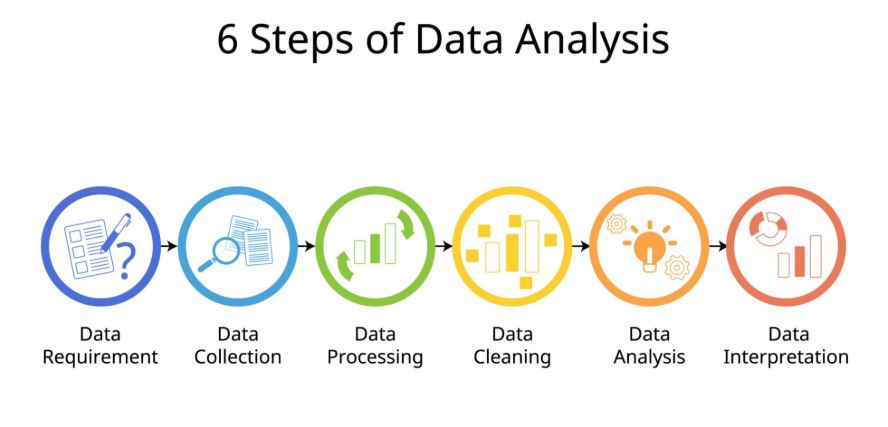
💡 The Six Stages of a Data Analysis Project
⭕ 1. Data Requirement
Every data project starts with a pause. Before opening a spreadsheet or writing a query, you ask yourself what you’re actually trying to figure out. What decision is on the line? What question needs an answer? If this part isn’t clear, everything that follows becomes busy work dressed up as analysis.
⭕ 2. Data Collection
Once the question is clear, you go looking for information that might help answer it. You pull data from databases, files, logs, or APIs, knowing full well that some of it will be messy or irrelevant. That’s fine. At this stage, you’re collecting, not judging. You just want enough material to work with.
⭕ 3. Data Processing
Now you try to make sense of what you’ve gathered. Raw data rarely tells a story on its own, so you start organizing it. Tables get joined, columns get renamed, numbers get grouped. You’re not looking for insights yet. You’re just turning chaos into something readable.
⭕ 4. Data Cleaning
This is where you slow down and start questioning everything. You notice missing values that shouldn’t be missing and numbers that don’t make sense. Some records repeat themselves. Others feel off. You fix what’s broken because you know that clean data isn’t about perfection, it’s about trust.
⭕ 5. Data Analysis
With clean, structured data in front of you, patterns begin to show up. Trends move in directions you didn’t expect. Comparisons suddenly make sense. This is the moment when curiosity kicks in, and you start asking better questions than the ones you started with.
⭕ 6. Data Interpretation
You step away from the numbers and think about what they actually mean. Not for you, but for the people who need to act on them. You translate insights into plain language and connect them back to the original question. This is where analysis turns into decisions.
⚡ And the truth is, you rarely move through these steps in a straight line. You’ll circle back, change your question, clean the data again, or collect something new. That’s not a failure. That’s real data work.
English
𝐀𝐥𝐢 𝐇𝐚𝐬𝐬𝐚𝐧 𝐈𝐝𝐨𝐰, 𝐌𝐏𝐑𝐒𝐊 retweetledi

One way to radically improve your life is to reduce the time between thought and action... and to replace half your thoughts with action.
English
𝐀𝐥𝐢 𝐇𝐚𝐬𝐬𝐚𝐧 𝐈𝐝𝐨𝐰, 𝐌𝐏𝐑𝐒𝐊 retweetledi
𝐀𝐥𝐢 𝐇𝐚𝐬𝐬𝐚𝐧 𝐈𝐝𝐨𝐰, 𝐌𝐏𝐑𝐒𝐊 retweetledi


𝐀𝐥𝐢 𝐇𝐚𝐬𝐬𝐚𝐧 𝐈𝐝𝐨𝐰, 𝐌𝐏𝐑𝐒𝐊 retweetledi

Men,
2 important Laws for a MAN
MURPHY LAW:
If you continue to show fear over something happening, it will likely happen.
WILSON LAW:
If you stop reading and learning, you will stop earning.
You are the master of your own destiny.
Learn to say NO.
#MasculinitySaturday
English
𝐀𝐥𝐢 𝐇𝐚𝐬𝐬𝐚𝐧 𝐈𝐝𝐨𝐰, 𝐌𝐏𝐑𝐒𝐊 retweetledi
CHRONIC SINUSITIS is commonly due to a fungus known as Aspergillus, which causes Allergic Fungal RhinoSinusitis (AFRS)
No antibiotic treats it.
No antihistamine can clear it.
No steroids can cure it.
Important remedies:
• Re-Paint your house because mould causes an escalation of chronic sinusitis.
• Live in a house that receives natural sunlight and has adequate aeration.
• Ensure your bathroom is not moist. Clean it after taking a bath and open its windows and doors to let in maximum natural light.
• Avoid warm water during a bath. Use cold water.
• Dry your undergarments out in the sun, not in the bathroom.
In addition,
• Eliminate sugar.
• Eliminate starch [Wheat, Rice, and flour]
• Avoid antibiotics; they will worsen the problem.
More:
• Practise deep breathing through the nose (Box Breathing, Wim Hof breathing and 4-7-8)
Others:
• Coconut Oil [a teaspoon at bedtime for 30 days]
• Oregano Oil
• Garlic Oil
• Turmeric rhizome
Important:
• SUNNING, especially in children.
• FASTING — in adults.
#FoodFriday

English