Amber Boone

4K posts

Amber Boone banner
Amber Boone

Amber Boone

@AmberH2Os

People +=#AI First Strategist GM for Government Efficiency. #TechForGood 🌊Created https://t.co/1PGno8kmPj to help #scientists at the bench work more efficiently


Orange County, CA Katılım Aralık 2013
681 Takip Edilen713 Takipçiler
Sabitlenmiş Tweet
Amber Boone
Amber Boone@AmberH2Os·
I made VoiceSOP.org to help my #lab staff be more productive. It is a work in progress so all feedback is welcome!
English
0
0
0
95
Amber Boone retweetledi
sarah guo
sarah guo@saranormous·
Caught up with @karpathy for a new @NoPriorsPod: on the phase shift in engineering, AI psychosis, claws, AutoResearch, the opportunity for a SETI-at-Home like movement in AI, the model landscape, and second order effects 02:55 - What Capability Limits Remain? 06:15 - What Mastery of Coding Agents Looks Like 11:16 - Second Order Effects of Coding Agents 15:51 - Why AutoResearch 22:45 - Relevant Skills in the AI Era 28:25 - Model Speciation 32:30 - Collaboration Surfaces for Humans and AI 37:28 - Analysis of Jobs Market Data 48:25 - Open vs. Closed Source Models 53:51 - Autonomous Robotics and Atoms 1:00:59 - MicroGPT and Agentic Education 1:05:40 - End Thoughts
English
236
1.1K
7.6K
2.8M
Amber Boone retweetledi
Andrej Karpathy
Andrej Karpathy@karpathy·
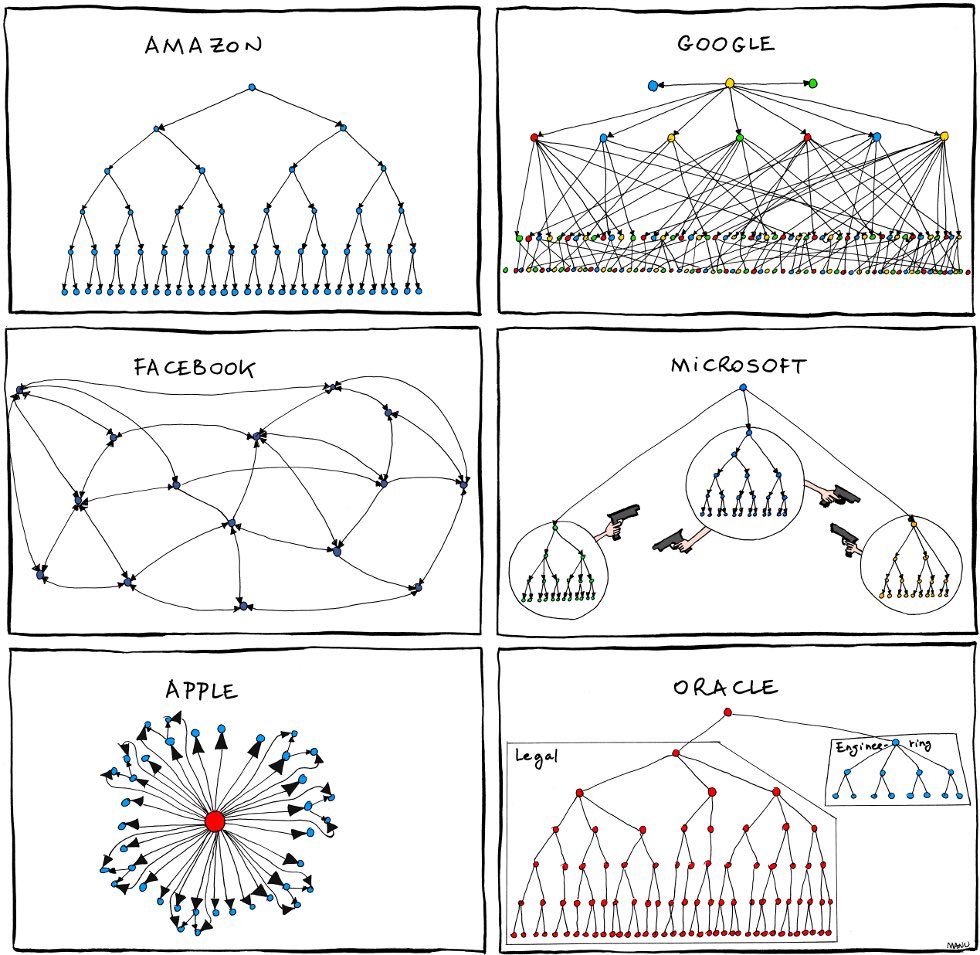
All of these patterns as an example are just matters of “org code”. The IDE helps you build, run, manage them. You can’t fork classical orgs (eg Microsoft) but you’ll be able to fork agentic orgs.
Andrej Karpathy tweet media
English
171
254
3.6K
431.6K
Amber Boone retweetledi
Andrej Karpathy
Andrej Karpathy@karpathy·
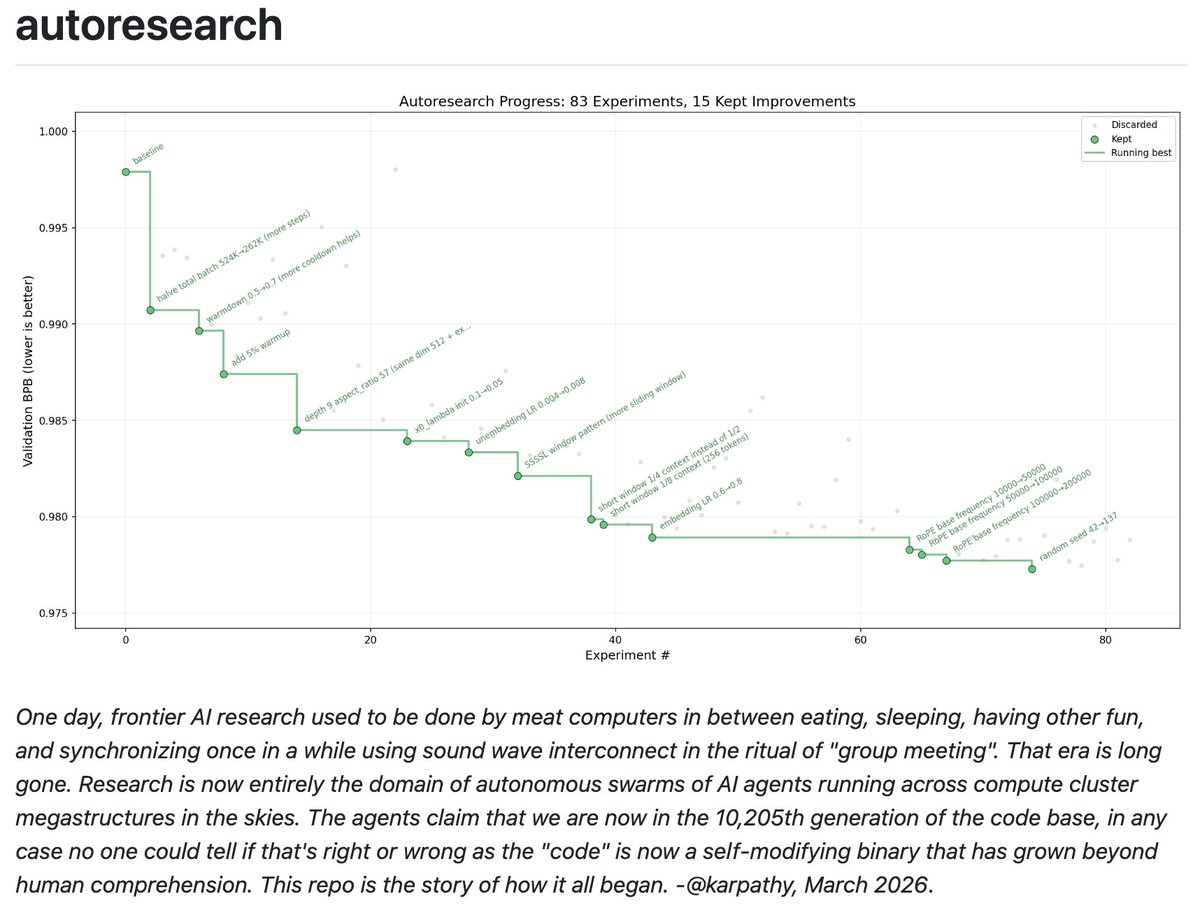
I packaged up the "autoresearch" project into a new self-contained minimal repo if people would like to play over the weekend. It's basically nanochat LLM training core stripped down to a single-GPU, one file version of ~630 lines of code, then: - the human iterates on the prompt (.md) - the AI agent iterates on the training code (.py) The goal is to engineer your agents to make the fastest research progress indefinitely and without any of your own involvement. In the image, every dot is a complete LLM training run that lasts exactly 5 minutes. The agent works in an autonomous loop on a git feature branch and accumulates git commits to the training script as it finds better settings (of lower validation loss by the end) of the neural network architecture, the optimizer, all the hyperparameters, etc. You can imagine comparing the research progress of different prompts, different agents, etc. github.com/karpathy/autor… Part code, part sci-fi, and a pinch of psychosis :)
Andrej Karpathy tweet media
English
1.1K
3.7K
28.3K
10.9M
Amber Boone retweetledi
Srishti
Srishti@NieceOfAnton·
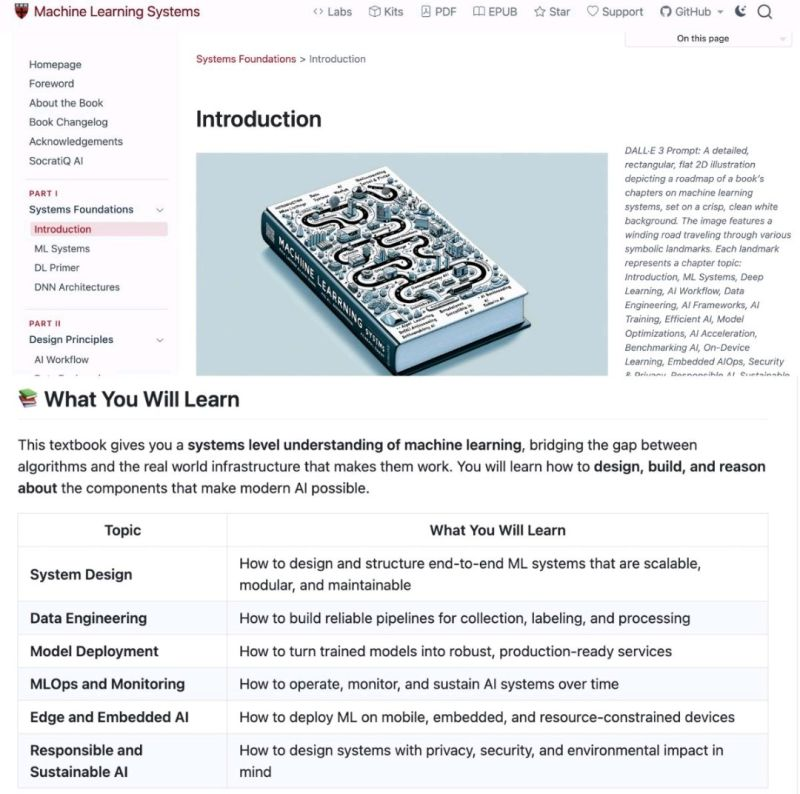
Harvard just made degrees worth $200k obsolete by open-sourcing its Senior AI Engineer roadmap Stop paying for bootcamps. Prof. Vijay Janapa Reddi just put the entire ML Systems (CS249r) curriculum on GitHub. If you master these 6 pillars, you're ahead of 99% of the field: > Architecture > Data Pipelines > Production > MLOps > Edge AI > Privacy This is the "Black Box" of Big Tech infrastructure, open-sourced. Read. Learn. Bookmark. Book - mlsysbook.ai/book/ GitHub Repo -github.com/harvard-edge/c…
Srishti tweet media
English
37
612
4.4K
275.1K
Amber Boone retweetledi
Puru Saxena
Puru Saxena@saxena_puru·
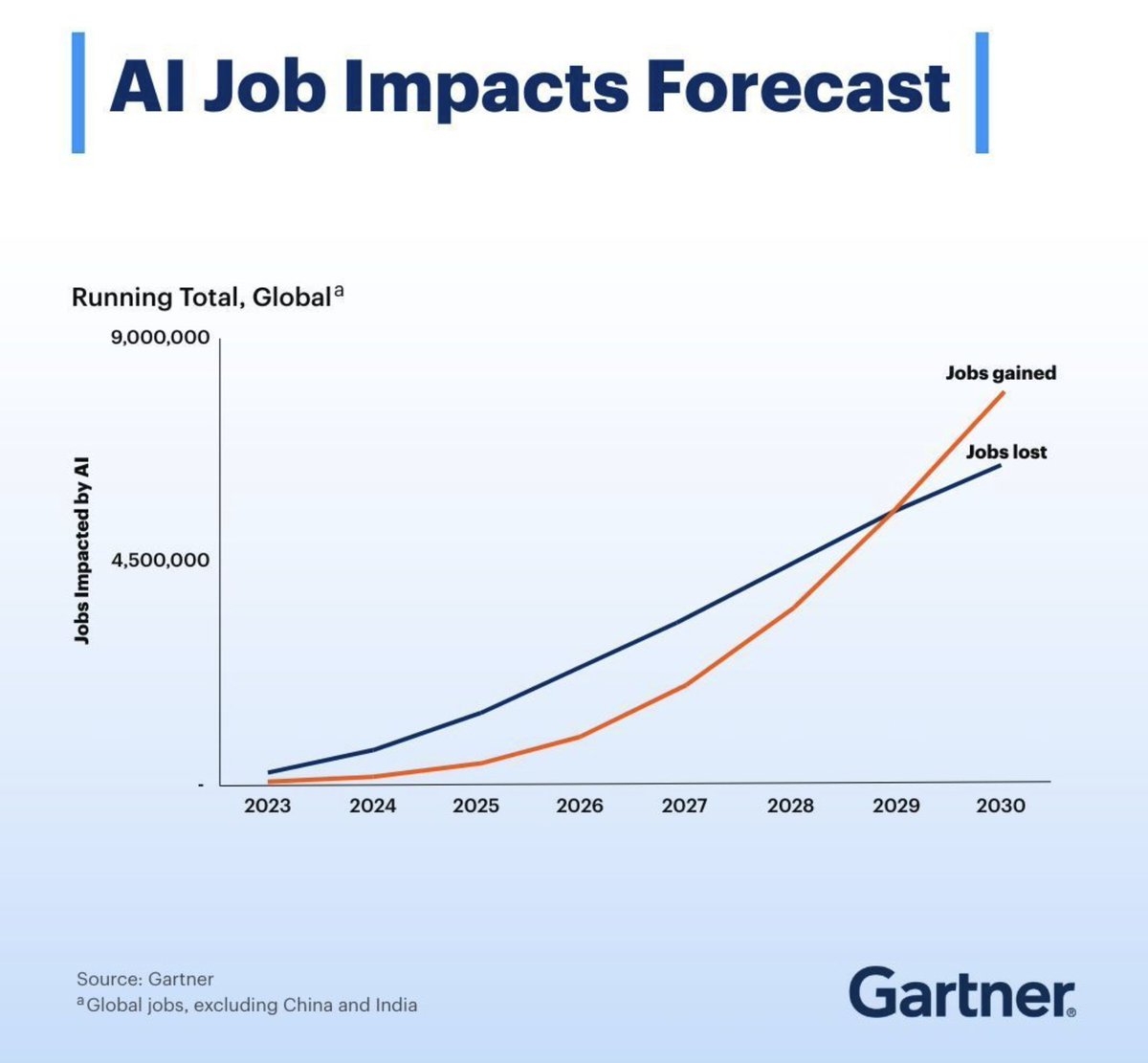
AI will eventually create more jobs than it eliminates. Every major new technology in the past boosted the economy, why will AI be any different?
Puru Saxena tweet media
English
67
24
177
38.4K
Amber Boone retweetledi
Greg Ip
Greg Ip@greg_ip·
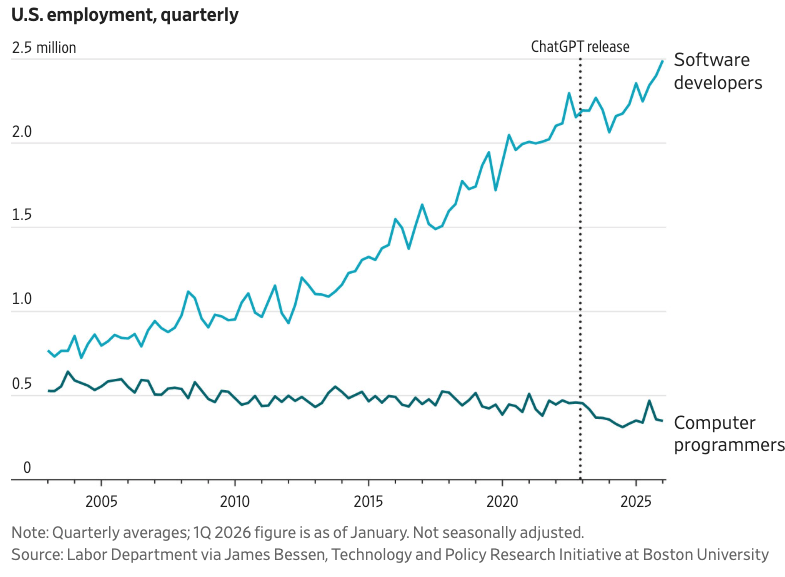
This column counters doomers who say AI could raise unemployment broadly. First, rarely has any technology directly destroyed more jobs than it creates, and I don't see it now. This chart (H/T @JamesBessen) surprised me: software employment still rising /1 wsj.com/economy/jobs/t…
Greg Ip tweet media
English
46
168
615
326.6K
Amber Boone retweetledi
Andrej Karpathy
Andrej Karpathy@karpathy·
CLIs are super exciting precisely because they are a "legacy" technology, which means AI agents can natively and easily use them, combine them, interact with them via the entire terminal toolkit. E.g ask your Claude/Codex agent to install this new Polymarket CLI and ask for any arbitrary dashboards or interfaces or logic. The agents will build it for you. Install the Github CLI too and you can ask them to navigate the repo, see issues, PRs, discussions, even the code itself. Example: Claude built this terminal dashboard in ~3 minutes, of the highest volume polymarkets and the 24hr change. Or you can make it a web app or whatever you want. Even more powerful when you use it as a module of bigger pipelines. If you have any kind of product or service think: can agents access and use them? - are your legacy docs (for humans) at least exportable in markdown? - have you written Skills for your product? - can your product/service be usable via CLI? Or MCP? - ... It's 2026. Build. For. Agents.
Andrej Karpathy tweet media
Suhail Kakar@SuhailKakar

introducing polymarket cli - the fastest way for ai agents to access prediction markets built with rust. your agent can query markets, place trades, and pull data - all from the terminal fast, lightweight, no overhead

English
659
1.1K
11.8K
2.1M
Amber Boone retweetledi
Starlink
Starlink@Starlink·
Snow Melt mode ensures reliable connectivity in harsh winter conditions 🛰️❄️
Brian Jenkins@PtonBBallDad

Man, @Starlink melting itself during this snow storm is wild. Over 12” of snow on everything here in SW Indiana yet my Starlink is clear.

English
342
668
3.7K
897.4K
Amber Boone retweetledi
Andrej Karpathy
Andrej Karpathy@karpathy·
I think it must be a very interesting time to be in programming languages and formal methods because LLMs change the whole constraints landscape of software completely. Hints of this can already be seen, e.g. in the rising momentum behind porting C to Rust or the growing interest in upgrading legacy code bases in COBOL or etc. In particular, LLMs are *especially* good at translation compared to de-novo generation because 1) the original code base acts as a kind of highly detailed prompt, and 2) as a reference to write concrete tests with respect to. That said, even Rust is nowhere near optimal for LLMs as a target language. What kind of language is optimal? What concessions (if any) are still carved out for humans? Incredibly interesting new questions and opportunities. It feels likely that we'll end up re-writing large fractions of all software ever written many times over.
Thomas Wolf@Thom_Wolf

Shifting structures in a software world dominated by AI. Some first-order reflections (TL;DR at the end): Reducing software supply chains, the return of software monoliths – When rewriting code and understanding large foreign codebases becomes cheap, the incentive to rely on deep dependency trees collapses. Writing from scratch ¹ or extracting the relevant parts from another library is far easier when you can simply ask a code agent to handle it, rather than spending countless nights diving into an unfamiliar codebase. The reasons to reduce dependencies are compelling: a smaller attack surface for supply chain threats, smaller packaged software, improved performance, and faster boot times. By leveraging the tireless stamina of LLMs, the dream of coding an entire app from bare-metal considerations all the way up is becoming realistic. End of the Lindy effect – The Lindy effect holds that things which have been around for a long time are there for good reason and will likely continue to persist. It's related to Chesterton's fence: before removing something, you should first understand why it exists, which means removal always carries a cost. But in a world where software can be developed from first principles and understood by a tireless agent, this logic weakens. Older codebases can be explored at will; long-standing software can be replaced with far less friction. A codebase can be fully rewritten in a new language. ² Legacy software can be carefully studied and updated in situations where humans would have given up long ago. The catch: unknown unknowns remain unknown. The true extent of AI's impact will hinge on whether complete coverage of testing, edge cases, and formal verification is achievable. In an AI-dominated world, formal verification isn't optional—it's essential. The case for strongly typed languages – Historically, programming language adoption has been driven largely by human psychology and social dynamics. A language's success depended on a mix of factors: individual considerations like being easy to learn and simple to write correctly; community effects like how active and welcoming a community was, which in turn shaped how fast its ecosystem would grow; and fundamental properties like provable correctness, formal verification, and striking the right balance between dynamic and static checks—between the freedom to write anything and the discipline of guarding against edge cases and attacks. As the human factor diminishes, these dynamics will shift. Less dependence on human psychology will favor strongly typed, formally verifiable and/or high performance languages.³ These are often harder for humans to learn, but they're far better suited to LLMs, which thrive on formal verification and reinforcement learning environments. Expect this to reshape which languages dominate. Economic restructuring of open source – For decades, open-source communities have been built around humans finding connection through writing, learning, and using code together. In a world where most code is written—and perhaps more importantly, read—by machines, these incentives will start to break down.⁴ Communities of AIs building libraries and codebases together will likely emerge as a replacement, but such communities will lack the fundamentally human motivations that have driven open source until now. If the future of open-source development becomes largely devoid of humans, alignment of AI models won't just matter—it will be decisive. The future of new languages – Will AI agents face the same tradeoffs we do when developing or adopting new programming languages? Expressiveness vs. simplicity, safety vs. control, performance vs. abstraction, compile time vs. runtime, explicitness vs. conciseness. It's unclear that they will. In the long term, the reasons to create a new programming language will likely diverge significantly from the human-driven motivations of the past. There may well be an optimal programming language for LLMs—and there's no reason to assume it will resemble the ones humans have converged on. TL; DR: - Monoliths return – cheap rewriting kills dependency trees; smaller attack surface, better performance, bare-metal becomes realistic - Lindy effect weakens – legacy code loses its moat, but unknown unknowns persist; formal verification becomes essential - Strongly typed languages rise – human psychology mattered for adoption; now formal verification and RL environments favor types over ergonomics - Open source restructures – human connection drove the community; AI-written/read code breaks those incentives; alignment becomes decisive - New languages diverge – AI may not share our tradeoffs; optimal LLM programming languages may look nothing like what humans converged on ¹ x.com/mntruell/statu… ² x.com/anthropicai/st… ³ wesmckinney.com/blog/agent-erg…#issuecomment-3717222957" target="_blank" rel="nofollow noopener">github.com/tailwindlabs/t…

English
701
655
8.1K
1.2M
Amber Boone
Amber Boone@AmberH2Os·
Google DeepMind Introduces Aletheia: The AI Agent Moving from Math Competitions to Fully Autonomous Professional Research Discoveries - MarkTechPost share.google/QScIbOLgYd3glG…
English
0
0
0
20
Amber Boone retweetledi
Sam Korus
Sam Korus@skorusARK·
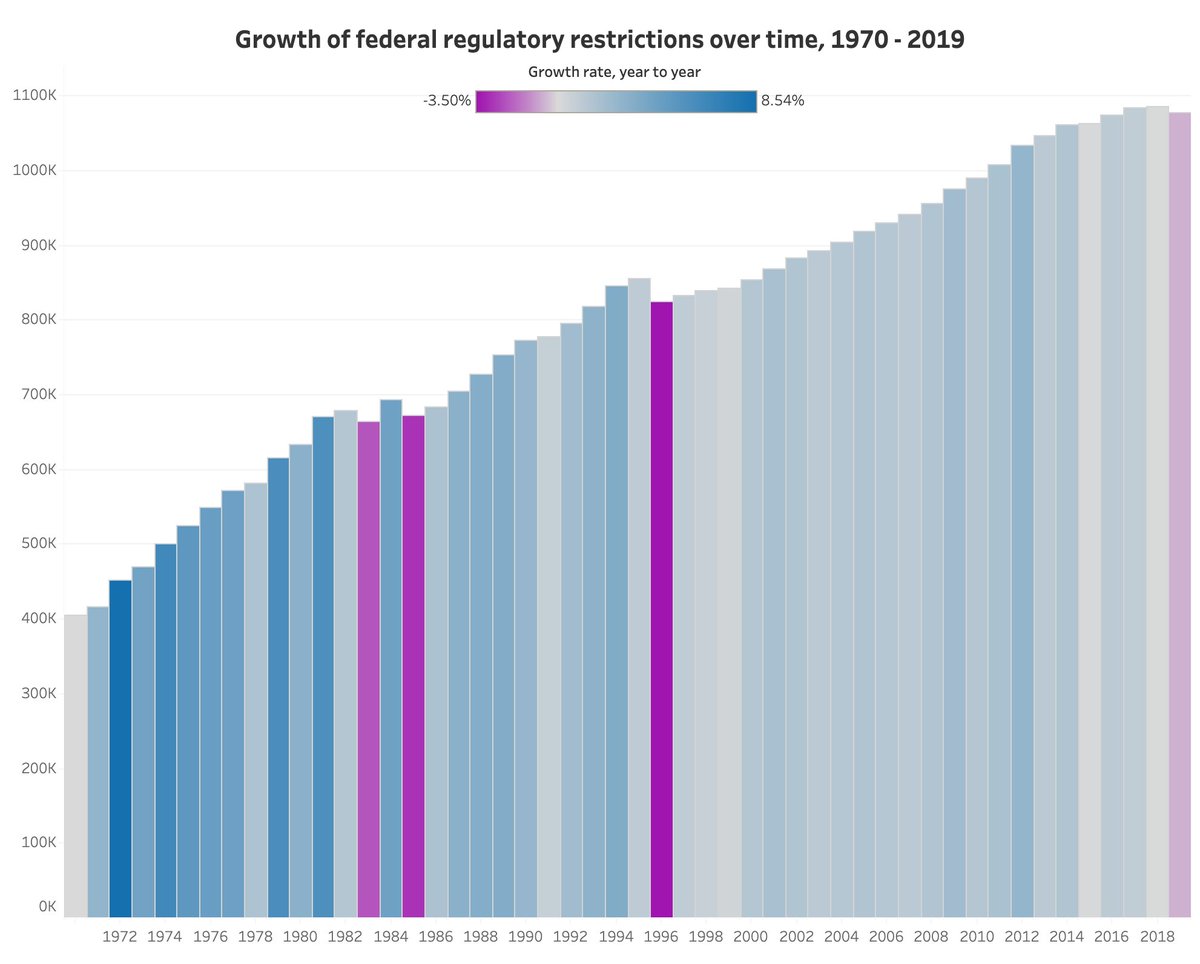
Between 2020 and 2023 California added over 24,000 regulatory restrictions. At the federal level growth in regulatory restrictions has been pretty consistent.
Sam Korus tweet media
English
326
575
2.5K
520K
Amber Boone
Amber Boone@AmberH2Os·
@alex_prompter would a reasonable interpretation of the result be then that a small RAG corpus application <1000 docs, similar to a human who only knows ~1000 documents excels as an augmentation tool? Thinking specialization through focused application here
Alex Prompter@alex_prompter

🚨 RAG is broken and nobody's talking about it. Stanford just exposed the fatal flaw killing every "AI that reads your docs" product. It's called "Semantic Collapse", and it happens the moment your knowledge base hits critical mass. Here's the brutal math (and why your RAG system is already dying):


English
0
0
0
12
Amber Boone retweetledi
Boris Cherny
Boris Cherny@bcherny·
I feel this way most weeks tbh. Sometimes I start approaching a problem manually, and have to remind myself “claude can probably do this”. Recently we were debugging a memory leak in Claude Code, and I started approaching it the old fashioned way: connecting a profiler, using the app, pausing the profiler, manually looking through heap allocations. My coworker was looking at the same issue, and just asked Claude to make a heap dump, then read the dump to look for retained objects that probably shouldn’t be there; Claude 1-shotted it and put up a PR. The same thing happens most weeks. In a way, newer coworkers and even new grads that don’t make all sorts of assumptions about what the model can and can’t do — legacy memories formed when using old models — are able to use the model most effectively. It takes significant mental work to re-adjust to what the model can do every month or two, as models continue to become better and better at coding and engineering. The last month was my first month as an engineer that I didn’t open an IDE at all. Opus 4.5 wrote around 200 PRs, every single line. Software engineering is radically changing, and the hardest part even for early adopters and practitioners like us is to continue to re-adjust our expectations. And this is *still* just the beginning.
English
172
548
8.3K
1.8M
Amber Boone retweetledi
Google DeepMind
Google DeepMind@GoogleDeepMind·
AI has the potential to compress the time needed for new discoveries from years to days. 📉 That’s why we’re supporting the US Dept. of @ENERGY's Genesis Mission – providing National Labs with access to AI tools to help accelerate research in physics, chemistry, and beyond. → goo.gle/4s0Bujw
GIF
English
58
111
839
267.1K
Amber Boone retweetledi
Python Programming
Python Programming@PythonPr·
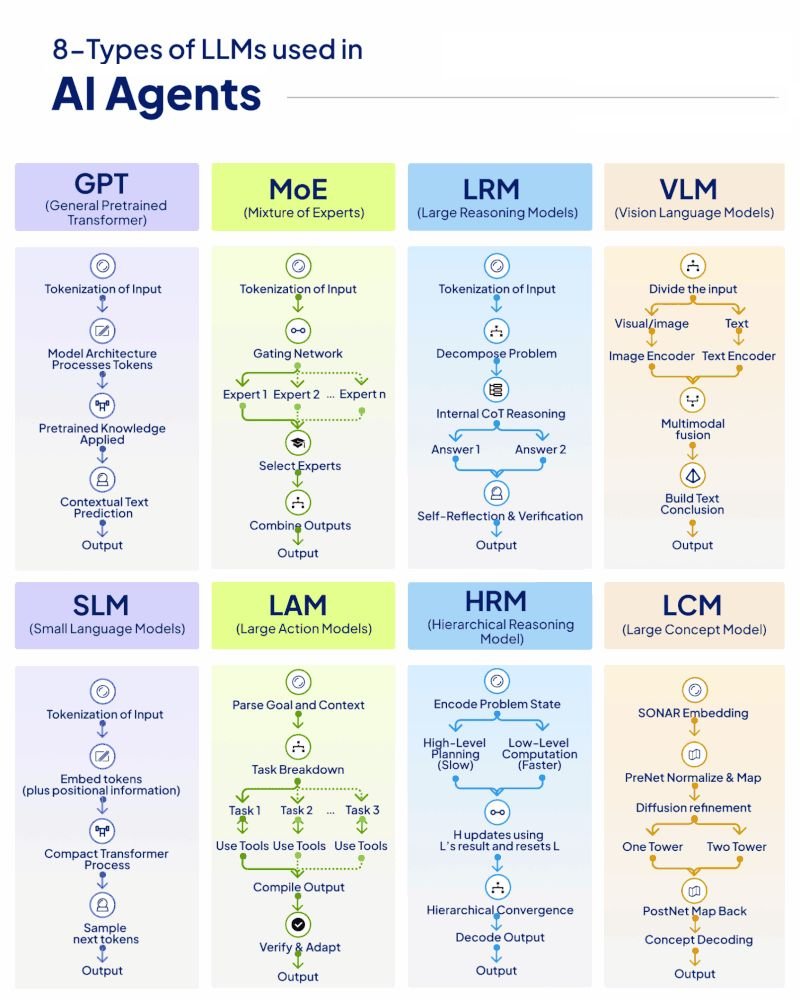
8 Types of LLMs for Next Generation AI Agents
Python Programming tweet media
English
19
245
1.2K
39.2K
Amber Boone
Amber Boone@AmberH2Os·
@_avichawla Fantastic explanation and visual!
Dana Point, CA 🇺🇸 English
0
0
0
126
Avi Chawla
Avi Chawla@_avichawla·
I have been fine-tuning LLMs for over 2 years now! Here are the top 5 LLM fine-tuning techniques, explained with visuals: First of all, what's so different about LLM finetuning? Traditional fine‑tuning is impractical for LLMs (billions of params; 100s GB). Since this kind of compute isn't accessible to everyone, parameter-efficient finetuning (PEFT) came into existence. Before we go into details of each technique, here's some background that will help you better understand these techniques: LLM weights are matrices of numbers adjusted during finetuning. Most PEFT techniques involve finding a lower-rank adaptation of these matrices, a smaller-dimensional matrix that can still represent the information stored in the original. Now with a basic understanding of the rank of a matrix, we're in a good position to understand the different finetuning techniques. (refer to the image below for a visual explanation of each technique) 1) LoRA - Add two low-rank trainable matrices, A and B, alongside weight matrices. - Instead of fine-tuning W, adjust the updates in these low-rank matrices. Even for the largest of LLMs, LoRA matrices take up a few MBs of memory. 2) LoRA-FA While LoRA significantly decreases the total trainable parameters, it requires substantial activation memory to update the low-rank weights. LoRA-FA (FA stands for Frozen-A) freezes matrix A and only updates matrix B. 3) VeRA - In LoRA, low-rank matrices A and B are unique for each layer. - In VeRA, A and B are frozen, random, and shared across all layers. - Instead, it learns layer-specific scaling VECTORS (b and d) instead. 4) Delta-LoRA - It tunes the matrix W as well, but not in the traditional way. - Here, the difference (or delta) between the product of matrices A and B in two consecutive training steps is added to W. 5) LoRA+ - In LoRA, both matrices A and B are updated with the same learning rate. - Authors of LoRA+ found that setting a higher learning rate for matrix B results in better convergence. ____ Find me → @_avichawla Every day, I share tutorials and insights on DS, ML, LLMs, and RAGs.
Avi Chawla tweet media
English
43
324
1.6K
128.1K
Amber Boone retweetledi
Louis Gleeson
Louis Gleeson@aigleeson·
Someone used Elon Musk's actual thinking framework as AI prompts. It's the closest thing to having a billionaire engineer rip apart your ideas and rebuild them from physics. Here are the 15 prompts that changed how I solve problems:
Louis Gleeson tweet media
English
112
649
5K
607.2K