Ana Novak
189 posts

@AnaNov4k
Marine geology, geohazard & geomorphology of (mostly) the Adriatic and Dinarides @ the Geological Survey of Slovenia. Co-leader of @OnSea_Inqua.


Dear friends join us next April in #Vienna for the 2025 @EuroGeosciences General Assembly. You can submit your abstracts to the joint session GM8.7 of OnSea and the @IAGAIG working group on #CoastalGeoarchaeology by Jan 15th. bit.ly/40ULUGu @INQUA @INQUA_CMP @INQUA_ECR


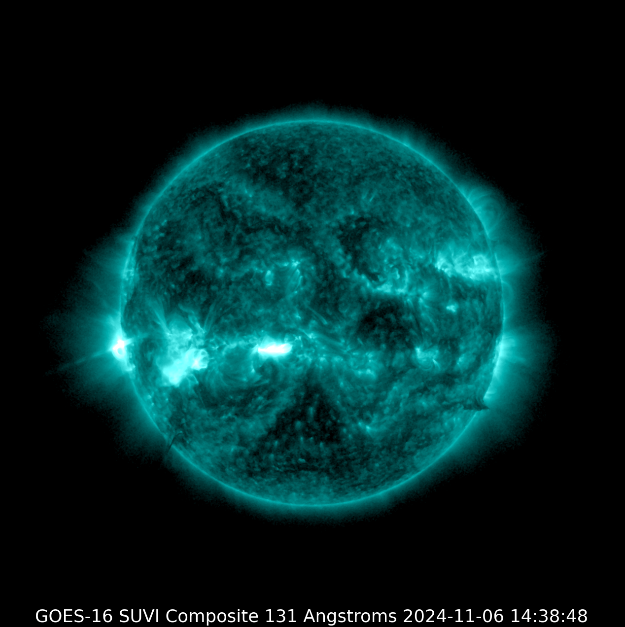
BOOM! Impulsive X2.3 flare from active region 3883! Any CME from the region now will be strongly Earth-directed. We will see if a CME was launched, although the impulsive character of the flare is not promising. Good call @landon_wx ;)

Great two days at the 1st #OnSea meeting at @univpaulvalery in #Marseille and in the @MuseeEphebe in #Agde. A big thanks to all the great presentations from the participants and all the interesting discussions. See you at the next OnSea event!


On the final day of the Tour de France, we are back at the Mediterranean Sea. We already learned that it once was completely dry and like salt flats. Remember the Messinian Salinity Crisis of stage 2? Today we go deep under the shiny blue waters and find out if the Alps just suddenly end at the coastline of Nice or whether they somehow continue underwater. Well, I think we already spoiled it. The answer is indeed yes, the Alps do continue underwater all the way to Corsica. The reason behind this is a geological tale of twist and turns. On stage 21 Maria di Rosa of Università di Pisa looks at the plate tectonics once more and finds out what happened underneath the shiny blue waters of La Mediterrannée! geo-sports.org/2024/stage-21-… #TDF2024 #GeoTDF @knag @UUGeo @UniUtrecht @TNO_nieuws
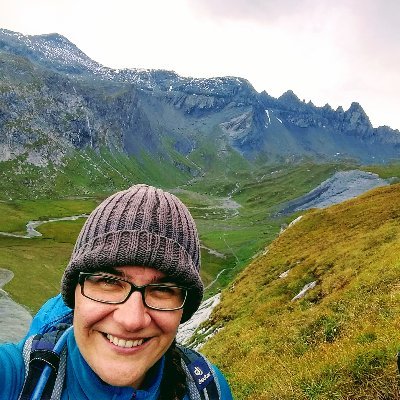
In 2020 catastrophe hit the Vésubie valley, the place we race today. Sediments from the river caused major damage we still see four years later along the course of stage 20. Theo, Loïs and Adèle explain what happened when storm Alex hit here on 2 October 2020. To explain why it did so much damage we travel back in time to explore the specific geology of the region and how that attributed. Glaciers played an important role in the now sunny part of Southern France. But the scientists at @inrae_france also look at the future and how such a disaster could be prevented from happening again. @knag @UUGeo @UniUtrecht @TNO_nieuws #TDF2024 #GeoTDF geo-sports.org/2024/stage-20-…
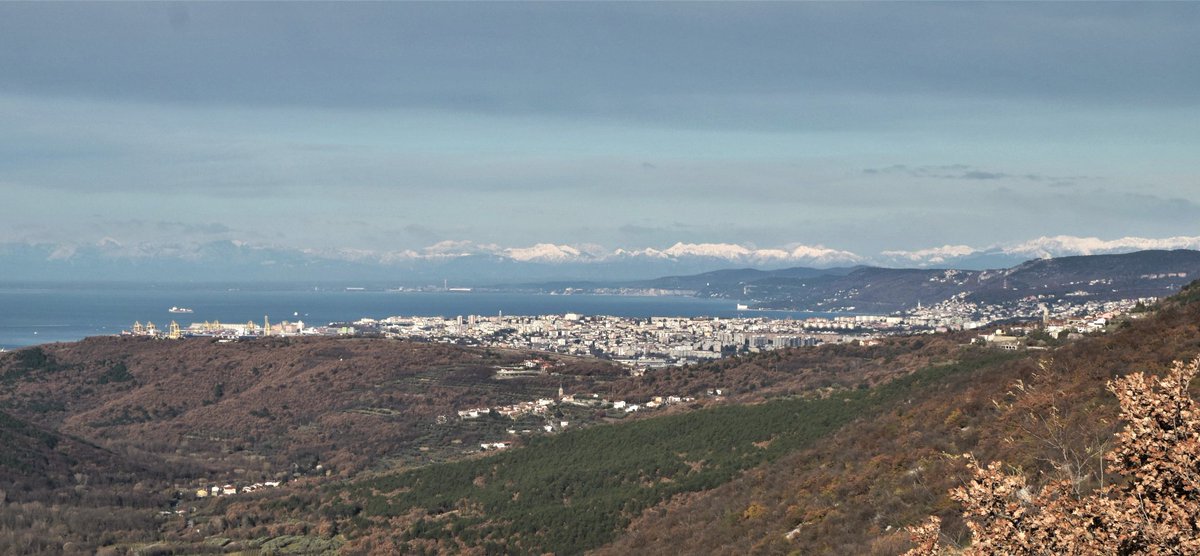
How high is high is the question I (@josebeentv) had before this year’s Tour de France when looking at the mountain stages. Today’s stage 19 has special significance because it crosses the highest point of the year. It’s called the Cime de la Bonette so a perfect stage to answer that question. @cataclasite of @UVU @UVUEarthScience explains this difficult subject by using the science of geodesy. We go into space, but we also take the air pressure down here into account. How come your bike computer is sometimes completely off with the meters of elevation you rode? Why is it important to know the density of the mountain and what is a geoid or ellipsoid? It all sounds super complicated but trust me, it’s very fascinating and completely clear after you read today’s blog. @knag @UUGeo @UniUtrecht @TNO_nieuws geo-sports.org/2024/stage-19-… #TdF202


Ready for an uplifting story? The Alps of stage 18 are still getting higher. Yes!! Will the riders have to climb even higher next year? Well, only just a fee millimeters but still. How is it possible the Alps still get higher? How do we even know that they do? Peter McPhee explains us how the Alps are where they are in the first place (spoiler: it’s tectonics). He explores why the mountains still get higher. Ice ages and ice bergs are unlikely reasons but do play an important role although it’s not all. There is always more to it…. #TDF2024 #geoTDF @knag @UUGeo @UniUtrecht @TNO_nieuws geo-sports.org/2024/stage-18-…

Today’s Tour de France route crosses the Vercors, a region rich in geology. This is #GeoTDF after all. We wouldn’t be here if there was nothing to say. In this region, the geology of the landscape leads to gastronomic highlights and historical events, namely the truffles and maquisards. The Tour de France peloton can hope for a taste of limestone-grown black truffles. Where would we be without limestone? The maquisards, the French resistance in WWII, used the rugged nature of the Vercors as a natural fortress. The specific geomorphology and geological history explain why the Vercors Massif was a highly disputed strategic military bastion during WWII and a shelter for French resistance. Will the green jersey also be able to defend his lead today in the Vercors? Leny Montheil of @Cerege_officiel takes us to the bottom of it once more on stage 17 of #TdF2024. @knag @UUGeo @UniUtrecht @TNO_nieuws geo-sports.org/2024/stage-17-…

It took us 16 stages to find a dinosaur but here we are! This year we introduce a dinosaur with funky teeth. The riders slice through the heart of France’s dinosaur paradise. It's a true dinosaur hotspot, featuring one of its most cheerful Cretaceous members that was found quite recently close to our finish line. We do not only meet Matheronodon provincialis but @PimKaskes of @ULBruxelles also tells us about the history of paleontology. @knag @UUGeo @UniUtrecht @TNO_nieuws #TDF2024 #geoTDF geo-sports.org/2024/stage-16-…
We ride through the Pyrenees on Stage 15. The region is rich in the mineral deposits and ores that are important for the metals and minerals needed to make bikes. Without geology we don’t have a Tour de France but without geology we also wouldn’t have bikes and tyres. We want to award today’s Earth Sciences Velo d’Ore to skarns. Skarns form because of the interaction between magmas, usually those that eventually form granites, and rocks like limestones that are abundant within the Pyrenees. These geological processes also generate deposits of tungsten, iron, tin and other metals and minerals. And where would we be without those? @The_Jow of the @unevadareno explains how it all works and what useful metals and minerals we find along the route. geo-sports.org/2024/stage-15-… #GeoTDF #TDF2024 @knag @UUGeo @UniUtrecht @TNO_nieuws
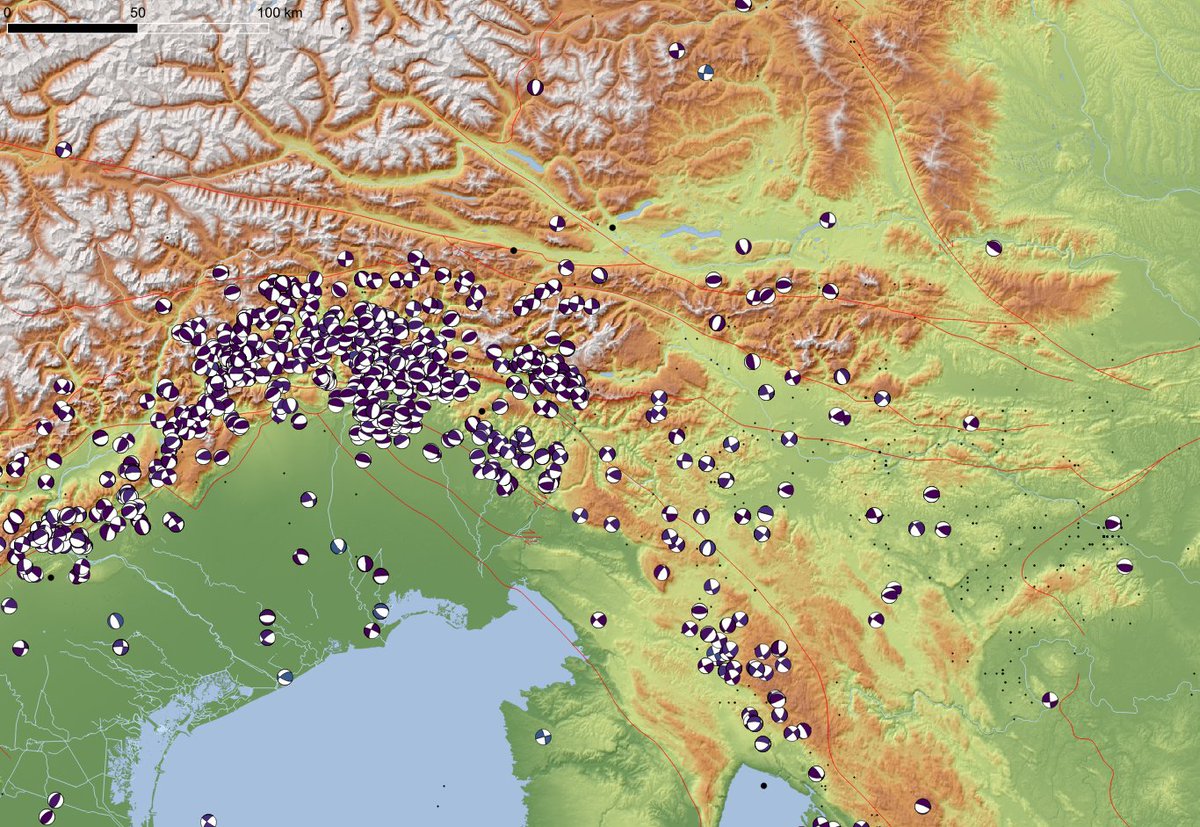
Finally, it’s plate tectonic day! Get the party started! We are in the Pyrenees, and we could not not talk plate tectonics. It would be a crime, being #GeoTDF For today's stage, Earth went on a tectonic training camp to work on the strong forces needed to create those Pyrenean climbs. You know by now that mountains are made by Earth’s tectonic plates pulling apart. They are colliding and sliding past each other, propelled by forces acting within and beneath the plates. The fabled climbs over the magnificent Pyrenees are the product of these mountain building forces acting on southern France over hundreds of millions of years! GeoTDF's CEO of plate tectonics @vanhinsbergen and Pete Lippert and Sean Hutchings of @Uutah tell you about the twists and the turns in this history, how Iberia almost went to North America but returned just in time to create some Pyrenees. Pffew, a relief. Okay time to talk rocks! #TDF2024 geo-sports.org/2024/stage-14-… @knag @UUGeo @UniUtrecht @TNO_nieuws