KNAG

2.7K posts

KNAG banner
KNAG

KNAG

@knag

Koninklijk Nederlands Aardrijkskundig Genootschap. Voor iedereen met interesse in geografie. Brengt 9 keer per jaar tijdschrift Geografie (@geografieNL) uit.

Nederland Katılım Nisan 2011
418 Takip Edilen1.2K Takipçiler
KNAG retweetledi
Geology of the Tour de France
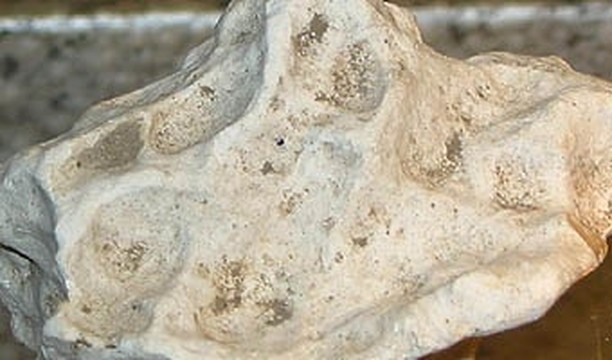
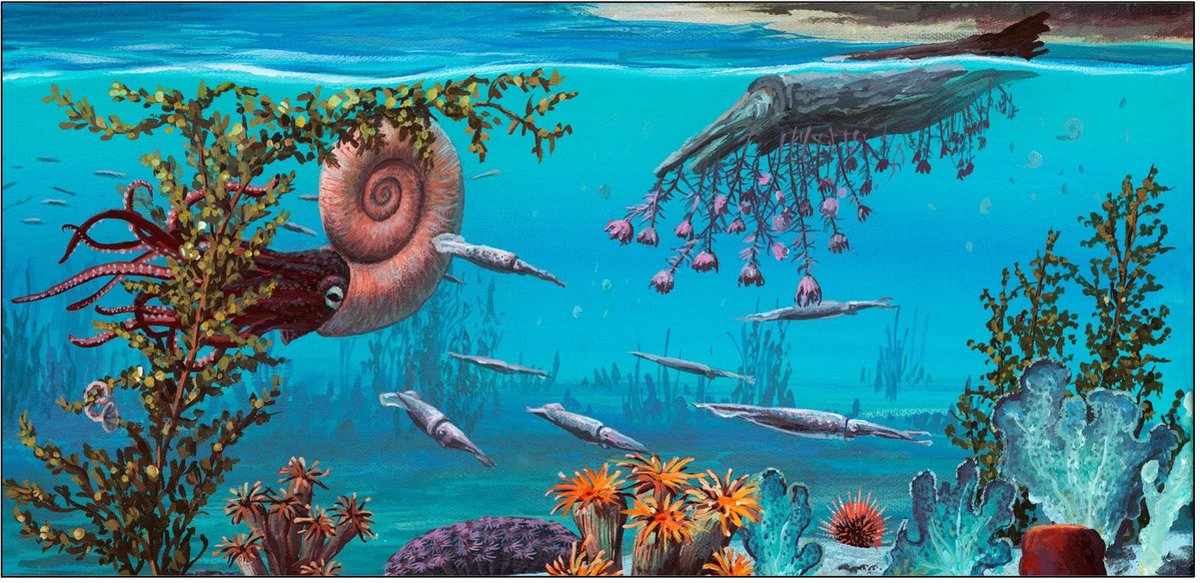
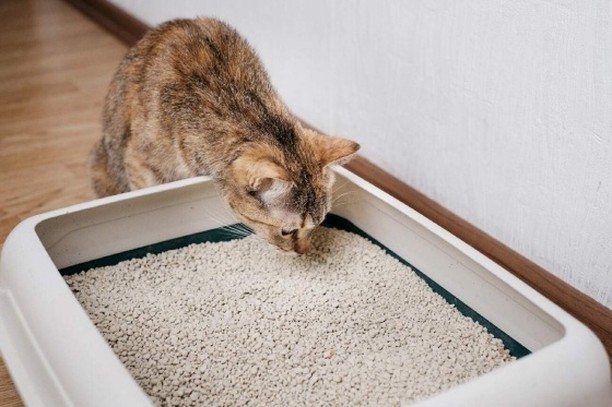
The final stage of #LaVuelta24 brings the peloton to the Madrid Basin. This is a topographic depression surrounded by mountains, which was filled with sediments in the last 20 million years or so. The Madrid Basin contains the world's largest deposits of sepiolite, a special type of clay that can absorb enormous amounts of liquid. The main application? Cat litter 😂. Just so you know. And with that mindboggling piece of information, we've come to the end of the Geology of the Grand Tours 2024. We thank you, dear reader, for your interest and positive responses. The geology of @lavuelta was brought to you by @vanHinsbergen, @Orocline, and @JoaoCDuarte. And if you thought that our blogs and content was understandable even though you're not a geologist, know that that is because of the denerdifying talents of @JoseBeenTV. Read and watch our content of the last two years back at Geo-Sports.org and find the links there to all of our social media platforms. And if you like what you see, consider sending us a small donation so that we can keep this train riding in the next season! steun.uu.nl/project/geo-sp… And we're not done yet for this season! We'll see you back with a special by @ETH about the Geology of the Zürich World Championships! In the meantime, keep on rocking! 🤘🤠.
Geology of the Tour de France tweet mediaGeology of the Tour de France tweet media
English
4
20
89
4.4K
KNAG retweetledi
Geology of the Tour de France
When the riders climb Geulhemmerberg during stage 4 of the TdFF, they pass along the rock layer that recorded the extinction of the dinosaurs. Special guest presenter @MelanieDuring of @uppsalauni takes you underground to explain to you what happened the day the dinosaurs died. She shows you small glass beads that she found in the gills of fishes, and how this explains why the extinction affected northern hemisphere animals more than their southern hemisphere cousins. And how this paved the way for cyclists! @UUEarthSciences @UniUtrecht @UUGeo @knag @TNO_nieuws @VUamsterdam
English
5
34
129
17.4K
KNAG retweetledi
Geology of the Tour de France
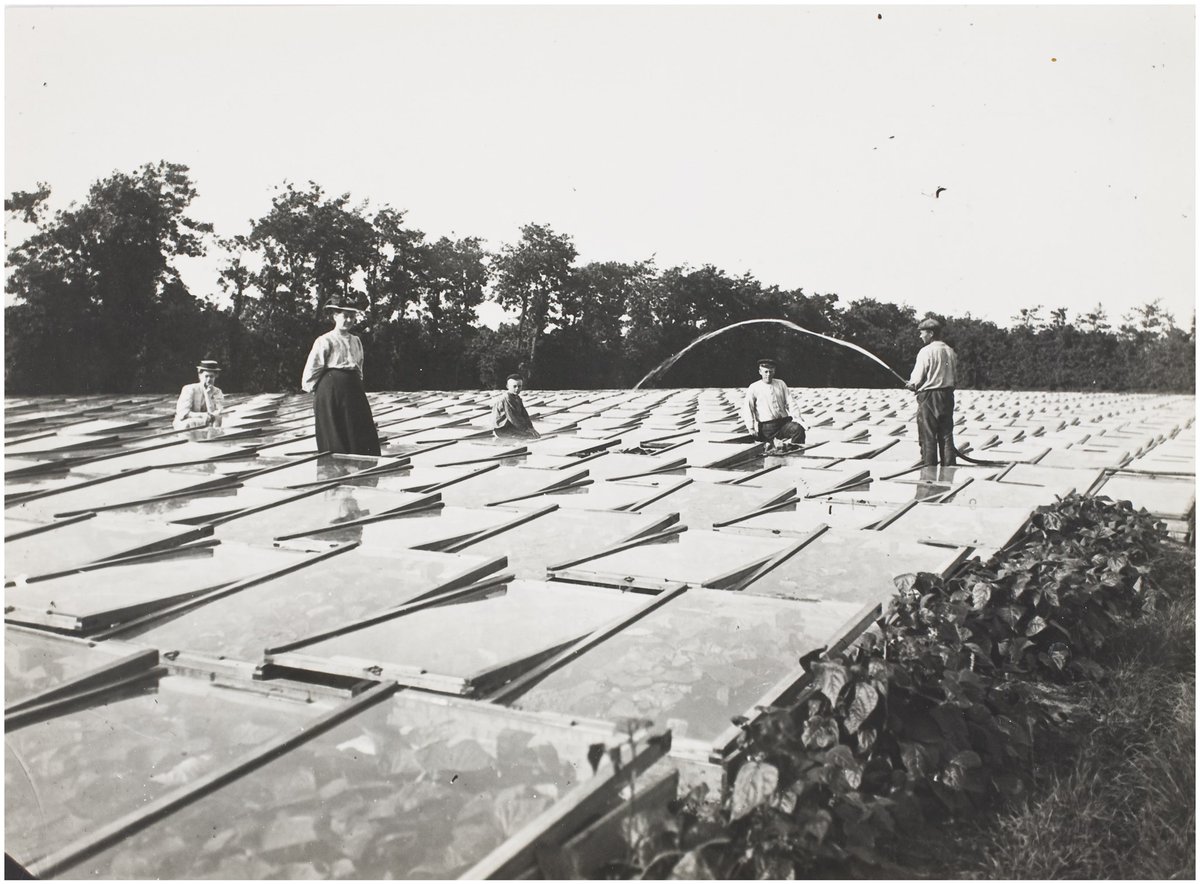
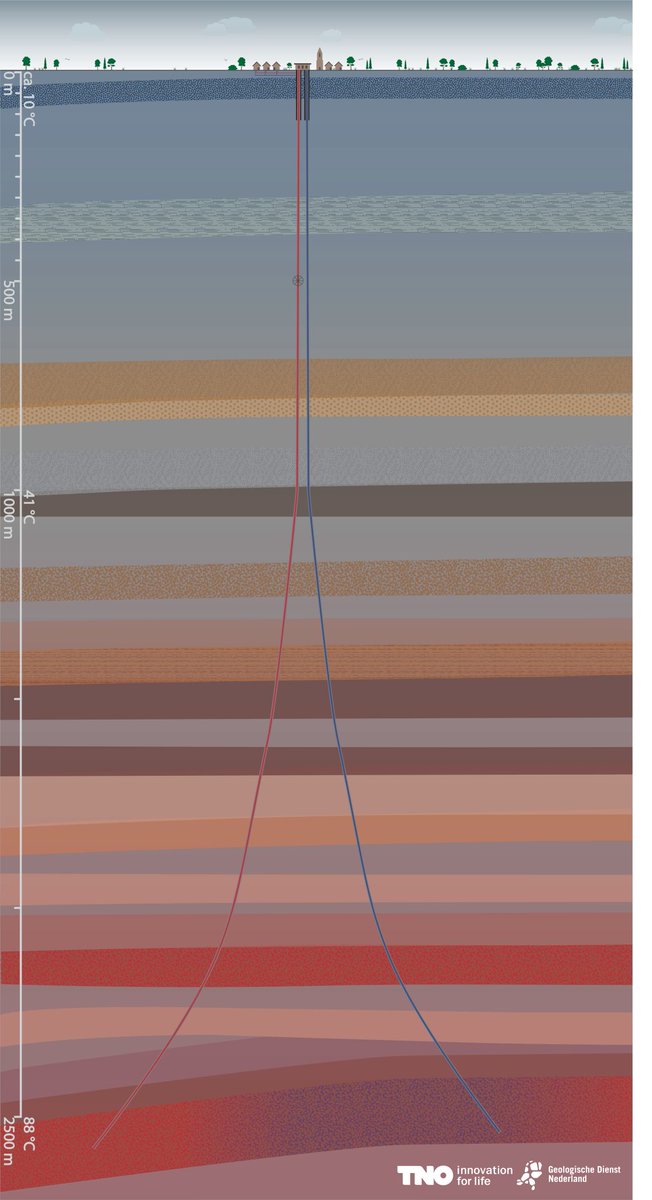
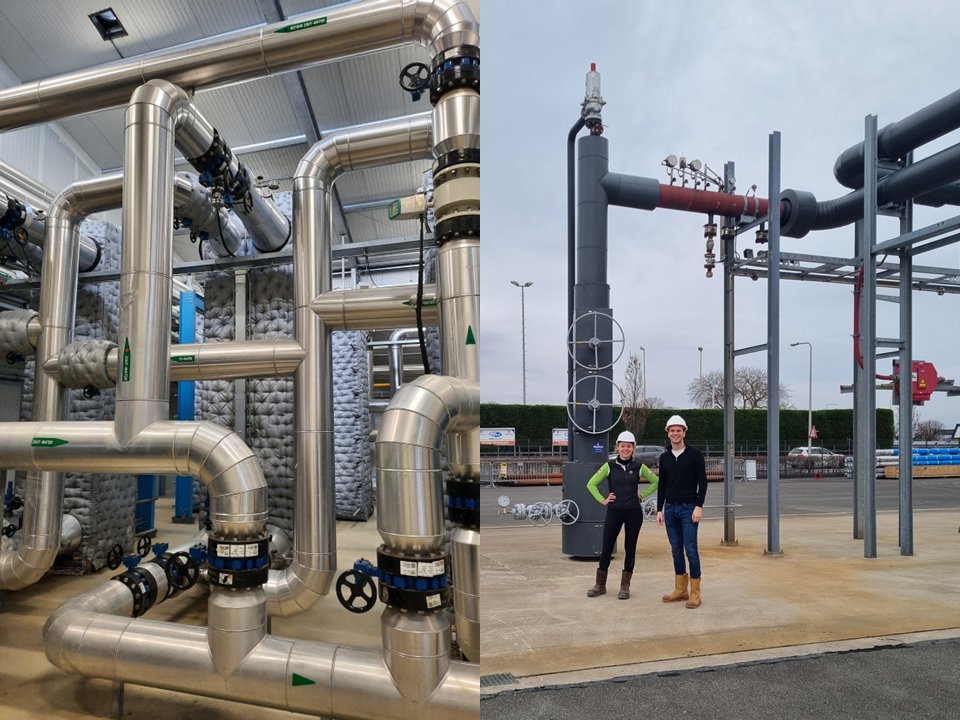
It’s our first Tour de France Femmes avec @GoZwift blog so it’s time for a good warming up. Not the one you had in mind on your trainer racing through the deserts Watopia (although temperatures n Rotterdam will soar today) but the use of geology to heat the greenhouses along the route and a residential area in the finish town of The Hague. Isis van Wetten of @TNO_nieuws took her bike and rode the course of stage 1. She saw how the use of geothermal energy technology will help the energy transition, especially since 8% of gas use in the Netherlands goes towards the greenhouses along the route. How does it work? Check our blog. geo-sports.org/2024/stage-1-w… #TDFF2024 @knag @UUGeo @UniUtrecht
Geology of the Tour de France tweet mediaGeology of the Tour de France tweet mediaGeology of the Tour de France tweet media
English
0
6
28
2.6K
KNAG retweetledi
Geology of the Tour de France
TdFF 2024 - stage 1! The race starts in the west of the Netherlands, in Rotterdam. Not only a place for the world’s top female bike riders to start, but also the location of one of the largest harbors of the world. Naturalis Biodiversity Center, our partners in @geotdf crime, studies the effects of all this mass ship migration on the biodiversity of the harbor. And they sent us this clip by Ela Sari, who explains more! @UniUtrecht @UUGeo @knag
English
2
11
66
5.7K
KNAG
KNAG@knag·
Dan komt het helemaal goed 😀👊🌎. Zo zie maar weer welke geweldige perspectieven je hebt met aardrijkskunde 🤩
Franc Boer | CDA #7@Franc1962

@knag⁩ Voordat Tim Walz in de politiek belandde, was hij docent 🌎aardrijkskunde.🤩 Democratische presidentskandidaat Kamala Harris kiest Tim Walz als running mate /via @NOS nos.nl/l/2532082

Nederlands
0
1
3
276
KNAG retweetledi
Geology of the Tour de France
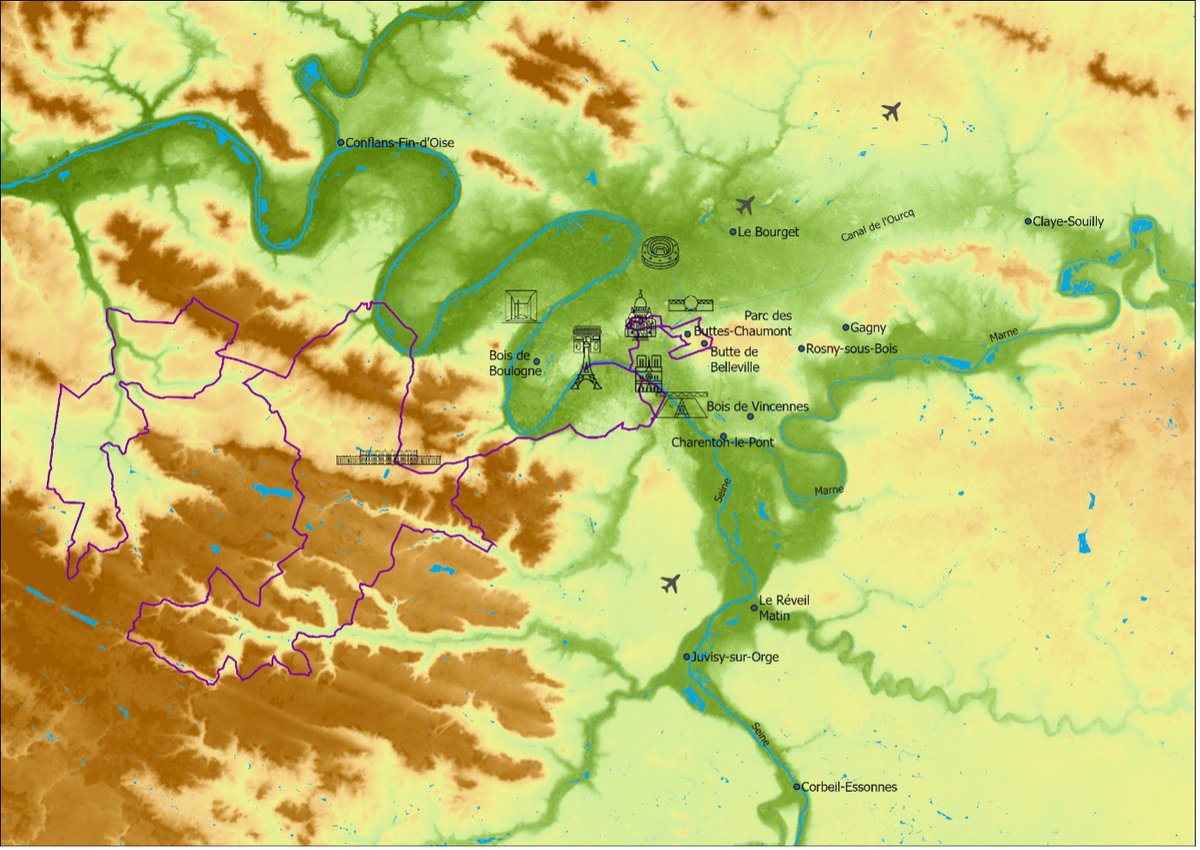
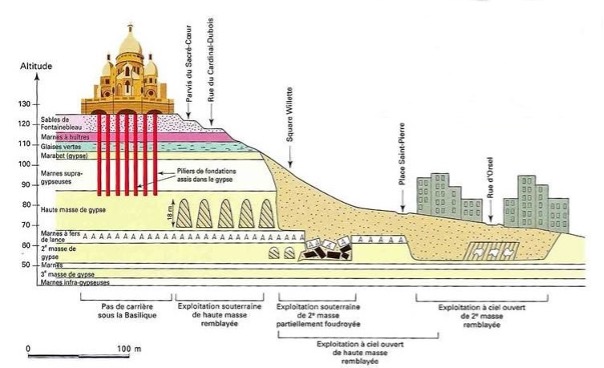
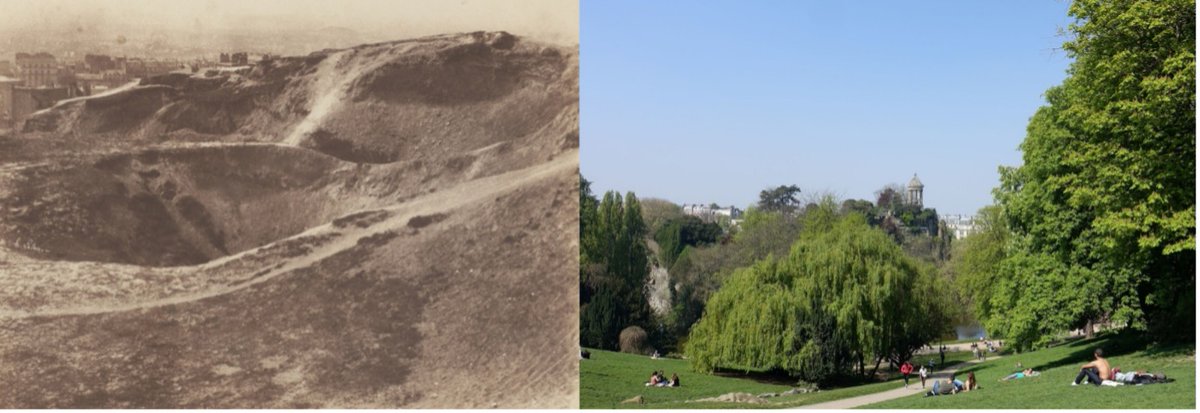
It's the Olympics and of course we have geology for you. The Seine river, where the opening ceremony is tonight, shaped the city of Paris and its surroundings. Where it had no room to flow, it flattened the land where we now see Versailles and the Equestrian events or, of course the time trials on Saturday, but where the Seine and also the Marne did have room, it left the hills alone. The Butte de Montmartre which will be part of the road races is one of those hills the Seine didn't 'eat up' so we get some elevation there. Enjoy the geology of Paris by Geneviève Spits. geo-sports.org/2024/the-geolo… @knag @UUGeo @UniUtrecht @TNO_nieuws #Paris2024
Geology of the Tour de France tweet mediaGeology of the Tour de France tweet mediaGeology of the Tour de France tweet mediaGeology of the Tour de France tweet media
English
2
63
206
34.1K
KNAG retweetledi
Geology of the Tour de France
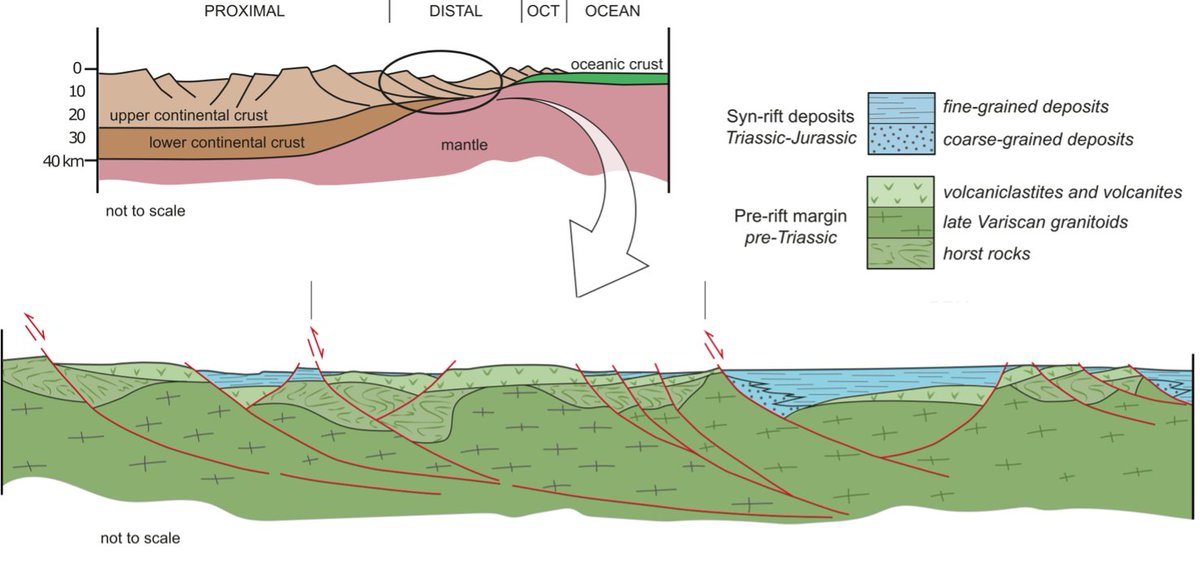
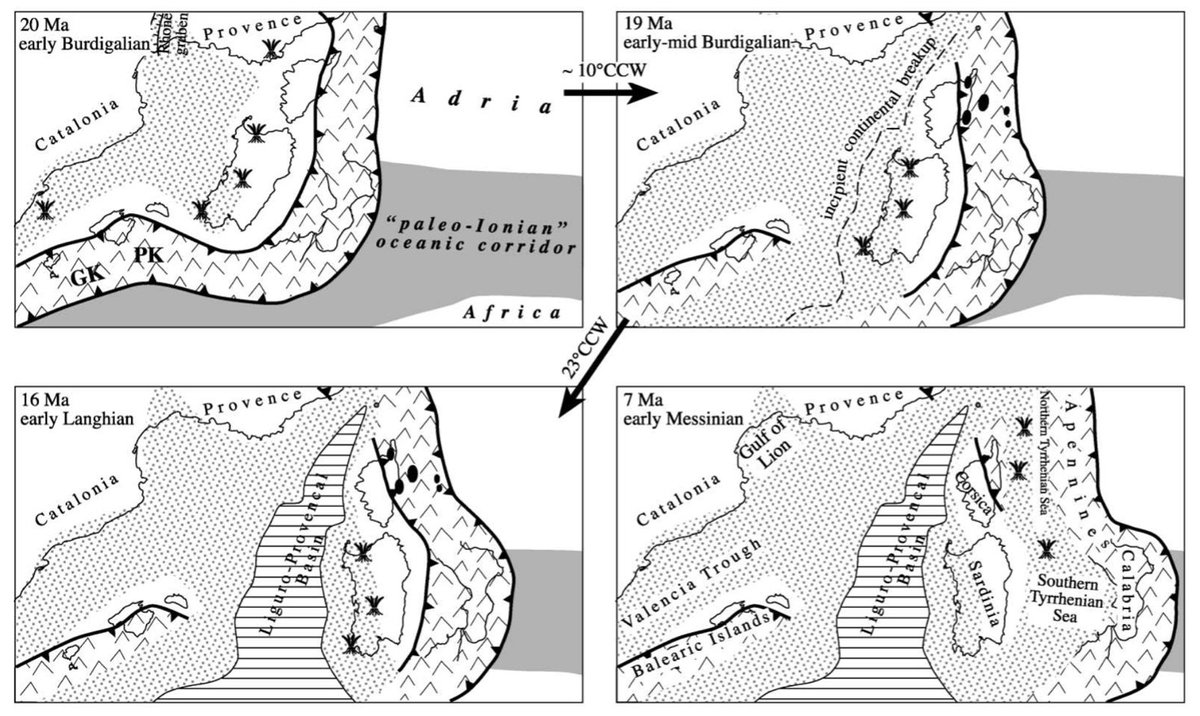
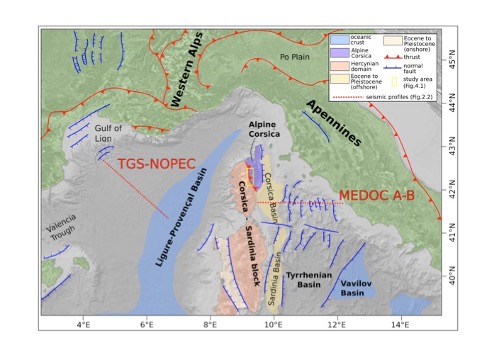
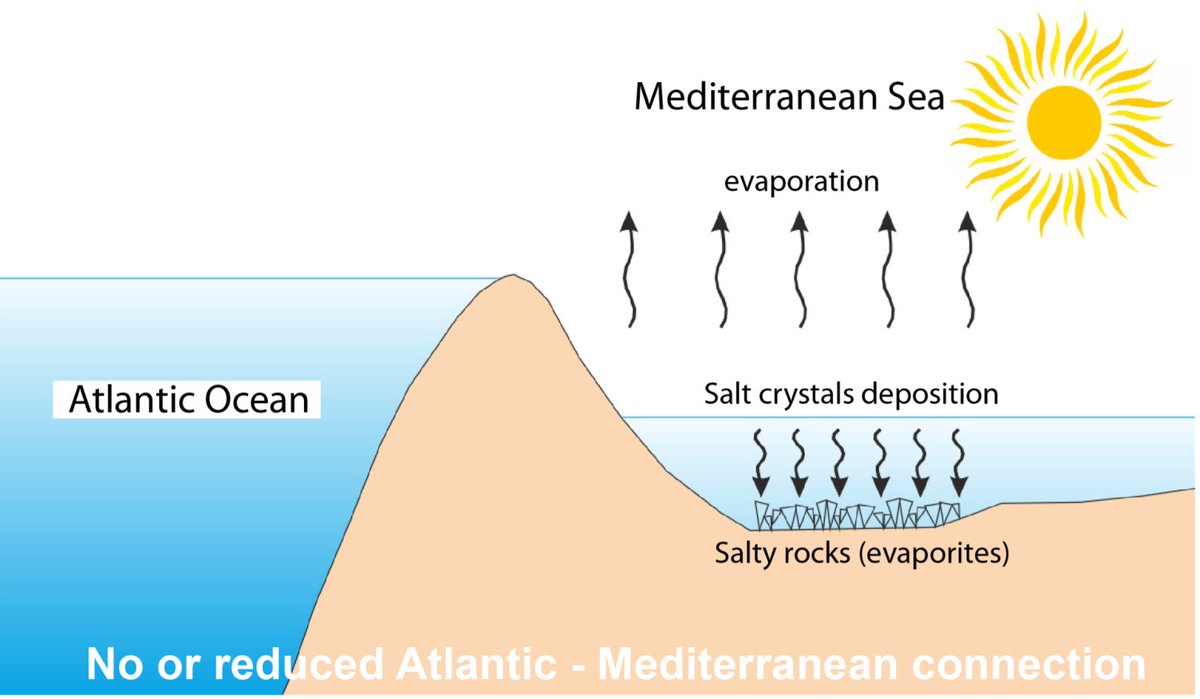
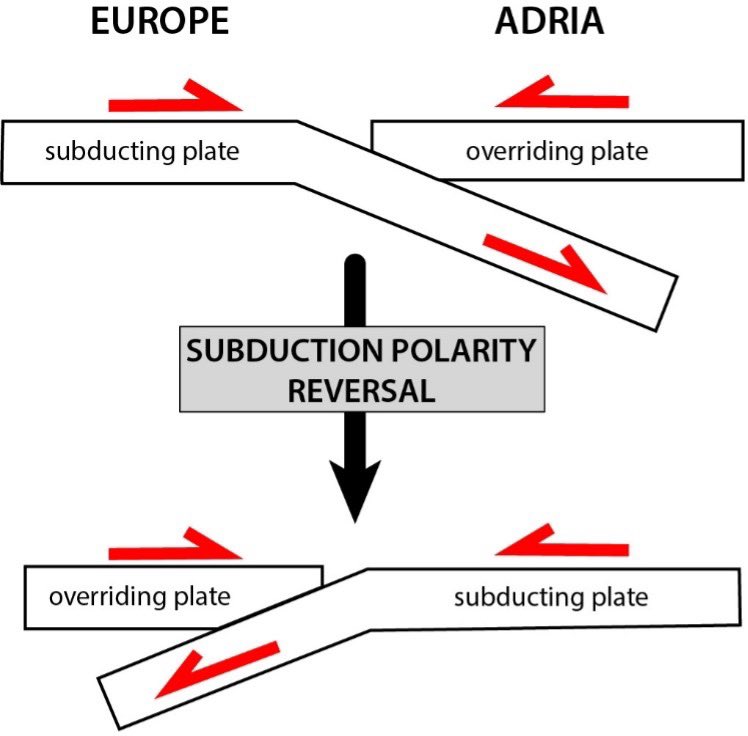
On the final day of the Tour de France, we are back at the Mediterranean Sea. We already learned that it once was completely dry and like salt flats. Remember the Messinian Salinity Crisis of stage 2? Today we go deep under the shiny blue waters and find out if the Alps just suddenly end at the coastline of Nice or whether they somehow continue underwater. Well, I think we already spoiled it. The answer is indeed yes, the Alps do continue underwater all the way to Corsica. The reason behind this is a geological tale of twist and turns. On stage 21 Maria di Rosa of Università di Pisa looks at the plate tectonics once more and finds out what happened underneath the shiny blue waters of La Mediterrannée! geo-sports.org/2024/stage-21-… #TDF2024 #GeoTDF @knag @UUGeo @UniUtrecht @TNO_nieuws
Geology of the Tour de France tweet mediaGeology of the Tour de France tweet mediaGeology of the Tour de France tweet mediaGeology of the Tour de France tweet media
English
5
27
123
7.5K
KNAG retweetledi
Geology of the Tour de France
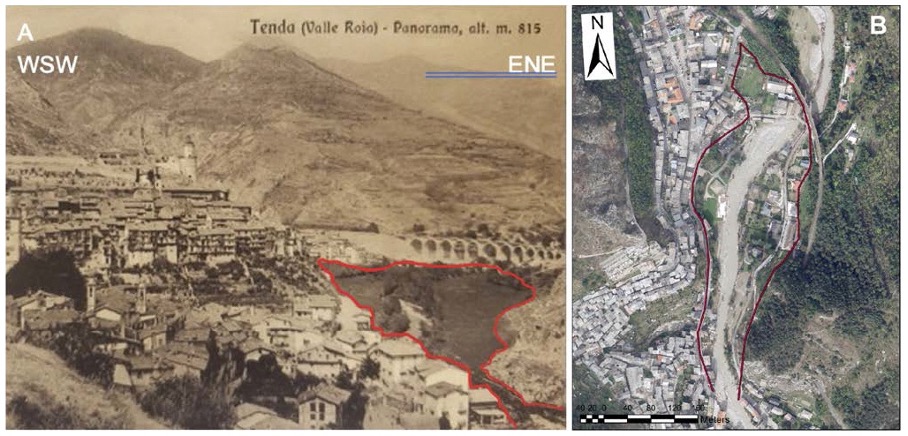
In our last clip for the men's Tour de France, stage 20, @marjieparj takes you to Saint-Martin-Vésubie, a village that saw destruction during storm Alex in 2020. She explains how the valleys that the rides use for a climb into the Alps were actuallymade by rivers and sediments to get out. Sometimes violently...and what we can do to mitigate the damage! @UUEarthSciences @UniUtrecht @knag @TNO_nieuws
English
4
32
140
9.3K
KNAG retweetledi
Geology of the Tour de France
We ride through the Pyrenees on Stage 15. The region is rich in the mineral deposits and ores that are important for the metals and minerals needed to make bikes. Without geology we don’t have a Tour de France but without geology we also wouldn’t have bikes and tyres. We want to award today’s Earth Sciences Velo d’Ore to skarns. Skarns form because of the interaction between magmas, usually those that eventually form granites, and rocks like limestones that are abundant within the Pyrenees. These geological processes also generate deposits of tungsten, iron, tin and other metals and minerals. And where would we be without those? @The_Jow of the @unevadareno explains how it all works and what useful metals and minerals we find along the route. geo-sports.org/2024/stage-15-… #GeoTDF #TDF2024 @knag @UUGeo @UniUtrecht @TNO_nieuws
Geology of the Tour de France tweet mediaGeology of the Tour de France tweet mediaGeology of the Tour de France tweet media
English
1
24
94
9.6K
KNAG retweetledi
Geology of the Tour de France
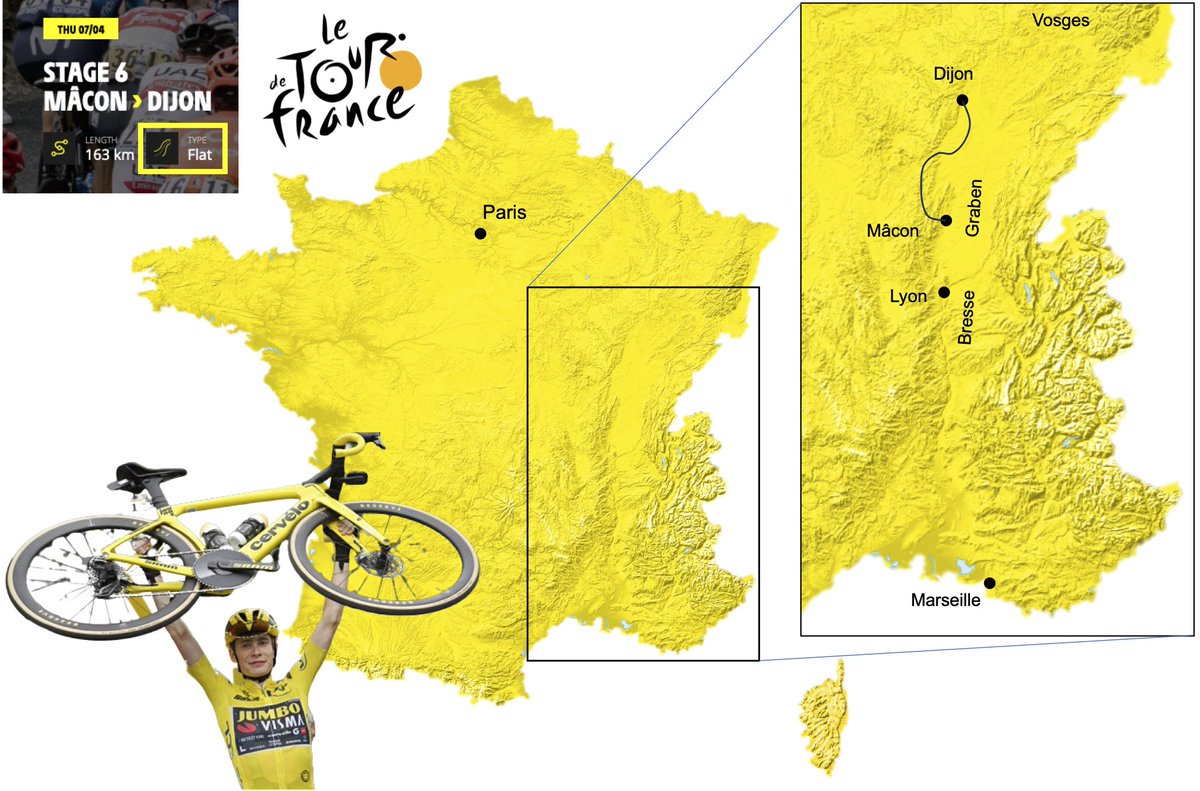
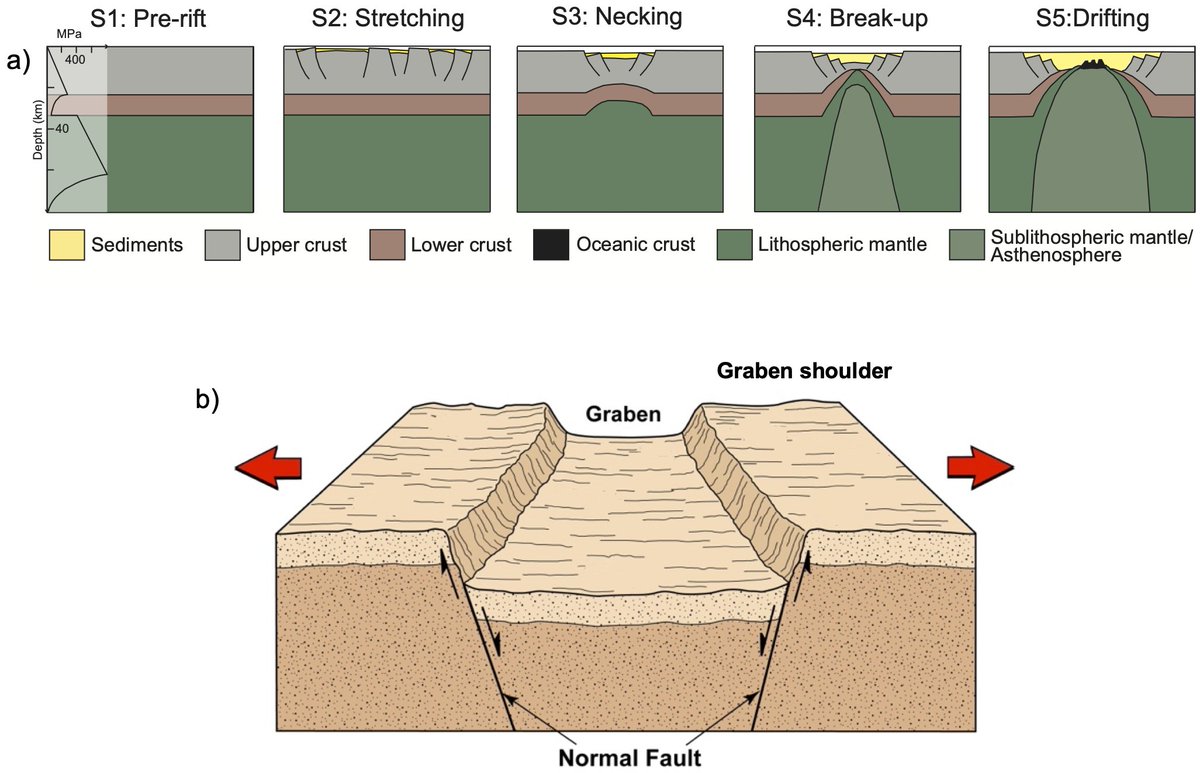
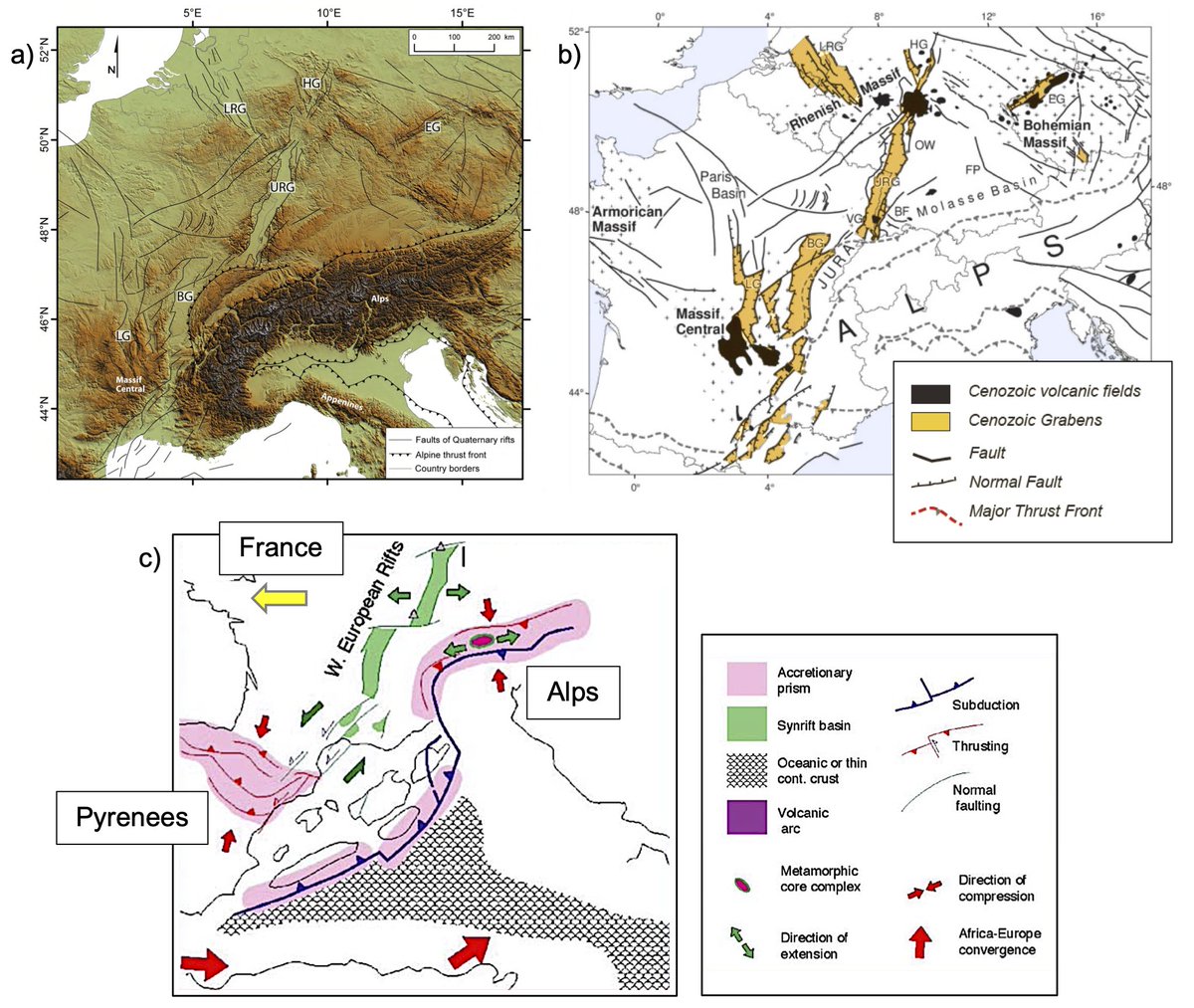
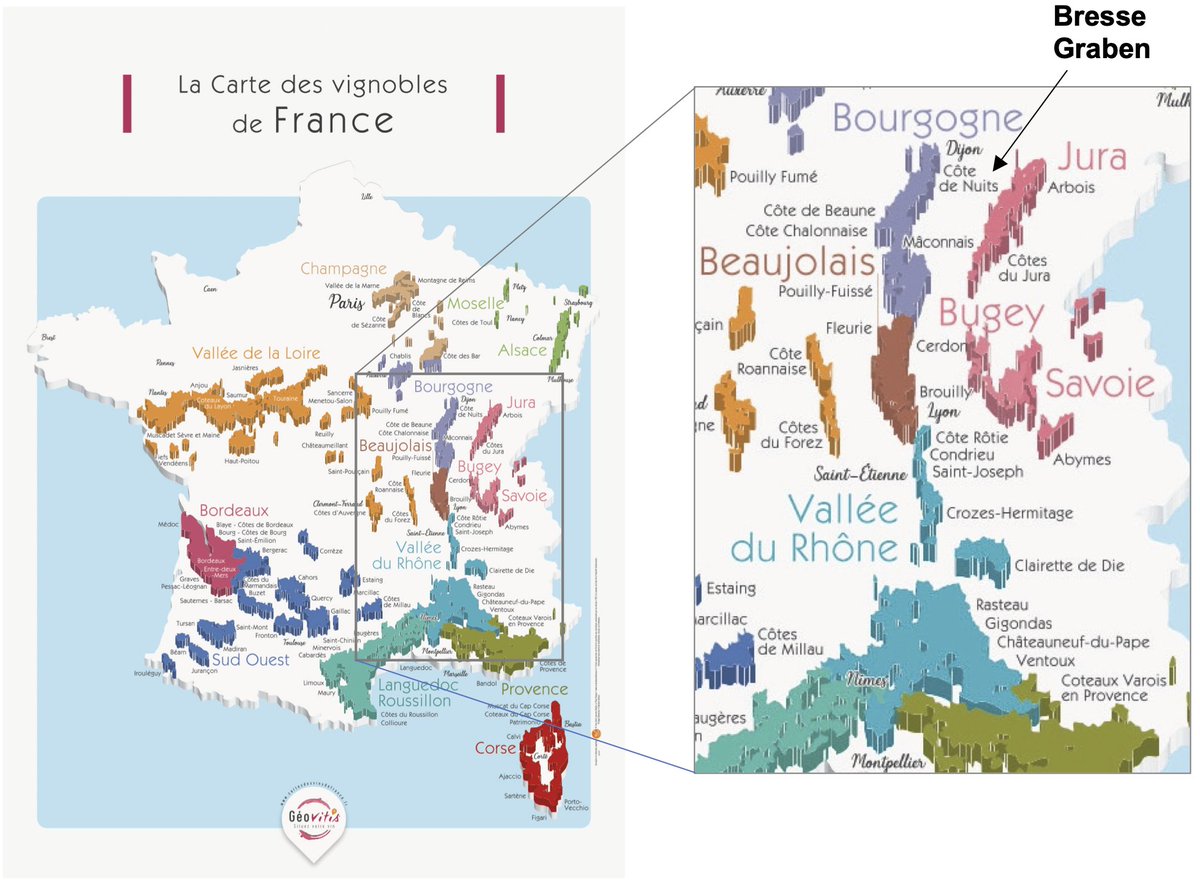
Geology shapes the landscape but also how to use it. The Bresse Graben along stage six made for great transport routes and fabulous wine. But what is a Graben and why are they relevant? First of all, they show the results of millions of years of plate tectonics but they also make the sprinters happy because the Graben itself is flat. @geozwaan of the @GFZ_Potsdam tells you about the pre-rifting, the stretching and the necking, the break-up and drifting and how the Bresse Graben played a role in human history. #TDF2024 #geoTDF geo-sports.org/2024/stage-6-t… @knag @UUGeo @UniUtrecht @TNO_nieuws
Geology of the Tour de France tweet mediaGeology of the Tour de France tweet mediaGeology of the Tour de France tweet mediaGeology of the Tour de France tweet media
English
0
41
127
14.7K
KNAG retweetledi
Geology of the Tour de France
It’s two days to the Grand Départ but at GeoTDF we are already off the start ramp! We have our daily blogs, exciting videos and great geology background information. Cycling is entertainment but why not learn something in the process too!! All 21 blogs are now on the website if you already want a sneak peek of what we have in store for you. Or just let yourself be surprised every day! geo-sports.org/tour-de-france… Follow along! Happy Geo Tour de France everyone! #GeoTDF #TDF2024 @UniUtrecht @TNO_nieuws @knag @UUGeo
Geology of the Tour de France tweet mediaGeology of the Tour de France tweet mediaGeology of the Tour de France tweet mediaGeology of the Tour de France tweet media
English
4
33
121
19.4K
KNAG retweetledi
Geology of the Tour de France
We don’t want to alarm anyone but GEO TOUR DE FRANCE STARTS IN ONE WEEK 🎉🇫🇷🇮🇹🎉 We have your daily dose of geology: from the first humans in France to the Variscan Orogeny, limestone (lots of it), some dinosaurs, wine and salt (don’t mix) and the origins of gravel. @vanHinsbergen and @marjieparj of @UniUtrecht bring you clips from France and Italy to bring the geology around @LeTour to life! Who’s excited? #tdf2024 #geotdf
Geology of the Tour de France tweet mediaGeology of the Tour de France tweet mediaGeology of the Tour de France tweet mediaGeology of the Tour de France tweet media
English
15
42
365
31.1K
KNAG retweetledi
Geology of the Tour de France
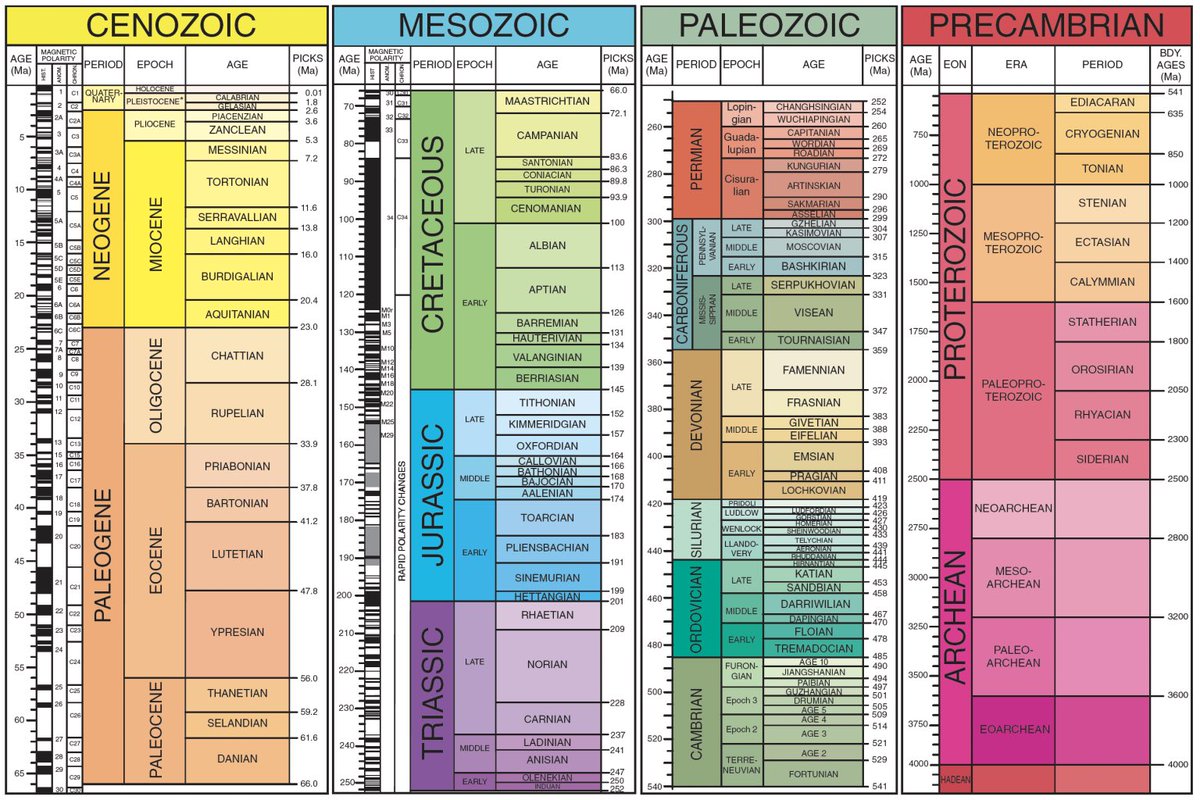
During stage 2 of the #Giroditalia, the peloton left the African plate, but today, during stage 11, they return! The stage starts in folded sedimentary rocks the southern Apennines that were deposited in a deep sea between two shallow Bahamas-style platforms. The basin is called 'Lagonegro', and the platforms the 'Apennine platform', to which the climbs of yesterday belonged, and the 'Apulian platform' that hosts today's finish. The crust that once existed below the Apennine platform and Lagonegro basin's sediments is subducted, and only the sediments remain, folded and piled up in the Apennines. But the Apulian platform is mostly intact, and still lies on the continental crust on which it formed 200 to 10 million years ago. And this continent is 'Adria'. The Adria continent underlies the Adriatic Sea, the Apulian (or Puglia) peninsula and the Gargano peninsula of southern Italy. The continent was once much larger, and continued all the way to the Iranian border, but most of it has subducted and only its upper crust remains in the mountain belts of the eastern Mediterranean region. But restored in its original glory, (greater) Adria is the continent that fitted against the north African and west Arabian margin. Take a map, and you'll see this 'bite' out of Africa between Tunesia and Arabia. Greater Adria is what was bitten out. Adria broke away from Africa between 220 and 170 million years ago, but after that merged with the African plate again. Well, kind of, in the last 10 or 20 million years it moved a little bit, and still does today, but Adria is essentially Africa (plate tectonically speaking). When the riders ride through Larino, they cross the plate boundary! It's a good day for an African win! @StefandBd, it's your day today!
GIF
GIF
Geology of the Tour de France tweet mediaGeology of the Tour de France tweet media
English
2
23
106
7.8K
KNAG retweetledi
Geology of the Tour de France
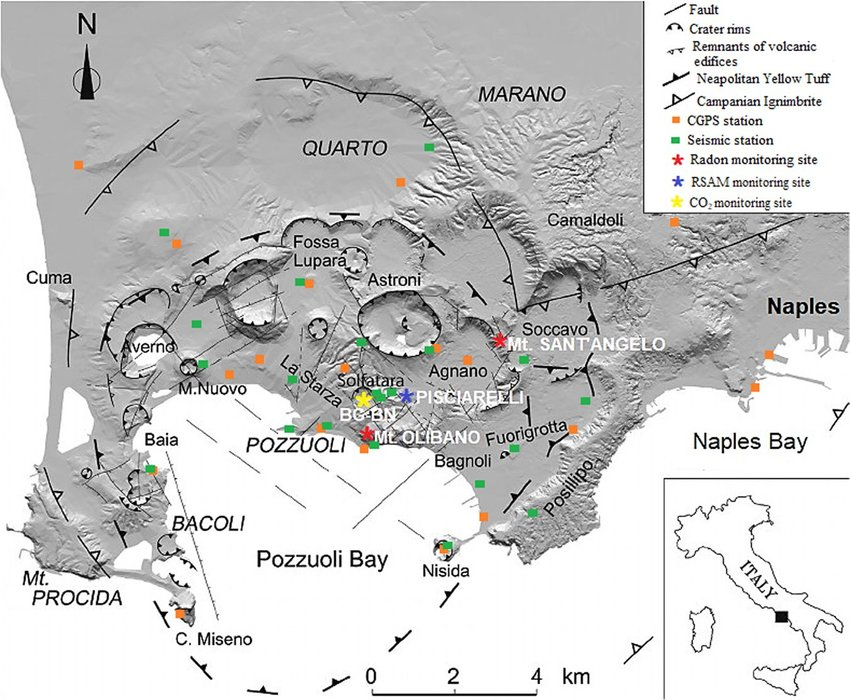
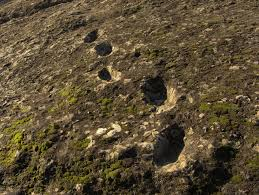
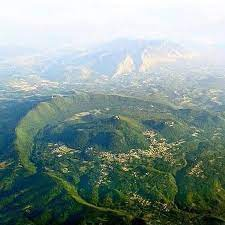
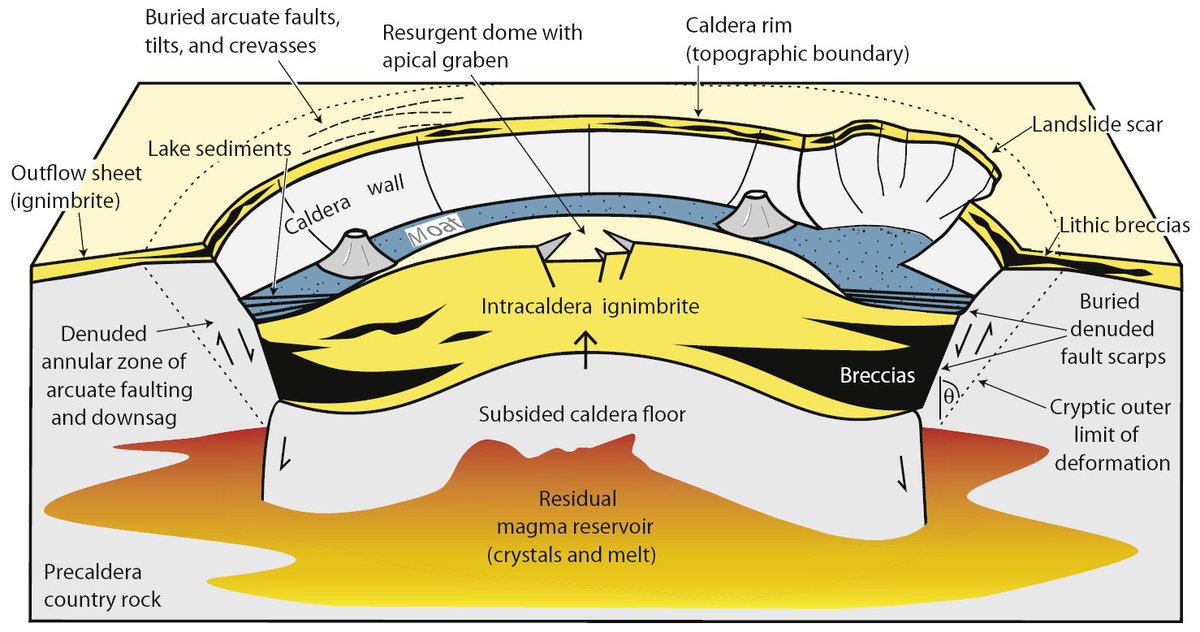
During stage 9 of the #GirodItalia, things finally get explosive! Volcano day! The stage brings the riders through the Campanian volcanic arc. The volcanoes today are geologically quite young features, but they made their mark in history. We start relatively calmly, with the Roccamonfina volcano, halfway today's stage. This is an extinct volcano that was active from 650.000 to 50.000 years ago. The entire volcanic cone is ~25 km wide. The Ciampate del Diavolo location in the east is famous among paleoanthropologists: it preserves human footprints in ash of 345.000 years old! The Roccamonfina has a 'caldera' of about 6 km wide. A caldera forms when the roof of a magmachamber collapses and sinks down into the chamber. This results in a topographic depression in the heart of the volcano, on top of which new volcanic cones start forming. In the middle of the volcano, but often also around the caldera rim, because that's where a vertical fault connects the magmachamber with the surface. In Roccamonfina, the caldera rim is obious and new volcanic cones formed in the caldera valley. An even more spectacular history is associated with the caldera collapse of the Campi Flegrei (the Phlegraean Fields), through which the last 60 km of the stage leads. This 'supervolcano' doesn't look like much...it has plenty of craters but they're all around sea level, such as Solfatara, and Averno Lake. But the caldera-forming phase here had quite the impact... When during caldera formation a roof collapses, this can lead to an enormous eruption. The Campi Flegrei eruption occurred ~40.000 years ago and burst out 250 cubic kilometers of ash that spread out over 3 million square kilometers. It's found all over the eastern Mediterranean region, and made the 'Campanian Ignimbrite'. Ignimbrites are enormous ash deposits that form during highly explosive eruptions. We'll get back to that in Pompeii! Campi Flegrei is continuously seismically active, showing that it's barely dormant. Only two days ago there were two quakes of 3.6 and 3.7. The amount of earthquakes has steadily been increading over the past decades from ~7500 per year in 1980 to 70.000 per year last year. The last eruption was in 1538, but the increased seismic activity makes that the volcano is closely monitored and the possibility of eruptions remains. But although the Campi Flegrei will likely see fireworks today, it'll most likely be on the road only, in the battle for the win! @UUEarthSciences @UUGeo @UniUtrecht
Geology of the Tour de France tweet mediaGeology of the Tour de France tweet mediaGeology of the Tour de France tweet mediaGeology of the Tour de France tweet media
English
0
28
116
8.6K