

Andrew Schmidt
7 posts
#MUcrisiComm #CrisisImage @ChandrikaCC I found Combs situational crisis communication more affective and helpful. Especially when dealing with stake holders. Who are arguably most important.
English
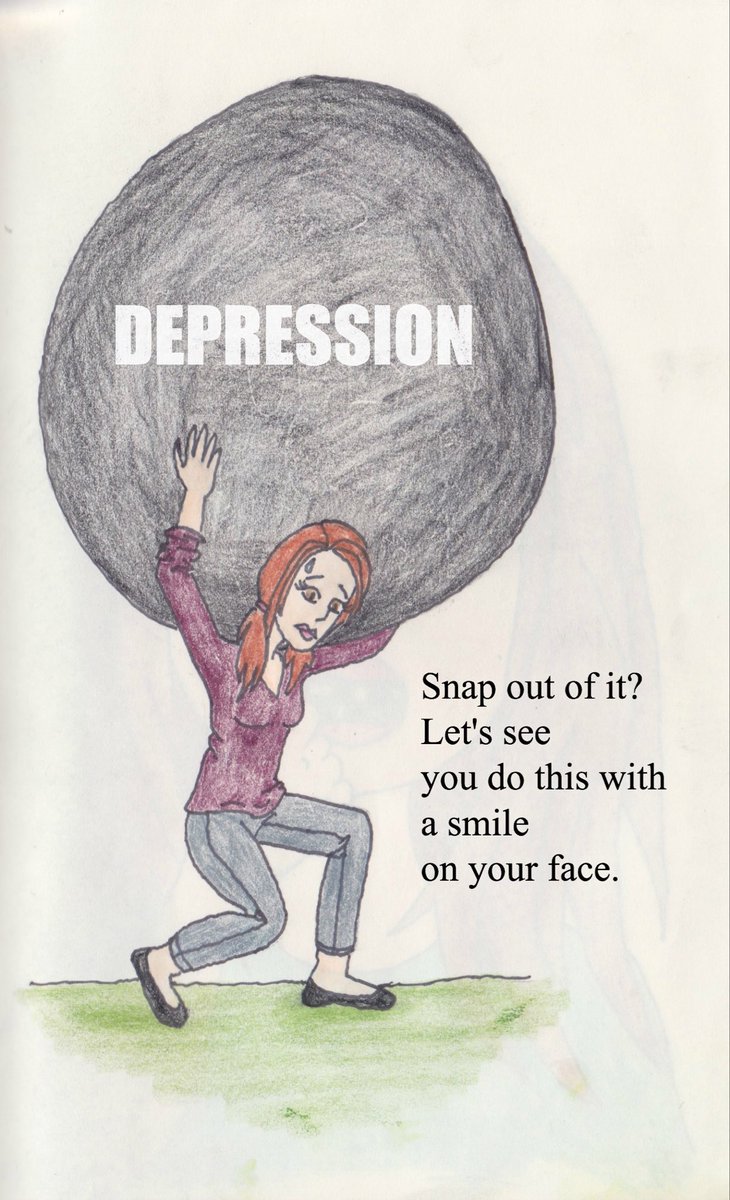
@ChandrikaCC My image is of a women heavily depressed being told to just do her job with a smile. This is an example of stigmatization towards people with mental health issues. #stigmamessage #MUCrisiComm
English
@ChandrikaCC Of Sandman’s four types of risk communication, I would choose crisis communication, which is high hazard, high outrage. I would choose this because I find myself very empathetic and good at calming people down in a way that does not get them more emotional #reaction2
English
@WDNulty I choose outcome response but I think this is very close. If we know it’s eventually gonna happen, we better know how to respond effectively.
English
@Hollyn2qc @ChandrikaCC Hey Hollyn! Stakeholders are very important! Being honest and open will reflect well on how someone handled the situation!
English

@ChandrikaCC Stakeholder factor is most relevant because stakeholders contribute to the emotion, reaction, and responses that are expressed and shape the community in regards to beliefs and attitudes which can determine the impact of an event. #Criticalfactor #MUCrisisComm
English
@ChandrikaCC I think the most important critical factor is outcome factor. Being able to look how you managed the whole crisis and being able to learn and grow is very important. #CriticalFactor #MUCrisisComm
English