

@TeamHinduUnited This is from Gujarat, @PMOIndia own state, where for 30 years BJP is in power! Unless there is a clear single central executive order, this will continue ! Could you please close this one for all @narendramodi ?
English
AnthargAmi
36.8K posts
@Anthargaami
Opinion, Views & engagement on all interesting things | Not politically correct! RT's are not endorsements #Sanghi #ಕನ್ನಡಿಗ

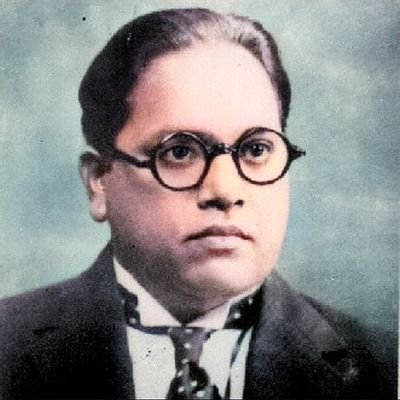
Before the world knew the power of Big Pharma, a journalist in a tiny lab in Bombay created a substance so potent it triggered a trade war with London. It was a yellow grease that did not just soothe headaches but funded a movement, bypassed British blockades, & became 1 of the few Indian products to make the Empire's own medicine look like scented water. Unlike other brands started by chemists, Amrutanjan was founded by Kasinadhuni/Kasinathuni Nageswara Rao, a man who was primarily a journalist & a freedom fighter. In the late 1800s, the pain balm market in India was a British monopoly. If your head throbbed, you bought imported ointments. Rao saw this as a tax on pain. He retreated into a lab & perfected a formula that was significantly more potent than anything coming out of London. The British tried to push their own balms like Vicks/early menthol rubs as sophisticated & odorless. They attempted to smear Amrutanjan as primitive because of its overpowering scent. Rao leaned into the scent. He realized that in a country where literacy was low, a brand could not just be a name, it had to be an experience. He distributed free samples at music concerts (Sabhas) & religious festivals. By the time the British tried to patent the market for pain relief, the entire Indian public had already associated the smell of camphor & menthol with trust. The British balms felt alien & weak compared to the sensory explosion of the yellow tin. The smell of Amrutanjan... that piercing, camphor-heavy aroma became the literal scent of the freedom struggle. If you walked into a room & it smelled of Amrutanjan, it was a silent signal: A patriot is present. It was a scent the British police could not arrest, yet it was everywhere. The British had a Patent Medicine Tax that made imported drugs expensive. However, by classifying Amrutanjan as an Ayurvedic Proprietary Medicine, Rao managed to navigate a complex legal gray area. He essentially used the British legal system against itself. By proving his ingredients were ancient yet his manufacturing was modern, he avoided the crippling taxes that applied to purely Western drugs, while maintaining a price point (initially 10 annas) that made British imports look like daylight robbery Rao fought back not just in the market, but in the press. He used the profits from the balm to fund Andhra Patrika, 1 of the most influential anti-British newspapers. The British were literally paying for their own downfall. Every time a British officer’s wife bought a jar of Amrutanjan for a migraine (because it worked better than the London balms), she was inadvertently funding the printing of revolutionary literature that called for the end of the Raj. By the 1930s, this Indian yellow grease was being exported to Indian diaspora & locals in South Africa & Ceylon. It became a global symbol of Eastern Wisdom defeating Western Chemistry. It was 1 of those few occasions, an Indian OTC (Over the Counter) product achieved cult status internationally w/o a single pound of British investment. In fact, the yellow tin became so iconic that it did not need a label in the villages. The color & the smell were the brand. It was a biological Swadeshi. While others were fighting with words, Rao was fighting with molecular relief.



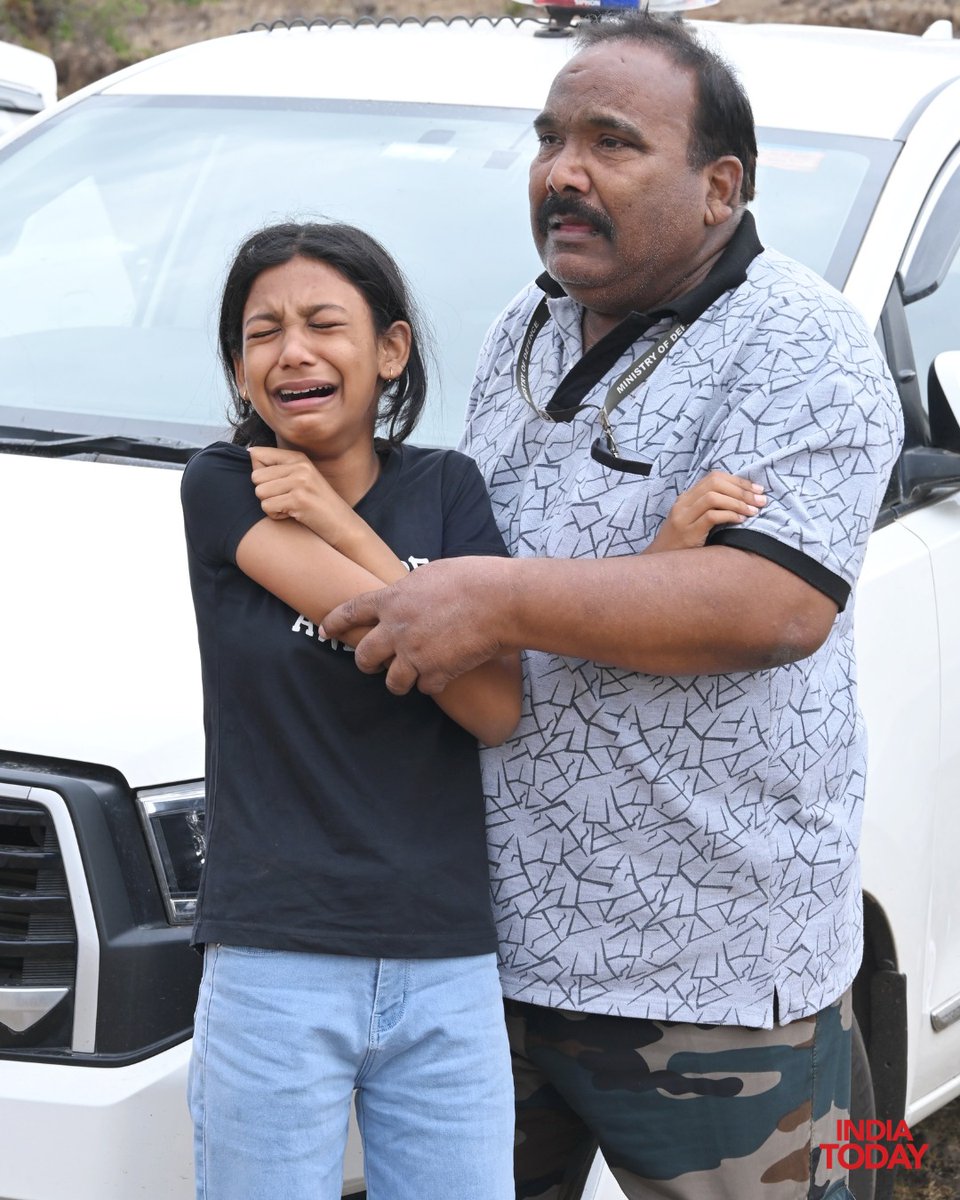
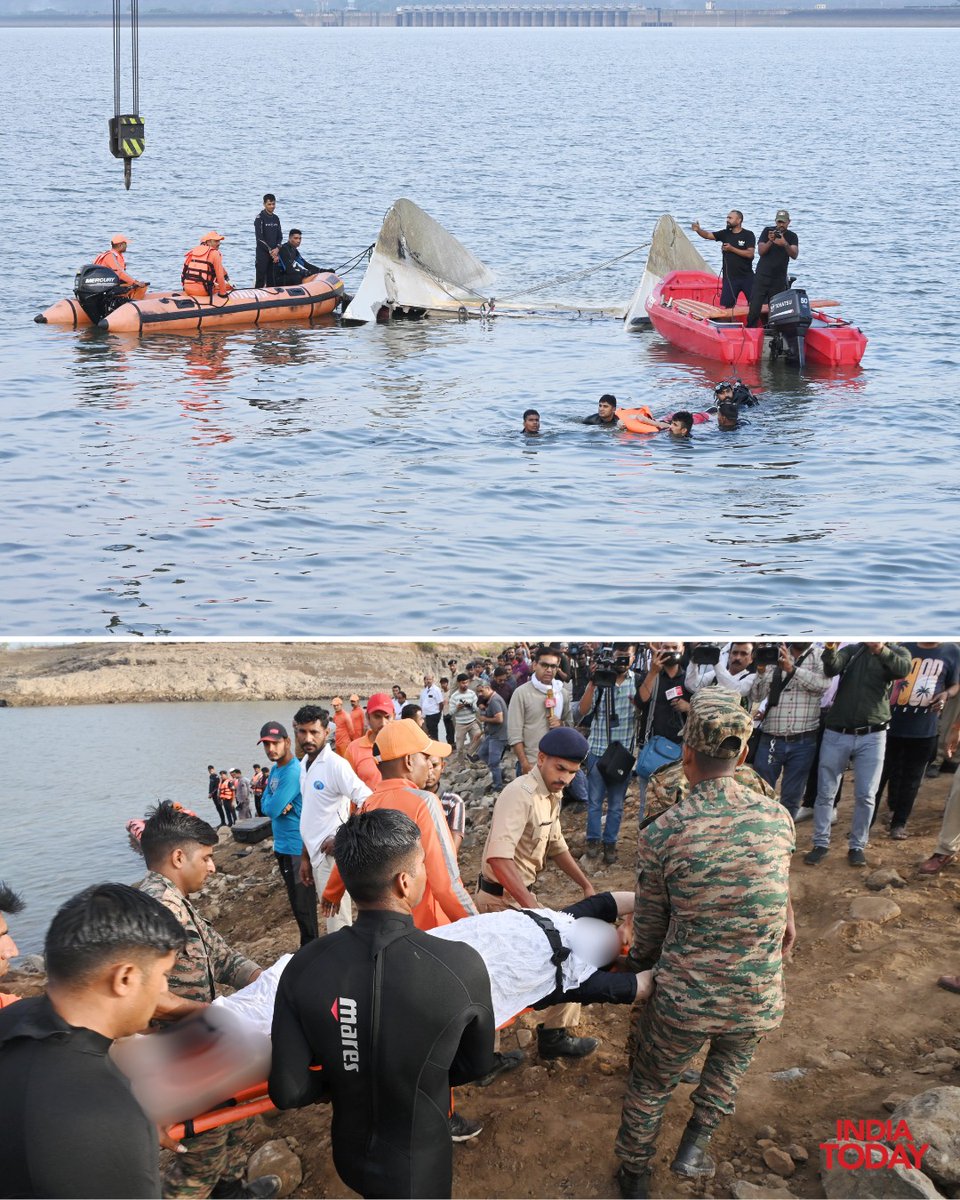


We are helping this boy reclaim his lost childhood. Everyone must know his story - that is directly linked to the controversial comment recently made by a Allahabad high court judge The boy is Vivek At the age of 10, he went missing from home. While playing with some strangers, he boarded a train with them and ended up 10-s of kilometres away from his village That group took him to a madrassa in Muzaffarnagar. Vivek was enrolled, ritually circumcised, renamed Mohd Umar, made to memorise Quran daily Eight years passed All this while, Vivek told madrassa managers the name of his village and his parents. But no effort was made to reunite him with his family When he turned 18, madrassa decided to send him to a Gulf country for labour work. When Vivek went to passport office, his fingerprint revealed his Aadhaar-linked details - his real name and his address in a village in UP’s Hardoi Passport official alerted the pradhan of a nearby Hindu village who alerted the police. Eventually, Vivek’s parents were traced and he was reunited with his family @KanoongoPriyank took cognisance of the incident, raided the madrassa and issued directions asking all government-aided madrasas in UP to disclose how many children of Hindu parents were enrolled with them As revealed yesterday, none has complied. Instead, an Allahabad High Court judge made a controversial remark on Kanoongo over this very order I contacted Vivek recently. He is now 20 He wants to resume his education He is practically illiterate and works as welding labour We - @SewaNyaya and @RashtraJyoti - are going to help Vivek return to school He will reclaim the years stolen from him. Will share details soon.

Kannadiga is begging the police not to beat him 🥺 his only “crime” was trying to earn an honest living, which ofcourse Karnataka police don't like. Devanahalli police beat up a poor tea vendor for staying open late at night. Kannadigas u see, easy target, no risk. But do Karnataka police have the spine to enforce the same in Shivajinagar, where urdu speakers shops run openly till 3 AM? I can show you plenty. If these allegations are true, Karnataka police owe that Kannadiga a public apology.
I travelled through Great Nicobar today. These are the most extraordinary forests I have ever seen in my life. Trees older than memory. Forests that took generations to grow. The people on this island are equally beautiful - both the adivasi communities and the settlers - but they are being robbed of what is rightfully theirs. The government calls what it is doing here a “Project.” What I have seen is not a project. It is millions of trees marked for the axe. It is 160 square kilometres of rainforest condemned to die. It is communities that have been ignored while their homes have been snatched away. This is not development. This is destruction dressed in development’s language. So I will say it plainly, and I will keep saying it: what is being done in Great Nicobar is one of the biggest scams and gravest crimes against this country’s natural and tribal heritage in our lifetime. It must be stopped. And it can be stopped - if Indians choose to see what I have seen.


Kalawa threads were cut from students’ wrists at a school in Gurugram today We at @RashtraJyoti have formally complained and demanded a written explanation from the school administration What is the rule? Who framed it? On what legal, safety or operational basis were Hindu students asked to remove it? This complaint is only the first step Our campaign will continue until such discriminatory rules are reversed and Hindu students are no longer made to feel ashamed of their identity in Indian institutions
