啥都懂.AI

1.1K posts

啥都懂.AI banner
啥都懂.AI

啥都懂.AI

@AnthonyZ_GTS

ex-Goldman Sachs, 澳新/东南亚投资, 啥都懂点的智能人工

Singapore Katılım Haziran 2016
754 Takip Edilen200 Takipçiler
华尔街日报中文网
传统观点认为,作为石油产品的净出口国,美国受油价飙升的影响相对较小,而中国则极易受到供应受阻的冲击。但策略师马尔科·帕皮奇表示,中国的应对选项比投资者想象的要多。on.wsj.com/3OFiKaj
中文

6
3
18
12.9K
啥都懂.AI
啥都懂.AI@AnthonyZ_GTS·
@yuzhinok It definitely have to be share between three countries. It’s just china cooked, not us.
English
0
0
0
128
啥都懂.AI
啥都懂.AI@AnthonyZ_GTS·
来了来了就是他!
啥都懂.AI tweet media
中文
0
0
0
24
啥都懂.AI
啥都懂.AI@AnthonyZ_GTS·
@jukan05 Naphtha is a very widely used petrochemical intermediary, there will be redirection from other uses for semiconductors as it’s least cost sensitive
English
0
0
0
281
Jukan
Jukan@jukan05·
In short, Japan is short on naphtha → Japan can't produce semiconductor materials → This could bring the world's semiconductor fabs to a halt. Fuck it, send the damn oil to Japan already.
Jukan@jukan05

[Exclusive] Iran War Fallout… Japan's Semiconductor Photo Material Supply Chain 'On the Brink of Collapse' A new flashpoint has emerged in the semiconductor materials supply chain in the wake of the Iran war. Due to a solvent shortage, the Japanese industry is experiencing disruptions in the overall production of photo process materials, including photoresist (PR). Because Japan holds a high share in photo process materials, concerns are growing that domestic (Korean) semiconductor production could also take a hit. According to multiple industry sources on the 22nd, major Japanese photo material suppliers have, since the previous evening, either already communicated—or are scheduled to communicate—the raw material sourcing disruptions to semiconductor customers such as Samsung Electronics and SK Hynix through their Korean subsidiaries. One source said, "The Japanese companies that were notified yesterday (the 21st) evening are holding internal meetings today and are scheduling to formally inform their Korean customers tomorrow (the 23rd)." The materials in short supply are Propylene Glycol Methyl Ether (PGME) and Propylene Glycol Methyl Ether Acetate (PGMEA). PGME and PGMEA are used as solvents in various electronic materials. A solvent is a liquid or gaseous substance used to dissolve other substances. Dissolution refers to the phenomenon in which one substance dissolves and mixes into another. Semiconductor materials that use PGME and PGMEA include PR, Thinner, Bottom Anti-Reflective Coating (BARC), Spin-On-Hardmask (SOH), and temporary bonding adhesives for High Bandwidth Memory (HBM). This covers almost all photo patterning process materials. An industry source described the situation as, "It's like not being able to add water to instant coffee mix." The Japanese companies supplying these materials to Samsung Electronics and SK Hynix are numerous, including Shin-Etsu Chemical, Tokyo Ohka Kogyo (TOK), JSR, Fujifilm, and Nissan Chemical. The reason for the PGME and PGMEA shortage is the Iran war. Japan depends on the Middle East for more than approximately 40% of its naphtha. When the Strait of Hormuz was effectively blockaded in early March, Middle Eastern naphtha supply was cut off. Naphtha is a light oil produced during crude oil refining. When decomposed at high temperatures, it yields basic petrochemical feedstocks such as propylene and ethylene. As a result, 6 of Japan's 12 naphtha cracking centers (NCCs) have entered production cuts. With propylene supply declining, the production of Propylene Oxide (PO)—which uses propylene as a feedstock—was hit. PGME and PGMEA, which use PO as a feedstock, have consequently faced production disruptions in a chain reaction. The spot price of Japanese naphtha jumped approximately 92%, from the USD 600s per ton before the blockade to USD 1,190 in early April. Japan sources most of the raw materials for its semiconductor photo materials domestically. Japan's Daicel produces everything from PO to PGMEA in an integrated manner. Toagosei receives raw materials supplied by Dow and refines them into PGMEA, which it mass-produces. The PGME and PGMEA produced in this way are then received by domestic manufacturers such as JSR, TOK, Shin-Etsu Chemical, and Fujifilm, which turn them into finished products like PR for export to Korea. An industry source pointed out, "Japan has a strong tendency to produce finished products using Japanese-made raw materials whenever possible," adding, "This self-sufficient structure is a strength in normal times, but when one raw material source is blocked like this, the entire chain shakes simultaneously." Japanese photo material manufacturers are expected to review sourcing Korean or Chinese PGME and PGMEA. The key issue is the Process Change Notification (PCN) procedure. If the raw material for photo materials changes, Samsung Electronics and SK Hynix must redo evaluations. This typically takes around one year. For leading-edge processes, it takes even longer. Another source analyzed, "Thinner and SOH have been partially localized, but if Japanese supply of PR or BARC is cut off, semiconductor fabs could come to a halt," adding, "If there are major disruptions in material sourcing, some evaluation steps will inevitably have to be skipped." Reflective benefits for the Korean industry are also expected. Chemtronics and Jaewon Industrial have already built PGMEA mass-production systems and are directly supplying the material to Japanese material companies and Samsung Electronics. An executive at Jaewon Industrial said, "The Korean industry has diversified raw material supply chains across the U.S. and China, so we are better off than Japan, but sourcing is not easy for us either—it's essentially the same situation." Hanwul Soje Science plans to bring in PGME and PGMEA produced locally through its subsidiary JK Materials, which has signed an agreement with a major Chinese materials company referred to as "Company E." It is currently in supply discussions with a major Japanese photo material company on these items.

English
24
107
640
136.5K
啥都懂.AI
啥都懂.AI@AnthonyZ_GTS·
@salonbus1024 中国作为已经拥核的国家任何新国家想要拥有核武器都是对自身的稀释,中国最终会介入并阻止
中文
0
0
0
120
Salonbus
Salonbus@salonbus1024·
伊朗不会轻易放弃铀浓缩。之前卡扎菲放弃后,8年后被美国和欧洲联手搞死政权被颠覆。因为苏联提供了技术,后来有反对拥核,中国政府承受了美苏欧的联合制裁和粮食禁运,付出了巨大的代价,64年成功。在铀浓缩的问题上,后退都是死路一条。 巴基斯坦和朝鲜,都是苏联解体过程中拿到了关键入场券。
中文
10
10
79
13.4K
MAGa🇨🇳
MAGa🇨🇳@MAGasosostay·
@ChineseWSJ @Lingling_Wei 完全错误的观点,应该是亚洲工厂老板希望继续发展与中国的合作,而华盛顿警告他们不要这样做,,你这种别有用心的新闻媒体,是最令人不齿的,
中文
1
0
9
408
华尔街日报中文网
在本期 #中国洞察 新闻简报中,《华尔街日报》首席中国记者魏玲灵 @Lingling_Wei写道,夹在美中之间的亚洲工厂老板正陷入两难——华盛顿方面希望它们从供应链中剔除中国成分,而北京方面警告它们不要这样做。on.wsj.com/4tsIwhm
中文
17
5
23
21.9K
啥都懂.AI
啥都懂.AI@AnthonyZ_GTS·
@evenacat 民进党搞环保,让台湾去工业化,丧失和大陆抗衡的工业力量,现在骗同情票。不是不可以和中国敌对,你tm倒是和大陆一样的工业能力去打啊。
中文
0
0
0
22
虎牙不能拔
虎牙不能拔@evenacat·
我們台灣,我們威廉被欺負了 不要再說什麼和平什麼兩岸什麼親了 中國就是敵國 台灣人什麼時候可以都認清這一點 打壓根本沒有停過 是因為台灣足夠優秀 否則我們一直都是世界孤兒
虎牙不能拔 tweet media
中文
266
274
1.1K
23.2K
啥都懂.AI
啥都懂.AI@AnthonyZ_GTS·
@Kai866 连燃料油都要当武器的供应链,最终解体是必然的
中文
4
0
0
5.3K
Kai
Kai@Kai866·
中国警告菲律宾,如果继续与美国在台湾附近举行联合军事演习,可能无法获得紧急能源援助。 中国要给菲律宾上强度了。
中文
59
11
387
91K
啥都懂.AI
啥都懂.AI@AnthonyZ_GTS·
@ChingteLai Ur green party wiped out Taiwan’s industrial capacity, off course anyone is going to coerce u. There is no sympathy in global geopolitics, even if for normal countries. U either go build like does, or just knee down. Don’t be naive!
English
0
0
0
1.6K
賴清德Lai Ching-te
賴清德Lai Ching-te@ChingteLai·
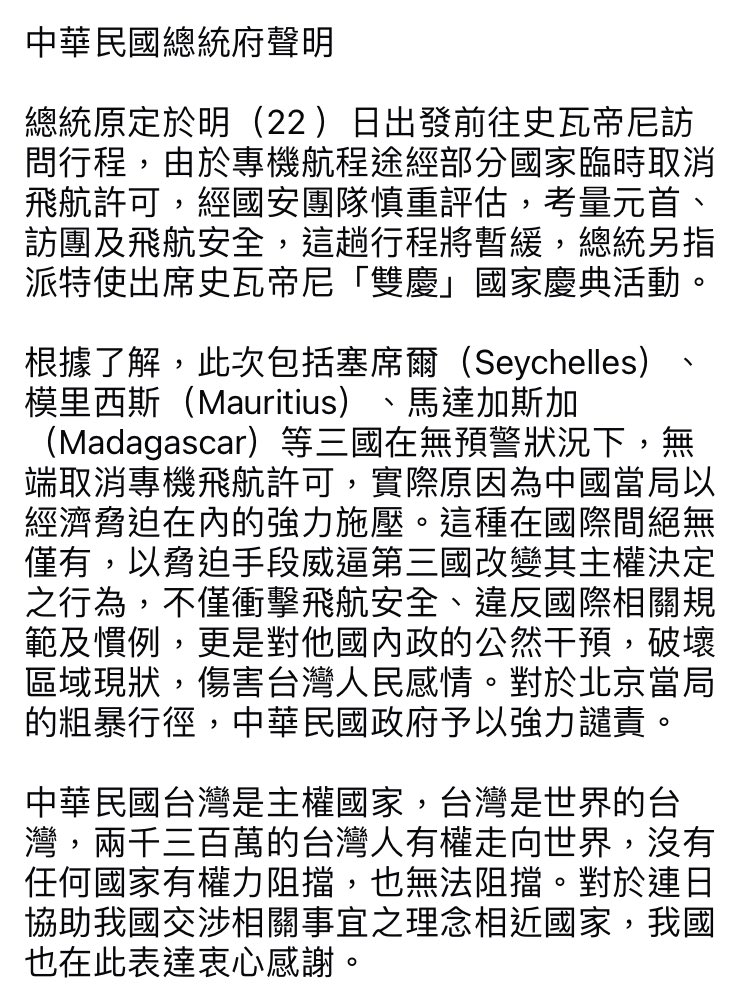
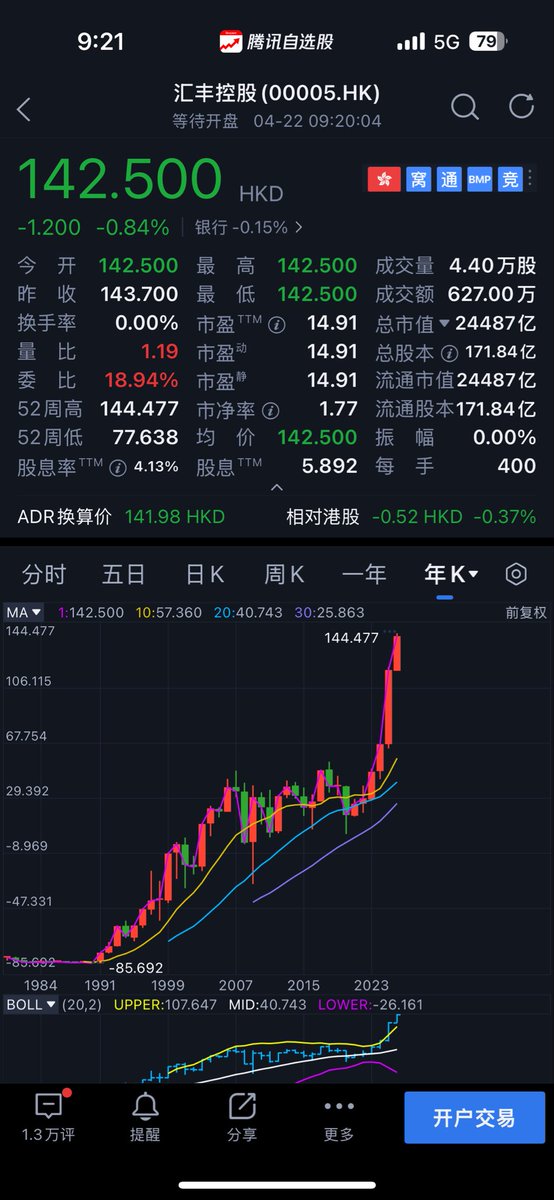
China’s coercive actions undermine the status quo, once again exposing the risks authoritarian regimes pose to the international order. Ahead of my visit to Eswatini, several countries along our flight route abruptly revoked overflight clearance under pressure from China. 1/2
English
1.6K
931
5K
1.1M
啥都懂.AI
啥都懂.AI@AnthonyZ_GTS·
@Krystal_Eth 币圈的口口声声去中心化,但是每天都在比哪个金融中心更有前景
中文
0
0
0
30
加密Krystal
加密Krystal@Krystal_Eth·
迪拜金融中心已经被玩废了,现在轮到坡县接刀了。。 这不,近期美国直接把301调查大棒挥向了新加坡,还一套组合指控:所谓“强迫劳动”“结构性产能过剩与生产过剩”,全是扣上现成的帽子。 谁都清楚鹰酱的心思——既想拿捏马六甲咽喉,又要拆了新加坡这个游离于自己完全掌控之外的亚洲金融枢纽。 港口与管辖权:咽喉要地的博弈 • 新加坡港是马六甲海峡咽喉、全球航运枢纽 • 美国想在港口、海事、供应链安全上扩大管辖权 • 新加坡一旦让步 ◦ 主权受损 ◦ 金融中心、航运中心的独立性直接废掉 ◦ 等于把“东方咽喉”交给美国控制 金融中心:确实在被“挖空” • 迪拜已明显弱化,资金与机构大量转新加坡 • 美国现在反过来挤压新加坡: ◦ 用301+监管施压 ◦ 同时拉拢、渗透新交所(如新交所—纳斯达克合作) • 逻辑:不让新加坡成为独立于美国的亚洲金融核心 吃了鹰酱这么多年的红利,现在是要连本带利往回吐的时候了吗?
加密Krystal tweet media
中文
94
34
305
123.9K
【除了中国】一个能打的都没有
@zaobaosg 坡县狗媒根本不懂中文,看看读读新闻稿! 核心就一句话→牢牢掌握自己的命运,实现地区长治久安。 要沙特与伊朗和解,驱逐美军,永续太平。 懂?
【除了中国】一个能打的都没有 tweet media
中文
1
0
0
331
联合早报 Lianhe Zaobao
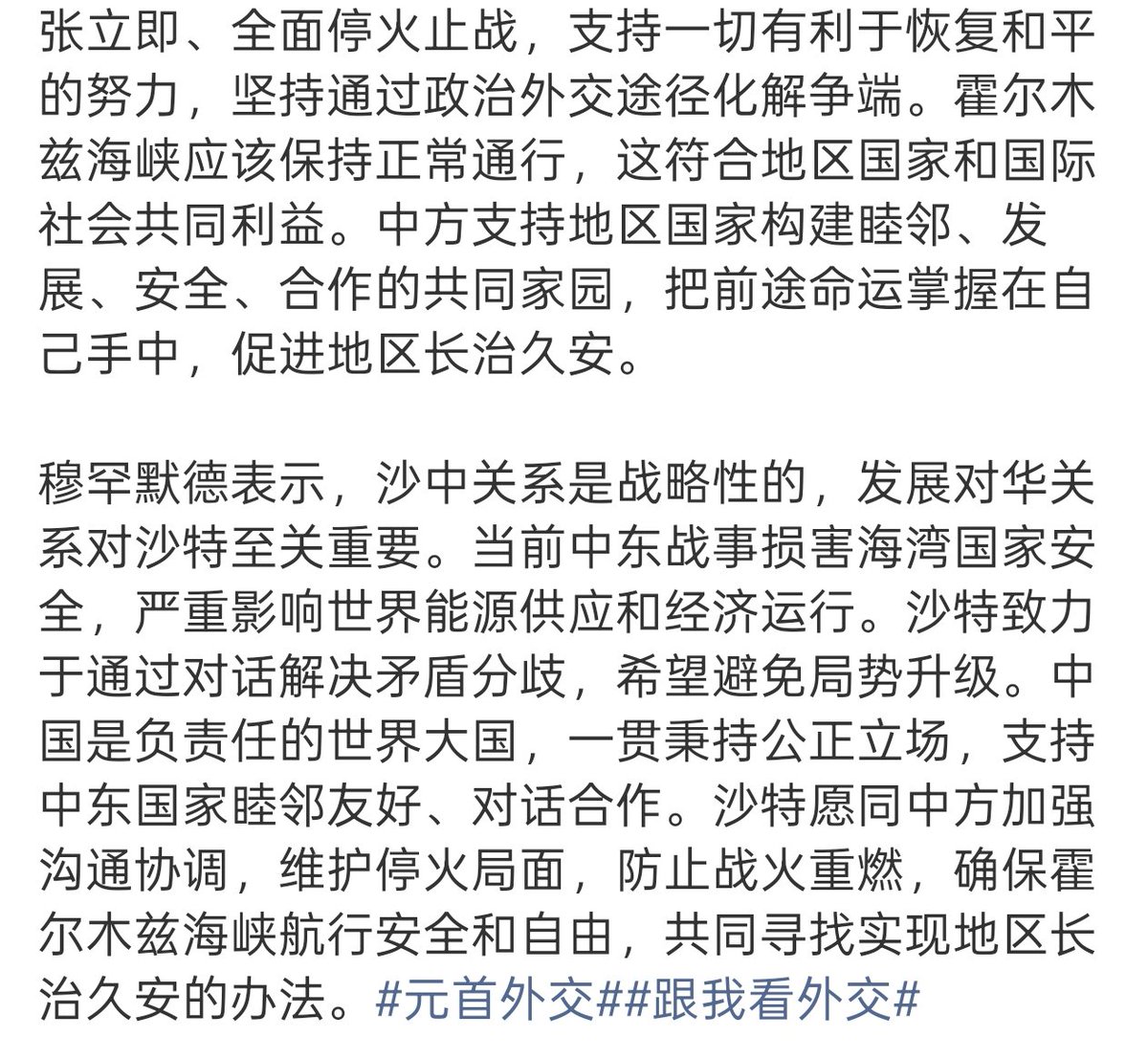
针对当前中东海湾地区局势,中国国家主席习近平说,中国主张立即、全面停火止战,霍尔木兹海峡应该保持正常通行,这符合地区国家和国际社会共同利益。 #Echobox=1776687276" target="_blank" rel="nofollow noopener">zaobao.com.sg/news/china/sto…
中文

17
0
28
18.1K
啥都懂.AI
啥都懂.AI@AnthonyZ_GTS·
@nytchinese 有病么,核武器拿来针对敌对国,海峡美国自己又不用,甚至还受益油价上涨。
中文
0
0
0
134
纽约时报中文网
纽约时报中文网@nytchinese·
美国封锁霍尔木兹海峡带来的影响是实实在在的。海运贸易约占伊朗经济产出的90%,而最近几天,这一流动已基本停滞。 伊朗认为这一封锁是战争行为,并威胁要对其发动攻击。但到目前为止,伊朗尚未采取行动,美国在当前停火期间也没有试图削弱伊朗对海峡的控制。 cn.nytimes.com/world/20260420…
中文
14
5
49
28.3K
Jukan
Jukan@jukan05·
@Musiclover2000A America’s financial engineering is far more advanced than China’s. And ByteDance doesn’t run a cloud business, does it?
English

7
0
46
6.4K
白嘉米🇺🇦
白嘉米🇺🇦@cammywhite777·
@xumouren_yt 现在墙内的网友已经在认真争论,俄罗斯到底打不打得过韩国了…… 已经不是那种俄罗斯稳赢的一边倒发言,而是双方都在列举各种数据,认真比较俄罗斯和韩国,究竟谁能打赢……
中文

8
2
37
11K
啥都懂.AI
啥都懂.AI@AnthonyZ_GTS·
U also deserve Malaysian ordinary people’s pay. U can’t expect a non-productive government to create the national wealth u r enjoying, that’s communism liar.
Astafgorilla🔻🪂@astaf_gorilla

@AnthonyZ_GTS Well im not one of the the most well paid politicians on the planet. If i were, i would take a paycut. I wouldnt even blink

English
1
0
0
296
啥都懂.AI
啥都懂.AI@AnthonyZ_GTS·
@KELMAND1 新加坡就是这几年和中国走得太近了,需要纠偏
中文
0
0
0
36
Eason Mao☢
Eason Mao☢@KELMAND1·
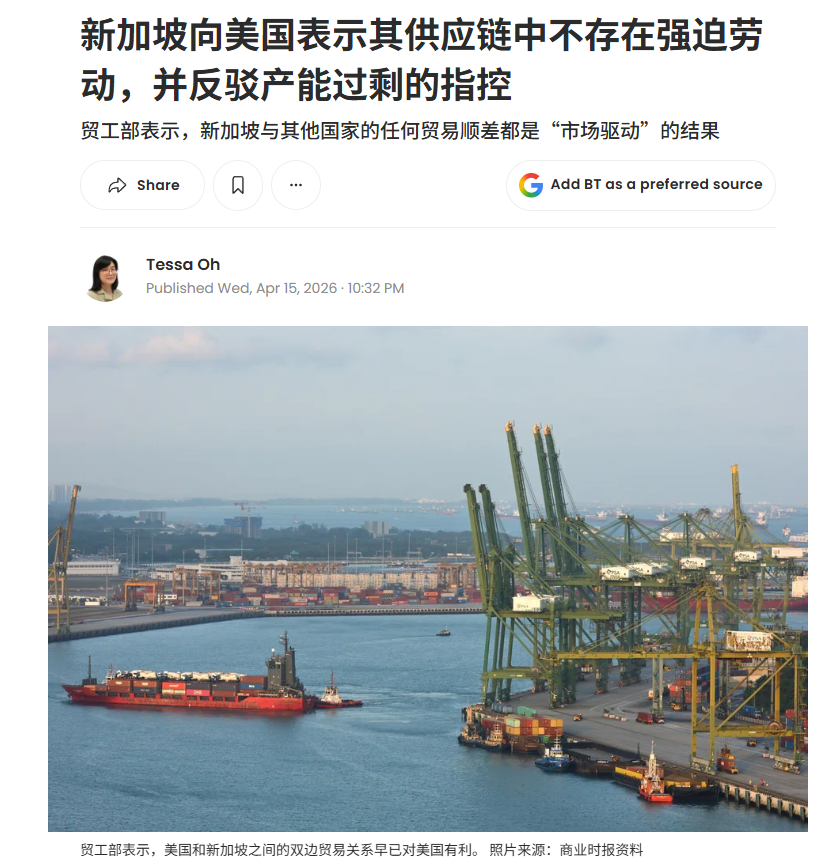
美国终于对新加坡下手了,指控它“产能过剩”和“强迫劳动”。 上个月,美国的301调查大棒也挥向了新加坡,美国还指责新加坡存在“结构性产能过剩与生产过剩”,而且顺道还带上了配套的“强迫劳动”。 “起初他们奔俄罗斯去的时候,我没有说话... 后来他们又奔中国去的时候,我没有说话... 最后他们奔我而来, 已经没有人能为我说话了。”
Eason Mao☢ tweet media
联合早报 Lianhe Zaobao@zaobaosg

近期,有大国对新加坡提出“产能过剩”与“强迫劳动”指控,这些论述实际上缺乏事实依据。从深层看,这更像是某些势力掩盖自身偏见,推行单边逻辑的手段。 #Echobox=1776460749" target="_blank" rel="nofollow noopener">zaobao.com.sg/forum/talk/sto…

中文
166
131
896
225.2K