ArmCare.com

1.2K posts

ArmCare.com banner
ArmCare.com

ArmCare.com

@ArmCarecom

The world's first arm health assessment, training and monitoring platform for baseball players and coaches

Lakewood, CO & Indialantic, FL Katılım Ocak 2012
689 Takip Edilen4.6K Takipçiler
Sabitlenmiş Tweet
ArmCare.com
ArmCare.com@ArmCarecom·
The Truth About Pitch Counts: Are You Risking Your Arm? Traditional pitch counts are outdated. They treat every player the same—ignoring players arm strength, fatiguability and how well they recover. That’s a recipe for injury. Individualized Pitch Counts change the game. Instead of guessing, we use real data to set daily limits based on your arm’s condition. Strength, fatigue, recovery—it all matters. Learn more 👇
English
2
2
8
3.6K
ArmCare.com retweetledi
Preston Benedict
Preston Benedict@pBenny7·
Arm speed is arm stress. The velocity that continues to trend upward is a massive reason the injuries continue to grow, but with any stressful action, there are ways you can shield & disperse stress away from stabilizing tissues. It’s hard to change the tire on a moving vehicle though, so often times managing throwing workloads to coincide with proper training techniques in the weight room are what’s necessary to build up the arm strength necessary to stress shield. Asking an athlete to go through countless rotator cuff, posterior shoulder, serratus anterior, flexor pronator work, etc as part of a solid “arm care” routine, yet not considering the accumulative stress done by throwing workloads is asking the athlete to train WITH fatigue rather than away from it. This will only lead to further injury. The guys at ArmCare have this absolutely right. I don’t see how anyone programs without the information they can provide. #OneArmOneCareer #StrengthMattersMost
ArmCare.com@ArmCarecom

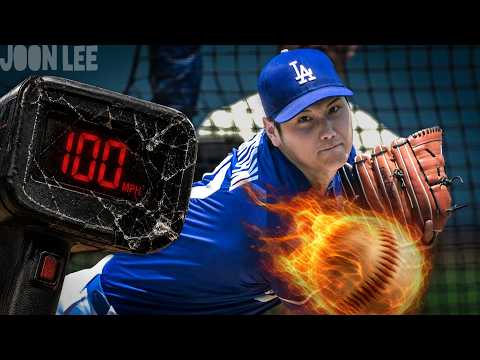
youtu.be/MxA7zNBLmvs?si… 100 mph is no longer rare. Unfortunately, arm injuries aren’t either. After watching this outstanding video by Joon Lee and Adam Ottavino on the rise of 100 mph pitchers, the message felt clear: velocity keeps climbing, injuries keep climbing...and there may be no real solution to the arm injury epidemic. I disagree. The solution is here. The challenge is having the discipline to listen. Here’s what makes this so difficult...ArmCare tests a pitcher’s arm before they throw and compares that data to their normal baseline. If arm strength is down 8+ lbs, if fatigue is showing up, if imbalances show up, if recovery is off...the app doesn’t just show the data. It flags it and may tell that pitcher: do not pitch today. And I get it...it’s a big game. Your ace is on the mound. You run the test, see the alert, question it, test again...same result. The arm is fatigued. Now the coach has a decision to make. Listen to the arm...or roll the dice. Research has shown pitching while fatigued is the #1 risk factor for injury, making a pitcher 36x more likely to get hurt...not 36%, 36 times. That’s the uncomfortable truth. Most major arm injuries aren’t coming out of nowhere. The warning signs were there. The data was there. The arm was talking. And here’s what’s often missed...fatigued arms usually don’t perform their best anyway. Command is often the first thing to go. More missed spots. More stressful pitches. More fatigue. More risk. The hardest part in baseball isn’t collecting the data. It’s having the courage to trust it when the game is on the line.

English
0
2
5
2.3K
ArmCare.com
ArmCare.com@ArmCarecom·
youtu.be/MxA7zNBLmvs?si… 100 mph is no longer rare. Unfortunately, arm injuries aren’t either. After watching this outstanding video by Joon Lee and Adam Ottavino on the rise of 100 mph pitchers, the message felt clear: velocity keeps climbing, injuries keep climbing...and there may be no real solution to the arm injury epidemic. I disagree. The solution is here. The challenge is having the discipline to listen. Here’s what makes this so difficult...ArmCare tests a pitcher’s arm before they throw and compares that data to their normal baseline. If arm strength is down 8+ lbs, if fatigue is showing up, if imbalances show up, if recovery is off...the app doesn’t just show the data. It flags it and may tell that pitcher: do not pitch today. And I get it...it’s a big game. Your ace is on the mound. You run the test, see the alert, question it, test again...same result. The arm is fatigued. Now the coach has a decision to make. Listen to the arm...or roll the dice. Research has shown pitching while fatigued is the #1 risk factor for injury, making a pitcher 36x more likely to get hurt...not 36%, 36 times. That’s the uncomfortable truth. Most major arm injuries aren’t coming out of nowhere. The warning signs were there. The data was there. The arm was talking. And here’s what’s often missed...fatigued arms usually don’t perform their best anyway. Command is often the first thing to go. More missed spots. More stressful pitches. More fatigue. More risk. The hardest part in baseball isn’t collecting the data. It’s having the courage to trust it when the game is on the line.

YouTube video
YouTube
English
1
3
4
4.1K
ArmCare.com
ArmCare.com@ArmCarecom·
@chriskilroy @shegone03 @MagnoliaToomer @UnfetteredDad Which is exactly why youth throwing workloads, recovery, fatigue, and long-term development need to be taken seriously. The entire point of our post was advocating for more conservative management of high-stress youth throwers, not pushing kids to throw harder.
English
0
0
0
13
ArmCare.com
ArmCare.com@ArmCarecom·
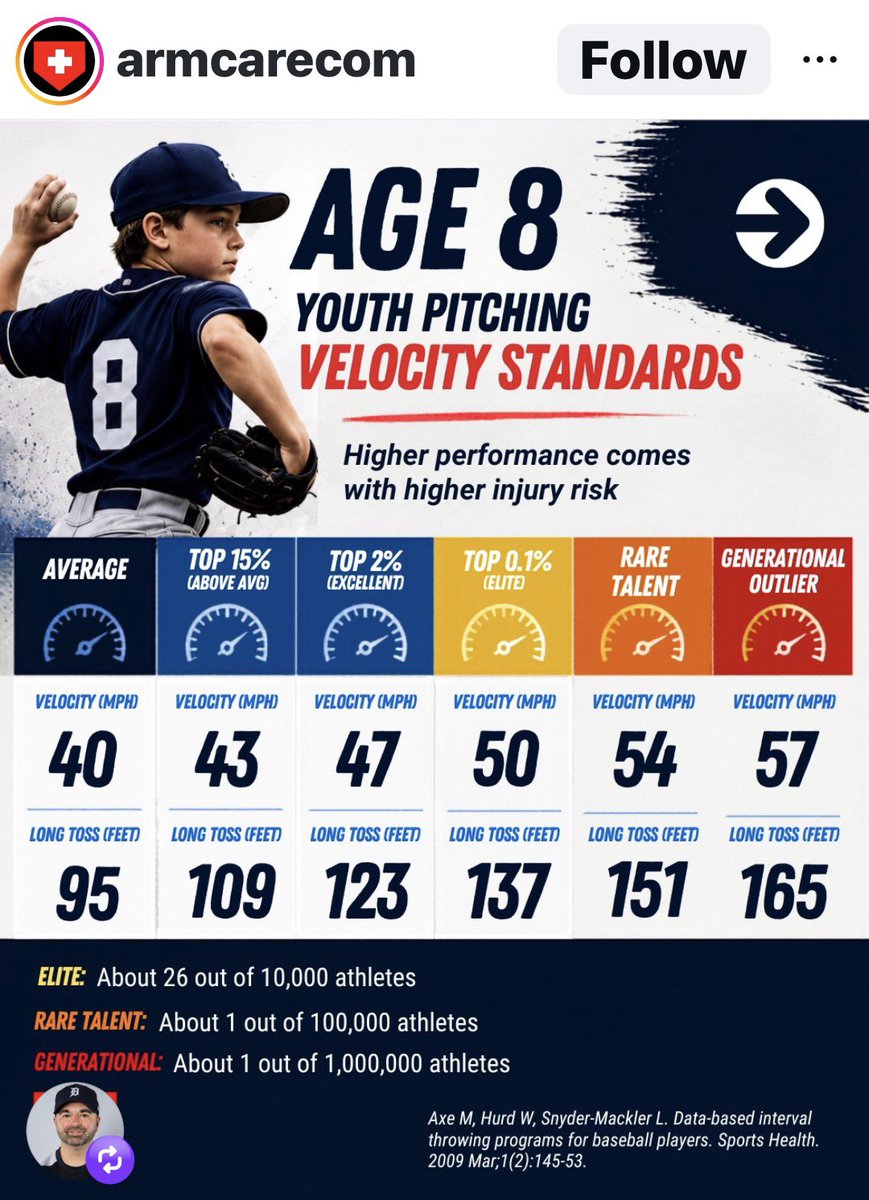
We actually agree with much of what’s being said here. @shegone03 @MagnoliaToomer @UnfetteredDad 8-year-olds should be having fun, learning the game, and not chasing velocity. This post from our Instagram got some hate after being reposted by @shegone03 on X without the full context. To be clear, we never said these were “benchmarks” kids need to chase. The point of the post was actually the opposite. The data comes from a 2009 paper by Axe et al. focused on protecting young throwing arms. The authors specifically noted that young athletes throwing significantly harder and farther than their peers may require more conservative workload management because of the increased stress placed on growing tissues. In other words: Higher velocity = higher stress = greater need for monitoring, recovery, strength, and smart workload management. Please read the original post on our Instagram before drawing conclusions. And we’ll say it again... “The goal isn’t to be the hardest thrower at 10 years old...it’s to still be throwing hard 10 years later.”
ArmCare.com tweet media
English
4
1
6
1.1K
ArmCare.com
ArmCare.com@ArmCarecom·
@AnnoyedSoFLGuy @shegone03 @MagnoliaToomer @UnfetteredDad You’d be surprised. A lot of youth baseball culture still treats the hardest thrower as the kid who should also throw the most. The point of the study was to quantify that risk and recommend more conservative management for those athletes.
English
0
0
0
26
ArmCare.com
ArmCare.com@ArmCarecom·
@AnnoyedSoFLGuy @shegone03 @MagnoliaToomer @UnfetteredDad No, a radar gun isn’t required. The study also provided long toss distances that correlated with velocity. Our actual message is that unusually hard-throwing kids require careful monitoring, not that parents should start chasing radar numbers at 8 years old.
English
1
0
1
47
ArmCare.com
ArmCare.com@ArmCarecom·
For the record, we never said anything about “chasing velo.” What we said is that throwing unusually hard at a young age presents higher stress and, therefore, may require more careful management. You’re absolutely right that youth performance does not predict future pro success. Most kids won’t play professionally, and youth baseball should absolutely still be fun. But for the athletes who are throwing exceptionally hard, coaches and parents need tools and education to help manage workload, recovery, and long-term development responsibly.
English
0
0
0
11
ArmCare.com
ArmCare.com@ArmCarecom·
Managing a 10-year-old arm means rest, proper recovery, appropriate development, and keeping throwing workloads under control. We’d completely agree that teaching them how to throw and recovery matter. Most ArmCare users are high school, college, and professional athletes…but the same concepts around fatigue and workload management can absolutely apply to youth athletes, especially highly motivated players and those at a greater risk of injury.
English
0
0
0
9
ArmCare.com
ArmCare.com@ArmCarecom·
What are you tearing apart? We totally agree that the priority at 8 years old should be loving the game, developing athleticism, and learning how to play baseball. Our post referenced research showing that some kids naturally throw much harder than their peers and often get overused because they’re the best player on the team. The point was that those athletes should probably throw less, not more, because of the increased stress placed on their arm. The point of the post was never to "chase velo" despite being framed like that.
English
0
0
1
10
Darren Redmond
Darren Redmond@RedmondsRoom·
I can tear that apart all day. At eight years of age, you want them to fall in love with the game and learn the cerebral approach to the game. There were so many variables that you’re not taking into account and you know that Because if you don’t realize that then that’s another whole problem
English
1
0
0
17
ArmCare.com
ArmCare.com@ArmCarecom·
Generally speaking, things like fewer pitches than their peers, more time off between pitching, avoiding year-round competition, closely monitoring fatigue, not moving to catcher or short after pitching, etc. And for players who use our app, not pitching when fatigue recovery alerts are present. As for how well it’s followed…not even close to what it should be. The best player on the team is often the one coaches are most tempted to overuse.
English
0
0
0
12