Milton retweetledi
Milton
8.9K posts

Milton
@AromaticsMilton
Cartography | Philately | Geography | Urban Planning | Ancient Rome | Local History | Archaeology
Calgary, Alberta Katılım Kasım 2013
208 Takip Edilen245 Takipçiler
Milton retweetledi

Milton retweetledi
Milton retweetledi

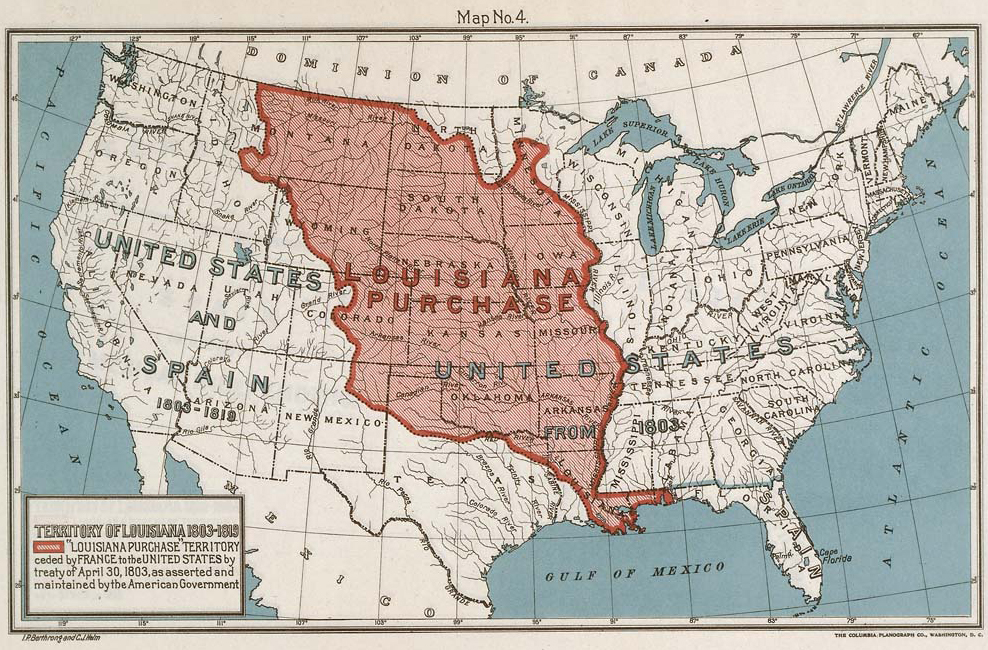
Le 3 mai 1803, Napoléon vend la Louisiane aux Américains.
2 144 000 kilomètres carrés. Du golfe du Mexique jusqu'à la frontière canadienne, du Mississippi aux Rocheuses. Un territoire plus vaste que la France, l'Espagne, l'Allemagne et l'Italie réunies. 22% de la superficie actuelle des États-Unis.
Prix : 15 millions de dollars. Soit 80 millions de francs. Soit 3 cents l'acre.
Les Américains étaient venus à Paris pour acheter la Nouvelle-Orléans. Napoléon leur a proposé tout le territoire d'un coup. Ses négociateurs n'en revenaient pas.
Pourquoi brader un empire colonial entier ? Parce que son armée venait d'être décimée à Saint-Domingue par la révolte des esclaves et la fièvre jaune. Parce qu'une nouvelle guerre contre l'Angleterre se profilait. Et parce qu'il savait que sans flotte, la Louisiane tomberait aux mains des Britanniques.
Son calcul : mieux valait vendre le territoire aux Américains que le perdre face aux Anglais. Et créer un rival de l'Angleterre de l'autre côté de l'Atlantique.
Thomas Jefferson avait autorisé ses négociateurs à dépenser 10 millions de dollars maximum. Ils en ont dépensé 15. C'était une fois et demie le budget annuel de l'État fédéral. Pour financer l'achat, les États-Unis ont dû emprunter, à 6% d'intérêt, auprès d'une banque anglaise. La Barings.
En une signature, les États-Unis ont doublé leur superficie. L'achat de la Louisiane est l'acte fondateur de la conquête de l'Ouest.
Aujourd'hui encore, La Nouvelle-Orléans a un quartier français, des noms de rue en français, et des descendants de colons qui parlent encore la langue.

Français
Milton retweetledi

The Forest of Butovo— Where over 1000 clerics were executed
The Butovo Forest was an execution site of the Soviet secret police located near Drozhzhino in Leninsky District, Moscow Oblast from 1938 to 1953.
Butovo was used for mass executions and mass graves during Joseph Stalin's Great Purge, with 20,761 prisoners of various nationalities documented as being transported to the site and executed.
In the winter of 1937 a group of priests, including an old bishop, were transported in the "black crow" (Stalin's closed trucks of the Communist secret police) to the scene of the execution. The ground was icy, hard as a rock.
The guards, with their faces covered, ordered them to come out. The procedure was regular, cold and fast. However, something happened that the municipalities did not expect.
As they were set at the edge of the plough, the bishop, with a trembling but clear voice, began to sing "Christ is Risen".
The other priests, instead of crying or asking for mercy, joined him. Their chants echoed in the forest, breaking the absolute silence of death.
An officer yelled to stop, marking the bishop in the face. He looked at him in the eyes with a peace that seemed eerie. "We forgive you, my children," he whispered, "for you do not know what you do." Every time a priest fell into the gap, the next would pick up the hymn from where the previous one had left off.
With the last priest standing, the congregations were frozen. It wasn't the fear of death that shook them, but the lack of fear on the part of their victims. The last priest made the sign of the Cross, blessed his shooters, and fell into the pit before the final bullet was even heard.
It is said that for years later, the inhabitants of the surrounding areas avoided approaching the Butovo Forest. They said that at nights, when the wind was blowing from the north, you could still hear the heavenly chants coming from through the earth.
Today, a magnificent temple is erected on that spot. At its foundations are guarded thousands of objects found in the excavations: small crosses, etc., witnesses to a faith not defeated by bullets.
From the book: Testimonies of Butovos - the Calvary of the Russian New Martyrs.

vlad ☦︎@jvlad20
Why don’t schools teach about the Bolsheviks who killed millions of Orthodox Christians? Churches were destroyed, icons and relics smashed, priests executed and the faithful who resisted were tortured.
English
Milton retweetledi
Milton retweetledi
Milton retweetledi
Milton retweetledi

FIRST ISSUE of the Day: Indian Convention State Faridkot SG1 Sc42 issued 1st January 1887. After initially issuing stamps as a Feudatory State, Faridkot transitioned to a Convention State in 1887. #philately

English

Just how fascinating how Roman culture influenced British culture
Amazing Maps@amazingmap
The Roman roads that still shape Britain today
English
Milton retweetledi
Milton retweetledi

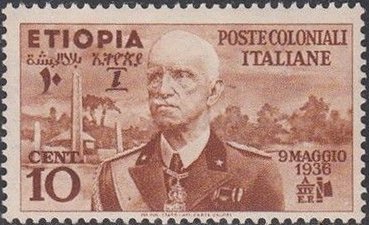
FIRST ISSUE of the Day: Ethiopia Sc-N1 SG322a issued 1936. Italy invaded Ethiopia in 1935 and annexed the country in May 1936, proclaiming the King of Italy as emperor. In June 1936 Ethiopia was incorporated with Eritrea and Italian Somaliland as Italian East Africa. #philately

English
Milton retweetledi

5/1/26
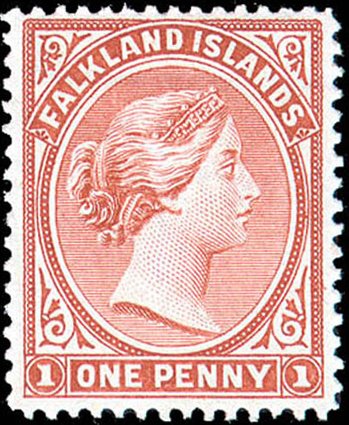
FIRST ISSUE of the Day: Falkland Islands Sc 1 SG 1 issued in 1879. British gained control of the islands and made it a crown colony in 1840 and now is a self-governing British Overseas Territory. #philately

English
Milton retweetledi

FIRST ISSUE of the Day: Estonia Sc/SG #1 issued November 22, 1918. Estonia was acquired from Sweden by Russia in 1721 by Peter the Great, following the Great Northern War. Estonia declared independence on February 24, 1918, following the Russian Revolution. #philately

English