Athena Iver

1.8K posts

Athena Iver banner
Athena Iver

Athena Iver

@AthenaIver

On the philosophy of spirituality, religion, psychotherapy and freedom.

Katılım Ocak 2025
231 Takip Edilen342 Takipçiler
Sabitlenmiş Tweet
Athena Iver
Athena Iver@AthenaIver·
Knowledge is the basis of your ability to adapt to the world. Wisdom is the basis of your ability to become immune to its suffering.
English
1
0
17
967
Athena Iver
Athena Iver@AthenaIver·
@TVachaW Top prediction! Not obvious to see as we tend to think that an aged mind is better, more wise. Also way more accessible to the mainstream (as basic 2-channel EEG devices are about $400). That, plus online tests (basically free) would be all you need to get decent estimates.
English
0
0
0
89
Vacha
Vacha@TVachaW·
With reversing physical aging becoming increasingly fashionable, I predict we’ll see a rise of interest in reversing psychological aging. I think we’ll soon see a “Brian Johnson of psychological longevity.” Some of the neurological signs of psychological aging are: - Increased Default Mode Network activity - Decline in Salience Network sensitivity and efficiency - Reduced dopaminergic tone - Reduced neuroplasticity - Increased top-down predictive processing bias On an experiential level, this is experienced as: - A less vivid, vital, fresh experience of the world - Reduced sensory sensitivity and clarity - Reduced mental flexibility - More difficulty experiencing novelty and developing new patterns of thought and feeling - Less openness to new experiences and difficulty updating prior beliefs - Increasingly seeing the world through a layer of ossified concepts - A sense that nothing is ever happening for the first time before No doubt some exciting physical technologies will emerge to help reverse these symptoms of psychological aging. But until then, meditation (arguably along with psychedelics) is the best technology on the market. Meditation has been scientifically shown to reduces DMN dominance and self-referential processing and there is indirect evidence that it improves salience and sensory vividness. All this is consistent with the subjective experience of meditators of experiencing more sensory clarity, experiential freshness, novelty, mental flexibility and in general an increased ability to “see the world through the eyes of a child.” It works by bypassing the many layers of ossified conceptual thinking and getting us back in touch with a more raw experience of our senses and inner world. There is a definite niche atm for anyone who can become a “Brian Johnson of the brain” and start measuring, attributing and measurably improving these psychological ageing markets consistently over time.
Bryan Johnson@bryan_johnson

the world becoming infected with longevity fervor

English
6
5
66
5.1K
Athena Iver
Athena Iver@AthenaIver·
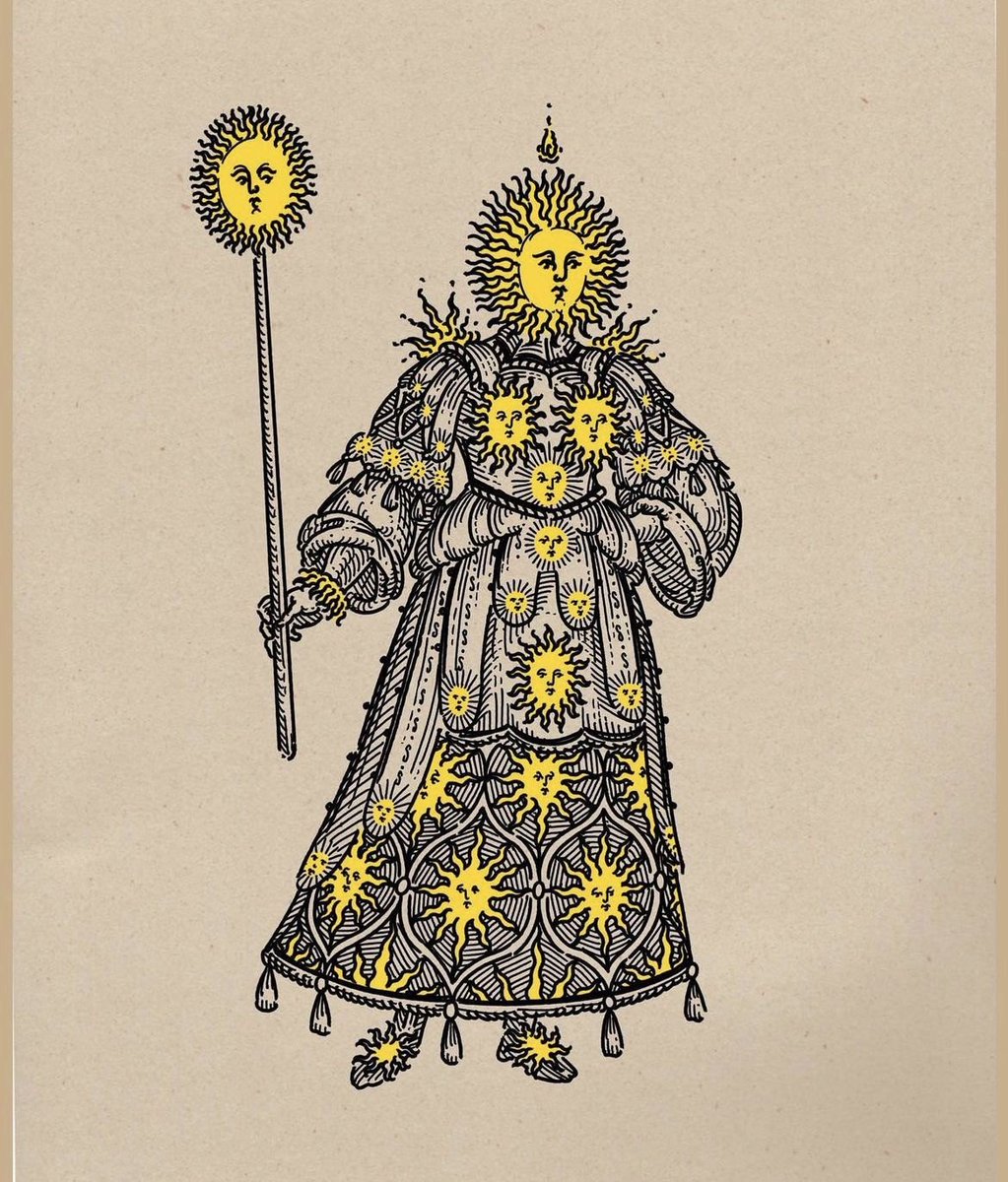
Our sense of self is defined by the challenges we undertake. We know who we are by what we choose to confront. This is how we reveal our true nature to ourselves.
Athena Iver tweet media
English
0
0
6
121
Athena Iver retweetledi
B the Mystic
B the Mystic@Aximilli13·
When I was deep into Zen I discovered that the Buiddha's smile was my own. It seems to me that recognizing ones Buddha nature can be an ideal vantage point for seeing who one is in Christ. For me Zen did the holy work of stripping away the false center. I entered into an emptiness full of everything Christ is emptying itself out to be.
English
2
2
15
216
Athena Iver
Athena Iver@AthenaIver·
The most sinister thing about evil is that it exists only in darkness. It creeps up on us without us knowing. It might move within us, undetected. We might do its bidding, totally unaware. By its very nature, it can not be seen... Unless we shine a light on it. The contrasting theme of light/darkness is so prevalent in spiritual discourse for this reason. We are born into darkness, unaware of our own selfishness. Unaware of the dangers of the world. We become enlightened by bringing light to a once dark place within ourselves. It allows us to see clearly. The term enlightened comes from Latin: illumināre. Literally meaning “to light up / make bright”. Spiritual exploration is the process of finding the light within ourselves, and letting it out so that it may allow us to see things clearly, as they truly are. This will expose what lurks within the darkness. Luckily for us, the most sinister thing about evil is also a great blessing. Evil can only exist in darkness.
Athena Iver tweet media
English
0
0
3
108
Athena Iver
Athena Iver@AthenaIver·
@TVachaW Spiritual exploration teaches us that foundations are built from the top down, since we need to conceptualize what is the greatest sense of goodness before striving toward it.
English
0
0
1
98
Vacha
Vacha@TVachaW·
Buddhism can be confounding to westerners as it essentially turns Maslow’s Hierarchy of Needs on its head. The western model says that if we get enough stuff, enough love, enough respect, enough status, then one day we may Self-Actualize. Buddhism teaches almost the exact opposite. Instead of an accumulation of met needs, it invites a gradual stripping away of what we perceive of as needs. We let go of our need for admiration and status. We let go of our need to be loved in a specific way by a specific set of people. We let go of as many physical needs we have until all we have left are our basic physiological needs. With all these needs shed, we are now sufficiently transparent to ourselves to see that “Self Actualization” (or “non-Self Actualization as Buddhists would have it) is a state that lies *beneath* all our needs, not a state will climb a ladder of needs to reach. It is the base of who we are, not the pinnacle. Spontaneity, creativity, acceptance, morality, meaning, purpose, inner potential and true love… All of these are qualities of our true nature when we cease clinging to our extraneous needs. Our deepest potential is reached not by a journey of accumulation, but by a journey of release. It is recognized not by climbing to the top of a mountain of stuff, but rather by recognizing the abundance that is already inherent inside us. Right here, right now.
Vacha tweet media
Nicole Filippone, Autistic Advocate & Author@sensorystories_

Maslow's hierarchy of needs concept is missing something massive when it comes to the human experience... Everything that happens BEFORE a person's basic needs are met (the bottom tier of the pyramid).

English
25
82
758
38.7K
Athena Iver
Athena Iver@AthenaIver·
@mnsh_gr I sometimes play this game in the car with my friends on road trips where we try and come up with deep-sounding statements that actually mean absolutely nothing. It is really fun. For example: “An open eye obtains insight on what we truly see.”
English
0
0
0
50
Athena Iver
Athena Iver@AthenaIver·
I was thinking about this yesterday. Exactly this is why we should teach children from a young age to be generous just because it’s what they must do. Even if we have to use self-oriented mechanisms of reward (initially), since at least they will have a fundamental base layer of generosity which will make things easier for them in the future as autonomous adults if they ultimately choose to commit themselves to the path.
English
0
0
1
217
RomeoStevens
RomeoStevens@RomeoStevens76·
Generosity is the first training because it undermines the three poisons.
English
3
5
91
5.2K
Athena Iver
Athena Iver@AthenaIver·
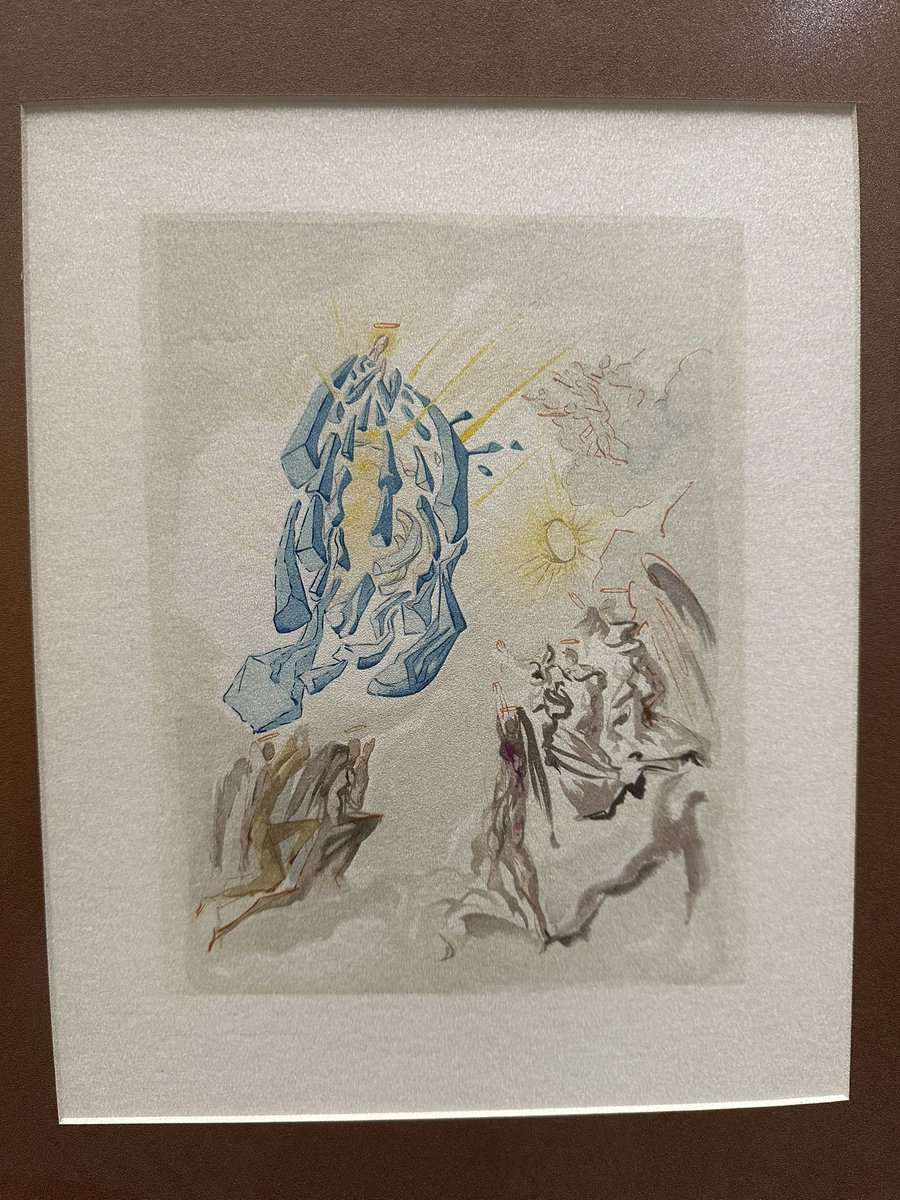
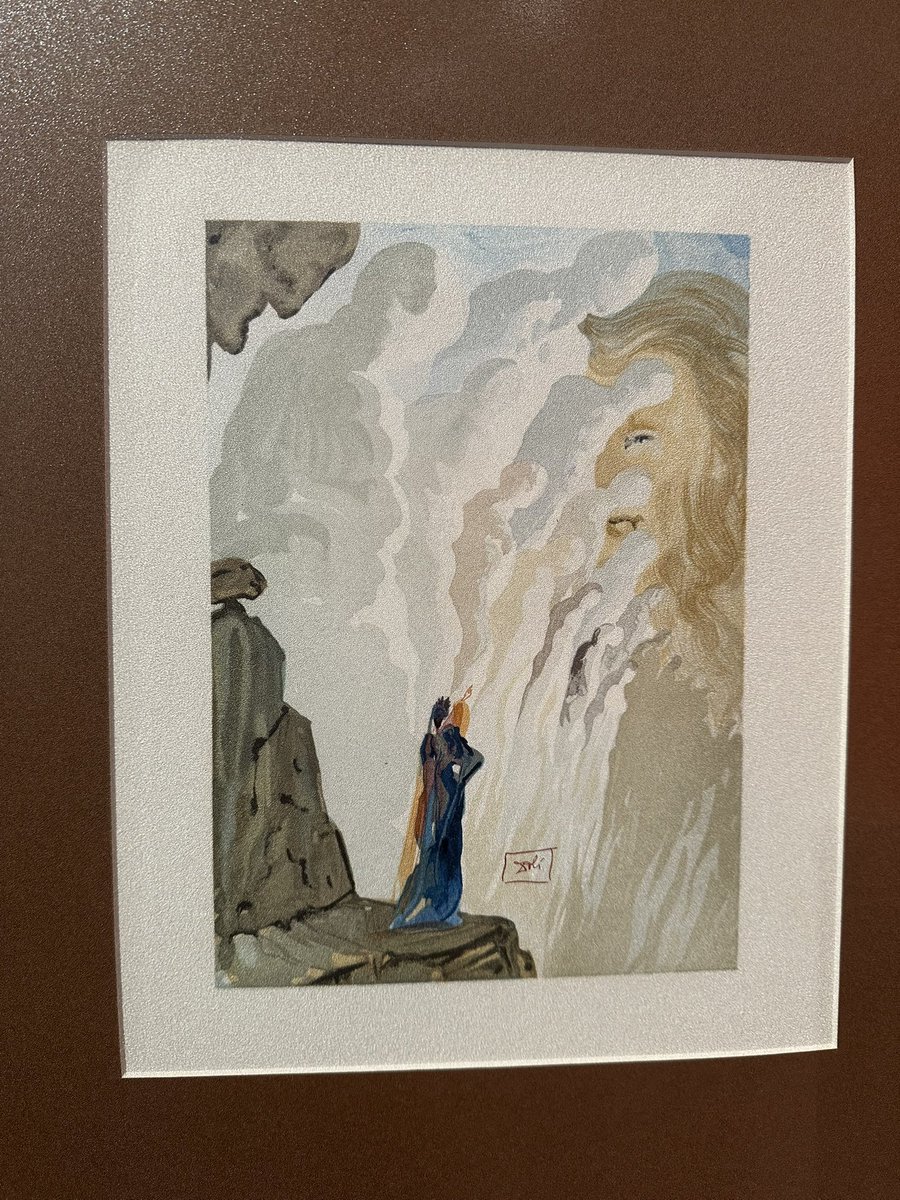
@desertgodhead Beautiful. I love how it seems unfinished. Gives it a dream like quality.
English
0
0
0
60
samsara inri
samsara inri@desertgodhead·
Dali illustrating divine comedy
samsara inri tweet mediasamsara inri tweet mediasamsara inri tweet media
Italiano
1
0
3
234
Athena Iver
Athena Iver@AthenaIver·
I can see that, and that's true. But just to be clear, I'm not advocating for Christianity to get co-opted into identity or politics at all. Just simply saying that the philosophy and value system of the US as a country and the West as a whole is more aligned with Christianity than other religions by contrast - because Christian philosophy shaped Western institutions, including legislative institutions, moral institutions, and even economic institutions, too
English
0
0
0
26
B the Mystic
B the Mystic@Aximilli13·
@AthenaIver @DouthatNYT I think we’ve seen well what happens when religion gets co-opted into identity and politics… The gospel cannot be legislated it must be known and lived.. Cultural Christianity is so often empty of Christ, dry of spirit….
English
1
0
1
40
Athena Iver
Athena Iver@AthenaIver·
I'm certainly with you on that. What I infer to be Richard Dawkins' meaning is that the culture of the West and therefore the U.S. is built on Judeo-Christian values. So despite being a secular society, the philosophical underpinnings of the U.S. come from how Christianity has shaped morality and enlightenment philosophy within the West. Then, of course, there's a mystic element to Christianity that goes beyond just that.
English
1
0
1
36
B the Mystic
B the Mystic@Aximilli13·
@AthenaIver @DouthatNYT I’m not sure being Christian and “obeying US laws” are synonymous… Becoming clear on who we are in Christ is spiritual not material.
English
1
0
1
28
Athena Iver
Athena Iver@AthenaIver·
For me, it is: - @nickcammarata for insights on meditation work and technique. - @TVachaW for unveiling profound truths, communicated with simplicity (not easy to do). - @DavidDeutschOxf for explaining how fundamentally achievable progress ought to be. - @naval for demonstrating how to live well with one foot in both worlds (the spiritual world and the working world).
English
0
0
2
88
Athena Iver
Athena Iver@AthenaIver·
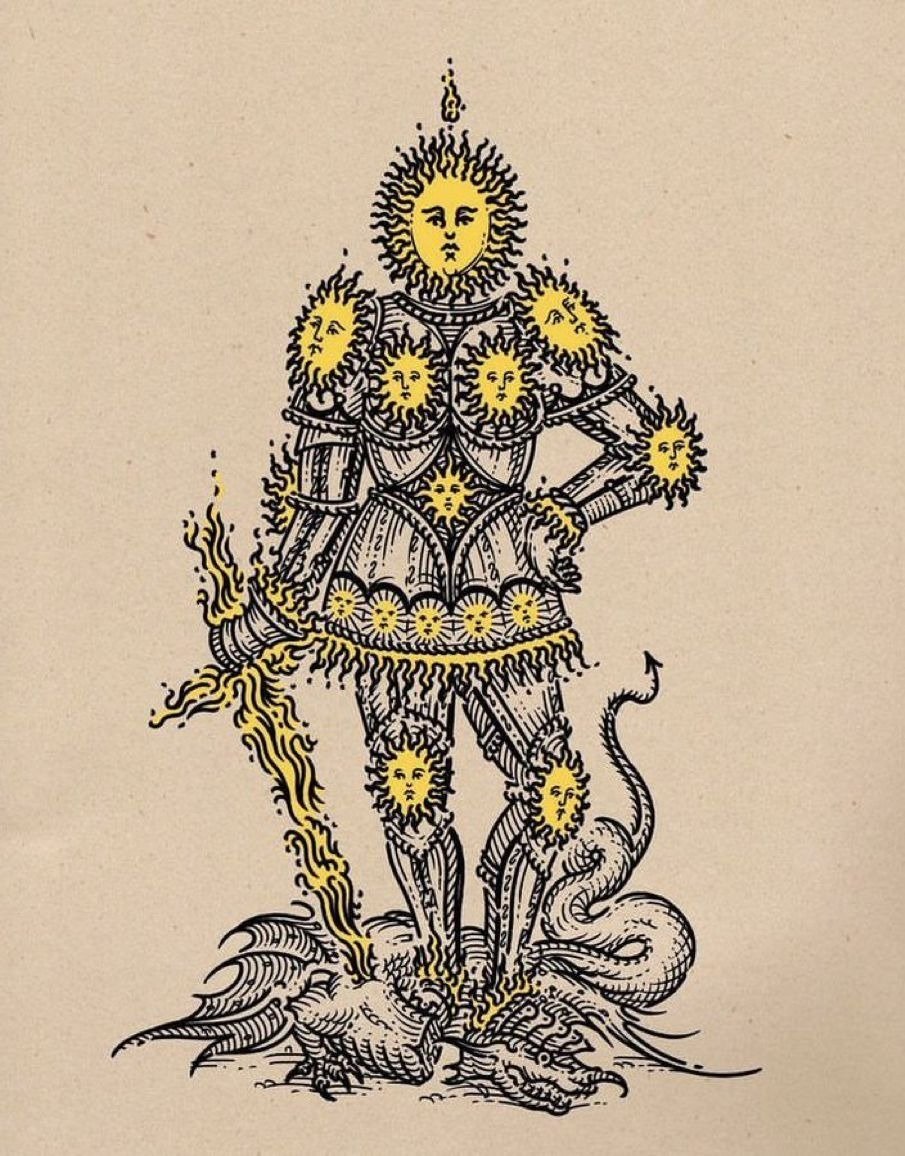
A hero puts on the armour of light when they receive their calling. But a mentor figure, a psychopomp, instructs on how to be reborn. How to cast off darkness and take on the armour of light. This is the mark of a good influencer. Someone who already put on the armour of light, long ago. They can see what it is like when darkness hangs over someone else. When you speak with them, you leave the interaction wanting to become something better, something new. They inspire and accompany transformation rather than commanding it. There are very few people like this in the world. But not if you know where to look... So my ask for the seekers reading this - tag the person here on Twitter who fills that role as your psychopomp. Bring them to the light.
Athena Iver tweet media
Athena Iver@AthenaIver

The idea of rebirth is one of the most powerful ideas in Christianity. That our ability to be reborn into something better is innate and part of prophecy. The Bible takes poetic liberties when describing the good life, which I like. This line about rebirth has been on my mind for the last week: "The night is far gone; the day is at hand. So then let us cast off the works of darkness and put on the armour of light." It comes from Paul the Apostle, writing a letter from Greece to the Christian communities in Rome around AD 56–58. In the ancient Greco-Roman world, history was usually seen as cyclical (because ages rise and fall). But the hubris of the Romans saw it as static (Rome was so powerful, it was bringing lasting order to society). But Paul rejected both of these ideas and saw a third door. He thought history was linear, led by people with purpose, and moved toward a decisive climax initiated by God. A big reason for this was because of how scripture told of the second coming of Christ. Maybe Paul took that literally. Maybe he didn't. Nevertheless, inherent to the idea is this certain prophecy of there always being a new day. It is also a calling for us to welcome the new day by putting on armour of light. To be emboldened spiritually. I really like this because it suggests that we have to: - Take action to banish the darkness. - Take action to bring about the light. We see the light when we are attentive to it. It made me think of when I have done loving-kindness meditation, which is essentially the same. We need to dispel whatever thoughts cloud our judgment, and then redirect our thoughts to the light - to goodness. Fundamentally, I see it as not too different from this passage from the Dhammapada: “Heedfulness is the path to the Deathless; heedlessness is the path to death. The heedful do not die; the heedless are as if already dead.” I am a big advocate of cross-pollinating between spiritual paths, and comparative literature between spiritual texts. It brings us all closer together, and upward. Remember, today, to put on your armour of light!

English
1
0
4
276
Benedikt
Benedikt@Philip2Phl99·
Affirm: I won't talk about esoteric matters on the family dinner table
English
4
0
3
195
Athena Iver
Athena Iver@AthenaIver·
Yes, melody is a good way to think of it. I was reading two nights ago about how Arthurian myths were spread across Europe. Much of it was at the hands of bards and storytellers, who would tell these tales with song. We don't see much of that anymore from spiritual leaders in the West, despite it being such a powerful mechanism to evoke an emotional response in the listener. A close modern proxy would be big theatre productions, which leave secular audiences spiritually emboldened, as if they are wearing an armour of light.
English
1
0
1
69
Vacha
Vacha@TVachaW·
@AthenaIver Yeah, that’s the part it definitely wanted emphasising. The cadence of the melody also emphasises it.
English
1
0
1
62
Vacha
Vacha@TVachaW·
There’s a song I once channeled from a plant, which has been one of the most powerful pieces of guidance for my spiritual path. It’s words were: “Rise into the light Or fall into the night There is no inbetween There is no inbetween”
Athena Iver@AthenaIver

The idea of rebirth is one of the most powerful ideas in Christianity. That our ability to be reborn into something better is innate and part of prophecy. The Bible takes poetic liberties when describing the good life, which I like. This line about rebirth has been on my mind for the last week: "The night is far gone; the day is at hand. So then let us cast off the works of darkness and put on the armour of light." It comes from Paul the Apostle, writing a letter from Greece to the Christian communities in Rome around AD 56–58. In the ancient Greco-Roman world, history was usually seen as cyclical (because ages rise and fall). But the hubris of the Romans saw it as static (Rome was so powerful, it was bringing lasting order to society). But Paul rejected both of these ideas and saw a third door. He thought history was linear, led by people with purpose, and moved toward a decisive climax initiated by God. A big reason for this was because of how scripture told of the second coming of Christ. Maybe Paul took that literally. Maybe he didn't. Nevertheless, inherent to the idea is this certain prophecy of there always being a new day. It is also a calling for us to welcome the new day by putting on armour of light. To be emboldened spiritually. I really like this because it suggests that we have to: - Take action to banish the darkness. - Take action to bring about the light. We see the light when we are attentive to it. It made me think of when I have done loving-kindness meditation, which is essentially the same. We need to dispel whatever thoughts cloud our judgment, and then redirect our thoughts to the light - to goodness. Fundamentally, I see it as not too different from this passage from the Dhammapada: “Heedfulness is the path to the Deathless; heedlessness is the path to death. The heedful do not die; the heedless are as if already dead.” I am a big advocate of cross-pollinating between spiritual paths, and comparative literature between spiritual texts. It brings us all closer together, and upward. Remember, today, to put on your armour of light!
English
2
1
31
2.4K
Athena Iver
Athena Iver@AthenaIver·
The idea of rebirth is one of the most powerful ideas in Christianity. That our ability to be reborn into something better is innate and part of prophecy. The Bible takes poetic liberties when describing the good life, which I like. This line about rebirth has been on my mind for the last week: "The night is far gone; the day is at hand. So then let us cast off the works of darkness and put on the armour of light." It comes from Paul the Apostle, writing a letter from Greece to the Christian communities in Rome around AD 56–58. In the ancient Greco-Roman world, history was usually seen as cyclical (because ages rise and fall). But the hubris of the Romans saw it as static (Rome was so powerful, it was bringing lasting order to society). But Paul rejected both of these ideas and saw a third door. He thought history was linear, led by people with purpose, and moved toward a decisive climax initiated by God. A big reason for this was because of how scripture told of the second coming of Christ. Maybe Paul took that literally. Maybe he didn't. Nevertheless, inherent to the idea is this certain prophecy of there always being a new day. It is also a calling for us to welcome the new day by putting on armour of light. To be emboldened spiritually. I really like this because it suggests that we have to: - Take action to banish the darkness. - Take action to bring about the light. We see the light when we are attentive to it. It made me think of when I have done loving-kindness meditation, which is essentially the same. We need to dispel whatever thoughts cloud our judgment, and then redirect our thoughts to the light - to goodness. Fundamentally, I see it as not too different from this passage from the Dhammapada: “Heedfulness is the path to the Deathless; heedlessness is the path to death. The heedful do not die; the heedless are as if already dead.” I am a big advocate of cross-pollinating between spiritual paths, and comparative literature between spiritual texts. It brings us all closer together, and upward. Remember, today, to put on your armour of light!
Athena Iver tweet media
English
2
0
10
3K
Athena Iver
Athena Iver@AthenaIver·
@IterIntellectus Tradition is certainly important in many cases. But it's also worth acknowledging that every tradition was once an innovation. We need to prudently determine what is worth innovating on and what is worth conserving.
English
0
2
2
196
vittorio
vittorio@IterIntellectus·
tradition is accumulated error-correction reject it and condemn yourself to repeat the same errors
English
99
231
2.2K
73.8K
Athena Iver
Athena Iver@AthenaIver·
There's also the concept of Chesterton's meta-fence, which is about prudently questioning whether or not the removal of the fence is appropriate. And I think this is the level of analysis we need to have as a society if we are to move forward. Because we need a culture of a combination of tradition and innovation appropriately balanced.
English
0
0
0
5
B the Mystic
B the Mystic@Aximilli13·
@AthenaIver A friend of mine once commented that alot of my stories i was sharing about spiritual ephianies are in grocery stores lol... I often enjoy little mystical experiences and synchronicities in them
English
1
0
1
45