Dave Malowski

4.8K posts

Dave Malowski

Dave Malowski

@BBGetBuckets

Katılım Eylül 2016
583 Takip Edilen481 Takipçiler
Dave Malowski
Dave Malowski@BBGetBuckets·
An excellent post and one that all youth coaches should think about!
Greg Berge@GregBerge

Transactional vs. Transformational Coaching… Dan Hurley shared a story about asking Geno Auriemma for advice after a rough start last season. Geno didn’t mince words: “Listen, if the only gratification and the only part of coaching that excites you is winning the national championship, then you’ve lost your way, buddy! Where’s the joy in the things that you’ve always been about as a coach before you went on the championship run, like relationships with your players, like helping people get better, like making your team the best it can be. Be a coach, man. This is when you really need to be a leader. This team isn’t as good as last year’s, so what the hell are you going to do about it? Are you going home? Are you going to let this thing unravel?” That’s the tension every coach feels: Transactional vs. Transformational. Transactional coaching is outcome-obsessed. It’s about the wins, the losses, the trophies. The problem? When results don’t come, your purpose crumbles with them. Transformational coaching is different. It’s about people. It’s about growth. It’s about building something that lasts, whether the scoreboard agrees with you or not. And this is why mentorship matters so much in coaching. Left on our own, it’s easy to drift into a transactional mode without even realizing it. A trusted mentor can pull us back to center and remind us why we started coaching in the first place. To build relationships. To develop players as people. To make teams the best they can be. Wins matter. But they’re not the why. The why is impact. The why is growth. The why is leaving your players better than you found them. The process is the prize. Stay grounded. Stay on the path. Always remember your why.

English
0
0
2
235
Adam
Adam@AdamCoplan·
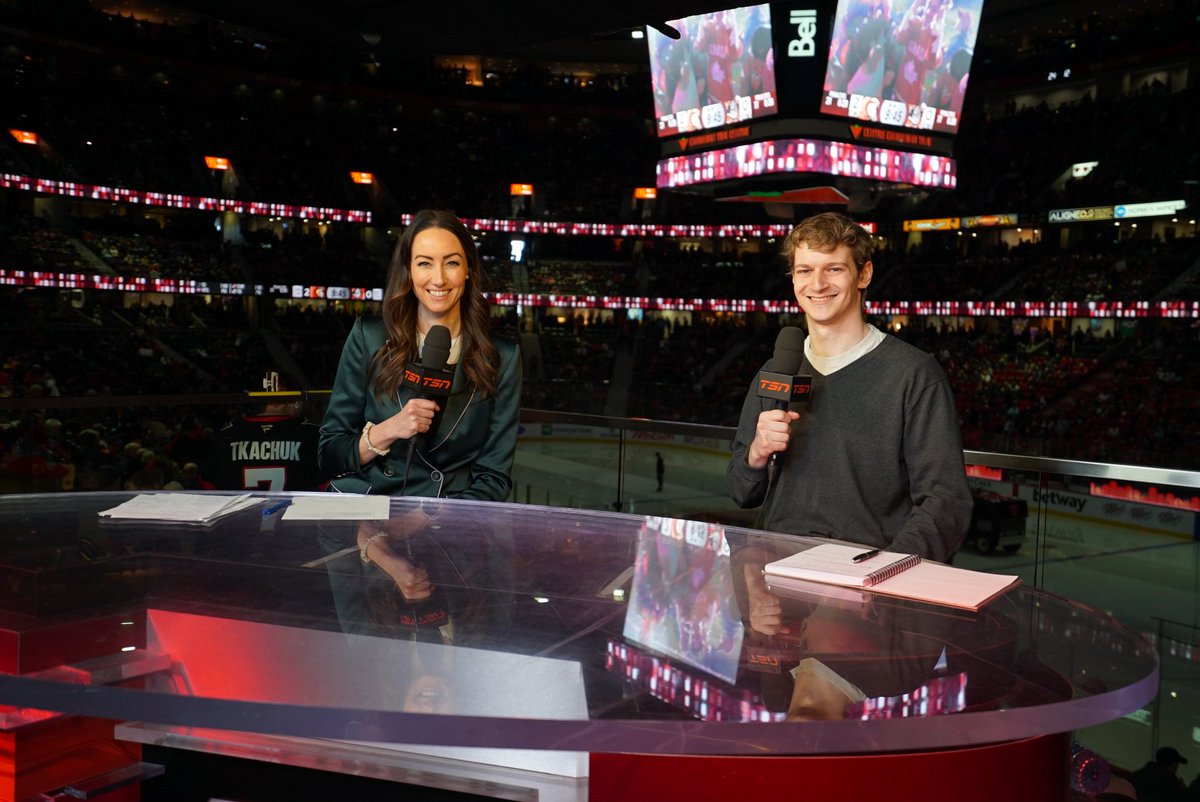
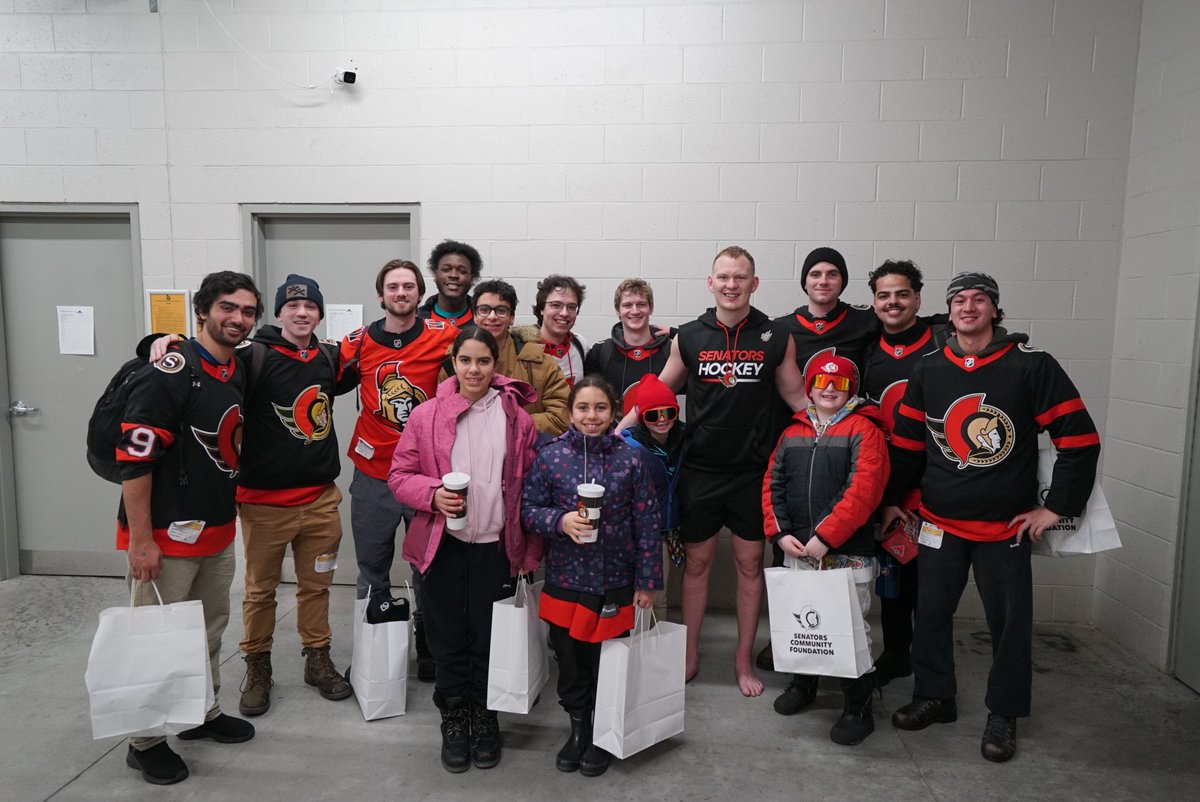
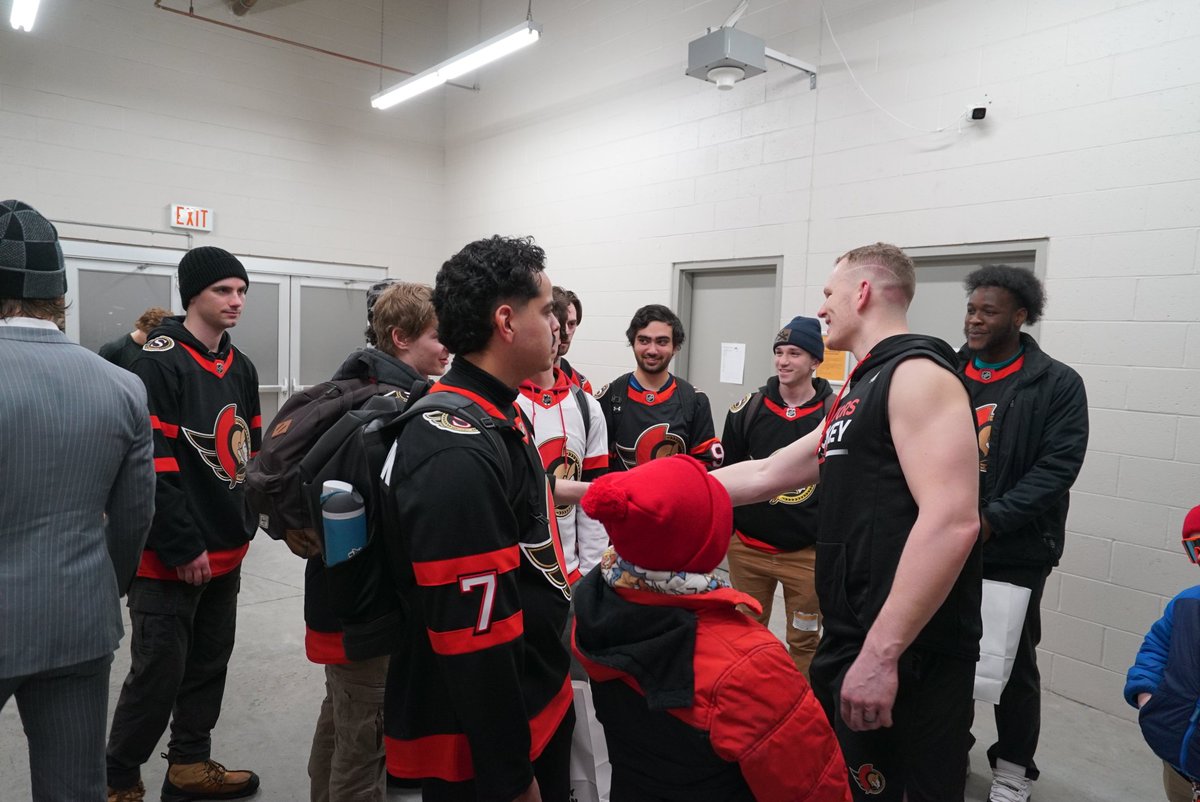
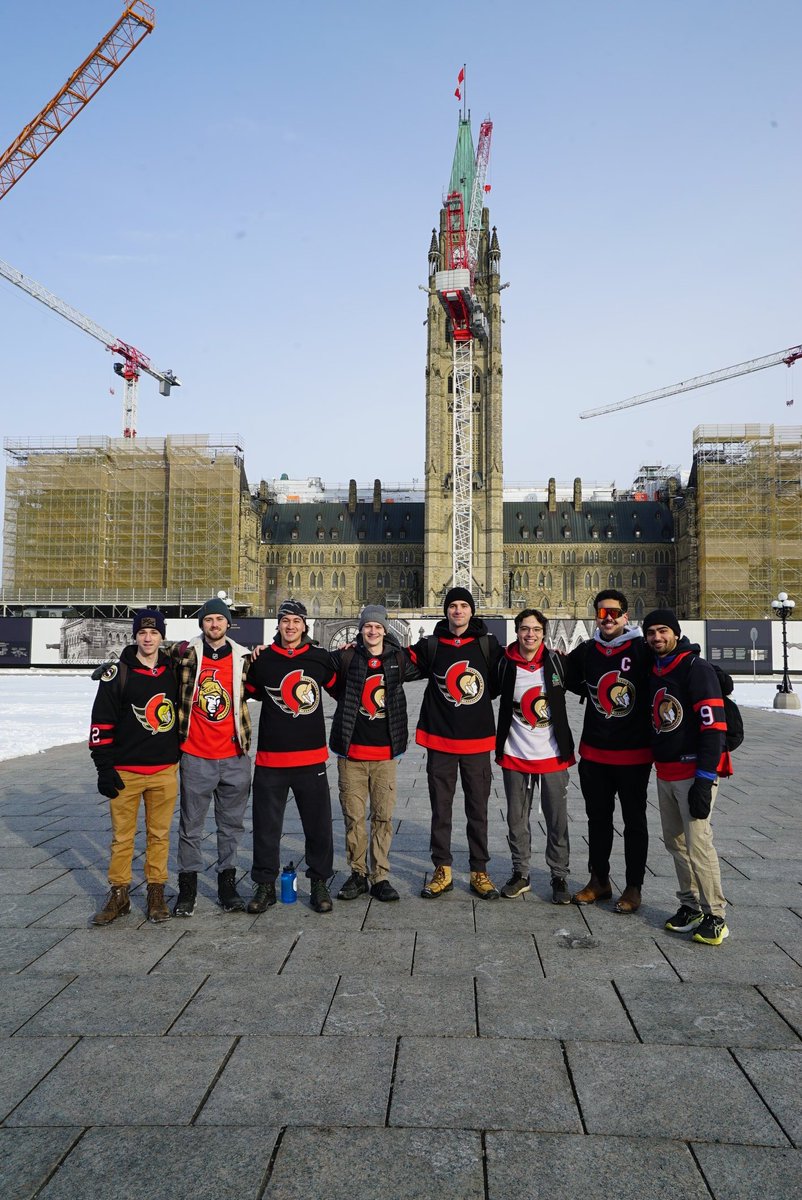
3 things i learned from the walk to the ctc yesterday: 1. Sens fan community is absolutely incredible. $13000+ raised for @bgcottawa is just insane! Thank you to everybody who donated and supported 2. Always have a spare pair of socks 3. The sens are making the friggin playoffs
Adam tweet mediaAdam tweet mediaAdam tweet mediaAdam tweet media
English
9
4
95
4K
Dave Malowski retweetledi
Transforming Basketball
Transforming Basketball@transformbball·
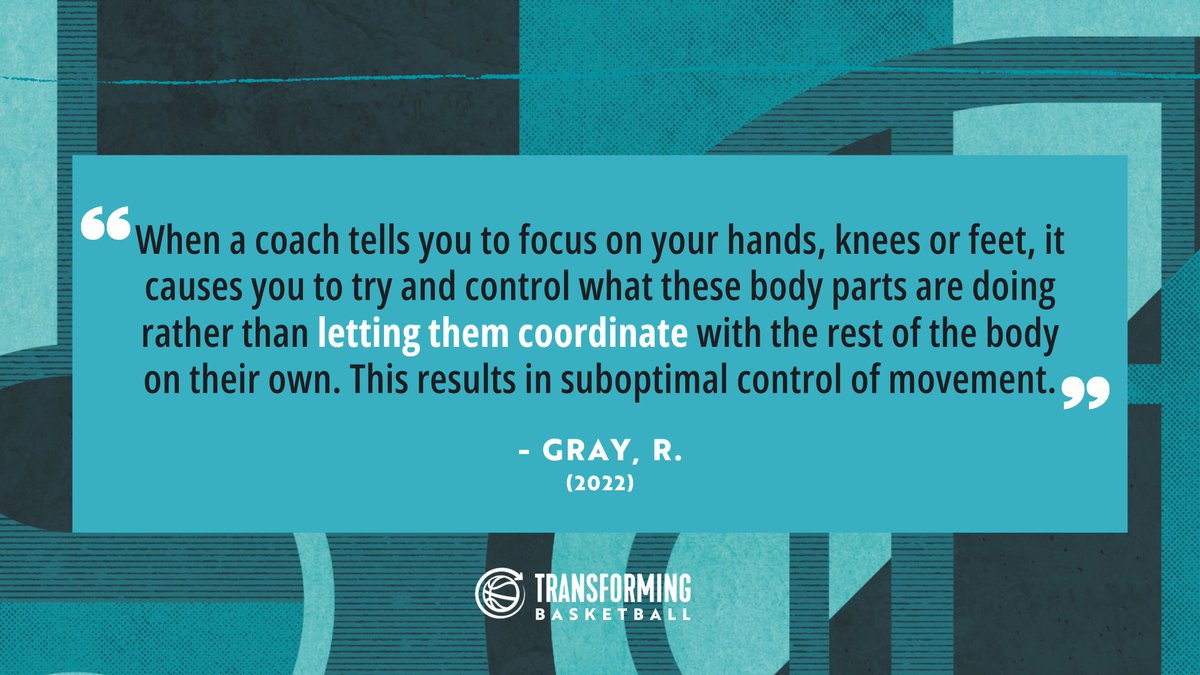
This is why it is important for coaches to consider moving away from using internal feedback, as frequently seen within the dominant approach.
Transforming Basketball tweet media
English
0
2
5
786
Dave Malowski retweetledi
William Payne
William Payne@TweetsbyCoachP·
IF it were REALLY about the kids, you’d see: HS coaches working w/ travel coaches Parents and Teachers working together And all of them having the KIDS best interests ahead of their own. But we all know, it’s really rarely about the kids.
English
32
38
276
26.3K
Dave Malowski retweetledi
Sports Psychology
Sports Psychology@SportPsychTips·
Average coaches mainly use rewards and punishments to motivate their players. Great coaches inspire their players from the inside out.
English
4
20
131
14K
Dave Malowski retweetledi
Justin Dehm
Justin Dehm@JustinDehm·
Kids in 3rd-8th grade play more games in a year than HS teams…We have it all backwards…9-12 year olds running around shooting on a rim too high with a ball too big, playing zone, and scoring in the 20s.
Kyle Collinsworth@collinsworth55

Youth basketball in America needs more skill work/practices + 3 on 3 and less games per week. Way too many games are played. The real growth is in the skill work and 3 on 3 allows more reads/decision making. European youth basketball has mastered this formula

English
21
35
240
50K
Dave Malowski retweetledi
Drew Mitchell (He/Him)
Drew Mitchell (He/Him)@PhysLitGuy·
Seems like common sense what Norway does…….food for thought!
Brad Stulberg@BStulberg

Norway consistently wins the most medals at the Winter Olympic Games, with a population of just 5.6 million people. A big part of their success is how they treat youth sports—and it’s the opposite of what we do in the US. Here’s what we can learn from Norway: 1. Scorekeeping: In the US: Youth sports tend to be hyper competitive even at early ages. Leagues almost always keep score. In Norway: Scorekeeping isn’t even allowed until age 13. Removing winners and losers keeps the focus on the process not outcomes. It keeps kids engaged longer because it minimizes pressure (and tears) and maximizes fun, learning, and growth. The goal isn’t to win a third grade championship. It’s to love sport and keep playing. 2. Trophies: In the US: If you give everyone a trophy, you’re creating snowflakes who will never gain a competitive edge. In Norway: Whenever trophies are awarded, they are handed out to everyone. If getting a trophy makes young kids feel good, we should give them trophies. Maybe they’ll come back and play again next year!! As for the creation of snowflakes with no competitive edge—Norway’s athletes are tough as nails and all they do is win. 3. Prioritizing Fun: In the US: Far too often, the goal is to win. In Norway: The national philosophy is “joy of sport.” Youth sports in the US are driven by adults, ego, and money. Youth sports in Norway are driven by fun. Only half of kids in the US participate in sports. The number one reason they drop out: because they aren’t having fun anymore. In Norway, 93% of kids participate in youth sports. Fun is the foremost goal. 4. Playing Multiple Sports: In the US: There’s pressure to specialize early and play your best sport year round. In Norway: Try as many sports as you can before specializing as late as college. Norway encourages kids to try all types of sport. This reduces injury and burnout and increases all-around athleticism. It also helps promotes match quality, or finding the sport you are best suited for as your body develops, which is impossible if you commit to a single sport too early. 5. Affordability In the US: There is increasingly a pay-to-play model with high fees for leagues, equipment, and travel. This excludes many kids from playing. In Norway: It’s a national priority to keep youth sports affordable and therefore accessible for all. Kids aren’t priced out, which creates opportunities for everyone to participate (and develop into athletes), regardless of their parents’ income level. We could learn a lot from Norway: In the US, 70% of kids drop out of youth sports by age 13. This not only diminishes an elite-athlete pipeline, but it also destroys an opportunity for healthy habits and all the character lessons kids can learn from sport. In Norway, lifelong participation in sport is the norm. The goal isn’t to have the best 9U team. It’s to develop the best athletes. Those are two very different things. And Norway has the gold medals to prove it.

English
0
1
2
141
Dave Malowski
Dave Malowski@BBGetBuckets·
@matt_degagne Agreed - it is a monster and a lot of people are monetizing youth sport . Parents just do what everyone is doing or tries to find the competitive edge that they think their kid will benefit from. Kids are burning out younger.
English
0
0
1
9
Matt DeGagne
Matt DeGagne@matt_degagne·
@BBGetBuckets Agreed. But where would you even begin? It’s such a monster how do you even reel it in? So many coaches not promoting multi-sport. Parents caught up in their kid falling behind. 10 yrs ago we had kids miss 🏀 cities for a 🏒 practice mid-season. 🤦‍♂️ (and that’s an easy example)
English
1
0
0
21
Dave Malowski retweetledi
Kyle Collinsworth
Kyle Collinsworth@collinsworth55·
Youth basketball in America needs more skill work/practices + 3 on 3 and less games per week. Way too many games are played. The real growth is in the skill work and 3 on 3 allows more reads/decision making. European youth basketball has mastered this formula
English
67
66
503
377.7K
Dave Malowski retweetledi
Coach Mac 🏀
Coach Mac 🏀@BballCoachMac·
Parents: If a coach is willing to volunteer their time to coach your son or daughter, please let them do the coaching. If you really want to voice your opinion from the sideline all game, wait a few months and put your hand up to coach next season.
English
0
6
72
4K
Dave Malowski
Dave Malowski@BBGetBuckets·
The way it should be
Coach Craig@CoachCraigYL

@BBallImmersion Yes. We have a hard rule for our parents—no yelling instruction. They have zero idea what we’ve talked about in the huddle. If they can’t comply, they have to leave the gym. If they don’t, their child sits until the parent leaves. (We never have issues)
English
0
0
0
82
Dave Malowski retweetledi
Todd Beane
Todd Beane@_ToddBeane·
Stop Yelling Hosted players from 🇺🇸 and 🇨🇦 to ask what they wished coaches would do less of and what coaches should do more of. ❌ Stop yelling. ✅ Positive instruction. #TOVO
English
3
5
69
3.8K
Reid Ouse
Reid Ouse@reidouse·
As a basketball coach, what’s one thing that you could take from the way Cignetti coaches his Indiana football team and apply it to your team?
English
20
6
134
53.2K
Dave Malowski
Dave Malowski@BBGetBuckets·
This is also beginning to happen in other sports as well
Topher Scott@HockeyThinkTank

Thoughts on Team Canada at World Juniors: There's been a lot of discourse today about Canada's performance after bowing out to Czechia again. I've read a lot about roster construction, team toughness, how players were used during the tournament, and other things related to the team's inability to get the job done. These things may have been an issue, but reality is the problem runs way deeper. Here is the biggest thing that people aren't talking about: Canada has WAY fewer youth boys playing hockey than it did a decade ago. Looking at Hockey Canada registration and membership data, it's mind-boggling to see the numbers. And the numbers in the biggest provinces (Ontario and Quebec) are especially egregious. So why is this happening? Hockey is Canada's sport. It shouldn't be like this. It's what we hear every day from families all over North America: Costs are too high. It's professionalized at too young of an age. The stress of the youth hockey experience is too much for kids and families. Community programs have been replaced by for-profit entities leading to higher costs and more pressure. Development has been replaced by super teams and rogue/outlaw leagues outside of Hockey Canada even before kids are 8 years old. At the older ages, hockey academies have become what families believe is the only way their kids will make it - shelling out INSANE amounts of money to send their kids to do so. Ontario just got rid of residency rules which will only lead to less accountability and more club-hopping than there already was in the nation's craziest and biggest youth hockey market. The reason why Canada was the hockey superpower for so long is because it was part of the fabric of the country. There was such a pride and passion for the game and what the game meant to the flag. There was such a sense of playing the game for something bigger than yourself. Now rather than playing for the love of the game, hockey in Canada is like a job for many of these kids in the environment they're being put in. It's less about pride and passion and more about the path to making it. When in all honesty, it's the pride and passion for the game that is the biggest consistency in the kids that do end up making it. If Canada wants to restore its hockey dominance, it better take a long look in the mirror at the grassroots and what is going on in youth hockey. If you have tens of thousands of fewer boys playing the game, you should probably look at that first. The bigger your pool of athletes, the more elite athletes you can develop. "As many as possible, for as long as possible, in the best environment possible". That has to be the guiding principle. There's a lot of great people in Canada doing incredible things for the game, but the system itself is fundamentally broken. If Hockey Canada is serious about getting back to the top, it has to start at the bottom.

English
0
0
0
87