Barbara Rayner

4.1K posts

Barbara Rayner

Barbara Rayner

@BarbaraRayner1

It's okay to count the days, so long as you make the days count.musings are mine...

Katılım Mayıs 2013
226 Takip Edilen216 Takipçiler
Barbara Rayner
Barbara Rayner@BarbaraRayner1·
@EdinvaleFarm Where did you get this idea from to try the no fence collar?so interesting as a non farmer.
English
1
0
0
156
Edinvale Farm 🌱🐂
Edinvale Farm 🌱🐂@EdinvaleFarm·
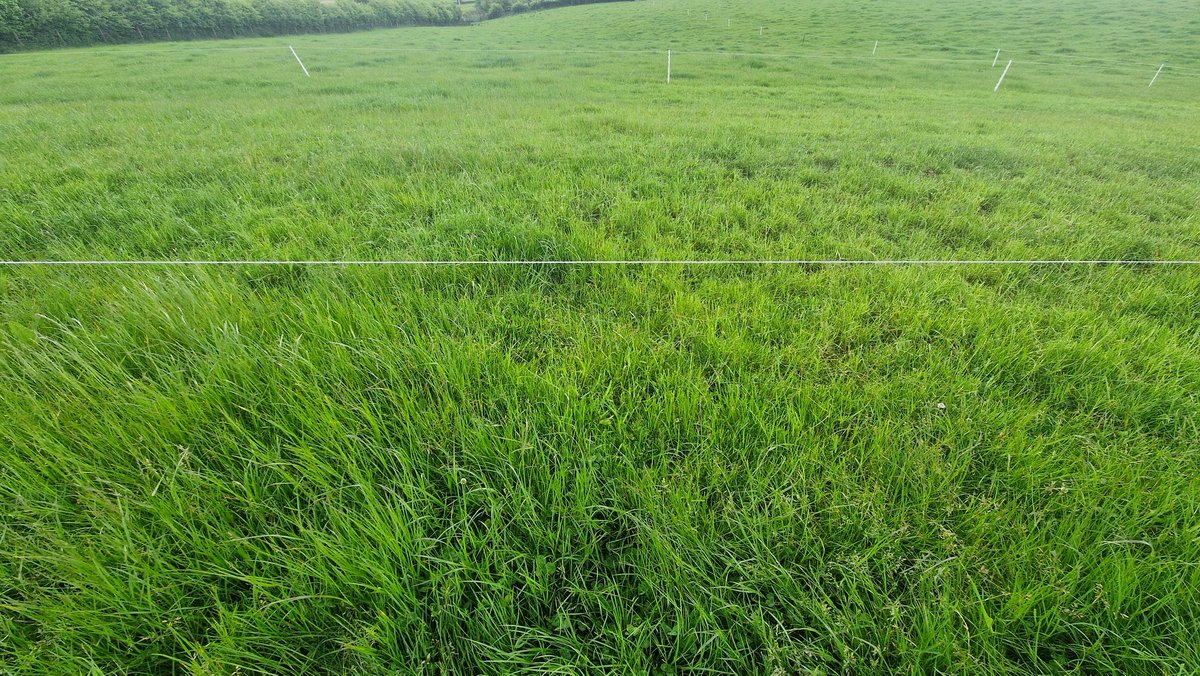
Not sure what i expected from the no fence collars but fair impressed. Had them in a lane way and used the virtual fence to move them along it. Photos don't do it justice but it's kept them in! Changes temperament which I'm not comfortable with but will see how it settles down.
Edinvale Farm 🌱🐂 tweet mediaEdinvale Farm 🌱🐂 tweet mediaEdinvale Farm 🌱🐂 tweet mediaEdinvale Farm 🌱🐂 tweet media
Dallas, Scotland 🇬🇧 English
4
1
32
1.9K
Barbara Rayner retweetledi
Vicki Havercroft Dixon also on bluesky
Can’t believe I had 25years as a qualified nurse. Starting as a HCA in 1994, I still feel privileged and honored to have a job I love and work with amazing colleagues! @SurreySussexCA
Vicki Havercroft Dixon also on bluesky tweet media
English
0
3
31
983
Barbara Rayner retweetledi
Worthing RFC
Worthing RFC@WorthingRFC·
Celebrating international women’s day
Worthing RFC tweet media
English
0
2
1
229
Barbara Rayner retweetledi
Helen Bevan
Helen Bevan@HelenBevan·
How, as leaders, do we motivate people to do their most productive work? New research says that too often we make assumptions linked to "agency theory": that people need strong managerial control, targets, monitoring & regulation to work effectively. The researchers say that assumptions based on "self-determination theory - creating the conditions so people are intrinsically motivated to do their best work (autonomy, competence, and relatedness) - get significantly better results. The key is to shift assumptions to shift practice: sloanreview.mit.edu/article/what-l…. Via @mitsmr. I paired this with a graphic from Landmark: landmarkspace.co.uk/wp-content/upl…
Helen Bevan tweet media
English
11
58
190
16.3K
Barbara Rayner retweetledi
Helen Bevan
Helen Bevan@HelenBevan·
Power gradients (the gap between those with the most power & least power in a team or system) create risks, barriers to communication, a negative sense of "us & them", less innovation & poorer patient & performance outcomes. Jade Garratt says that addressing power gradients is THE most effective lever for increasing psychological safety within a team. This means: 1) Reducing the power held or overtly displayed by the most powerful individuals; &/or 2) Increasing the power & influence of those with the least. There are many ways to reduce power gradients. It doesn't necessarily require radical rethinking of the authority structure (& we may redraw the structure yet not reduce the power gradient): psychsafety.com/reducing-power…. Via @tom_geraghty (sign up for his weekly newsletter on psychological safety. It's brilliant)
Helen Bevan tweet media
English
9
72
187
20K
Barbara Rayner
Barbara Rayner@BarbaraRayner1·
Nhs could learn a lot for the new hospital programme.incredible architecture mixed with good public health intelligence.
English
0
0
2
48
Barbara Rayner retweetledi
Rob Galloway
Rob Galloway@DrRobgalloway·
After 10 years, I and the team I have led have formally stepped down from being the medical Director of the Brighton marathon and running the medical team. It has been a wonderful role to have done and am so grateful to everyone who has volunteered and have helped especially @SJA_Sussex and @CarrieWeller1, david Bowen @cardmedic and @GreenhalghRob I hope the race goes from strength to strength - and I wish the best of luck to the new MD and medical team. But I feel that now it's being run by London marathon who next year will continue to be sponsored by voltarol - it's time for us to step away with our heads held high and for others to take on this role. I'm sad that it's come to an end but very happy it happened. I'm also and so proud that we provided a world class service which has set new standards in event medicine and prevention of hospital admissions to @UHSussex and without impacting on @SECAmbulance I'm also so proud of the research we have helped deliver including on heat stroke, new cooling techniques, renal failure, troponin rises in marathon running and the risks of taking NSAIDs when doing endurance sport. For next year, I hope to be a runner - something I've wanted to do for the last decade but haven't been able to do!
Rob Galloway tweet media
English
8
9
102
6.3K
Barbara Rayner retweetledi
Helen Bevan
Helen Bevan@HelenBevan·
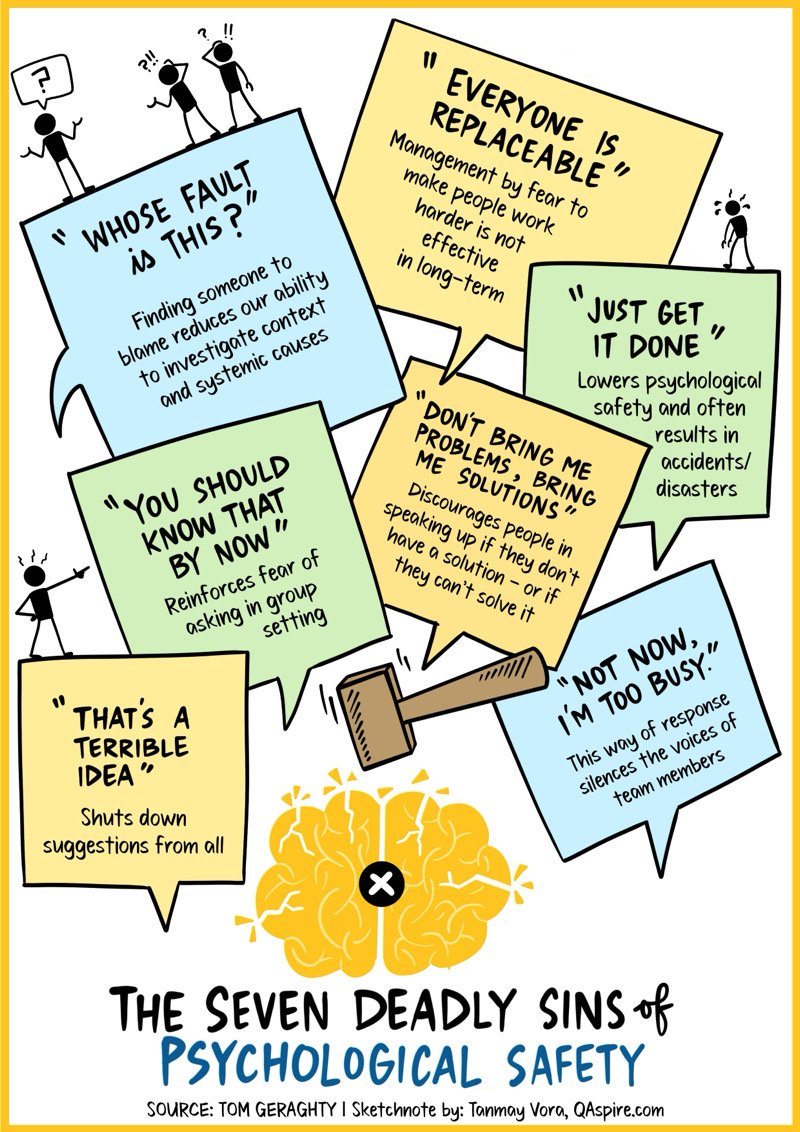
The language we use as leaders shapes workplace culture. It plays a critical role in psychological safety. Our words (& the way we communicate) can encourage the experimentation & risk-taking we want our teams to demonstrate for innovation & improvement. It can also stifle initiative. @tom_geraghty sets out "seven deadly sins of psychological safety" - the most common/damaging things leaders say that crush psychological safety in the workplace: 1) “That’s a terrible idea.” 2) “You should know that by now.” 3) “Whose fault is this?” 4)“Everyone is replaceable.” 5)“Don’t bring me problems, bring me solutions.” 6)“Just get it done.” 7) “Not now, I’m too busy.” psychsafety.co.uk/the-seven-dead…. @tnvora has translated them into a brilliant graphic: qaspire.com/7-deadly-sins-….
Helen Bevan tweet media
English
10
178
379
50K
Barbara Rayner retweetledi
Helen Bevan
Helen Bevan@HelenBevan·
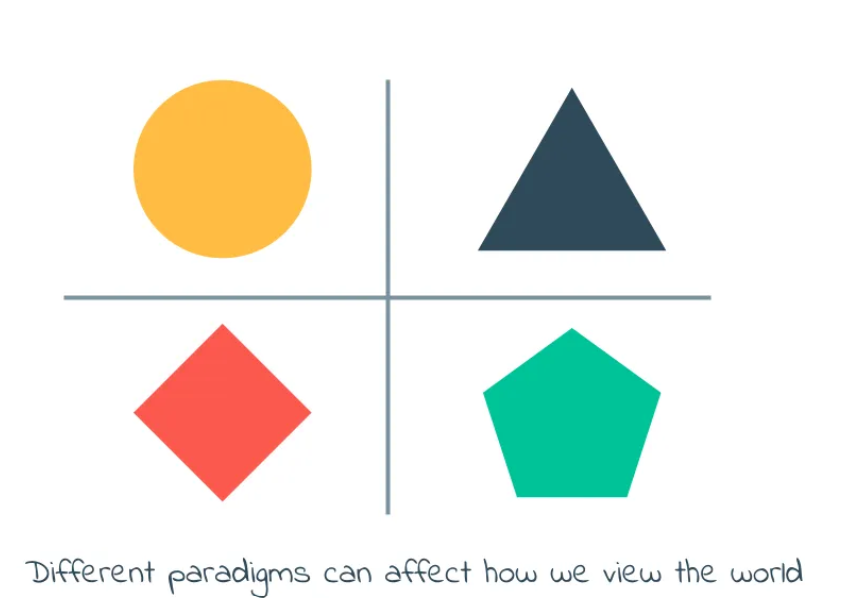
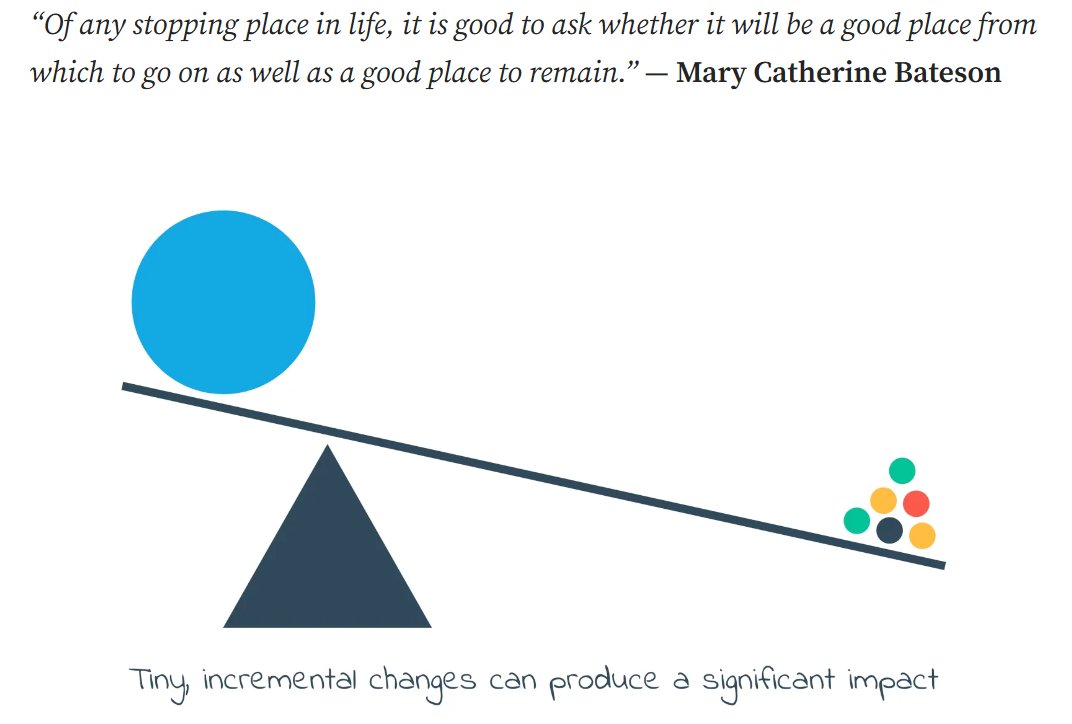
We would get better outcomes in our action planning for change if we thought more about "leverage points". Leverage points are the powerful places in a system where small changes can lead to significant impact. They're not always obvious, which is why, when we are identifying potential change interventions, we need to think about the connections, relationships & behaviours in the system, not just the technical processes. Leverage points offer a way to create substantial change by focusing on areas where even minimal effort can lead to impactful results: medium.com/weareopencoop/…. Via @WeAreOpenCoop.
Helen Bevan tweet mediaHelen Bevan tweet mediaHelen Bevan tweet mediaHelen Bevan tweet media
English
5
60
193
20K
Barbara Rayner retweetledi
Sarah Leah
Sarah Leah@SarahJLeah·
Really good session on speaking up about Patient Safety concerns. Too many sad stories of peoples careers being damaged as a result of taking the brave step to speak out. Leaders need to be alert to a “good news only” culture and foster psychological safety #HSJpatientsafety
Sarah Leah tweet media
English
3
8
31
1.5K
Barbara Rayner retweetledi
Helen Bevan
Helen Bevan@HelenBevan·
I really like this new article on psychological safety (a belief that we can speak up, take risks & make mistakes without fear of being judged, humiliated or punished) at work. It sets out a series of activities/approaches that all of us can use to build psychological safety in our teams. These include: - Manual of Me - Team Charter - Lifelife - Activity from Google that ranks sources of anxiety - 5-word Fridays - Team temperature check uxdesign.cc/creating-psych…. By @ChristinaLai1, via @Elaineking91. A link to an archived version of the article, in case the above link doesn't work for you: archive.ph/VDr0k
Helen Bevan tweet media
English
13
202
599
62.4K
Barbara Rayner
Barbara Rayner@BarbaraRayner1·
@DrRobgalloway Your openness in making an error is commendable.a culture where learning from mistakes is valued is so important for safety. And bravo @tomroper for spotting the error.
English
0
0
6
306
Rob Galloway
Rob Galloway@DrRobgalloway·
The first line of this post is a perfect example of my unconscious incompetence leading to an error. I googled the quote, found what i thought was a reliable source and it fitted in with my imperfect tacit knowledge. I had high levels of confidence in an area I knew very little about. I said it with confidence and everyone accepted it as fact. Thanks to @tomroperI have found out I was incorrect, and it was not Macbeth but As you like it. Imagine this type of confidence and errors in something much more important like clinical care......that’s why we need appropriate training, regulation, job roles and governance so all health care professionals are consciously incompetent rather than unconciously incompetent.
English
1
5
58
2.6K
Rob Galloway
Rob Galloway@DrRobgalloway·
Shakespeare, Macbeth, Act 5, Scene 5; ‘The fool doth think he is wise, but the wise man knows himself to be a fool.’ Medically in the past, I have been a fool; I was overconfident and didn’t realise when I was out of my depth. Worse than being a fool, I was a fool who thought himself to be wise. In the last few years I have reflected on this and have come to realise realising that I went through a stage of my career when I was unconsciously incompetent (I didn’t know what I didn’t know) and patients came to harm because of this. They deserved better and I have spent a number of years running courses on how we need to make medical decision making safer. Its about education, supervision and appropriate regulation so that those with the insight needed to be consciously incompetent (know what they don’t know) are the ones who make clinical decisions. That’s why doctors who have been working for 2-3 years are at much higher risk of making mistakes than brand new F1s. Its also why I have concerns about Physician Associates working in roles where they are making complex decisions with limited training and without adequate regulation and supervision. Im not against the concept of physician associates. But it needs to be in defined roles following protocolised medical care to improve overall care rather than what is often happening of plugging gaps in medical rotas and covering for a lack of fully qualified GPs. Unless there’s an urgent rethink, what seemed like a good idea to improve care, could end up doing the exact opposite. In today’s health section of the mail I explain my thinking behind this and what is needed to ensure patients are treated as safely as possible. dailymail.co.uk/health/article… For those who cant access the article, the words are below: Avoid going to hospital in August – chances are you’ve heard this ‘warning’ before, because this is the month when junior doctors start their NHS career, and it’s led to a fear that it’s a dangerous time to be in hospital. And this was not without basis. For instance, a study published in 2009 by Imperial College showed that the death rate for patients admitted as an emergency on the first Wednesday in August (when the new doctors started, dubbed ‘Black Wednesday’ in the media) was 6 per cent higher than those admitted on the last Wednesday in July. In fact these days it is genuinely much safer and the greater risk, in my view, is another group of medical professionals: physician associates. But first back to the new doctors; by the time they reach the hospital floor they’ve already had years of training and passed multiple difficult exams. And when they start, they have close supervision by more senior doctors and, crucially, they have a ‘provisional’ licence to practise, with a defined scope of what they can and can’t do. For example, only a more senior doctor can decide to discharge a patient. Is the system perfect? – of course not. But having spent the last 13 years involved in the final year of training medical students, including their ‘preparation for practice’ course and then supervising them when they start working with us, I know what’s gone into making this transition as safe as possible. And one of the reasons safety has improved is because of how we teach our final-year medical students and new doctors to make clinical decisions and crucially to know the limitations of their skills. Medical decision making is incredibly complex but can basically be split into fast and intuitive decisions (this patient needs CPR now) to slow and thoughtful (this patient needs blood tests, full examination, scans and review of their complex medical history). But doctors, especially newly qualified ones, don’t know the answers to all the things they’re asked about. This is fine - as long as they know that and don’t try to pretend they do, which we call ‘conscious incompetence’. As an A&E consultant, I see lots of patients with complex problems that my expertise doesn’t cover. But I am trained to recognise that, and to feel comfortable asking for help from experts in their field. The real risk is clinicians who treat patients without realising that they don’t have all the answers: they make decisions with a confidence that belies their level of knowledge and expertise, or unconscious incompetence. It’s not a deliberate arrogance, but an overconfidence from lack of experience. As Shakespeare put it: ‘The fool doth think he is wise, but the wise man knows himself to be a fool.’ We reduce unconscious incompetence in medicine by training, and establishing a culture where every junior doctors feels able to ask for help so they’re not forced into making decisions above their level of competence. And we need support structures around them - when I was a very junior doctor 22 years ago, I was on my own on night shifts and my lack of supervision meant I made mistakes. I live with some of these to this day, including a man in his 50s with poorly controlled diabetes. He had a chest infection, which had led to diabetic ketoacidosis - which meant he was incredibly dehydrated. I thought I knew best how to treat him. But despite six years at medical school and two as a doctor, I didn’t have the experience either to treat him correctly - or to realise I was out of my depth. I gave him fluids and then, as he didn’t get better as quickly as I thought he would, I gave him more, then more. I gave him too much fluid and sent him into heart failure; he died a few days later in intensive care. His death certificate stated sepsis, diabetes and heart failure. But I know underlying all those causes was my unconscious incompetence. Now at night in my department, as well as four junior doctors, working alongside them is a middle grade doctor and a consultant A&E doctor for support and direct supervision. But the main reason I believe the new doctors are safer is because of the rules and regulations introduced by the General Medical Council (GMC) in 2005. For example, newly-qualified doctors are now only provisionally registered, which means nurses know that they can’t ask them to make specific decisions, such as if a patient is to be resuscitated in an emergency. This is why medical mistakes are now much more common with doctors who’ve been working for a couple of years rather than new junior doctors. Yet while we’ve been improving patient safety when it comes to new doctors, there’s another group of staff I’m increasingly anxious about. Physician associates have been working in the NHS for over 20 years, brought in to help relieve some of the administrative and routine tasks from doctors. Over the years though, their role has morphed and they’re now being used to plug the gaps left by the lack of GPs and junior doctors - conducting entire appointments on their own. This is unfair on the physician associates themselves and is putting patients at risk. In October 2022, Emily Chesterton, a 30-year-old actress, died after being misdiagnosed at a GP surgery with anxiety: she had a blood clot on her lung. A blood clot is not uncommon but spotting it isn’t easy and that’s why, as well as medical school training, there is a minimum of five years training to become a GP – extensive training designed to train out unconscious incompetence and to know when to ask for help. But the clinician who saw Emily was not a GP, as she thought, but a physician associate. They have just two years training after a non-medical degree and can start working in a GP surgery seeing patients with no additional training. This new model of medical care has crept into the NHS more by accident than design, with medical leadership (some of the Royal Colleges, the GMC and NHS England) promoting the role without regulations for what the physician associates can and can’t do and the levels of supervision needed. The GP surgery that employed the physician associate in Emily Chesterton’s case didn’t break any rules – because there were no rules in place. Without fully understanding the risks, those who hold the financial purse strings such as GP practice owners and hospital managers, have been using physician associates as a cheaper way of providing medical care and to plug gaps. They’ve even been incentivised to do this, thanks to the additional roles reimbursement scheme (it ended on August 2nd): this funding could be used to employ physician associates but not GPs (the professionals patients actually want to see)! I’m not against the idea of physician associates but we need them to work as originally intended - registered with a non-medical regulatory body, with a defined set of skills and undertaking specific care with protocols, under the supervision of a senior doctor (eg, managing routine diabetic or asthma clinics at a GP surgery.) Yet from next December they will be regulated by the GMC, adding to the confusion that they are in fact a type of doctor. It’s not newbie medics and Black Wednesdays that’s the real anxiety for all of us, it’s the march of unregulated physician associates looking after you. And unless there’s an urgent rethink, what seemed like a good idea to improve care will end up doing the exact opposite.
Rob Galloway tweet media
English
21
184
427
68.8K
Ingrid Kane
Ingrid Kane@ingrid_kane·
What a team I’ve had the privilege to be part of for the last week.
Ingrid Kane tweet mediaIngrid Kane tweet mediaIngrid Kane tweet mediaIngrid Kane tweet media
English
2
0
6
207
magnus nelson
magnus nelson@101dnarg·
Out for lunch to celebrate two first choice University places. So proud given some of the challenges of the last few years. Next level unlocked. Pleased to see the middle fingers in true Nelson photo style
magnus nelson tweet media
English
3
0
27
1.2K
Barbara Rayner retweetledi
Rob Galloway
Rob Galloway@DrRobgalloway·
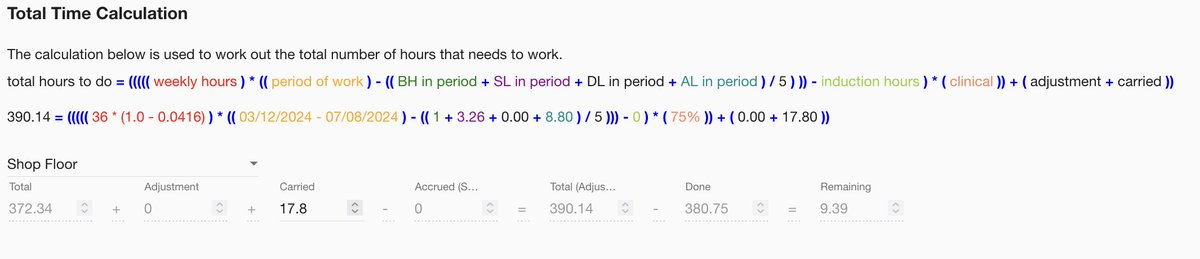
13 years ago, I came up with a formula. After 13 years of my life being obsessed by this formula, I am steeping back……. This formula works out how many clinical hours people needed to do when working annualised self-preferencing/self-rostering rotas and has become a passion of mine. Not because I care about maths but because it has led to what I genuinely care about; a financially efficient way of improving the quality of life for doctors and other NHS staff whilst improving patient care. Last week I stood back from being involved in medical workforce issues at my trust. Having spent these years helping colleagues to not burn out and get a better work life balance, I am now trying to do the same for myself, whilst allowing time to concentrate on my passion of teaching human factors and patient safety. Crucially though because of the systems created, I am no longer needed to ensure what we have set up continues at my trust. My last job in this role was inducting all the medical and A&E junior doctors at RSCH, Brighton and PRH, Haywards Heath Hospital into how their rotas would work. It sounds a dull talk to give but its so important and one I love doing, because seeing all the doctors genuinely happy with their rotas makes all the effort worthwhile. To provide care today, we need the doctors working where the service needs it. To provide care next year, we need to provide jobs which are sustainable and don’t lead to burn out. To provide care in 2 years’ time we need to do it in a way which is financially viable. Working with healthrota we have managed to do all three and transform the management of the medical workforce at Universities Hospitals NHS Trust @UHSussex . We certainly have not got everything right, but things are so much better than the used to be. We now we have rotas where the doctors have a much better work-life balance as they choose when they are off and its much easier to work part time. We have improved training for the doctors for example by guaranteed clinic weeks. We have better continuity of care, even staffing during the week and 7 days a week ward based care on medical wards, identical staffing 7 days a week in A&E, whilst guaranteeing the doctors all their study leave, self-development time, bank holidays and annual leave they are entitled to without endless fights as is sadly so often the case. We are locum free except for last minute sickness, had 100% fill rates in our jobs and at RSCH/PRH have over 70 FTE fellows doing 25% non-clinical time in research or education. These ideas are simple. Work out how many hours you need to do after all the leave and non-clinical time is taken off and make rotas which work for the individual and the service using those hours to do. This is what annualised self-preferencing/self-rostering rotas are. Simple ideas but ones initially not part of NHS policies and one impossible to implement with what was the dominant NHS rota technology. Originally just thought if as maverick thinking, it is now becoming more common place in the NHS. Lat year it was highlighted as an NHS exemplar, transform.england.nhs.uk/key-tools-and-… Indeed in April 2024 the Chief executive of the NHS sent a letter to all trusts imploring them to “Improve rota management by exploring the opportunities technology offers to move towards greater self-rostering, so doctors have greater control over their lives while meeting the needs of the service.” None of what we have done would have been possible without partnering with @healthrota who have developed the software which allows these ideas to become a reality. But its not just technology which is needed. Its about working with a trust’s HR team who genuinely wants to improve things for the better and have facilitated the idea to become a reality. But behind that is a team of people who share the passion and have the skills to make the ideas a reality. Without the team I have worked with, none of this would be possible. But there is one person who deserves not just a special word of thanks, but whom without none of this could have happened: Amy Brown. @theonlyamybrown Amy thankyou – the work you and your team have done is monumental to so many doctors and so many patients. I hope what we have developed gets spread out further across the NHS and not just with doctors– please email me for further information drrobgalloway@gmail.com
Rob Galloway tweet media
English
6
22
106
16.7K