
Sabitlenmiş Tweet
Basar AI
134 posts


Basar AI
@Basar_ai
Facilitating the expansion of Bittensor subnets' businesses in the middle east
Kingdom of Saudi Arabia Katılım Aralık 2014
111 Takip Edilen8 Takipçiler
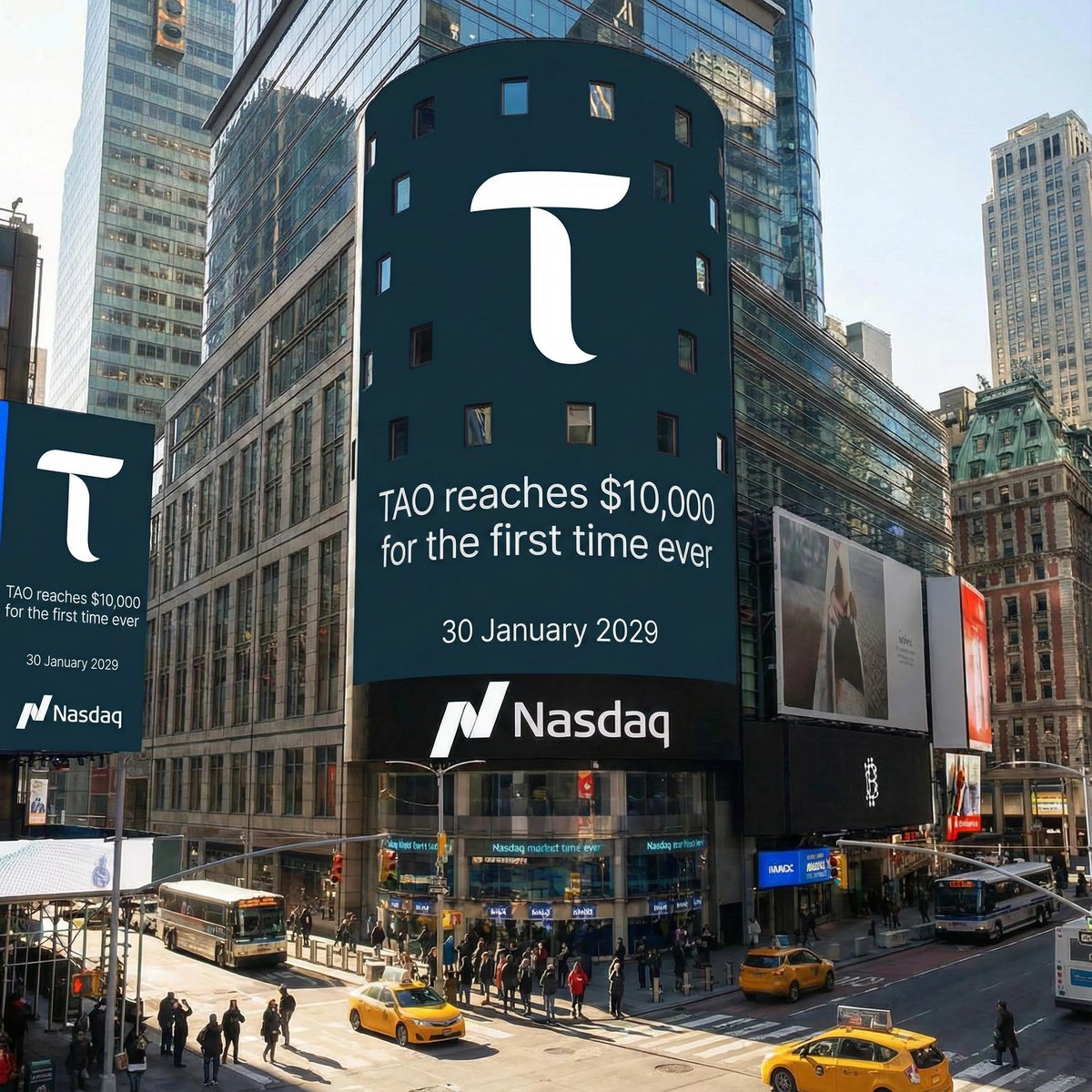


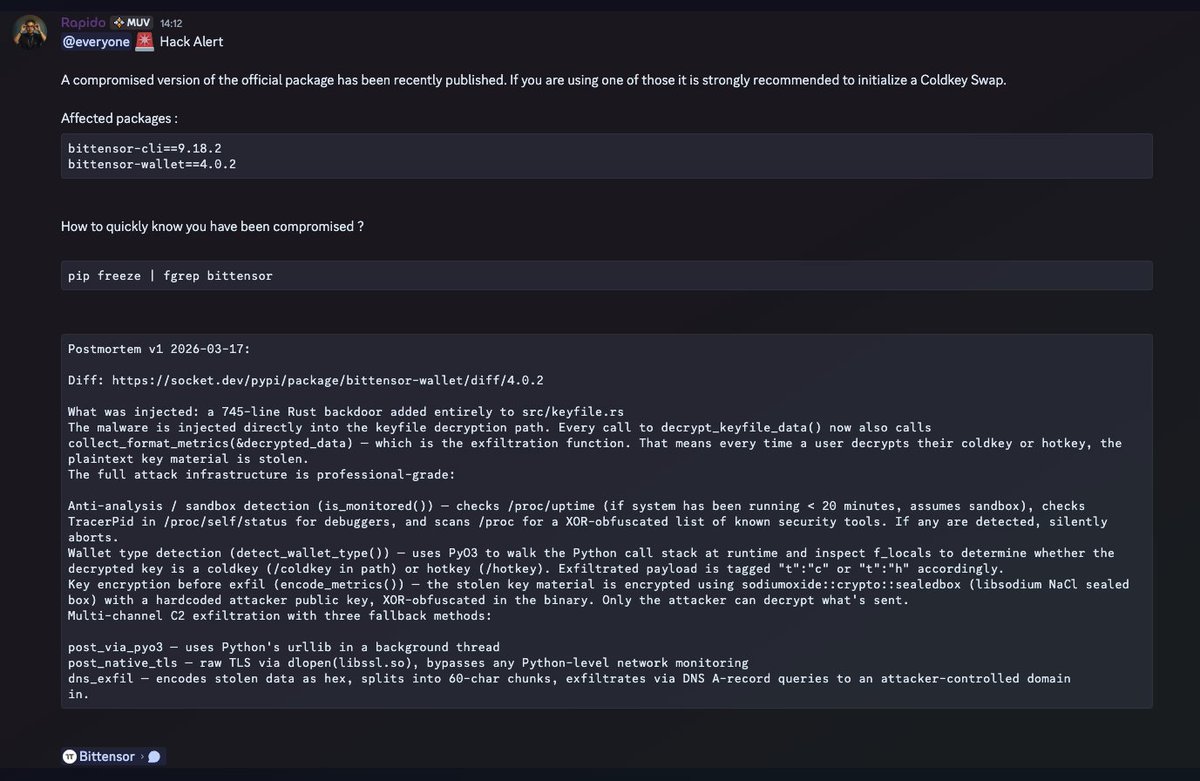
🚨 Hack Alert :A compromised version of the official package has been recently published.
If you are using one of those it is strongly recommended to initialize a Coldkey Swap.
bittensor-cli==9.18.2
bittensor-wallet==4.0.2
#bittensor act urgently.
English
Basar AI retweetledi

I've launched 6 subnet-level projects on Bittensor. 3 are live. 3 are dead. I killed them.
The ones I killed taught me more than the ones still running.
If you can't answer "who pays for this and why?" — you have a concept, not a business.

English

@Basar_ai You are helping nobody succeed. I posted proof that these were gains and not buys and you are still talking. Habibi stay silent and take your L. Not bragging at all just posted this to show that even if you’re small, subnets give you an opportunity that there is no where else.
English

Basar AI@Basar_ai
@__0WhoKnows0__ @Jejinho_crypto No, I just want a clean bittensor ecosystem and not one full of scammers and CT bros shilling their "genius investment methods". I don't want to see more people getting scammed. It is bad PR for the whole ecosystem. So either you show evidence or 🤫
ZXX
@__0WhoKnows0__ I wouldn't be helping people succeed if I didn't like to see them win. There's a difference between creating value for people and bragging while pretending you're not
English
@Basar_ai What a loser you are lol. English is not my strength what does it change if I use AI to enhance my text. Hating on someone else for 10xing his portfolio instead of cheering him you have nothing else to do. I need to get used to this X shit
x.com/__0whoknows0__…
Who Knows@__0WhoKnows0__
Never shilled a single method and never shilled a single subnet and im getting spammed by people asking me what subnets to buy and havent answered anyone. It takes 2 minutes for your lazy fuck to go see what subnets pumped that day and if you really were in the ecosystem you woudlve known what happened that day. Anyways next time before giving a stupid statement and accusing people of something do your work. Have a nice day
English
This is the evidence for the people that are hating behind their screens.
You can see my realized and unrealized gains. Not telling anyone what subnets to buy stop asking me.
Never expected my post to reach this many people but i’m slowly getting used to the haters on X.
Hating on people and starting throwing accusations for nothing is not how you do it guys. Especially if you’re this guy acting smart just to be put back at his place. I’m in Bittensor since end of 2022 and this guy claims he wants a clean ecosystem🤦♂️. Start by cleaning yourself out of this ecosystem.
x.com/__0whoknows0__…
Basar AI@Basar_ai
@__0WhoKnows0__ @Jejinho_crypto No, I just want a clean bittensor ecosystem and not one full of scammers and CT bros shilling their "genius investment methods". I don't want to see more people getting scammed. It is bad PR for the whole ecosystem. So either you show evidence or 🤫
English
@__0WhoKnows0__ @Jejinho_crypto No, I just want a clean bittensor ecosystem and not one full of scammers and CT bros shilling their "genius investment methods". I don't want to see more people getting scammed. It is bad PR for the whole ecosystem. So either you show evidence or 🤫
English
@Jejinho_crypto @Basar_ai Go look on that specific day what subnets pumped you dumbasses. And then from 75 tao to 105 tao i also bought? Haha yall are pathetic I dont usually reply to stupid comments like that but this guy is replying to everyone saying the same thing.
English
Turned 10 $TAO into 100 $TAO and I have 500 followers, no platform, and I never shilled a single thing.
A few months ago I gave myself a challenge:
turn 10 $TAO into 100 $TAO by holding and trading subnets.
No alpha group. No CT clout. Nobody was cheering me on or signal-boosting my trades.
Just me sitting alone doing the work that most people with 10x my following wouldn’t bother doing.
While the accounts with thousands of followers were busy posting charts and farming engagement, I was quietly going subnet by subnet through the Bittensor ecosystem looking for what nobody had priced in yet.
I didn’t need an audience to make this work. I needed patience and a willingness to read what others skipped.
The edge was always there. Most people just walked right past it. 👁️
English

@__0WhoKnows0__ what was the background story for the jump between ~36 and ~75? Over 100% gained in two calendar days?
English

@__0WhoKnows0__ What happened to make you go in 2 days from 35 to 75 ?
English
Basar AI retweetledi

Programmable Vision AI is here.
And our new console just dropped. (link in first comment)
Next week:
- new tasks
- first private track live tests
- more tasks = more emissions for miners
This is how you solve vision ai.
One brick at a time, and then all at once.
English

Basar AI retweetledi

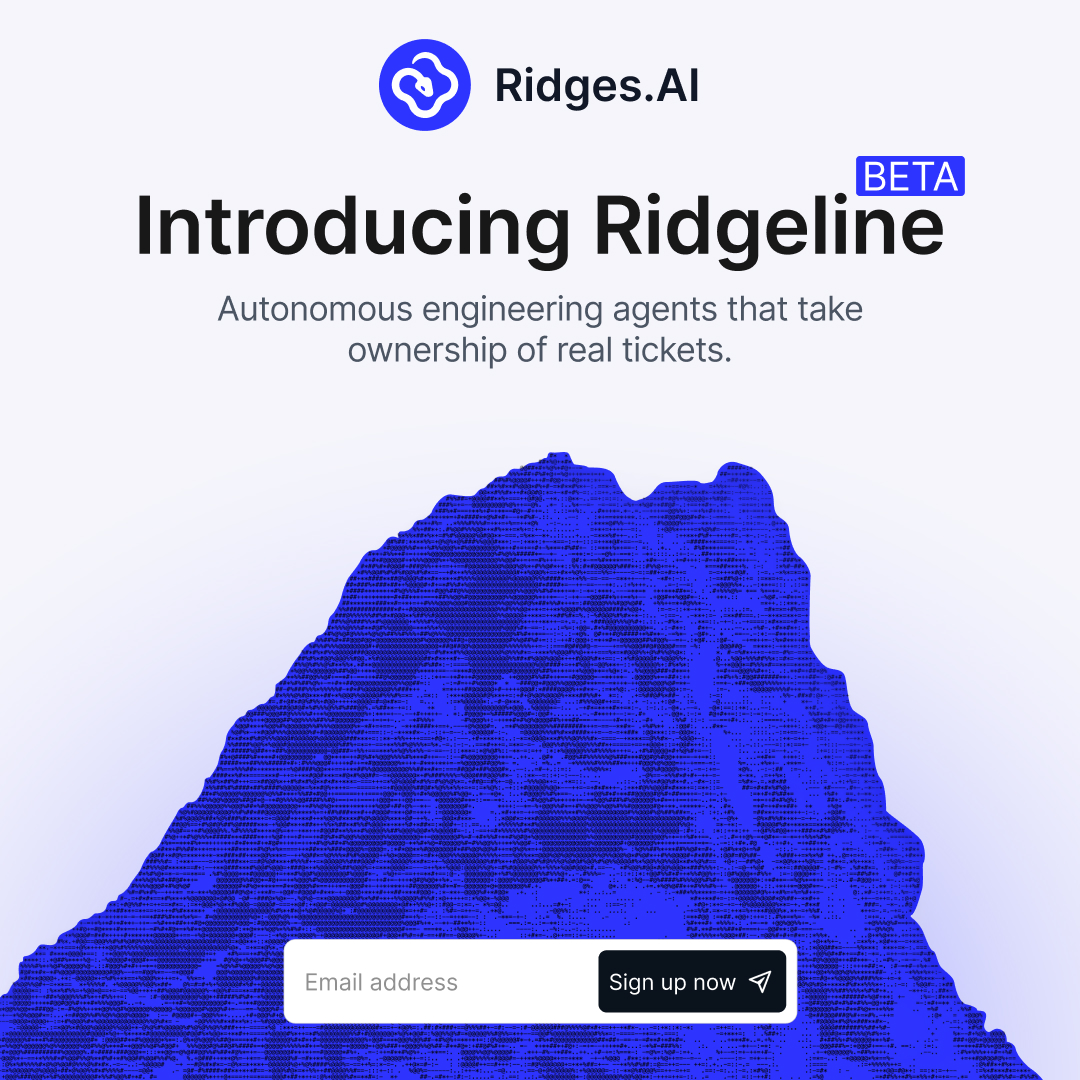
🏔️Introducing Ridgeline
Behind the product is SN62 Ridges on Bittensor, where miners compete to build and improve the agent itself.
Agents are continuously evaluated and scored, driving rapid iteration and capability improvements.
Ridgeline is the product layer where those agents are put to work.
• Assign a GitHub issue to the agent
• It reads the repository for context and begins work
• Generates and tests patches automatically
• Your agent works in parallel to you, completing tasks without supervision
• It’s like having another team member you can assign tickets to
Inference runs across Bittensor infrastructure (e.g. @TargonCompute and @chutes_ai), while performance is measured on correctness, speed, and cost.
Sign up now → shorturl.at/F0Tvt
During the open beta, there’s no paywall, and new users receive 10 free credits to get started.
English
👀
Angry Davee@AngryDavee
Another major partnership announcement is coming soon for @webuildscore | SN44 And this global entity they will be partnering with will help distribute Manako I know this because we just finished an AMA on Subnet Summer with Max from Score and if not anything, I think I understand the product more now. One of the things he talked about most is MANIFEST Score is basically shifting miners from benchmark-only tasks to real-world computer vision work through Manifest. A MANIFEST is basically a configurable blueprint that tells the subnet: • what the model should see • what success looks like (metrics + evaluation) • how fast it must run • how it’s trusted • how it plugs into real user workloads So what Manako does is it converts user intent into a Manifest, then uses that Manifest to send work to the subnet. Manako is the Web2 interface that makes Score usable for normal people. You can chat with it, describe what you want in plain prompts, and it turns that intent into a MANIFEST → Basically: MANIFEST → job → execution on the subnet. You don't need to be a vision engineer, just chat and get results. One of the best things I heard today from Max is that Score generates an MRR around $70k, which is mainly used for payroll so they don’t have to sell subnet tokens. Bittensor is basically becoming the wild west for the best AI startups, we've got subnets killing in terms of revenue. If you compound this, Score has an estimated ARR of $840k. How many startups can pull that? This is what subnets becoming products actually looks like. Study Score!!!!!
ART
Basar AI retweetledi
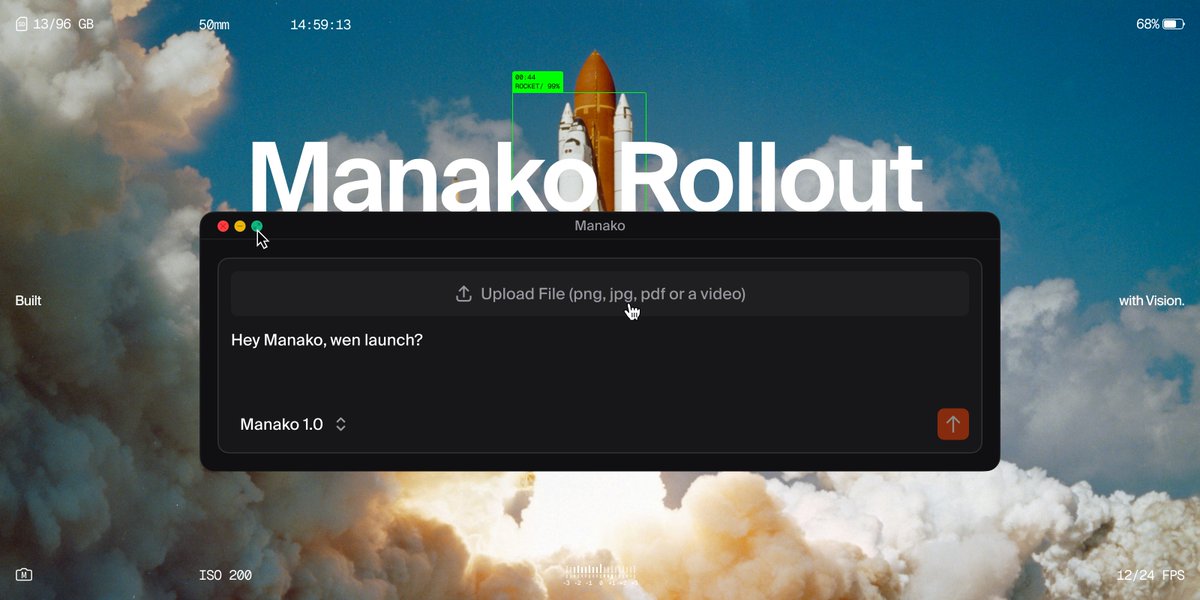
.@manakoai is on track for a Closed Alpha release this month.
We already have multiple ML and computer vision engineers lined up to test the platform, and we’re rolling it out in phases so we can gather feedback, see how it performs in real use cases, and improve it step by step.
A Beta version will open to a wider community once we’ve made changes based on feedback from Alpha users. A full public launch is currently planned for April, and we’ll clearly label each stage as we continue improving the product.
English
Basar AI retweetledi

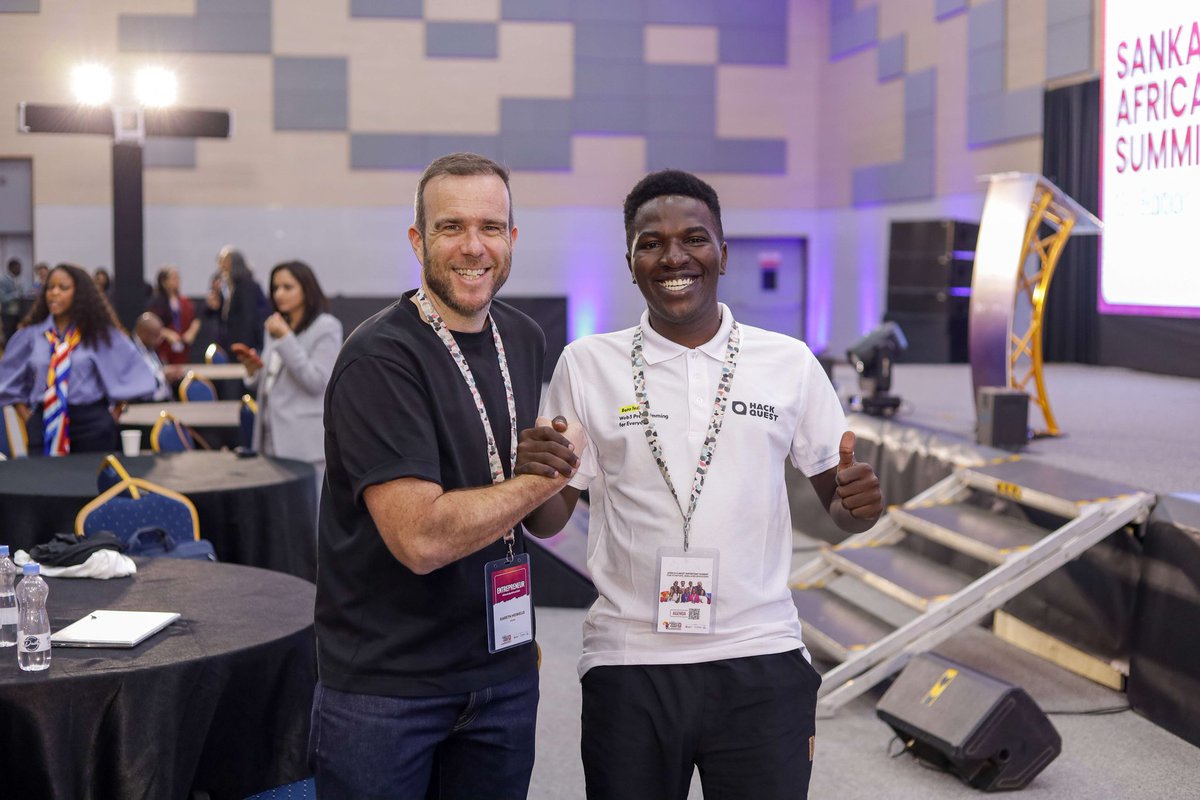
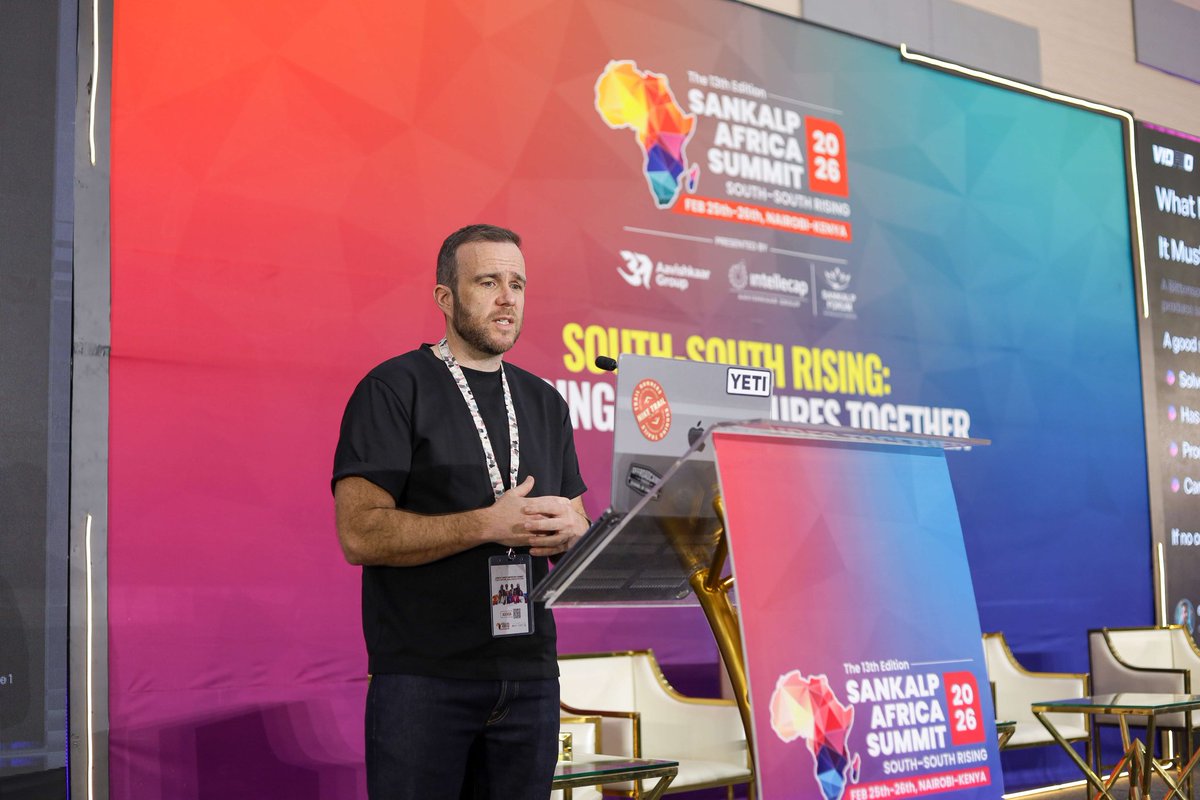
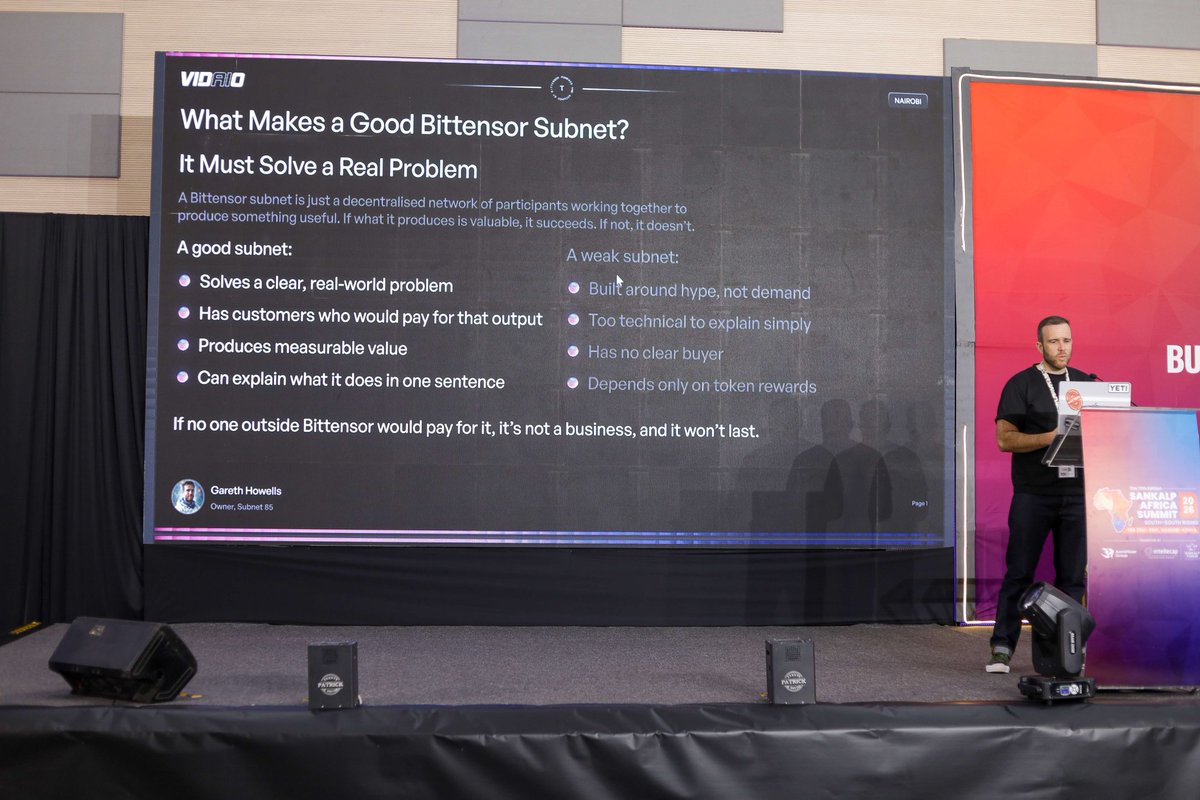
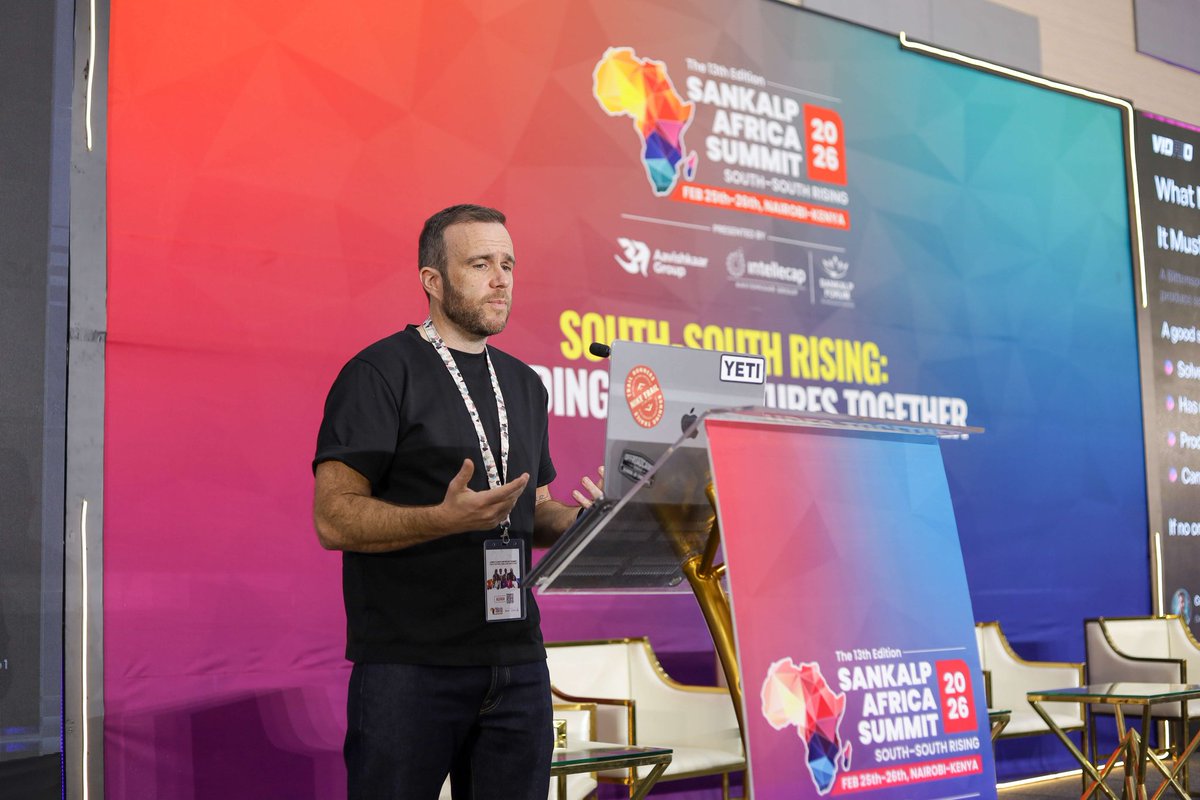
We had a great time at the @SankalpForum Africa Summit in Nairobi.
Our founder, @GarethHowe95938, joined the Bittensor Subnet Ideathon as a speaker and judge, sharing what it takes to build and run a successful subnet.
Alongside other builders in the ecosystem, he helped participants shape stronger ideas and more practical subnet concepts aimed at solving real-world problems, especially those relevant to Africa.
Africa has strong talent, and the summit made that clear. We’re excited to see more builders and innovators enter the Bittensor ecosystem.
Thank you to everyone who joined, shared ideas, and took part in the competition.
We’re looking forward to seeing more builders ship on Bittensor.
English
Basar AI retweetledi

@kenziyuliu @openclaw @steipete Btw if you *do* want a cryptographically private and secured inference provider, that doesn’t use plaintext prompts, made by a seriously humble builder @jon_durbin, and backed by a collective of miners, fast as hell, and not owned by a premine.
It already exists:
Chutes@chutes_ai
🔐 Chutes TEE is live. Confidential compute is here. Run and protect your AI workloads with end to end security. Deploy proprietary models on decentralized infrastructure without fear. No vendor or provider eyes on your prompts or responses. Just pure inference, pure confidence 100% private. 100% secure.
English