Basha باشا

26.2K posts

Basha باشا banner
Basha باشا

Basha باشا

@BashaReport

Basha Report Risk Advisory 🇺🇸 #Libya #Iraq #Syria #Iran #Yemen #Lebanon #Sudan #Gaza #Somalia #OSINT #Maritime #VEO | https://t.co/xH40lfgGo1

Washington, DC Katılım Mayıs 2020
2.9K Takip Edilen21K Takipçiler
Sabitlenmiş Tweet
Basha باشا
Basha باشا@BashaReport·
I just finished a live interview on @AJEnglish, where we discussed the latest developments in Yemen following the strike on Sana’a International Airport and the growing tensions between the Houthis, Internationally Recognized Government of Yemen, Saudi Arabia-led coalition in Yemen, and Iran. The anchor noted that this scenario closely aligned with the forecasts I shared with clients on 03 July 2026 and published publicly in recent days. While I assessed an attack on the airport as the least likely among several possible scenarios, I also emphasized that Yemen remains highly unpredictable, which is why our forecasts focus on cautious probabilities rather than certainties. During the interview, I explained that despite today’s developments, I do not believe we have crossed the point of no return toward a full-scale war. In my view, the Saudi-led coalition’s decision to allow the Mahan Air flight to land in Hodeidah was an important signal that regional backchannel diplomacy remains active and that key actors are still trying to prevent a broader conflict. I also noted that the next move now rests with the Houthis. My assessment is that they are likely to respond with drone and missile attacks against Saudi Arabia. Limited attacks would likely lead to a measured response. However, if they expand their campaign to target Saudi oil and energy infrastructure, especially @Aramco, the risk of a much broader military response would increase significantly. We also discussed the Houthis’ growing focus on Saudi Arabia, their deteriorating economic conditions at home, the possibility of renewed ground operations, and the ongoing diplomatic efforts by Oman, Qatar, and the @OSE_Yemen to contain the crisis. My assessment remains that we are likely to see a calculated, tit-for-tat escalation rather than an immediate return to full-scale war. That said, the situation remains highly fluid, and the coming days will be critical in determining whether diplomacy can stay ahead of military escalation.
Basha باشا@BashaReport

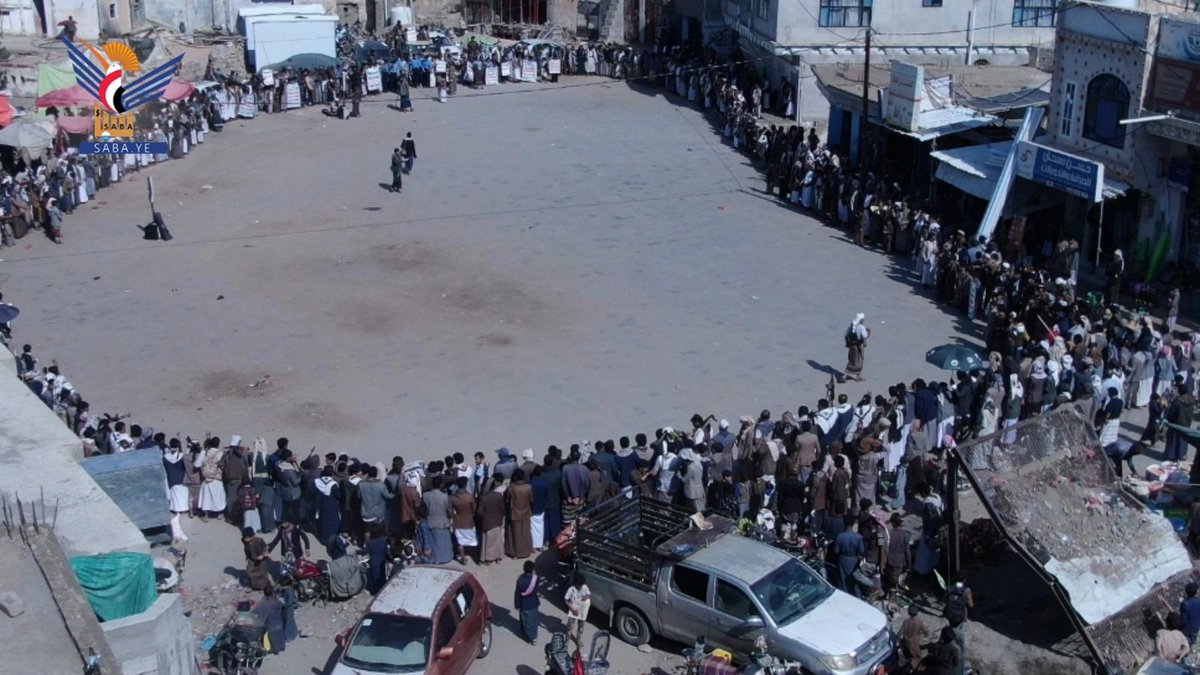
I shared this risk outlook with @BashaReport Risk Advisory clients on 03 July 2025. Feel free to bookmark it Next week could be one of the most sensitive periods in Yemen in recent months. The dispute over the return of the Houthi delegation from Tehran has become much bigger than a transportation issue. It is now a test of political leverage, deterrence, and regional red lines. Here are the main scenarios we are watching. Scenario 1 | Iranian flight lands in Sana'a The Houthis return directly from Tehran aboard an Iranian aircraft, rejecting mediation proposals and bypassing the Saudi-led coalition and the internationally recognized Yemeni government's offer to transport them on a Yemenia or other agreed charter flight. This would hand both the Houthis and Iran an important symbolic and political victory. Scenario 2 | Negotiated solution Regional and international mediation succeeds. The delegation returns on a UN-operated aircraft, an agreed charter flight, or another mutually acceptable arrangement. This remains the least escalatory outcome and would preserve the current de-escalation framework. Scenario 3 | Saudi military response The Saudi-led coalition decides to prevent an Iranian aircraft from landing in Sana'a. This could range from an aerial interception to, in the most extreme case, strikes on Sana'a International Airport or its runway. I assess this as a low-probability scenario because it would almost certainly end the current truce. Any strike on Sana'a Airport would likely trigger Houthi retaliation against Saudi airports, energy infrastructure, and other strategic targets using drones and missiles. Wildcard | Israeli intervention A lower probability but higher impact scenario would involve Israel acting against the Iranian flight or related infrastructure. Such a development would significantly increase the risk of regional escalation and could prompt the Houthis to resume attacks on Israel and shipping linked to Israel in the Red Sea. The next few days will likely determine whether this dispute is resolved through diplomacy or becomes the trigger for a broader regional confrontation. Picture: Central Security Force checkpoint at Sana'a International Airport

English
2
15
54
160.4K
Basha باشا
Basha باشا@BashaReport·
Possible Pakistan Air Force Saab 2000 Erieye AEW&C and Royal Saudi Air Force King Air 350ER aircraft may be conducting paired ISR missions, while @modgovksa Royal Saudi Air Force C-130 transport aircraft continue logistical flights between Jeddah in western Saudi Arabia and bases in the Kingdom's eastern region. The Saab 2000 is likely operated by the Pakistan Air Force's No. 53 Airborne Early Warning & Control Squadron, known as the "Hawks," depolyed to Saudi Arabia in 2026. The Royal Saudi Air Force also operates the Saab 2000 AEW&C through No. 60 Squadron and the King Air 350ER ISR through No. 19 Squadron, both based at Prince Sultan Air Base, Al Kharj, in Riyadh Province.
Basha باشا tweet media
English
0
0
3
603
Basha باشا
Basha باشا@BashaReport·
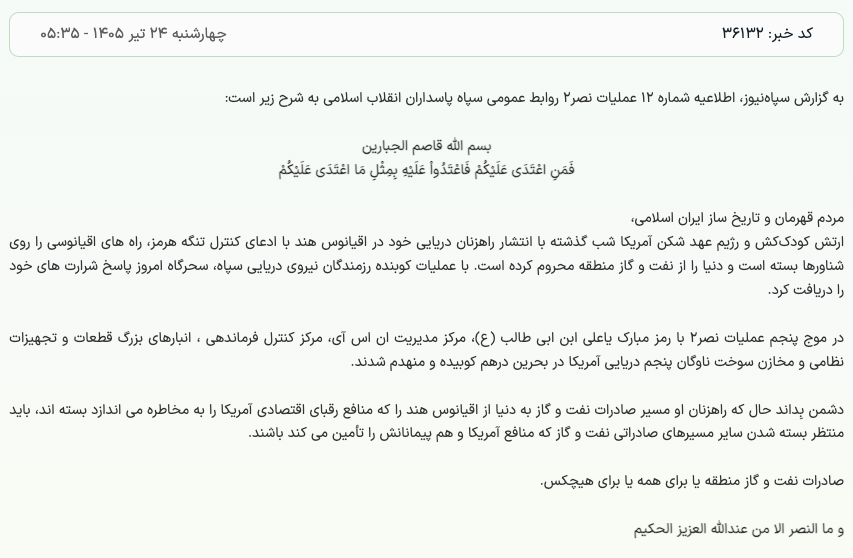
In what may be the clearest Iranian signal yet to the Houthis in Yemen, Iran’s IRGC said tonight, in Statement No. 12 of Operation Nasr 2 published by Sepah News, that because what it called U.S.-backed “pirates” had disrupted oil and gas exports through the Indian Ocean, other export routes serving the United States and its allies could also be closed. The statement ended with a blunt warning that regional oil and gas exports would either remain open to everyone or be denied to everyone.
Basha باشا tweet media
Basha باشا@BashaReport

I shared this risk outlook with @BashaReport Risk Advisory clients on 03 July 2025. Feel free to bookmark it Next week could be one of the most sensitive periods in Yemen in recent months. The dispute over the return of the Houthi delegation from Tehran has become much bigger than a transportation issue. It is now a test of political leverage, deterrence, and regional red lines. Here are the main scenarios we are watching. Scenario 1 | Iranian flight lands in Sana'a The Houthis return directly from Tehran aboard an Iranian aircraft, rejecting mediation proposals and bypassing the Saudi-led coalition and the internationally recognized Yemeni government's offer to transport them on a Yemenia or other agreed charter flight. This would hand both the Houthis and Iran an important symbolic and political victory. Scenario 2 | Negotiated solution Regional and international mediation succeeds. The delegation returns on a UN-operated aircraft, an agreed charter flight, or another mutually acceptable arrangement. This remains the least escalatory outcome and would preserve the current de-escalation framework. Scenario 3 | Saudi military response The Saudi-led coalition decides to prevent an Iranian aircraft from landing in Sana'a. This could range from an aerial interception to, in the most extreme case, strikes on Sana'a International Airport or its runway. I assess this as a low-probability scenario because it would almost certainly end the current truce. Any strike on Sana'a Airport would likely trigger Houthi retaliation against Saudi airports, energy infrastructure, and other strategic targets using drones and missiles. Wildcard | Israeli intervention A lower probability but higher impact scenario would involve Israel acting against the Iranian flight or related infrastructure. Such a development would significantly increase the risk of regional escalation and could prompt the Houthis to resume attacks on Israel and shipping linked to Israel in the Red Sea. The next few days will likely determine whether this dispute is resolved through diplomacy or becomes the trigger for a broader regional confrontation. Picture: Central Security Force checkpoint at Sana'a International Airport

English
1
2
1
905
Basha باشا
Basha باشا@BashaReport·
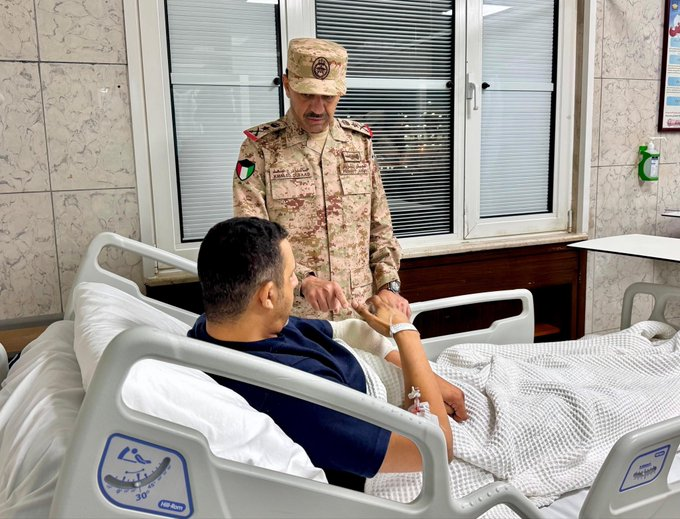
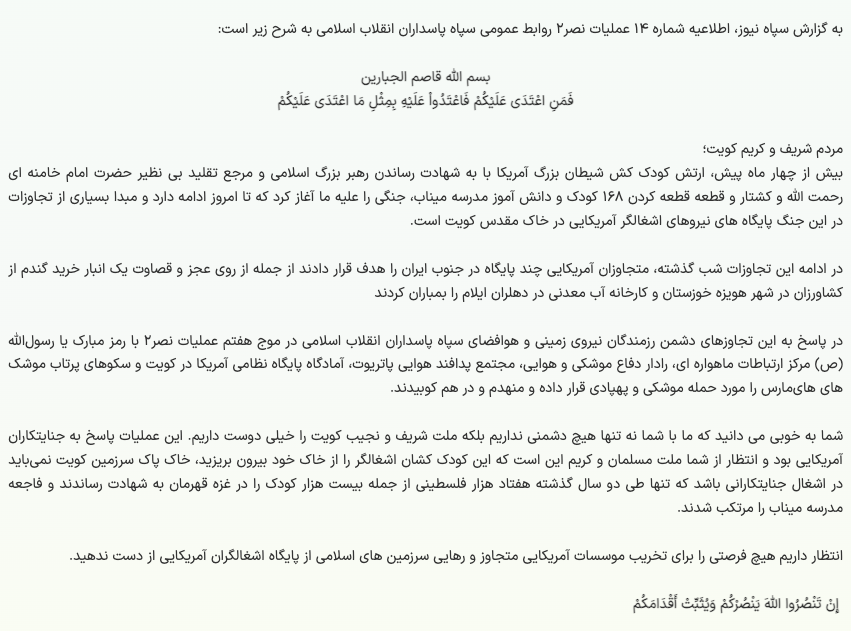
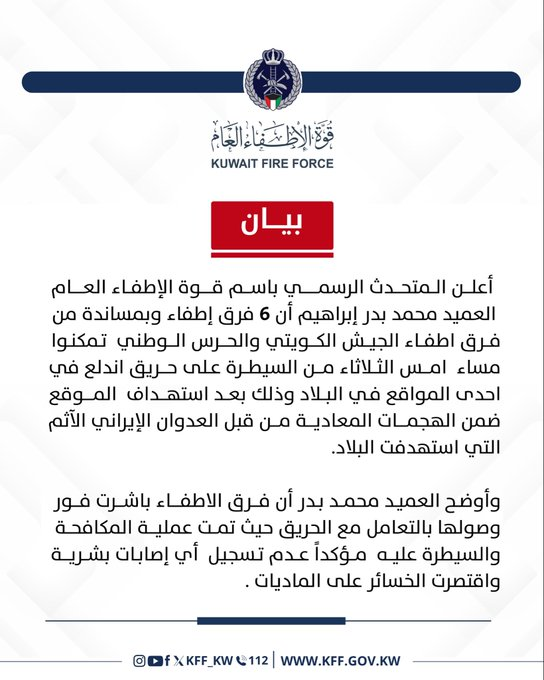
Breaking | IRGC Appeals Directly to Kuwaitis to Expel U.S. Forces After Strikes | After a night of widespread attacks that caused fires, damage to civilian infrastructure, and injuries to Kuwaiti military personnel, Iran's Islamic Revolutionary Guard Corps (IRGC) released Statement No. 14, significantly expanding both its military claims and political messaging. The statement marked a notable shift toward strategic messaging aimed directly at the Kuwaiti population. The IRGC sought to separate the Kuwaiti government and public from the United States, stating that Iran had "no hostility whatsoever" toward the people of Kuwait and describing them as a "noble and honorable nation." It argued that the attacks were directed exclusively at American military forces stationed in Kuwait and claimed that U.S. bases on Kuwaiti territory had served as launch points for attacks against Iran over the previous four months. Perhaps the most significant element of the statement was its explicit call for popular action inside Kuwait. The IRGC urged Kuwaitis to pressure their government to expel U.S. forces, arguing that Kuwaiti territory should not remain occupied by what it described as American forces responsible for atrocities in Gaza and previous attacks against Iran. It further encouraged the Kuwaiti public not to miss any opportunity to "destroy the institutions of the invading Americans" and to work toward removing U.S. military bases from Kuwait and the wider Islamic world. This language represents one of the clearest examples in recent IRGC messaging of coupling military operations with an appeal for domestic mobilization against the U.S. military presence in a Gulf state. The statement claimed that the sixth wave of Operation Nasr 2, conducted under the code phrase "Ya Rasul Allah," struck and destroyed what it described as a network of U.S. military assets in Kuwait. According to the IRGC, the targets included a satellite communications center, missile and air defense radar systems, a Patriot air defense complex, a U.S. military logistics depot, and HIMARS missile launchers, all of which it portrayed as supporting ongoing U.S. military operations against Iran. IRGC also attempted to justify the operation by accusing the United States of conducting strikes against civilian targets inside Iran the previous night, including a wheat storage facility in Hoveyzeh, Khuzestan Province, and a bottled water factory in Dehloran, Ilam Province. The IRGC presented its attacks in Kuwait as a retaliatory response to those alleged strikes, framing them as part of a broader campaign of reciprocal military action rather than an attack on Kuwait itself. At the same time, Kuwaiti authorities acknowledged that the Iranian attack had caused military casualties and damage but did not confirm the specific targets claimed by Iran. The Kuwaiti Ministry of Defense reported that its armed forces detected and intercepted one ballistic missile, five cruise missiles, and 33 hostile drones. Officials stated that several vital and civilian facilities sustained damage from the attacks and falling debris. The ministry also confirmed that one vessel belonging to the Kuwaiti Navy was struck, injuring four service members, who were reported to be in stable condition after receiving medical treatment. Kuwait's Chief of the General Staff later visited the injured sailors to review their condition and commend the medical personnel treating them. The statements illustrate two distinct narratives. Kuwait confirmed that it came under a large-scale Iranian attack that damaged infrastructure and wounded military personnel, while the IRGC claimed it had successfully struck a broad network of U.S. military facilities and simultaneously sought to shape public opinion in Kuwait by portraying the United States as the sole target and encouraging opposition to the continued American military presence in the country.
Basha باشا tweet mediaBasha باشا tweet mediaBasha باشا tweet mediaBasha باشا tweet media
Basha باشا@BashaReport

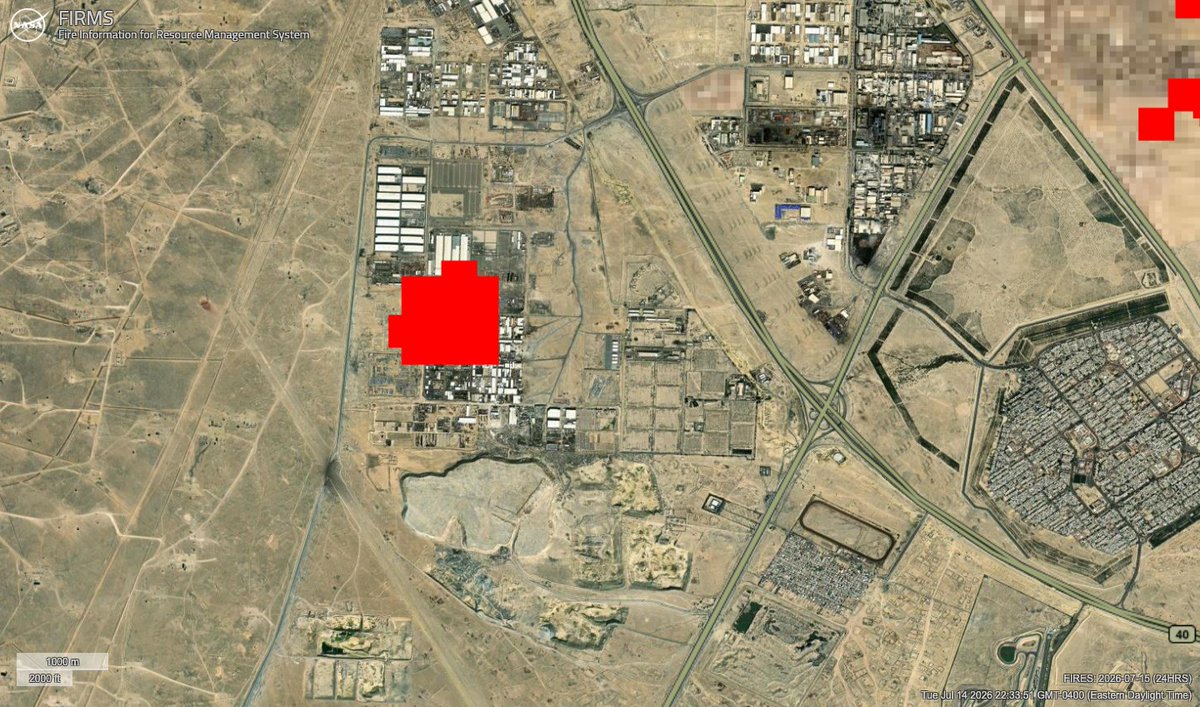
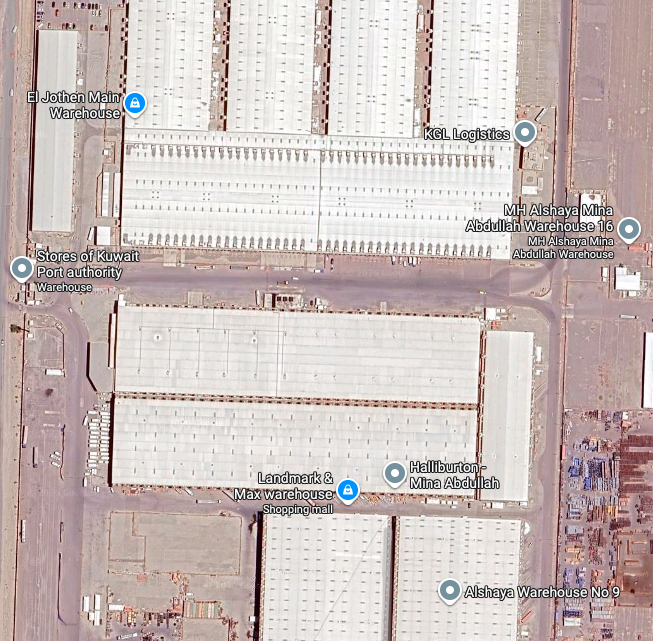
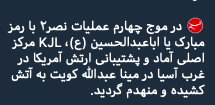
This is an example of the kind of full-cycle OSINT analysis I will most likely use in my next teaching seminar. The investigation began with a video on @X showing what was claimed to be a Shahed-136 Iranian drone strike. The footage appeared to have been recorded by Kuwaiti Civil Defense personnel or emergency medical responders, and the warehouse structure was clearly visible as it was struck multiple times. The next step was to identify the location through local sources. Posts circulating on @Facebook from Kuwait identified the site as a U.S.-linked logistics facility operated by KGL Logistics in the Mina Abdullah industrial area. This was then cross-referenced with satellite imagery, which matched the warehouse layout and surrounding facilities. @NASA FIRMS satellite data independently confirmed that a fire had occurred at the same location, providing another layer of evidence that the site had been hit. The surrounding landmarks visible in the imagery included KGL Logistics, Halliburton Mina Abdullah, MH Alshaya Mina Abdullah Warehouse 16, Alshaya Warehouse No. 9, El Jothen Main Warehouse, the Stores of Kuwait Port Authority Warehouse, and the Landmark & Max Warehouse. The final step in the evidence chain came from Iranian official sources, which released launch footage together with a formal statement claiming responsibility for the strike. The statement identified the target as "KJL," describing it as the main U.S. Army logistics and support center in West Asia located at Mina Abdullah, Kuwait. Whether that characterization is accurate remains a separate analytical question, but this case demonstrates how OSINT can build a structured evidence chain by combining eyewitness video, geolocation, local reporting, commercial mapping, satellite fire detection, and official statements while clearly separating independently verified evidence from the claims made by the parties involved.

English
1
1
4
1.3K
Basha باشا
Basha باشا@BashaReport·
#OSINT Update: the Kuwaiti government confirmed that an Iranian attack had struck a "site" inside the country, although it did not identify the location or facility by name. Kuwait's General Fire Force @kff_kw stated that six firefighting teams, supported by units from the Kuwaiti Army and National Guard, extinguished a fire that broke out at "one of the sites in the country" after it was targeted during the Iranian attack, adding that there were no casualties and that damage was limited to property. At the same time, the Kuwaiti Armed Forces @KuwaitArmyGHQ announced that the country's air defense systems were actively intercepting hostile drones during the Iranian attack and advised the public that any explosions heard were the result of air defense interceptions while urging citizens to follow official safety instructions.
Basha باشا tweet mediaBasha باشا tweet media
Basha باشا@BashaReport

This is an example of the kind of full-cycle OSINT analysis I will most likely use in my next teaching seminar. The investigation began with a video on @X showing what was claimed to be a Shahed-136 Iranian drone strike. The footage appeared to have been recorded by Kuwaiti Civil Defense personnel or emergency medical responders, and the warehouse structure was clearly visible as it was struck multiple times. The next step was to identify the location through local sources. Posts circulating on @Facebook from Kuwait identified the site as a U.S.-linked logistics facility operated by KGL Logistics in the Mina Abdullah industrial area. This was then cross-referenced with satellite imagery, which matched the warehouse layout and surrounding facilities. @NASA FIRMS satellite data independently confirmed that a fire had occurred at the same location, providing another layer of evidence that the site had been hit. The surrounding landmarks visible in the imagery included KGL Logistics, Halliburton Mina Abdullah, MH Alshaya Mina Abdullah Warehouse 16, Alshaya Warehouse No. 9, El Jothen Main Warehouse, the Stores of Kuwait Port Authority Warehouse, and the Landmark & Max Warehouse. The final step in the evidence chain came from Iranian official sources, which released launch footage together with a formal statement claiming responsibility for the strike. The statement identified the target as "KJL," describing it as the main U.S. Army logistics and support center in West Asia located at Mina Abdullah, Kuwait. Whether that characterization is accurate remains a separate analytical question, but this case demonstrates how OSINT can build a structured evidence chain by combining eyewitness video, geolocation, local reporting, commercial mapping, satellite fire detection, and official statements while clearly separating independently verified evidence from the claims made by the parties involved.

English
0
5
8
3.3K
Basha باشا
Basha باشا@BashaReport·
This is an example of the kind of full-cycle OSINT analysis I will most likely use in my next teaching seminar. The investigation began with a video on @X showing what was claimed to be a Shahed-136 Iranian drone strike. The footage appeared to have been recorded by Kuwaiti Civil Defense personnel or emergency medical responders, and the warehouse structure was clearly visible as it was struck multiple times. The next step was to identify the location through local sources. Posts circulating on @Facebook from Kuwait identified the site as a U.S.-linked logistics facility operated by KGL Logistics in the Mina Abdullah industrial area. This was then cross-referenced with satellite imagery, which matched the warehouse layout and surrounding facilities. @NASA FIRMS satellite data independently confirmed that a fire had occurred at the same location, providing another layer of evidence that the site had been hit. The surrounding landmarks visible in the imagery included KGL Logistics, Halliburton Mina Abdullah, MH Alshaya Mina Abdullah Warehouse 16, Alshaya Warehouse No. 9, El Jothen Main Warehouse, the Stores of Kuwait Port Authority Warehouse, and the Landmark & Max Warehouse. The final step in the evidence chain came from Iranian official sources, which released launch footage together with a formal statement claiming responsibility for the strike. The statement identified the target as "KJL," describing it as the main U.S. Army logistics and support center in West Asia located at Mina Abdullah, Kuwait. Whether that characterization is accurate remains a separate analytical question, but this case demonstrates how OSINT can build a structured evidence chain by combining eyewitness video, geolocation, local reporting, commercial mapping, satellite fire detection, and official statements while clearly separating independently verified evidence from the claims made by the parties involved.
Basha باشا tweet mediaBasha باشا tweet mediaBasha باشا tweet media
English
1
1
21
6.2K
Basha باشا
Basha باشا@BashaReport·
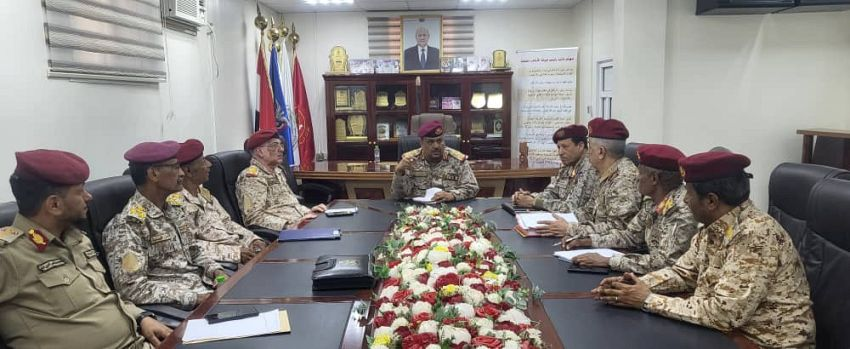
Day 71 | The anti-Houthi coalition stepped up its rhetoric and readiness measures today, combining stronger political warnings with a series of military, security, and logistical activities across government-held areas. The Presidential Leadership Council and the National Defense Council accused the Houthis and Iran of violating Yemeni sovereignty by arranging foreign flights to Sana’a International Airport without government approval. The meeting warned that no foreign aircraft would be permitted to enter Yemeni airspace or land at any airport without authorization from the internationally recognized government. It also called on the Saudi-led coalition to continue supporting government forces and urged the international community to move from condemnation to deterrence. Officials said the government would continue pursuing political and diplomatic measures while maintaining the right to take military action under Yemeni and international law. The leadership also praised recent defensive measures and ordered state institutions to remain in permanent session, coordinate their response, and prepare for further escalation. The Interior Ministry reinforced this message by ordering security units in government-held governorates to raise their operational readiness to the highest level. Security agencies were instructed to strengthen coordination with local authorities and military forces, monitor suspected Houthi cells, protect government institutions, and respond firmly to attempts to create unrest or undermine security. At the same time, the armed forces increased their focus on training, logistics, and combat preparedness. The Logistics Support Authority reviewed its plans for the second half of 2026 and discussed equipment, maintenance, technical support, and other requirements needed to improve military readiness. Senior defense officials also held meetings to assess current military and security developments and strengthen coordination between Ministry of Defense departments. Military units in Hadramawt and Marib carried out training activities, marches, and readiness demonstrations. The Second Coastal Defense Brigade launched the second phase of its 2026 combat training program, while the Second Military Region said it had restored more than 90 percent of its general combat readiness. In Marib, facility protection forces conducted a military march aimed at improving physical fitness, discipline, and operational preparedness. These actions show that the anti-Houthi coalition is seeking to present a unified position. Its current message combines warnings over Iranian involvement and unauthorized flights to Sana’a with visible preparations by military, security, and logistical institutions. The rhetoric remains framed around sovereignty, deterrence, and the protection of government-held territory, while officials continue to say they support a negotiated peace.
Basha باشا tweet mediaBasha باشا tweet mediaBasha باشا tweet mediaBasha باشا tweet media
Basha باشا@BashaReport

Day 72 | Anti-Houthi mobilization continues, with the latest activity involving a live-fire military exercise conducted by the @alamalikah. The exercise marked the conclusion of a military training course supported and supervised by the Saudi-led coalition and was intended to improve combat proficiency and operational readiness. The drill simulated an offensive operation to seize and clear fortified hilltops, mountain positions, and defensive strongholds using modern tactics, drones, and combined arms. Participating forces demonstrated assault operations, breaching enemy defenses, navigating mountainous terrain, conducting simulated prisoner captures, clearing mines, and performing casualty evacuation. According to the Southern Giants Brigades, the exercise forms part of an ongoing coalition-backed training program designed to maintain a high level of combat readiness under the direction of Presidential Leadership Council member and Southern Armed Forces commander Abdulrahman al-Muharrami (@AbuZar3a).

English
0
2
7
2K
Basha باشا
Basha باشا@BashaReport·
Day 71 | Houthi daily mobilization expanded significantly, with the movement organizing sit-ins, rallies, tribal gatherings, armed assemblies, student demonstrations, and institutional events across multiple governorates in response to the Saudi-led coalition's strike on Sana'a International Airport. The campaign is framed as part of an ongoing nationwide mobilization against what the Houthis describe as the Saudi-led coalition's naval and aerial blockade. Speakers and participants repeated calls to end the blockade, "liberate Yemen from foreign occupation," and regain control of the country's natural resources. Many events also reaffirmed support for the Houthi leadership, endorsed military retaliation against Saudi Arabia, and encouraged continued public mobilization and recruitment. The latest wave of activities represents a broader phase of civil society mobilization involving schools, universities, government ministries, tribal groups, and local communities. Student sit-ins and protests were held in Sana'a, Hajjah, Ibb, Al Mahwit, and other governorates, while mass rallies and armed tribal gatherings took place in Saada, Hajjah, Taiz, Lahij, Marib, Dhamar, and Ibb. Government ministries, universities, and public institutions also organized solidarity events condemning the strike on Sana'a International Airport. Alongside the anti-coalition demonstrations, the movement launched a third wave of ideological and commemorative events marking the martyrdom anniversary of Imam Zayd bin Ali. Ministries, government agencies, educational institutions, and local authorities hosted speeches and cultural programs portraying Imam Zayd as a symbol of resistance, sacrifice, justice, and steadfastness.
Basha باشا tweet mediaBasha باشا tweet mediaBasha باشا tweet mediaBasha باشا tweet media
Basha باشا@BashaReport

Day 72 | The Houthis are mobilizing supporters around three themes. First, they are celebrating the successful landing in Hudaydah, West Yemen, and disembarkation of the Houthi delegation and other passengers returning from Tehran despite the reported Saudi airstrikes on Sana’a International Airport. Second, they are using the airport strike to intensify public mobilization against the Saudi-led coalition. Third, they are commemorating the death of Imam Zayd through religious and community events across Houthi-controlled areas.

English
0
2
2
1.8K
Basha باشا retweetledi
Hisham Maqdashi | هشام المقدشي
I sopke with @AJEnglish about the recent violation of the Iranian flight of the Yemeni Airspace and the ROYG response and possibility of a new round of escalation in the Yemeni front.
English
0
1
7
997
Basha باشا
Basha باشا@BashaReport·
12:00 am 🎥 Live from downtown Manama, Bahrain. As of this moment, everything appears calm. There are no visible signs of military activity or disturbances in the city center.
English
2
4
24
12.1K
Basha باشا retweetledi
Egypt's Intel Observer
Drone wreckage recovered in Yemen’s Al Bayda province appears to include underwing weapons pylons from a Royal Saudi Air Force Wing Loong II UCAV reportedly downed by the Houthis earlier today.
Egypt's Intel Observer tweet mediaEgypt's Intel Observer tweet mediaEgypt's Intel Observer tweet media
Egypt's Intel Observer@EGYOSINT

🇸🇦🇾🇪 The Houthis claim they downed a Royal Saudi Air Force (RSAF) Wing Loong II drone over Yemen's Al Bayda province early today, saying it was carrying out a hostile mission. The group said it is prepared to respond to any future violations of Yemen's airspace.

English
0
42
168
19.1K
Basha باشا
Basha باشا@BashaReport·
My apologies to my followers. My last post about Manama, Bahrain, included a possible misidentification of a missile and at least one video that was old and unrelated to Bahrain. There was also pushback that the footage showed a Patriot missile implosion, came from Israel, or captured a successful interception. I have now verified that at least one of the videos was not connected to Bahrain, so I removed the post. I regret the error and appreciate those who flagged it.
GIF
English
2
0
17
2.5K
Basha باشا retweetledi
U.S. Central Command
At 3 p.m. ET today, U.S. Central Command forces began launching an additional round of strikes against Iran to continue degrading Iranian capabilities used to attack commercial shipping in the Strait of Hormuz. The strikes are taking place as American forces prepare to resume the naval blockade against Iranian ports and coastal areas. The blockade goes into effect at 4 p.m. ET.
English
618
2.2K
11K
872.7K
Basha باشا retweetledi
U.S. Central Command
U.S. forces resumed the naval blockade against vessels transiting to and from Iranian ports and coastal areas today at 4 p.m. ET. There are currently more than 20 U.S. Navy warships and hundreds of military aircraft operating across the Middle East. American forces remain vigilant, lethal, and ready.
U.S. Central Command tweet media
English
564
2K
9.2K
591.6K
Basha باشا
Basha باشا@BashaReport·
RT @CENTCOMArabic: استأنفت القوات الأمريكية اليوم في تمام الساعة الرابعة مساءً بتوقيت الساحل الشرقي للولايات المتحدة، الحصار البحري على الس…
العربية
0
11
0
570
Basha باشا
Basha باشا@BashaReport·
This video shows one of the many risks faced by seafarers and ships passing through Yemeni territorial waters. In a situation like this, how are crews supposed to tell the difference between pirates and government forces? Don’t come at me for posting this. It’s a fair question, and the reality is that the line can be very hard to see. x.com/aselsaqladi/st…
Basha باشا@BashaReport

Another Day Another smuggling vessel interdicted On Tuesday, July 14, 2026, the Southern Giants Brigades @alamalikah intercepted a boat in the Bab el-Mandeb Strait carrying specialized materials and equipment used in weapons manufacturing. The shipment was reportedly bound for the Houthis in Hodeidah. Naval patrols from the Southern Giants Brigades, stationed in the Bab el-Mandeb sector, intercepted and seized the vessel following a precise intelligence surveillance operation. The crew, described as smugglers affiliated with the Houthis, was also detained.

English
0
1
2
2.8K
Basha باشا retweetledi
Shehbaz Sharif
Shehbaz Sharif@CMShehbaz·
باكستان تدين بشدة الهجمات السافرة التي شنت على المملكة العربية السعودية الشقيقة الليلة الماضية. إن هذه الأعمال المشينة تشكل انتهاكا لسيادة المملكة العربية السعودية ووحدة أراضيها، ومن شأنها أن تزيد من تقويض السلام والاستقرار في المنطقة. وتجدد باكستان تأكيد دعمها الثابت لأمن المملكة، وتقف في تضامن كامل مع المملكة العربية السعودية الشقيقة في هذا الوقت الحرج. ومن جانبها، ستواصل باكستان دعم جميع الجهود الصادقة الرامية إلى تعزيز السلام والاستقرار والأمن والتفاهم المتبادل في أنحاء المنطقة.
Shehbaz Sharif@CMShehbaz

Pakistan strongly condemns the blatant attacks carried out against the brotherly Kingdom of Saudi Arabia last night. Such reprehensible actions constitute a violation of the sovereignty and territorial integrity of the Kingdom of Saudi Arabia and have the potential to further undermine regional peace and stability.  Pakistan reaffirms its unwavering support for the Kingdom’s security and stands in complete solidarity with the brotherly Kingdom of Saudi Arabia at this critical time. On its part, Pakistan will continue to support all sincere efforts aimed at promoting peace, stability, security, and mutual understanding across the region.

العربية
351
271
1.5K
257.3K
Basha باشا
Basha باشا@BashaReport·
After Iran targeted Bahrain, Kuwait, Qatar, Oman, Jordan and the UAE this week, Kazem @Gharibabadi, Iran’s deputy foreign minister for legal and international affairs, spoke with striking hubris. He claimed that some Arab countries had failed to learn from the 40-day war by once again allowing the United States to use their territory. Gharibabadi then warned that those countries would suffer far greater losses if the conflict expanded, despite Iran itself having launched attacks across the region.
Basha باشا tweet media
English
1
2
4
2.4K