Sabitlenmiş Tweet

English
beardcoded
3.9K posts

@Beardcoded
visions, drawings and algorithms

Great article! I agree that the collapse of NFT marketplaces should not be read as a failure of digital art, but as the failure of an institutional layer. To be honest, that collapse was predictable. The bad thing is that as long as the main conversation revolves around floor prices and influencers are louder than artists themselves, the scene will continue to fail. We need to shift the focus, because this scene is way too important and carries answers to a crisis the contemporary art world has been unable to resolve: a sense that formal possibilities are exhausted, that history repeats itself, and that art history has become a burden rather than a resource for artists. In contrast, digital art built natively in computational space begins from a genuine reset. Not because it ignores art history, but because it is not trapped by it. The idea that a digital canvas and digital space can function as a pure field for expression is still poorly understood, even within this scene. Under the radar, artists are treating computation itself as material, working with compression, dithering, glitch, browser logic, and digital error not as style, but as a way to expose the systems behind images. In this sense, the moment is comparable to what modernist painters did with light and paint as material. Yet the excitement largely goes unnoticed, in part because screens are still perceived primarily as utility devices rather than expressive surfaces. The use of code and AI also demands a fundamental rethinking of representation. Authorship, gesture, and intention can no longer be taken for granted once image-making passes through software and probabilistic systems. For on-chain art, the ontology of the digital object shifts even more radically. Objects that once floated freely through time and space become anchored in a traceable, programmable reality. Duration, persistence, and even decay can be encoded. The artwork exists simultaneously as image, code, economic object, and social relation, mediated through a decentralized network. These are not marginal concerns. They are questions the contemporary art world has largely failed to recognize, even while promoting “digital” artists within its own institutional frameworks. Yet they are already being actively addressed here. This is why we need to talk about digital art differently. Much of this work remains unheard, drowned out by loud voices that fail to articulate what is actually taking place. I agree with you that framing the current moment as a “failed NFT market” misses the point. What is forming here is an artist-led response to a broader crisis in art itself one that does not rely on galleries or platforms to manufacture narratives after the fact, because the work already contains its own logic. The real failure is discursive. As long as this work is discussed primarily in terms of prices, platforms, and personalities, its significance will remain obscured. The question now is not whether this art survives, but whether we are capable of seeing it for what it already is. Sorry for the long response.

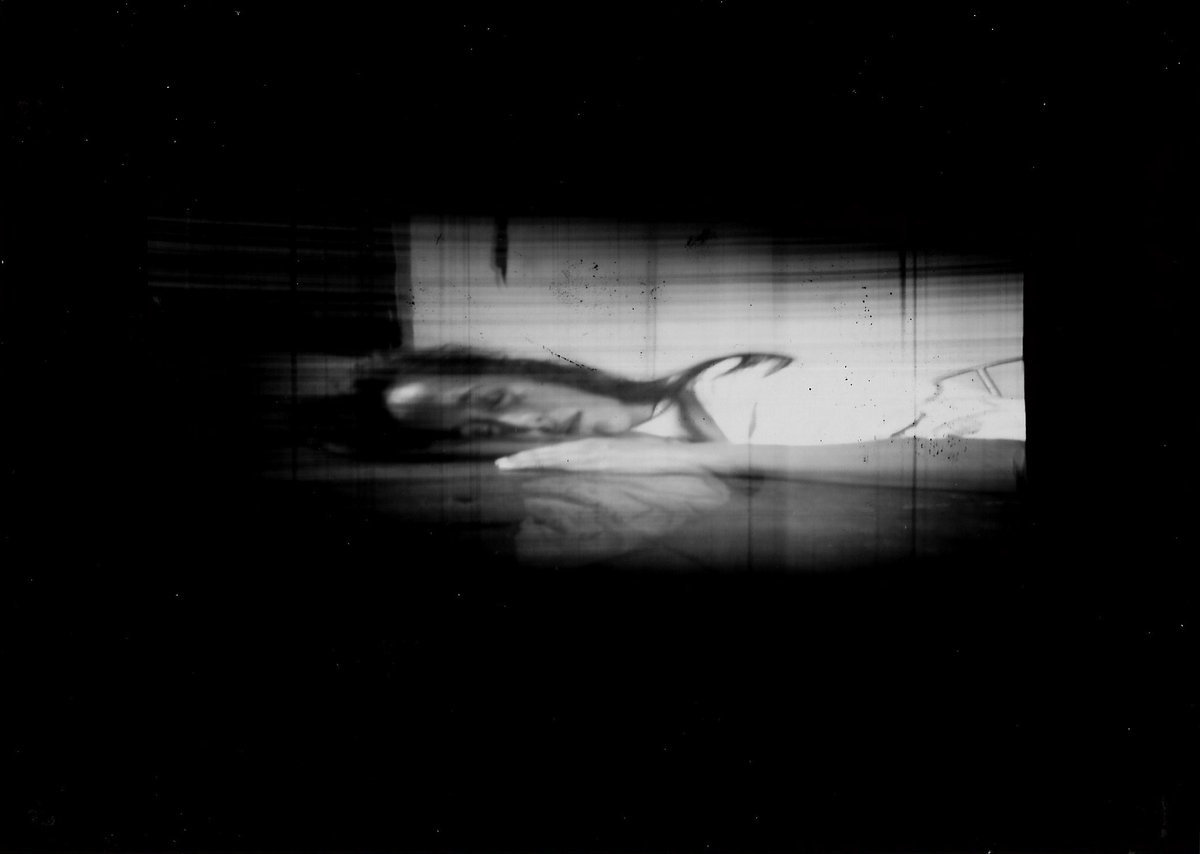

Pictures were never to be unconditionally trusted AI is just forcing the issue
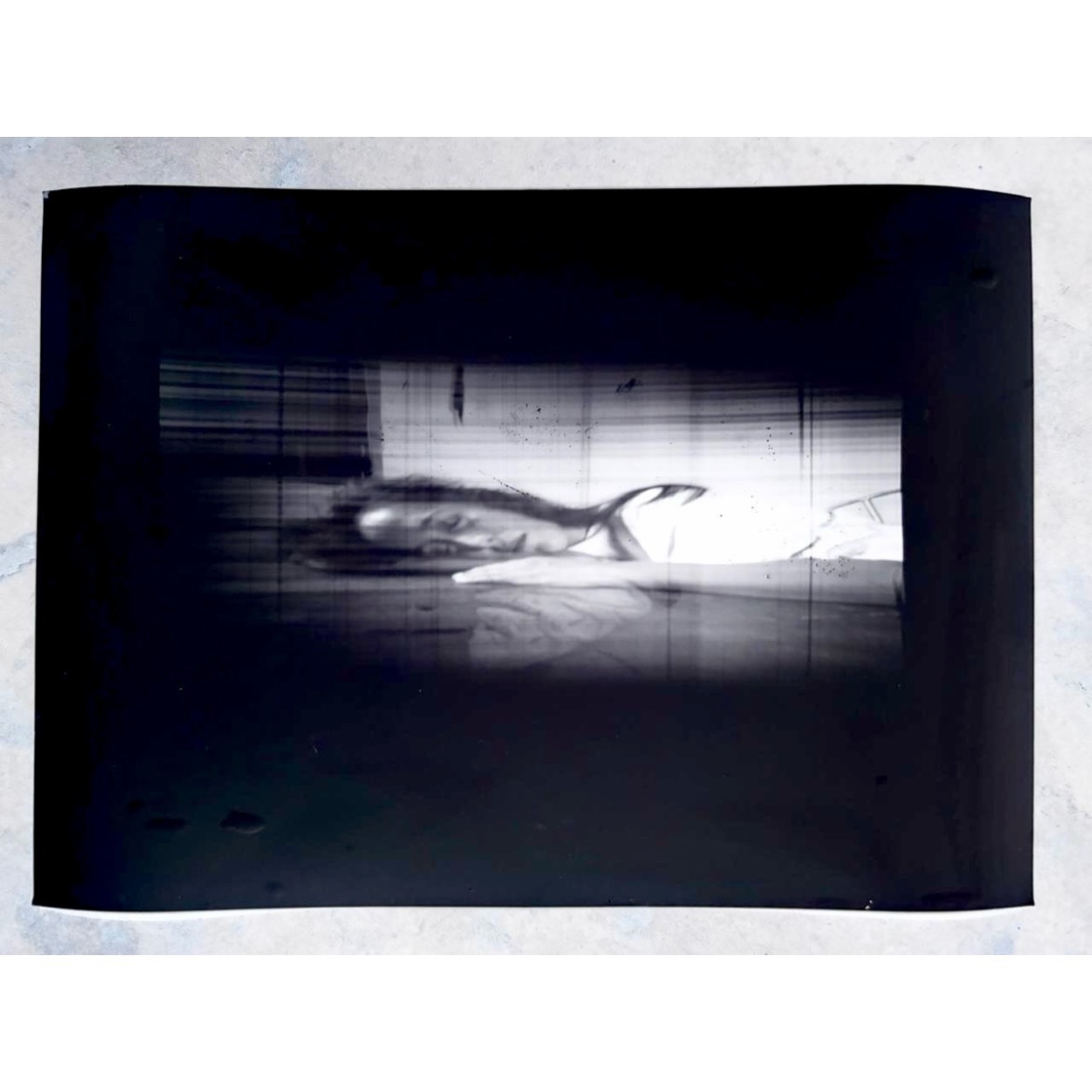

I challenge you to share a piece of art you like and tag the artist on your Sunday even if you don’t own it. Beehive, @t_rienzi