Sabitlenmiş Tweet
Begin Health
73 posts

Begin Health
@BeginHealth
Begin Health | For baby + kids' microbiome health https://t.co/jqCw0nErpo 👶🏻❤️💩 gut health is #kidshealth
San Francisco Katılım Nisan 2020
8 Takip Edilen74 Takipçiler
Begin Health retweetledi

Yesterday, @WSJ featured @GetTinyHealth in a piece on the rise of baby microbiome testing, alongside our friends @BeginHealth and @MadelineZephyr.
The headline: “𝗕𝗮𝗯𝗶𝗲𝘀’ 𝗚𝘂𝘁 𝗛𝗲𝗮𝗹𝘁𝗵 𝗜𝘀 𝘁𝗵𝗲 𝗡𝗲𝘄 𝗢𝗯𝘀𝗲𝘀𝘀𝗶𝗼𝗻 𝗳𝗼𝗿 𝗣𝗮𝗿𝗲𝗻𝘁𝘀 – 𝗮𝗻𝗱 𝗦𝘁𝗮𝗿𝘁𝘂𝗽𝘀.”
Yes, we absolutely are obsessed – as founders building in this space and as parents thinking deeply about the world our children are growing up in.
Because nearly 1 in 2 children in the U.S. now has a chronic condition, per the CDC.
Somehow, this has been framed as the status quo. It’s insane.
We cannot accept this.
Eczema.
Food allergies.
Asthma.
Autoimmune disease.
If the immune system is trained in the first 1,000 days of life — and the microbiome plays a central role in that training — why wouldn’t we prioritize getting that foundation right?
The article opens with Brittany and her son Leo, who was struggling with constipation, fussiness, and poor weight gain early on. Like many parents, she wasn’t looking for a trend. She was looking for answers.
As part of their Tiny Health journey, recommendations included outdoor play, pet exposure, and increasing microbial diversity.
That’s not trend-driven advice.
It’s grounded in decades of immunology research. In the first year of life, babies exposed to farms, animals, and pets develop higher levels of beneficial microbes like 𝘉𝘪𝘧𝘪𝘥𝘰𝘣𝘢𝘤𝘵𝘦𝘳𝘪𝘶𝘮 and 𝘈𝘬𝘬𝘦𝘳𝘮𝘢𝘯𝘴𝘪𝘢 – along with lower rates of allergic disease.
Rigor matters in emerging science.
At Tiny Health, we ground our recommendations in evidence-based interventions supported by decades of microbiome research. Last fall, we published a randomized controlled trial showing these interventions can reduce the odds of developing atopic conditions by 𝟴𝟯%. (Study linked in the comments.)
And what we hear from families isn’t hype – it’s relief.
Relief as constipation improves, eczema clears, sleep deepens, and resilience builds. Small shifts that make a profound difference in daily life and long-term health.
For families navigating persistent chronic health issues, those shifts aren’t small. They can be life-changing especially when they happen early.
Prevention can look unconventional… right up until it becomes standard of care.
And we’re here to support families with science, data, and care every step of the way.
Read the Wall Street Journal story here – wsj.com/health/wellnes…
English
Begin Health retweetledi

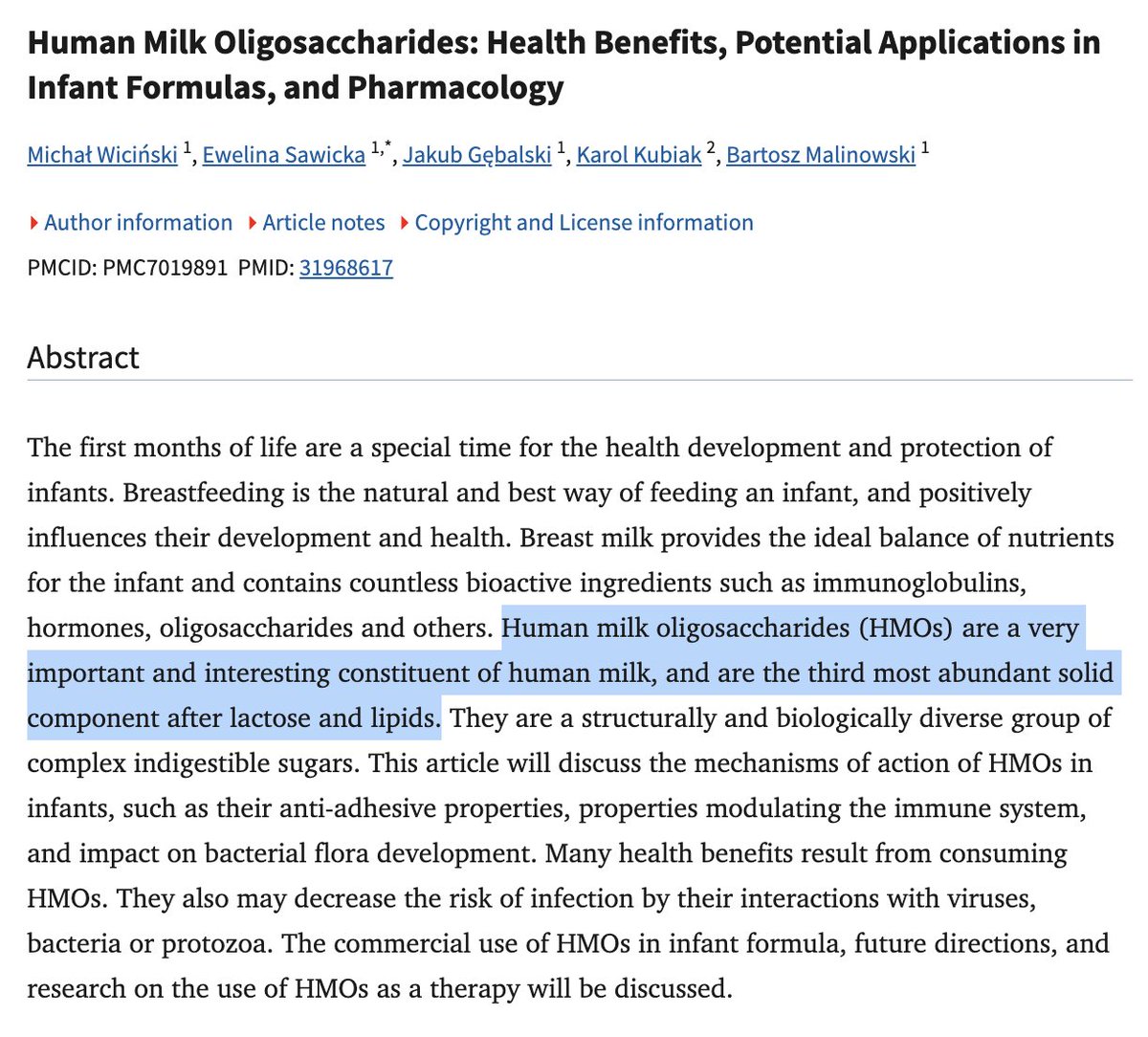
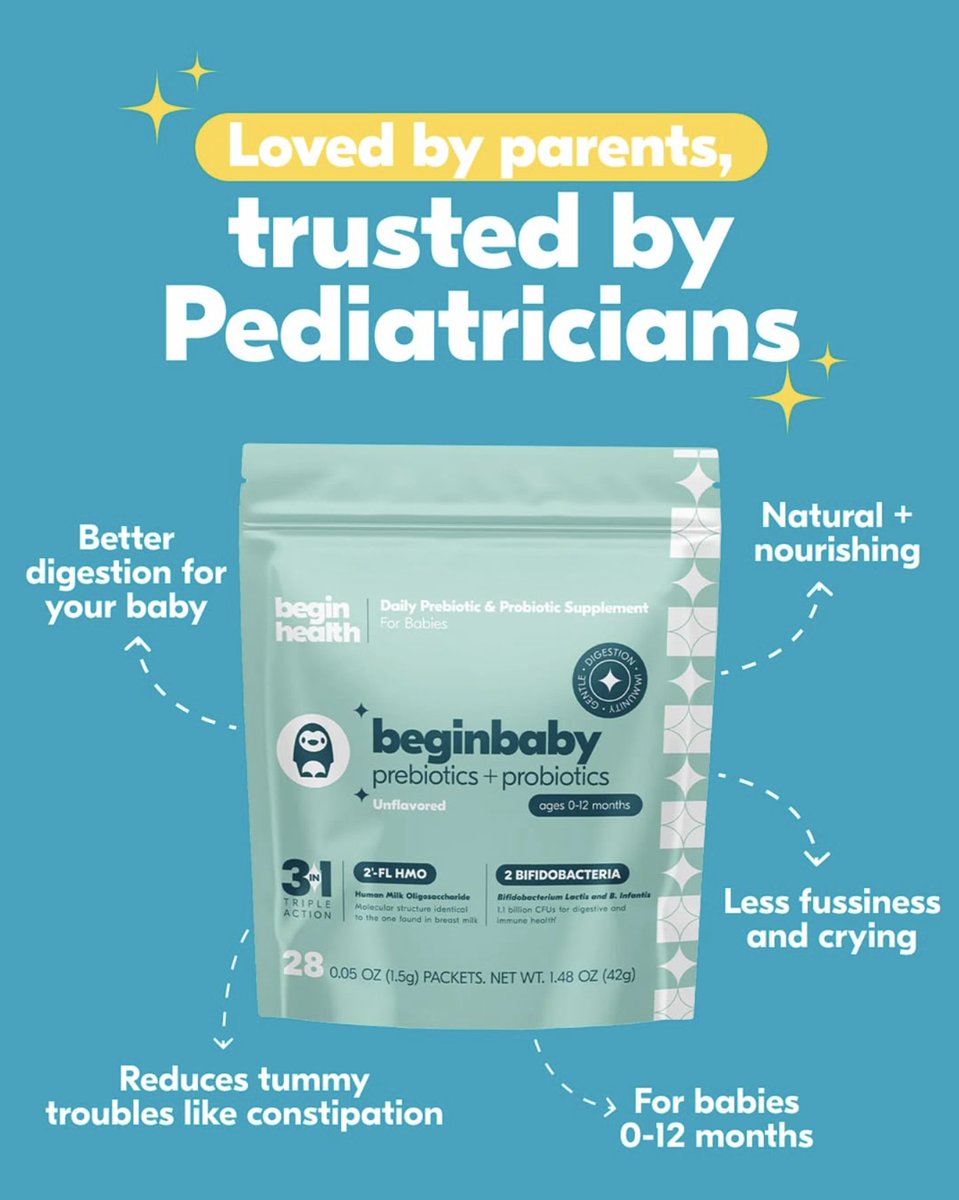
HMOs (human milk oligosaccharides) are a sugar found in human breast milk that babies mostly can’t break down for energy.
Yet HMOs are the third most abundant solid component in human milk (after lactose and fat).
So, what are they doing there?
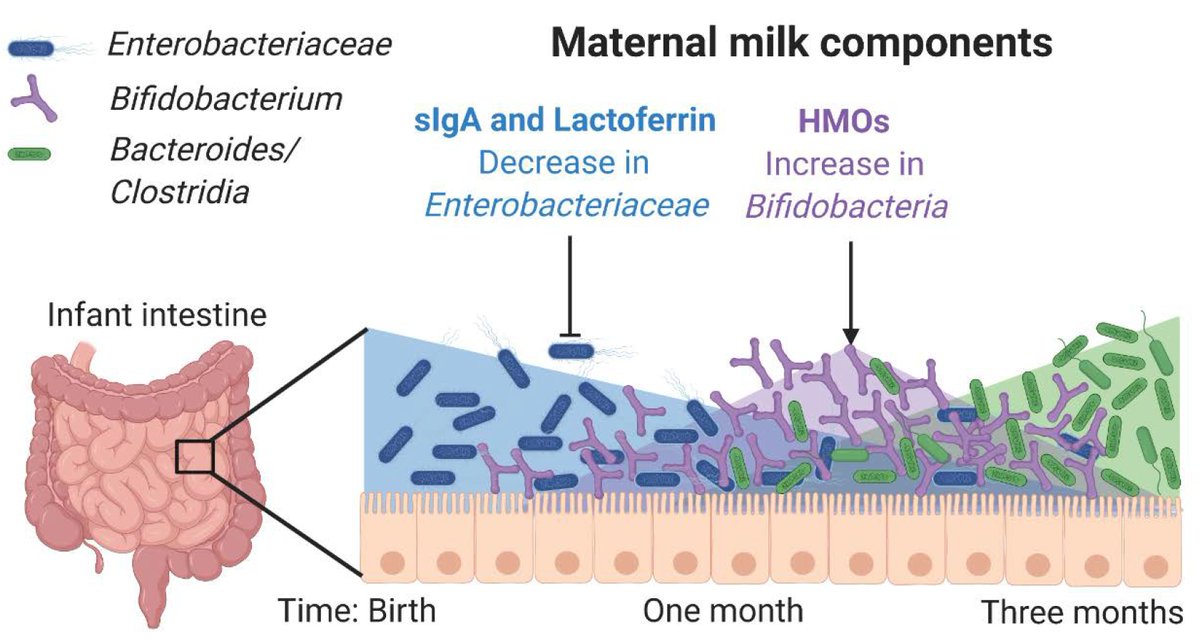
HMOs feed the baby’s future gut “security team” by passing through the upper gut and reaching the colon where they feed the important beneficial bacteria such as bifidobacteria.
That means breast milk is actively shaping which microbes move in first — and with them, the infant's gut and immune system.
HMOs do more than just support good bacteria. They work like decoys...
A lot of germs cause trouble by first sticking to receptors on the gut lining, the way a key fits into a lock. The bad actors grab onto the gut and "lock in" before they start their damage.
HMOs can mimic those structures, so some pathogens bind to the HMO instead of your baby’s actual cells. It’s like tossing a bunch of fake keys to distract the pickpocket.
HMOs aren’t one ingredient.
Human milk can contain 200+ different HMO structures, and the blend changes over lactation and differs between moms because of genetics. Breast milk is an intelligent, dynamic, and personalized system that adapts as the baby grows.
Once you “get” HMOs, breastfeeding stops sounding like a "nice to have" and starts looking like a biological advantage during a vulnerable window. This is a critical period when babies are meeting the microbial world for the first time and their immune systems are in training mode.
Formula can absolutely nourish babies, and it’s essential and life-saving in a lot of real situations. Some formulas now add a small amount of HMOs. That’s a meaningful step forward, but it’s still not the same as the full, shifting HMO “library” in human milk.
Breast milk has been evolving alongside human infants for hundreds of thousands of years. HMOs are one small window into how sophisticated that system is and how much we're still learning.
If breastfeeding is an option that's safe and doable for you, it's worth serious consideration.

English

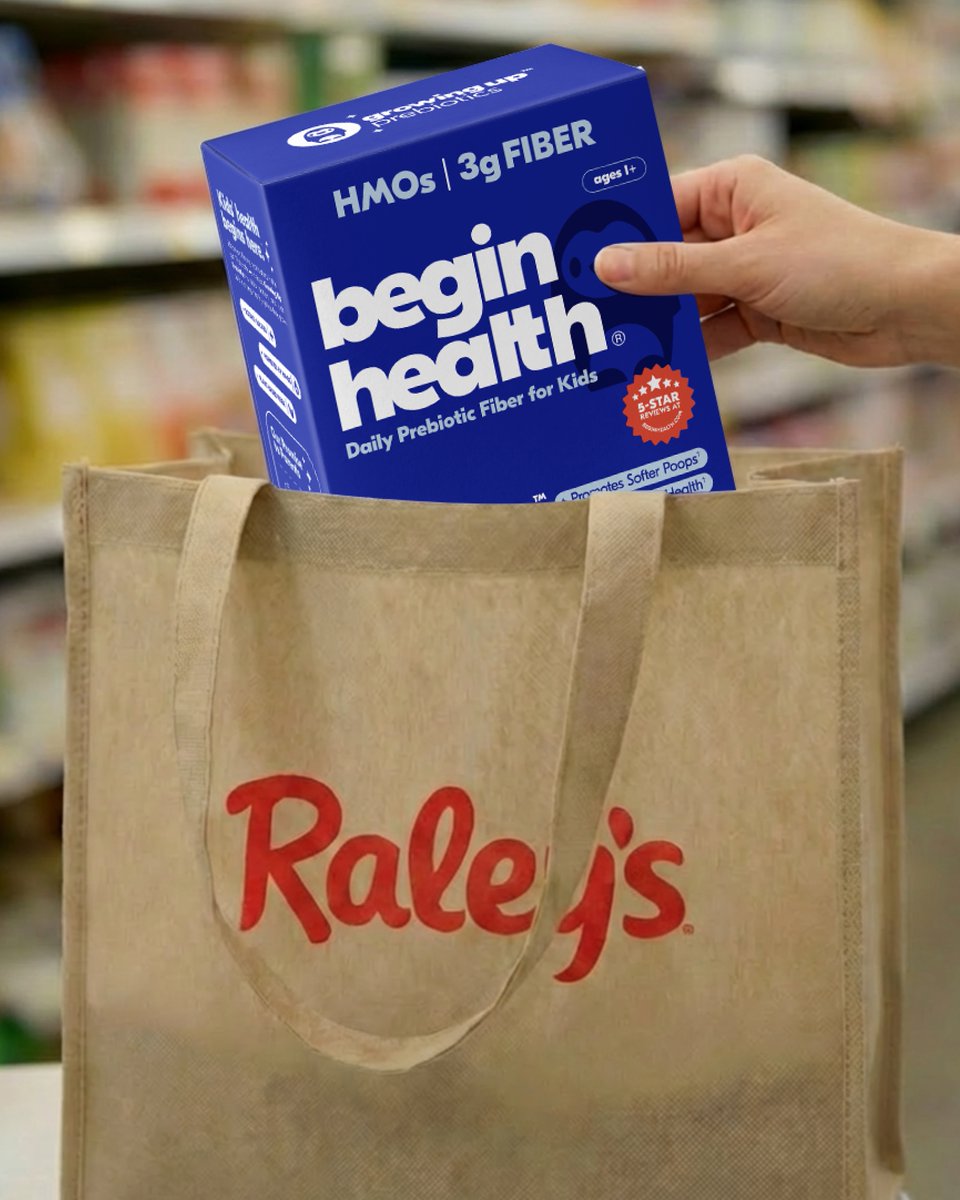
Begin Health is now available in 47 @raleys locations across Northern California! You can now find Growing Up Prebiotics on their shelves.
This retail partnership expands our goal of making the ingredient standards kids deserve accessible where families already shop.
Next time you're at #Raley's, snap a shelf pic and tag us. We can't wait to see it!


English

Big news 🚀 Begin Health is No. 190 on this year’s #Inc5000 list of fastest-growing private companies!
Huge thanks to our team, partners, and community for helping us build a healthier future for every kid. @Inc @inc5000
Full list → inc.com/inc5000

English
Begin Health retweetledi

Big move by @PersephoneBio delivering a significant advancement to our understanding of the infant gut microbiome.
Regardless of birth mode and/or early feeding method @StephJCuller and team found that:
76% of babies in their U.S. study were deficient in the key gut microbe: Bifidobacterium.
25% of their infants lacked detectable Bifidobacterium at all.

English

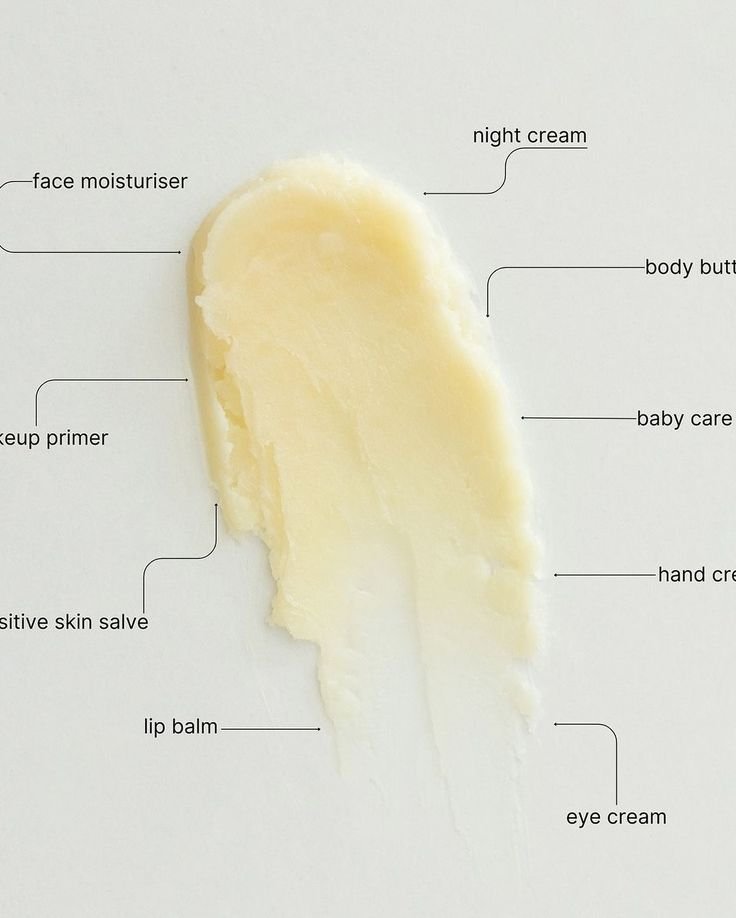
Tallow should be your first choice for your infant's skin..
Tallow contains vitamins A, D, E, K, and B12, which contribute to skin health.
The fat saturation of tallow is close to human fat, allowing the vitamins to be absorbed more easily while locking in moisture and nutrients without clogging pores.
When beef tallow oil was incorporated into a mixture for mice with atopic dermatitis, it provided symptomatic relief, decreased IgE levels (associated with allergic reactions), and reduced mast cells and B-cell markers.
Tallow balm is a safe treatment for eczema, cuts, sunburns, scrapes, and dermatitis — since it containing nutrients that nourish and protect infant skin.
It's particularly effective because it's high in vitamins D and E, which keep skin smooth, protect from sun damage, and reduce inflammation.


English

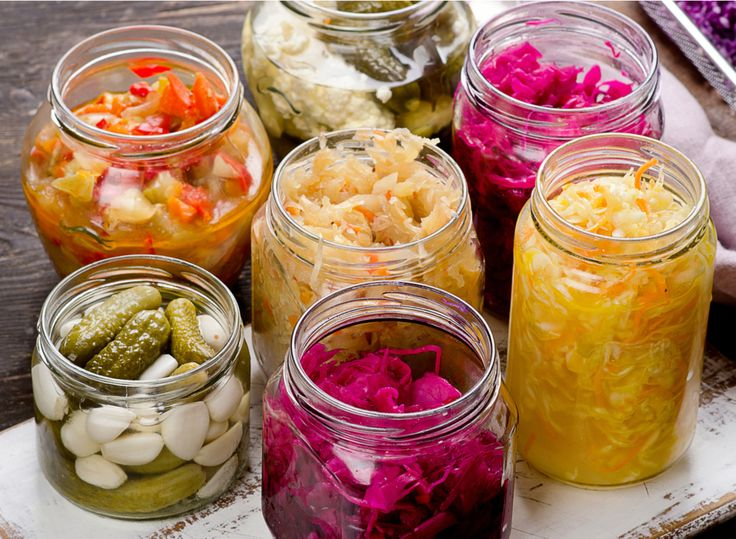
If you're expecting, one of the best things you can do is strengthen your microbiome.
Pass your gut health to your little one. Nurturing your digestive system means nurturing theirs.
Incorporate:
• Foods with probiotics (like kefir, raw dairy, and sauerkraut)
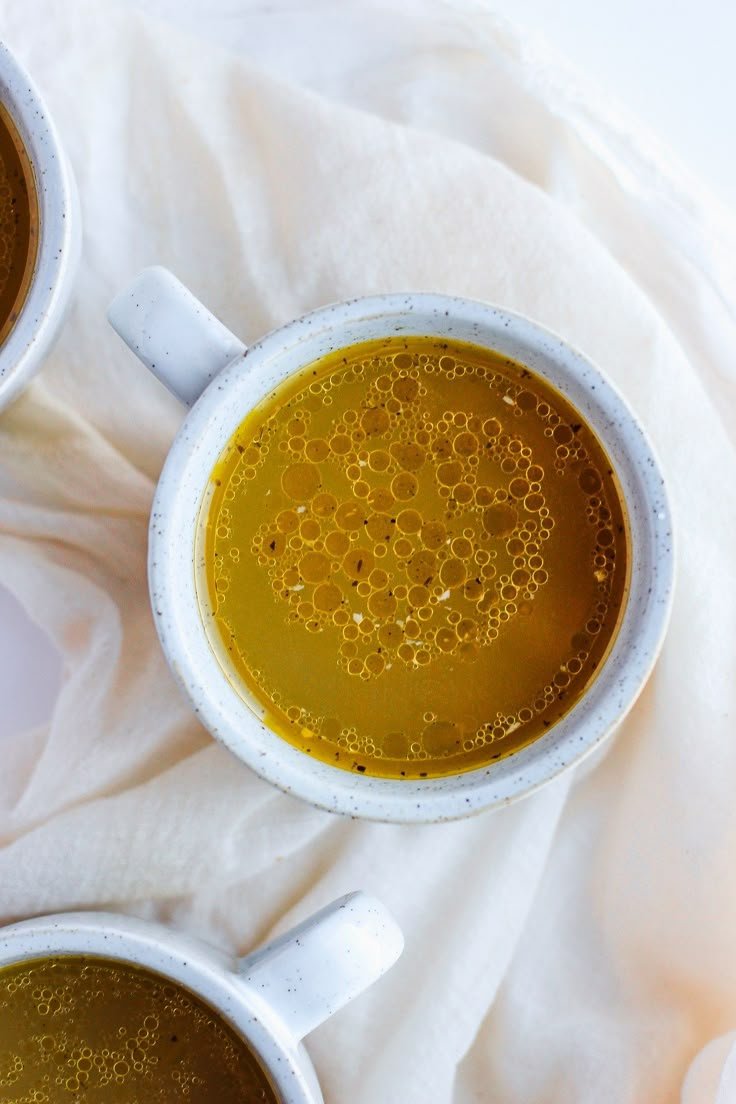
• Bone broth, collagen, and greek yogurt
• Steering clear of processed sugars and antibiotics


English

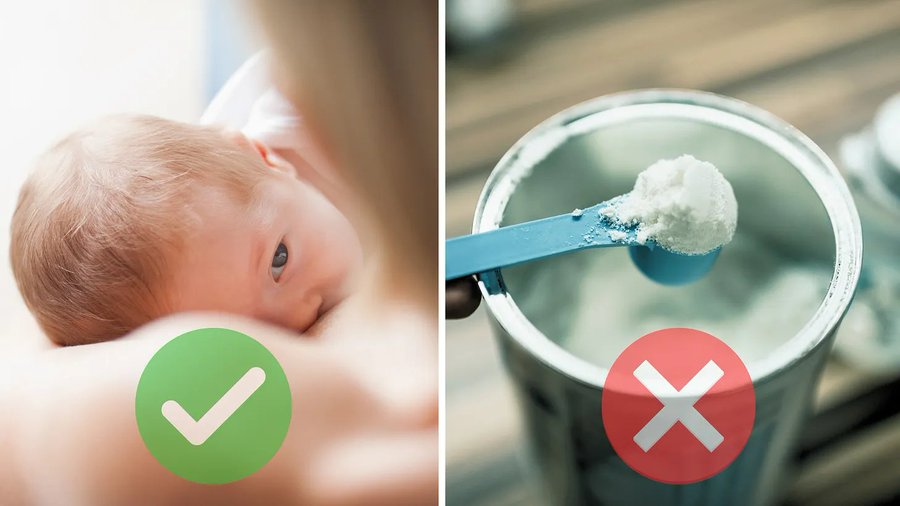
Did you know that breastfeeding dramatically slashes the risk of infants developing autism, ADHD, asthma, diabetes, cancer, and SIDS compared to formula feeding?
What’s the secret? Breastmilk delivers unrivaled benefits that no medication can replicate.
It boosts the immune system, repairs the gut, protects the brain, and provides custom-made antibodies tailored to each baby’s needs.
Breastmilk isn't just food, it's a biologically crafted elixir, perfectly designed by a mother's body to protect, nourish, and heal her child.
It should only be swapped for formula when absolutely necessary.

English

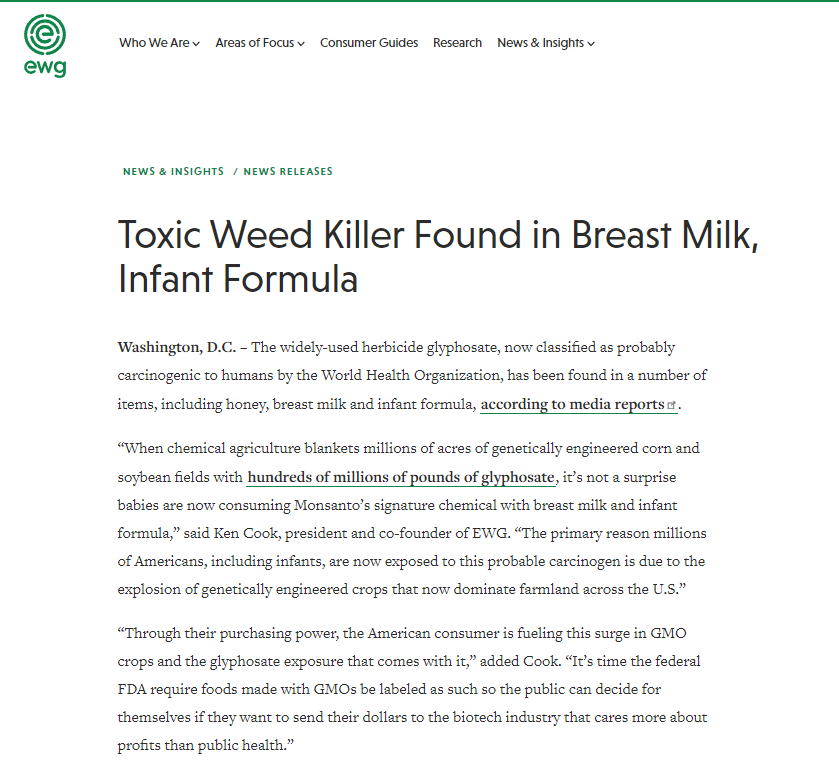
It's shockingly harmful for a baby to ingest most commercial formulas available today.
These products are loaded with glyphosate originating from corn and soy, and they contain genetically modified organisms along with hazardous synthetic vitamins that aren't in forms easily absorbed by the body..

English

If you're expecting, one of the best things you can do is to strengthen your body for birth.
These muscles come under great strain in pregnancy and childbirth, and strengthening them helps reduce or prevent stress incontinence (leaking urine when you cough, sneeze or strain) during and after pregnancy.
Strong pelvic floor muscles also support the growing weight of your baby during pregnancy. Learning to properly relax these same muscles can facilitate easier passage of your baby during delivery.
Train them with:
• Deep squats
• Barefoot walking
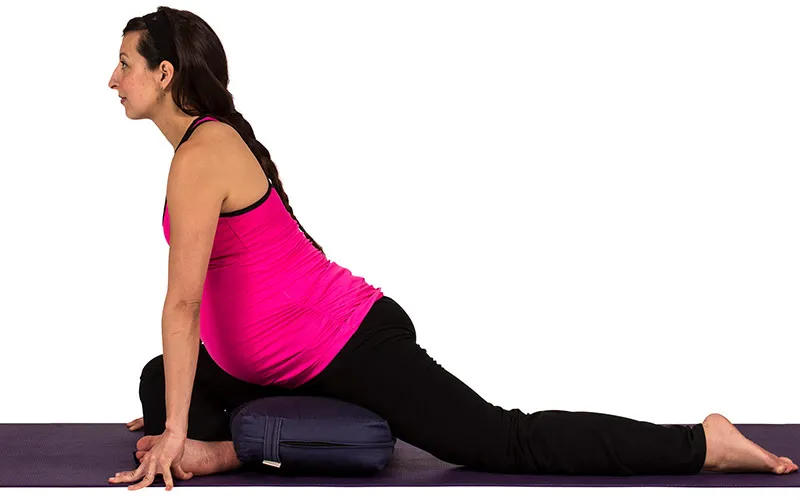
• Hip openers like pigeon pose
Deep squats:
- Relax and lengthen the pelvic floor muscles and stretch the perineum, which aids in the birthing process by creating more space for the baby to descend.
Barefoot Walking:
- Helps lengthen the psoas muscles (internal "wings" extending from spine to thigh), strengthens the lower back, and improves pelvic mobility. These benefits contribute to better fetal positioning when achieved alongside overall muscle balance and proper spinal and pelvic alignment.
Hip Openers:
- Crucial for birth preparation as "different hip positions also change the tension in different parts of the pelvic floor." Both internal and external hip rotation are important, with internal rotation particularly helping to open the bottom half of the pelvis.


English

There are more immune cells in your baby’s gut than in their bloodstream..
Approximately 70-80% of our immune cells are located in the gut, specifically within the epithelium (the inside lining of the intestines).
This makes the gut your baby's largest and most important interface with the outside world, serving as their first line of defense against potentially harmful substances.
Unlike the relatively stable gut microbiome in adults, the developing gut microbiome in infants is more plastic and adaptable.
Early developmental is crucial because gut microbial signals prime innate immune cells while carefully balancing immune responses through the induction of regulatory T cells and secretory immunoglobulin A (sIgA).
Research shows how colonization and establishment of beneficial bacteria in mucosal tissues during early life is crucial not only for stimulating and educating the baby's immune system.
Breast milk plays a vital role in this process, as it contains bioactive compounds that contribute to the acquisition and appropriate establishment of the newborn's intestinal microbiota and immune system development.


English