Tiny Health

258 posts

Tiny Health banner
Tiny Health

Tiny Health

@GetTinyHealth

The first gut & vaginal microbiome testing platform for the whole family using advanced metagenomic sequencing. From the first 1000 days to the last 1000 days.

Katılım Nisan 2021
72 Takip Edilen340 Takipçiler
Sabitlenmiş Tweet
Tiny Health
Tiny Health@GetTinyHealth·
From one mom's quest to find root-cause solutions for her kids’ health to a feature in Times Squares and helping 30,000 families in just two years—this journey has been wild and amazing. Come see us on the big screen! We’ll be here till the end of the month💖 Thank you @brexHQ
English
1
1
7
860
Throne Science
Throne Science@ThroneScience·
We have wearables to track our cardio and sleep. We have CGMs to track our metabolic health. But when it comes to our daily gut health, hydration, and urinary health, we've been completely in the dark. Today, that changes. Listen to your gut, with Throne.
English
67
26
93
22.7K
Tiny Health retweetledi
Cheryl (Yeoh) Sew Hoy
Cheryl (Yeoh) Sew Hoy@cherylyeoh·
Yesterday, @WSJ featured @GetTinyHealth in a piece on the rise of baby microbiome testing, alongside our friends @BeginHealth and @MadelineZephyr. The headline: “𝗕𝗮𝗯𝗶𝗲𝘀’ 𝗚𝘂𝘁 𝗛𝗲𝗮𝗹𝘁𝗵 𝗜𝘀 𝘁𝗵𝗲 𝗡𝗲𝘄 𝗢𝗯𝘀𝗲𝘀𝘀𝗶𝗼𝗻 𝗳𝗼𝗿 𝗣𝗮𝗿𝗲𝗻𝘁𝘀 – 𝗮𝗻𝗱 𝗦𝘁𝗮𝗿𝘁𝘂𝗽𝘀.” Yes, we absolutely are obsessed – as founders building in this space and as parents thinking deeply about the world our children are growing up in. Because nearly 1 in 2 children in the U.S. now has a chronic condition, per the CDC. Somehow, this has been framed as the status quo. It’s insane. We cannot accept this. Eczema. Food allergies. Asthma. Autoimmune disease. If the immune system is trained in the first 1,000 days of life — and the microbiome plays a central role in that training — why wouldn’t we prioritize getting that foundation right? The article opens with Brittany and her son Leo, who was struggling with constipation, fussiness, and poor weight gain early on. Like many parents, she wasn’t looking for a trend. She was looking for answers. As part of their Tiny Health journey, recommendations included outdoor play, pet exposure, and increasing microbial diversity. That’s not trend-driven advice. It’s grounded in decades of immunology research. In the first year of life, babies exposed to farms, animals, and pets develop higher levels of beneficial microbes like 𝘉𝘪𝘧𝘪𝘥𝘰𝘣𝘢𝘤𝘵𝘦𝘳𝘪𝘶𝘮 and 𝘈𝘬𝘬𝘦𝘳𝘮𝘢𝘯𝘴𝘪𝘢 – along with lower rates of allergic disease. Rigor matters in emerging science. At Tiny Health, we ground our recommendations in evidence-based interventions supported by decades of microbiome research. Last fall, we published a randomized controlled trial showing these interventions can reduce the odds of developing atopic conditions by 𝟴𝟯%. (Study linked in the comments.) And what we hear from families isn’t hype – it’s relief. Relief as constipation improves, eczema clears, sleep deepens, and resilience builds. Small shifts that make a profound difference in daily life and long-term health. For families navigating persistent chronic health issues, those shifts aren’t small. They can be life-changing especially when they happen early. Prevention can look unconventional… right up until it becomes standard of care. And we’re here to support families with science, data, and care every step of the way. Read the Wall Street Journal story here – wsj.com/health/wellnes…
English
3
6
50
4.3K
Tiny Health retweetledi
Cheryl (Yeoh) Sew Hoy
Cheryl (Yeoh) Sew Hoy@cherylyeoh·
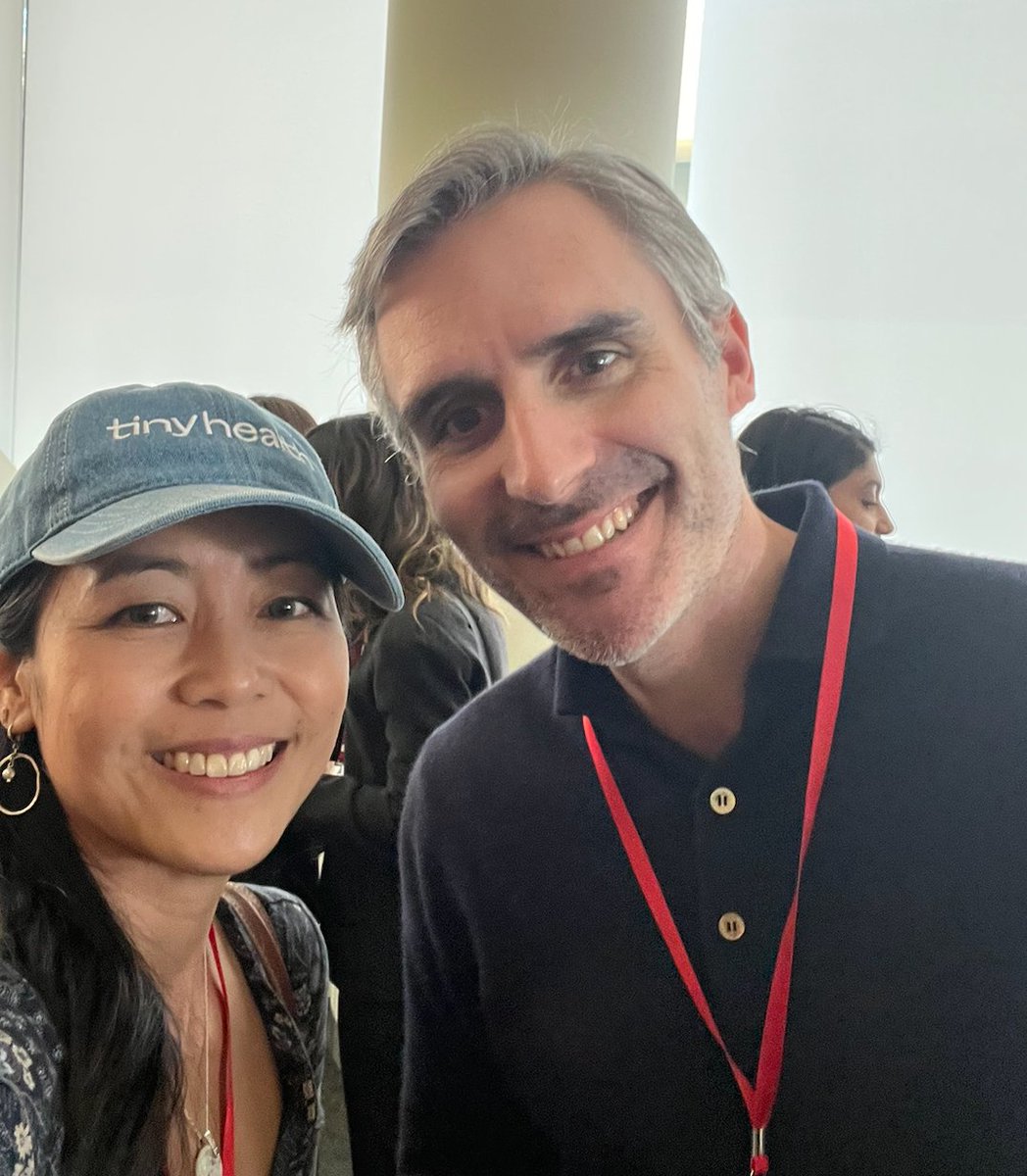
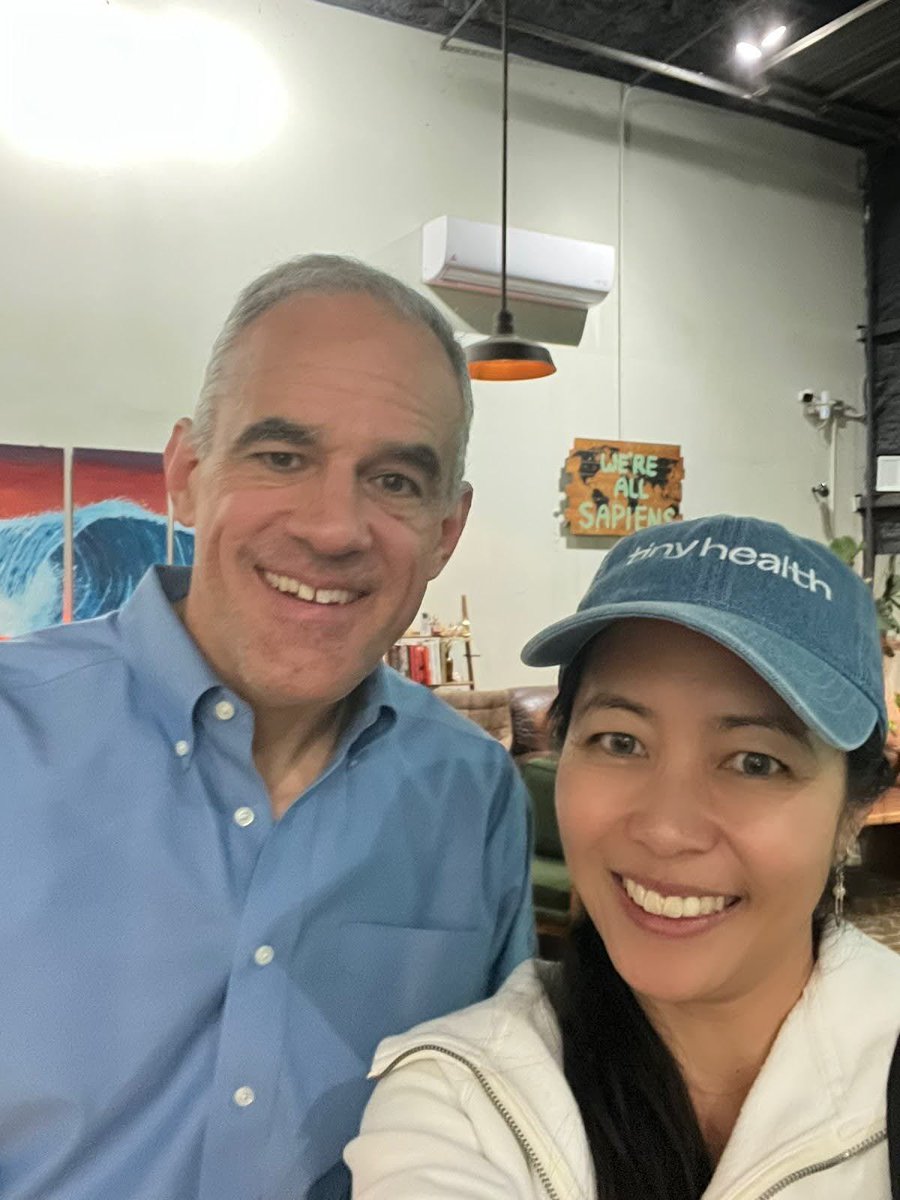
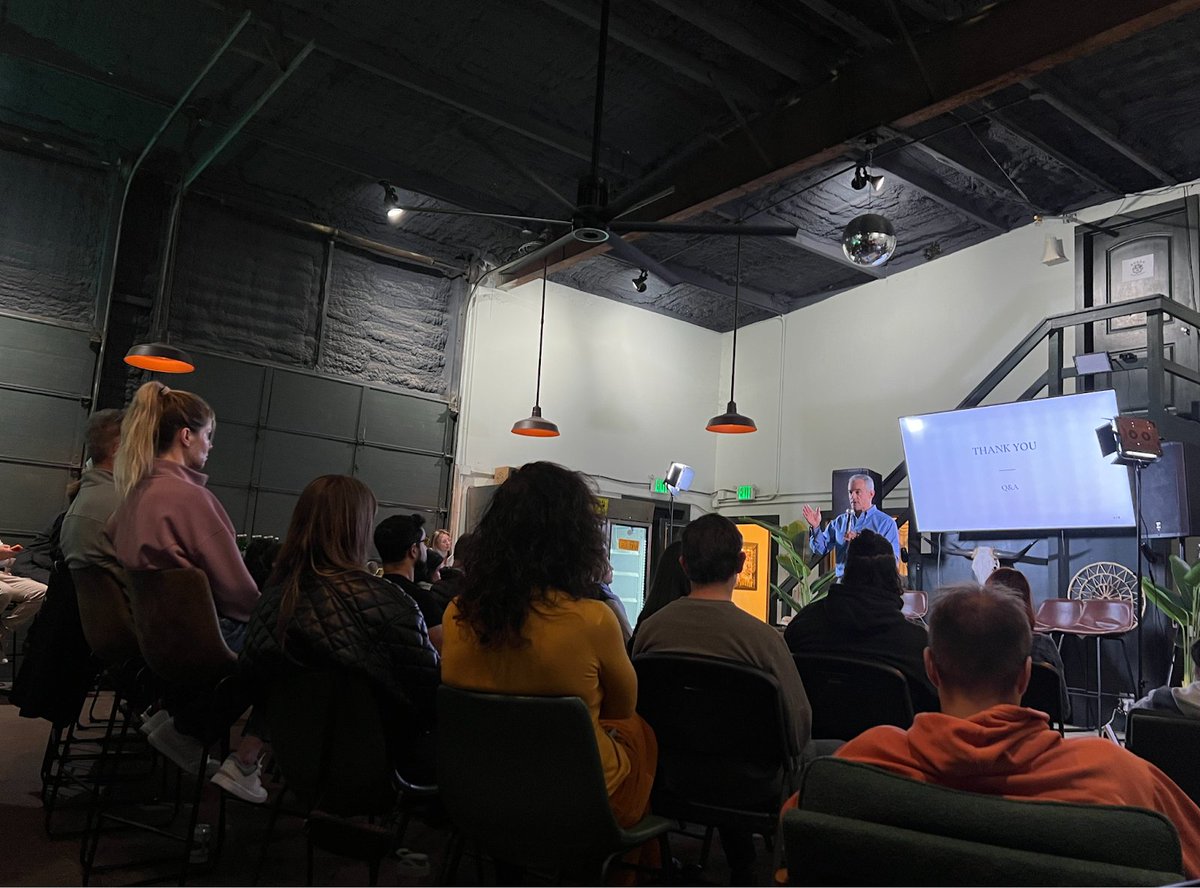
With my 1 year-old baby in tow, I flew from IHS in NYC to the Bay Area for the Inaugural Stanford’s Consumer Health Summit on Saturday. It’s now Wed and I’m still buzzing from the weekend. It felt like a signal. Huge congratulations to @ZHTeiger for bringing together one of the most thoughtful rooms in consumer health this year. The caliber of founders, investors, and operators spoke a lot about where this category is heading. In his opening, Zach spoke about the post-COVID shift: people stopped blindly outsourcing their health. Consumers began asking questions, tracking their own health data, and taking ownership. Several breakout companies have captured this momentum. That shift is real. One thing that is foundational for these companies: building trust with the most discerning customers. It’s tougher than one might think, and it takes time. Ricky Bloomfield at @ouraring was clear: if consumer health platforms want to be taken seriously, they must measure both clinical outcomes and healthcare cost reduction — not just engagement metrics. It can’t be an afterthought. @geoffcook shared how @noom pairs GLP-1s with resistance training, nutrition education and behavioral change scaffolding. Medication can accelerate progress, but lasting health still requires lifestyle change. There is no such thing as a “free lunch,” even if you don’t eat any. The VC panel with @julesyoo, @KGSeidensticker, @hollsmaloney and @ryu_alison predicted a future “super app” aggregating health data, while chronic care remains fragmented by specialty. While “consumer” became uncool just a few years ago, it’s now possible that large DTC, cash-pay businesses can be built — accelerated by growing consumer demand for control and advocacy. Across the ecosystem, the direction felt aligned. I also had great 1:1s with Pranitha Patil at @function on diagnostics becoming baseline, @joannastrober at @midihealth on redesigning midlife care around women, and Alex Sundberg at Life Time Inc. on evolving physical spaces into true preventative health hubs.. Most of my conversations ended up pointing upstream – to the gut microbiome. Hippocrates said “all disease begins in the gut.” Research continues to underscore microbial health’s role in metabolism, inflammation, immune resilience, and chronic disease. Loved seeing @ScottHickle from @ThroneScience have his “Whoop for Poop” moment on stage to a huge applause. Continuous poop and pee tracking is an exciting frontier. High-resolution microbiome sequencing still matters. Continuous signals and compositional data are complementary and necessary. To close, I co-hosted a private dinner with Stanford researcher Vera Prokopieva, co-sponsored by @BainCapital and @GetTinyHealth centered on the intersection of the microbiome and metabolism. We’re still early. Interoperability is messy. Access isn’t universal. But something has shifted. Consumer health isn’t trying to be taken seriously anymore. It already is.
Cheryl (Yeoh) Sew Hoy tweet mediaCheryl (Yeoh) Sew Hoy tweet mediaCheryl (Yeoh) Sew Hoy tweet mediaCheryl (Yeoh) Sew Hoy tweet media
English
1
1
10
175
Tiny Health retweetledi
Cheryl (Yeoh) Sew Hoy
Cheryl (Yeoh) Sew Hoy@cherylyeoh·
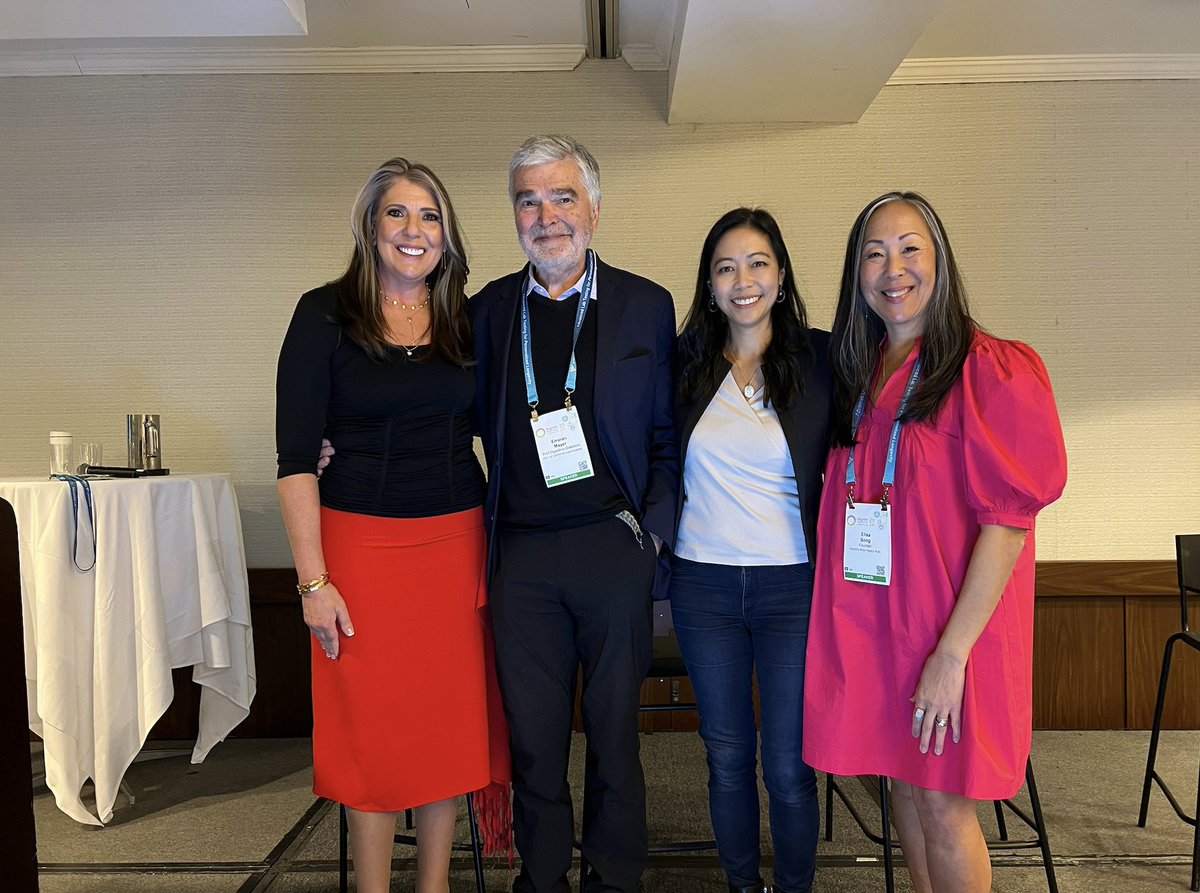
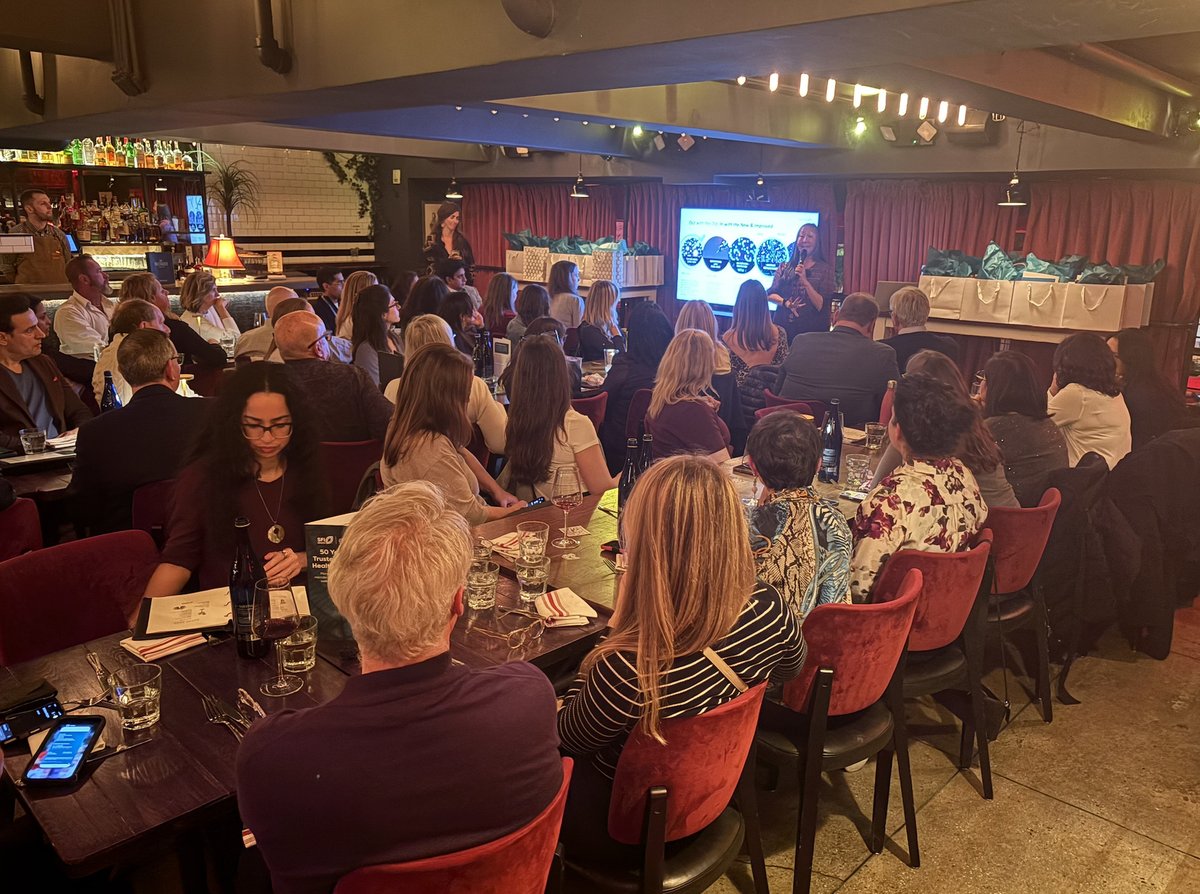
Last Thursday, I moderated a panel at the @IHSymposium (IHS) in NYC on the microbiome through the lifespan. The room was full and our discussion ran 30 minutes over. Afterward, clinicians came up to us saying: “𝗧𝗵𝗶𝘀 𝗽𝗮𝗻𝗲𝗹 𝘄𝗮𝘀 𝗶𝗻𝗰𝗿𝗲𝗱𝗶𝗯𝗹𝘆 𝗲𝗱𝘂𝗰𝗮𝘁𝗶𝗼𝗻𝗮𝗹 𝗮𝗻𝗱 𝘄𝗶𝗹𝗹 𝗶𝗻𝗳𝗹𝘂𝗲𝗻𝗰𝗲 𝘁𝗵𝗲 𝘄𝗮𝘆 𝗜 𝗽𝗿𝗮𝗰𝘁𝗶𝗰𝗲. 𝗪𝗲 𝗻𝗲𝗲𝗱 𝗺𝗼𝗿𝗲 𝗼𝗳 𝘁𝗵𝗶𝘀.” Others said “𝗪𝗼𝘄, 𝗜 𝗹𝗲𝗮𝗿𝗻𝗲𝗱 𝘀𝗼 𝗺𝘂𝗰𝗵.” We were blown away by the reception. The microbiome is no longer a fringe conversation. 🍼 From early immune programming in the first 1,000 days… 🌸 To fertility and menopause… 🧠 To functional pathways that influence chronic disease decades later… The tone shifted as we discussed strain-level resolution, functional pathway analysis, and applying microbiome data thoughtfully across the lifespan instead of relying on broad, one-size-fits-all protocols. 𝗢𝗻𝗲 𝗼𝗳 𝗺𝘆 𝗳𝗮𝘃𝗼𝗿𝗶𝘁𝗲 𝗽𝗮𝗿𝘁𝘀 𝘄𝗮𝘀𝗻’𝘁 𝗼𝗻 𝘀𝘁𝗮𝗴𝗲. It was the hallway conversations. I met Dr. Asyia Ahmad (gastroenterology at @DoylestownHlth), who shared that she ran nearly every stool test on the market across her patients – and even had her entire office test them. 𝗛𝗲𝗿 𝘁𝗲𝗮𝗺 𝗼𝗳 𝟭𝟱 𝗽𝗵𝘆𝘀𝗶𝗰𝗶𝗮𝗻𝘀 𝘃𝗼𝘁𝗲𝗱 @GetTinyHealth 𝗮𝘀 𝘁𝗵𝗲 𝗯𝗲𝘀𝘁. Now they’re exclusively using Tiny Health for all patients and may come on as a wholesale client (yes - we offer wholesale rates for larger practices and enterprise clients). Hearing that directly and unprompted made my day. I also met Julianka Bell, who has used Tiny Health for years and shared such thoughtful feedback about her experience – and how it has raised the bar for her work as a dietitian. I love the FullWell brand that she works for (one of the most complete prenatal supplements in the industry). It’s humbling to see how what started as a personal mission has translated into real impact for families and practices. Trust is hard to earn and in healthcare, it’s everything. That kind of trust is truly a moat. Last Friday, we also co-hosted an intimate dinner with SFI Health, where @ElisaSongMD and @drpiperdobner continued the conversation for a room of 50 practitioners on the evolution of the microbiome across the lifespan. I wasn’t able to attend in person, but the buzz afterward was undeniable. The feedback kept coming in about how thoughtful, practical, and energizing the discussion was. And finally, we wrapped up the two days with two fantastic book signings with Dr. Elisa (𝘏𝘦𝘢𝘭𝘵𝘩𝘺 𝘒𝘪𝘥𝘴, 𝘏𝘢𝘱𝘱𝘺 𝘒𝘪𝘥𝘴) and @EmeranMayerMD (𝘛𝘩𝘦 𝘔𝘪𝘯𝘥-𝘎𝘶𝘵 𝘐𝘮𝘮𝘶𝘯𝘦). 📚Check out both books if you haven’t yet. Huge thank you to my team for making these two days happen and carrying the momentum. All in all, IHS felt like a turning point. The microbiome conversation has entered a new chapter and the appetite for rigorous, precision-driven care is only growing.
Cheryl (Yeoh) Sew Hoy tweet mediaCheryl (Yeoh) Sew Hoy tweet mediaCheryl (Yeoh) Sew Hoy tweet mediaCheryl (Yeoh) Sew Hoy tweet media
English
0
1
8
451
Tiny Health retweetledi
Cheryl (Yeoh) Sew Hoy
Cheryl (Yeoh) Sew Hoy@cherylyeoh·
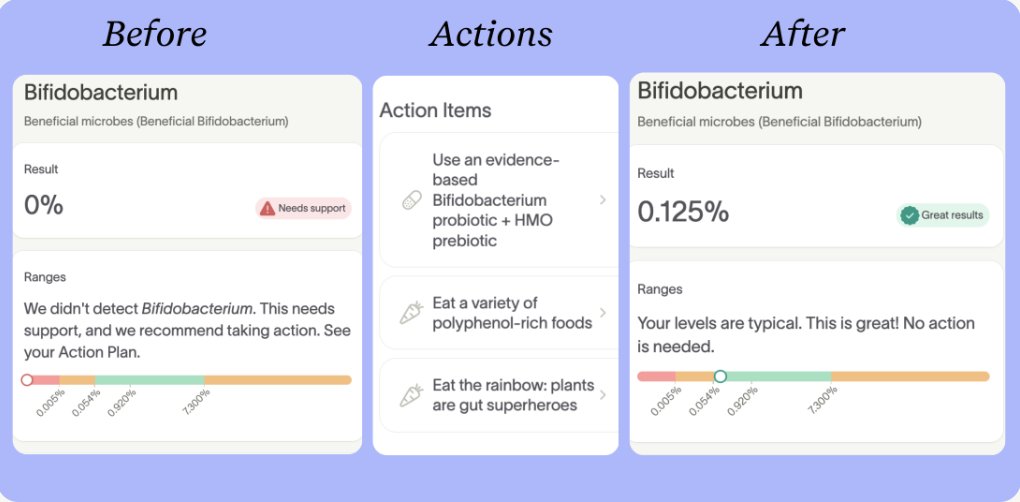
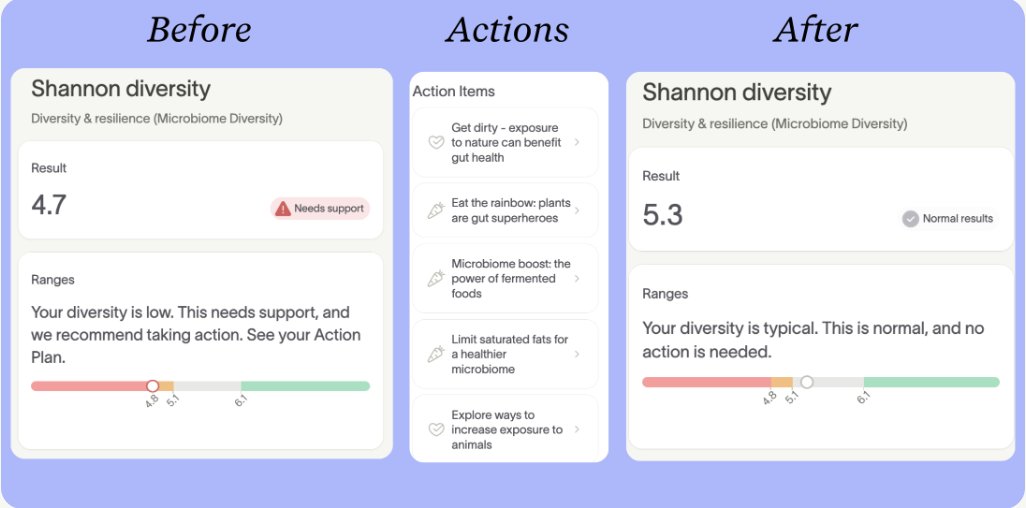
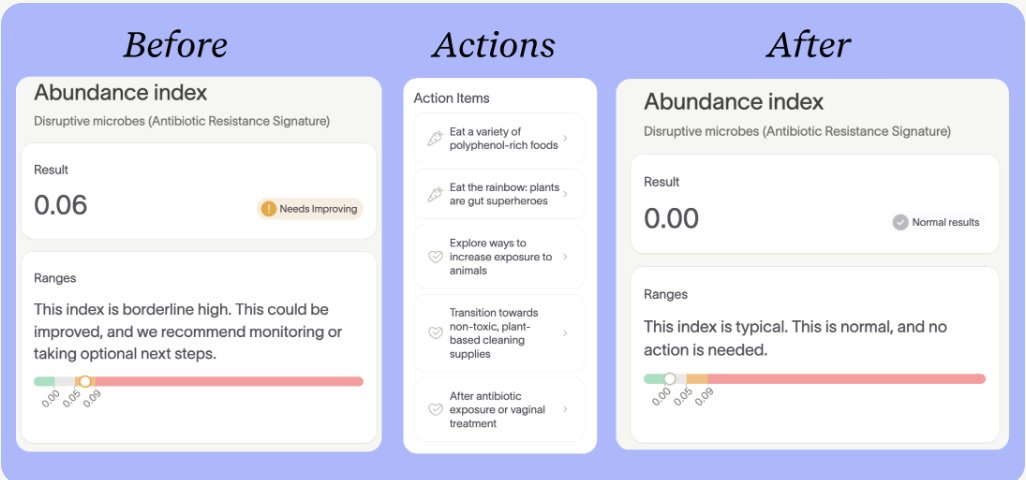
Last week, I wrote about why access alone isn’t enough in health. Data without context doesn’t change outcomes. Violet’s story is a powerful reminder of what happens when someone decides to look deeper. For 15 years, she lived with IBS (irritable bowel syndrome) and chronic diarrhea. Her life revolved around symptom management – constantly planning her days around her gut. Migraines, sleep disruption, and mental health challenges layered on top. She did what many of us do – she adapted and kept going. Until 2021, when her body forced her to pause. Instead of accepting this as her baseline, Violet approached her health like a researcher tackling a complex problem. She stepped back from work, partnered with functional clinicians at @ClevelandClinic, eliminated ultra-processed foods, adopted a modified ketovore diet, and began rebuilding from the ground up. She significantly improved but lingering GI issues remained. That’s when she decided to go deeper… Violet took three @GetTinyHealth tests in 2025 and they revealed: • No detectable 𝘉𝘪𝘧𝘪𝘥𝘰𝘣𝘢𝘤𝘵𝘦𝘳𝘪𝘶𝘮 • Low microbial diversity (low Shannon index) • Opportunistic bacteria, including 𝘊. 𝘥𝘪𝘧𝘧 • A borderline-high antibiotic resistance abundance index The adult microbiome is an ecosystem 🌱 – when key species disappear, opportunistic pathogens may take reign, and resilience goes down. What changed wasn’t just the data. It was personalized interpretation and evidence-based protocols. Through Tiny+, our ongoing support membership (which includes discounted kits, coaching calls, and direct messaging with our specialists), Violet worked closely with microbiome specialists Amy Chapman and Jennifer McDow, layering targeted interventions over time. • A 𝘉𝘪𝘧𝘪𝘥𝘰𝘣𝘢𝘤𝘵𝘦𝘳𝘪𝘶𝘮 probiotic along with specific prebiotics to help it colonize • Greater plant diversity, fermented foods and inulin • Ultimately a spore-based probiotic that she never knew she needed - she credits that as the turning point of her symptoms. But these same protocols can’t be applied to everyone - it’s truly the personalized aspect of Tiny that helped her pinpoint exactly what she was missing, and where she needed the most support in her gut. Within weeks, her diarrhea improved. Over time, 𝘉𝘪𝘧𝘪𝘥𝘰𝘣𝘢𝘤𝘵𝘦𝘳𝘪𝘶𝘮 became detectable, 𝘊. 𝘥𝘪𝘧𝘧 disappeared, and her microbial balance strengthened. Just as importantly, she felt heard by our specialists when others dismissed her symptoms. At 68, she calls herself “a new person.” ✨ If we’re serious about prevention and longevity, this kind of systems-based, precision care shouldn’t be exceptional. It should be standard. Violet is a powerful example of what an engaged, informed, and proactive patient can look like. I’m deeply grateful she trusted the @GetTinyHealth team to be part of her journey. 💛 Check out her before-and-after results below. The full case study is in the first comment.
Cheryl (Yeoh) Sew Hoy tweet mediaCheryl (Yeoh) Sew Hoy tweet mediaCheryl (Yeoh) Sew Hoy tweet mediaCheryl (Yeoh) Sew Hoy tweet media
English
2
1
7
151
Tiny Health retweetledi
Cheryl (Yeoh) Sew Hoy
Cheryl (Yeoh) Sew Hoy@cherylyeoh·
Tuesday’s Super Bowl conversation made one thing clear: proactive health is going mainstream. But access alone isn’t the real shift. As proactive health becomes more accessible, the real shift is happening somewhere else. The future of health isn’t more doctor visits. It’s earlier signals – enabled by Health OS (operating systems). What people call a Health OS is really just this: all your health data in one place, tracked 𝗼𝘃𝗲𝗿 𝘁𝗶𝗺𝗲. That “over time” part is key. It’s why getting labs every 6 months is becoming normal, why diagnostics are becoming repeatable, and why “longevity” is moving out of niche clinics and into everyday life. This doesn’t replace healthcare, it exposes what today’s healthcare actually is: 𝘀𝗶𝗰𝗸 𝗰𝗮𝗿𝗲. The system is excellent at acute problems – broken bones, surgeries, emergencies. But it’s not built for chronic conditions. By the time people enter the system for eczema, autoimmunity, metabolic issues, IBS, or burnout, those problems have often been developing quietly for years. That’s the gap. Health OS platforms make longitudinal tracking possible, but data alone doesn’t uncover root causes. That’s exactly the gap we’re running into as these tools become more accessible. That’s where Medicine 3.0 comes in – not just proactive care, but people taking more control of their health, often combining a Health OS with a well-trained functional or integrative clinician. We’re early… insurance will come later (hopefully). Right now, we’re crossing the chasm. The direction is clear: From sick care → to an operating layer that supports health long before anyone becomes a “patient.” Curious how many of you are already tracking labs or biomarkers longitudinally, not just once a year?
Cheryl (Yeoh) Sew Hoy tweet media
English
0
1
8
137
Tiny Health retweetledi
Cheryl (Yeoh) Sew Hoy
Cheryl (Yeoh) Sew Hoy@cherylyeoh·
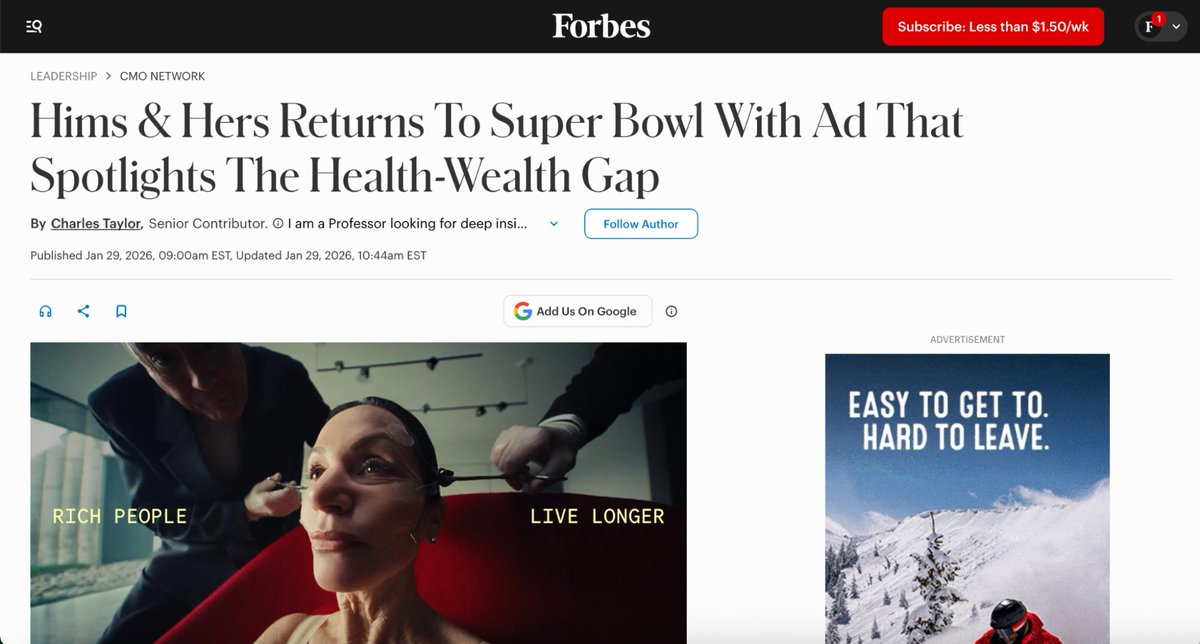
A national brand used one of the biggest stages on TV to say: “𝗥𝗶𝗰𝗵 𝗽𝗲𝗼𝗽𝗹𝗲 𝗹𝗶𝘃𝗲 𝗹𝗼𝗻𝗴𝗲𝗿.” That health–wealth gap is real 💰➡️🧬. And the fact that proactive health and longevity showed up in a Super Bowl ad tells you how mainstream this conversation has become. For a long time, this kind of care felt gated – available mainly to those with money, time, and access. @wearehims & @wearehers is clearly signaling that this model can scale beyond the ultra-wealthy. That matters. But here’s the real issue ⚠️: 𝗮𝗰𝗰𝗲𝘀𝘀 𝗮𝗹𝗼𝗻𝗲 𝗱𝗼𝗲𝘀𝗻’𝘁 𝗴𝘂𝗮𝗿𝗮𝗻𝘁𝗲𝗲 𝗺𝗲𝗮𝗻𝗶𝗻𝗴𝗳𝘂𝗹 𝗵𝗲𝗮𝗹𝘁𝗵 𝗼𝘂𝘁𝗰𝗼𝗺𝗲𝘀. Yes, Hims & Hers has gone beyond basic testing. Their Labs platform pairs biomarker data with clinician-developed action plans – a meaningful evolution from “here’s your data, good luck.” Still, three gaps remain unresolved at a system level: 𝟭. 𝗧𝗵𝗲 “𝘄𝗵𝘆.” A flagged biomarker is information, not understanding. Without context – gut health, genetics, environment, lifestyle – you’re treating numbers, not biology. To truly inspire change, we need to tackle root cause issues. 𝟮. 𝗧𝗵𝗲 𝗱𝗲𝗽𝘁𝗵 𝗼𝗳 𝗽𝗲𝗿𝘀𝗼𝗻𝗮𝗹𝗶𝘇𝗮𝘁𝗶𝗼𝗻. Standardized protocols can help many people, but true precision care still requires trained practitioners who can interpret data across systems, not in isolation. 𝟯. 𝗥𝗲𝗮𝗹 𝗮𝗳𝗳𝗼𝗿𝗱𝗮𝗯𝗶𝗹𝗶𝘁𝘆. Accessibility doesn’t mean equitable access. Many of the people who would benefit most from preventive care still can’t afford ongoing testing, clinical guidance, or long-term interventions. We’re also asking consumers to navigate an increasingly fragmented landscape: functional vs integrative vs holistic vs longevity care vs digital health tools (aka “AI Doctors”). Even for informed patients, that’s confusing. (I’m working on a clear explainer for this.) The shift we’re in is about distributing better tools at scale. It’s about helping people understand why something is happening, what to do about it, and how to make that path financially sustainable. Bringing this conversation into the mainstream is progress 🚀. Solving what comes next is the real test.
Cheryl (Yeoh) Sew Hoy tweet media
English
1
1
5
84
Tiny Health retweetledi
Cheryl (Yeoh) Sew Hoy
Cheryl (Yeoh) Sew Hoy@cherylyeoh·
Seasonal allergies really love to humble me every January and February. 🤧Austin cedar fever is no joke… if you know, you really know. Before I moved to Austin 4 years ago, I had never had seasonal allergies. Mine hit immediately (apparently you’re supposed to “earn” cedar fever after a couple years). It probably doesn’t help that I live next to a cedar forest. 😭 Someone recently asked me what my “tricks” are for allergies and seemed surprised when I said I still take Claritin sometimes. I’m human. And allergies absolutely get the better of me. I’m not trying to win an award for “most disciplined immune system.” When my eyes are on fire and I get so congested to the point where I want to rip my head off, I do what most people do. But I don’t stop there. Over the last few years, I’ve shifted how I think about allergies – thanks largely to working with functional medicine practitioners. Instead of asking: “How do I make this go away today?” We ask: “What’s driving this immune overreaction in the first place?” That means looking at things like: • histamine load via tryptase and IgE blood tests • hs-CRP and thyroid panel to assess inflammation and energy levels • nutrigenomics test to determine detox capacity • gut health test and immune resilience • stress, sleep, and recovery (especially during high-pollen seasons) My current routine looks very unglamorous – 𝗮𝗻𝗱 𝗻𝗼𝘁 𝗺𝗲𝗱𝗶𝗰𝗮𝗹 𝗮𝗱𝘃𝗶𝗰𝗲. It’s simply how I personally integrate functional medicine alongside conventional care, with guidance from my doctors. • occasional Claritin and switching up with Allegra some days (no shame) • sauna 2-3x/week to support detox - binder before and electrolytes after • targeted supplements for histamine support (I love the DHist formula) • nettles tea at night • XClear or Beekeepers Natural Nasal Spray and Flonase (morning and night) • neti pot rinses at night • Texas allergy drops (2-3x/day, starting Oct–Feb) • Pataday (olopatadine) OTC eye drops for itch • extra rest + hydration + magnesium glycinate at night • immune basics like zinc, vitamin C, glutathione • L-glutamine; consider aloe vera juice for gut lining support One thing my doctor reminded me that really stuck: When your immune system is already in overdrive from allergies, you’re more vulnerable to everything else… colds, flu, lingering inflammation. Supporting your immune system during allergy season isn’t indulgent. It’s preventative. There’s a false narrative that you have to choose: → conventional medicine → 𝘰𝘳 functional / holistic care Most of us live in the middle and that’s okay. If you’re in allergy hell right now 🤝 solidarity. And if you’ve found things that help beyond “just suffer,” I’d genuinely love to learn – share in the comments 🌿
Cheryl (Yeoh) Sew Hoy tweet media
English
4
1
11
674
Tiny Health retweetledi
Cheryl (Yeoh) Sew Hoy
Cheryl (Yeoh) Sew Hoy@cherylyeoh·
A few weeks ago, I spent an evening at the @SapienCenter with Rohun Jauhar (co-founder & CEO) and Dr. Vass (co-founder & CMO) of Longevity Health in Boulder. Longevity Health is operating at the very top tier of longevity medicine — a global destination clinic for people who already take their health seriously and want care that reflects where the science is going, not where it’s been. 🌍Clients fly in from around the world for a one-day deep diagnostic experience, then work year-round with a dedicated physician, trainer, nutritionist, and care team. A few months ago, they made a deliberate shift away from a conventional qPCR stool test. Dr. Vass was intentionally seeking a solution built on shotgun metagenomic sequencing – the gold standard in microbiome research and the approach cited by @TheLancet (Feb 2025) as the recommended method for clinical practice by international consensus. Longevity Health now orders a @GetTinyHealth PRO gut test for every client. 🤯 PRO is our clinical-grade stool test, combining shotgun metagenomic sequencing with key stool chemistries like calprotectin and secretory IgA. It’s currently the only practitioner test on the market that offers this level of depth and clinical comprehensiveness into a patient’s gut microbiome. Hearing Dr. Vass say it was the best gut microbiome platform he’s ever used was a moment of real pride. 🙏 His longevity framework was equally grounded: • Community and belonging • Sleep • Nutrition • Exercise Only after those foundations do you layer in advanced interventions. During the Q&A, someone asked what the highest-impact, lowest-cost longevity intervention is. Dr. Vass didn’t hesitate: fasting. ⏳ It’s fascinating that nearly every major religion independently embedded fasting into its traditions. From Ramadan and Lent to Yom Kippur, Ekadashi, and Buddhist fasting practices. Long before we had words like autophagy or metabolic switching, humans seemed to intuit that periods of rest from constant eating were restorative. Modern science is now catching up. When used correctly, a 30–40 hour fast can trigger autophagy, improve insulin sensitivity, and support metabolic resilience. But Dr. Vass was clear – overly long or frequent fasts can raise cortisol and impair thyroid function – especially if you’re training hard or already lean. ⚠️ Before kids, I used to do an eight-day Ayurvedic fast every year and even built a small community around it. After I’m done breastfeeding my third, I plan to return to it – with even more respect for timing, context, and individual physiology. For those not ready for full fasting, fast-mimicking diets (like ProLon by L-Nutra) or DIY approaches using soups and fasting bars offer another path. Longevity is about foundations and personalized protocols, not extremes. 🎯
Cheryl (Yeoh) Sew Hoy tweet mediaCheryl (Yeoh) Sew Hoy tweet mediaCheryl (Yeoh) Sew Hoy tweet mediaCheryl (Yeoh) Sew Hoy tweet media
English
1
1
8
124
Tiny Health retweetledi
Cheryl (Yeoh) Sew Hoy
Cheryl (Yeoh) Sew Hoy@cherylyeoh·
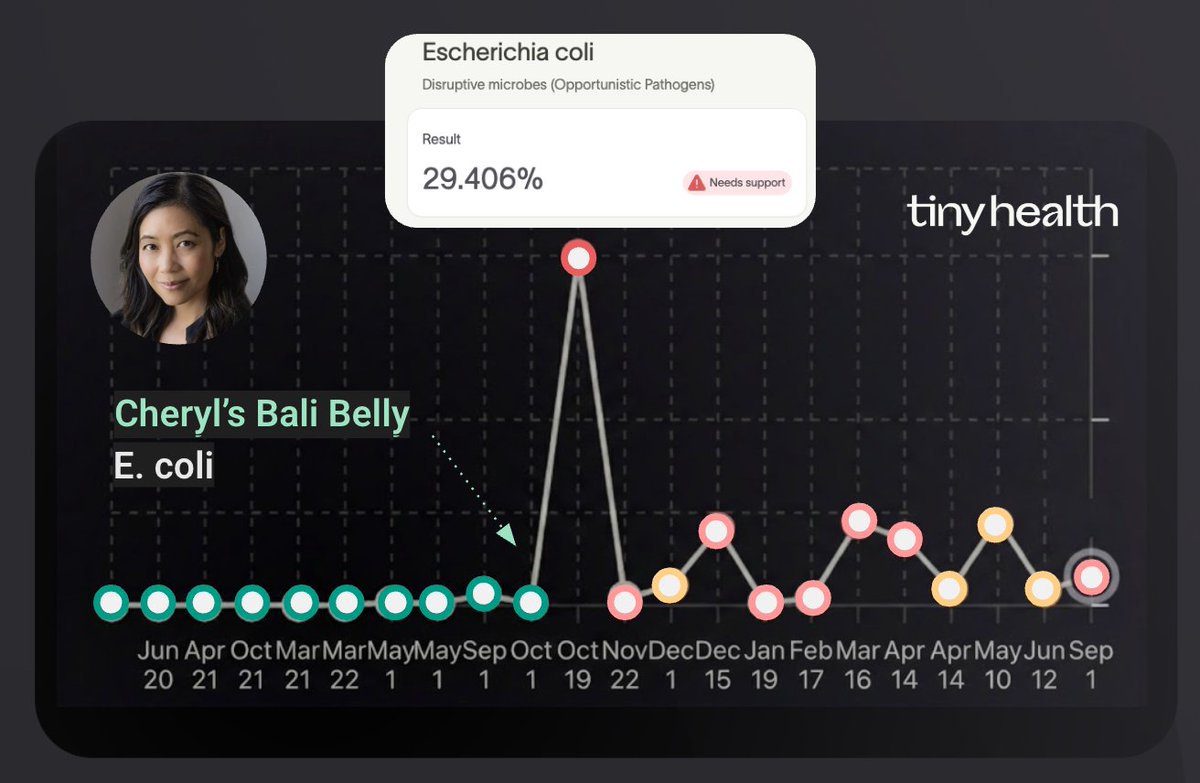
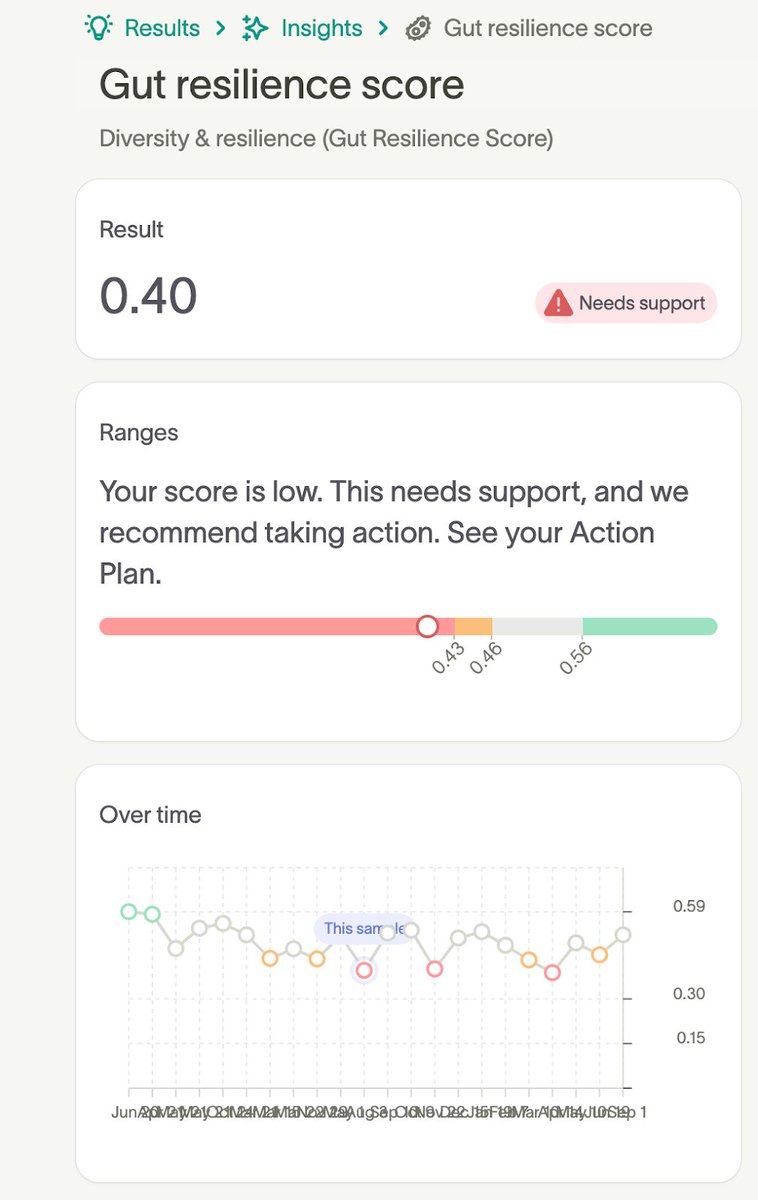
⚠️ 𝗧𝗠𝗜 𝗶𝗻𝗰𝗼𝗺𝗶𝗻𝗴 – 𝗳𝗮𝗶𝗿 𝘄𝗮𝗿𝗻𝗶𝗻𝗴. I went to Bali last year and had one day of diarrhea. That was it. Nothing dramatic… and nothing that felt worth worrying about. Stuff happens when you travel. But when I later looked at my TH gut microbiome data over time, I realized that single day changed far more than I felt in the moment. The chart below tracks one marker – 𝘌𝘴𝘤𝘩𝘦𝘳𝘪𝘤𝘩𝘪𝘢 𝘤𝘰𝘭𝘪 – across years of my own testing. Before that trip, my baseline had undetectable levels of e coli. 𝗧𝘄𝗼 𝗺𝗼𝗻𝘁𝗵𝘀 𝗮𝗳𝘁𝗲𝗿 𝗕𝗮𝗹𝗶, 𝗜 𝗱𝗶𝗱 𝗮 𝗧𝗛 𝘁𝗲𝘀𝘁. 𝗧𝗵𝗮𝘁 𝗺𝗮𝗿𝗸𝗲𝗿 𝗷𝘂𝗺𝗽𝗲𝗱 𝘁𝗼 𝟮𝟵%! If I had only tested once – when symptoms were more obvious – I would have had no context. No way to know if this was new or something I’d been carrying for years. No clue what triggered it. Because I had baseline data, the inflection point was unmistakable. And since then, I’ve had skin flares and signs of a possible autoimmune condition, which I can now associate with that event as a clear turning point. What’s been both fascinating and frustrating is that more than a year later, I still haven’t fully cleared it. I’ve tried a lot (including an unreasonable amount of cinnamon and SBIs, a story that probably deserves its own post), but this particular strain has been stubborn. One thing that helped explain why is something we measure in the @GetTinyHealth test called the 𝗚𝘂𝘁 𝗥𝗲𝘀𝗶𝗹𝗶𝗲𝗻𝗰𝗲 𝗦𝗰𝗼𝗿𝗲 – a marker of how much beneficial redundancy you have in your gut. If resilience is high, most people can bounce back quickly from things like a travel bug, illness, or surgery. Mine was low going into that trip. That difference became clear when I looked beyond just my own data. My entire family had the exact same bout of diarrhea in Bali. I tested everyone at the same time afterward. Their 𝘌. 𝘤𝘰𝘭𝘪 levels were normal. Mine wasn’t. This experience is why I care so deeply about baseline health and longitudinal tracking. Without seeing your own data over time, you’re often guessing – even when you feel “fine.” A single incident of food poisoning translated to a year of downstream effects. Healthcare shouldn’t be guesswork and yet, for most people, it still is.
Cheryl (Yeoh) Sew Hoy tweet mediaCheryl (Yeoh) Sew Hoy tweet media
English
1
1
6
278
Tiny Health retweetledi
Cheryl (Yeoh) Sew Hoy
Cheryl (Yeoh) Sew Hoy@cherylyeoh·
𝗧𝗵𝗲 𝗙𝗗𝗔 𝗷𝘂𝘀𝘁 𝗰𝗿𝗮𝗰𝗸𝗲𝗱 𝗼𝗽𝗲𝗻 𝘁𝗵𝗲 𝘄𝗲𝗹𝗹𝗻𝗲𝘀𝘀 𝗹𝗮𝗻𝗲 𝘄𝗶𝗱𝗲𝗿 𝘁𝗵𝗮𝗻 𝗺𝗼𝘀𝘁 𝗽𝗲𝗼𝗽𝗹𝗲 𝗿𝗲𝗮𝗹𝗶𝘇𝗲. As of this month, consumer devices can now surface physiological metrics like blood pressure and glucose estimates, as long as they stay wellness-only (no diagnosis, no treatment claims). Last year, @WHOOP got a warning letter for launching blood pressure tracking without authorization. This new guidance finally draws clearer lines. 𝗕𝘂𝘁 𝗵𝗲𝗿𝗲'𝘀 𝘄𝗵𝗮𝘁 𝗰𝗮𝘂𝗴𝗵𝘁 𝗺𝘆 𝗲𝘆𝗲: This isn't just about wearables. The guidance covers any non-invasive wellness tool – including ones that analyze biological samples like stool, saliva, or blood – as long as they're validated and stay in the wellness lane. 𝗪𝗵𝘆 𝘁𝗵𝗶𝘀 𝗺𝗮𝘁𝘁𝗲𝗿𝘀: Your @ouraring ring tells you your HRV tanked and you slept terribly. But it can't tell you why. 𝗧𝗵𝗮𝘁'𝘀 𝘁𝗵𝗲 𝗻𝗲𝘅𝘁 𝗳𝗿𝗼𝗻𝘁𝗶𝗲𝗿. Connecting wearable signals to deeper biomarkers (gut microbiome, metabolic markers, hormones) to help people understand the root drivers behind what their devices are showing them. Wearables capture the signal. Biomarkers could explain the source. 𝗧𝗵𝗲 𝗰𝗼𝗺𝗽𝗮𝗻𝗶𝗲𝘀 𝘁𝗵𝗮𝘁 𝘄𝗶𝗻 𝘄𝗼𝗻'𝘁 𝗷𝘂𝘀𝘁 𝗰𝗼𝗹𝗹𝗲𝗰𝘁 𝗺𝗼𝗿𝗲 𝗱𝗮𝘁𝗮 𝗽𝗼𝗶𝗻𝘁𝘀. They'll figure out how to connect the dots across systems to give people actionable insights, not just more numbers. More metrics ≠ better health outcomes. 𝗠𝗲𝗮𝗻𝗶𝗻𝗴𝗳𝘂𝗹 𝗶𝗻𝘁𝗲𝗿𝗽𝗿𝗲𝘁𝗮𝘁𝗶𝗼𝗻 𝗱𝗼𝗲𝘀. What wellness tools are you watching in 2026? Official FDA announcement here: fda.gov/regulatory-inf…
English
0
2
7
68
Tiny Health retweetledi
Cheryl (Yeoh) Sew Hoy
Cheryl (Yeoh) Sew Hoy@cherylyeoh·
We keep calling the gut the “second brain,” but biologically… it seems to be the reverse. Your gut sends ~80% of the signals to your brain. Your brain sends ~20% back. So which one’s really in charge? 😅 I talked about this on the Bountifull Podcast with @SianSimpson and our discussion worked to reframe a lot of how people think about gut health. One fact we talked about that always stops people – most serotonin isn’t produced in your brain, It’s produced in your gut. Which helps explain why gut issues often show up as: • mood changes • anxiety or low stress tolerance • brain fog • poor sleep Not just digestion issues. Another nuance we rarely talk about but got into during our convo: not all fiber is equal and following the suggestion of “just eat more fiber” without context misses really important biology. At a high level: • Small intestine: digests protein, carbs, fats → feeds you • Large intestine: ferments fiber → feeds your microbes Fiber isn’t really for you… it’s food for your gut bacteria. When the right fibers are fermented, they support gut function. But if you eat a lot of protein without enough fiber, some protein ends up reaching the large intestine – where it can feed the wrong microbes and contribute to gut inflammation over time. It’s balance and timing. When digestion, microbes, and the gut barrier are supported in the right sequence, the system becomes resilient. And that same principle shows up across the lifespan. The microbiome you build – or don’t – helps shape immune health, resilience, and mental health for decades to come. p/s: I also talk about my family a lot in the episode, given that I was only 4 months postpartum with my 3rd baby at the time of recording, which makes this episode in my office extra special :)
English
1
1
8
119
Tiny Health retweetledi
Cheryl (Yeoh) Sew Hoy
Cheryl (Yeoh) Sew Hoy@cherylyeoh·
I love when science surprises people. Most people know about gut health, but almost no one expects there to be a vaginal microbiome they can actually SEE. At @EudemoniaSummit, we built a walk-in vagina booth to make the invisible visible. It turned something deeply internal into an interactive, educational experience people could literally step inside. These invisible ecosystems influence immunity, inflammation, hormones, and long-term health far more than most people realize. Our scrappy 10×10 @GetTinyHealth booth stayed packed all weekend – busy enough that @randikayeCNN from CNN stopped by to see what the buzz was about. And yes, she even sampled her own VJJ microbiome live at the booth. 🔥 The response showed a real appetite for understanding the body as a foundation for living well, a personal pursuit I deeply understand. Watch this CNN teaser below and find the full segment linked in the first comment. 👀 edition.cnn.com/2026/01/15/hea…
English
2
1
9
81
Tiny Health retweetledi
Cheryl (Yeoh) Sew Hoy
Cheryl (Yeoh) Sew Hoy@cherylyeoh·
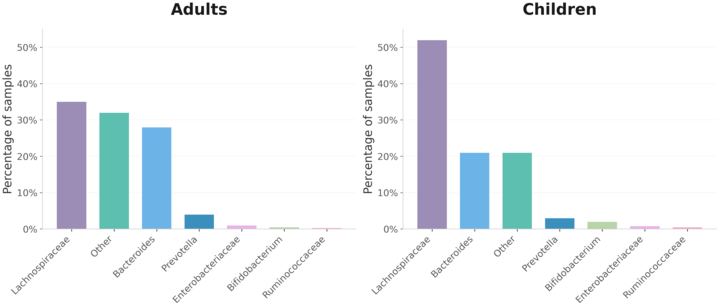
When people ask me what an “ideal” gut microbiome looks like, my answer usually surprises them. It’s not a fixed list of bacteria and it’s definitely not a single score you try to optimize. I think about the gut the same way I think about any complex biological system: by asking whether it’s doing the jobs it’s meant to do. An “ideal” gut is one that can: 🧱 𝗦𝘂𝗽𝗽𝗼𝗿𝘁 𝗮 𝗿𝗲𝘀𝗶𝗹𝗶𝗲𝗻𝘁 𝗴𝘂𝘁 𝗯𝗮𝗿𝗿𝗶𝗲𝗿 🧪 𝗣𝗿𝗼𝗱𝘂𝗰𝗲 𝗸𝗲𝘆 𝗺𝗲𝘁𝗮𝗯𝗼𝗹𝗶𝘁𝗲𝘀 that regulate immunity and inflammation 🔄 𝗔𝗱𝗮𝗽𝘁 𝘁𝗼 𝘀𝘁𝗿𝗲𝘀𝘀𝗼𝗿𝘀 like illness, travel, antibiotics, or diet changes ⚖️ 𝗠𝗮𝗶𝗻𝘁𝗮𝗶𝗻 𝗯𝗮𝗹𝗮𝗻𝗰𝗲 without one group of microbes overpowering the system 🧠 𝗖𝗼𝗺𝗺𝘂𝗻𝗶𝗰𝗮𝘁𝗲 𝗲𝗳𝗳𝗲𝗰𝘁𝗶𝘃𝗲𝗹𝘆 with the immune, metabolic, and nervous systems There are many microbial compositions that can achieve those outcomes. That’s why two healthy people can have very different-looking microbiomes. And this also means that there’s no such thing as ONE “ideal” gut microbiome. There can be many. At @GetTinyHealth, we do show a high-level “gut type,” (see the charts below) but that alone doesn’t indicate whether a gut is healthy or not – with the exception of an Enterobacteriaceae-dominant gut type. Gut health depends on functional metrics like SCFAs and the absence of gut inflammation. The real question isn’t who’s there, but whether the system is doing its job. 🌱 When that functional capacity breaks down (i.e. when diversity collapses, protective metabolites drop, or inflammatory species start dominating), the system becomes less resilient. Sometimes symptoms show up quickly and sometimes they don’t show up until much later. An “ideal” gut is adaptive, balanced, and capable of recovery. That’s the standard I care about and the one the field should be building toward. What’s exciting is that we can now measure the 𝗵𝗮𝗹𝗹𝗺𝗮𝗿𝗸𝘀 of a healthy gut microbiome. And it’s even more exciting when there are evidence-based actionable things you can do to improve them. I’m curious how others think about this – when you hear “gut health,” do you think more about specific microbes or about how the system functions day to day?
Cheryl (Yeoh) Sew Hoy tweet media
English
0
1
7
86
Tiny Health retweetledi
Cheryl (Yeoh) Sew Hoy
Cheryl (Yeoh) Sew Hoy@cherylyeoh·
Strength training is one of the most important health investments women can make over time. It supports mobility, balance, and bone health. These are foundations that shape how we age and stay resilient. The truth is, since giving birth to my baby 10 months ago and growing Tiny Health, I haven’t had much time for traditional workouts. But I’ve found a few saving graces that keep me strong: installing a sauna at home so I can use it a couple times a week, and strength training through real life – rucking with my baby around the neighborhood while on work calls. Bone density is something we build intentionally through load-bearing movement and consistent strength work. Our response to that work is shaped by sleep, metabolism, nutrient absorption, recovery, and the gut microbiome. That’s why I’ve appreciated the way YVO Warrior – founded by my friend @MarieBerry008 – approaches strength for women. Their weighted vests support functional, load-bearing movement designed to strengthen bones and support long-term resilience. Fun fact: for women in midlife, the ideal starting weight for rucking is generally recommended to be around 10–15% of body weight. When I started rucking in July, Brooklyn was 12.8% of my body weight. (Also, let’s be honest: the Ergobaby is the original version of rucking 😂 – parents know.) As I’ve gotten stronger, the load has increased too. Brooklyn is now 16.7% of my body weight, which is actually perfect. And I’ll really miss this season – having B by my side as I grow the business. But luckily, I already know exactly how I’ll pivot after this phase. 💪 That’s also why this collaboration feels so natural. This month, @GetTinyHealth is partnering with YVO as part of their 31 Days of Power, bringing a microbiome lens into the broader conversation around building strength that actually lasts. As part of the series, we’re giving away: 🧪 A Tiny Health gut health test 📊 A personalized microbiome report 👩‍🔬 A group session reviewing results with our microbiome specialists Details + entry link in the first comment (via YVO’s Instagram). Giveaway ends 1/31/26. Watch the video below, where I dive deeper into this incredibly important topic!
English
1
1
9
133
Tiny Health retweetledi
Cheryl (Yeoh) Sew Hoy
Cheryl (Yeoh) Sew Hoy@cherylyeoh·
@GetTinyHealth launched a new landing page that details our Infant Restore Study, the science behind it, and the outcomes in one place to demonstrate how this all connects. As I shared a few months ago, when my first child, Charlie, developed eczema, a sesame allergy, and multiple food intolerances, we became just another family navigating symptoms and uncertainty. What I was just starting to research and understand then was this: because she was born via C-section, a lifesaving decision, it also meant she missed out on certain keystone microbes at birth that are essential for lifelong immune system training. In our randomized, peer-reviewed clinical study published in Pediatric Allergy and Immunology, infants who completed two Tiny Health baby gut tests over a 6-month period had 83% lower odds of developing eczema and allergies compared to controls. The biggest takeaway is simple: early microbial support can meaningfully shift health outcomes for all babies, especially those born by C-section. When I then had my second baby, Taylor, via VBAC (vaginal birth after cesarean), I assumed things would be different but they weren’t. Testing showed I didn’t even have 𝘉. 𝘪𝘯𝘧𝘢𝘯𝘵𝘪𝘴 in my own gut to pass on to him through a vaginal birth and breastfeeding (yes - mom can continue to transfer her gut microbes through breastmilk!). Looking back, it made sense – I was formula-fed as a baby and had multiple rounds of antibiotics growing up. My own gut was depleted because I didn’t know how to intentionally restore missing essential functions. The broader context from our study and my journey as a mother is sobering: More than 40% of U.S. children are reported to have at least one chronic condition and eczema alone has risen more than 70% in recent decades. … and honestly, I believe these numbers are underreported (likely >50% of American kids). That’s why today we include the same microbiome reports and personalized action plans from the study with Tiny Health’s standard baby gut health test. We want these resources to be available to all families, not just limited to study participants like every other clinical study. By the time my third baby, Brooklyn, was born, I had restored those missing microbes in my own gut. And as a result, his infant microbiome was exactly where you’d hope it would be, without supplementation or extra intervention. That contrast changed how I think about prevention forever. This is the power of testing instead of guessing – especially in the first 1,000 days, when early decisions can shape immune health for life. I’m grateful that my own life experiences helped lead to work that’s now changing what’s possible for families.Thank you to our scientific team, our clinical collaborators, and every family who participated in this work. 💙 Infant Restore landing page linked in the first comment!
Cheryl (Yeoh) Sew Hoy tweet media
English
1
1
8
92
Tiny Health retweetledi
Cheryl (Yeoh) Sew Hoy
Cheryl (Yeoh) Sew Hoy@cherylyeoh·
Cold and flu season is hitting hard this year, and @DrElisaSong, our Chief Medical Officer at @GetTinyHealth, recently shared an important reminder on @FoxNews 5 DC that I think every parent should hear: 👉 𝗔𝗯𝗼𝘂𝘁 𝟴𝟬% 𝗼𝗳 𝘁𝗵𝗲 𝗶𝗺𝗺𝘂𝗻𝗲 𝘀𝘆𝘀𝘁𝗲𝗺 𝗹𝗶𝘃𝗲𝘀 𝗶𝗻 𝘁𝗵𝗲 𝗴𝘂𝘁. Knowing that framing completely changes how I think about supporting my kids during high-exposure seasons. We had a close call recently. We met up with a friend and his kids at a restaurant – his daughter had sniffles and was coughing throughout the meal, and all the kids were playing together the entire time. The next morning, my daughter woke up saying her throat felt sore and she wasn’t feeling great. Instead of waiting to see what happened, I went straight into immune-support mode, focusing on the gut. I gave both kids (including my son, who didn’t have symptoms yet) elderberry and liposomal vitamin C twice that day. We spent a few hours outside in the sun for natural vitamin D. I leaned into fiber and fermented foods to feed the good bacteria, and made sure they didn’t consume any refined sugar that day. I also made early sleep non-negotiable that night. The next morning, my daughter told me her symptoms were gone. Phew. That’s the distinction Dr. Elisa was making – a strong immune system doesn’t mean your child never gets sick. It means their body knows how to respond and recover quickly. What we focus on in our home: • Resilience, not zero sickness 🌱 • Daily gut support, especially when kids are well 🦠 • Intentional supplements, not random ones 🧪 • Protecting sleep and recovery 😴 Kids will be exposed, especially at school, activities, and yes – restaurants and play dates. The goal isn’t avoidance at all costs. It’s helping their bodies bounce back faster. And that foundation starts in the gut. 🎥 Dr. Elisa’s Fox News 5 DC segment here: youtube.com/watch?v=zAzdr3… youtube.com/watch?v=zAzdr3…
YouTube video
YouTube
English
2
1
8
130
Tiny Health retweetledi
Cheryl (Yeoh) Sew Hoy
Cheryl (Yeoh) Sew Hoy@cherylyeoh·
Between Christmas and New Year’s, I deliberately slow things down. Not to rest for the sake of resting, but to observe. When the noise drops, you can actually see what’s been happening all year. What only worked because I was white-knuckling it. Where moving fast created more work later. Which patterns kept repeating, even when the intention was to change them. I’ve learned that this window isn’t for ambition. It’s for pattern recognition. In biology, you understand a system better when you stop intervening and let it reveal itself. That’s how we work at @GetTinyHealth – we don’t chase surface-level symptoms, we look for what’s driving them underneath. Leadership isn’t that different. Constant action can hide fragility while stillness shows you where the system is strong, and where it’s brittle. Earlier this year, we applied that thinking internally. At our annual offsite, we ran a “breaking patterns” workshop – huge thanks to @Evanish, founder and CEO of @Get_Lighthouse, for helping facilitate the session. As part of the session, we watched a short clip from CEO coach @jerrycolonna. The clip was deeply impactful, creating a pause that made it easier to recognize patterns we’d all been moving through. We asked questions like: 🔍 What situations keep showing up? 🧩 How might I be contributing to the system, not as the sole cause, but as part of it? 🔁 Which responses are familiar because they’ve worked before – even if they’re no longer serving us? The patterns people named were honest. Taking over when things get hard. Going quiet when there’s tension. The goal wasn’t behavior change on the spot. It was to create a shared language. So that later, under pressure, we can name what’s happening and interrupt it together. That experience reinforced something I’ve come to trust: clarity comes before change. So at the end of the year, I reduce inputs. No new projects, or big declarations. Fewer meetings and more walking 🚶‍♀️. Rereading old notes instead of consuming new ideas. Spending time with my kids without multitasking or checking my phone. Letting things slow down enough to actually see what’s been true. The questions I’m asking aren’t “What do I want next year?” They’re messier. Where did speed cost us time? What systems required heroics to function? What patterns am I ready to stop repeating? Those answers don’t arrive loudly but they’re far more useful than any list of goals. So I don’t start the year by pushing forward, I start by choosing a different way to begin. 🌱
Cheryl (Yeoh) Sew Hoy tweet media
English
1
3
11
267
Tiny Health retweetledi
Cheryl (Yeoh) Sew Hoy
Cheryl (Yeoh) Sew Hoy@cherylyeoh·
Merry Christmas!🎄🎁 🎅 I just went on @FoxNews to offer some holiday indulgence tips to protect your gut health: 1️⃣ Anchor meals around fiber, protein, and healthy fats 2️⃣ Don’t eat sugar on an empty stomach 3️⃣ Try to preserve routine as much as you can (sleep, hydration & movement)
English
2
2
3
139
Tiny Health retweetledi
Cheryl (Yeoh) Sew Hoy
Cheryl (Yeoh) Sew Hoy@cherylyeoh·
December always tempts us to speed up – to squeeze in one more push, one more plan, one more declaration about how next year will be different. I’ve learned to resist that urge, especially as the holidays approach. 🎄 This stretch of the year is when I intentionally create space instead of momentum. I don’t try to manufacture clarity. I let it surface in the quieter moments that tend to appear more naturally during the holiday season. This year, that space showed up through a special team moment. For our holiday social activity, I chose abstract painting – intentionally unbounded by rules or outcomes. It gave everyone space to slow down, let things flow, and see what surfaced when there was no pressure to decide or perform. The team had an incredible time, and the results were honestly amazing – full of energy, personality, and creativity. Watching how differently each person approached the canvas was a reminder of what’s possible when we slow down, loosen constraints, and make space for play. We paired the painting with some delicious drinks from Rosa Li and the @drinkwildwonder team – always happy to support something made with intention. ✨ I’m deeply grateful for the @GetTinyHealth team – for their trust, discipline, and willingness to slow down together – and for the clinicians, partners, and families who showed up this season with curiosity and honesty. 💛 You made this year meaningful in ways that don’t show up on a dashboard. As the holidays arrive and the year comes to an end, I’m not asking what’s next just yet. I’m asking what’s worth carrying forward exactly as it is, and what deserves to be gently left behind. Wishing you a grounded, healthy holiday season, however you choose to reset. 🌿
Cheryl (Yeoh) Sew Hoy tweet mediaCheryl (Yeoh) Sew Hoy tweet media
English
0
1
8
130