Bert Brace

393 posts

Bert Brace banner
Bert Brace

Bert Brace

@BertBrace

Dallas, PA Katılım Kasım 2013
1.6K Takip Edilen719 Takipçiler
Bert Brace retweetledi
American Debunk
American Debunk@AmericanDebunk·
Arguably Scott Adams’ greatest livestream video ever- The User Interface for Reality. If you know, you know.
English
204
4.9K
26.2K
2.2M
Bert Brace retweetledi
USGA Green Section
USGA Green Section@USGAGrnSection·
Congratulations to Paul R. Latshaw on being selected as the recipient of the 2026 Green Section Award! From hosting major championships to mentoring generations of superintendents, he has had a lasting impact on the world of golf course maintenance. 👉bit.ly/GreenSectionAw…
USGA Green Section tweet media
English
3
7
63
7.8K
PROTECT ALL WILDLIFE
PROTECT ALL WILDLIFE@Protect_Wldlife·
If you only do one thing today, please listen to this BEAUTIFUL poem dedicated to A Dog Named Beau. Golden Retriever Beau was the very loved companion of Jimmy Stewart. When Beau died Jimmy poured all of his sentiments for Beau into a poem entitled “I’ll Never Forget a Dog Named Beau,” which he recited on the Tonight Show with Johnny Carson. It touched millions of hearts 😢.
PROTECT ALL WILDLIFE tweet media
English
56
437
1.7K
55.9K
Bert Brace retweetledi
Kevin Dahlstrom
Kevin Dahlstrom@Camp4·
Today I turn 55. I’m the fittest, sharpest, and happiest I’ve ever been. If I’m an outlier, it’s not because I’m built different or discovered a secret formula. The truth is far less glamorous: It’s a million tiny choices, compounded over decades. Here are 55 of them: 1. Walk 15+ miles a week, even if you do other exercise. Humans are uniquely made to move slowly over long distances—it’s critical to longevity. 2. Develop a writing practice. It’s the single best way to sharpen your mind. And remember, you don’t have to be a good writer to write. Start with 10 minutes a day. 3. Swap out your toothpaste, deodorant, lotions, soap, shampoo, and other personal care products for natural versions. Here’s a rule of thumb: Don’t put anything on your skin that you couldn’t safely eat. 4. If you have a positive thought about someone, don’t keep it to yourself—share it immediately. Encouragement defies the laws of physics: When you give energy, you also receive it. 5. Wear shoes with a wide forefoot (I like Topo Athletic) and wear toe spreaders around the house (search “yoga toes” on Amazon). Spine health begins with the feet. 6. Get sunlight regularly. Moderate sun exposure (without sunscreen) is hugely important for overall health. 7. Do a 3-minute deep (“ass to grass”) squat every morning. Deep squats are often called the anti-aging exercise. It’s been said that, “It’s not that you can’t do deep squats because you’re old, it’s that you’re old because you can’t do deep squats.” 8. Explore minimalism (it’s not what you think it is). 9. Set boundaries on toxic relationships. We tend to cling to relationships past their expiration date, and it takes a bigger toll on our health than we recognize. 10. Eat real food. Not too much. Don’t eat garbage. Binge occasionally. Fast occasionally. That’s the diet. 11. Learn about FIRE. It’s a great framework for financial success. 12. Don’t take antibiotics except in emergency situations. They’re massively over-prescribed and aren’t needed in most cases. Antibiotics have done untold damage to our guts, which is where health begins. Great natural alternatives are out there. 13. Get 8 hours of quality sleep each night. To optimize sleep: —Don’t eat after 6pm —Get blackout shades and cover LEDs with black tape —No screens 2 hours before bed —Try ashwagandha (an herb) to calm the nervous system 14. Stop drinking, even in moderation. People find all sorts of ways to justify drinking, but there’s no escaping the simple fact that alcohol is a toxin and it limits your potential. 15. Travel as much as possible. Nothing expands the mind like seeing the world. And travel doesn’t have to be expensive—the best experiences happen outside of fancy resorts, when you live like a local. 16. Let go of resentment. When you forgive someone, you release the prisoner, and the prisoner isn’t them… it’s you. 17. Show up on time, every time. Poor time management limits success more than most people realize. If you struggle with punctuality, stop everything else and fix that first. 18. Spend lots of time in nature and touch the earth. Humans evolved over 300k years to live in harmony with nature, and only recently have we retreated indoors. If you don’t spend time outside, you’re fighting biology (hint: You won’t win.) 19. Stop doing dumb things. As Leo Tolstoy said, “People try to do all sorts of clever and difficult things to improve life instead of doing the simplest, easiest thing—refusing to participate in activities that make life bad.” 20. Find your happy place and (eventually) move there. Most people live where they live because... that's where they live. We are products of our environment—choose yours carefully. 21. Find a hobby and pursue mastery. You can’t have a happy life without a passionate pursuit that isn’t your vocation. Your work—even if you enjoy it—isn’t enough. 22. Avoid mainstream medicine except as a last resort. The results are in—our healthcare (or more appropriately, sick care) system is badly broken and only makes people sicker. 23. Have a mindset of abundance. There is no advantage to being a pessimist—even if you’re right, it’s a miserable way to live. In a very real way… whatever you believe, you’re right! 24. Do hard things. Choose courage over comfort. Everything you want is on the other side of fear and hard work. As Jerzy Gregorik said, “Hard choices, easy life. Easy choices, hard life.” 25. Ignore haters. Hurt people hurt people. Negative/toxic people live in a prison of their own design. Don’t join them! 26. Say no. Protect your time and energy like it’s your most precious asset… because it is. 27. Become a water snob. As an alien said on Star Trek, humans are “ugly bags of mostly water.” You are what you drink—literally! We have Mountain Valley Spring water delivered in glass 5-gallon jugs and also have whole-house water filter (Aquasana Rhino). 28. Stop drinking sodas and sugary energy drinks. After a few weeks you won’t miss them, and a few months later they’ll seem disgusting. Refined sugar causes inflammation, which is the root of most disease. 29. If you’re over 35, find a good functional/longevity medicine doctor and start tracking your hormones. Modern life is hell on the endocrine system and restoring healthy hormone levels can change your life. As we get older, we either accept a slow decline in performance or we do something about it—choose the latter! 30. Develop a morning routine and follow it faithfully. Win the morning, win the day! 31. Invest in experiences, not things. People frequently regret buying things, but rarely regret investing in great experiences (especially when shared with loved ones). Remember, there’s nothing you can buy in a mall that you’ll remember in ten years. 32. Explore spirituality. It’s arrogant and small-minded to believe there’s nothing going on in our universe that is beyond our comprehension. We know less about our universe than an ant meandering on a sidewalk understands about this planet. 33. Have a strong bias toward action—doing rather than talking. If you ask a bunch of old people about their regrets, they’ll talk about the things they *didn't* do—the shots they didn’t take—more than the things they did do (even if it went wrong). As Wayne Gretzky famously said, “You miss 100% of the shots you don’t take.” Most people don’t take enough shots. 34. Stay lean. Men in particular are obsessed with muscle mass these days, but bulk doesn’t age well. The goal is to be strong but lean. The fittest guys in their 50s and beyond aren’t meatheads, they’re lean guys who are serious about a sport. 35. Curate your inner circle carefully. Surround yourself with people you admire and who challenge you to grow. Remember, we’re the average of our 5 closest relationships. 36. Be the fittest version of yourself. Your body is your only vessel for experiencing life—so treat it as such. Fitness isn’t working out a few times a week, it’s a lifestyle. The older you get, the more time you need to devote to your health. 37. Take the time to appreciate art and beauty in all its forms. 38. Think globally, but act locally. Too many people put their energy into far-away problems they don’t understand and can’t impact, while ignoring problems right under their nose. Want to change the world? Start at home. 39. Try psychedelics. It’s one of those things everyone should do at least once, and it might be the breakthrough you’ve been looking for. 40. Limit bad habits, including unhealthy thought patterns. We all have them—practice avoidance and find substitutes. Get professional help if needed. 41. Be a lifelong learner. Your brain is just like a muscle—if you don’t feed and flex it regularly, it will atrophy. 42. Find your purpose. People with a strong sense of purpose are happier and live longer. Lack of purpose sucks energy and magnifies depression. 43. Only take advice from people who embody the traits you want to have. Talk is cheap—emulate those who have DONE it. 44. The goal is not to retire and do nothing, it’s to build a great day-to-day life that you don’t need to escape. A life of leisure is a slow death. Happiness isn’t possible without a little struggle, uncertainty, and skin in the game. 45. Have fun! Do frivolous and silly things that make you smile. As George Bernard Shaw famously said, “We don't stop playing because we grow old; we grow old because we stop playing.” 46. Whatever you want to do or achieve in life, start NOW. Don’t fall victim to “someday thinking” because someday never comes. 47. Accumulate assets—things that grow in value over time. It’s the #1 habit of rich people, and it can be done in tiny chunks. Instead of spending $100 on an impulse purchase that has no lasting value, put that money into an index fund or Bitcoin. It becomes addictive (in a good way). 48. Don’t ignore the big 3 canaries in the coal mine for health: —Low libido (and ED) —Frequent sinus & respiratory issues —Depression These usually aren’t medical conditions in themselves, they’re symptoms of an underlying problem. Find a good doc (outside of the mainstream) and figure out the root cause. 49. Have a clear vision for your future. How can you decide which direction to go if you haven’t clearly defined the destination? It sounds obvious, but 95% of people haven’t defined their “Ideal End State” in detail and in writing. (Check out my thread on this topic.) 50. Make your own decisions. We live in an era where most of what society tells us is wrong. Don’t be afraid to break from societal norms—if people say you’re crazy, it’s a sign that you’re doing something right. 51. Get hardcore about mobility exercise. As you age, it’s usually the knees, hips, and lower back that limit physical performance. 30 min a couple times a week can spare you a lifetime of pain. YouTube is a great resource. 52. Go all in on family. Get married, stay married, have kids. Burn the boats. In the end, family is all that matters. 53. Be ruthless with your time. Money comes and goes. Time only goes. Audit your calendar ruthlessly—cut the trivial, double down on the meaningful, and spend your hours like your life depends on it. (Because it does.) 54. Have a strong bias toward action. Be curious, try things, meet people—it’s how you increase your surface area for serendipity, the most powerful unseen force in our lives. 55. Reinvent yourself every decade. Over time, we slowly drift off course from our priorities, values, and true identity. Take stock and don’t be afraid to hit the reset button. Bold, calculated moves made for the right reasons almost always pay off—usually even more than you can imagine. 🎁 P.S. If you enjoyed this post, would you give me a birthday gift? Repost or comment with the item number(s) you liked best?
Kevin Dahlstrom tweet media
English
1.3K
4.8K
28.9K
8.4M
Bert Brace retweetledi
Thomas Reis
Thomas Reis@peakaustria·
The trees were talking. And no one had been listening. For decades, foresters believed trees were competitors—silent giants fighting for sunlight, water, and space. Cut down the weak ones, they said, and the strong would thrive. But Dr. Suzanne Simard, a Canadian forest ecologist, suspected something else was happening beneath the soil. So she did an experiment that would change how we understand forests—and life itself.She discovered that trees aren't isolated individuals. They're part of a vast, intelligent, underground network—a "wood wide web" where they share resources, warn each other of danger, and care for their young.The forest, it turns out, isn't a battlefield. It's a community.Suzanne Simard grew up in the forests of British Columbia, Canada. Her family were loggers. She spent her childhood among towering trees, watching them fall and new ones planted in their place.She became a forester herself, working for the logging industry in the 1980s. But she noticed something disturbing: when forests were clear-cut and replanted with a single species—usually Douglas fir—the new trees struggled to survive.Foresters blamed the birch trees growing nearby. "They're competing for resources," they said. "Cut them down so the firs can grow."But Suzanne didn't think that made sense. In natural forests, birch and fir grew side by side, thriving together. Why would they compete in replanted forests but not in natural ones?So she designed an experiment to find out. In the early 1990s, Suzanne planted birch and fir seedlings in a forest plot. She covered some with plastic bags to isolate them from each other. Others, she left uncovered.Then she did something radical: she injected tiny amounts of radioactive carbon into the trees—different isotopes for birch and fir—so she could track where the carbon went.If the trees were truly isolated competitors, the carbon would stay inside each tree.But if they were connected somehow, the carbon would move between them.Suzanne waited. Then she used a Geiger counter to measure where the radioactive carbon had traveled.The results were stunning.The carbon didn't stay in one tree. It moved. From birch to fir. From fir to birch. Through the soil. Through their roots.But not directly. The trees were connected by mycorrhizal fungi—thread-like organisms that attach to tree roots and extend for miles underground.The fungi act as a living network, linking trees together. In exchange for sugars the trees produce through photosynthesis, the fungi provide trees with water and nutrients from deep in the soil.But Suzanne discovered something even more remarkable: the fungi weren't just passively transferring nutrients. The trees were actively sharing resources with each other. In summer, when birch trees had full leaves and were photosynthesizing, they sent carbon to the fir trees, which were shaded and struggling. In fall, when birch leaves fell and they could no longer photosynthesize, the fir trees—still green—sent carbon back to the birch to help them survive the winter.The trees were cooperating. Helping each other. Balancing the ecosystem.Suzanne called these networks "mycorrhizal networks"—and the largest, oldest trees in the forest became known as "mother trees" or "hub trees."These mother trees act as hubs in the network, connecting hundreds of younger trees. They send nutrients to struggling saplings. They share information about drought, disease, and insect attacks through chemical signals.When a mother tree is cut down, the entire network weakens. Younger trees lose their support system.Suzanne's research showed that clear-cutting forests—removing all trees and replanting a single species—destroys these networks. The new trees are isolated, vulnerable, and far less resilient.Her work was revolutionary—and controversial.Logging companies resisted her findings. Some scientists were skeptical. The idea that trees "communicate" and "help each other" sounded too anthropomorphic, too sentimental.
Thomas Reis tweet media
English
89
1.2K
3.1K
80.8K
Bert Brace retweetledi
healthbot
healthbot@thehealthb0t·
This video will make you think twice about wearing polyester!
English
118
3K
8.8K
579.9K
ᴀʀᴛ ᴏꜰ ᴘʜʏꜱɪQᴜᴇ
Put olive oil on watermelon and you will understand why Big Pharma don't want you to know this👇👇👇
English
244
439
1.5K
107.1K
Jake Gilman
Jake Gilman@jakeglmn·
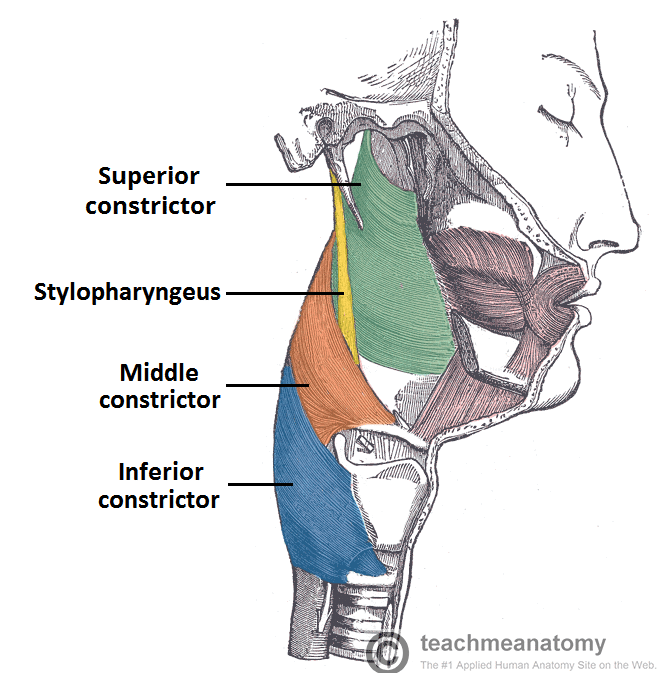
6) Singing This produces vibrations that stimulate the vagus nerve through muscles in the throat and inner ear. How to use it: Sing for 10-15 minutes daily Hum while driving or walking Focus on low, resonant tones Gargling also works
Jake Gilman tweet mediaJake Gilman tweet media
English
6
25
253
86.9K
Jake Gilman
Jake Gilman@jakeglmn·
If your vagus nerve is damaged, you'll feel exhausted no matter what you try. Most people don't realize that this one nerve can matter more than 8 hours of deep sleep. Here are 8 cheat codes to heal your vagus nerve (& unlimited energy): 1) 30-180 second cold plunges
English
83
584
4.4K
3.1M
Bert Brace retweetledi
Green is a mission
Green is a mission@Greenisamissio1·
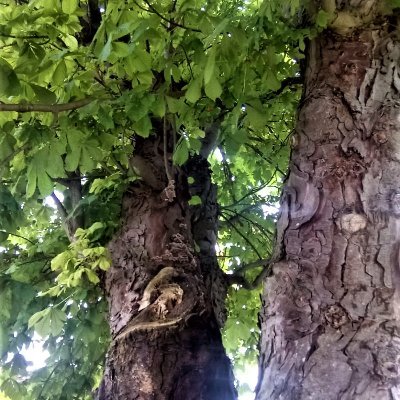
Studies show: Trees are the true air conditioners. Under a tree, the temperature can be 15 C° cooler than measured in the ambient air. Shade and evaporation create the same effect as a conventional A/C, but without electricity. A tree produces about 20-30 KW/h, as much as ten A/C
Green is a mission tweet media
English
46
905
2.3K
113.4K
Bert Brace
Bert Brace@BertBrace·
Japan has developed a groundbreaking nuclear innovation called the Yoroi Reactor — a microreactor no larger than a shipping container. Designed for isolated communities and disaster zones, this buried reactor provides clean energy for a full decade without refueling.
Elon Musk@elonmusk

True

English
0
0
1
217
Bert Brace retweetledi
Old Soldier
Old Soldier@OMGTheMess·
Japan has developed a groundbreaking nuclear innovation called the Yoroi Reactor — a microreactor no larger than a shipping container. Designed for isolated communities and disaster zones, this buried reactor provides clean energy for a full decade without refueling. Unlike traditional nuclear power plants, the Yoroi has no towers, no on-site staff, and no risk of meltdown. It uses molten salt cooling and low-enriched uranium in a sealed unit, making it safe even during earthquakes. Two Yoroi Reactors are already powering remote towns in Hokkaido, Japan, replacing dirty diesel generators with zero-emission energy. The system is completely passive — it shuts down automatically if anything goes wrong. By 2030, Japan plans to install 50 more across the country. This might be the boldest nuclear experiment the world has ever seen.
English
248
1.7K
8.3K
330.2K