Sabitlenmiş Tweet
BEZE|
31K posts


BEZE|
@Bezelectro
MINOR | Name ; Bezel and/or Camael | He/She/They !! | 🇹🇭 | Art acc ; @Bezbug | priv : @vialulla
TBHX, DUNMESHI, CSMP, ETC Katılım Kasım 2021
786 Takip Edilen131 Takipçiler

BEZE| retweetledi

give me BIG HOT BUFF ARMORED MEN either armored or unarmored, helmet stays on even during bed or PERISH in the void
English
BEZE| retweetledi

BEZE| retweetledi

BEZE| retweetledi

literally the artemis crew btw
project hail dado ⚢@astrasdoctor
theyre so unserious I LOVE THEM
English
BEZE| retweetledi

BEZE| retweetledi

The way Magearna screams Kalos but is from Alola instead somehow
Serena@pinkshye
two hardest pokemon designs
English
BEZE| retweetledi

Simple change makes your drawing more realistic

English
BEZE| retweetledi


BEZE| retweetledi


BEZE| retweetledi

BEZE| retweetledi


BEZE| retweetledi

BEZE| retweetledi

BEZE| retweetledi

BEZE| retweetledi

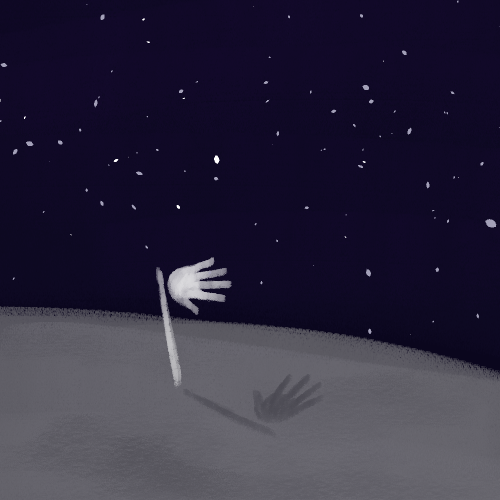
my proposal for humanity's flag, since any color will eventually get bleached out.
and it's like we're waving! :)
English
BEZE| retweetledi

BEZE| retweetledi

OH MY GOD YOU GUYS ARE COOKING
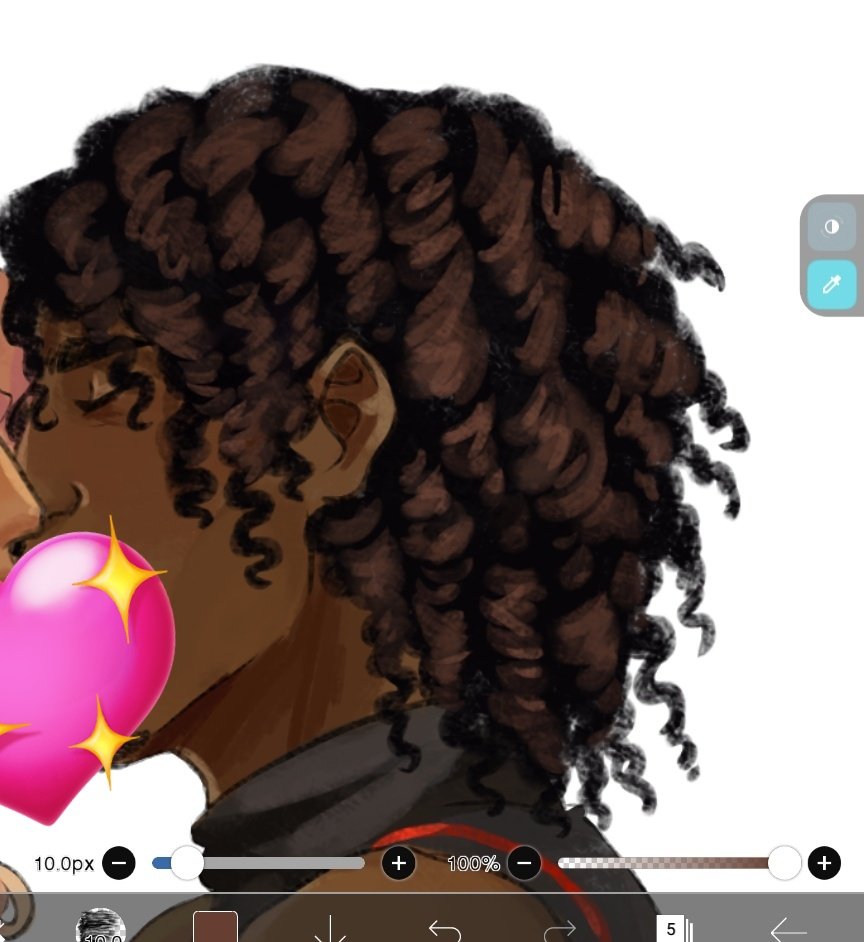
Vealt😼@its_vea18
Artist oomfs any tips how I can draw and capture hair in this texture I can't seem to get it right 😞
English
BEZE| retweetledi

Why some camera angles can make me feel uncomfortable:
The clip from the first image is taken from Don't Talk to Strangers, exposing the brutality of domestic violence and its harm to victims. The camera is aimed almost entirely at the abuser, capturing his actions, expressions, and words, forming a complete and brutal portrait of him. What the audience remembers is the violence of the abuser.
But when the camera focuses on the victim, all we see is a woman being humiliated—her pained face, exposed skin, her trembling in fear without the strength to resist. Everything is magnified by the lens, laid bare before the public eye. What the audience remembers is the suffering of the victim.
The camera that could be directed at the cruelty of the perpetrator instead fixes on the vulnerability of the victim, transferring pain and a shaming gaze onto the woman, using close-ups to turn her into an object of humiliation for consumption. That is the source of the discomfort.
The camera has its own language. Whoever the camera focuses on is whom the audience looks at. When the camera lingers on the victim’s pain, while the abuser is only briefly mentioned or not even in the frame, the camera itself is doing something cruel: turning the victim’s suffering into a consumable spectacle while allowing the abuser to remain invisible.
Under such camera work, the audience’s attention is drawn mostly to “how much the victim suffers” rather than “how evil the abuser is.” This kind of focus on the victim is not a judgment of the perpetrator, but a gaze upon the victim.
A reasonable portrayal of violence should focus on the abuser’s hands, expressions, and posture, making the audience feel that the sense of oppression and fear originates from the abuser—not merely making viewers feel the victim’s pain from across the screen.
Of course, as some might say, other comics have even more of these tropes, yet I only mention this one. So let me ask you: if someone is beaten, would you say, “But others are killed in the world, so why are you crying over a beating?” If someone says, “The water here is dangerously deep,” would you step in and say, “The sea over there is deeper, and you’re ignoring it”? As long as something worse exists in the world, does that mean no one is allowed to complain about what’s right in front of them? As if pain is a competition, where you only get to speak if you win a medal.
The reason I chose this particular work is that I’ve been a reader of it for a long time, and it’s the only one I know well. I am not obligated to rank all the comics in the world by “severity of harm” before I earn the right to speak. I don’t need to compare every other comic you tell me contains even worse elements just to conclude which one is more problematic. I only need to tell you: “I’ve only read this one, and it made me uncomfortable. Because I saw it, I spoke.”
Moreover, in this comic, I probably don’t need to say much more—over nearly a hundred chapters, how many romanticized shots are focused on the ex-husband who humiliates this woman, showcasing his “savior” image from his student days? And how many people have even used that as a defense for his violent actions?

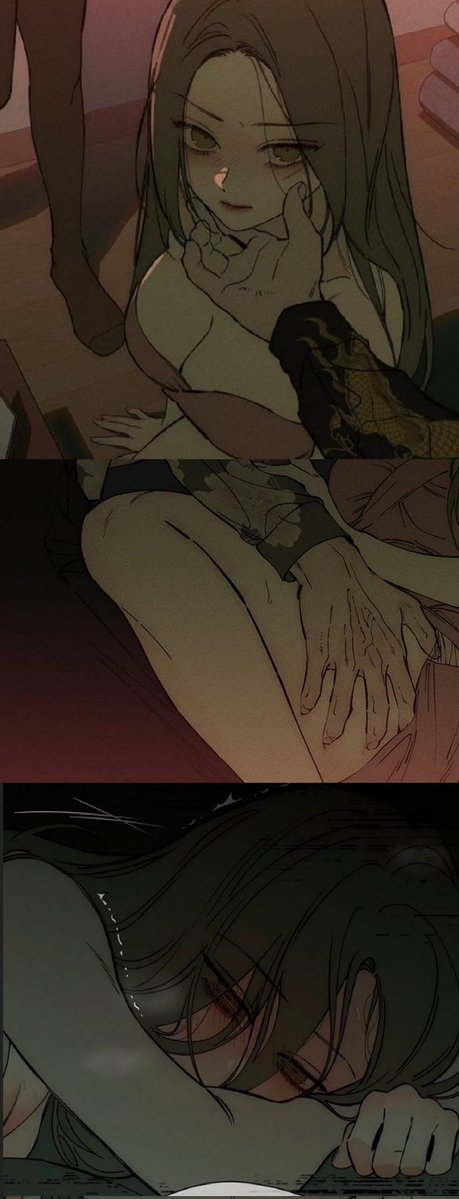
奶油夹心兔@chenluox
The worst thing about this manhwa is the author's constant narrative of putting female characters through suffering and the glorification of trashy characters. The camera of misery is always focused on women — that's what you should be concerned about, not her body shape.
English
BEZE| retweetledi

Being a teen in 2020
-GETTING GROOMED ON DISCORD
- CONFUSED ABOUT YOUR GENDER
- NEVER LEAVING YOUR BED OR HOUSE
- THE ONLY THING MAKING YOU HAPPY IS WATCHING YOUR “COMFORT STREAMER”(who ends up being a creep)
- YOUR MUSIC IS SHIT
- YOU HAVE NO FRIENDS
- EVERYONE IS TOO SENSITIVE
shera&!%!@kimpetrasse
Ils sont en train de vintageifier 2020
English
BEZE| retweetledi