
Big Think

71.2K posts

Big Think banner
Big Think

Big Think

@bigthink

Learn from the world’s biggest thinkers.

New York, NY Katılım Ocak 2009
3.7K Takip Edilen194.9K Takipçiler
Sabitlenmiş Tweet
Big Think
Big Think@bigthink·
The Energy Transition is live! Highlights: ⬤ The centuries-old dream of eating sunlight directly — and the scientists now making it real, by Thomas Moynihan ⬤ Why AI data centers might actually lower electricity prices, by Steven Ross Pomeroy @SteRoPo ⬤ Why rest alone doesn't restore your energy (and what does), by Anne-Laure Le Cunff @neuranne Read the issue here: buff.ly/Et1kWOG 🎨 Vincent Romero
English

3
13
34
10.2K
Big Think retweetledi
Yuval Noah Harari
Yuval Noah Harari@harari_yuval·
It’s all very well knowing the facts about how an atom bomb works, but to get people to actually cooperate and build it, you need a story. Ultimately, the people telling the story are those giving the orders to those building the bomb. Watch the whole @BigThink interview: bit.ly/BT-YNH
English
16
36
161
13.8K
Big Think
Big Think@bigthink·
@allgeallgemeine @EricMarkowitz For a shorter read you can follow us on Youtube and Instagram where we post carousels that break down the main stories from articles. Unfortunately X limits carousels to 4 slides.
English
0
0
1
64
Big Think retweetledi
Erika 
Erika @ExploreCosmos_·
In this new article @bigthink traces how humanity’s “cosmic distance record” has changed as our tools have improved. To the naked eye, we are limited to a very small part of the observable universe. Most of what we see directly belongs to the Solar System or the Milky Way, and only a few galaxies beyond our own are visible without instruments. One of the farthest objects normally visible to unaided human eyes is the Triangulum Galaxy, about 2.9 million light-years away, while a few exceptional observers claim to see Messier 81 under ideal dark-sky conditions, at roughly 12 million light-years. For most of human history, even when people recorded faint nebulae and spiral objects, they did not yet know that many of them were entire galaxies outside the Milky Way. That only became clear in the 20th century, especially after individual stars were identified in Andromeda. With telescopes, the distance frontier moved rapidly outward. Charles Messier recorded distant galaxies such as Messier 58 in the 18th century, and William Herschel later catalogued objects like NGC 1, now known to be hundreds of millions of light-years away. But the real transformation came when astronomers learned not just to see faint objects, but to measure their distances through redshift, spectroscopy, and later space-based observations. Objects such as OJ 287, radio galaxies, and quasars pushed the known universe much deeper into cosmic time. In the 1960s, quasars became the dominant record-holders because they are extraordinarily luminous, allowing astronomers to detect them across billions of light-years. Quasar 3C 9, for example, broke the distance record in 1965, and quasars continued to dominate until galaxies eventually reclaimed the record in the late 1990s. The article also shows that “distance” in cosmology is not as simple as saying how long the light has travelled. Because the universe has expanded while the light was on its way to us, very distant objects can now be much farther away than their light-travel time might suggest. That is why modern record-holding galaxies are described as being tens of billions of light-years away in present-day distance, even though we see them as they were only a few hundred million years after the Big Bang. Hubble pushed the record to galaxies such as GN-z11, but JWST has dramatically changed the landscape by observing at infrared wavelengths, where the light from the earliest galaxies has been stretched by cosmic expansion. Today, the most distant known objects are galaxies discovered or confirmed with JWST. JADES-GS-z13-0, JADES-GS-z14-0, and MoM-z14 represent successive steps into the very early universe. JADES-GS-z14-0 is seen as it was when the universe was only about 285 to 290 million years old, while MoM-z14 has pushed the current record to about 33.8 billion light-years in present-day distance. The key point is not only that we are seeing farther, but that we are seeing earlier: these galaxies allow astronomers to study how quickly the first stars, galaxies, and structures formed after the Big Bang. The distance record is therefore not just a contest of numbers. It is a record of how our instruments, methods, and physical understanding have expanded the observable universe, turning faint smudges into measurable objects with histories, spectra, and cosmological meaning. @StartsWithABang 👉 share.google/TrDbCe76kVWE74…
Erika  tweet media
English
11
43
256
7.4K
Big Think
Big Think@bigthink·
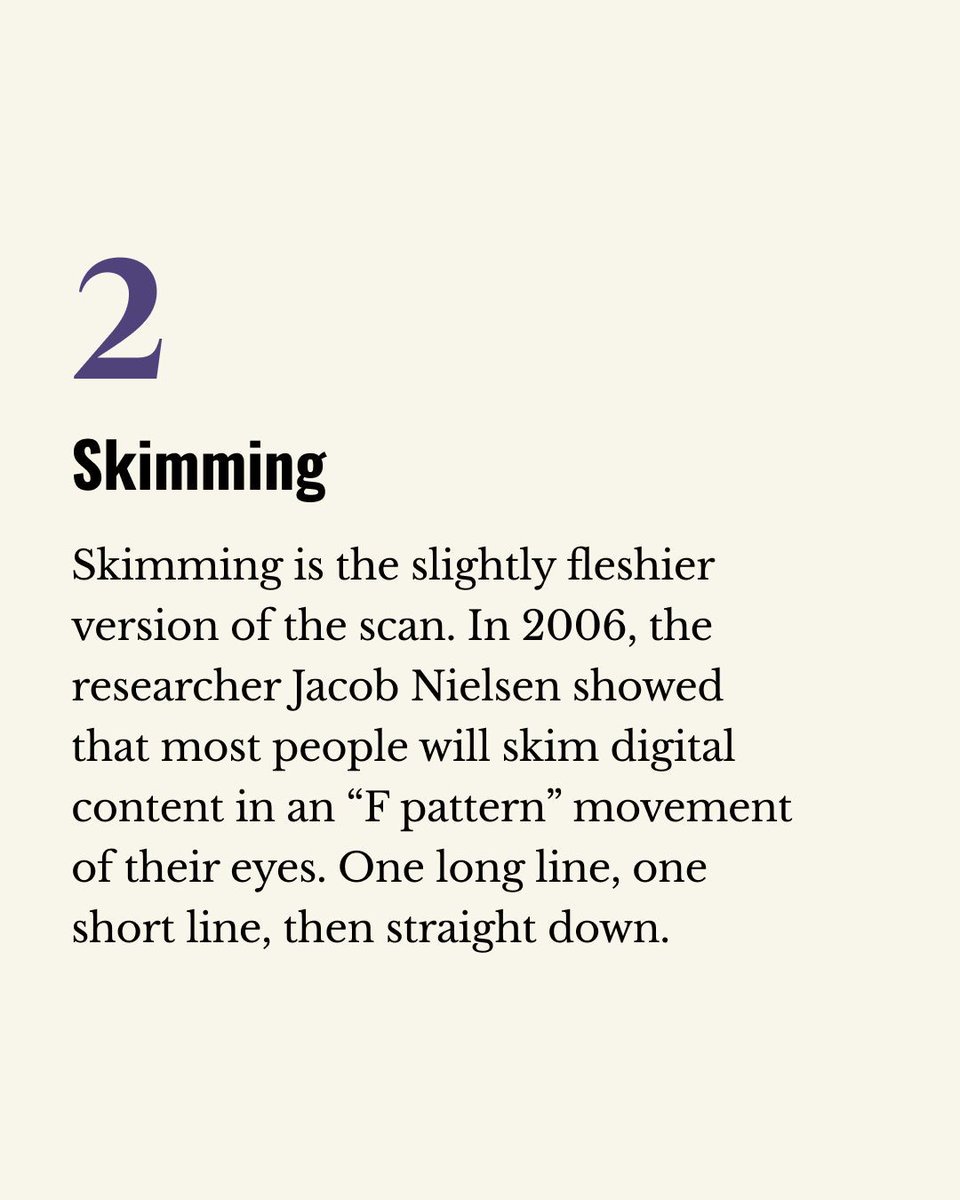
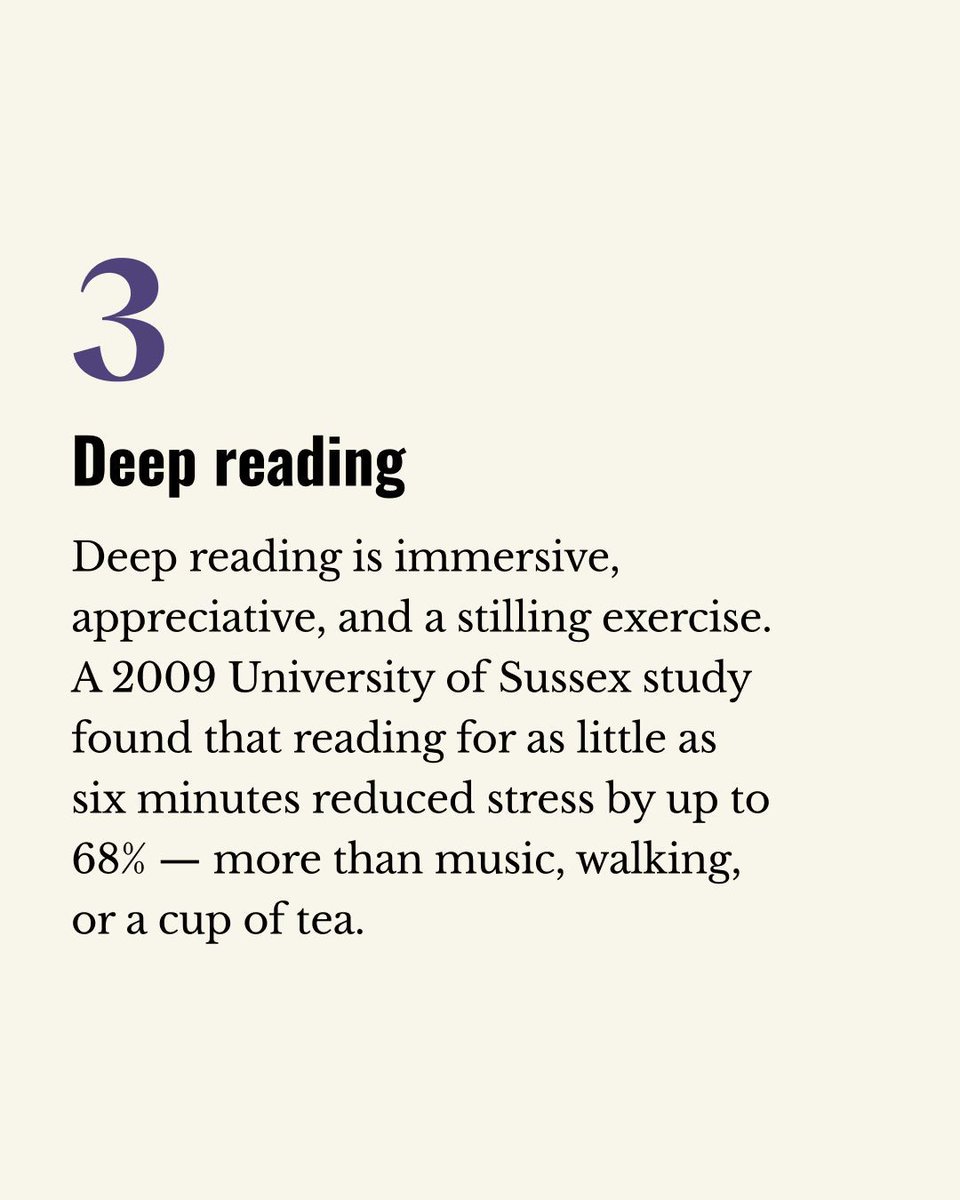
Traditional deep reading is declining. Jonny Thomson @philosophyminis explores the 3 types of reading (and the 2 you'll pick). Read the full article: buff.ly/RNBx7EU
Big Think tweet mediaBig Think tweet mediaBig Think tweet mediaBig Think tweet media
English
3
40
219
8.9K
Big Think
Big Think@bigthink·
We've been "rawdogging" for centuries. Laura Kennedy explains the neuroscience behind the timeless practice of doing nothing. Read the full article: buff.ly/k4HeFdc
Big Think tweet media
English
1
8
41
3.2K
Big Think
Big Think@bigthink·
Why pilots don't trust their memory | Lisa Genova @lisagenova
English
0
8
21
3.1K
Big Think
Big Think@bigthink·
Who decides which minorities deserve protection? In this excerpt from "The Future of Free Speech," Jacob Mchangama and Jeff Kosseff report how the line between defending democracy and undermining it is beginning to blur. Read the full article: buff.ly/q53ITr7
Big Think tweet mediaBig Think tweet mediaBig Think tweet mediaBig Think tweet media
English
0
1
7
1.5K
Big Think
Big Think@bigthink·
How Virginia Woolf broke the rules of storytelling | David Epstein
English
0
9
39
3.3K
Big Think
Big Think@bigthink·
A new framework for consciousness: Can we read conscious brain activity by measuring spikes of neural entropy? @DrTomFroese Read the full article: buff.ly/VG6Dn8n
Big Think tweet media
English
21
90
359
20.6K
Big Think
Big Think@bigthink·
Why you are avoiding your goals | Chris Bailey
English
0
5
31
2.9K
Big Think
Big Think@bigthink·
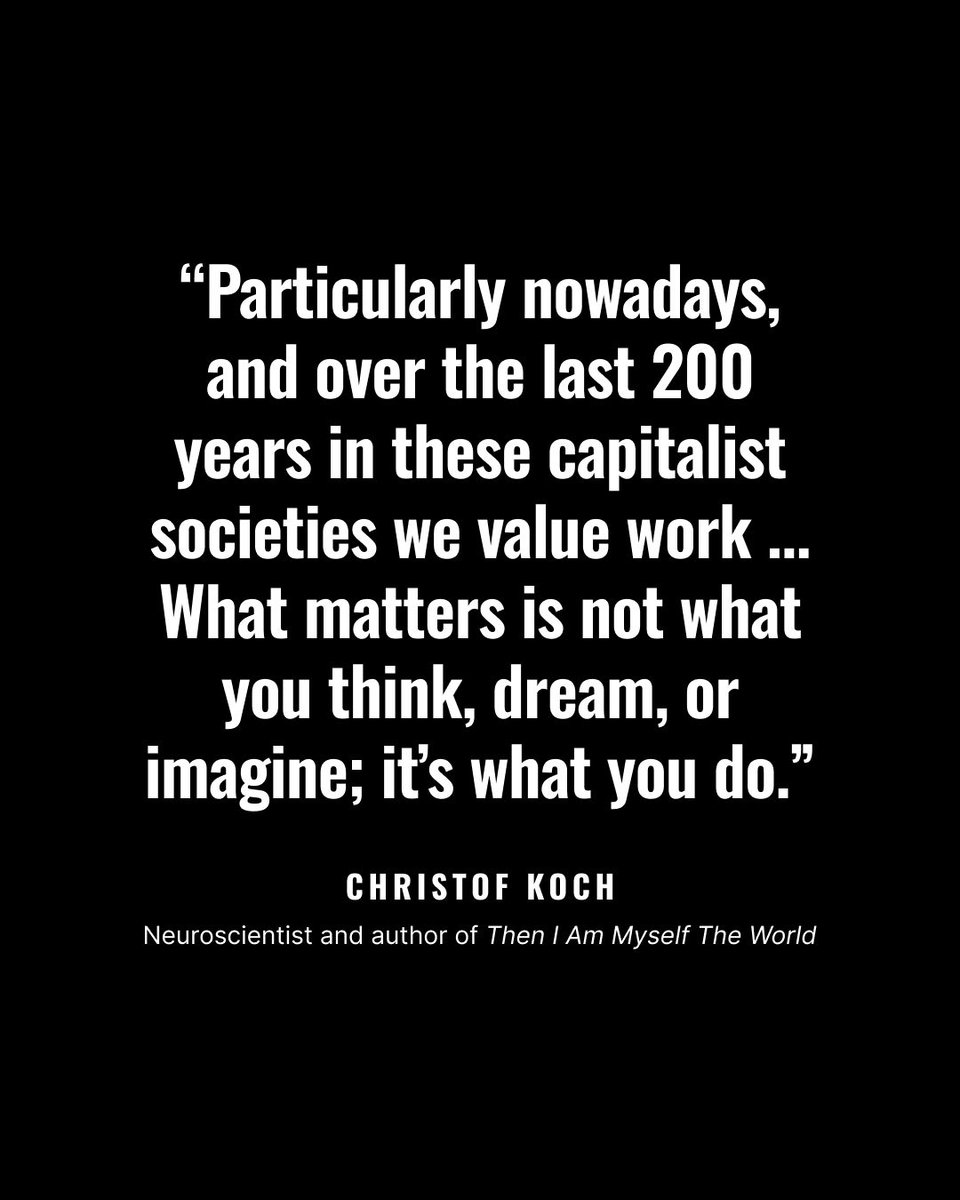
Why do people fall in love with chatbots? Neuroscientist Christoff Koch @koch_means_cook suggests that a culture that values doing struggles to tell the difference between intelligence and consciousness. Read the full article: buff.ly/X5JQ2Rg
Big Think tweet mediaBig Think tweet mediaBig Think tweet mediaBig Think tweet media
English
0
2
13
1.8K
Big Think
Big Think@bigthink·
The 12 values that define you | Chris Bailey
English
4
7
45
4.4K
Big Think
Big Think@bigthink·
The real secret of the periodic table | David Epstein
English
1
7
53
4.4K
Big Think
Big Think@bigthink·
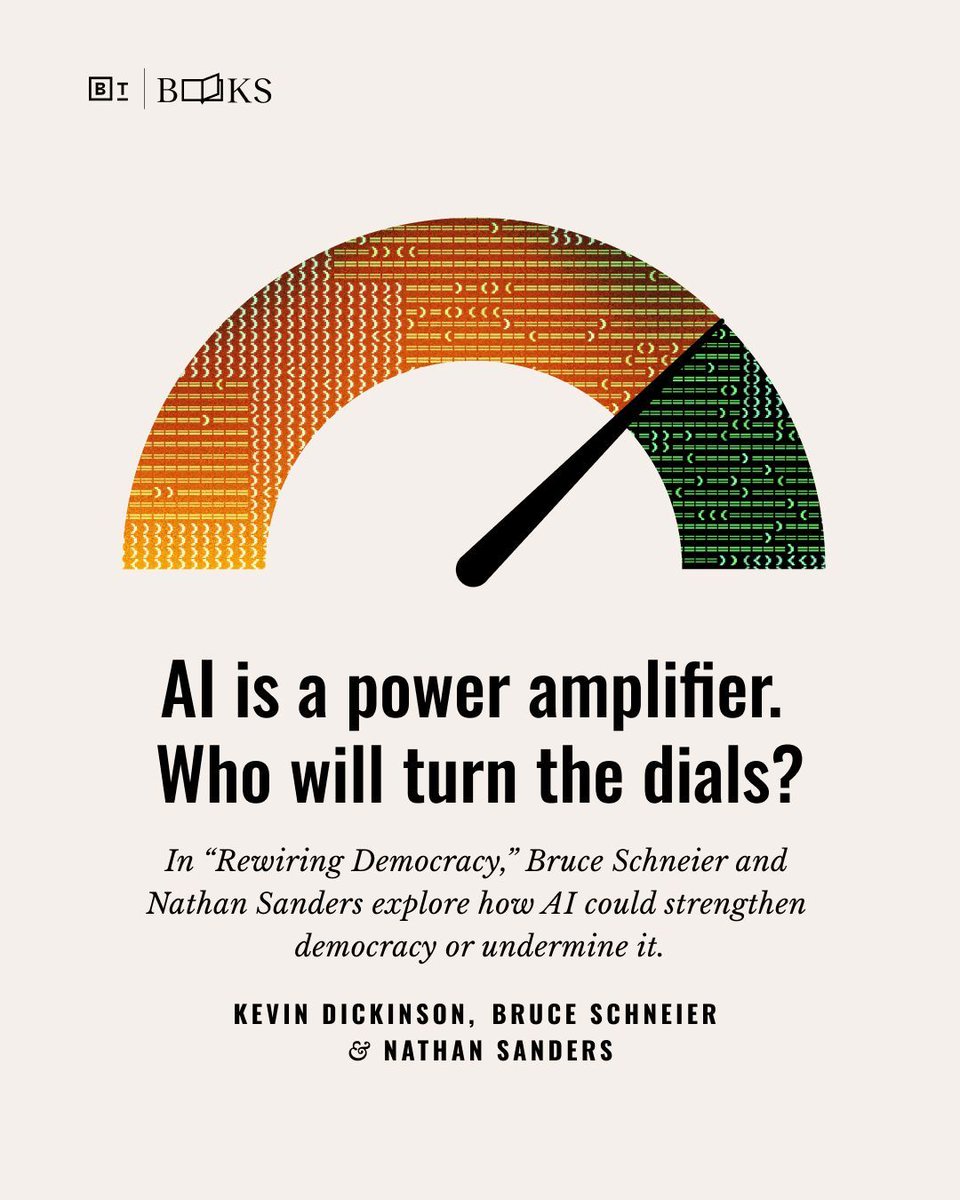
Will AI strengthen democracy or undermine it? In "Rewiring Democracy," Bruce Shneier and Nathan Sanders explore AI's role as a power amplifier. Read the full article: buff.ly/TniQF2f
Big Think tweet media
English
1
5
18
2K