

Crypto Cram
4K posts

Crypto Cram
@BiocharMy
Crypto
East Midlands, England Katılım Eylül 2015
950 Takip Edilen1.1K Takipçiler

Thanks Dominic. That piece can be found here. bytetree.com/research/2026/…
Dominic Frisby@DominicFrisby
Oil Broke the System Never mind the dodgy mortgages, oil spiking to $150/barrel in July, 2008, just before the panic set in, was as big a cause of the Global Financial Crisis. The price rise was like a sudden, unexpected liquidity drain on the economy. The US economy is built on oil. Costs suddenly rose across every supply chain. Disposable income was sucked out of households. Corporate margins got squeezed and inflation expectations rose, effectively tightening financial conditions, just as the system needed liquidity. Funding costs then rose and collateral quality deteriorated. In a system already stretched with cheap credit and thin margins, highly leveraged institutions and ordinary borrowers were simultaneously pushed over the edge. The structure was fragile and it only worked in a low energy, low rate world. Subprime may have been the trigger, but the energy shock had already destabilised the foundations. In short, the oil price tightened financial conditions before central banks did. This is not a one-off As Charlie Morris observes, there have been three major oil shocks - in 1973/4, 1980 and 2008. In 1973 the US was dependent on Arab nations for most of its oil, and shortly after the Egypt-Syria alliance suddenly declared war on Israel, oil-producing Arab nations imposed an embargo on any nation that supported Israel. “You can support Israel or have cheap oil, but you can’t have both,” the Saudi Arabian king had said on US TV. The oil price went from $3.50 to $10. It would eventually peak at $40 in 1980. I was only a little boy in the 1970s but we lived in South Kensington and I remember how many Arabs suddenly moved to the area, many of them with a great deal of money. My step-father ran a business in Belgravia selling modern Italian furniture and his clientele changed almost overnight. Hundreds of billions of dollars, previously in Western bank accounts, now made their way to the Gulf in a transfer of wealth like no other. Next came the Rolls Royces, the racehorses, the Harrods shopping sprees (indeed Harrods itself), the mansions, the public school educations, the City petro-dollar recycling trade and yes the over-priced, glitzy Valentino furniture. London would never be the same. And what impact did those years have on markets more generally? The 1970s were horrible, unless you were long commodities. The low reached in 1982 was so extreme that it marked one of the greatest long-term buying opportunities ever known. 2008 had its own consequences, not least the end of the City as a main player in global finance, followed by the general decline of London. It might not feel that way today with oil at $100, but we are still a long way from the extremes of 1974, 1980 or 2008. What is 2008’s $150 oil in today’s money? I consider CPI a bogus measure, but using money supply instead (M2), the equivalents look like this 1974: $10 oil ≈ $150 1980: $40 oil ≈ $360-440 2008: $150 oil ≈ $375-450 In the context of those extremes $100 oil does not look unreasonable The sub-$60 prices with which we began this year now look extraordinarily cheap. I don’t think we are going back to them any time soon. I’m also not saying we are going to those comparable numbers above. I merely show them for context. In terms of where we are going, I think Charlie has it right when he says, “We should assume that $100 oil implies a slowdown, $150 a recession, and $200 a depression”. $200 is not impossible if this war carries on.
English
@BiocharMy Presumably related public equities. Support needed.
English
Goldman Sachs are trying to offload private equity exposure to the general public.
London Stock Exchange@LSEplc
A new ETF has launched on the London Stock Exchange!🚀 The @GoldmanSachs @MSCI_Inc World Private Equity Return Tracker UCITS ETF (GSPE) offers liquid exposure to private equity like returns using public market equities. lseg.group/4bAiUHL #MarketOpen #ETF #AssetManagement
English



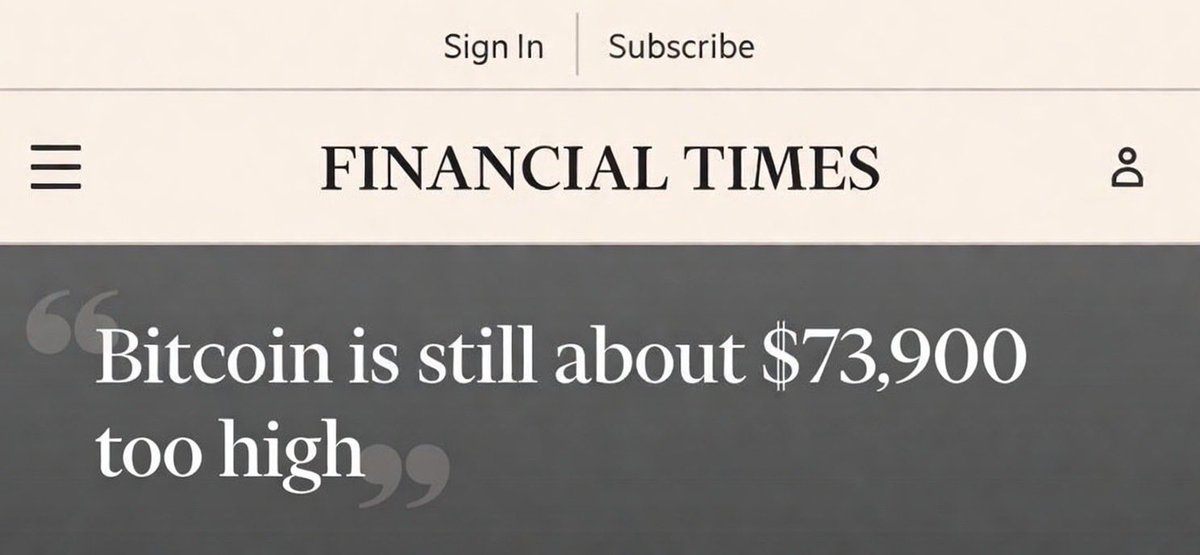
Boris “fuck business” Johnson thinks a highly liquid ($40bn/day), transparent, publicly available, blockchain is a Ponzi. UK has been pathetic in embracing crypto, tokenisation (future of financial markets), stablecoins ($310 bn and rising) because of short sighted politicians, and out of date/unfit institutions. London should be leading this fast growing industry. The Ponzi is the gilt market after BJ pissed the U.K. public finances up the wall. Ignore Boris. Funny chap, but otherwise useless.
Boris Johnson@BorisJohnson
I've long suspected Bitcoin is a giant Ponzi scheme and now I'm hearing tales of woe that make me fear I'm right. mol.im/a/15643681
English
@MinswapIntern $Night definitely probably take $4 somewhere in that
English



Which #Cardano Project you think can give you 10x from here.
$ADA community needs to know 🙏
English

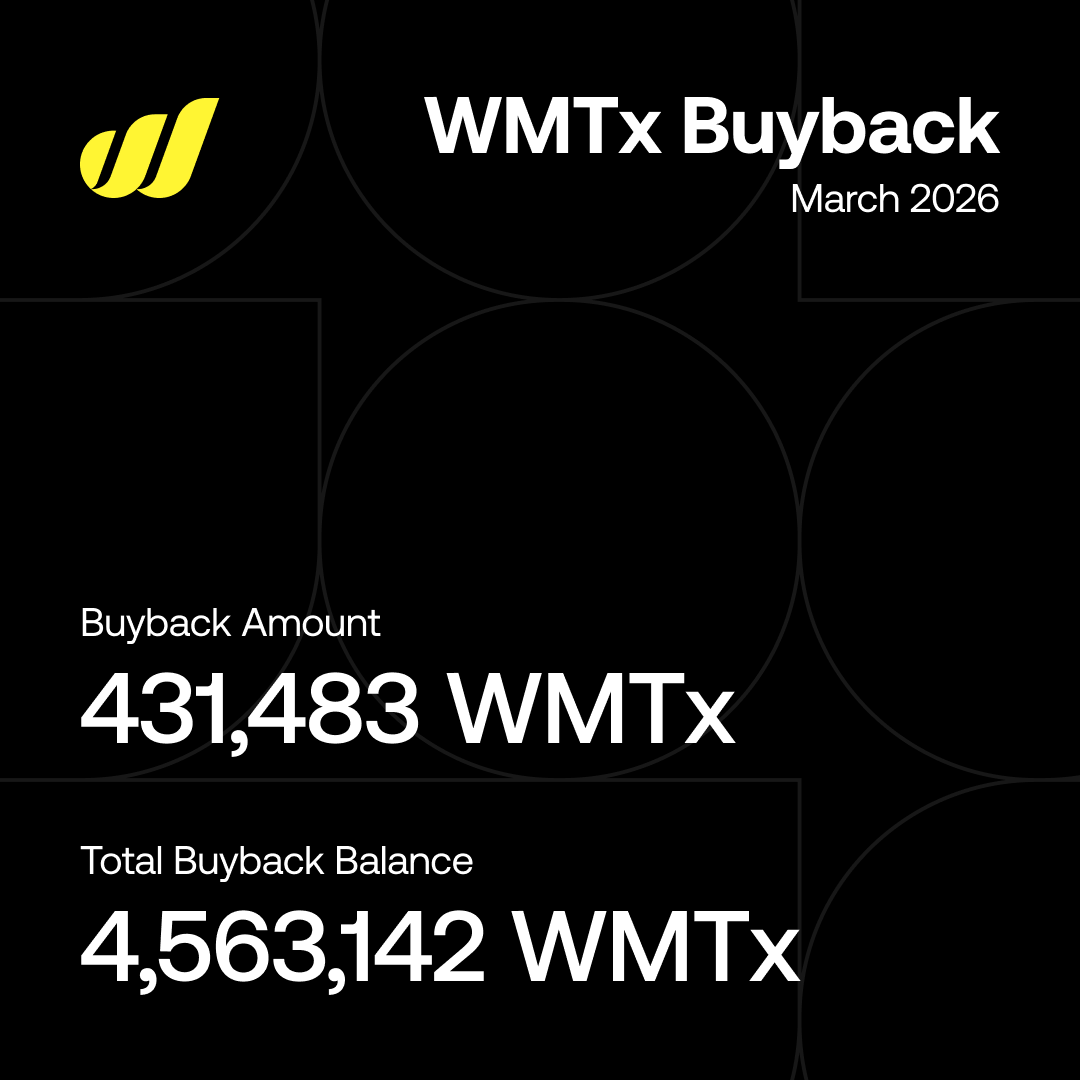
Total Buyback Balance (in buyback wallets): 4,563,142 WMTx
Total Buyback Balance (overall EarthNode buyback pool): 7,006,160 WMTx
English
💰 WMTx Buyback Brief | 06/03/2026
QUINTUPLE BUYBACK:
109,677 WMTx
98,862 WMTx
89,317 WMTx
69,841 WMTx
63,786 WMTx
Total Buyback Balance: 4,563,142 WMTx.
The ticker is $WMTX
Suomi


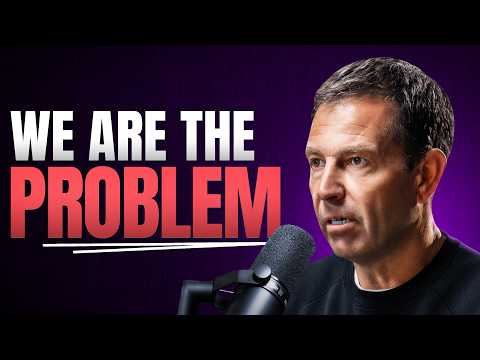
The entire economy is one big lie.
That's why we have #Bitcoin.
Listen to @JeffBooth's philosophy here:
youtu.be/sG499B57BG0
YouTube
English

To all the people in Switzerland lets go to Spar and pay with ADA
Cardano Foundation@Cardano_CF
You can now pay with $ADA at 137 SPAR stores across Switzerland. In partnership with @DFX_swiss and @BrickTowers, we are helping bring blockchain into everyday commerce through real-time, low-cost retail payments. Read the full press release: cardanofoundation.org/blog/ada-accep…
English

@BiocharMy @TapTools Let's take USDCx as example. TapTools is currently only tracking ADA/USDCx pools.
After this change other pools such as USDM/USDCx and NIGHT/USDCx will be integrated too. Volume and liquidity stats will be more complete and accurate.
English

Our team is working on integrating non-ADA based pools into TapTools.
This isn’t a simple feature addition.
TapTools was originally built entirely around ADA pairs, so supporting non-ADA pools requires significant changes across the system.
Major infrastructure work is underway.
🫡

English
Crypto Cram retweetledi
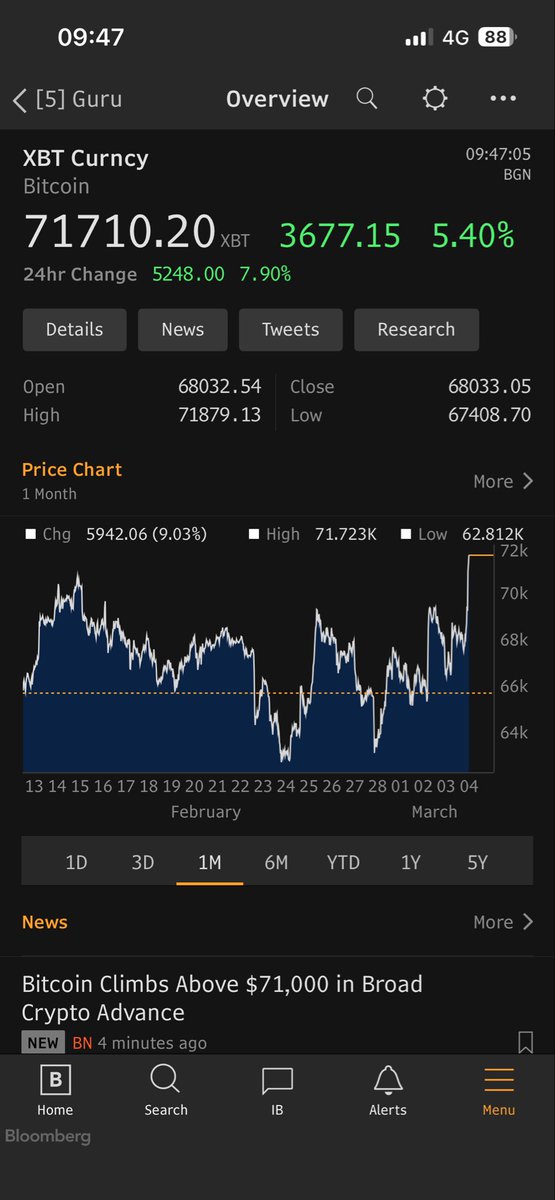
Bitcoin breaks above $70k. Very timely after BOLD rebalance last Friday. Latest BTC weight 42.1%. No typo. Slide deck below.
English
@AtlasPulse Bit cheeky but on rwa’s what’s your thoughts on $WMTX?
English
It was a pleasure.
Monetary Metals@Monetary_Metals
Gold isn’t just reacting to markets — it’s responding to deeper monetary shifts. This episode with Charlie Morris (@AtlasPulse) breaks down what’s changing beneath the surface and why 2026 may look very different than most investors expect: youtu.be/zcj2IAY6tXk
English