Ceci González 🦋

25.3K posts

Ceci González 🦋 banner
Ceci González 🦋

Ceci González 🦋

@BiotecBolivia

Biosafety, Biotechnology, Bolivia, SciComm, iGEMBo. Consecrated Catholic & into Science. #Bolivia needs #Biosafety & more #Science

Bolivia Katılım Aralık 2015
1.2K Takip Edilen1.2K Takipçiler
Sabitlenmiş Tweet
Ceci González 🦋
Ceci González 🦋@BiotecBolivia·
Lex iniusta non est lex. St. Thomas Aquinas.
Français
0
0
16
0
La Razón Digital
La Razón Digital@LaRazon_Bolivia·
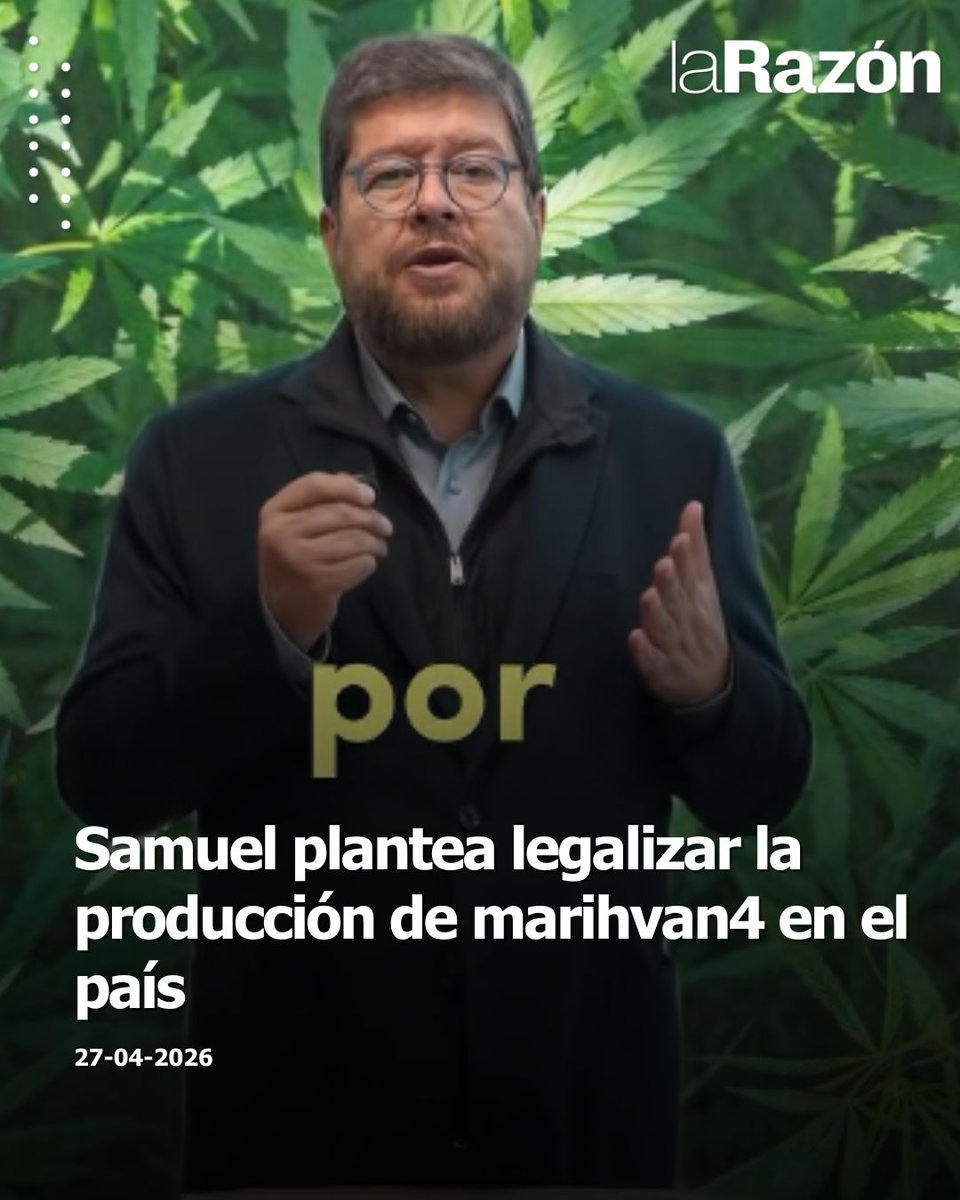
#Economía | A través de un video en redes sociales, el empresario y líder de Unidad Nacional (UN), Samuel Doria Medina, planteó la legalización de la producción de mar1hu4na en el país. En su criterio, la producción de la planta c4nn4bis es más rentable que la producción de la hoja de coc4, resaltando que la producción de mar1hu4na da $us 350.000 por hectárea al año, mientras que la producción de coc4 es de $us 10.000.
La Razón Digital tweet media
Español
51
10
62
5.1K
Ceci González 🦋 retweetledi
Oor
Oor@txrrxstrxxl·
This is a human cell 🤯 We are miracle machines 👽🌎🌽
English
728
5.2K
23.8K
941.4K
Ceci González 🦋 retweetledi
Mushtaq Bilal, PhD
Mushtaq Bilal, PhD@MushtaqBilalPhD·
Don't go to this link: github(dot)com/syt2/zotero-scipdf But if you do, replace the word "dot" with an actual [.] Don't scroll down and click on "latest release xpi file." This will download an "xpi" file to your computer.
English
2
20
231
31.7K
Ceci González 🦋 retweetledi
Enséñame de Ciencia
Enséñame de Ciencia@EnsedeCiencia·
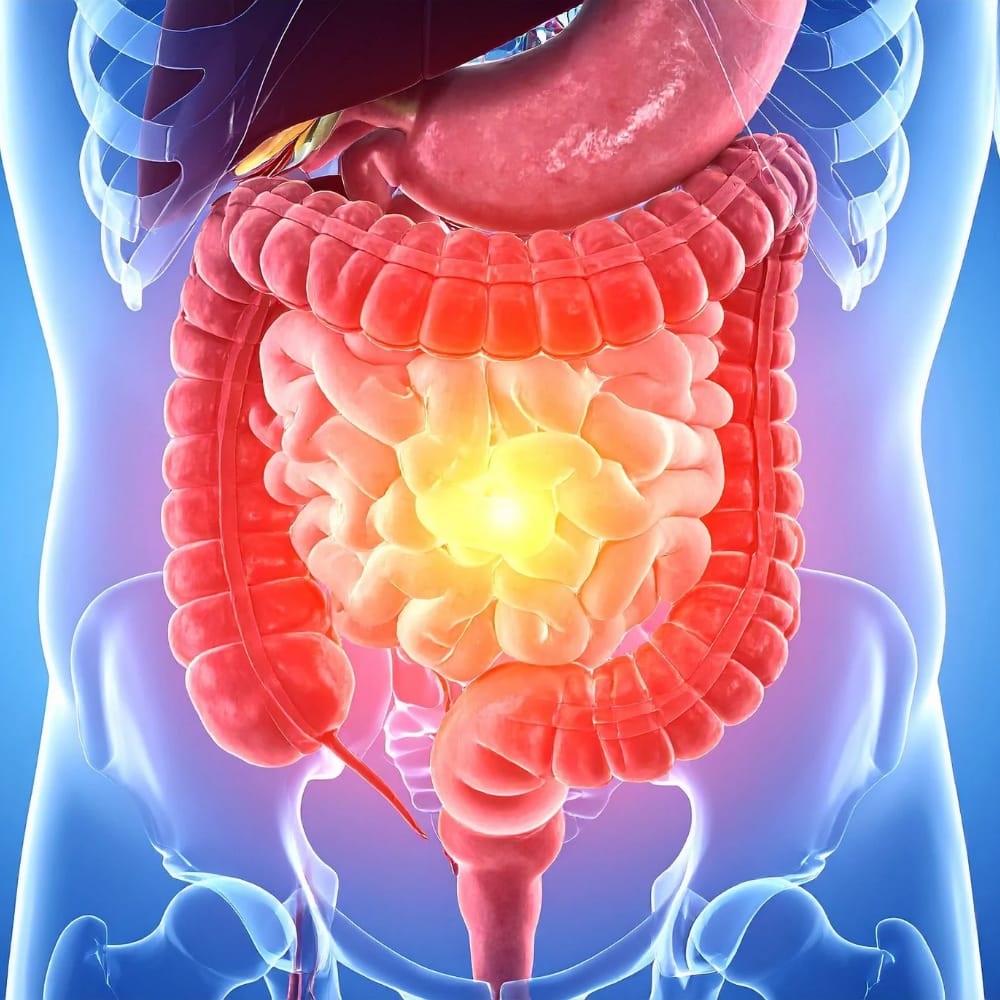
Investigadores del KAIST en Corea del Sur, liderados por el profesor Cho Kwang-hyun, desarrollaron una tecnología para revertir células cancerosas de colon a un estado normal en lugar de destruirlas. Mediante redes genéticas y el análisis de interruptores moleculares, este enfoque reprograma células malignas, ofreciendo una alternativa más segura y menos tóxica que la quimioterapia tradicional
Enséñame de Ciencia tweet mediaEnséñame de Ciencia tweet media
Español
0
101
272
5.8K
Ceci González 🦋 retweetledi
Dr. Filippo Cademartiri
Dr. Filippo Cademartiri@FCademartiri·
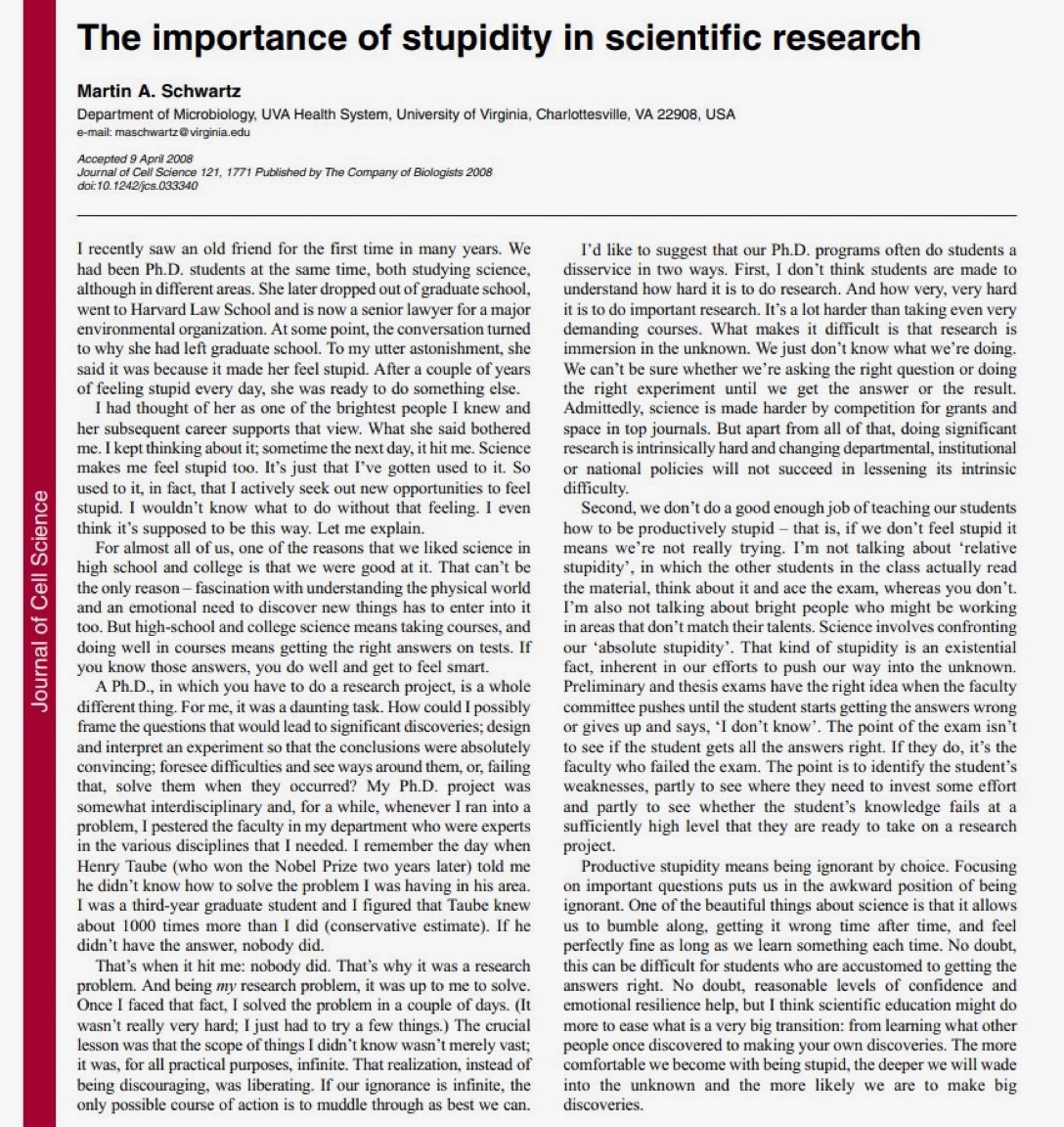
This article should be mandatory reading for every medical student, PhD candidate, researcher—and honestly, for anyone who mistakes expertise for certainty. “The importance of stupidity in scientific research” sounds provocative, almost offensive. But Martin Schwartz is not glorifying incompetence. He is describing the real operating system of discovery. Science is not built on knowing. Science is built on tolerating not knowing. That distinction matters. Most of education rewards correctness. School teaches us to answer. Exams reward speed, certainty, and precision. You feel intelligent when you get things right. Research is the opposite. Real research begins exactly where competence ends—at the frontier where nobody knows the answer, including the people you thought must know. That moment is psychologically brutal. You ask the expert. The expert shrugs. You assume you’re missing something. Then you realize: no—this is the work. You are not failing. You are standing at the actual boundary of knowledge. That feeling—“I must be stupid”—is often not a sign of inadequacy. It is often the first sign that you are finally asking an important question. Medicine struggles with this. We train doctors to avoid uncertainty, to fear being wrong, to perform confidence. But the best clinicians and the best scientists know how to sit inside ambiguity without collapsing into fake certainty. This is why AI in medicine also deserves caution. Systems trained only to reproduce established answers may become extraordinarily good at passing exams while being terrible at discovering what matters next. Guideline intelligence is not the same as scientific intelligence. Discovery requires productive stupidity: the willingness to stay with the uncomfortable, to look ignorant, to ask naïve questions, to be wrong repeatedly without protecting your ego. Most people want the authority of expertise. Very few want the humiliation required to earn it. But progress lives there. Not in certainty. Not in performance. Not in sounding smart. In the quiet discipline of saying: “I don’t know… yet.” And continuing anyway.
Dr. Filippo Cademartiri tweet media
English
33
526
1.4K
162.6K
Ceci González 🦋 retweetledi
Massimo
Massimo@Rainmaker1973·
Say goodbye to synthetic fertilizers. Dr. Mariangela Hungria, a renowned Brazilian soil microbiologist at the Brazilian Agricultural Research Corporation (EMBRAPA), has been awarded the 2025 World Food Prize—often called the "Nobel Prize for Food"—for her groundbreaking advancements in biological nitrogen fixation. Over more than four decades, Hungria developed over 30 microbial technologies, including inoculants and co-inoculants that enable crops (especially soybeans) to harness symbiotic soil bacteria. These bacteria naturally convert atmospheric nitrogen into plant-usable forms, dramatically reducing or eliminating the need for synthetic nitrogen fertilizers. Her innovations have transformed tropical agriculture, boosting yields sustainably while cutting costs and environmental harm. In Brazil alone, these biological solutions are applied across more than 40 million hectares of farmland (primarily soybeans), saving farmers an estimated US$25–40 billion annually in fertilizer expenses. The environmental benefits are equally profound: by replacing chemical fertilizers, her methods prevent the release of over 180–260 million metric tons of CO₂-equivalent emissions each year (figures vary slightly by source and year, with recent estimates around 230–260 million tons for recent seasons). Hungria's work has helped position Brazil as a global agricultural powerhouse, turning it into a leading soybean producer with high productivity and lower ecological footprint. Her low-cost, eco-friendly approach offers a scalable model for enhancing food security worldwide, proving that powerful solutions for sustainable farming often lie in the soil's own microbial communities. [World Food Prize Foundation. Dr. Mariangela Hungria Named 2025 World Food Prize Laureate for Revolutionary Work in Soil Microbiology]
Massimo tweet media
English
31
390
878
41.1K
Ceci González 🦋 retweetledi
Daniel Norero
Daniel Norero@DanielNorero·
Big step forward for gene editing and innovation in Europe 🇪🇺🌱 The EU Council has officially adopted new rules on New Genomic Techniques (NGTs), creating a clearer, science-based framework for gene-edited crops. This opens the door to faster development of climate-resilient, pest-resistant, and more sustainable crops—while boosting competitiveness across the agri-food system. After years of debate, Europe is finally aligning regulation with scientific progress. 🔗 Link: consilium.europa.eu/en/press/press… #GeneEditing #CRISPR #NGTs #Biotechnology #AgTech #FoodSecurity #EU #PrecisionBreeding
Daniel Norero tweet media
English
2
26
55
5.4K
Ceci González 🦋 retweetledi
Enséñame de Ciencia
Enséñame de Ciencia@EnsedeCiencia·
🔴El equipo de científicos fue liderado por la académica del Departamento de Ingeniería Química, Katherina Fernández Elgueta. Quienes lograron crear una gran variedad de combinaciones de nanomateriales a partir de polímeros naturales y agentes bioactivos.
Enséñame de Ciencia tweet media
Español
2
77
259
7.8K
Ceci González 🦋 retweetledi
Smart Science
Smart Science@SmartScience·
🚨 The heart generates an electromagnetic field detectable several feet from the body.
Smart Science tweet mediaSmart Science tweet media
English
4
57
202
3.7K
Ceci González 🦋 retweetledi
Next Science
Next Science@NextScience·
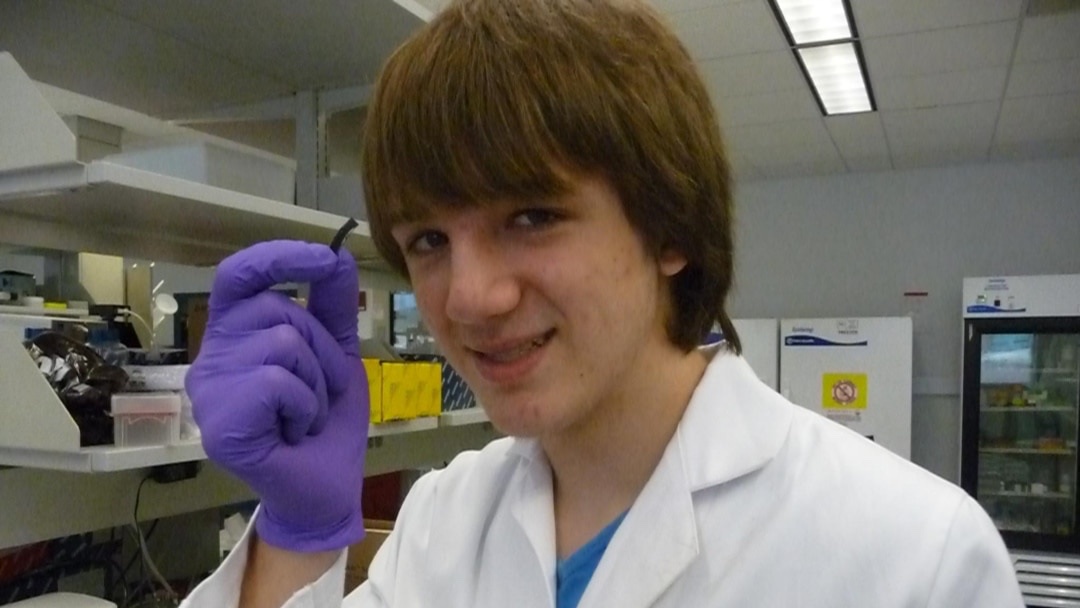
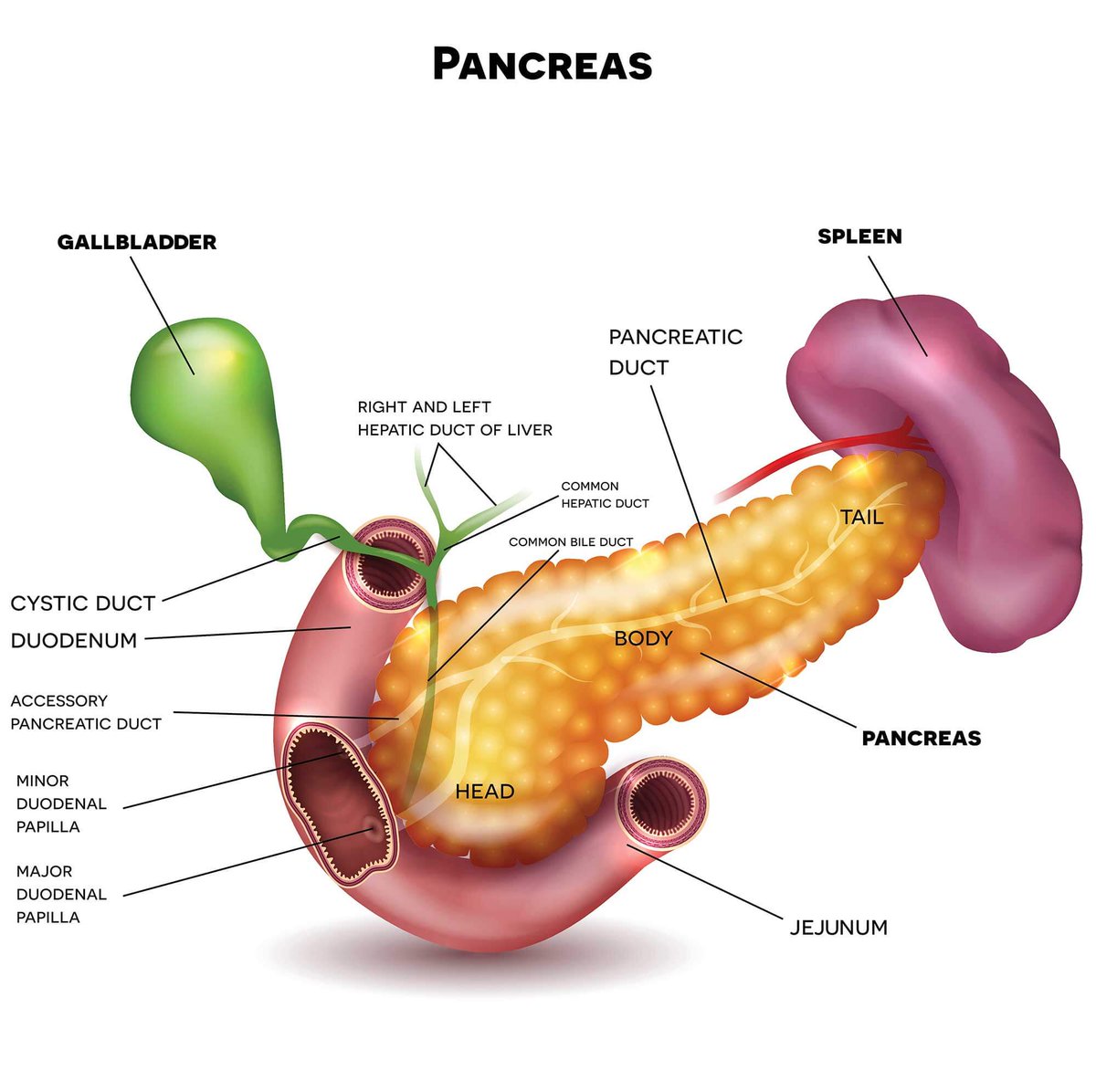
🚨 15-YEAR-OLD SCIENTIST’S INVENTION COULD CHANGE CANCER DETECTION FOREVER… A remarkable story is capturing attention worldwide — reports are circulating about a 15-year-old scientist who may have developed an incredibly fast device designed to detect early signs of pancreatic cancer. Pancreatic cancer is known for being extremely difficult to catch early, which is why this kind of innovation is generating so much excitement. If further confirmed, this technology could one day help doctors identify the disease much sooner, when treatment options are most effective. While details are still emerging, the idea alone is sparking hope in the medical world — a reminder that groundbreaking discoveries can come from the most unexpected places. The future of early cancer detection might be closer than we think… ✨
Next Science tweet mediaNext Science tweet media
English
3
38
118
4.4K
Ceci González 🦋
Ceci González 🦋@BiotecBolivia·
Microorganisms have so much to do with many issues.
Massimo@Rainmaker1973

For decades, endometriosis has been one of the most mysterious and debilitating conditions affecting millions of women worldwide, causing chronic pain, infertility, and reduced quality of life. Now, a major study suggests that a common bacterium may play a key role in driving the disease. Researchers identified Fusobacterium (particularly Fusobacterium nucleatum), a bacterium frequently found in the mouth and gut, in the uterine lining of approximately 64% of women with endometriosis — compared to less than 10% of healthy controls. Once present, the infection appears to trigger the release of a signaling protein called TGF-β, which causes normal endometrial fibroblasts to transform into aggressive myofibroblasts that promote the growth and spread of endometriotic lesions. This discovery raises exciting possibilities for new, non-hormonal treatments. In mouse models of endometriosis, antibiotic therapy targeting Fusobacterium (such as metronidazole) significantly reduced both the number and size of lesions. While these results are promising, the authors emphasize that further clinical trials are needed to confirm whether eradicating the bacterium can effectively treat the condition in humans. The findings represent a significant step forward in understanding the microbial contributions to endometriosis and could pave the way for more targeted, less invasive therapies beyond current options like surgery and hormonal suppression. [Muraoka, A., et al. (2023). "Fusobacterium infection facilitates the development of endometriosis through the phenotypic transition of endometrial fibroblasts." Science Translational Medicine, 15(700). DOI: 10.1126/scitranslmed.add1531]

English
0
0
0
19
Ceci González 🦋 retweetledi
Science Magazine
Science Magazine@ScienceMagazine·
For decades, biology textbooks have enshrined a simple rule: DNA is made by copying a template. After one enzyme unzips a DNA double helix into separate strands, another called a polymerase builds a complementary sequence, base by base, for each strand. Presto: two copies of the original DNA. But new research into how bacteria defend themselves from viruses now shows this synthesis rule isn’t absolute. Now, a team describes a bacterial enzyme that synthesizes DNA without a nucleic acid template, using its own structure as a guide. Learn more: scim.ag/4tTc5IA @NewsfromScience
Science Magazine tweet media
English
32
637
2.6K
393.9K
Ceci González 🦋 retweetledi
All day Astronomy
All day Astronomy@forallcurious·
🚨: Stanford scientists just remove the 'sugar shield' that protects cancer cells from being attacked Tumors don't just grow: they hide. They coat its surface with sugar molecules that cheat the immune system and pass it by as if there were no threat.
All day Astronomy tweet mediaAll day Astronomy tweet media
English
20
259
1.2K
45.2K
Ceci González 🦋 retweetledi
News Life Sciences
News Life Sciences@NewsLifeScience·
How much water is really inside a cell? Discover a breakthrough method for measuring intracellular water: non-destructively and with precision. This could transform cancer and immune research! news-medical.net/news/20260421/…
News Life Sciences tweet media
English
0
1
2
41