Sabitlenmiş Tweet

Polkadots JAM upgrade will enable one single wallet to interact with ANY type of smart-contract language ‼️
This means your one single Polkadot wallet can now interact with contract language like:
- SUI’s Move contract language
- Ethereums Solidity language
- Solanas Rust contract language
- Cardanos Plutus contract language
Plus literally ANY and ALL other smart contract languages
You no longer need separate wallet addresses, you no longer need to do XCM transfers between chain, you no longer need to wait for cross chain messages to verify…. One unified wallet will be able to do it all.
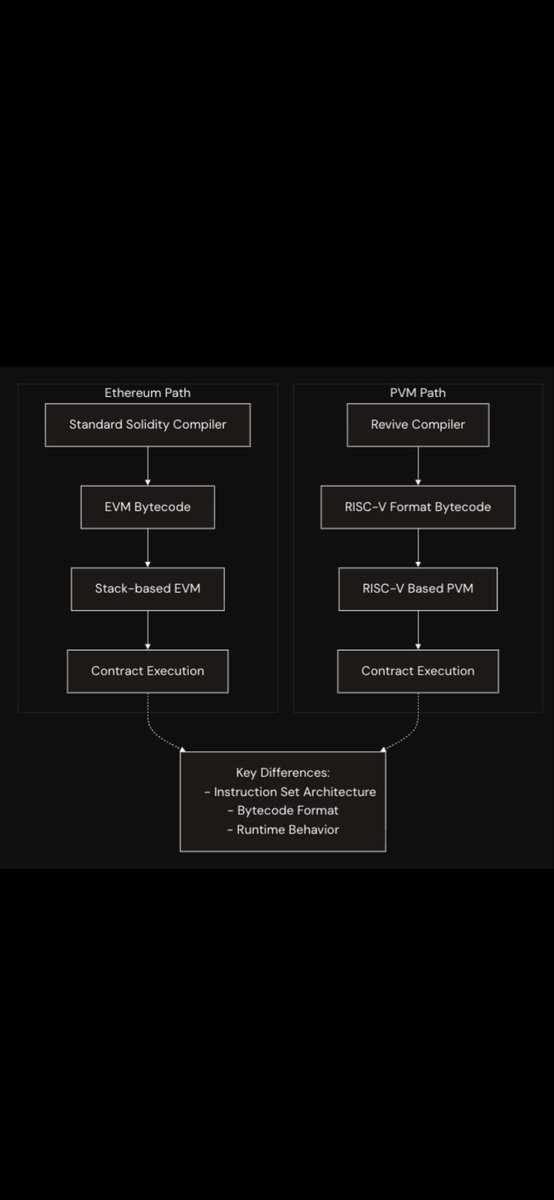
This is because with JAM you can create a JAM service that can run and execute literally any coding language even (python, C++, JAVA)
it doesn’t just end with one wallet being able to interact with any language…
All of these languages can now run simultaneously and communicate with eachother instantly, without any bridges, XCM transfers, delays, or separate wallets.
For example: in one single instance a Move contract could call a solidity smart-contract, who could then call a python script, which could then call a RUST contract, all of this happens instantly and all within one single block
Polkadots JAM model didn’t just solve interoperability, it replaced it with a unified execution environment where literally any and all coding language can execute and communicate
Importantly, separate Parachains or Blockchains can still exist in the JAM architecture. They will be able to keep their own token and keep control of their own run time and governance. However, to interact with parachains you will still need a separate wallet address, and will still need to do XCM transfer of assets or messages.
English