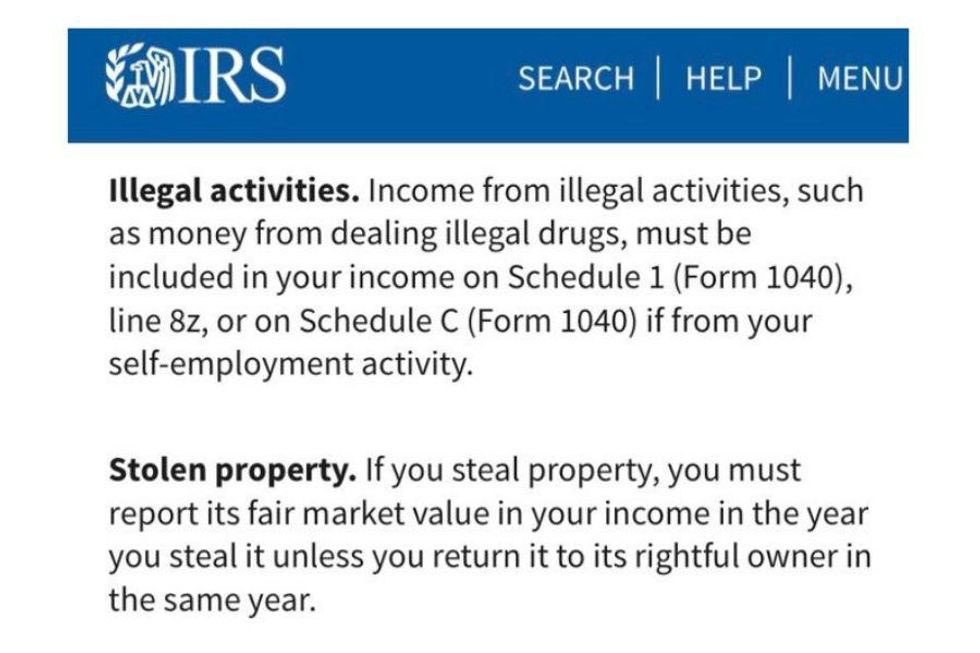
@RealJessica He probably teaches gender studies while running the school's DEI club.
English
SlateBreaker
3.4K posts
@Blacksails911
Long Term Tesla Shareholder, SpaceX. FIDE Chess Master. Science Teacher, U.S. Patriot.


Secretary of State Marco Rubio gives an excellent explanation on why the U.S. needed to strike Iran It's less than 2 minutes and is worth the watch


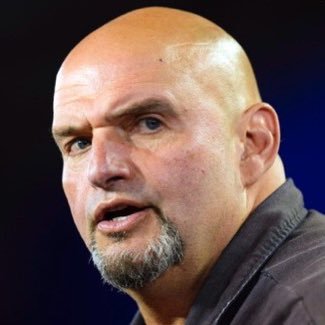
Applause line at protest in Philly: "For every US soldier who comes back in casket, we cheer!"

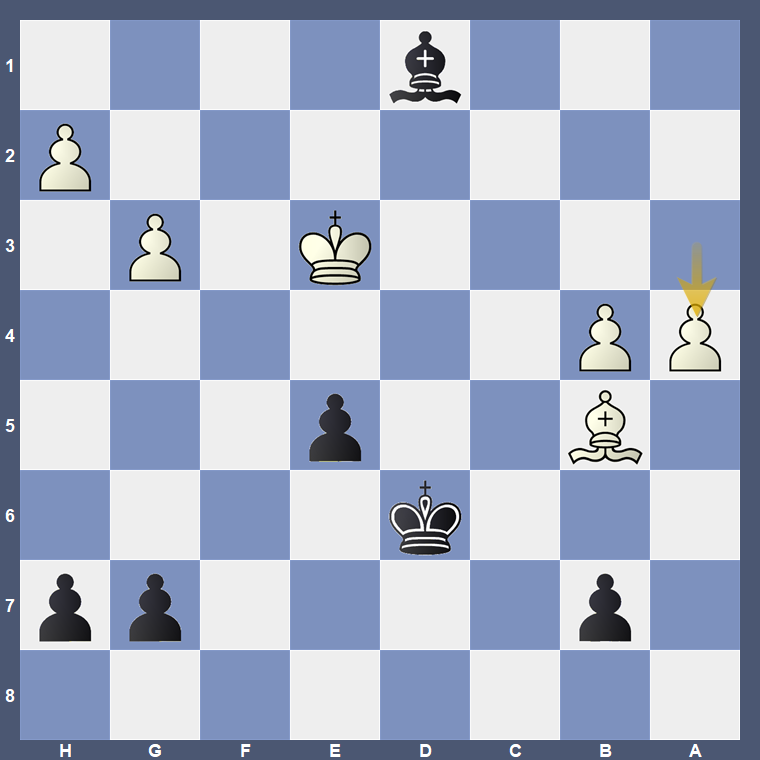


BREAKING: Just five minutes before Trump's announcement to halt the attacks on Iran, massive trades reportedly hit the market. In one move, $1.5 billion in S&P 500 (ES) futures was bought while $192 million in oil (CL) futures was sold. These orders were 4–6x larger than anything else at the time. The trader seemingly made huge gains. Unusual.

What are your thoughts on Grok Imagine home page

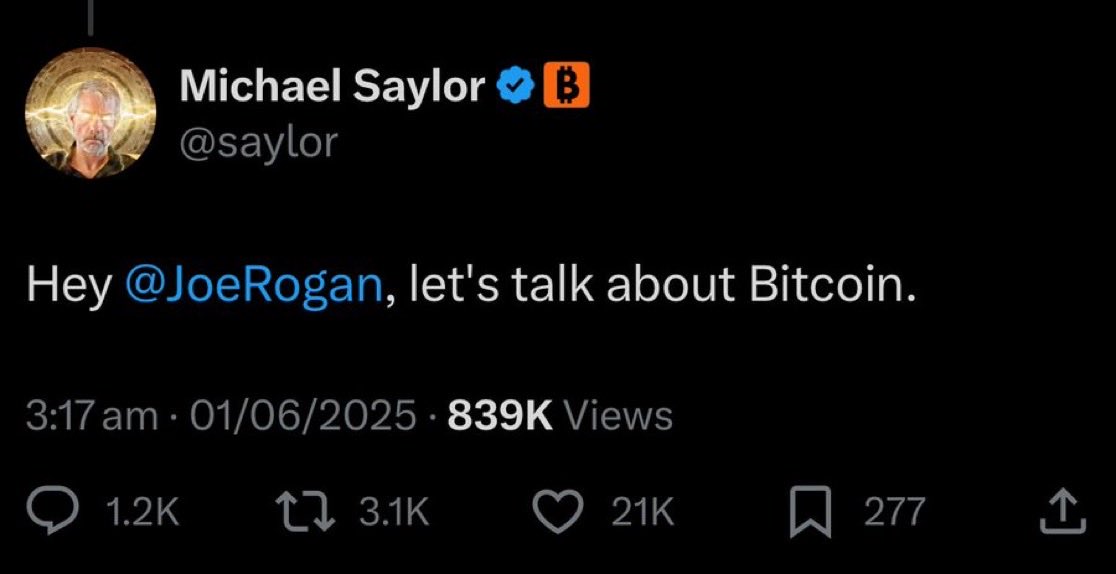


@MicahhParsons11 which openings do you use king

MAJOR BREAKING: Kuwait, who produces 2.8 million barrels of oil each day or 84 million barrels per month officially confirms it has cut oil production. People just don’t understand how big of a mistake. This really was by Trump. He vastly miscalculated the tools that Iran has to harm the US economy.

Imagine the government needs money. It wants to build roads, fund programs, run wars, stimulate the economy, and generally spend more than it collects in taxes. So it does what anyone would do. It borrows. Normally, borrowing means finding someone with money willing to lend it. But the U.S. government has a very special relationship with its lender – the Federal Reserve. Here’s how it works. The government issues bonds. These are basically IOUs that promise to pay the money back later, with interest. The Federal Reserve then creates new dollars and uses them to buy those bonds. Not dollars it saved. Not dollars it collected. Dollars it simply creates electronically. With that newly created money, the Fed buys debt issued by its own government. Now the government suddenly has billions – sometimes trillions – of fresh dollars to spend into the economy. Markets go up. Liquidity flows. Stimulus checks arrive. The system appears to work beautifully. But the bonds still exist. Which means the government now owes interest on the money it borrowed. And where does the government get the money to pay that interest? Mostly from taxpayers. So the central bank creates money from nothing, uses it to buy debt issued by its own government, and the public spends decades paying interest on it. If this sounds like a strange arrangement, that’s because it is. But in modern economics we don’t call it strange. We call it monetary policy.