Brazil at Silicon Valley

435 posts

Brazil at Silicon Valley banner
Brazil at Silicon Valley

Brazil at Silicon Valley

@BrazilatSV

Conferência e movimento liderados por estudantes de Stanford e UC Berkeley 🇧🇷🚀
Silicon Valley Katılım Aralık 2018
48 Takip Edilen795 Takipçiler
Brazil at Silicon Valley retweetledi
William Cordeiro
William Cordeiro@williamcordeirc·
Brazil at Silicon Valley (@BrazilatSV) - Day 1 TL;DR: Why is now a great time to build in Brazil? (@astrange & @hbarra) - Every company will eventually become a fintech company, with financial services becoming a horizontal platform. -Brazil's fintech revolution is driven by regulatory changes and the proactive efforts of the Brazilian Central Bank, such as the launch of Pix. -AI offers opportunities for tech-forward solutions in Brazil's financial infrastructure, catering to previously uneconomical customer bases. -Brazilian founders should improve their storytelling skills when pitching to investors. -To overcome credit-related challenges, companies should make credit part of a broader platform and demonstrate a strong track record in underwriting. — Angela Strange, a general partner at Andreessen Horowitz, is a prominent figure in the fintech industry. In her talk at BSV, Angela shared insights on the evolution of fintech, the growth of the industry in Brazil, and the potential for AI to revolutionize the way financial services are delivered. One of the key takeaways from Angela's lecture is her belief that every company will eventually become a fintech company. With the growing importance of financial services, companies that incorporate financial services into their offerings can better attract, retain, and monetize their users. Examples of companies that embody this vision include Uber and Lyft, which act as financial services platforms for drivers. As Angela noted, financial services have become a horizontal platform, enabling various types of companies to thrive. For example, Toast, a company that offers vertical software for restaurants, has expanded into lending. Similarly, Fudo, a Latin American company, brings software to industries still reliant on pen and paper or Excel spreadsheets. The fintech revolution in Brazil has been driven by regulatory changes and the efforts of the Brazilian Central Bank (BCB). The BCB has been proactive in creating a regulatory environment that has allowed the fintech industry to flourish. One notable success story is the launch of Pix, a universal payment system that gained rapid adoption, with 80% of the country using it within three years. The BCB ensured Pix's success by making it mandatory, free for consumers, and enforcing a consistent user experience. These developments have created a competitive advantage for Brazil, and the future of fintech in the country remains promising. As more companies adopt financial services, there is a need for more tech-forward solutions in Brazil's financial infrastructure, including lending as a service and improved collections. With AI coming of age and causing a paradigm shift in computing, there are opportunities for Brazilian fintech companies to take advantage of this revolution, further bolstering their growth and development. By utilizing AI, companies can serve customers more efficiently and economically, allowing them to cater to previously uneconomical customer bases. During the talk, Angela highlighted the importance of storytelling skills for Brazilian founders when pitching their ideas to potential investors. While Brazilian founders excel at spotting and developing raw talent, they could improve their ability to effectively communicate the quality of their product and team. Investors are currently nervous about credit in all markets, not just Brazil. To overcome this challenge, companies should consider making credit a part of a broader platform, creating a stickier business model. Additionally, demonstrating a proven track record in underwriting and bringing in someone with relevant experience can make the business more attractive to investors. In conclusion, Angela's lecture provides valuable insights into the fintech industry, the growth of the industry in Brazil, and the potential for AI to revolutionize the way financial services are delivered. As companies continue to adopt financial services, there is a need for more tech-forward solutions in Brazil's financial infrastructure, and the future of fintech in the country remains promising. Founders should focus on improving their storytelling skills when pitching their ideas to investors, and investors should look for those who have thought deeply about a problem and have a strong founder-market fit. By sharing insights across different countries, industries, and sectors, investors can help companies recognize and leverage the potential of AI in their operations. This article is an AI-enhanced article draft from our takeaway notes for every talk held at BSV. We wish you enjoy it as much as we’ve enjoyed the original talks and also serve as a way to share the content of BSV with the people who couldn't attend the event.
English
3
5
59
19.6K
Brazil at Silicon Valley
Brazil at Silicon Valley@BrazilatSV·
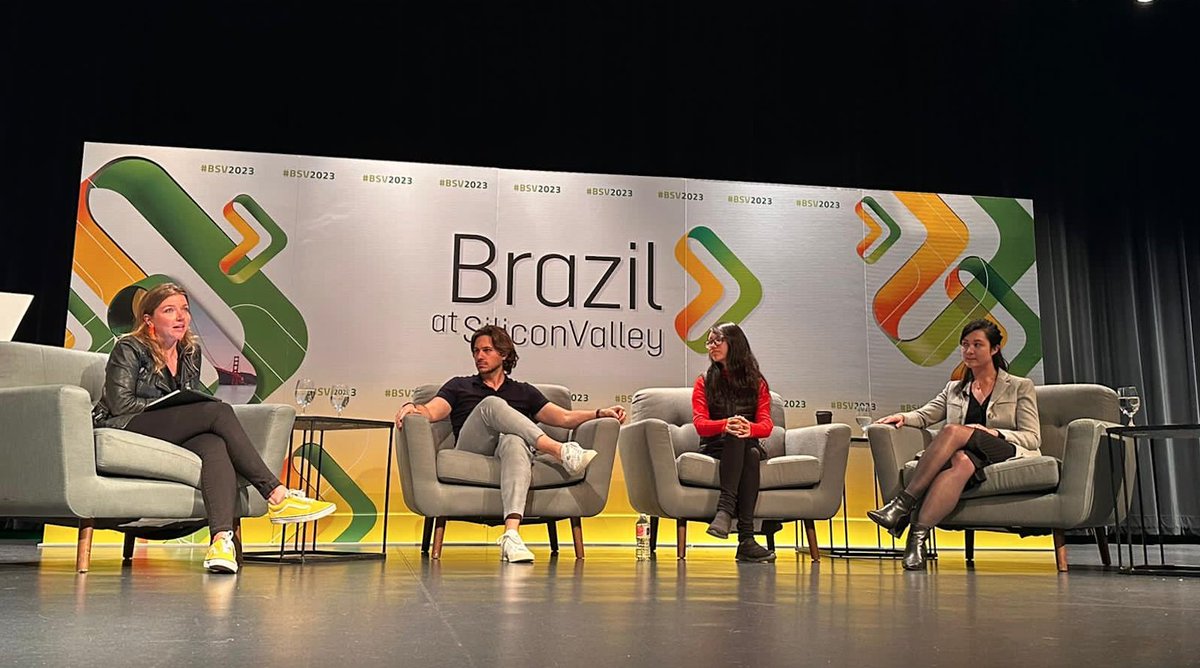
Finally, climate tech has taken over the stage for the grand finale, where Alex Laplaza highlighted issues like the unexplored opportunities for investments in Brazil, while Ida Hempel addressed how to overcome challenges in the pursuit of climate-relevant ventures
English
0
0
1
105
Brazil at Silicon Valley
Brazil at Silicon Valley@BrazilatSV·
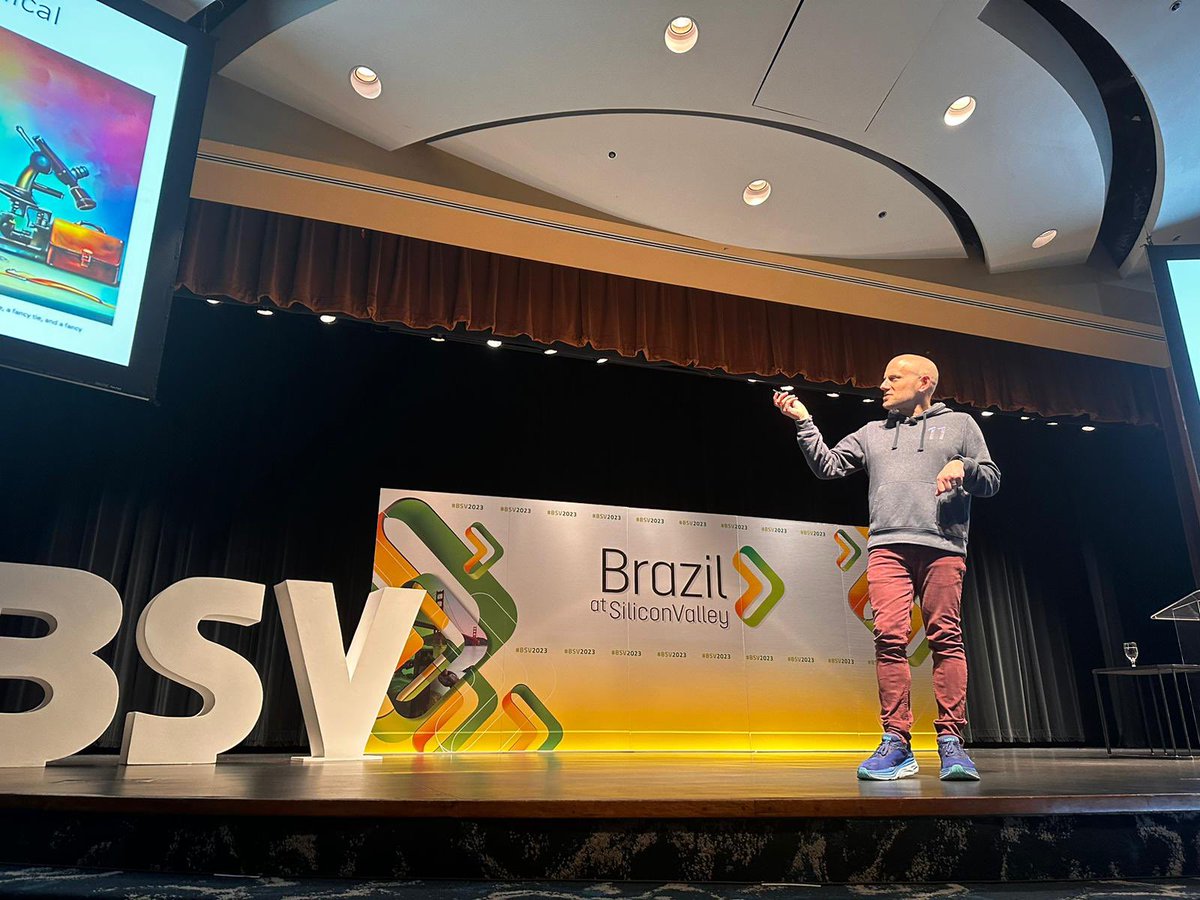
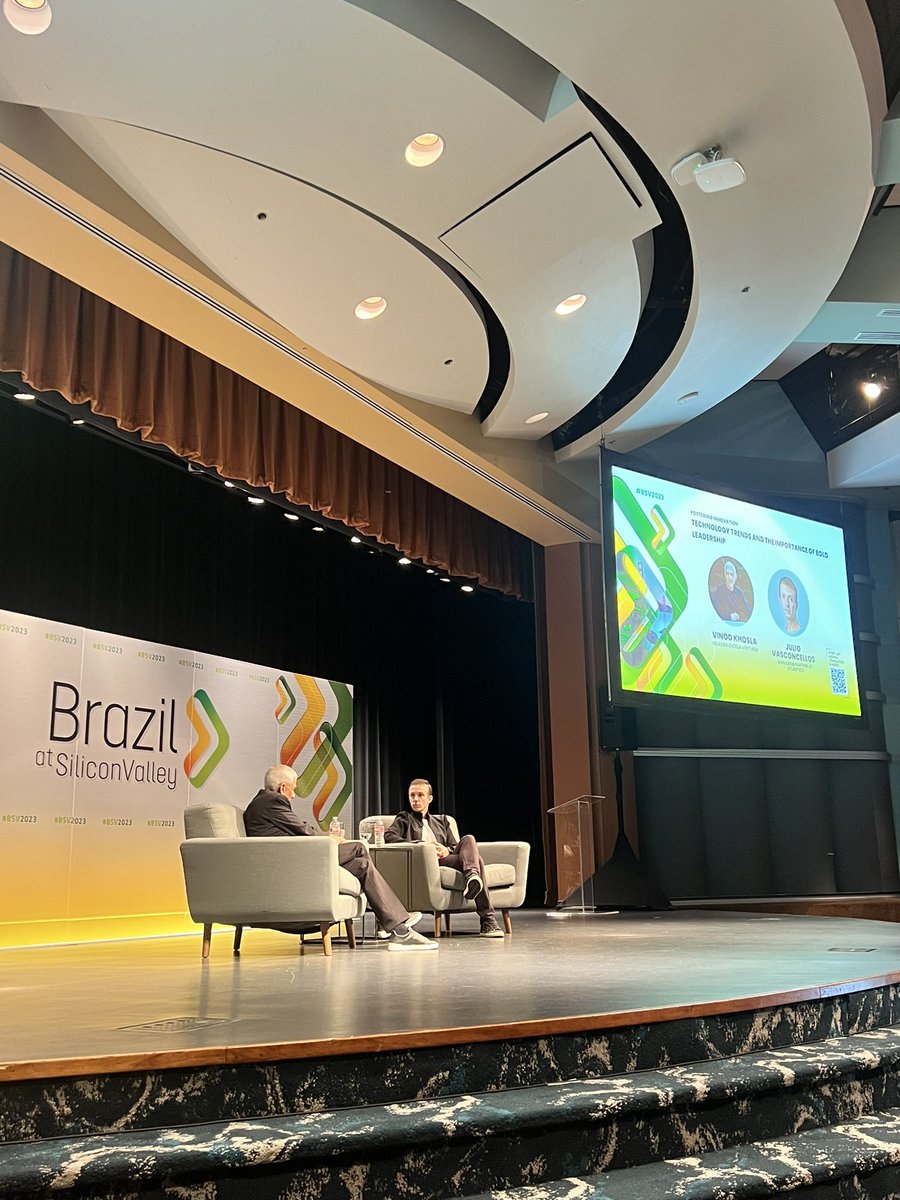
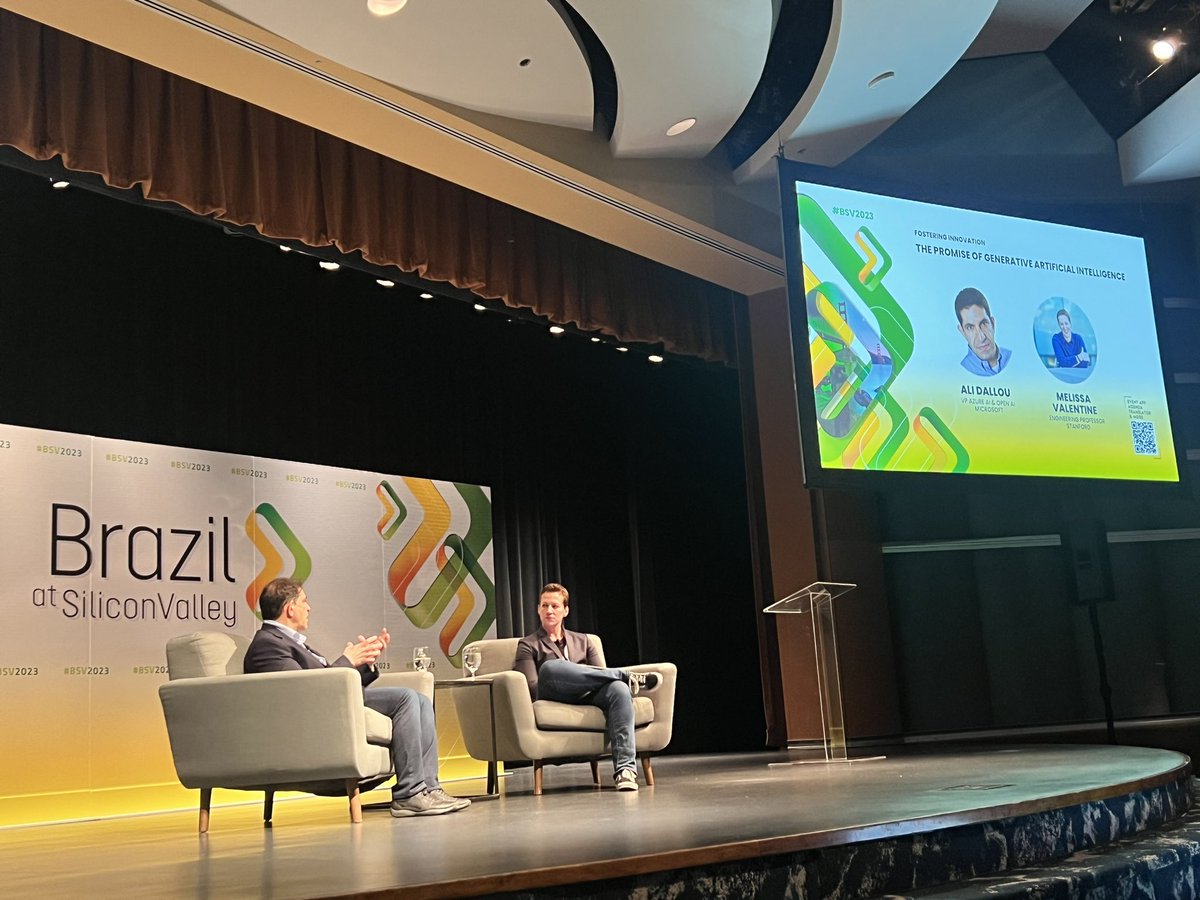
The first afternoon of the Brazil Silicon Valley Conference built momentum with discussions on some of the main topics of our time, including the future of Artificial Intelligence and its applications, the search for investments, and climate tech investment opportunities.
English
2
0
3
172