Bret van den Brink

21.4K posts

Bret van den Brink banner
Bret van den Brink

Bret van den Brink

@BretVDB

“the only just literary critic is Christ” | @UofT PhD Student | @UofT MA | @TrinityWestern BA (Hons) | lover of poetry from Spenser through Stevens | 🇨🇦

Arcady Katılım Eylül 2020
695 Takip Edilen6.2K Takipçiler
Sabitlenmiş Tweet
Bret van den Brink
Bret van den Brink@BretVDB·
These lines of Tennyson’s bring to mind the promise of MacDonald’s Phantastes: “A great good is coming—is coming—is coming to thee, Anodos!”
Bret van den Brink tweet media
English
2
4
35
2.9K
Bret van den Brink
Bret van den Brink@BretVDB·
“And here let those Who boast in mortal things… Learn how their greatest monuments of fame And strength, and art, are easily outdone By Spirits reprobate, and in an hour What in an age they, with incessant toil And hands innumerable, scarce perform.” —John Milton, Paradise Lost
Bret van den Brink tweet media
English
1
4
29
587
A Field
A Field@ponyfaceddog·
@BretVDB Probably the first and last poem about the spiritual revelation afforded by anal sex which Bret posts.
English
1
0
1
30
Bret van den Brink
Bret van den Brink@BretVDB·
D.H. Lawrence, “Song of a Man Who Has Come Through”
Bret van den Brink tweet media
English
1
6
20
468
Bret van den Brink retweetledi
Bret van den Brink
Bret van den Brink@BretVDB·
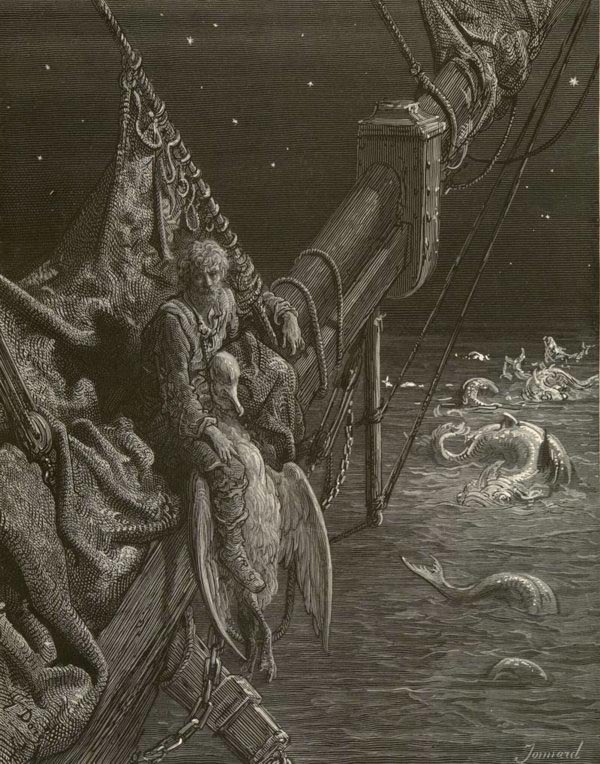
*Coleridge’s Rime is a Fall AND Redemption narrative. M.H. Abrams has a marvellous comment: “‘The moving Moon went up the sky, / And nowhere did abide.’ Coleridge’s matchless prose gloss on these lines is designed to make clear to the reader what the mariner, by suffering alienation and solitude, has learned. The mariner humanizes the motions of the moon and stars; and the insistent repetitions in his interpretation of their circular courses reveals how profoundly he has learned what it means to belong—to belong to a place, a native land, a family, a home. … The lesson of community thus achieved, the mariner looks again at the water snakes; but what he had earlier seen as loathsome, he now sees to be beautiful, and to be joying in the life they share with their penitent observer; and in an unpremeditated burst of familial love, he blesses them. … At once the terrible spell snaps; the dead elements of nature ‘burst into life’ and move the mariner to complete the circle of his spiritual journey. In literal geographic fact, he completes his circumnavigation of the globe, to end his voyage at the precise place where it had begun. But only now, after the alienation he has deserved and suffered, does he become aware of what it means to be at home in what the gloss specifies as ‘his native country.’” (The Fourth Dimension of a Poem and Other Essays)
Bret van den Brink tweet media
Paul Krause@paul_jkrause

Time of the Ancient Mariner is an awesome adventure poem that is also a fall narrative.
English
0
5
24
1K
Bret van den Brink
Bret van den Brink@BretVDB·
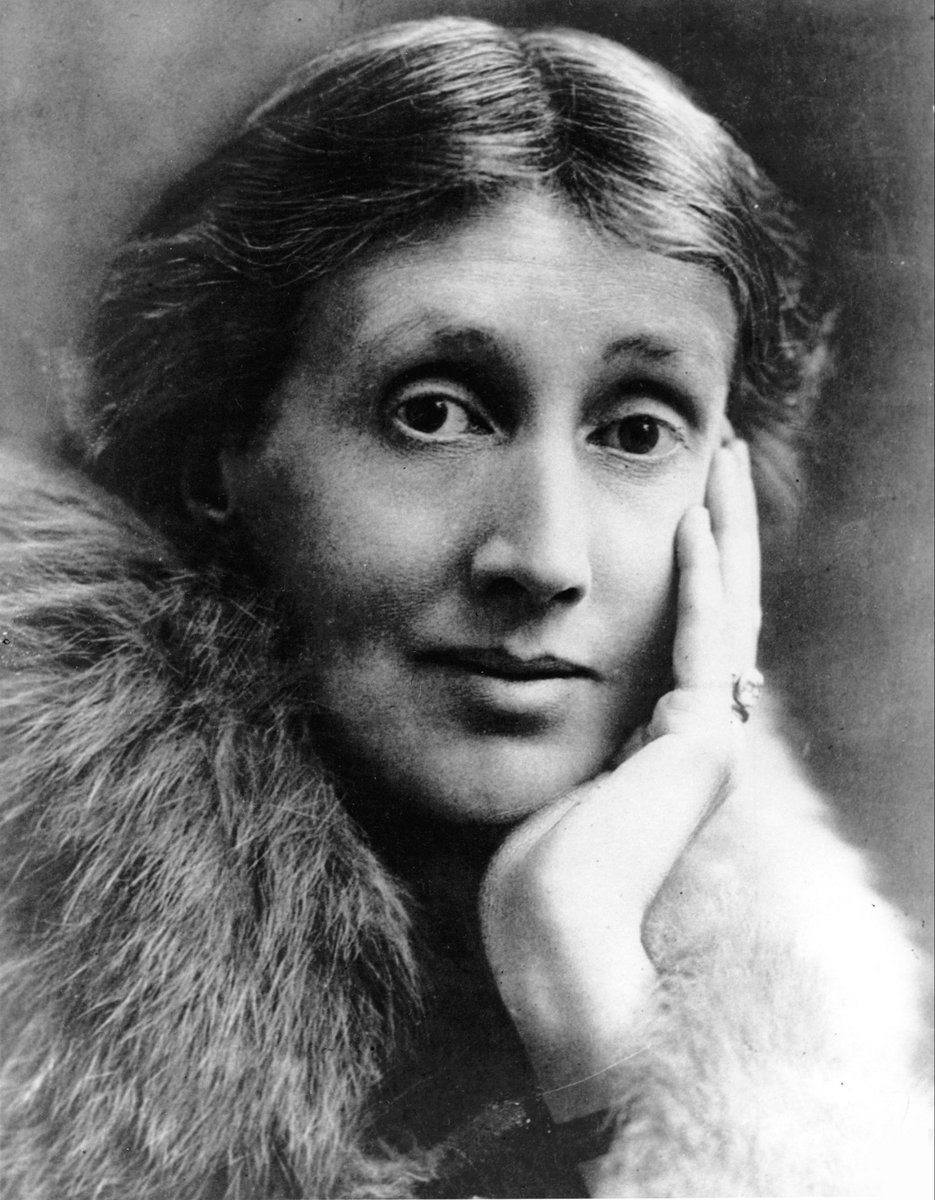
Virginia Woolf on Sir Philip Sidney’s Arcadia: “The succession of stories fall on each other like soft snowflakes, one obliterating the other. … Sleep weighs down our eyes. Half dreaming, half yawning, we prepare to seek the elder brother of death. … High-spirited, flown with words, Sidney seized his pen too carelessly. He had no notion when he set out where he was going. Telling stories, he thought, was enough—one could follow another interminably. But where there is no end in view there is no sense of direction to draw us on. Nor, since it is part of his scheme to keep his characters simply bad and simply good without distinction, can he gain variety from the complexity of character. To supply change and movement he must have recourse to mystification. These changes of dress, these disguises of princes as peasants, of men as women, serve instead of psychological subtlety to relieve the stagnancy of people collected together with nothing to talk about. But when the charm of that childish device falls flat, there is no breath left to fill his sails. Who is talking, and to whom, and about what we no longer feel sure. So slack indeed becomes Sidney's grasp upon these ambling phantoms that in the middle he has forgotten what his relation to them is—is it "I" the author who is speaking or is it "I" the character? No reader can be kept in bondage, whatever the grace and the charm, when the ties between him and the writer are so irresponsibly doffed and assumed. So by degrees the book floats away into the thin air of limbo. It becomes one of those half-forgotten and deserted places where the grasses grow over fallen statues and the rain drips and the marble steps are green with moss and vast weeds flourish in the flower-beds. And yet it is a beautiful garden to wander in now and then; one stumbles over lovely broken faces, and here and there a flower blooms and the nightingale sings in the lilac-tree.”
Bret van den Brink tweet mediaBret van den Brink tweet media
English
0
1
18
665
Bret van den Brink
Bret van den Brink@BretVDB·
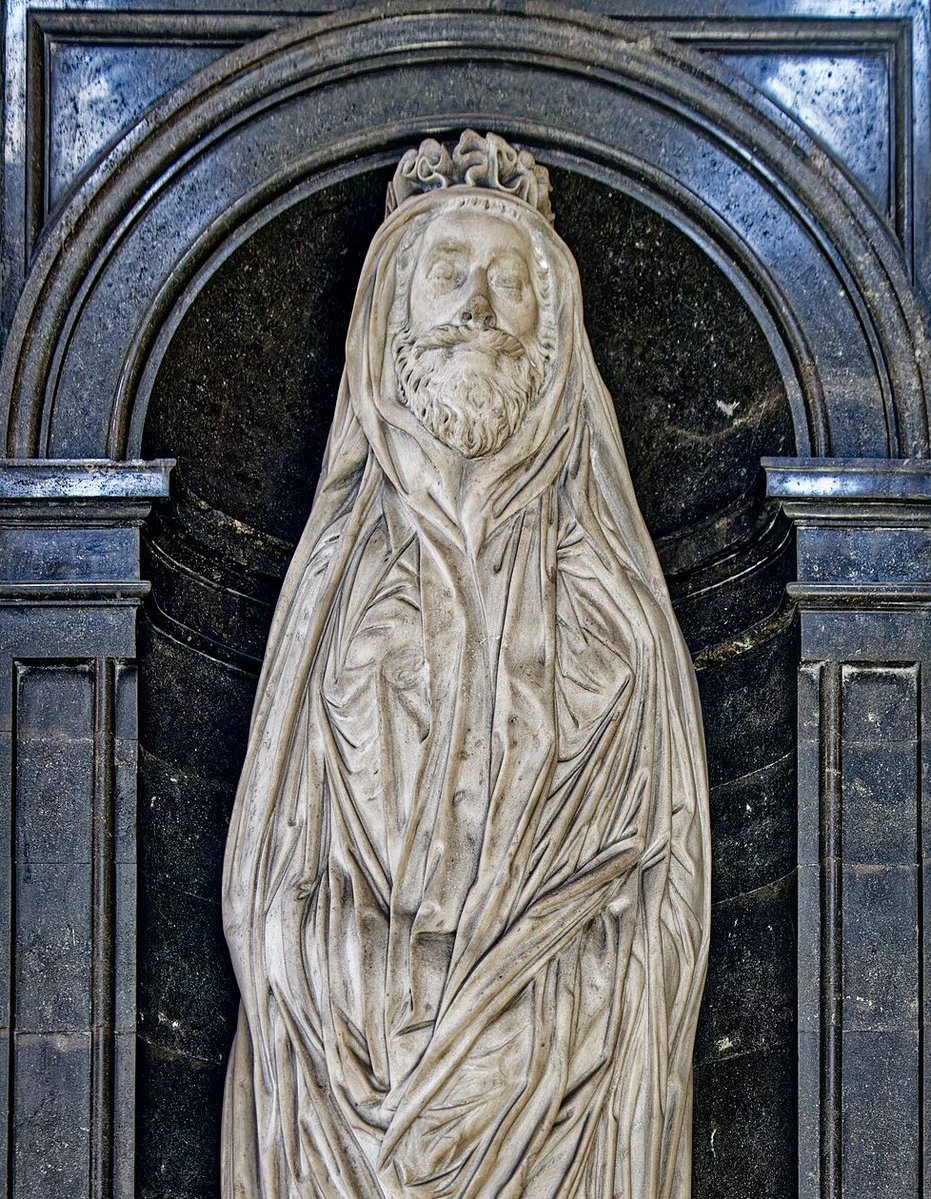
“When the fire of London destroyed almost every other monument in St. Paul’s, it left Donne’s figure untouched, as if the flames themselves found that knot too hard to undo, that riddle too difficult to read, and that figure too entirely itself to turn to common clay.” —Virginia Woolf, “Donne After Three Centuries”
Bret van den Brink tweet media
English
0
4
27
605
Bret van den Brink
Bret van den Brink@BretVDB·
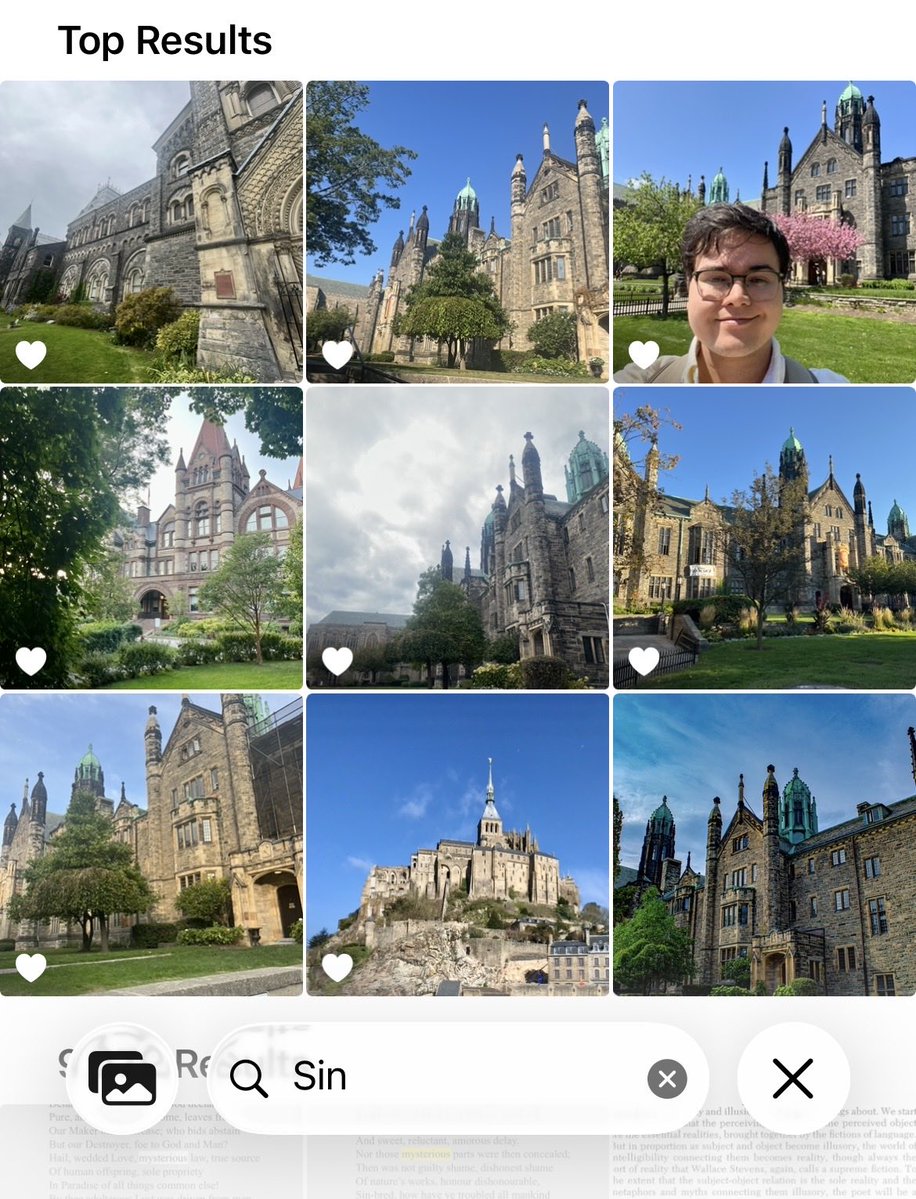
I’m confused. Why are these the results when I search “sin” in my photos app?
Bret van den Brink tweet media
English
1
0
9
420
Bret van den Brink
Bret van den Brink@BretVDB·
@RyanHaecker Ah, the glorious Bachelard. I can’t think of another author for whom both Frye and Gilson wrote prefaces.
English
0
0
1
25
Gilbert Hennessey
Gilbert Hennessey@gilhennessey·
@BretVDB No argument with Woolf. C.S. Lewis wrote best about The Faery Queen in Studies in Medieval and Renaissance Literature
English
1
0
3
385
Bret van den Brink
Bret van den Brink@BretVDB·
Virginia Woolf on how to read The Faerie Queene: “The first essential is, of course, not to read The Faery Queen. Put it off as long as possible. Grind out politics; absorb science; wallow in fiction; walk about London; observe the crowds; calculate the loss of life and limb; rub shoulders with the poor in markets; buy and sell; fix the mind firmly on the financial columns of the newspapers, weather; on the crops; on the fashions. At the mere mention of chivalry shiver and snigger; detest allegory; revel in direct speech; adore all the virtues of the robust, the plain spoken; and then, when the whole being is red and brittle as sandstone in the sun, make a dash for The Faery Queen and give yourself up to it.”
Bret van den Brink tweet mediaBret van den Brink tweet media
English
11
19
207
11K
Bret van den Brink
Bret van den Brink@BretVDB·
Virginia Woolf on reading poetry in general and The Faerie Queene in particular: “But reading poetry is a complex art. The mind has many layers, and the greater the poem the more of these are roused and brought into action. They seem, too, to be in order. The faculty we employ upon poetry at the first reading is sensual; the eye of the mind opens. And Spenser rouses the eye softly and brilliantly with his green trees, his pearled women, his crested and plumed knights. (Then we need to use our sympathies, not the strong passions, but the simple wish to go with our knight and his lady to feel their heat and cold, and their thirst and hunger.) And then we need movement. Their figures, as they pass along the grass track, must reach a hovel or a palace or find a man in weeds reading his book. That too is gratified. And then living thus with our eyes, with our legs and arms, with the natural quiet feelings of liking and disliking tolerantly and gently excited, we realise a more complex desire that all these emotions should combine. There must be a pervading sense of belief, or much of our emotion will be wasted. The tree must be part of the knight; the knight of the lady. All these states of Mind must support one another, and the strength of the poem will come from the combination, just as it will fail if at any point the poet loses belief.”
Bret van den Brink tweet media
English
4
4
23
967
Bret van den Brink
Bret van den Brink@BretVDB·
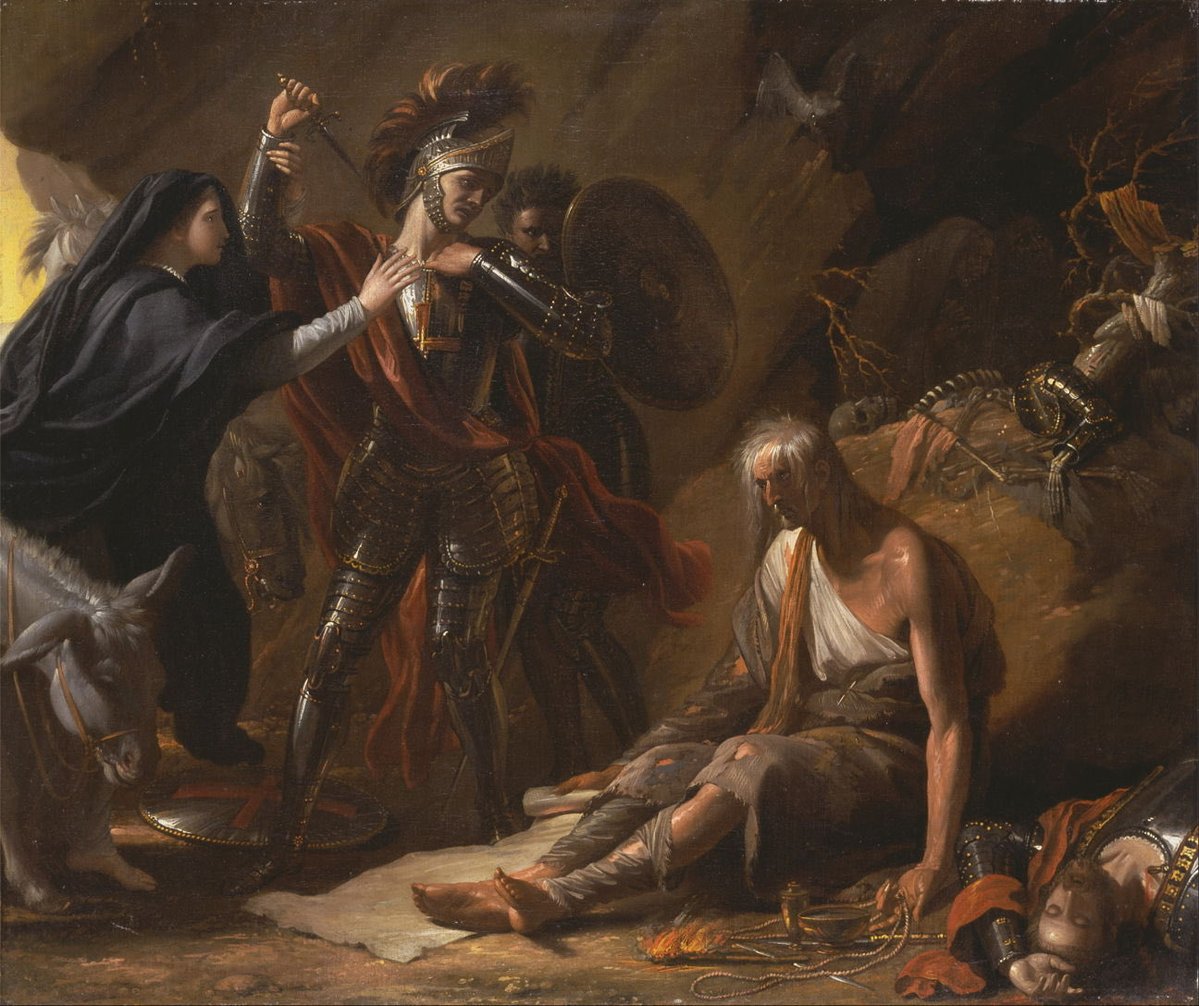
“We have lost our power to create symbols. Spenser’s ability to use despair in person depends on his power to create a world in which such a figure draws natural breath, living breath. He has his dwelling at the centre of a universe which offers him the use of dragons, knights, magic; and all the company that exist about them; and flowers and dawn and sunset. All this was still just within his reach. He could believe in it, his public could believe in it, sufficiently to make it serviceable. It was, of course, just slipping from his grasp.” —Virginia Woolf, “The Faery Queen”
Bret van den Brink tweet media
English
1
2
13
601