

brianweeden
11.2K posts

brianweeden
@brianweeden
Space policy wonk, computer nerd, amateur chef, proud father and husband. Mainly at https://t.co/nx3Zcoq4MB or https://t.co/uJ4fMMfsRk
Washington, DC Katılım Mart 2008
1K Takip Edilen9.8K Takipçiler

Meanwhile in Massachusetts: the library begins the first step of its transatlantic journey...

English
brianweeden retweetledi

France committed to nuclear while the rest of the world turned away from it.
Turned out pretty well for them.

Zak Kukoff@zck
I like the data centers as nuclear energy analogue: high salience, highly opposed by the public, and yet the typical person is highly misinformed. Solving this is the difference between massive GDP growth and Japan's lost decades
English
brianweeden retweetledi

1/x
Navigational Warnings for the #Starship FT-12 launch show that it takes a more southern trajectory than previous Starship flights, south of Cuba instead of north. Comparison of FT-12 (blue) to FT-11 (red):
@planet4589 @DutchSpace

English
brianweeden retweetledi

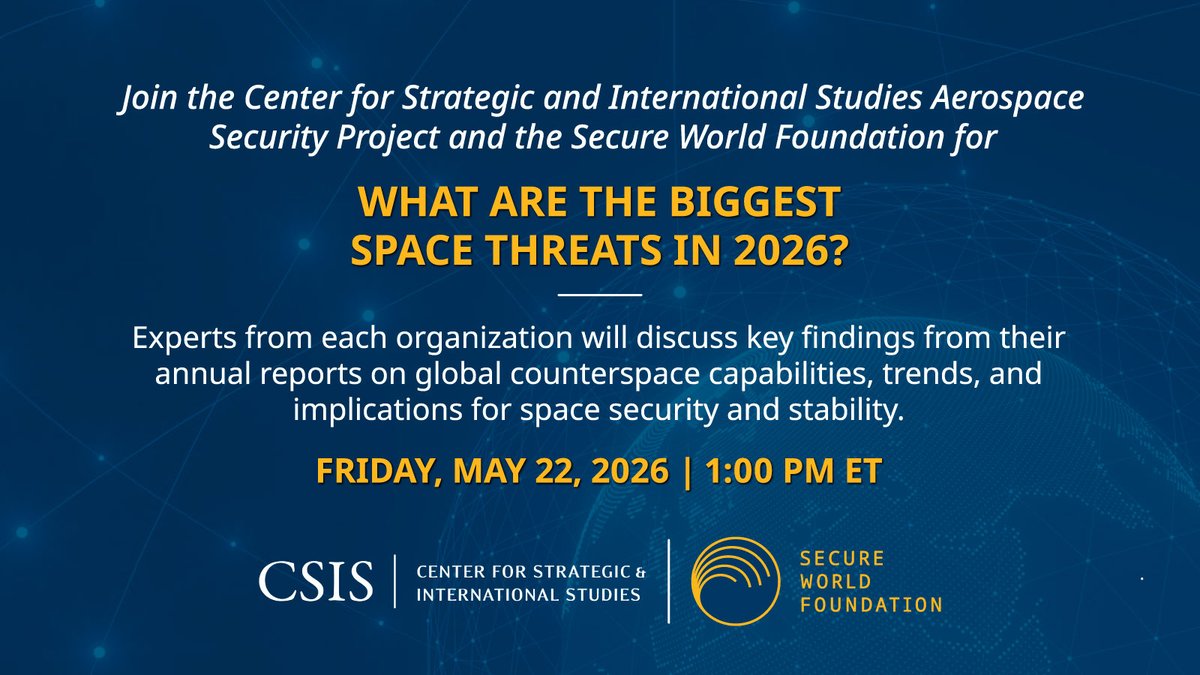
This Friday, SWF & @CSISAerospace will discuss their 2026 counterspace threat assessment reports.
Join @VSamson_DC, Kathleen Brett, Kari A. Bingen, & @crswope for a discussion on global counterspace trends & implications for space security.
May 22 | 1 to 2 PM ET
👉 csis.org/events/what-ar…
English
brianweeden retweetledi
A number of you have been wondering about the progress of my library relocation project. After a year of very slow progress behind the scenes, things are starting to move. The new library space is in Bromley, south of London; the waterproofing of the space is now complete

English
brianweeden retweetledi

This is how we make space transparent.
Most space activity has never been visually observed. No image, no confirmation, no clear record of what happened or why.
Despite rapid advancements in satellite technology, the ability to see what’s up there remained largely absent.
To meet the moment, we need persistent, scalable, autonomous visual awareness of space. That's why we built HEO Inspect.
HEO Inspect is the web app and API interface to our core non-Earth imaging and insights that tasks our constellation, processes every collection automatically, and delivers finished insights.
Underpinning it is our proprietary software that runs NEI operations autonomously at scale, replacing what would otherwise require significant manual effort from specialised engineers.
Make space transparent.
English
The US space enterprise is desperately waiting for Starship—will it finally deliver? arstechnica.com/space/2026/05/…
English
brianweeden retweetledi

Singapore’s Foreign Minister, Dr Balakrishnan casually explaining how he built his own AI agent (a 2nd brain for diplomacy) using Claude & WhatsApp integration etc. on a Raspberry Pi
“You cannot govern a technology you have only been briefed on.” 🇸🇬
English
brianweeden retweetledi

He’s approaching the rental car desk. Send all employees home except for one, who is locked in a battle with another customer for the dumbest reasons imaginable. Make sure the only employee at the desk types out an entire novel before she acknowledges him.

English
brianweeden retweetledi
No smoking gun, but the preponderance of evidence points to smartphones, not economics, as the culprit for the global drop in fertility:
• In the US and UK, births fell first and fastest in areas that got 4G earliest
• Birth rates were stable in the US, UK and Australia until 2007; in France and Poland until 2009; in Mexico and Indonesia until 2012; in Ghana, Nigeria and Senegal until 2013-15
Each of these inflection points matches local smartphone adoption (see picture).
• The younger the age group, the sharper the drop.
• in-person socialising among young adults is dropping. In SK, by 50% in 20 years
• Sexual dysfunction is higher among heavy social media user
• Effect is largest in culturally traditional societies — Middle East, Latin America, sub-Saharan Africa
• Decline holds across countries hit hard by GFC 2008 and those not hit, fast-growing and not growing.
Excellent again @jburnmurdoch.
ft.com/content/fba35e…

English
brianweeden retweetledi
Having spent the past few weeks in Beijing giving talks and attending meetings, here are some quick observations as I wait for my flight to NYC to board:
1. The talk of the town has, of course, been the Xi-Trump meeting, but no one (not even usually well informed elite circle insiders) seems to know what it actually accomplished, other than a continuation of the detente that’s been in place for the past several months. That’s about as good an outcome as one could realistically expect, I suppose, but clearly a real “grand bargain” is not in the cards anytime soon.
2. The Chinese economy seems to be in a steady state, neither improving much nor visibly deteriorating like it was in 24-25. In that sense the government’s stimulus policies have had a positive effect, but the vast majority of industry people I talked to remain very pessimistic about domestic profits and consumption. The dominant sentiment is that the only way for major firms to generate profit growth is through direct overseas expansion.
3. That said, technological advancement is of course very real and quite impressive (although it’s not quite as visible in Beijing as it is in, say, Shenzhen). One interesting and very pleasant side effect of the EV revolution (paired with infrastructure investment) has been that Beijing is now a bike-able city again, given the sharp reduction in exhaust fumes on city streets and the expansion of bike lanes. Armed with a new bike, I could almost explore the city like I used to back in 2000. Hugely nostalgic feeling.
4. Academia is, in general, in a pretty dour mood. STEM subjects and the social sciences/humanities alike have seen very significant funding reductions over the past 2 years, but the latter have of course gotten the worst end of the deal. Political censorship also seems to be visibly ramping up again, with the sheer scale of perceived “red lines” snowballing to levels unprecedented since the early 1990s. As the recent Yang Nianqun incident suggests, administrative regulation of faculty members’ personal affairs has also expanded (i.e., consensual extramarital relationships between adults who were not in a direct teacher-student relationship would almost certainly have gone unpunished as recently as 5 years ago).
5. In general, it’s hard not to notice the steady increase in government presence in everyday life—in both positive and negative ways. The city feels safer and cleaner than it ever has been, and yet the layers of administrative review needed for just about any kind of professional activity have clearly proliferated on a vast scale (made less painful by the digitization of most government services and more uniform law abidance, but still more onerous than it used to be despite all that).
6. The most alarming thing, I suppose, is that general optimism (personal or socioeconomic) seems to be in particularly short supply among the younger generations. This is obvious even among the most intellectually gifted kids at Tsinghua and PKU, where the level of career anxiety seems to be at a level that I have never encountered before. Unsurprisingly, willingness to form families or plan ahead in general at the personal level is very low.
All in all, it was, as always, a very informative couple of weeks. The stay was also made much more pleasant by the fact that I managed to do it before Beijing becomes brutally hot. I look forward to being back more often in the near future.
English
brianweeden retweetledi

Here's the report for the House CJS spending bill, with more details on allocations for NASA and other agencies. (NASA section starts on p. 90) A number of science missions proposed for cancellation are supported in the report.
docs.house.gov/meetings/AP/AP…
English
brianweeden retweetledi

New episode of The Space Policy Show with @voyagertech_ CEO @dylan, @VardaSpace CEO @WillBruey, and @CommerceinSpace's Taylor Jordan in conversation with CSPS directors @BrianWeeden and Jen Stein.
🎧 Watch or listen to the full three-part episode: csps.aerospace.org/events/show/ep…
English
brianweeden retweetledi

145,000+ pilots say GNSS interference is a systemic resilience crisis — calling on states, ICAO & ANSPs to maintain independent nav networks and preserve ground-based backups. #Spoofing #Jamming
🔗 rntfnd.org/2026/05/11/int…
#PNT #Aviation
English
brianweeden retweetledi
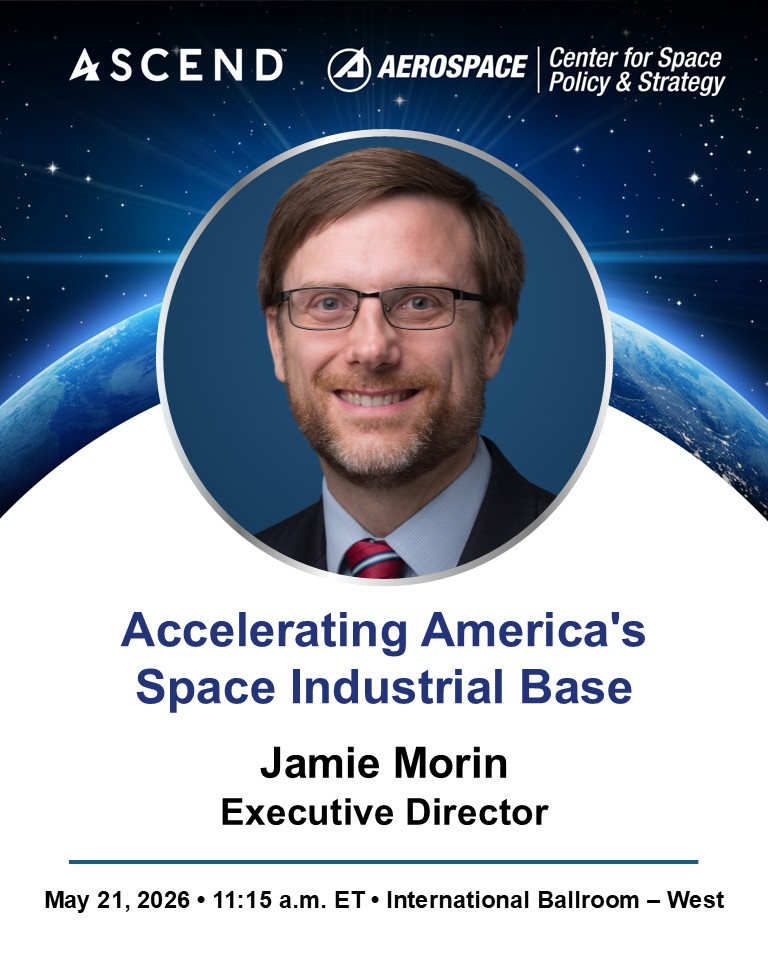
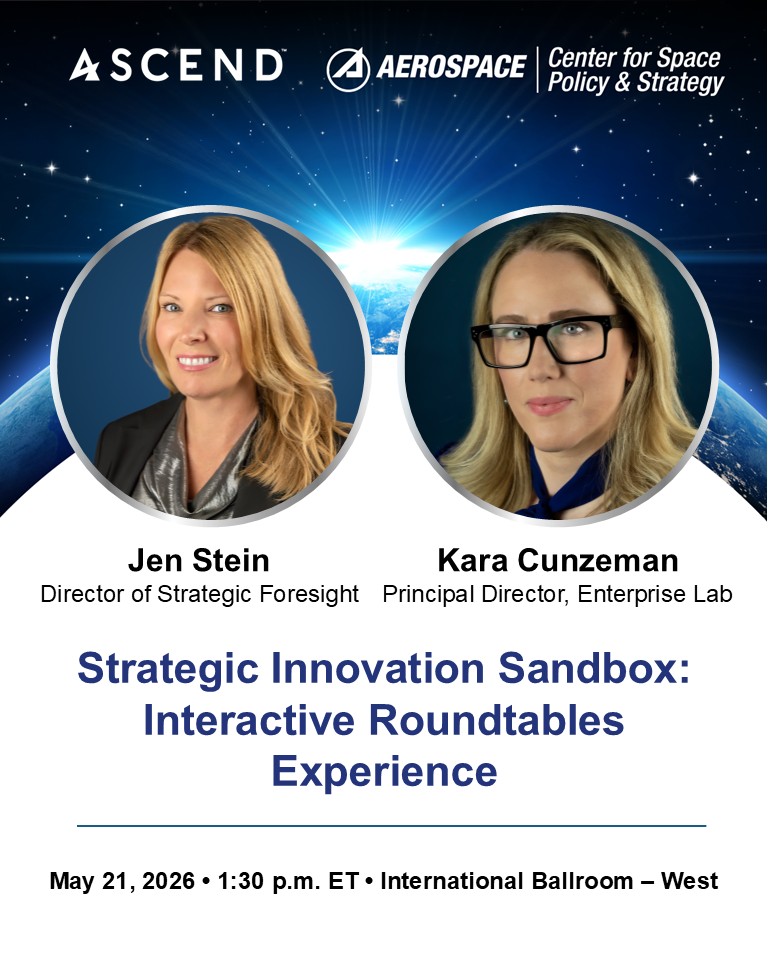
📢 Mark your calendars: CSPS is leading critical conversations at ASCEND! Join @brianweeden, @jamiemmorin, and our Strategic Foresight Team next week!
View the full list of Aerospace engagements: aerospace.org/aerospace-sess…

English
brianweeden retweetledi
Most satellites operate alone. These two are a duet.
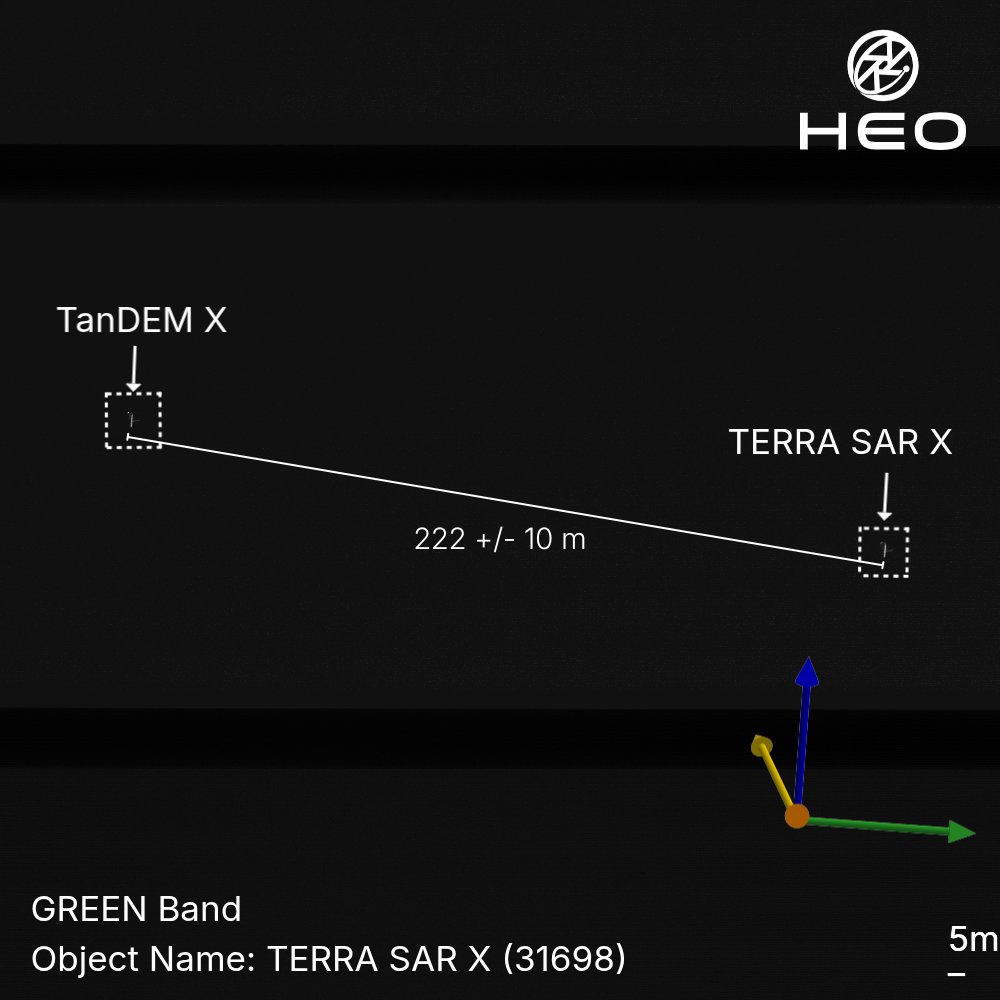
TerraSAR-X and TanDEM-X are among the most precisely coordinated formation-flying satellites ever operated. Launched three years apart, Germany's TerraSAR-X in 2007, TanDEM-X in 2010, they orbit in lockstep at ~508 km altitude, separated by just hundreds of metres while travelling at over 27,000 km/h.
Together, one transmits and both receive, forming a large single-pass SAR interferometer that has produced a high-precision global digital elevation model (DEM) of Earth's entire land surface.
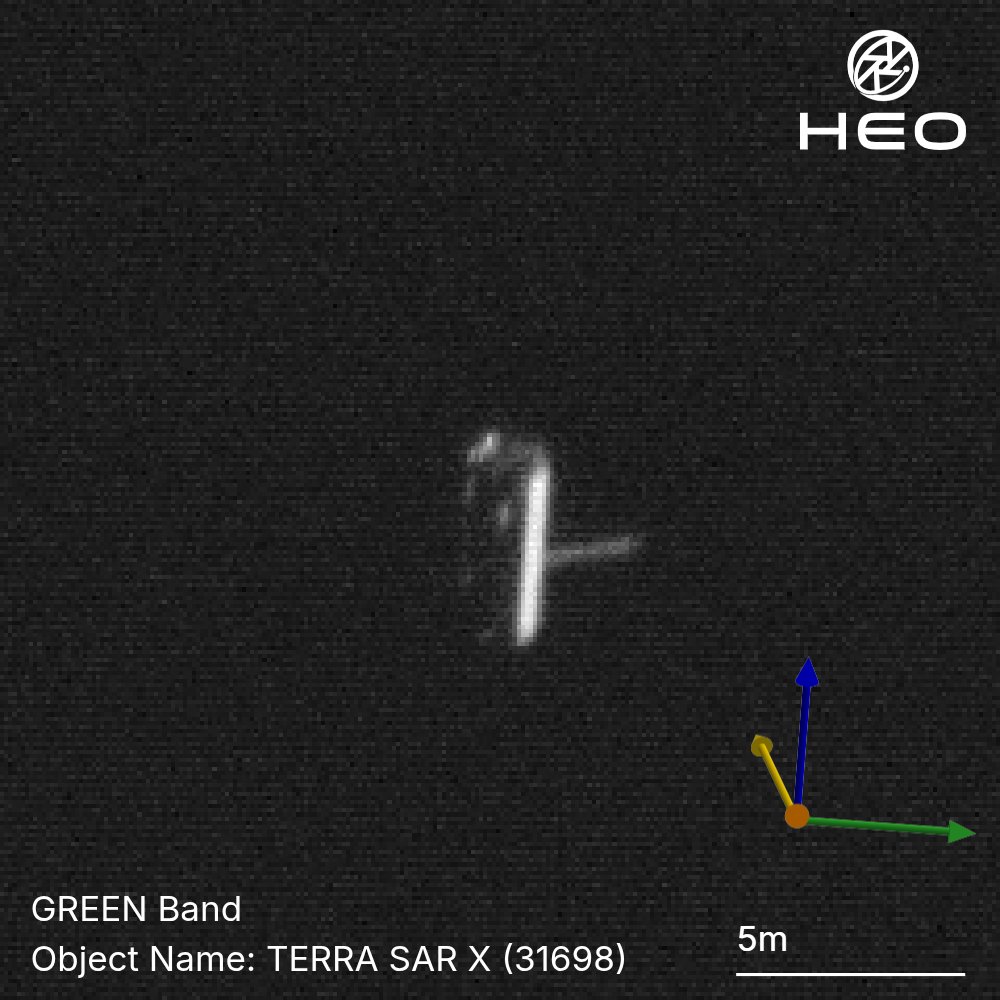
Here, we captured both satellites in a single frame, at least 222 metres apart.
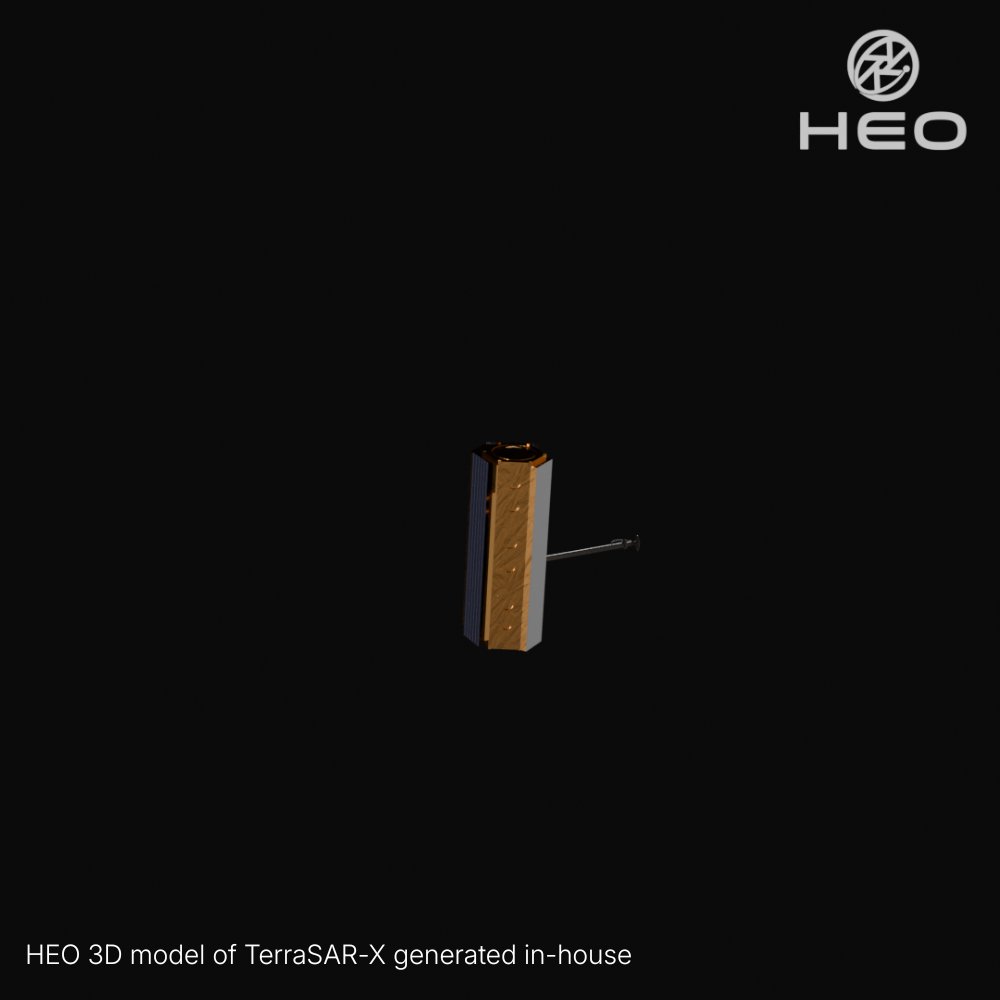
While a single image shows what a satellite looks like at a moment in time, by imaging it repeatedly, we build a deeper understanding of how it operates, how it's configured, and how it behaves in space.
*Measured in the 2D image plane. Any separation into the image plane is not captured, so this figure represents a minimum. The true distance may be greater.
English
brianweeden retweetledi


The Winners and Losers of the Iran Energy Shock foreignaffairs.com/iran/winners-a…
English
brianweeden retweetledi

If you told me four years ago that I’d be watching videos of a shotgun-mounted Ukrainian drone mercilessly shooting down a swarm of russian drones, I would have laughed. Yet, here we are.
English
As NASA eyes lunar base, there's still much to learn about landing on the Moon arstechnica.com/space/2026/05/…
English