@Keir_Starmer Where were u when usa-israel attacked iran and killed their leaders & public.were u sleeping
English
madshiv
6.1K posts


Had a productive conversation with my brother Sultan Haitham bin Tariq and conveyed advance Eid greetings to the people of Oman. We agreed on the need to prioritize dialogue and diplomacy for de-escalation and subsequent restoration of peace and stability. Reiterated India’s condemnation of the violation of Oman’s sovereignty and territorial integrity and appreciated Oman’s efforts to facilitate the safe return of thousands of people, including Indian nationals. India and Oman stand for safe and free navigation through the Strait of Hormuz.

Nearly 40% of Indian Graduates Under the Age of 25 Are Unemployed: Azim Premji Report @vizagvala✍️ thewire.in/labour/nearly-…
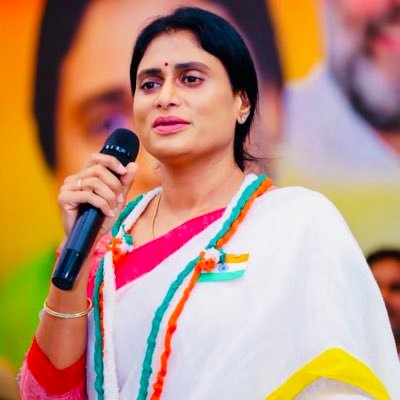




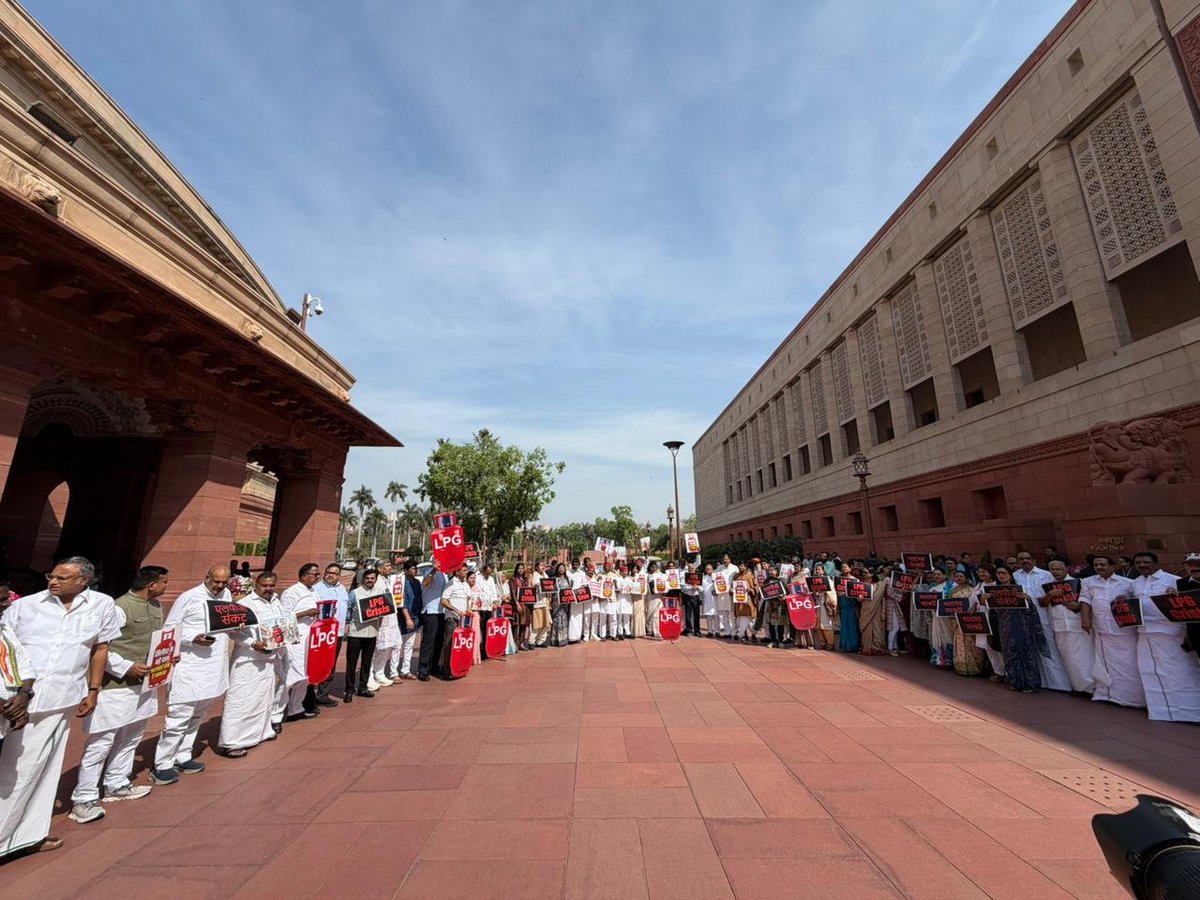
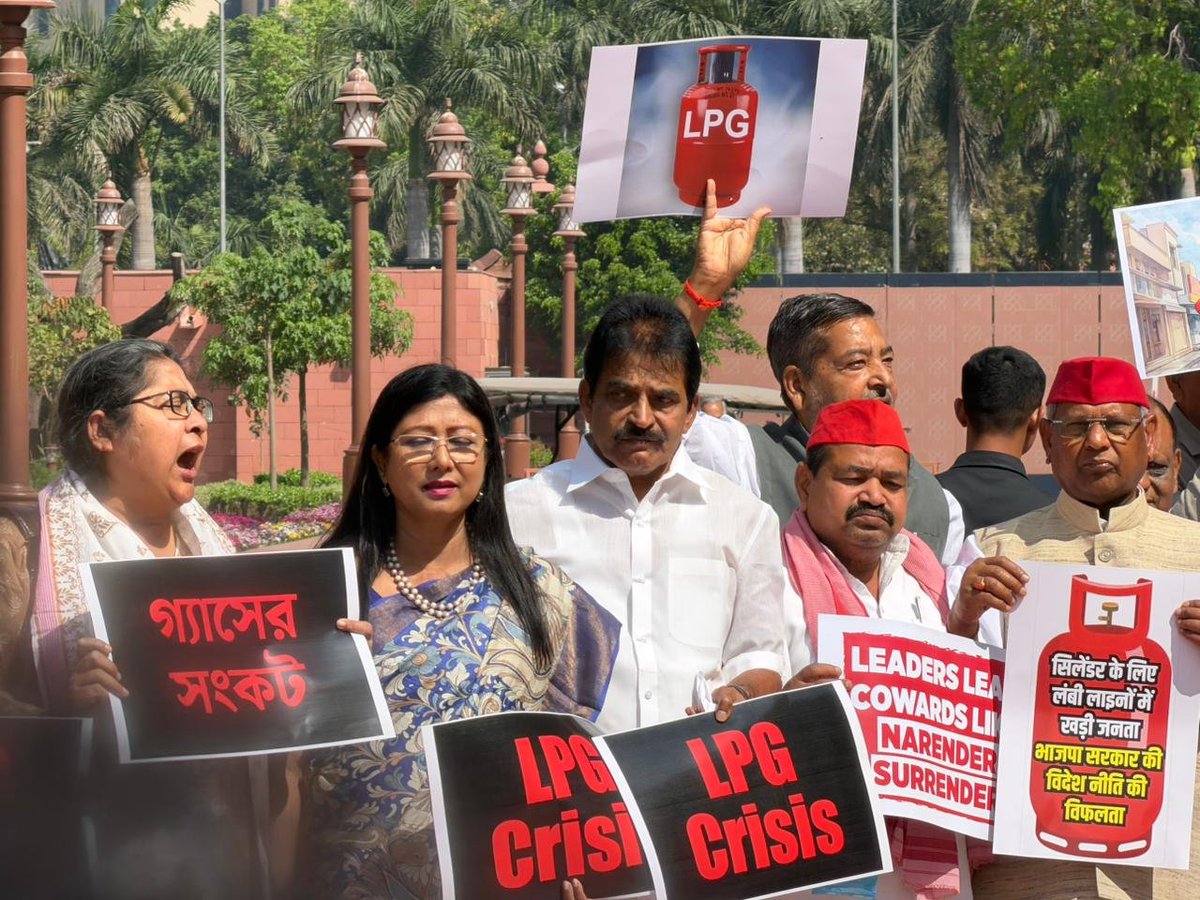


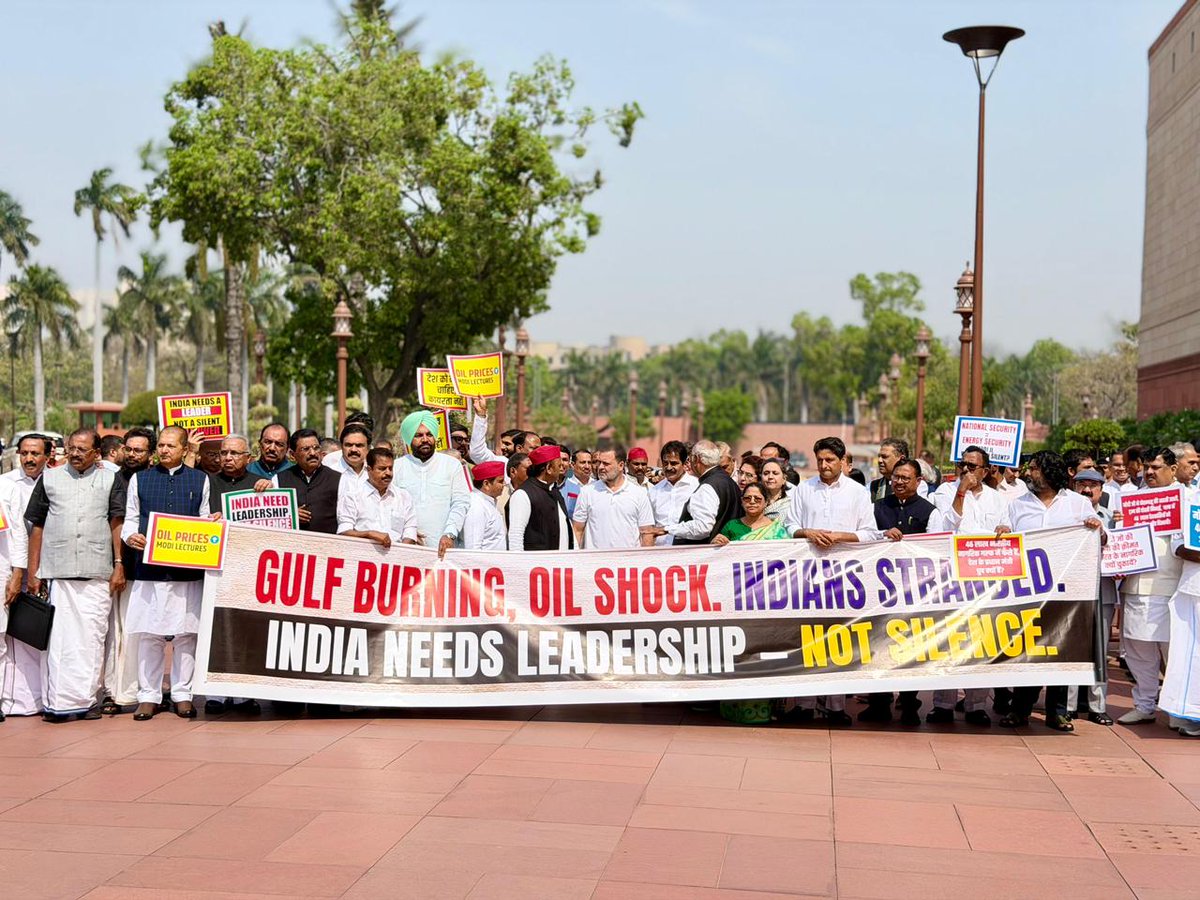
केरल में कुछ युवा छात्राओं के साथ हुई बातचीत बेहद प्रेरणादायक रही। उनका आत्मविश्वास और सपनों पर विश्वास बताता है - महिलाएँ बदलाव की सबसे बड़ी शक्ति हैं। सभी को #InternationalWomensDay की हार्दिक शुभकामनाएँ।
Escalating hostilities between the United States, Israel and Iran are pushing a fragile region toward wider conflict. Crores of people, including nearly a crore Indians, face uncertainty. While security concerns are real, attacks that violate sovereignty will only worsen the crisis. The unilateral attacks on Iran, as well as Iran’s attacks on other Middle Eastern nations, must be condemned. Violence begets violence - dialogue and restraint remain the only path to peace. India must be morally clear. We should have the courage to speak plainly in defence of international law and human lives. Our foreign policy is rooted in sovereignty and the peaceful resolution of disputes - and it must remain consistent. PM Modi must speak up. Does he support the assassination of a head of state as a way to define the world order? Silence now diminishes India’s standing in the world.

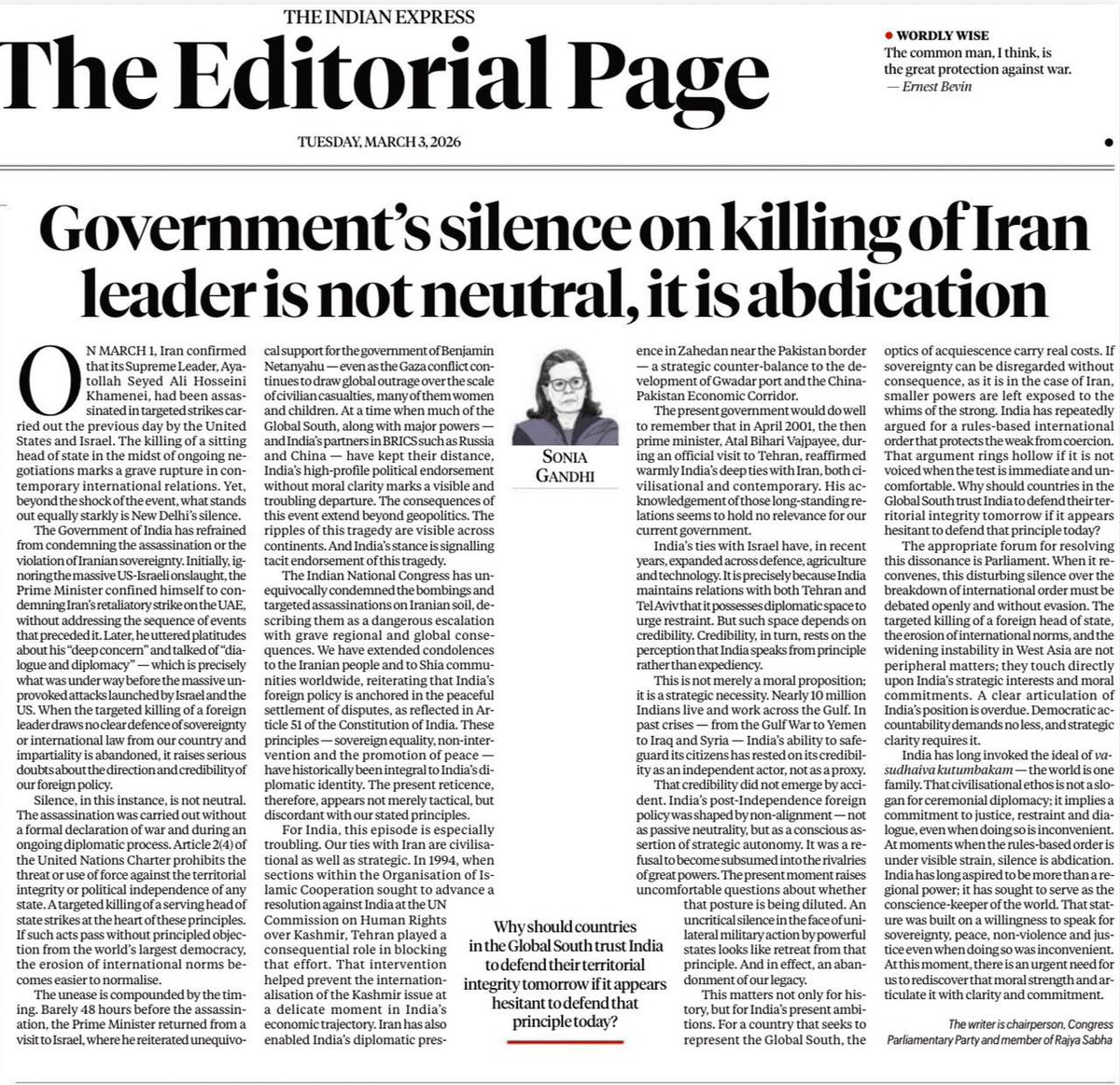
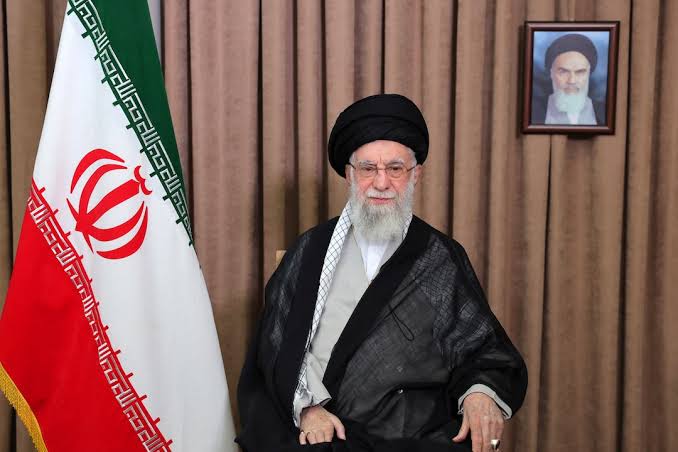
The Indian National Congress (INC) unequivocally condemns the targeted assassination of Iran's Supreme Leader, Ali Hosseini Khamenei, in a military strike carried out without a formal declaration of war. The INC extends its deepest condolences to the Supreme Leader's family, to the people of Iran, and the Shia community around the world in this moment of profound grief. We stand in solidarity with them as they navigate this grave crisis. India's foreign policy is anchored in a commitment to the peaceful settlement of disputes through dialogue and respect for international law, as mandated in Article 51 of the Constitution of India. These principles-sovereign equality, non- intervention and the promotion of peace are foundational to India's civilisational values. Given this, the conflict in West Asia is deeply antithetical to our commitment to Vasudhaiva Kutumbaka ("the world is one family"), Mahatma Gandhi's doctrine of ahimsa (non-violence), Prime Minister Jawaharlal Nehru's policy of non-alignment. The targeted use of force to destabilise the leadership and governing structures of a sovereign state whether in Iran or earlier in Venezuela-signals a disturbing revival of regime-change doctrines and coercive unilateralism. It also contravenes the United Nations Charter-especially Article 2(4), which expressly prohibits "the threat or use of force against the territorial integrity or political independence of any state," and Article 2(7), which forbids intervention in matters essentially within the domestic jurisdiction of any state. A targeted killing of a sitting head of state strikes at the heart of these international rules. Sovereignty is not conditional, and political legitimacy cannot be manufactured through force. The INC reiterates that it is the inalienable right of every nation's citizens to determine their own political future. No external power has the authority to engineer regime change or dictate the leadership of another state. Such actions amount to imperialism and are fundamentally incompatible with a genuinely rules- based international order.