

Scott D Stewart
2.2K posts

Scott D Stewart
@BugStewart
The University of Tennessee, Director, West TN AgResearch & Education Center
Jackson, TN Katılım Mart 2012
227 Takip Edilen1.8K Takipçiler
@bigaljack I suspect the USDA AMS lab in Gastonia NC would have those capabilities
English

Does anyone know of a lab that will test a sample of glyphosate for active ingredient concentration?

English
@simonmaechling General agreement when it comes to health and environmental effects. I would suggest that some GMO traits were adopted too widely, resulting in accelerated pest resistance to some pesticides.
English

30 years of GMO use.
0 evidence of harm.
Millions of tweets claiming the opposite.
The problem isn’t the food.
It’s the misinformation diet.
English
@simonmaechling @vrexec Yeah, we are a LONG way from this being meaningful.
English

I used to cover food and agriculture on Wall Street and I predicated this almost 10 years ago. Precise targeting of weeds and pests — making the use of chemicals unnecessary. Incredible to see it becoming reality.
Massimo@Rainmaker1973
An NVIDIA powered farming machine uses Al vision and precision lasers to eliminate weeds in milliseconds without herbicides and without harming crops, a potential shift toward chemical free agriculture
English
This is what a real science looks like.
Not an anonymous account.
Not a wellness influencer.
Not someone selling fear.
I’m a PhD chemist working with scientists every day.
If you believe data should matter more than drama, follow along.
And say “Hi” so I know you’re human.

English


I interrupt your doom scrolling.
While everyone argues about Iran, here’s a picture of Daisy when she was a puppy.

English
@NadineGNess @lesleyraekelly @HealthRanger So what percent of wheat is sprayed with glyphosate? And please don’t include applications made pre-plant as a burndown of weeds.
English

You speak as if I am not a farmer myself or married to one. In human history, we have done many mistakes that we later realize was causing harm and we corrected course. It’s time to correct course. I know for a fact many crops get sprayed prior to harvest. The field next to my farm land was sprayed last year just prior to harvest. It was to kill off the wheat so they could harvest when convenient. The post is accurate, but instead you bank on most being naive to reality. There are better ways, safer ways to create healthy and better foods.
English

It is an absolute lie that glyphosate is needed for 80% of U.S. food production.
Glyphosate is sprayed on wheat crops as a DESSICANT - a drying agent. Not to kill weeds.
So they poison the entire wheat supply just to speed the drying time which gets farmers paid 3-4 days earlier than allowing wheat to dry in the sun (which is how it's been done for centuries).
If all the glyphosate disappeared tomorrow, we would still be growing wheat, corn, soy and other crops. We just wouldn't be eating cancer-causing poison weedkiller chemicals.
English
@HealthRanger Who puts their IQ in their profile, braggadocio?
English
It's a myth that glyphosate is necessary for food production. Food can be grown very effectively and efficiently using regenerative agriculture, no-till soil preservation techniques and feeding microbes into the soils that allow diverse life to flourish. Glyphosate only seems beneficial in the short term because modern agriculture has produced DEAD SOILS that have been killed with chemicals and "mined" of natural minerals.
It takes care and effort to keep soils healthy, which naturally reduces weeds and helps intended crops out-compete other plants. But our entire agricultural system, just like our medical system, is rooted in the idea of a "chemical assault" on everything. Widespread use of glyphosate is indicative of failed agricultural practices that are not sustainable in the long run.
English
@kevinfolta @Kat_Cammack Yeah we should blindly spend trillions of TAX PAYER dollars on “green energy” programs … because the Feds always are most efficient
English

@Kat_Cammack It's okay, we can always buy energy from China down the road. They are generating a massive amount of energy from wind, solar, hydroelectric. Their electric cars are amazing. Submitting to an oil lobby now just ensures a lost energy future.
English

🚨ENDING THE GREEN NEW SCAM🚨
President Trump is repealing bone-headed energy policies that will save Americans TRILLIONS! He’s unleashing American energy to power our economy, lower costs, and put America First.
The American Dream runs on American energy, and we’re turning it back on. 🇺🇸
English
Scott D Stewart retweetledi

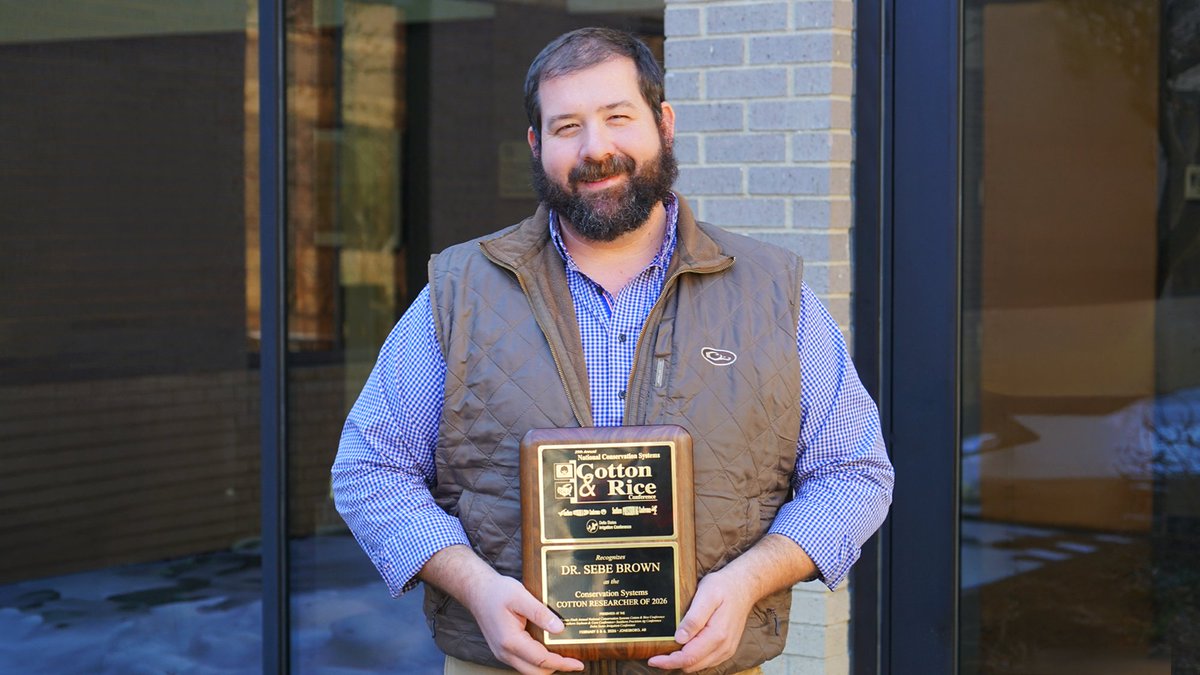
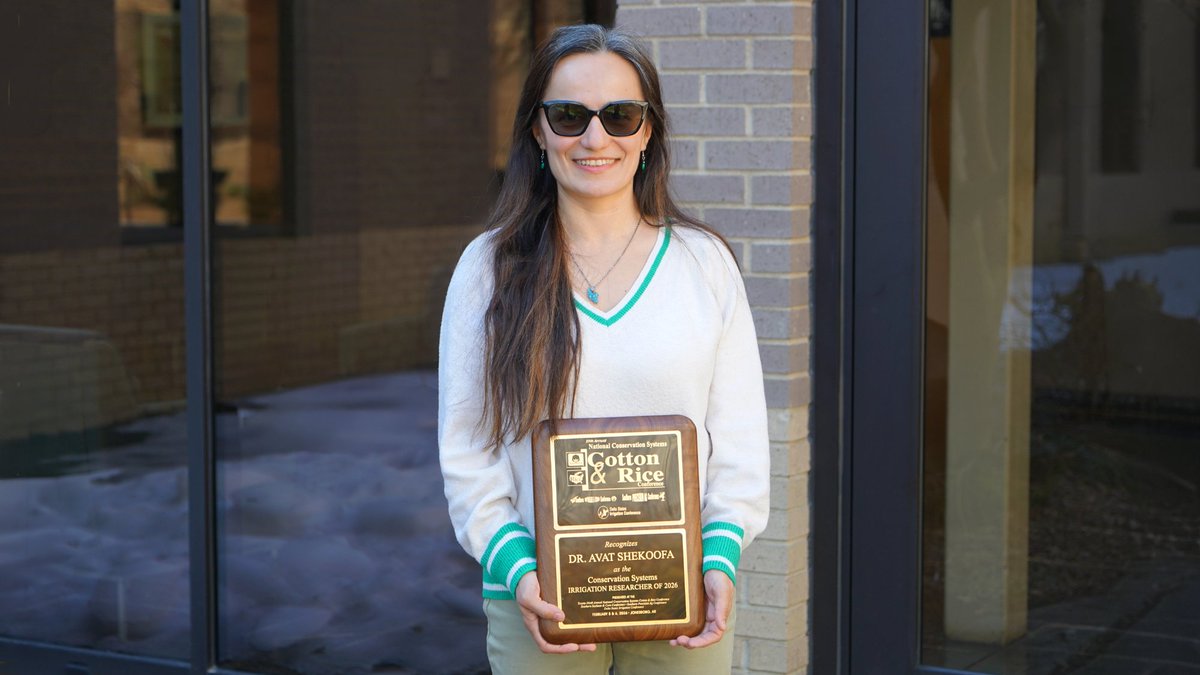
Congratulations to Dr. Avat Shekoofa, Irrigation Researcher of the Year, and Dr. Sebe Brown, Cotton Researcher of the Year! They were recognized at the national Conservation Systems Cotton & Rice Conference for their contributions to conservation systems & agricultural research.

Tennessee, USA 🇺🇸 English
@Soilecol118999 @agronomistag Pretty dang efficient IMO. It’s a business and margins matter. If you waste you don’t last very long. Improvement can be made, but the goal is to optimize yield … in terms inputs and profitability. Thousands of tests are done annually to validate fertility, water management, etc
English
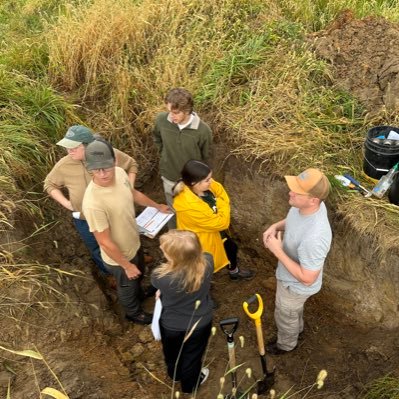
@BugStewart @agronomistag What’s the efficiency of applied fertilizer to actual use by the crop? What negative externalities are associated with your inputs? Is that optimization? Or is it massive energy wasted and hiding behind a single metric? how many corn kernels go to cattle or ethanol?Not optimized.
English

Nature isn’t optimized, it’s just what survived.
Crop production is optimized, by us, so that we can survive.
Don't confuse the two.
csanr.wsu.edu/the-flawed-thi…
English
@Soilecol118999 @agronomistag Crop production is more efficient than ever before …and YIELD is the primary metric. Units of production per acre are way up … much more than inputs such as fertilizer. Of course this varies by crop, geography, etc. … but I don’t understand your point
English
@agronomistag I didn’t read your article but right or wrong, I tend to see optimization as synonymous with efficient. Or at least efficiency is part of the equation. crop production is certainly not efficient. Specifically in the context of inputs. You can yell about yield all day.
English



@TheFigen_ Meraviglioso! ✨✨
Can anyone tell me where in Switzerland this scenery is?
English

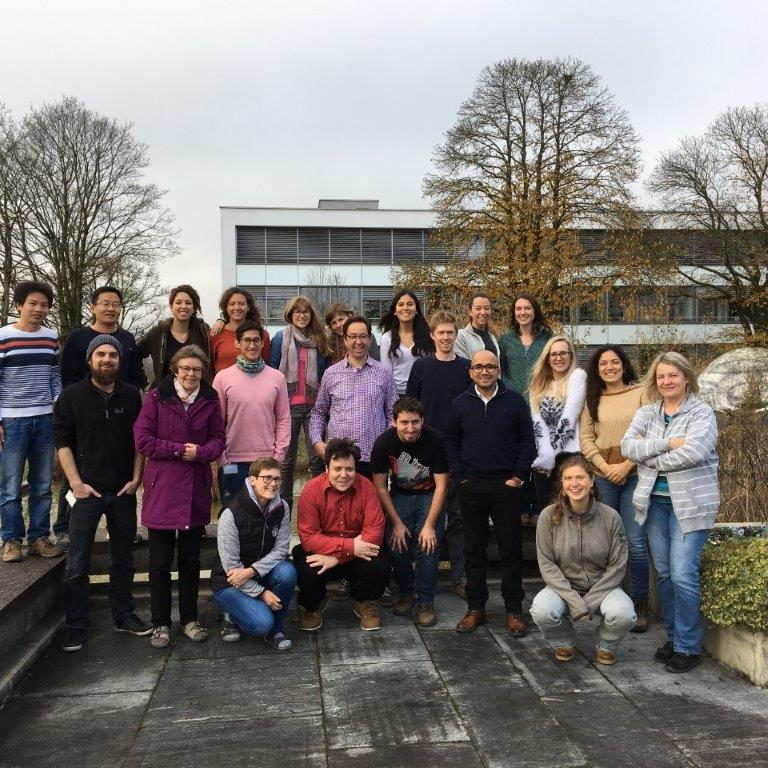
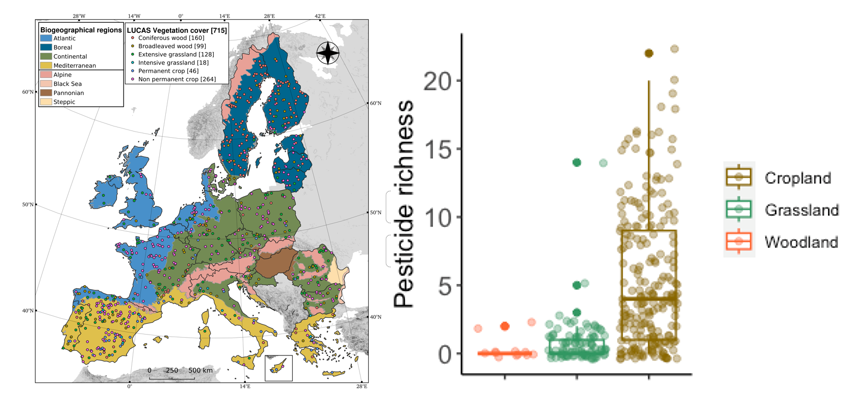
Some further reflections on our recent findings that 70% of the soils in Europe contain traces of pesticides and that pesticides have a major impact on soil ecosystems and soil biodiversity:
rdcu.be/e1bBm
1) our study demonstrates that pesticides have a clear impact on soil biodiversity and are a major disturbance to soil ecosystems (some organisms benefit, like a range of bacteria, while others are suppressed (like beneficial mycorrhizal fungi)
2) a wide range of pesticids are very persistent in soils and can stay there for years, even decades. Many pesticides are much more persistent as their half-life time indicates.
3) Unfortunately, many pesticides are not very specific and not only target pests but also other organisms including several beneficial soil organisms (such as mycorrhizal fungi).
4) if a farmer sprays pesticides, large amounts (up to 70%) do not only reach the targeted pest, but fall on the soil or end up in the air.
5) If we had used more sensitive methods, probably 90% (or more) of the tested soils in Europe contained traces of pesticides. We do not see them, but they are there.
6) There is a good reason why pesticides are so widely used. Many of them can effectively combat diseases, pests or kill weeds. It is important to know that for many crops there are disease resistent cultivars available (such as fungi resistance grape cultivars). If farmers would grow such resistent cultivars or have more extensive crop rotations, they can drastically reduce pesticide use which also can save money because pesticides are not always cheap. It is important that consumers buy such resistent cultivars and support organic farmers or farmers with integrated production aiming to lower pesticide use.
7) organic farmers also use specific pesticides (natural substances allowed in organic farming). Farming is about producing enough food, so pests need to be suppressed.
8) Pesticides are very regularly detected in streams, rivers and even in our drinking water. Some are linked to human diseases.
9) in Switzerland the governmental agencies have banned many pesticides considered to be toxic or risky (over 225 substances have been banned in the last 20 years).
10) other farming practices like tillage or fertilisation also have a big impact on the soil ecosystem. The difference with tillage is that the soil can recover, while some pesticides, once applied stay in the soil for decades. It is not well understood and investigated what these traces are doing. Are they simply sitting there (covered within aggregates) or are they "silent" background actors that influence soil biodiversity and soil functioning?
11) Pesticides are an integral part of agriculture in many parts of the world. I (MH) personally do not understand it why (big) companies still sell specific synthetic pesticides (e.g. in Africa) that have been banned in many countries and where risk assessment procedures in different countries (and by various independent organisations) show clearly they are problematic for humans or for the environment. Several of these companies are very succesful and have many other succesful products. Hence, is it really worth the money?
English

@agronomistag @Prof_Braj_Singh @Nature @alpedrinhoBR @vandeHeijdenLab @FAOLandWater @theGSBI @SoilAssociation @soilecol @SoilScienceAust @EU_ENV @UNEP @UNBiodiversity @westsyduhie @CropGlobal I presume some of the soil bacteria may be feeding on the organic pesticides. Perhaps a better a less loaded word would have been “change”rather than “harm”.
English
@Prof_Braj_Singh @Nature @alpedrinhoBR @vandeHeijdenLab @FAOLandWater @theGSBI @SoilAssociation @soilecol @SoilScienceAust @EU_ENV @UNEP @UNBiodiversity @westsyduhie @CropGlobal Seems like a more nuanced title would support this finding: "Seventy per cent of the observed significant effects on the diversity of bacterial gene groups and 84% of the effects on fungal gene groups were positive."
English

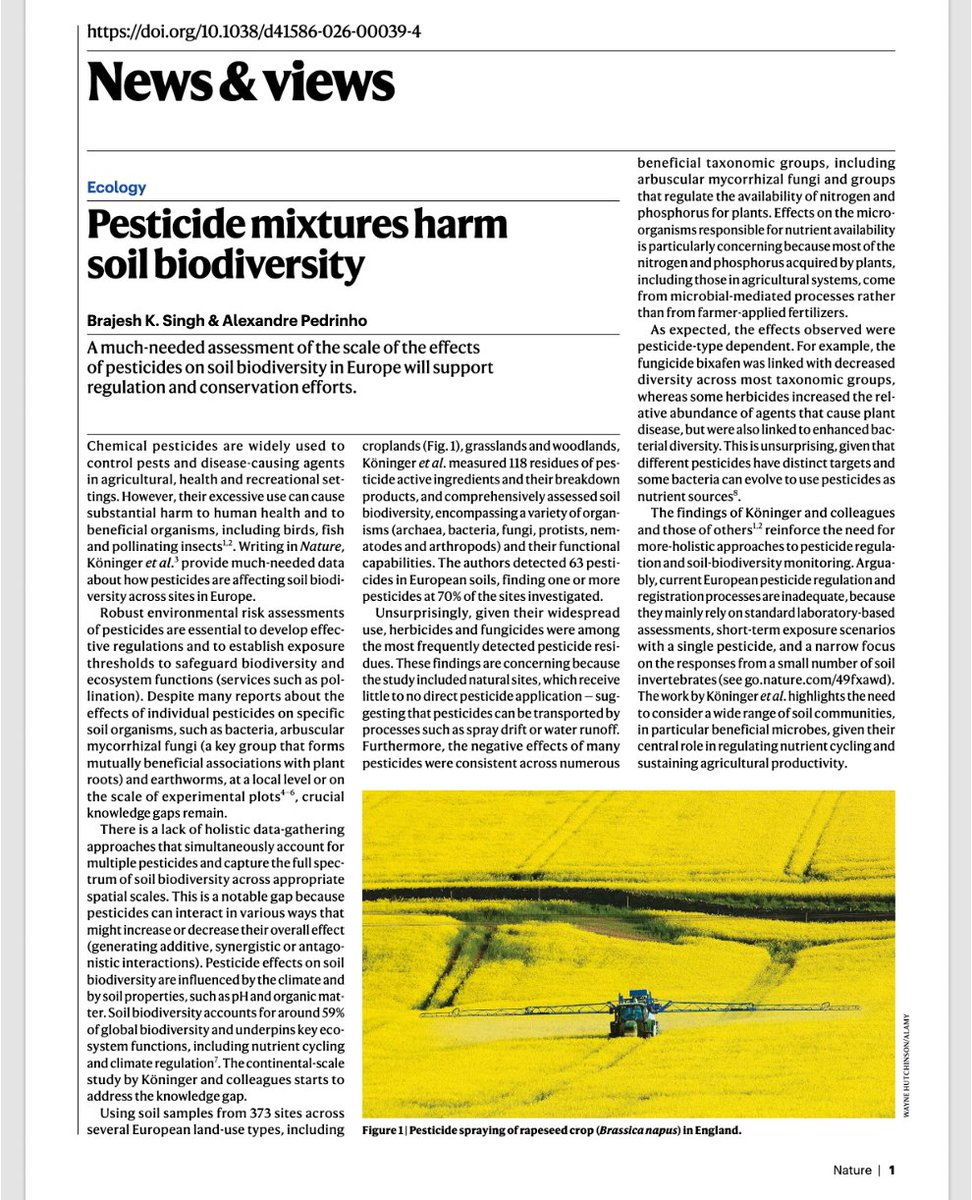
Pleased to share our article in @Nature
'Pesticide mixtures harm soil biodiversity'.
Along with @alpedrinhoBR we highlight policy implications& future research of new pub from @vandeHeijdenLab for pesticide regulations & soil biodiversity protection
rdcu.be/e1aHs
English
@ValerieAnne1970 In fact, I think less that 5% of acres are sprayed in season, just before harvest as a desiccant. Wheat is not tolerant to glyphosate
English

RFK Jr exposes why Gluten Allergies skyrocketed...
“2006 marks the date when suddenly these gluten allergies began exploding...celiac disease & wheat problems...You can draw a red line: 2006—the year they began spraying GLYPHOSATE on wheat as a DESICCANT.”
English