@PaulineHansonOz Question Pauline Hanson in 10yrs you are where?? & also are you saying climate change around world will be gone ??

English
peter
40.2K posts

@BugsyPeter
Technology moving fast with building high speed rail and technology moving to more industries with skills moving to countries for future jobs




One Nation will allow pensioners to work unlimited hours and keep their full pension payments.





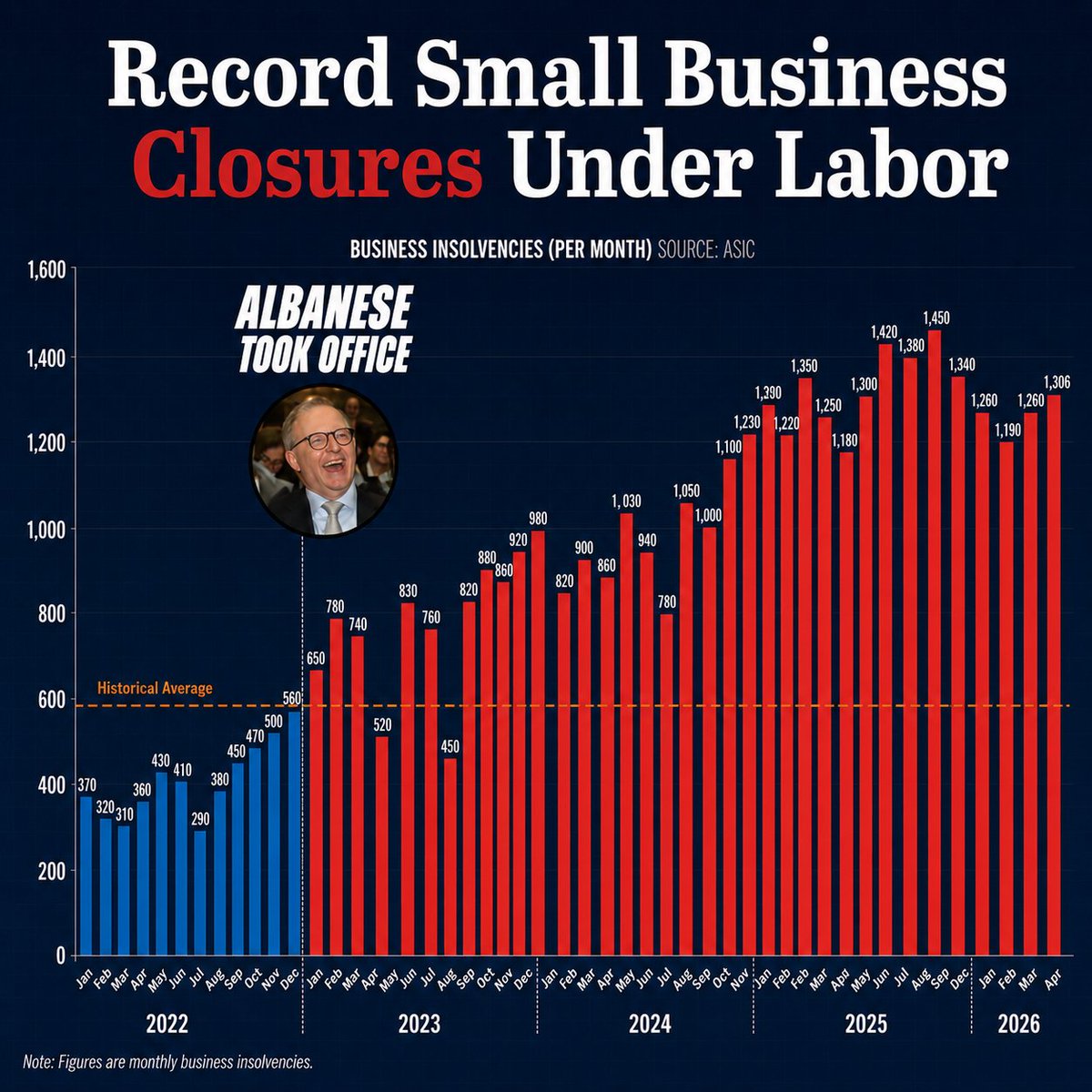

Here is an essay highlighting the key arguments for why Anthony Albanese has been effective in his role as Prime Minister. Worth a read folks 👍 #auspol Steady Hands and Quieter Skies: Evaluating Anthony Albanese’s Leadership When Anthony Albanese was sworn in as Australia’s 31st Prime Minister in May 2022, he inherited a nation weary from a tumultuous decade of political infighting, devastating natural disasters, and a fracturing international landscape. His leadership pitch was simple but distinct: to lead a government that was stable, consultative, and focused on long-term systemic progress rather than short-term political theater. Evaluating his tenure reveals a Prime Minister who has excelled by shifting the style of Australian governance toward consensus, steering the economy through global instability, and systematically ticking off long-term policy goals. A Return to Institutional Stability One of the most profound achievements of the Albanese government is the restoration of stable, cabinet-led governance. For years, Australian federal politics was defined by sudden leadership challenges and a highly centralized executive branch. Albanese consciously dismantled this approach. By empowering his ministers—such as Jim Chalmers in Treasury and Penny Wong in Foreign Affairs—to lead their portfolios autonomously, he restored a predictable, mature operational rhythm to Canberra. This steady, "no-surprises" approach lowered the political temperature of the country, rebuilding trust in public institutions and proving that stable government could endure without the constant threat of internal friction. Pragmatic Economic Stewardship Domestically, Albanese's leadership has been defined by navigating a highly volatile post-pandemic economic landscape marked by global inflation and consecutive interest rate rises. Rather than resorting to reckless spending or harsh austerity, his government pursued a path of targeted cost-of-living relief designed not to fuel the inflationary fire. Key milestones of this pragmatic approach include: Restructuring the Stage 3 Tax Cuts: Modifying the legislated tax cuts to tilt the benefits toward low- and middle-income earners, ensuring relief landed where it was needed most. Strengthening Essential Services: Implementing targeted subsidies for childcare, reducing the cost of PBS medicines, and delivering direct energy bill relief to vulnerable households. Wages and Employment: Backing successful cases to lift the minimum wage for aged care and low-paid workers, while keeping national unemployment at historically low levels. Ending the Climate Wars and Securing Regional Ties On the international stage and in environmental policy, Albanese has moved Australia from a position of relative isolation to one of active engagement. Domestically, his government ended a decade of federal inertia on climate change by legislating a 43% emissions reduction target by 2030 and a transition to net-zero by 2050. This legal framework has provided the corporate and energy sectors with the certainty required to invest heavily in renewable infrastructure. Simultaneously, the administration executed a sophisticated diplomatic reset. Foreign Minister Penny Wong systematically rebuilt fractured ties across the Pacific, reassuring regional neighbors of Australia’s commitment to shared climate and security goals. Furthermore, Albanese’s measured diplomacy managed to successfully stabilize Australia's trading relationship with China—resulting in the removal of severe trade barriers on key Australian exports like timber, coal, barley, and wine—all while maintaining the nation's core strategic alliances under the AUKUS framework. Conclusion Anthony Albanese’s effectiveness as Prime Minister has been very good so far