

Bushou
36 posts
Bushou
@Busho7879
Just some guy who likes Japanese history. 日本の歴史学習者 弓術ゆるくやってる 下手な絵描き
United States Katılım Mart 2020
276 Takip Edilen88 Takipçiler



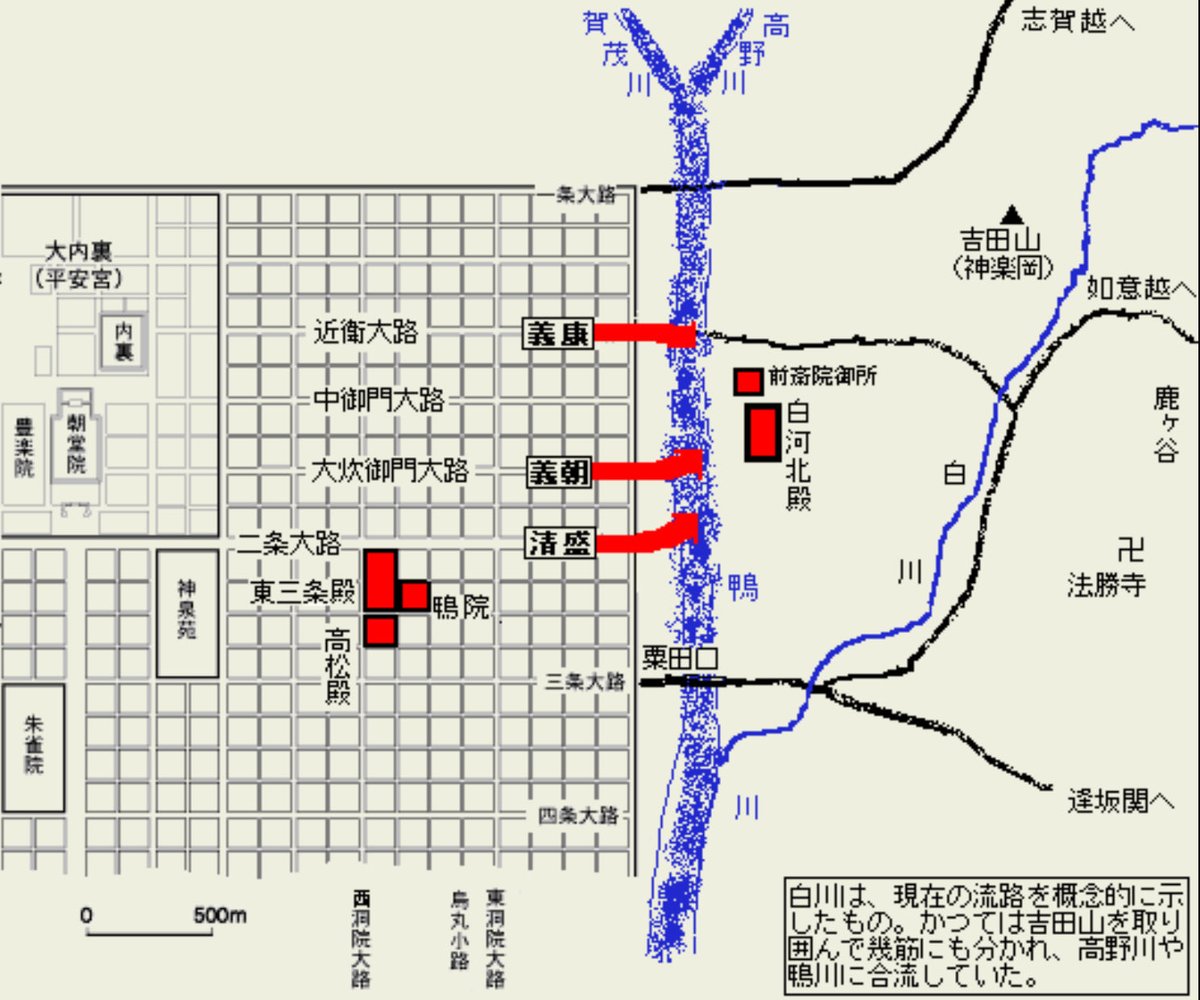
@Busho7879 just one point, Shirakawa Kitadono,the site of the Hogen war, was located more northwest than the map shown in your diagram.
Kitadono’s west was nearby the Kamo River.
Today, there is a monument marking the site of the Kitadono on the grounds of the Kyoto Univ Kumano Dormitory


English
@Kotouta_Sige1 Thank you for pointing that out, I was honestly very unsure of my assessment. So this is very helpful
English
カッコいい為朝さんだ!
大荒目の鎧と勝色の直垂が素晴らしすぎる!
Bushou@Busho7879
Illustration of Minamoto no Tametomo during the Hogen Rebellion. I hope you all like it! 保元の乱における源為朝のイラストです 気に入ってもらえたら嬉しいです!
日本語
@ConnorNguy68741 @gunsen_history Indeed I did, but I must give most of the credit though to the book’s author, Nagayama-san
English

@Busho7879 @gunsen_history I’ll have to pick that one up. I meant that you must’ve had to look at many swords to make a “typical” or “average” sword for each era
English

@ConnorNguy68741 @gunsen_history My main source of information was from the book “The connoisseurs guide to Japanese swords” I did look at individual examples as well but those were supplementary. The pictures of swords I made here are made to represent the trend of the age not specific swords mind you.
English
@Busho7879 @gunsen_history Awesome. How many swords from each era did you look at to make this?
English
@kamaeatte そうでしょ?なんか結構子どもっぽいよね。残念だけど、こういう話って海外だとよくあるんだよね、みんな常に自分の方が上だって証明したがる感じで。もう少しみんながちゃんと学んでいってくれたらいいなって思う。
日本語

@C4nn0n_F0dd3r I think it’s because people don’t read past a few lines and a lot of the first ones mention breaking spears and their monkey brain goes “SEE SEE”, then just don’t read anymore. Because if they liked reading they wouldn’t have such an opinion.
English

Can fuckers STOP reading my articles (which I literally break down battle by battle) thinking that 90% of the battles I cite, cite the breaking of their polearms to be the cause of close action: when I LITERALLY enumerate the causes at the end?
English

@Thycont @PROMAKOS_ Since all of these incidents mentioned by Mr. Pedro Morais escape the enormous bibliographic work of the bulletins papers, or any form of primary or secondary sources, is beyond the reasonable skepticism and well grounded in the realm of bullshitting.
English

¿Estaba el Japón feudal atrasado militarmente? En absoluto.
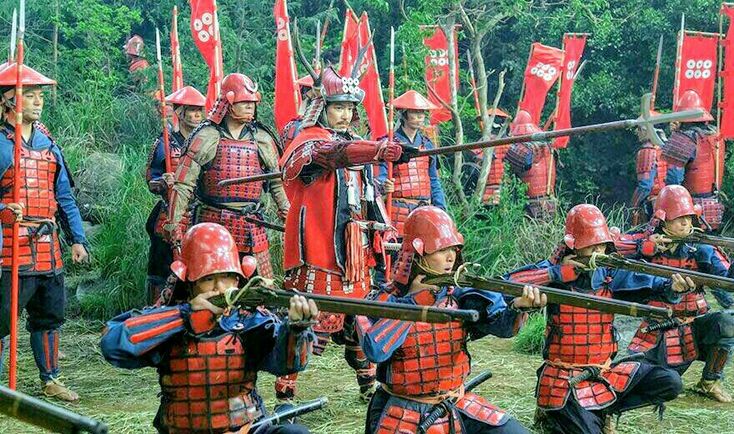
La imagen popular del Japón premoderno como sociedad de samuráis con katana, ajena a la guerra moderna y tecnológicamente estancada, no resiste el contraste con las fuentes de la era Sengoku (1467-1615). Durante ese siglo y medio de guerra civil continua, el archipiélago desarrolló una maquinaria militar que marchaba en paralelo a la europea en armamento, táctica y escala.
Entre los siglos XVI y XVII circularon por Japón entre 150.000 y 300.000 arcabuces, más per cápita que en cualquier Estado europeo. Satake Yoshishige desplegó más de 8.600 arcabuceros en Numajiri (1584), y en la invasión de Corea de 1592, 40.000 de los 158.000 expedicionarios portaban armas de fuego.
El tanegashima, replicado a partir de 1543 con los arcabuces que los portugueses llevaron a la isla homónima, incorporaba innovaciones ausentes en Europa. Cañones de 100-120 cm frente a los 90 cm portugueses, cubierta de latón sobre la cazoleta (hi-buta) que protegía la pólvora del viento, caja de laca que permitía disparar bajo la lluvia, muelles de bronce enrollado que un experto en avancarga moderno describió como difíciles de duplicar hoy. Japón mantuvo la llave de mecha no por atraso sino porque la llave de pedernal costaba el triple y era inadecuado para ejércitos masivos.
La unidad táctica básica no era el samurái individual sino el sonae, formación combinada de 300-800 hombres que integraba piqueros con nagae-yari de hasta 6,5 metros, arcabuceros tras escudos portátiles, arqueros y caballería en flanco. Los ashigaru formaban la yaribusuma, cortina de lanzas funcionalmente similares al cuadro de picas europeo. La proporción tiro/pica era de 50/50 en los 1580 y de 4:1 a favor del arcabuz en 1597.
Las cifras de movilización invierten el tópico. Hideyoshi sitió Odawara en 1590 con 220.000 hombres. Sekigahara (1600) enfrentó a 170.000 soldados en un solo campo de batalla. El sitio de Osaka (1614-1615) movilizó 264.000 efectivos. Felipe II, en el pico del Ejército de Flandes en abril de 1588, reunió 63.455 hombres según la contabilidad estudiada por Parker. La Armada de ese año transportó 30.000 soldados en 130 barcos. Hideyoshi cruzó Tsushima con 158.000 tropas en unos 700 barcos, la mayor operación anfibia documentada hasta esa fecha.
Los castillos se adaptaron al arcabuz con sofisticación análoga a la respuesta europea a la artillería. Musha-gaeshi (muros curvos), masugata (recintos cuadrados con giros de 180º que exponían al atacante a fuego cruzado), teppō-sama (troneras calibradas al alcance del tanegashima). En Matsumoto la distancia de las troneras al borde del foso interior es de unos 60 metros, alcance efectivo máximo del arcabuz.
La clave del desfase militar que occidente constató en 1853 no está en la era Sengoku sino en lo que vino después. La paz Tokugawa (1603-1867) clausuró las guerras internas, centralizó la producción armera en Nagahama y congeló dos siglos y medio una tradición militar que hasta entonces había corrido en paralelo a la europea. No hubo rechazo cultural del arcabuz, tesis romántica de Noel Perrin (Giving Up the Gun, 1979) desmontada por la historiografía japonesa reciente y por Tamara Enomoto concretamenre (Meiji University, 2018). Hubo una pax Tokugawa larga que hizo innecesario innovar, mientras Europa encadenaba guerras de religión, la guerra de los Treinta Años, la de Sucesión Española y las guerras napoleónicas.
Cuando Perry llegó a Uraga en 1853, Japón llevaba 250 años de paz. El desfase de ese momento se proyectó sobre toda la historia premoderna japonesa, igual que la decadencia hispánica del XIX se proyectó sobre Carlos V y Felipe II. En 1583 Alessandro Valignano escribía que los japoneses eran "la raza más guerrera y belicosa jamás descubierta sobre la tierra".
Bibliografía recomendada:
– Lidin, O.G., Tanegashima: The Arrival of Europe in Japan
– Swope, K., A Dragon's Head and a Serpent's Tail, Univ. Oklahoma, 2009.
Español

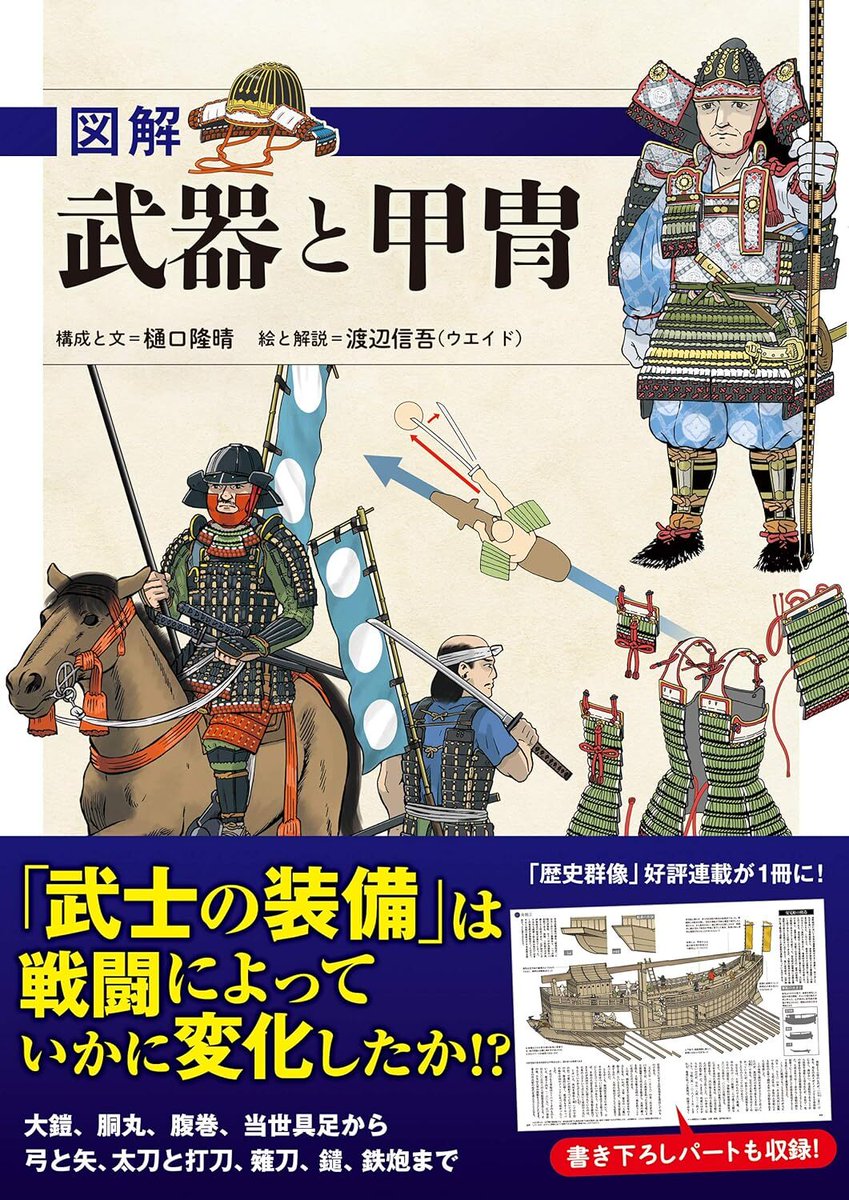
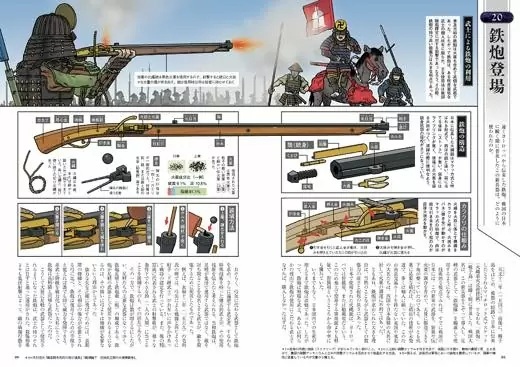
【本日のみ】日本の武器と甲冑を徹底図解する書籍『図解 武器と甲冑』のKindle版が79%オフとなるセール開催中。通常2420円が本日限定で499円に
news.denfaminicogamer.jp/news/260408v
平安から戦国末まで、日本の武器と甲冑がどのような変化を遂げたのかを、カラーイラストとともに分かりやすく図解する一冊

日本語
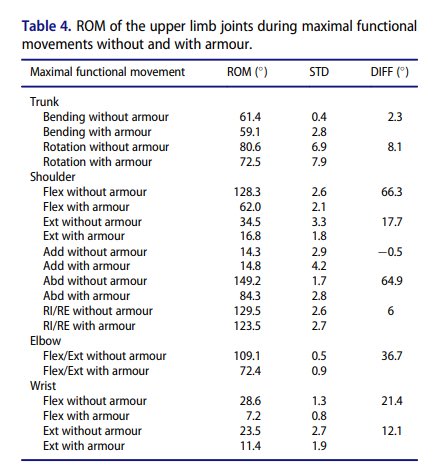
@PapaRomeo48 @zerkarsonder Of course I don’t mean to claim the opposite, I’m just exaggerating for comedic effect. Armor’s biggest hinderance is its weight’s effect on your stamina. Realistically the limitations on mobility are minimal but present as shown by this study on it.
English

@Busho7879 @zerkarsonder Yes, in fact, armor a lot of times was made with joints capable of movements far more advanced than what we can do naturally
English
@zerkarsonder I forced myself to sit through the “why longswords shattter katana” one and it’s literally just all wrong, and the comments weren’t any better. I refused to even engage with any of it. Too much effort for no results.
English


これは今まで見た中で、雑賀衆のイラストの中でもトップクラスにいい描写だと思う!自分のよりずっと上手い。ぜひこのアーティストを応援してあげてください!
Shoutout to a fellow artist friend!
Kyōsei 慶誓@ChadMig21Pilot
根来衆の鉄砲兵(1585年頃)の自作イラストです! Negoro-shū gunner (circa 1585) illustrated by me! #根来衆 #戦国時代
日本語
Bushou retweetledi

