

Cabinet Secretary Agriculture & Livestock Dev't
7.7K posts
Cabinet Secretary Agriculture & Livestock Dev't
@CS_MoALD
Office of the Cabinet Secretary Our mandate is to ensure food and nutrition security for all and sustain economic development.
Kenya Katılım Haziran 2014
3 Takip Edilen28.5K Takipçiler
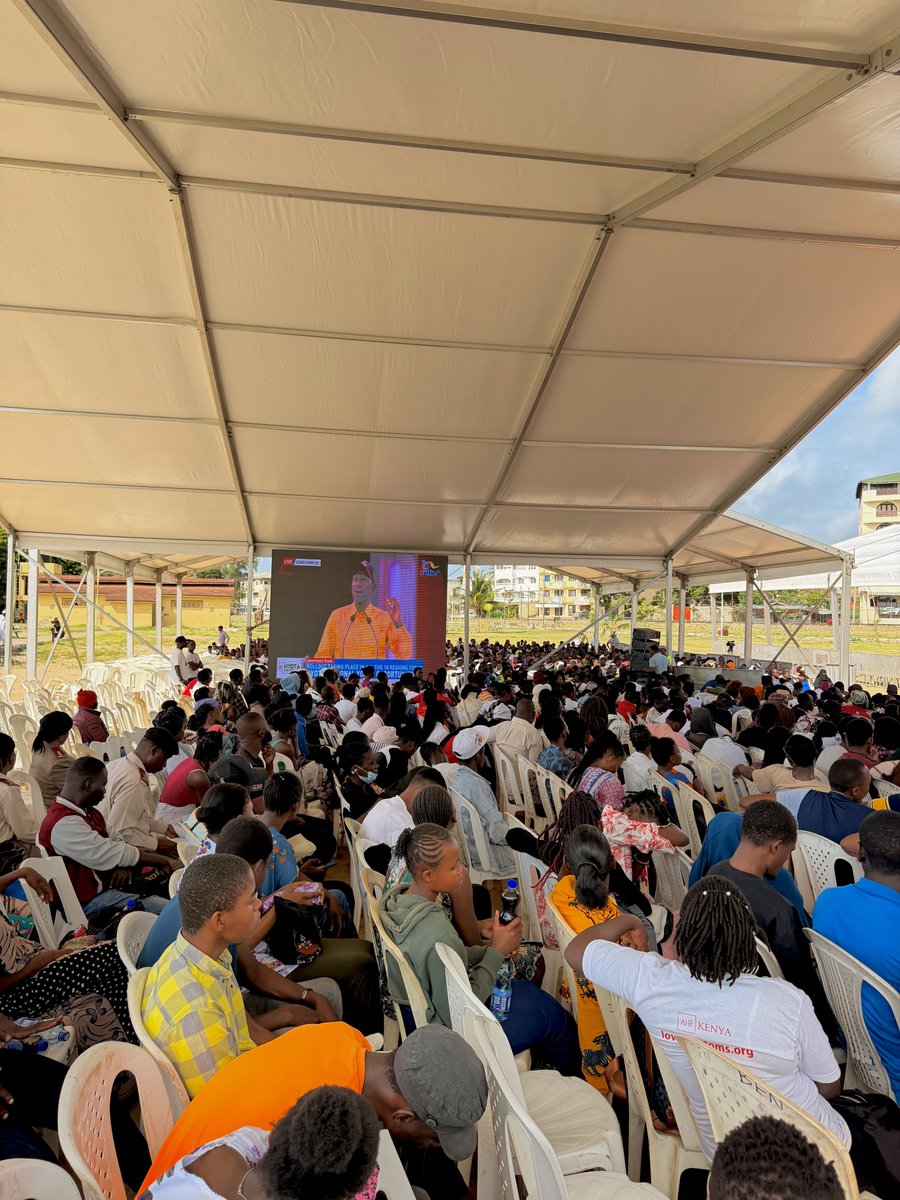


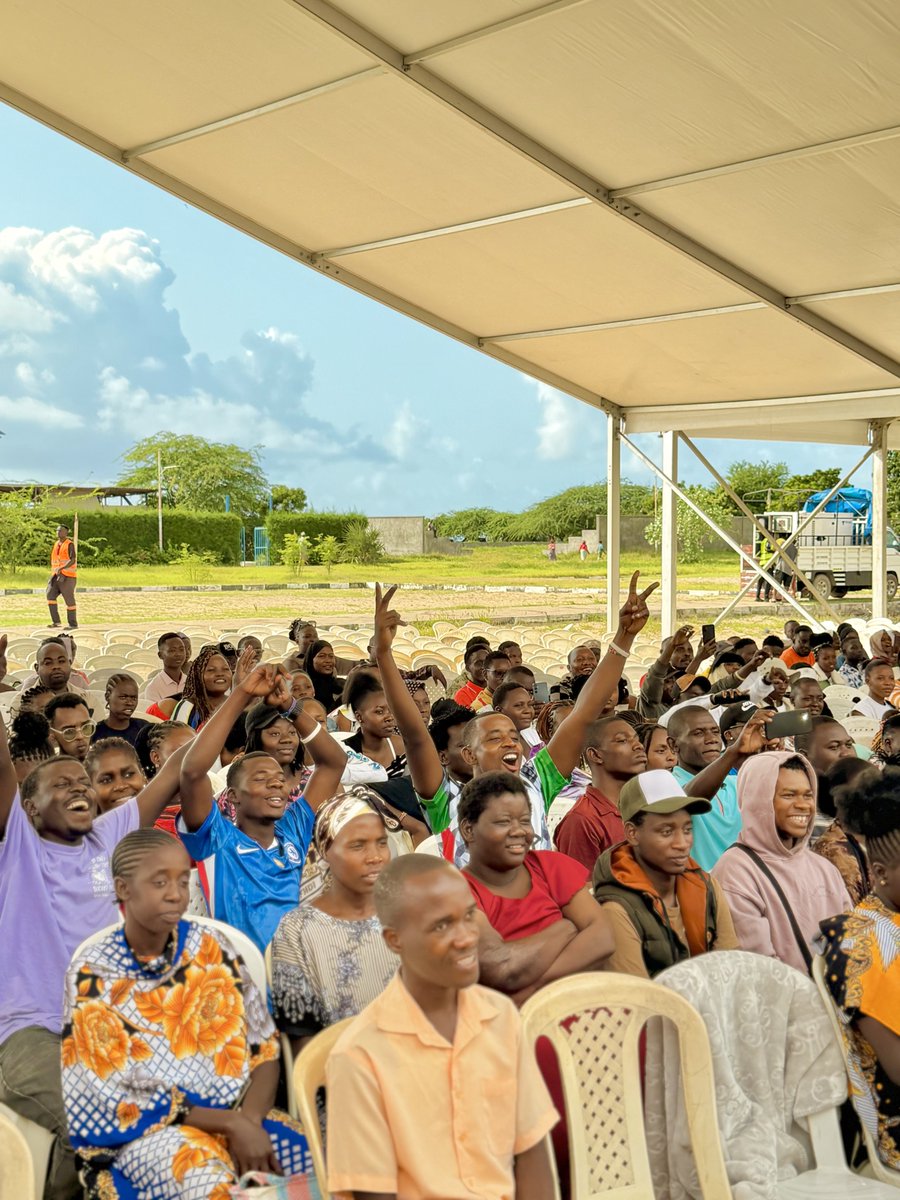
CS KAGWE URGES YOUTH TO TURN NYOTA GRANTS INTO THRIVING BUSINESSES, NOT CONSUMPTION.
CS Sen. Mutahi Kagwe has challenged young Kenyans to seize the opportunities presented through the @NYOTA_Kenya programme by investing in sustainable businesses that will create jobs and transform communities.
Speaking during the NYOTA Business Grant Disbursement for the Upper Coast Cluster, the CS said Kenya's greatest asset is its youthful population, noting that nearly 75% of the country's 57.5M people are below the age of 35, while close to 800,000 young people join the labour market every year.
He said the Government is deliberately shifting from producing job seekers to supporting a new generation of entrepreneurs and employers.
The @WorldBankGroup supported NYOTA programme targets more than 820,000 vulnerable and marginalised youth across Kenya's 1,450 wards by equipping them with business development training, mentorship, financial literacy, employability skills, access to government procurement opportunities under AGPO, and start-up capital to establish viable enterprises.
The programme has already recorded significant success, attracting over 2.5M applications nationwide. So far, 121,800 beneficiaries have been selected, more than 91,000 have completed Business Development Services (BDS) training, while 90,478 have undergone mentorship, with an impressive 96% already running businesses.
In the first phase, the Government digitally disbursed KSh2.281B in business grants through the Pochi la Biashara wallet, enabling thousands of youth-led enterprises to take off.
The Government is now scaling up the initiative through a second nationwide disbursement worth KSh3.055B, targeting 122,203 young beneficiaries. Each beneficiary will receive KSh25,000, including KSh3,000 dedicated to savings to encourage financial discipline and long-term business resilience.
The rollout comprises 88,934 continuing beneficiaries receiving their second tranche and 33,269 first-time beneficiaries receiving their initial grants.
In the Upper Coast Cluster, comprising Kilifi, Tana River and Lamu counties, 4,828 young entrepreneurs will receive a total of KSh120.7M. The beneficiaries include 3,968 continuing participants and 860 first-time recipients.
Kilifi County accounts for the largest share, with 2,798 beneficiaries receiving KSh69.95M, followed by Tana River with 1,222 beneficiaries receiving KSh30.55M, while 808 beneficiaries in Lamu will receive KSh20.2M.
CS Kagwe urged beneficiaries to view the grants as seed capital for building lasting enterprises rather than short-term income, emphasizing that discipline, innovation and prudent financial management will determine the success of the businesses.
He noted that every successful youth enterprise has the potential to employ others, strengthen local economies and contribute to Kenya's long-term economic transformation.
He reaffirmed the Government's commitment to empowering young people through skills, mentorship and access to capital, saying NYOTA is not merely a grant programme but a strategic investment in a generation that will drive innovation, productivity and inclusive economic growth across the country.



English


Cabinet Secretary Agriculture & Livestock Dev't retweetledi
NYOTA Tranche II, Ulinzi Sports Complex - Langata, Nairobi x.com/i/broadcasts/1…
Română

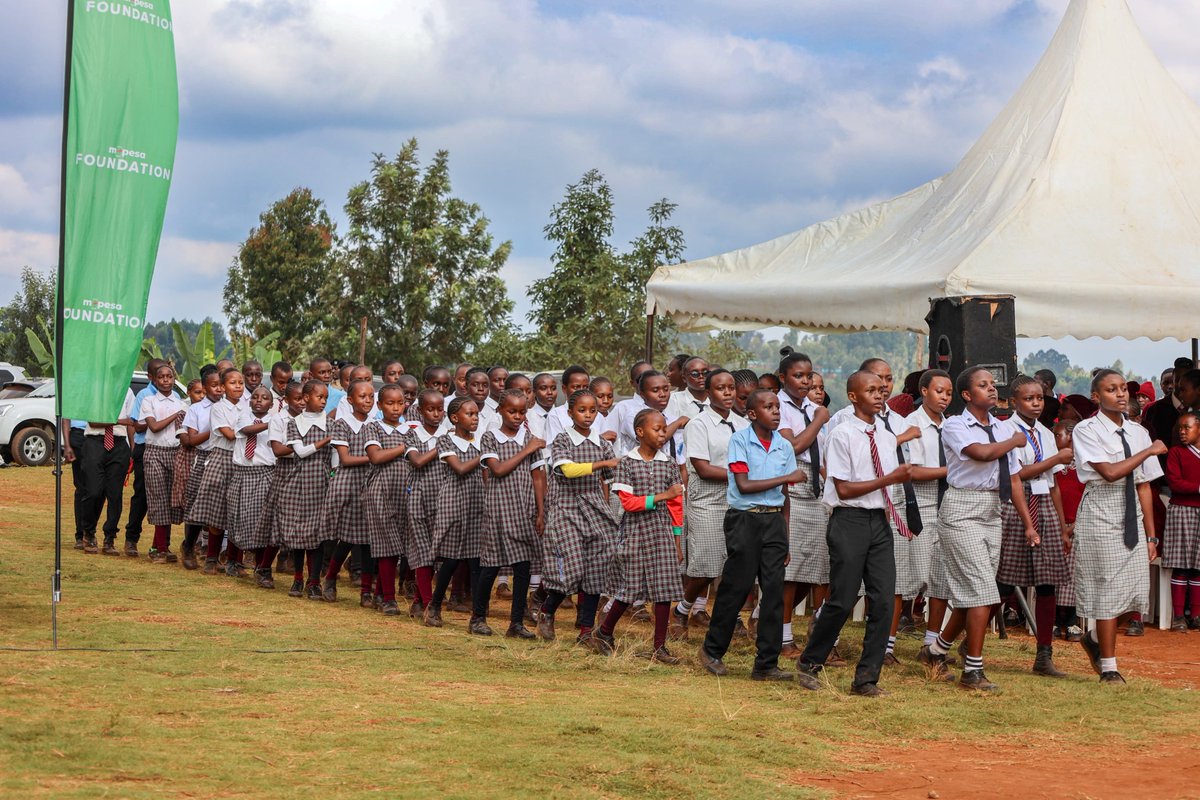


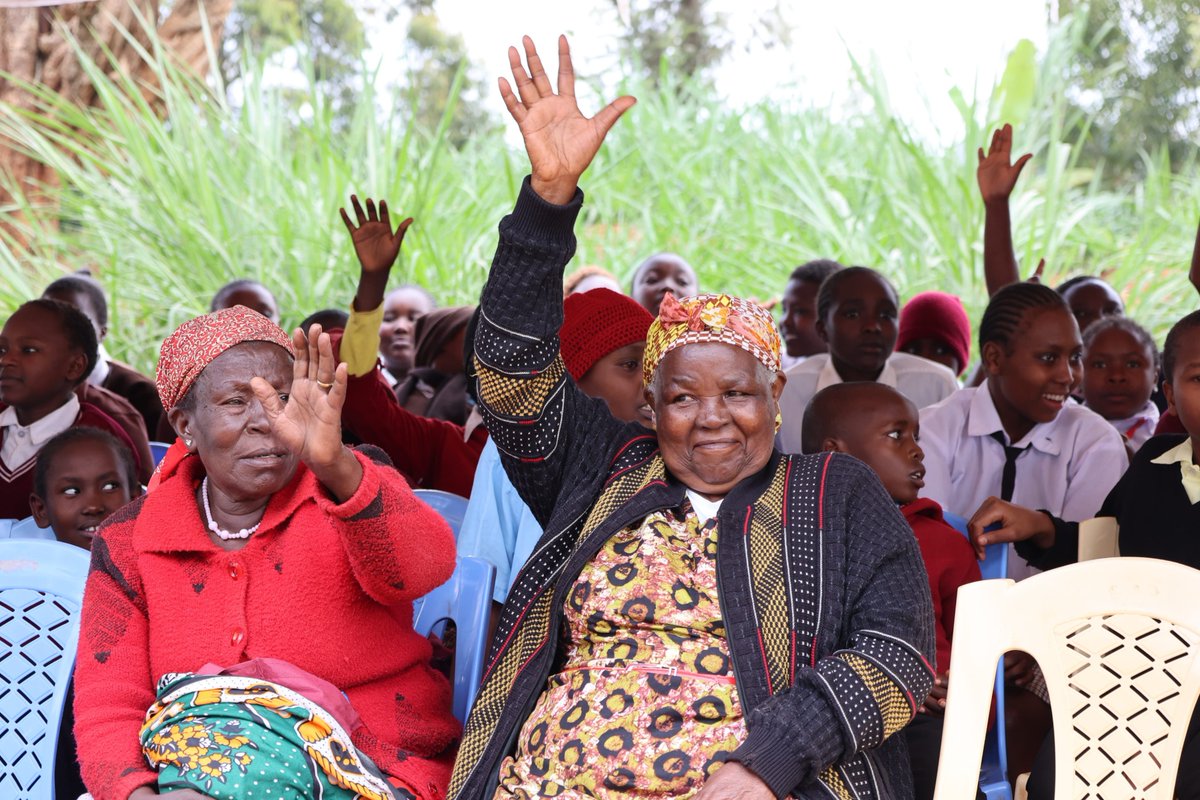
500 SCHOOLS TO BE BUILT AS SAFARICOM FOUNDATION BREAKS GROUND ON KSH95 MILLION UPGRADE OF KIHATE PRIMARY SCHOOL
Safaricom Foundation has kicked off its ambitious plan to construct and upgrade 500 schools across Kenya's 47 counties over the next five years, beginning with the groundbreaking of a KSh95M infrastructure project at Kihate Primary School in Mukurweni.
The groundbreaking ceremony was graced by Cabinet Secretary for Education @HonJuliusMigos joined by CS Sen. Mutahi Kagwe, marking another milestone in efforts to improve learning environments through partnerships between government, the private sector and local communities.
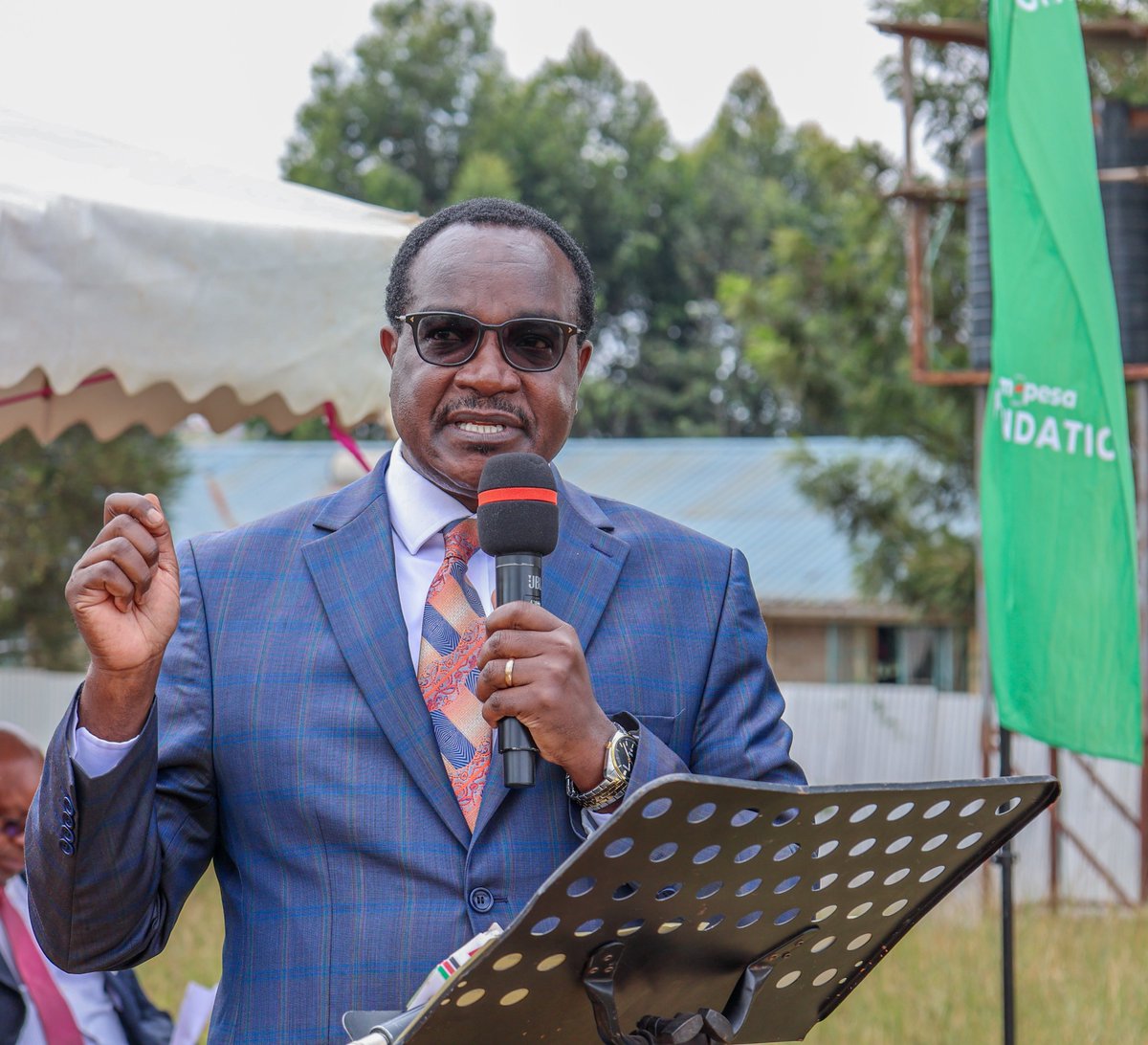
Speaking during the event, CS Mutahi Kagwe called on former students across the country to play a more active role in transforming their former schools, saying alumni associations have a critical responsibility in preserving the legacy of their institutions while investing in future generations.
He urged alumni to reconnect with their schools, mobilise resources and support improvements in infrastructure, mentorship and learning opportunities, noting that education remains one of the most meaningful investments anyone can make in society.
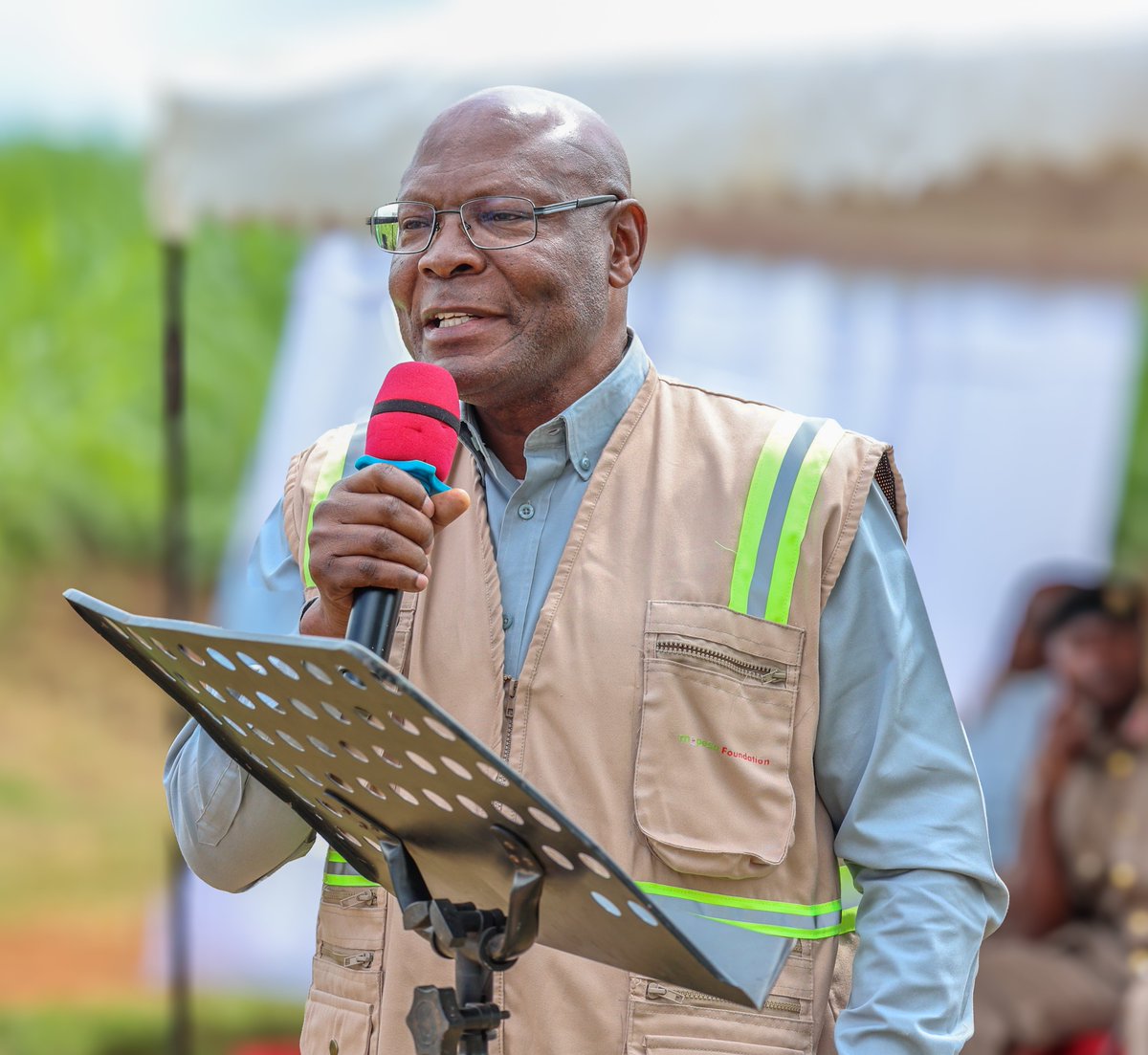
Kagwe also praised the M-PESA Foundation, led by Chairperson Joseph Ogutu, for committing to build and upgrade 500 schools nationwide over the next five years. He described the initiative as a transformative investment that will expand access to quality education while providing safe, modern and dignified learning spaces for thousands of learners.
"We are not building for ourselves; we are building for the generations to come. Every classroom we build today lays the foundation for a stronger, more prosperous Kenya tomorrow," CS Kagwe said.
The CS further commended Education CS Julius Ogamba, teachers, parents, alumni and the Kihate community for embracing a shared vision that demonstrates how collaboration between government, the private sector and communities can transform education.
The KSh95M Kihate Primary School project marks the first step in Safaricom Foundation's nationwide school infrastructure programme, reinforcing the message that investing in schools is an investment in Kenya's future.


English
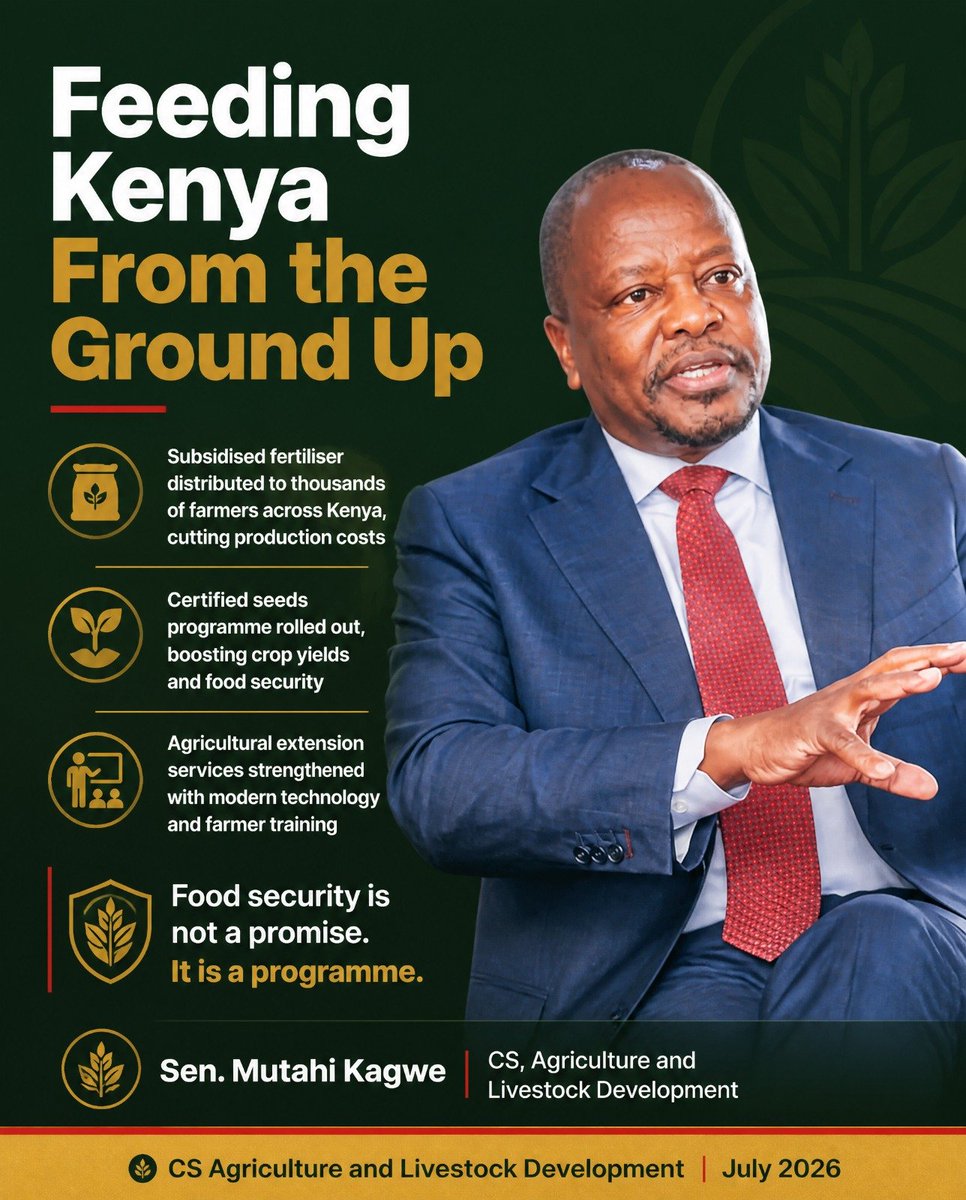
This recognition is both an honour and a responsibility. We remain steadfast in our commitment to stand with our farmers, lower the cost of production, improve market access, and unlock the full potential of Kenya's agricultural sector. The mission remains the same: empower the farmer, strengthen food security, and grow the nation. ASANTENI SANA NA MUNGU ASIFIWE💫🙏🏾

English
Livestock farming is the heartbeat of rural Kenya feeding families, creating jobs, and driving economic growth. Every healthy herd represents stronger livelihoods, thriving communities, and a more food secure nation. Together, let's unlock the full potential of Kenya's livestock sector.
#KenyaMeatConference2026
#FutureOfMeatKE

English


CS KAGWE WARNS ANTIMICROBIAL RESISTANCE COULD LOCK KENYA OUT OF GLOBAL MEAT MARKETS
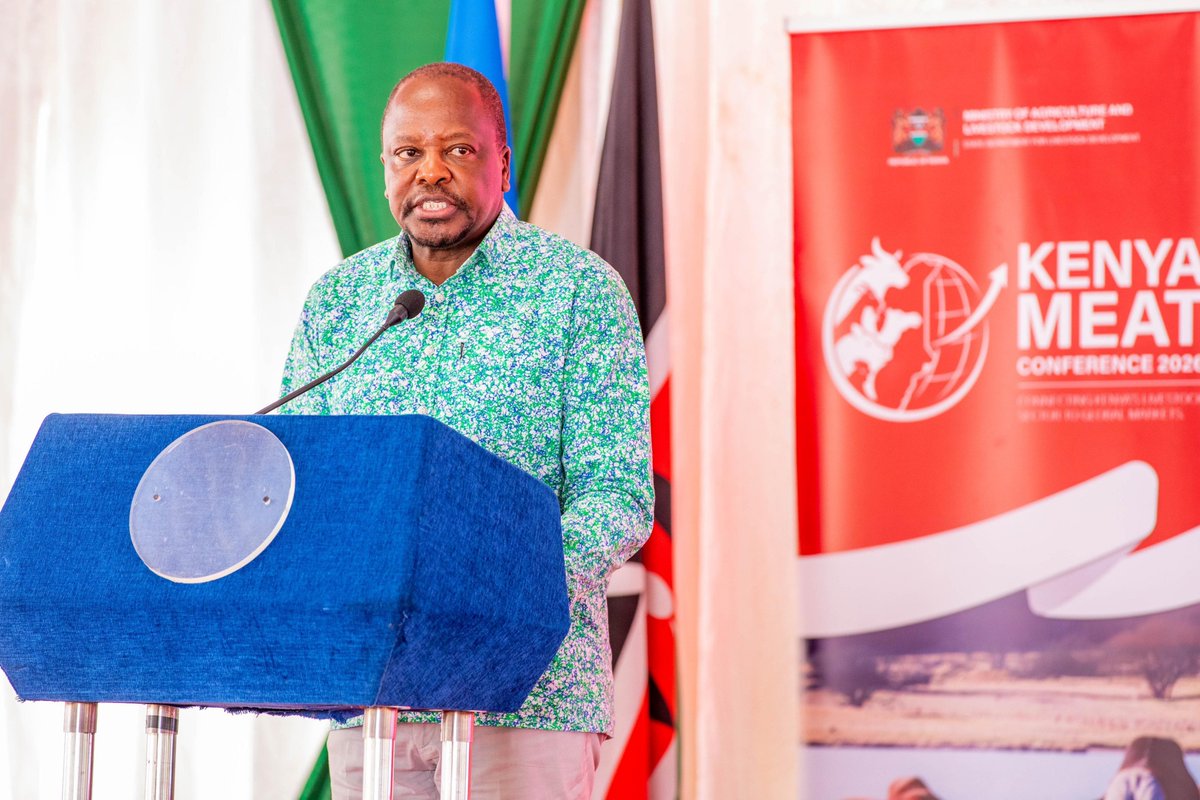
CS Sen. Mutahi Kagwe has warned that antimicrobial resistance (AMR), driven by the misuse of veterinary medicines, poses a serious threat to public health and could shut Kenya out of lucrative global meat markets.
Speaking at the opening of the Kenya Meat Conference 2026 in Nyeri, CS Kagwe said AMR is no longer just a veterinary issue but a national economic, food security and public health challenge.
He noted that global estimates link AMR to about 5.5 million deaths annually, with Kenya among the countries significantly affected.
"Responsible use of veterinary medicines is becoming a passport to international markets," he said, warning that failure to meet international standards on antimicrobial residues could undo years of market access negotiations.
To strengthen compliance, the Government is reinforcing the Kenya Veterinary Board and the Veterinary Medicines Directorate to ensure veterinary medicines remain under the supervision of licensed professionals.
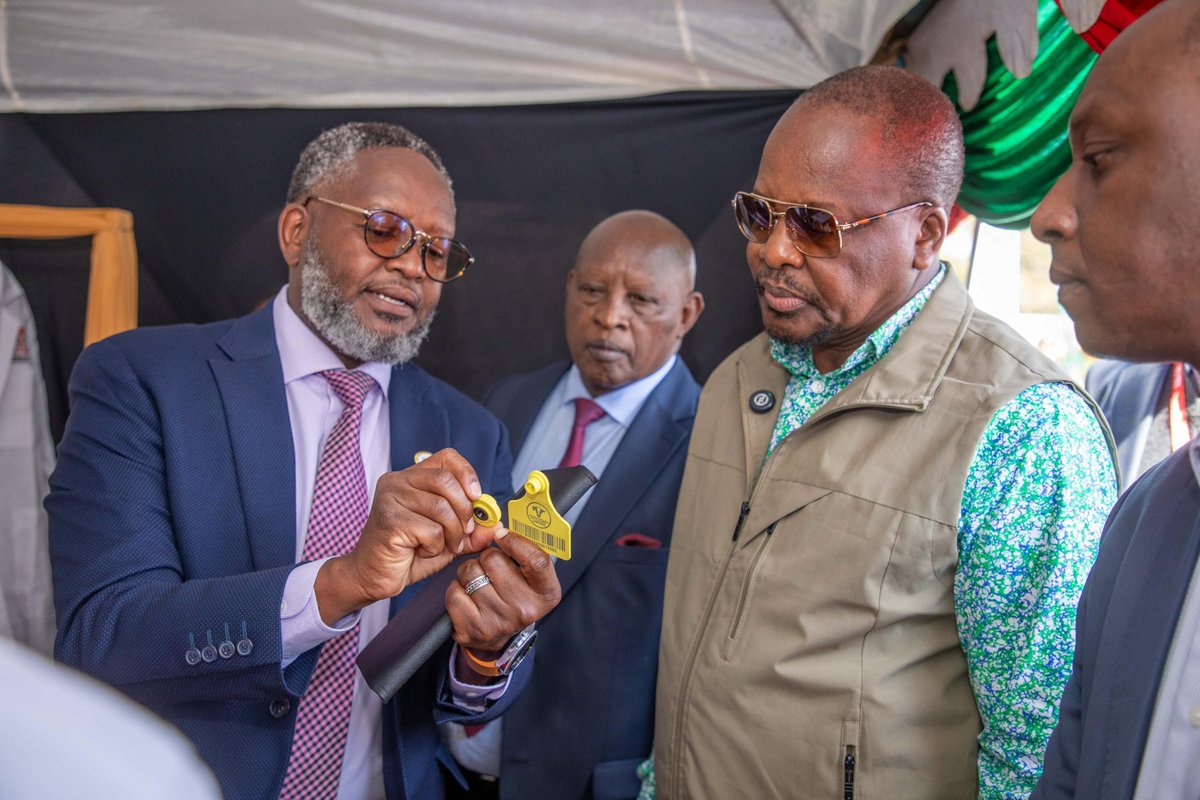
The CS said the Government is implementing wide-ranging livestock sector reforms, including the National Livestock Vaccination Programme, increased investment in the Kenya Veterinary Vaccines Production Institute - KEVEVAPI to raise annual vaccine production from 45M to over 70M doses, and the rollout of the Livestock Identification and Traceability System (LITS) alongside the Animal Identification and Traceability System (ANITRAC).
He said modern consumers demand traceability, food safety and transparency, adding that these are now essential requirements for international trade. CS Kagwe also condemned illegal donkey slaughter, describing it as a threat to food safety, public health and Kenya's export ambitions.
Despite the 2020 ban on commercial donkey slaughter, he said illegal operations continue, with over 700 donkeys reportedly slaughtered every month. He directed his Ministry to strengthen policy and enforcement measures against those involved.
On value addition, the Cabinet Secretary urged greater investment in modern meat processing, branding and certification to maximize returns from the livestock sector.
He said the Government is working with county governments and private investors to modernize abattoirs and expand export-ready processing capacity.
The Government aims to increase livestock's contribution to GDP from 12% to 20% and nearly double annual meat production to about 990,000 metric tonnes by 2028, generating an estimated KSh450 billion annually.
CS Kagwe called for stronger collaboration among government, counties, researchers, financial institutions and the private sector to position Kenya as Africa's leading exporter of safe, traceable and high-quality meat products.
The two-day conference has brought together leaders from across the livestock value chain to discuss strategies for growing Kenya's meat industry and expanding access to international markets.
Among attendees were PSs @jmueke, Caroline Karugu, @GovernorKahiga, Gov. @Nathif_J_Adam among other state officials.


English
Follow the live proceedings of the Kenya Meat Conference facebook.com/share/v/1GrqXR…
English
Kenya's ambition to become a leading global meat export hub will not be achieved in boardrooms or processing plants alone, it begins with the farmer. Without our livestock farmers and pastoralists, there is no meat industry, no value chain, and no export market.
Today, the livestock sector stands among Kenya's most promising economic frontiers, earning the country billions of shillings annually, supporting millions of livelihoods, and strengthening our food security. The growing demand for Kenyan meat in international markets is proof that our sector has the potential to compete with the best in the world.
Our focus is therefore clear: empower the farmer, strengthen animal identification and traceability, improve animal health, expand value addition, and unlock new export markets. When farmers prosper, the entire value chain grows, and Kenya earns more from its livestock resources.
The future of this sector lies not in exporting potential, but in exporting premium Kenyan meat to the world. Kenya has the livestock, the markets, and the capacity. What remains is to fully unlock the value of the sector and firmly position our country as Africa's leading and most trusted source of quality meat exports.
English
Cabinet Secretary Agriculture & Livestock Dev't retweetledi

Agriculture remains central to Kenya's economic transformation, food security and the livelihoods of millions of our people. Strengthening partnerships that accelerate agricultural innovation is therefore an investment in our nation's future.
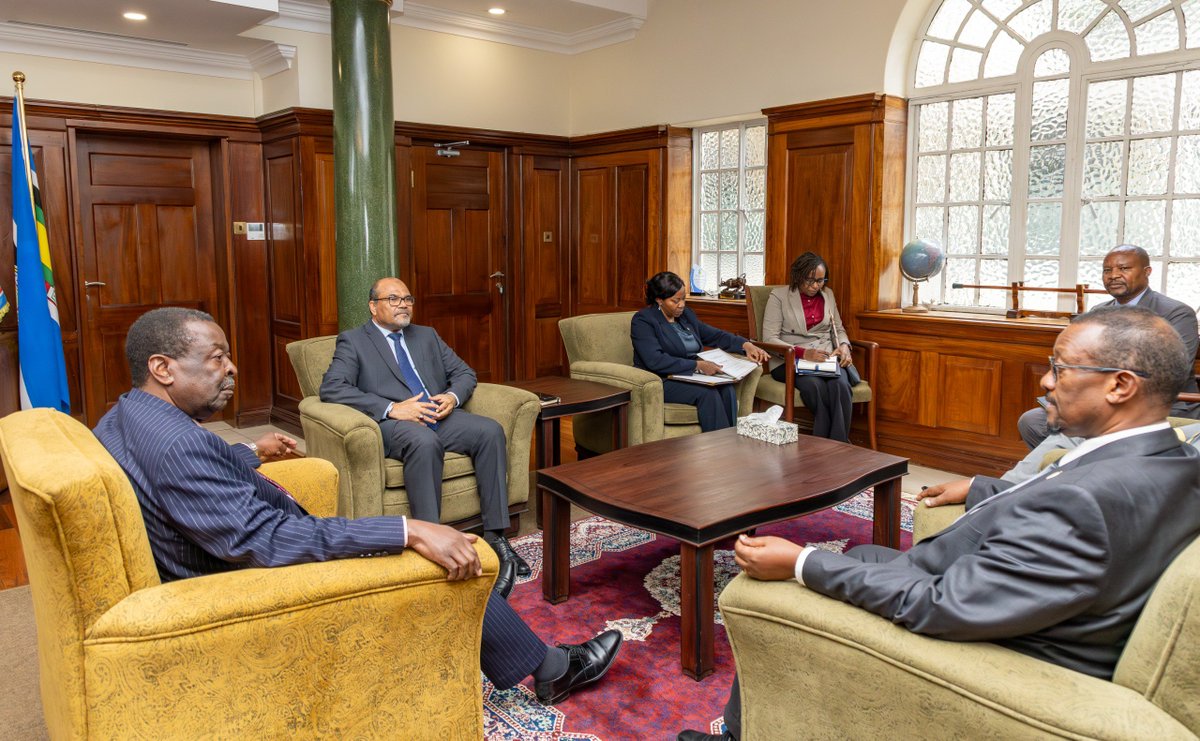
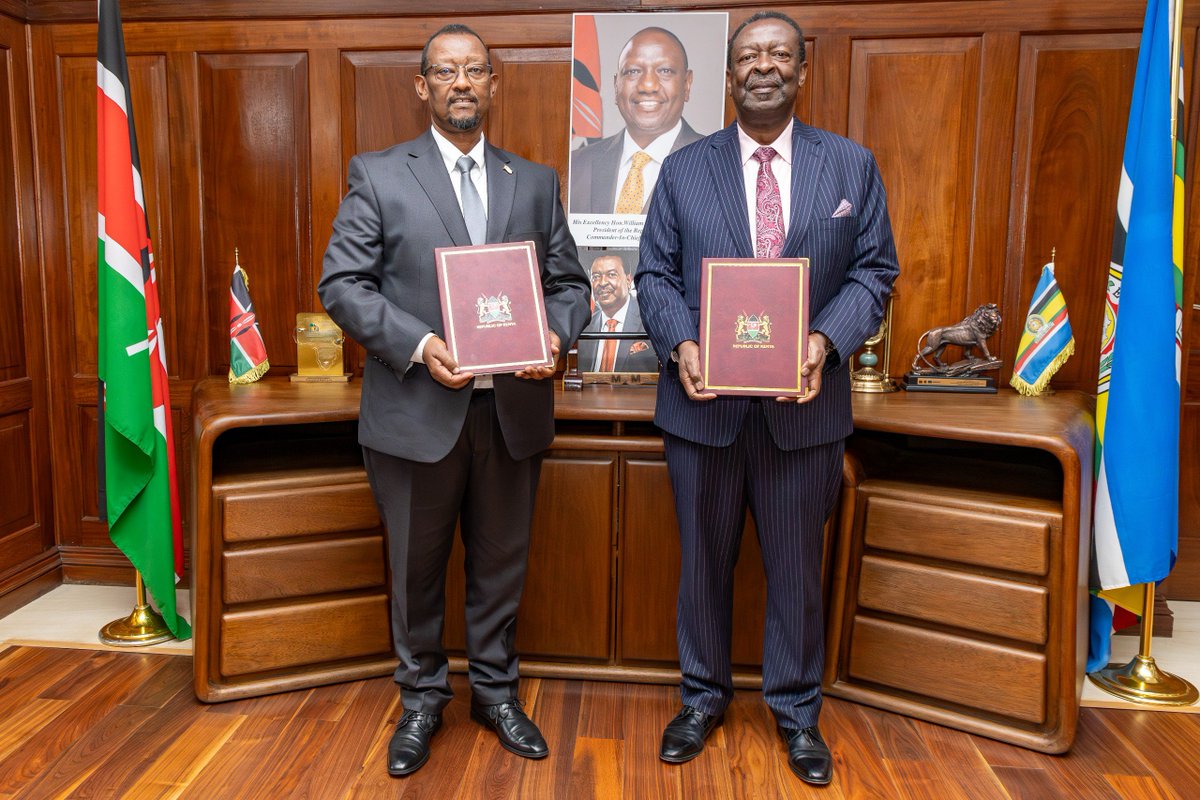
Today, I signed the Revised Host Country Agreement between the Government of Kenya and the African Agricultural Technology Foundation (AATF) at the Railways Headquarters, reaffirming Kenya's commitment to supporting innovation-driven agriculture and sustainable development.
The revised Agreement provides a stronger legal and institutional framework for AATF's operations in Kenya, reinforcing our country's position as a regional hub for agricultural research, technology and innovation.
Through this partnership, we will accelerate the adoption of modern farming technologies, empower smallholder farmers, strengthen food systems and improve agricultural productivity. These efforts will contribute to higher farmer incomes, enhanced food security and greater resilience to climate change, while creating opportunities for sustainable economic growth.

English
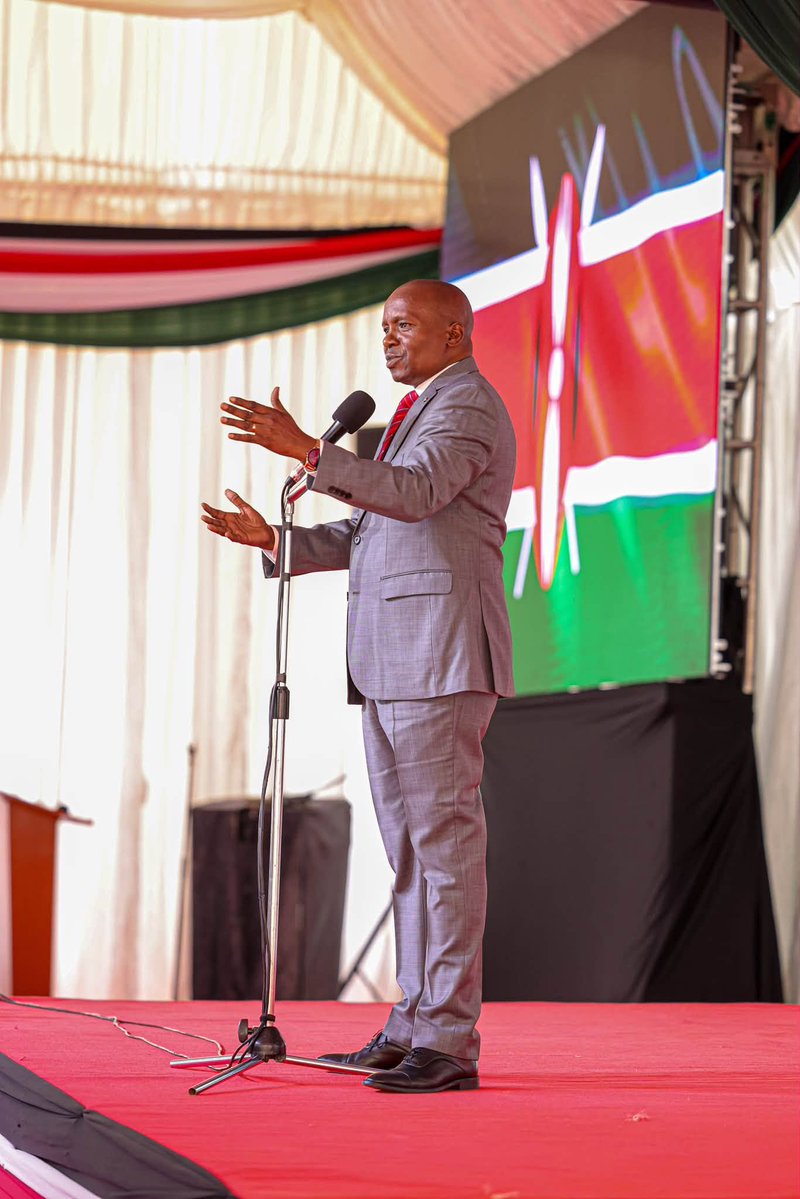
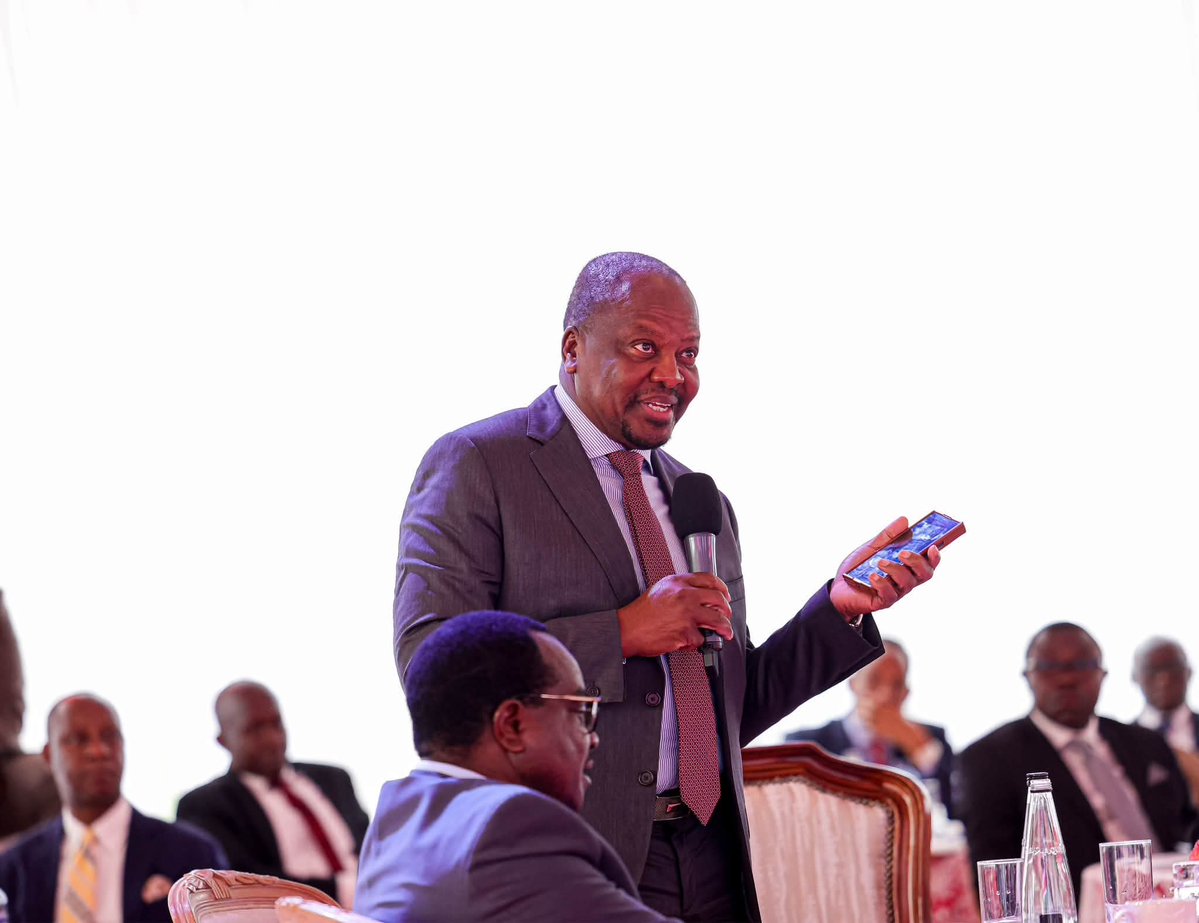
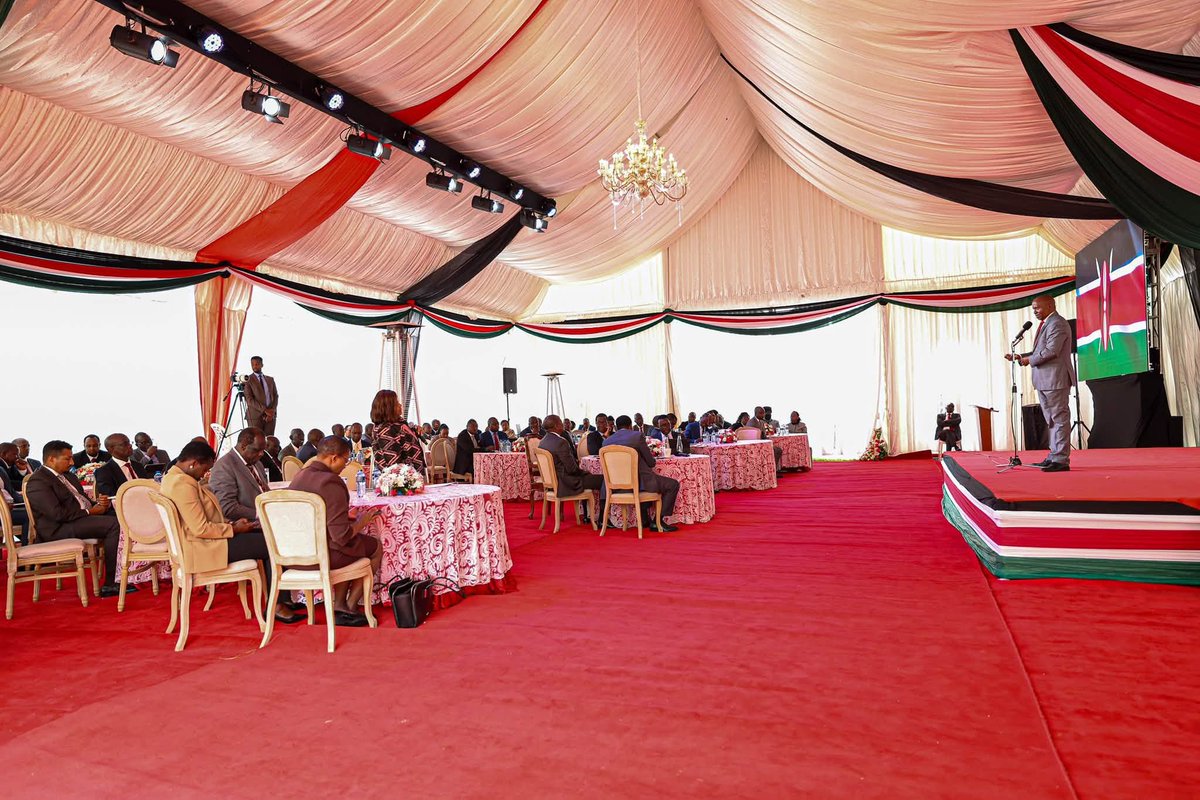
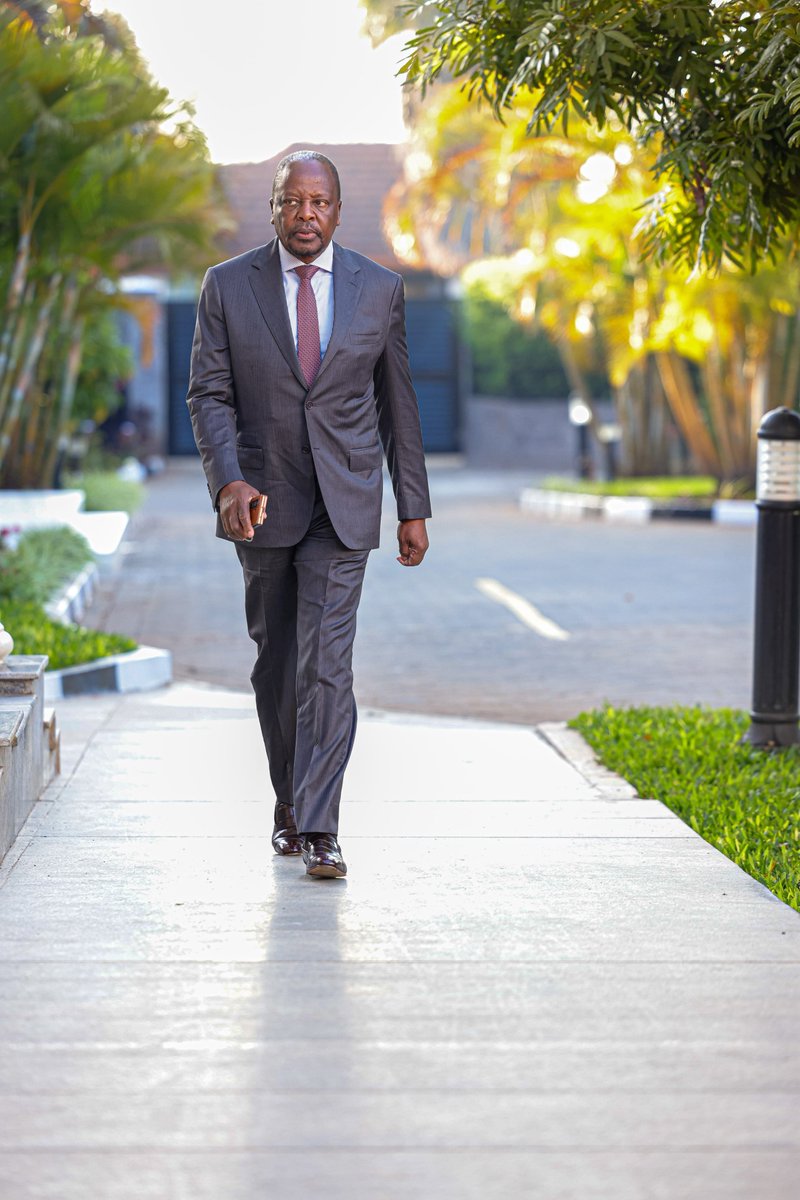
CS Sen. Mutahi Kagwe joined fellow Cabinet Secretaries at a meeting chaired by Deputy President Prof. @_KithureKindiki to review the progress of the Government's digitisation programme and strengthen the implementation of the e-Citizen platform across ministries, state departments and agencies.
In the agricultural sector, digitisation is making government services more efficient, transparent and accessible. From farmer registration and licensing to permits and other public services, digital platforms are reducing delays, sealing revenue leakages and improving service delivery to farmers, agribusinesses and other stakeholders.
As we deepen the adoption of digital solutions, we remain committed to building a more responsive agricultural sector that better serves the needs of Kenyans.

English
Joint Cabinet Committee meeting



English
Cabinet Secretary Agriculture & Livestock Dev't retweetledi
Building capacity for sustainable soil mgt.
1st Training-of-Trainers & Soil Doctors training under the #SoilFER context is equipping participants with practical skills to use educational materials, conduct field exercises, and use monitoring tools in real-world conditions.


English
As part of the programme, he will preside over the launch of the Animal Identification and Traceability System(ANITRAC) and the adoption of a Joint Communiqué that will reaffirm our shared commitment to revitalising and sustainably growing Kenya's meat sector.
English
This conference will focus on strengthening the industry, expanding market opportunities and positioning Kenyan meat as a competitive product in regional and global markets.
English
CS Sen. Mutahi Kagwe will have the honour of hosting this year's Kenya Meat Conference, where he will join industry leaders and stakeholders from across the livestock and meat value chain to deliberate on the future of Kenya's meat sector.

English