Christian Spillmann
110.4K posts

Christian Spillmann
@CSpillmann
Journaliste européen cherche Union désespérément. Mes tweets, à sa demande, n'engagent pas mon employeur


Feijóo alienta que la UE incluya una 'cláusula de defensa mutua' como la OTAN y construya su escudo contra misiles y drones dozz.es/tdopj2


En février 2025, Emmanuel Macron faisait de Fluidstack, au Sommet IA de Paris, le symbole de sa politique de "souveraineté numérique", avec un protocole d’accord sur un gigawatt de calcul adossé au nucléaire français et un supercalculateur pour Mistral en Essonne. Un an plus tard, Anthropic signait avec Fluidstack pour 50 milliards de dollars aux États-Unis, et abandonne ses deux projets français. Le bilan de Choose France est édifiant : 231 projets depuis 2018 mais à peine une quarantaine de nouveaux sites réellement lancés, dont une quinzaine seulement opérationnels en avril 2025. Les effets d'annonce dont cet Exécutif aura usé et abusé depuis 2017, ne font pas une politique industrielle. La souveraineté numérique de la France doit se construire sur une fiscalité simplifiée et allégée, une législation et des normes moins contraignantes, et des règles du jeu qui donnent un avantage compétitif réel aux entreprises qui s'engagent sur notre territoire. #Enfinir avec les coups de communication et faire enfin de la France le pays le plus compétitif pour créer, financer et développer les entreprises numériques de demain. Vivement @Nouv_Energie pour faire gagner la France


Hongrie... Dernier sondage


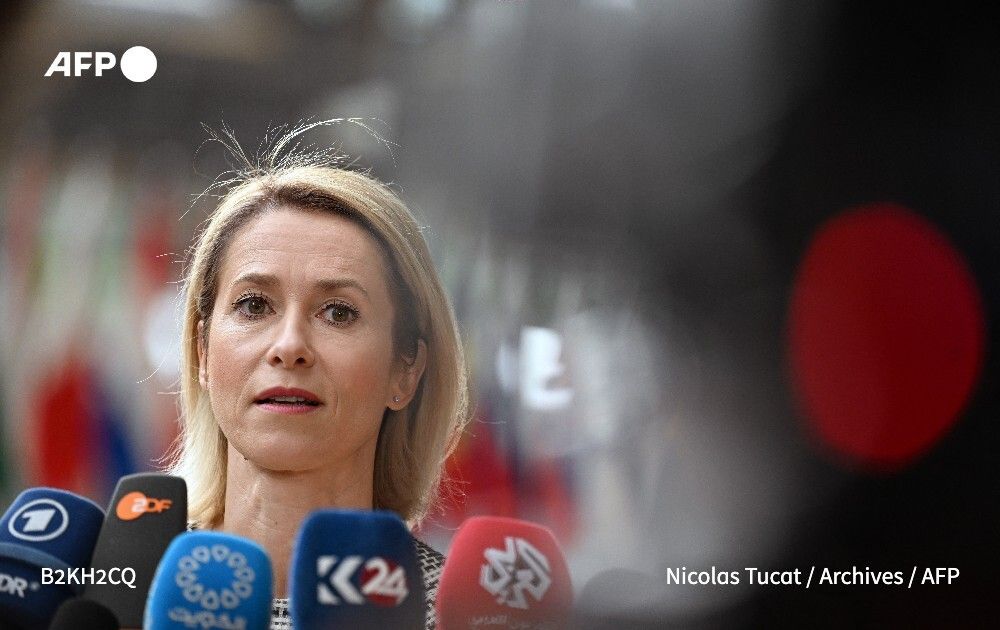
Hungary’s Viktor Orbán has faced “very, very harsh” criticism at the European Council, Sweden’s PM Ulf Kristersson said. It’s a level of condemnation he says he has never heard at an EU summit before. Follow our live blog: #id_1322213" target="_blank" rel="nofollow noopener">politico.eu/article/make-o…


My readers know I was not among Mark Rutte’s enthusiasts for the job. But the criticism now being thrown at him misses the point. The Secretary General of NATO is not a commentator, nor a political influencer. He is, quite simply, the system’s maintenance mechanism. His primary task is to keep NATO alive - coherent enough to function, flexible enough to survive the political cycles of its members, and relevant enough to deter its adversaries. That is what he was hired to do. In today’s conditions, this is an exceptionally difficult assignment. The Alliance is navigating diverging threat perceptions, electoral volatility, and a shifting transatlantic balance. In such an environment, rhetorical discipline and a degree of diplomatic accommodation are not signs of weakness; they are tools of institutional survival. The real constraint is not the Secretary General’s tone, but the political will of member states themselves. Blaming Rutte for not “taking sides” misunderstands the office. His role is not to satisfy audiences on social media or to correct the messaging of national leaders. It is to prevent fragmentation. And in that sense, he is doing precisely what the job requires- no more, no less.