CTA - Cleaning The Airwaves

11.4K posts

CTA - Cleaning The Airwaves banner
CTA - Cleaning The Airwaves

CTA - Cleaning The Airwaves

@CTA101

CTA (Cleaning The Airwaves) using CSI (Culture Shaping Icons) to create, distribute and promote MWAPI (Media With A Positive Influence). #CTA101

Nairobi, Kenya Katılım Haziran 2011
1.9K Takip Edilen7.3K Takipçiler
CTA - Cleaning The Airwaves
The Crucible of the West: Navigating the High Stakes of International Success SK Blue FULL CTA Podcast - youtube.com/watch?v=ZIXmvV… Aaron Rimbui FULL CTA Podcast - youtube.com/watch?v=yL3Got… The experiences of Aaron Rimbui and SK Blue reveal profound parallels in how international exposure serves as both a grueling test of character and a catalyst for professional rebirth. The Disparity Between Expectation and Reality Both artists traveled to the United States for career-defining opportunities—Aaron for a 10-month Youth for Christ tour and SK Blue for the American Gospel Music Awards—only to encounter harsh logistical and financial truths. Aaron discovered the power of negotiation after realizing he was being paid significantly less than his counterparts, while SK Blue faced the "slavery" of a three-million-dollar record deal that was structured as a line of credit, essentially putting him in perpetual debt. The Burden of Professional Performance Both narratives emphasize the intense physical and mental demands of the industry. Aaron describes a "pro-type" tour schedule with three to four shows a week, requiring him to set up his own gear and travel for hours with little sleep. SK Blue describes a similarly restrictive environment where he was pressured to change his name, identity, and musical genre, even being told in his contract not to change his "waist size". A Defining Choice of Identity For both men, these trips forced a final decision on their career paths. Aaron used the tour to officially declare, "I am a musician and I play the piano," committing to music for life. SK Blue faced a more polarized choice: "choose this day whom you will serve," eventually rejecting a secular multimillion-dollar deal to maintain his integrity as a gospel artist. Transformation through Crisis The high-pressure environment of the U.S. triggered deep internal shifts. Aaron experienced an emotional breakthrough regarding a past fire accident and PTSD, finding that his music became a "channel" for both his own healing and that of his audience. SK Blue’s crisis was external and legal; he had to leave everything behind—including his clothes and equipment—to escape an exploitative contract and return home to Kenya. The Resilience of Starting Over at Home Both stories conclude with a return to the Kenyan industry with a renewed, more professional perspective. Aaron returned to Johari Cleff with increased self-confidence and technical skill. SK Blue, alongside colleagues like Rufftone who had also faced disappointing U.S. deals, "started all over again" to build a massive media presence, eventually producing thousands of hours of TV content. @AaronRimbui @astarthelight

YouTube video

YouTube
YouTube video
YouTube
English

0
2
3
120
CTA - Cleaning The Airwaves
Voices of Defiance: Challenging the Status Quo through Law and Art Martha Karua FULL Podcast - youtube.com/watch?v=d9RmhV… Eric Wainaina FULL Podcast - youtube.com/watch?v=HHjrqr… The journeys of Hon. Martha Karua and Eric Wainaina illustrate how professional platforms can become instruments of civic resistance. During the KANU era, both individuals embodied active citizenship, leveraging law and music respectively to confront repression, censorship, and systemic corruption. Defiance against Systemic Censorship Both faced deliberate efforts to silence dissent. Martha Karua resisted attempts by the state to affiliate the Law Society of Kenya with the ruling party, KANU. Such affiliation would have effectively neutralized institutional independence and subordinated a professional body to political control. Her opposition was rooted in constitutional principle and the preservation of professional autonomy. Eric Wainaina encountered censorship in a cultural arena. During a national music festival attended by the Vice President, there were visible efforts to halt his performance of Nchi Ya Kitu Kidogo, a song critiquing corruption. The attempt to stop the performance underscored the discomfort provoked by artistic truth telling. In both cases, the state or its agents sought containment. Neither complied. Professional Skill as a Tool for Activism Each individual mobilized their craft as a form of structured resistance. Karua utilized her legal training to draft formal requisitions, issue statements, and represent herself in court when charged with contempt. She framed her legal expertise as a responsibility, a means to confront injustice using constitutional mechanisms. Wainaina transformed songwriting into civic commentary. His musical training enabled him to compose socially conscious pieces that transcended entertainment. His work earned recognition not merely as performance but as activism, resonating across demographic divides. Their activism was not incidental. It was technically grounded in their disciplines. Courage under Immediate Intimidation Both experienced moments where personal risk was imminent. Karua faced contempt proceedings that could have resulted in imprisonment. At the time, detention carried severe and often life threatening implications. She persisted in issuing statements she believed were constitutionally defensible. When instructed to defer to a bishop in court, she refused, viewing the directive as discriminatory. Her removal from the courtroom did not dilute her stance. Wainaina, while performing, observed visible panic among organizers attempting to halt his set. Despite suspected technical interference with his microphone, he continued. The audience amplified his voice by joining the chorus, transforming attempted suppression into collective affirmation. In each scenario, intimidation produced escalation rather than retreat. Youth as the Engine of Change Both narratives highlight generational dynamics. Karua observed that younger lawyers were more willing to sign petitions challenging authority, whereas more established professionals hesitated due to fear of losing status or property. She identified youth as the catalytic force behind institutional reform. Wainaina’s music captured the ethos of a generation seeking authenticity and accountability. The relevance of his lyrics positioned him as a voice aligned with youthful urgency, embedding activism within popular culture. Change, in both cases, gained momentum through younger constituencies. Public Solidarity and Cultural Impact Acts of defiance triggered broad public engagement. Karua’s legal battles drew significant public attendance in court. When fined sixty thousand shillings, supporters collectively paid the amount in solidarity, transforming individual prosecution into communal resistance. Wainaina’s Nchi Ya Kitu Kidogo evolved into a national anthem of critique. Its reach extended beyond urban elites, embraced by children and elders alike. The song’s widespread adoption demonstrated that cultural resistance can permeate society more deeply than formal political discourse. Conclusion The parallel experiences of Martha Karua and Eric Wainaina demonstrate that defiance, when anchored in professional competence and moral conviction, can reshape public consciousness. Whether through constitutional argument or lyrical protest, both converted personal risk into national conversation. Their stories affirm that law and art, when wielded with integrity, become powerful instruments for challenging entrenched systems and mobilizing collective courage. @EricWainaina @MarthaKarua @astarthelight
YouTube video
YouTube
YouTube video
YouTube
English

0
3
4
129
CTA - Cleaning The Airwaves
The Genge Revolution: Calculated Production and the Birth of a Kenyan Identity Jua Cali FULL CTA Podcast - youtube.com/watch?v=WDL4yS… Nonini FULL CTA Podcast - youtube.com/watch?v=ZQgu26… The early journeys of Jua Cali and Nonini at Calif Records mark a defining chapter in Kenyan music history. What began as experimental street expression evolved into a structured cultural movement. Their accounts reveal that the rise of Genge was not accidental. It was engineered through strategic production, resistance management, mentorship, and media alignment. Calculated Production as Competitive Strategy Both artists emphasize that their breakout was methodical. Jua Cali speaks directly about calculated production, underscoring that their hits were not improvised gambles but carefully structured outputs. Nonini expands on this by highlighting Clemo’s strategic sequencing of releases. For example, Manzi wa Nairobi was introduced in segments, creating anticipation and repeated radio demand before the full version was finalized. This staggered rollout generated listener curiosity and sustained request cycles, effectively manufacturing momentum. The approach mirrors modern marketing funnels. Scarcity created demand. Demand created legitimacy. Industry Resistance and Cultural Friction The Genge sound initially encountered dismissal. Early critics framed it as merely talking over beats rather than legitimate music. During radio call in sessions, listeners openly questioned whether it belonged on airwaves. The skepticism reflected deeper cultural bias toward imported hip hop standards. Instead of retreating, the Calif Records camp converted criticism into fuel. Their conviction was rooted in the belief that they were crafting something authentically Nairobi. The resistance validated that they were disrupting convention. Innovation often appears illegitimate before it becomes dominant. Elite Mentorship as Validation Mechanism A pivotal inflection point came through endorsement from established figures. Nonini credits Bruce Odiambo with publicly defending the emerging sound during a radio discussion, framing it as revolutionary rather than inferior. That endorsement carried symbolic weight. When an established producer validates an insurgent movement, it recalibrates public perception. For bedroom studios operating with limited resources, such affirmation bridged the credibility gap between grassroots experimentation and industry acceptance. Mentorship accelerated legitimacy. Radio Presenters as Strategic Amplifiers The explosion of Genge cannot be separated from radio culture. Nonini highlights presenters such as Caroline Mutoko, who did more than spin records. They contextualized songs, narrated artist backgrounds, and emotionally positioned tracks for listeners. This form of advocacy transformed passive airplay into active marketing. By embedding personality and story into each introduction, radio hosts effectively converted unfamiliar sounds into relatable cultural products. The genre surfaced gradually from niche to mainstream through consistent narrative reinforcement. Media did not merely distribute Genge. It interpreted it. Constructing a Kenyan Sonic Identity At its core, Genge represented a shift from imitation to localization. The movement transitioned from conventional hip hop mimicry toward a distinctly danceable, Sheng infused mainstream sound. This recalibration aligned with urban youth culture and everyday Nairobi experiences. Youth focused platforms such as Insyder magazine further formalized the identity of the movement. By naming, profiling, and visually branding the genre, media participation codified Genge as a recognized cultural category rather than a temporary trend. The result was more than commercial success. It was the articulation of a Kenyan musical identity rooted in language, rhythm, and lived experience. Conclusion The rise of Genge through the efforts of Jua Cali, Nonini, and Calif Records illustrates how cultural revolutions are engineered. Strategic release planning, resilience under criticism, elite endorsement, and media partnership converged to produce a genre that defined a generation. Genge did not simply emerge. It was constructed through disciplined production and an unwavering commitment to authentic local expression. @juacaliGenge @Noninimgenge2ru @astarthelight
YouTube video
YouTube
YouTube video
YouTube
English

0
5
12
805
CTA - Cleaning The Airwaves
The Integrity of Crisis: Navigating the Abyss of Massive Debt Julian Kyula FULL CTA Podcast - youtube.com/watch?v=fbH_Aq… Fakii Liwali FULL Podcast - youtube.com/watch?v=OnmFDg… The financial collapses experienced by Fakii Liwali and Julian Kyula provide a sobering study in high stakes debt, reputational exposure, and psychological endurance. Though their circumstances differed in scale and sector, their survival strategies reveal shared principles of transparency, disciplined thinking, spiritual anchoring, and sacrificial resolution. The Scale of Collapse Both men encountered debt that threatened not only their enterprises but their identity and stability. Fakii Liwali accumulated substantial obligations following a film production project that failed to generate expected returns. The pressure manifested publicly through hostile messages and privately through physical deterioration, including significant weight loss linked to sustained stress. Julian Kyula faced a far larger financial exposure after a business merger unraveled during the period surrounding the 2007 post election violence in Kenya, compounded by the global financial recession. The resulting liability, approximately one million US dollars, placed him under immense commercial and personal strain. In both cases, the debt was not abstract. It was existential. Radical Honesty as Strategy Neither man chose avoidance. Instead, both adopted transparency as a defensive and strategic mechanism. Fakii committed to answering creditor calls regardless of tone or hostility. He acknowledged obligations publicly and utilized crowdfunding platforms to repay cast and crew members. The decision to remain reachable preserved credibility even when liquidity was absent. Julian adopted a comparable approach at corporate scale. Rather than conceal the financial failure, he approached his largest creditor, Chris Kirubi, with full documentation including merger agreements and supporting correspondence. By presenting evidence and engaging directly, he reframed the situation from suspicion to documented misfortune. Honesty, in both instances, became leverage. Mental Discipline and Spiritual Framing Sustaining psychological stability required structured mental conditioning. Julian describes what he terms a gym of the mind and spirit. Drawing from scripture, he trained himself to confront only the immediate day’s burden rather than internalizing the total projected liability. This compartmentalization prevented paralysis. Fakii, while emotionally drained, implemented a protective boundary within his household. Even when financial resources were critically low, he consciously separated adult stress from his children’s experience. Preserving normalcy at home became an act of psychological resistance. Both narratives illustrate cognitive reframing as a survival tool. The Role of a Unified Partner In each case, marital partnership functioned as stabilizing infrastructure. Fakii emphasizes that undertaking the film project with his wife eliminated secrecy. Shared exposure meant shared endurance. The absence of concealment reduced relational fragmentation during crisis. Julian similarly credits his wife’s presence throughout the entrepreneurial launch and subsequent collapse. The simultaneous pressures of debt and new parenthood intensified vulnerability, yet her awareness and solidarity reinforced resilience. Transparency within marriage mirrored transparency with creditors. Sacrifice as Resolution Mechanism Debt resolution required irreversible concessions. Fakii negotiated incremental repayment schedules tailored to his constrained cash flow, sometimes settling obligations in small installments over extended periods. Crowdfunding supplemented these efforts, enabling him to restore professional relationships and personal credibility. Julian executed a far more structural sacrifice. He relinquished all equity in his company for a nominal sum to ensure shareholders were protected and the financial dilemma concluded. The decision cost him ownership but preserved integrity and stakeholder settlement. In both scenarios, ego was subordinated to closure. Conclusion The crises faced by Fakii Liwali and Julian Kyula demonstrate that massive debt tests more than financial acumen. It exposes character architecture. Their responses reveal a consistent framework: confront reality directly, maintain cognitive discipline, preserve relational unity, and accept necessary sacrifice. Integrity during collapse does not eliminate loss. It redefines legacy. @Fakii @JulianKyula @astarthelight
YouTube video
YouTube
YouTube video
YouTube
English

0
3
6
379
CTA - Cleaning The Airwaves
The Making of a Legend: From Five Seconds of Fame to Digital Dominance Judy Nyawira (Part I) Podcast - youtube.com/watch?v=H8ZYKb… Judy Nyawira (Part II) Podcast - youtube.com/watch?v=QhcRfZ… Abel Mutua FULL Podcast - youtube.com/watch?v=4oxR_H… Njugush FULL Podcast - youtube.com/watch?v=T5ll40… The journeys of Abel Mutua and Judy Nyawira in building the Njugush brand illustrate how modern legends are rarely manufactured overnight. They are identified, refined, structured, and strategically positioned. Their shared narrative reveals how raw talent, visionary leadership, and operational discipline converge to create digital dominance. The Power of Accidental Beginnings Both accounts underscore a recurring principle in creative industries. Breakthroughs often emerge from moments that appear insignificant. Abel Mutua recalls that Timothy Kimani, later known as Njugush, was initially cast as a background actor with no substantial role. He was given a brief comedic insertion into an otherwise intense stage production. His presence lasted only seconds and included just a few lines. Yet the impact was disproportionate. That fleeting performance earned him recognition and signaled exceptional comedic timing. Similarly, Judy Nyawira’s entry into artist management was never intended as a permanent role. She stepped in temporarily to shadow operations until a formal manager could be recruited. What was framed as a short term arrangement evolved into a long term strategic partnership that redefined the brand’s trajectory. In both instances, what appeared minor became foundational. Abel Mutua as Strategic Catalyst Abel functioned as a connective strategist in both narratives. He recognized Timothy’s latent potential long before it was commercially validated. When conceptualizing new productions, he identified Timothy as the missing element that could complete the creative puzzle. Later, Abel extended that same foresight to Judy. He recognized that the emerging digital ecosystem required structured management rather than casual coordination. He encouraged Judy to transition from corporate production into brand management, identifying her negotiation skills, workflow discipline, and sponsor engagement experience as critical infrastructure for scaling. His role was less about performance and more about positioning. Transferring Professional Skill Sets into Emerging Spaces Both Timothy and Judy adapted pre existing competencies into a rapidly evolving digital marketplace. Timothy translated theatrical improvisation and exaggerated character work into television and eventually into YouTube content. What began as stage comedy was reformatted into short form digital storytelling that resonated with online audiences. Judy applied corporate production systems to influencer branding. She introduced formal rate cards, structured client reporting, invoicing protocols, and sponsor pitch strategies. At a time when influencer marketing lacked professional standards, she implemented operational clarity. This transfer of discipline into an informal industry created competitive advantage. The Leap into Uncertainty Both journeys required decisive departures from conventional pathways. Judy chose to exit a stable and ascending corporate career without a guaranteed alternative. The move was rooted in conviction rather than predictive certainty. It was a strategic risk anchored in belief. Timothy’s breakthrough persona was itself unconventional. The exaggerated comedic character that propelled him into mainstream recognition defied traditional expectations. Its distinctiveness became its strength, generating headlines precisely because it deviated from norm. In each case, progress demanded discomfort. Managing Rapid Expansion Success introduced structural strain. As Njugush’s popularity accelerated, operational demands multiplied. Celestine, Timothy’s wife, initially carried management responsibilities while balancing family life. The rapid expansion created unsustainable pressure. This growth crisis catalyzed Judy’s formal involvement. She absorbed administrative and commercial responsibilities including client communication, quotations, invoicing, and reporting. By separating creative production from operational management, the brand achieved scalable stability. Talent alone sparked momentum. Structure sustained it. Conclusion The professionalization of the Njugush brand demonstrates that legends are engineered through a combination of instinct, opportunity recognition, risk tolerance, and operational architecture. Abel Mutua identified potential and orchestrated alignment. Judy Nyawira institutionalized structure. Timothy Kimani delivered performance excellence. Together, their stories illustrate that digital dominance is not accidental. @BlessedNjugush @MutuaAbel @astarthelight
YouTube video
YouTube
YouTube video
YouTube
YouTube video
YouTube
YouTube video
YouTube
English

0
2
4
143
CTA - Cleaning The Airwaves
The Ogopa Blueprint: Crafting the Sound of a Generation Amani FULL Podcast - youtube.com/watch?v=fwkJwp… Mr. Lenny FULL Podcast - youtube.com/watch?v=VXoB_A… The creative journeys of Mr. Lenny and Amani in producing Githurai Remix and Ninanoki offer a vivid portrait of innovation under pressure within the Ogopa Deejays ecosystem. Their accounts reveal disciplined studio culture, spontaneous inspiration, and the defining impact of a national hit on artistic identity. The Lucas Factor as Creative Gatekeeper Both artists identify Lucas, the lead producer at Ogopa Deejays, as the decisive arbiter of musical success. For Mr. Lenny, Lucas was meticulous, fast, and uncompromising, with a refined auditory instinct that shaped vocal delivery and overall structure. He functioned not merely as a producer but as a vocal director and sonic architect. Amani reinforces this perspective. Within the Ogopa system, Lucas’s feedback was the benchmark. A call from him signaled validation. Silence, or the need to initiate contact, implied that a track had not yet achieved its full potential. His approval represented both artistic endorsement and commercial viability. Spontaneity as a Creative Engine Despite the structured studio environment, both hits were born from improvisation. Mr. Lenny entered the studio with minimal written material. Through humming and layering harmonies in real time, he stumbled upon the melodic phrasing that became central to Githurai Remix. Lucas then refined and structured these raw elements into a polished final product. Amani describes a similarly organic process. Her strongest melodies emerged during everyday matatu rides. She would often disembark abruptly to vocalize and preserve a melodic idea before it faded. Inspiration was mobile, unscheduled, and urgent. These accounts underscore a key creative principle. Structure refines genius, but spontaneity ignites it. Recognizing a Hit in Real Time Both artists describe a visceral awareness when their tracks crossed into greatness. Mr. Lenny recalls the studio atmosphere shifting the moment the arrangement came together. The room erupted with certainty before the mix was even finalized. The collective response signaled that the record had transcended experimentation. Amani experienced a physical sensation upon hearing the completed version of Ninanoki. She describes a warmth in her core that confirmed the track’s magnitude. It was not analytical recognition but embodied intuition. In both cases, the validation preceded external metrics. The artists knew before the market responded. Patience Under Studio Discipline While inspiration was spontaneous, perfection required restraint. Mr. Lenny emphasizes the necessity of trusting Lucas to hold onto the track until every sonic detail met his standards. The waiting period tested excitement and ego. Amani recounts periods of frustration when Lucas became unreachable while fine tuning subtle elements such as percussion layers or bass lines. His temporary disappearance was part of a meticulous process of sonic calibration. The pattern reveals a disciplined production ethic. Creative urgency was balanced by technical patience. Identity Transformation Through Breakthrough These songs marked irreversible shifts in professional identity. For Mr. Lenny, the success of Githurai Remix signified a transition from a developing artist to a fully realized persona. The adoption of the name Mr. Lenny symbolized artistic legitimacy and public recognition. For Amani, Ninanoki catalyzed a rapid transformation from university student at USIU to nationally recognized performer. She navigated academic responsibilities alongside consecutive performances, embodying the tension between student life and emerging stardom. Conclusion The Ogopa Blueprint reflects a synthesis of disciplined production, spontaneous creativity, authoritative mentorship, and intuitive recognition of excellence. Within this framework, Mr. Lenny and Amani did more than produce hits. They participated in shaping the soundscape of a generation. Their stories demonstrate that enduring cultural impact emerges where raw inspiration meets rigorous refinement, and where patience transforms potential into legacy. @AmaniGospel @astarthelight @japaleent
YouTube video
YouTube
YouTube video
YouTube
English

0
3
7
191
CTA - Cleaning The Airwaves
The Path to Alignment: Navigating Substance, Sobriety, and Self Actualization Eric Mutiso FULL Podcast - youtube.com/watch?v=tcxfe2… Sanaipei FULL Podcast - youtube.com/watch?v=G7LY4k… The narratives of Sanaipei Tande and Eric Mutiso offer a layered exploration of alcohol use, recovery, and the disciplined pursuit of internal alignment. Their journeys illustrate that lasting transformation requires more than abstinence. It demands psychological clarity, environmental recalibration, and a renewed sense of purpose. Internal Alignment as the Foundation of Change Both individuals underscore that sustainable change begins internally. Sanaipei Tande speaks of what she calls scientific prayer, describing it as the synchronization of mind, body, and emotion toward a clearly defined goal. For her, sobriety was not imposed. It was chosen through deliberate alignment. Eric Mutiso similarly articulates an inner awareness that his lifestyle was misaligned with his deeper calling. Despite repeated struggles, he recognized at a core level that he was not living in accordance with his purpose. This internal dissonance eventually fueled a committed sober streak, driven by both willpower and faith. In both cases, transformation was initiated by internal conviction rather than external pressure. Environment as Catalyst and Trigger Each narrative highlights the decisive role of environment in either reinforcing or undermining recovery. Sanaipei recognized that the karaoke circuit functioned as a trigger environment. The proximity to alcohol, coupled with the culture of nightlife, made sobriety structurally difficult. She concluded that personal strength alone was insufficient without environmental change. Eric describes rehabilitation as a disorienting experience, particularly the transition back into everyday life. He characterizes the cycle of isolation and reintegration as destabilizing, noting that returning to a family ecosystem after time in a contained recovery setting presents its own psychological challenges. Both accounts reinforce a critical principle in behavioral science. Context influences conduct. Sustainable recovery often requires environmental restructuring. Reclaiming Professional Identity and Purpose Career alignment served as a powerful motivator for both individuals. Sanaipei reassessed her long term presence in karaoke, concluding that it no longer reflected her evolving brand or professional aspirations. She perceived that constant accessibility diluted her artistic identity. Her decision to withdraw was not merely about sobriety. It was about strategic repositioning. For Eric, professional ambition was central. Completing his pilot training represented a tangible dream that required discipline and sobriety. The effort invested in becoming a licensed commercial pilot amplified his motivation to remain focused. Securing employment flying in South Sudan symbolized not only career achievement but restored self efficacy. In both narratives, purpose functioned as stabilizing architecture. Confronting Public Misperceptions Both individuals address the tension between personal reality and public perception. Sanaipei clarifies that her relationship with alcohol was not defined by clinical alcoholism. Instead, she frames sobriety as a conscious lifestyle decision rooted in self awareness and preference. Her emphasis is autonomy rather than pathology. Eric, in contrast, confronts the moral lens through which addiction is often viewed. He stresses that compulsive behavior is not merely a character flaw but a condition with physiological and psychological dimensions. Comparing it to hunger or thirst, he challenges simplistic moral judgments. Their reflections expose the complexity of public narratives surrounding substance use and recovery. Physical and Emotional Restoration Both journeys demonstrate measurable restoration. Sanaipei speaks openly about the return of appetite, healthy weight gain, and a renewed sense of happiness. The shift is holistic, encompassing physical vitality and emotional stability. Eric describes emerging from a darker season with hard earned insight. While reintegration remains ongoing, he acknowledges that his experience has yielded perspective and maturity, enabling him to support others navigating similar challenges. Restoration, in both cases, extends beyond abstinence to identity reconstruction. Conclusion Their stories demonstrate that self actualization requires disciplined internal synchronization supported by external recalibration. Through alignment, both individuals moved from instability toward intentional living, redefining success on their own terms. @Sanaipei_Tande @astarthelight
YouTube video
YouTube
YouTube video
YouTube
English
0
4
9
291
CTA - Cleaning The Airwaves
The Architecture of Change: Building Character and Faith through Life’s Transitions Angie Murenga FULL Podcast - youtu.be/Gpvb9pTjPgE Pius Muchiri FULL Podcast - youtube.com/watch?v=OFpLWX… The journeys of Pius Muchiri and Pastor Angie Murenga reveal striking parallels in how character is formed through responsibility, faith, discipline, and the recalibration of identity. Though their contexts differ, both demonstrate that lasting transformation is rarely accidental. It is constructed through deliberate choices and sustained conviction. Intentional Spiritual Transformation Both narratives describe a conscious departure from a default religious posture toward intentional faith. Pius Muchiri, though a committed Catholic and widely regarded as a principled individual, made a decisive spiritual shift after watching the play Heaven’s Gates and Hell’s Flames. That moment catalyzed a personal commitment that redefined his spiritual direction. Similarly, Pastor Angie Murenga transitioned from an intense social lifestyle marked by heavy partying into a deeply rooted Christian walk. Her shift was gradual rather than instantaneous, but it became firmly anchored when motherhood required her to establish spiritual consistency. What began as a practical step of taking her daughter to Sunday school evolved into a fully embraced faith identity. In both cases, spirituality moved from inherited structure to chosen conviction. The Catalyst of Responsibility Responsibility functioned as the engine of change for both individuals. For Pius, the burden of being the family breadwinner sharpened his focus. Rather than resigning himself to circumstance, he pursued personal development as a strategic intervention to improve his family’s financial trajectory. His growth was not abstract. It was purpose driven and economically motivated. For Angie, motherhood became the inflection point. The birth of her daughter Althia introduced a non negotiable accountability. The lifestyle that once felt manageable no longer aligned with the responsibility of shaping a young life. Her transformation was therefore less about image and more about stewardship. In both stories, external obligation triggered internal restructuring. A High Performance Work Ethic Both individuals exhibit disciplined professional intensity. Pius approached self development with precision. He adopted structured routines, waking as early as three in the morning to study leadership principles and implement incremental improvements. His philosophy centered on the compounding effect of small behavioral adjustments producing measurable professional advancement in his pursuit of executive leadership. Angie demonstrated comparable stamina in the hospitality industry. Even during pregnancy, she maintained demanding schedules, walking across town before dawn to open restaurants and manage operational workflows. Her drive was evident long before her pastoral calling became public. In each case, excellence preceded platform. Navigating Family Dynamics and Legacy Transformation required renegotiating inherited identities. Pius experienced tension with his mother when he transitioned from Catholicism to a Pentecostal expression of faith. The shift was not merely theological. It represented a break from familial continuity and required emotional resilience to maintain conviction amid relational strain. Angie confronted a different form of recalibration. Moving from the identity of a protected and privileged daughter to that of a mother and spiritual leader required maturity and boundary setting. Establishing a new family unit demanded redefining relational hierarchies while preserving honor. Both narratives demonstrate that growth often disrupts legacy patterns before it redefines them. The Power of External Influence and Mentorship Neither journey unfolded in isolation. Pius actively sought thought leadership from figures such as Jim Rohn, immersing himself in structured teachings on discipline, character, and leadership formation. These external inputs shaped his mental architecture and strategic outlook. Angie emphasizes the necessity of spiritual authority and mentorship within marriage and leadership. She argues that individuals who resist accountability structures are inherently unstable, and that couples require seasoned voices to help navigate relational drift and prevent long term fragmentation. In both cases, mentorship served as scaffolding for sustained development. Conclusion The architecture of change, as reflected in their journeys, is built through conscious decisions, reinforced habits, and relational accountability. Through this process, both individuals moved from passive inheritance to active authorship of their futures. @PiusMuchiri @JustAngieKE @astarthelight
YouTube video
YouTube
YouTube video
YouTube
English
0
3
4
900
CTA - Cleaning The Airwaves
Navigating Purpose and Power: Comparing the Faith Led Career Journeys of Kendi Ntwiga and Mary Njoki Kendi Ntwiga FULL CTA Podcast - youtube.com/watch?v=Q50-o9… Mary Njoki FULL CTA Podcast - youtube.com/watch?v=nbBxd0… The stories of Kendi Ntwiga and Mary Njoki highlight two compelling leadership journeys of Kenyan women who see their careers not simply as professional pursuits, but as callings shaped by faith and a commitment to societal transformation. While their paths differ in scale and context, both leaders demonstrate how spiritual conviction can shape strategic decisions, personal growth, and long term impact. Shared Foundations Faith as a Strategic Compass Both women describe their career decisions as deeply guided by spiritual discernment. Kendi Ntwiga speaks about intentionally seeking direction through prayer and maintaining candid conversations with God while navigating significant career transitions. Similarly, Mary Njoki explains that her professional moves often emerge from a strong sense of spiritual intuition. She describes moments of clarity and alignment that guided her toward opportunities, including a pivotal encounter during a mission engagement that led to her next role. A Shift from Personal Success to Societal Impact Each leader reached a moment when traditional definitions of success felt insufficient. Kendi began questioning the meaning of professional achievement despite high earnings and global exposure, asking herself whose lives had truly been transformed through her work. Mary expresses a similar conviction, viewing her professional journey as part of a broader mission to challenge existing systems and help create new models of influence and impact. The Role of Mentorship and Strategic Relationships Both journeys were shaped by influential relationships. Kendi credits a long standing mentor and former supervisor who recommended her for the Microsoft Country Lead position, demonstrating the importance of trusted advocates in leadership progression. Mary’s career pivot into a specialized public relations role also came through a powerful connection when a professional contact expressed a strong conviction that she should join her organization. In both cases, strategic relationships played a critical role in opening doors. Commitment to Continuous Learning Intellectual growth and self education are also central themes in both stories. Kendi pursued further academic development through admission to Harvard Kennedy School, seeking to expand her capacity for influence and policy engagement. Mary, on the other hand, supplemented her university education by independently studying public relations through online platforms, determined to acquire practical skills that extended beyond the limitations of her formal coursework. Key Differences Engagement with Institutional Systems A notable contrast lies in how each woman approaches institutional structures. Kendi has intentionally leveraged established global institutions such as Microsoft, Harvard, and international development platforms to amplify her influence and accelerate impact. Mary, by contrast, frames her professional identity through disruption. She positions herself as someone willing to challenge conventional systems and rethink traditional models of work, leadership, and communication. Career Stage and Professional Scale Their narratives also reflect different stages of career development. Kendi’s journey focuses on senior leadership and mid career decision points, including choosing between pursuing graduate study at Harvard or accepting a major regional leadership opportunity. Mary’s story captures the early formation stage of a career, marked by the physical and financial realities of balancing work during the day while attending evening classes, often returning home late at night. Internal Struggles and Motivations The internal challenges each woman faced also differ in emphasis. Kendi reflects on the need to examine her own motivations and ego, recognizing that part of her interest in Harvard carried the public symbolism of prestige and success. Mary’s struggle was more structural and academic. She found the traditional university curriculum too generalized and felt she was progressing faster through practical self learning, which motivated her to pursue knowledge independently. Responses to Career Disruptions Their responses to career turning points also illustrate different approaches. Kendi describes making deliberate pauses before major transitions, including deferring her Harvard admission for a year in order to gain clarity and spiritual confirmation. Mary’s experience includes more abrupt external changes, such as losing a job through a brief text message yet quickly securing a new opportunity within the same week by proactively presenting her ideas and value.
YouTube video
YouTube
YouTube video
YouTube
English
0
2
4
75
CTA - Cleaning The Airwaves
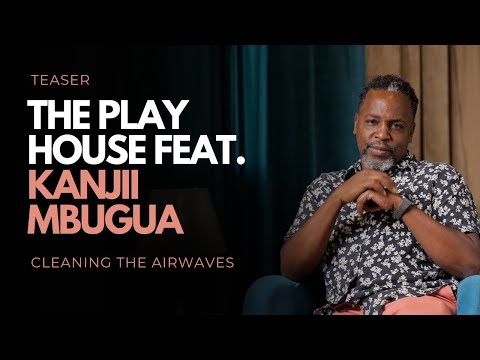
Anchored in Purpose: Comparing the Humanitarian and Creative Journeys of Juli Boit and @kanjiimbugua Kanjii Mbugua FULL CTA Podcast - youtube.com/watch?v=AWNdi1… Juli Boit FULL CTA Podcast - youtube.com/watch?v=IqJa9H… The stories of Juli Boit and Kanji Mbugua reveal two distinct yet complementary paths of service and entrepreneurship in Kenya. Though they operate in different sectors, both journeys are deeply rooted in faith, personal experience, and a commitment to creating meaningful impact within their communities. Shared Foundations Faith as the Core Driver Both individuals anchor their work in a strong spiritual foundation. Juli Boit connects the vision behind Micah’s House to the biblical call to “do justly, love mercy, and walk humbly,” framing her humanitarian mission as an expression of faith in action. Similarly, Kanji Mbugua identifies the principle that “all things work together for good” as a guiding belief shaping his life and professional journey. In both cases, faith serves as the lens through which they interpret challenges, opportunities, and purpose. The Idea of the ‘Living Room’ Community Another notable similarity is their emphasis on creating spaces of belonging. Juli’s organization, Living Room International, emerged from a vision of a welcoming home where families facing medical crises could find refuge, dignity, and care. In a different context, Kanji describes the early stages of his creative journey as unfolding within a communal “living room” environment where artists gathered, collaborated, and shared ideas. In both narratives, the concept of a home-like space becomes symbolic of community, creativity, and support. Personal Experiences as Catalysts for Impact Both leaders transformed personal trials into motivation for service. Juli’s commitment to building a guest house for cancer patients was inspired by her family’s own journey traveling thousands of miles for treatment, where they experienced extraordinary hospitality from strangers. That experience shaped her vision to provide similar support for others. Kanji likewise reflects on how difficult moments in life helped him discern deeper meaning and direction, interpreting challenges as part of a broader purpose. Addressing Gaps within the Kenyan Context Each has also focused on responding to specific unmet needs in Kenya. Juli recognized the lack of accommodation and support systems for families traveling long distances for medical treatment, particularly in pediatric oncology. Kanji, on the other hand, identified a gap in the creative sector, particularly in mentorship and structured platforms for musicians and artists to develop their craft and careers. Key Differences Nature of Impact The most evident distinction lies in the sectors they serve. Juli Boit’s work is humanitarian and healthcare oriented, centered on pediatric oncology, palliative care, and providing hospitality for vulnerable families navigating serious illness. Kanji Mbugua operates within the creative and entrepreneurial space, building platforms for music production, event organization, and creative collaboration. Operational Philosophy Their operational approaches also differ. Kanji emphasizes experimentation and adaptability within the creative industry, encouraging a mindset of trying new ideas, learning quickly from failures, and adjusting strategies accordingly. Juli’s work, by contrast, is grounded in consistency, compassion, and structured care systems designed to ensure that families facing medical crises receive reliable support and dignity during treatment. Target Communities Their primary beneficiaries also differ. Juli’s mission serves low income families and children undergoing intensive medical treatments such as chemotherapy and radiation. Kanji’s work focuses on artists, musicians, and creative professionals, helping them grow their skills, access opportunities, and strengthen the broader creative ecosystem. Funding and Sustainability Models Finally, their funding structures reflect the nature of their work. Juli’s initiative relies significantly on philanthropy, donations, and community support to ensure services remain free or affordable for families in need. Kanji’s creative enterprise, in contrast, is sustained through diversified revenue streams including music production, album sales, jingles, and event management. A Shared Question of Service Despite these differences, both Juli Boit and Kanji Mbugua are ultimately driven by a similar question: how their talents and experiences can benefit others. Whether through humanitarian care or creative entrepreneurship, both seek to extend the grace and opportunities they have received to the wider community, demonstrating how purpose driven leadership can manifest in diverse yet equally impactful ways.
YouTube video
YouTube
YouTube video
YouTube
English
0
3
4
75
CTA - Cleaning The Airwaves
Faith and Fortitude: Overcoming Adversity in Personal and Professional Life The stories of Doris Mayoli and Sally Karago reveal powerful parallels in resilience, spirituality, and the delicate balance between personal life and public expectation. Deep Reliance on Faith as a Pillar of Support Both women attribute their survival and progress to a strong spiritual foundation. Doris found unwavering support in a family Bible study group that became her anchor during the collapse of her marriage. In the same way, Sally credits her endurance in business and the eventual success of her fashion school to her faith in God, especially during seasons of financial strain and professional uncertainty. Motherhood Amid Significant Life Transitions Motherhood marked pivotal moments in both of their journeys, often during periods of intense pressure. Doris describes her sons as “miracle” children, sharing that she conceived her second son shortly after adopting her first, following a history of miscarriages. Sally, on the other hand, endured a major professional setback when her business equipment was stolen while she was pregnant with her second son. In both stories, motherhood became intertwined with perseverance and renewed strength. The Transformative and Challenging Impact of Marriage Marriage served as a defining turning point in each woman’s life, though in contrasting ways. For Doris, marriage gradually led to a loss of identity and isolation, as her husband discouraged her social interactions and suppressed her passion for the arts. For Sally, marriage coincided with opportunity and expansion. She secured her first major corporate role during her honeymoon, and her architect husband later became an integral part of shaping their shared vision for their home and future. Resilience in the Face of Sudden Loss Both narratives include moments of unexpected and devastating disruption. Doris speaks candidly about how her self-esteem was eroded over years of emotional abuse, leaving her emotionally depleted before she ultimately found the courage to walk away. Sally faced the theft of her equipment during a significant client consignment and later encountered an economic shift that led to the departure of her primary expatriate clientele. Rather than giving up, she adapted by innovating with local fabrics such as the Maasai blanket and kikoy, repositioning her brand within a changing market. Navigating Social and Institutional Expectations Each woman also wrestled with the weight of societal perception. Doris remained in a difficult marriage longer than she wished, partly out of fear of public judgment and counsel from church figures who encouraged her to return. Sally, naturally reserved, was challenged to step into leadership when a pastor invited her to share her story with young people. That moment of courage contributed to the formal registration of her fashion school and the expansion of her influence. Together, their stories demonstrate that faith, resilience, and the courage to redefine one’s path can transform even the most painful seasons into platforms for growth and purpose. Doris Mayoli FULL Podcast - youtube.com/watch?v=jpCmyF… Sally Karago FULL Podcast - youtube.com/watch?v=Mt4sIG…
YouTube video
YouTube
YouTube video
YouTube
English
0
0
1
163
CTA - Cleaning The Airwaves
#EP7 We feel truly privileged to have sat down with Mr. Allan Babu Kanyottu on @CTA101. He wasn’t just a legendary music producer and sound engineer; he was a trailblazer whose passion and vision helped shape the Kenyan music industry into what it is today. Sharing this series across our social media is our way of honoring his life, his work, and the countless artists he inspired. Rest in peace, Mr. Kanyottu. Your music, your wisdom, and your legacy will continue to resonate for generations to come. The family of Mr. Allan Babu Kanyottu is humbly seeking support to raise KSh 4,200,000 to settle his outstanding hospital bills and assist with funeral arrangements. MPESA Paybill: 4814531 Account Number: Your Name Paybill Name: Babu Allan Kanyottu Medical Fund No contribution is too small. No prayer goes unnoticed. No act of kindness is ever forgotten. We thank you for your generosity, love, and support during this difficult time.
English
0
1
5
131
CTA - Cleaning The Airwaves
#EP6 We feel truly privileged to have sat down with Mr. Allan Babu Kanyottu on @CTA101. He wasn’t just a legendary music producer and sound engineer; he was a trailblazer whose passion and vision helped shape the Kenyan music industry into what it is today. Sharing this series across our social media is our way of honoring his life, his work, and the countless artists he inspired. Rest in peace, Mr. Kanyottu. Your music, your wisdom, and your legacy will continue to resonate for generations to come. The family of Mr. Allan Babu Kanyottu is humbly seeking support to raise KSh 4,200,000 to settle his outstanding hospital bills and assist with funeral arrangements. MPESA Paybill: 4814531 Account Number: Your Name Paybill Name: Babu Allan Kanyottu Medical Fund No contribution is too small. No prayer goes unnoticed. No act of kindness is ever forgotten. We thank you for your generosity, love, and support during this difficult time.
English
0
4
6
1.8K
CTA - Cleaning The Airwaves
#EP5 We feel truly privileged to have sat down with Mr. Allan Babu Kanyottu on @CTA101. He wasn’t just a legendary music producer and sound engineer; he was a trailblazer whose passion and vision helped shape the Kenyan music industry into what it is today. Sharing this series across our social media is our way of honoring his life, his work, and the countless artists he inspired. Rest in peace, Mr. Kanyottu. Your music, your wisdom, and your legacy will continue to resonate for generations to come. The family of Mr. Allan Babu Kanyottu is humbly seeking support to raise KSh 4,200,000 to settle his outstanding hospital bills and assist with funeral arrangements. MPESA Paybill: 4814531 Account Number: Your Name Paybill Name: Babu Allan Kanyottu Medical Fund No contribution is too small. No prayer goes unnoticed. No act of kindness is ever forgotten. We thank you for your generosity, love, and support during this difficult time.
English
0
1
3
139
CTA - Cleaning The Airwaves
#EP4 We feel truly privileged to have sat down with Mr. Allan Babu Kanyottu on @CTA101 . He wasn’t just a legendary music producer and sound engineer; he was a trailblazer whose passion and vision helped shape the Kenyan music industry into what it is today. Sharing this series across our social media is our way of honoring his life, his work, and the countless artists he inspired. Rest in peace, Mr. Kanyottu. Your music, your wisdom, and your legacy will continue to resonate for generations to come. The family of Mr. Allan Babu Kanyottu is humbly seeking support to raise KSh 4,200,000 to settle his outstanding hospital bills and assist with funeral arrangements. MPESA Paybill: 4814531 Account Number: Your Name Paybill Name: Babu Allan Kanyottu Medical Fund No contribution is too small. No prayer goes unnoticed. No act of kindness is ever forgotten. We thank you for your generosity, love, and support during this difficult time.
English
0
3
5
151
CTA - Cleaning The Airwaves
#EP3 We feel truly privileged to have sat down with Mr. Allan Babu Kanyottu on CTA. He wasn’t just a legendary music producer and sound engineer; he was a trailblazer whose passion and vision helped shape the Kenyan music industry into what it is today. Sharing this series across our social media is our way of honoring his life, his work, and the countless artists he inspired. Rest in peace, Mr. Kanyottu. Your music, your wisdom, and your legacy will continue to resonate for generations to come. The family of Mr. Allan Babu Kanyottu is humbly seeking support to raise KSh 4,200,000 to settle his outstanding hospital bills and assist with funeral arrangements. MPESA Paybill: 4814531 Account Number: Your Name Paybill Name: Babu Allan Kanyottu Medical Fund No contribution is too small. No prayer goes unnoticed. No act of kindness is ever forgotten. We thank you for your generosity, love, and support during this difficult time.
English
0
1
4
184
CTA - Cleaning The Airwaves
#EP2 We feel truly privileged to have sat down with Mr. Allan Babu Kanyottu on @CTA101. He wasn’t just a legendary music producer and sound engineer; he was a trailblazer whose passion and vision helped shape the Kenyan music industry into what it is today. Sharing this series across our social media is our way of honoring his life, his work, and the countless artists he inspired. Rest in peace, Mr. Kanyottu. Your music, your wisdom, and your legacy will continue to resonate for generations to come. The family of Mr. Allan Babu Kanyottu is humbly seeking support to raise KSh 4,200,000 to settle his outstanding hospital bills and assist with funeral arrangements. MPESA Paybill: 4814531 Account Number: Your Name Paybill Name: Babu Allan Kanyottu Medical Fund No contribution is too small. No prayer goes unnoticed. No act of kindness is ever forgotten. We thank you for your generosity, love, and support during this difficult time.
English
0
3
7
377