Common Prosperity

4.2K posts

Common Prosperity banner
Common Prosperity

Common Prosperity

@CabeFaku

#OnThisDay

Katılım Mayıs 2018
3.2K Takip Edilen2.1K Takipçiler
History ZAR
History ZAR@HistorySAZAR·
Nelson Mandela shakes hands with British Prime Minister Margaret Thatcher 04 July 1990 on the steps of No 10 Downing Street. Mandela was on a two day visit to the United Kingdom. Credit: Gerry Penny/AFP
History ZAR tweet media
English
2
16
99
2.4K
History ZAR
History ZAR@HistorySAZAR·
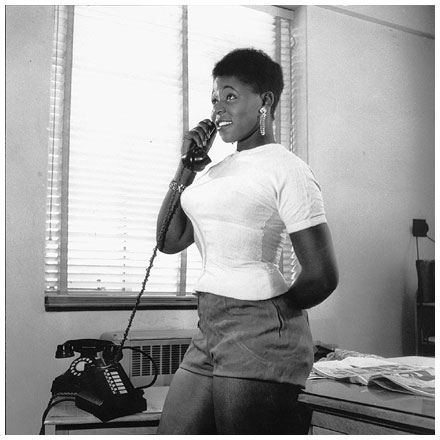
Dorothy Masuka, c 1950s. Credit: Jurgen Schadeberg
History ZAR tweet media
8
74
460
12.9K
Sbu Specter.
Sbu Specter.@SbudaMsiza·
@ta_kweila Rich white people make money to control and own situations. Black People make money to own things. It's a mentality issue and the reason behind it is slavery and apartheid.
English
3
4
39
5.4K
Maduna kaNokhala
Maduna kaNokhala@ta_kweila·
On Afrikaner capital formation 1/2 early 90s Adrian Gore, a young actuary who worked at Liberty Life, wanted to start a new kind of health insurer that promoted wellness Gore pitched his idea to Laurie Dippenaar, GT Ferreira, and Paul Harris, the founders of RMB
MDN NEWS@MDNnewss

South African mining magnate Solly ‘MySol’ Soka Madibela has unveiled an extraordinary one-of-a-kind Rolls-Royce, custom-built from scratch in collaboration with Brabus, which he purchased as a birthday gift to himself.

English
44
95
736
228.4K
Common Prosperity retweetledi
Maduna kaNokhala
Maduna kaNokhala@ta_kweila·
@Aphiwe_PK It is the collective failure of our society to invest in itself, build institutions, recycle the little capital internally, and organising around collective advancement So it is a structural and collective failure mhlobam, no long term commitment to shared advancement
English
4
14
137
7.8K
Common Prosperity retweetledi
Herman Mashaba
Herman Mashaba@HermanMashaba·
This November, South Africa must choose: restored border control or continued chaos at our borders. #VoteActionSA
English
635
1.7K
7.3K
505.8K
History ZAR
History ZAR@HistorySAZAR·
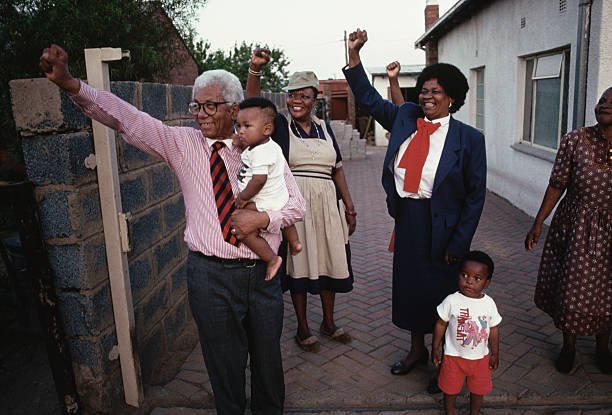
Walter Sisulu at Home. Credit: David Turnley
History ZAR tweet media
English
6
138
1.2K
28K
Common Prosperity retweetledi
S U N R I S E ✨
S U N R I S E ✨@sheabutterhun·
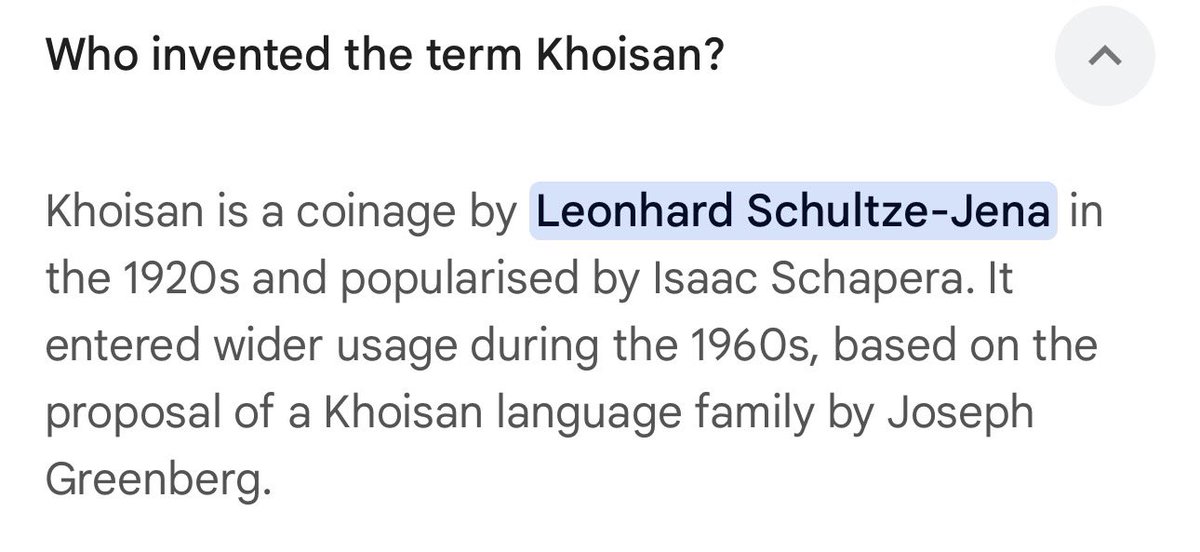
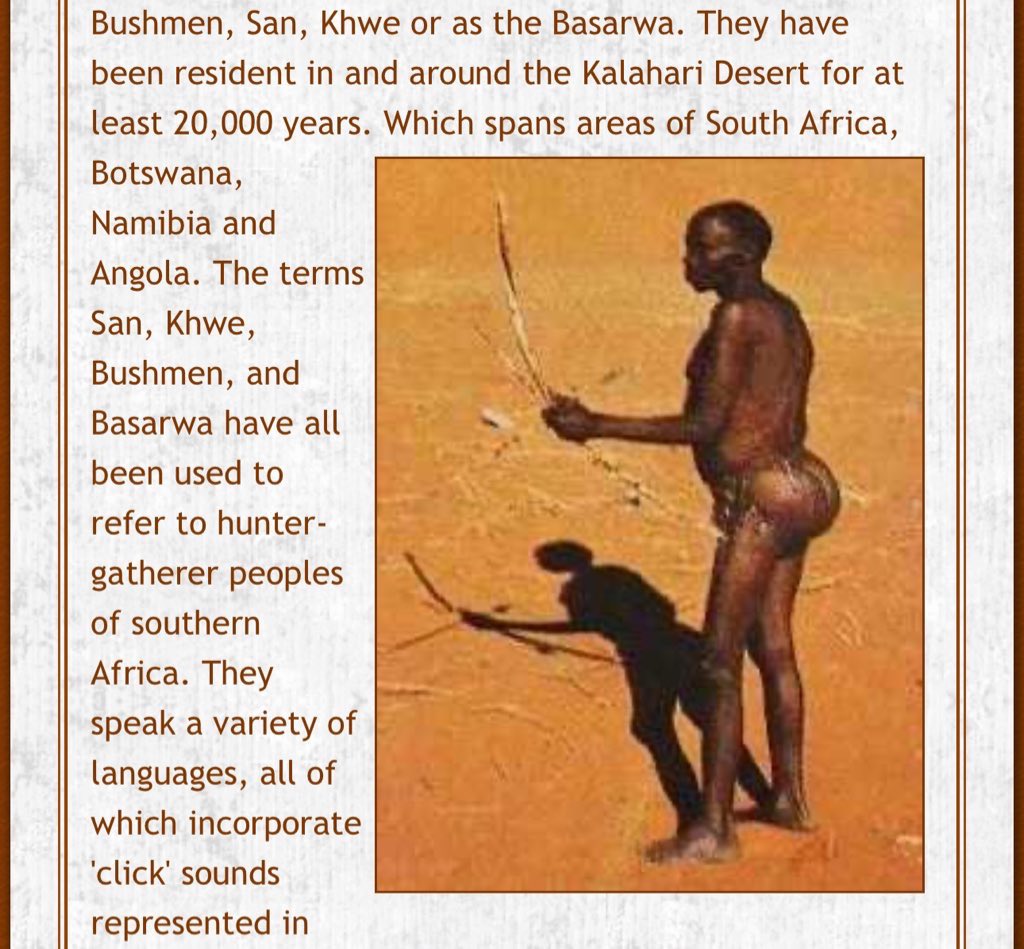
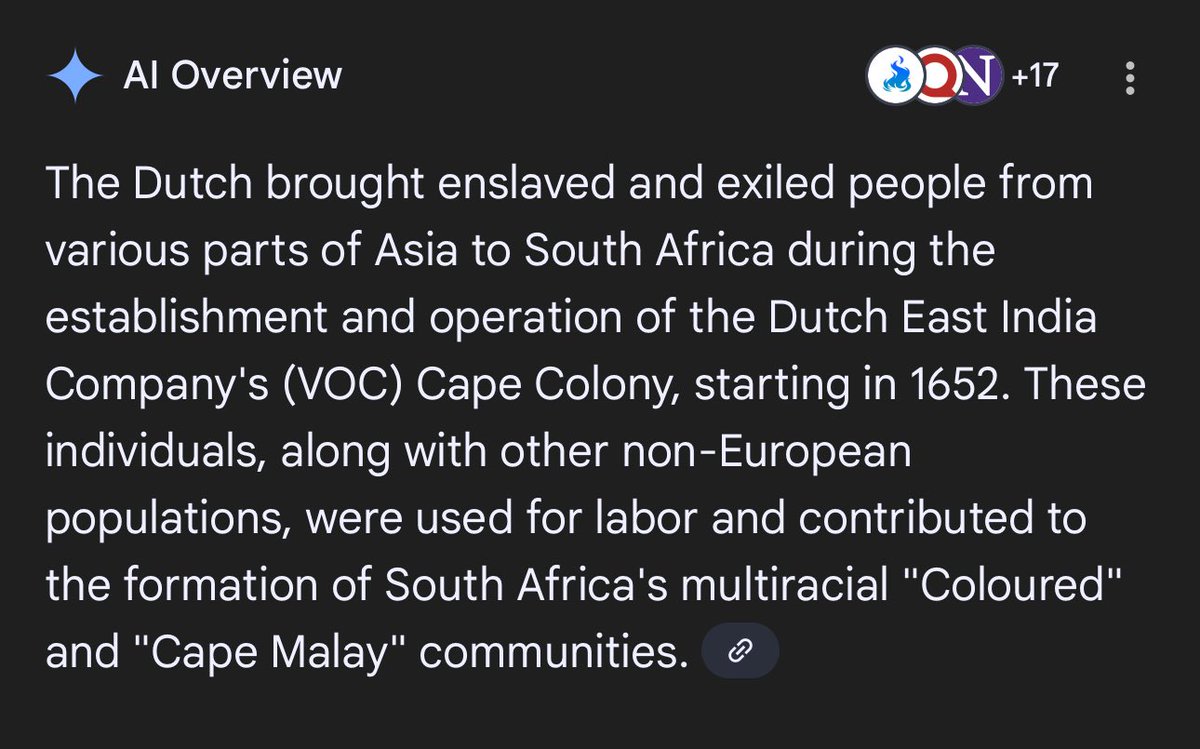
The lies some of you stupid asses tell are unbelievable. First, no people originally called themselves “Khoisan”, that term was coined by a white man in the 1920s. Pure Khwe/Xam people are not a “mixed race”; they are Black Indigenous people, native South Africans. Today, whites try to separate them from Black identity in order to disconnect native people from their land and history. They know exactly what they’re doing. The era of Asian grifters falsely claiming identities that are not theirs is ending.
S U N R I S E ✨ tweet mediaS U N R I S E ✨ tweet mediaS U N R I S E ✨ tweet mediaS U N R I S E ✨ tweet media
Hail Kaiza@Heru_Kaiza

@sheabutterhun @oldtimewatcher @austintromp0 @JayTeeZah_SA We just explained that "coloured" is an empty term and you go and use it. Clown! "Black" in the SAn context refers to Abantu. Not the Hottentot. They NEVER occupied that legal status and were never given "homelands" They "passed" as coloureds. Which abantu ALSO belonged to btw

English
7
85
257
12.4K
Common Prosperity retweetledi
Sony Thăng
Sony Thăng@nxt888·
South Africa under apartheid is one of the most instructive cases in modern economic history, and it actually proves the ladder argument rather than refuting it. Sanctions forced South Africa to do exactly what Ha-Joon Chang says rich countries did: protect domestic industry, build behind walls, develop local manufacturing capacity because it had no choice. Under those conditions, South Africa built the most industrialized economy on the continent. Steel. Chemicals. Armaments. Energy from coal. Synthetic fuels. A pharmaceutical industry. It was ugly. It was built on the most brutal labor exploitation in the twentieth century. But the industrial logic worked exactly as the historical evidence says it works: protection produces industrialization. Then sanctions ended. The ANC came to power. And South Africa signed structural adjustment-style commitments as part of its reintegration into the global economy. Growth, Employment and Redistribution (GEAR), 1996, was essentially the Washington Consensus voluntarily adopted. Open capital account. Trade liberalization. Fiscal austerity. The ANC implemented it without being forced to because the Treasury was staffed by people trained in the same economics departments that designed every other program that failed everywhere else. South African manufacturing as a share of GDP has declined almost every year since 1994. The walls came down and the industry hollowed out. Exactly as the pattern predicts. Now your corruption point. You're right. The ANC has systematically looted the state. The resource export structure absolutely benefits a connected political class with no interest in moving up the value chain, because raw material rents are easier to capture than manufacturing profits. This is real and it matters enormously. But here's where your logic has a gap: those two explanations are not competing. They are collaborating. The international structure creates the rents. The local elite captures them. The international financial system recycles the captured money. Everyone in the arrangement profits except the population. The corruption doesn't disprove the ladder argument. It's what the ladder argument predicts. When you design a system that rewards extraction and punishes industrialization, you produce a political class that extracts and doesn't industrialize. The incentives are downstream of the structure. Sankara said this explicitly before he was assassinated in 1987: you cannot fight imperialism while your own elite is integrated into it. The external structure and the internal capture are the same problem at different altitudes. So the answer to your question, could it be government incentives to export resources for personal profit, is yes, absolutely. And the question that has to follow is: Who designed the incentive structure that makes that corruption so easy, so stable, and so profitable? Who benefits from it continuing? And why did South Africa's manufacturing survive sanctions but not survive the Washington Consensus? The ladder is gone and the local elite isn't building stairs. Both are true. Anyone who needs one to be false is protecting a conclusion they already decided on.
Thomas A Anderson Jr@Mr_Anderson_Esq

How is that possible when during apartheid, sanctioned South Africa had to be almost entirely self sufficient? And now, the post apartheid era suddenly no one knows how to climb the ladder? Could it be the government incentives to export resources because on that tier, they can profit themselves?


English
43
404
950
59.9K
History ZAR
History ZAR@HistorySAZAR·
Gwede Mantashe at a COSATU conference in 1985. Credit: Omar Badsha
History ZAR tweet media
English
12
37
195
25.6K
Common Prosperity retweetledi
Sihle Lonzi
Sihle Lonzi@SihleLonzi·
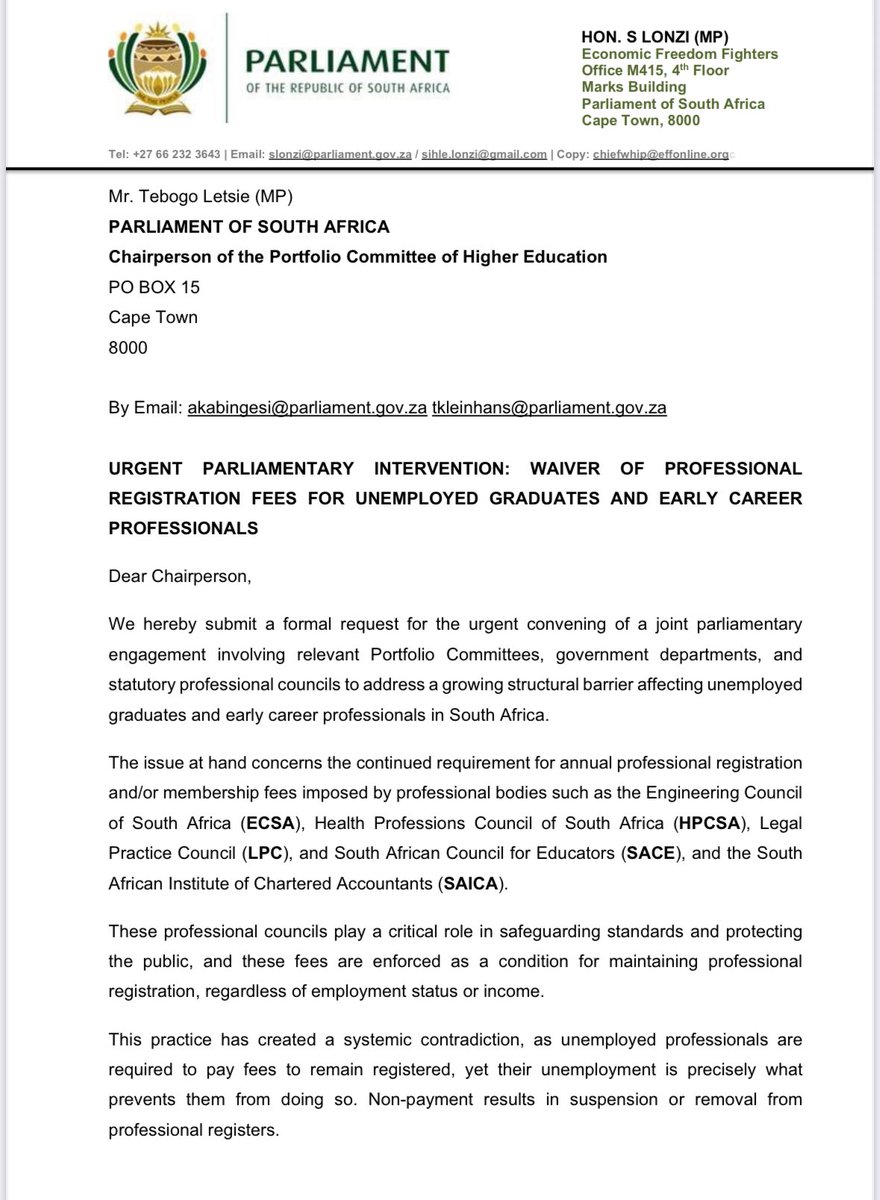
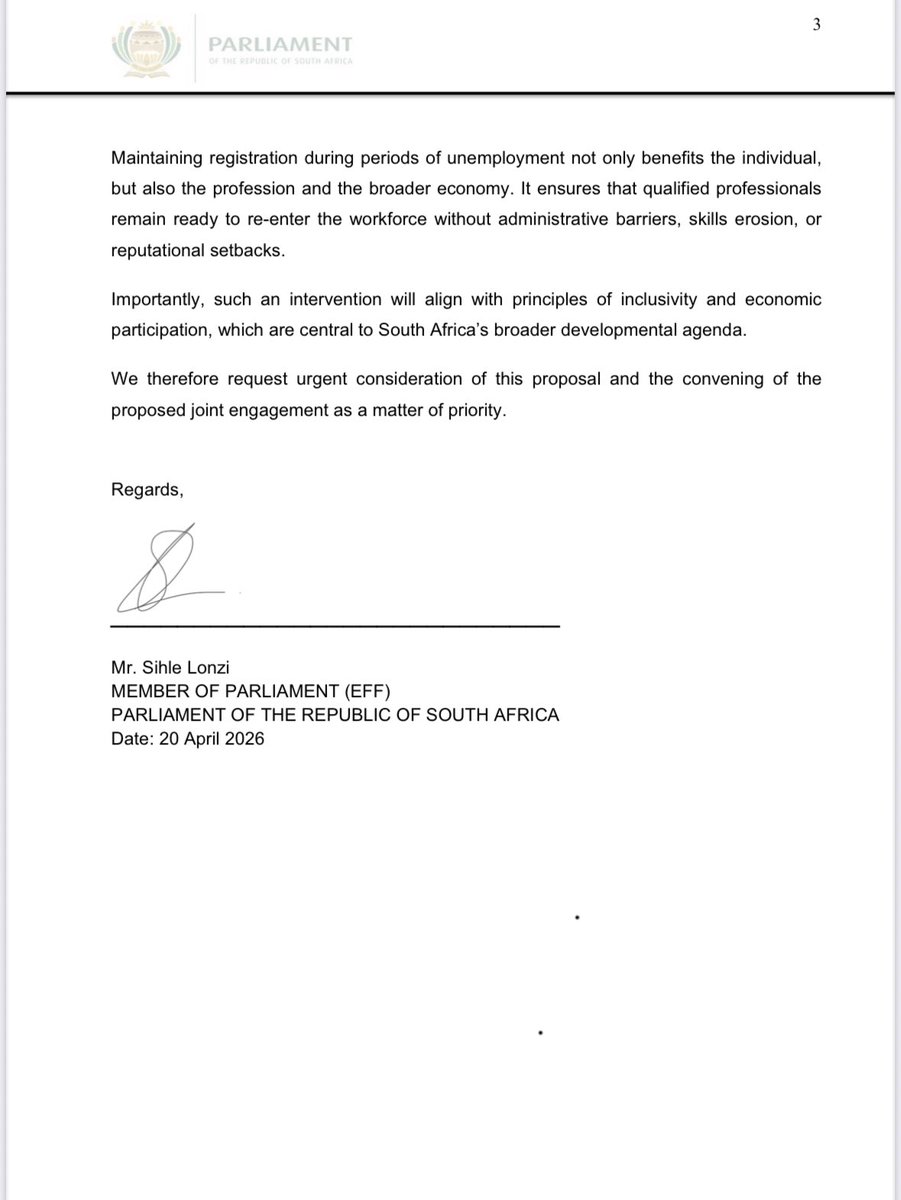
Young Professionals, Teachers, Doctors, Engineers, Lawyers, Accountants etc. have to pay membership fees to professional bodies like SACE, HPCSA, LPC, ECSA and SAICA, even when they are UNEMPLOYED. The EFF is demanding parliamentary intervention to STOP this unjust practice!
Sihle Lonzi tweet mediaSihle Lonzi tweet mediaSihle Lonzi tweet media
English
575
3K
7.9K
652.6K
Common Prosperity
Common Prosperity@CabeFaku·
@HistorySAZAR This mentality I like not INCLUSION. Africans need to build their institutions. " struggle" icons took their kids to white schools after 94 and built zero high grade education facilities. No university post 94 rivals UCT, WITS
English
0
0
0
38
History ZAR
History ZAR@HistorySAZAR·
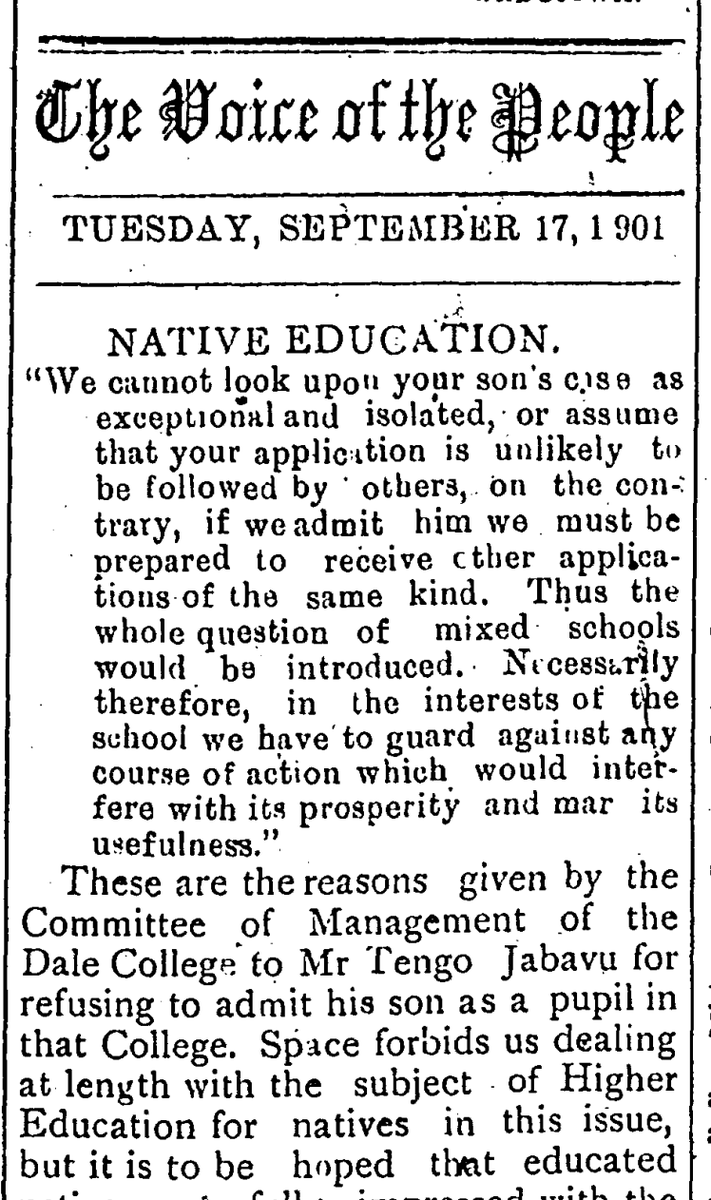
In 1901, John Tengo Jabavu attempted to enrol his son, Davidson, at Dale College Boys' High School. Despite the senior Jabavu's prominence as a political activist and editor of the newspaper Imvo Zabantsundu, the application was denied by school authorities due to the colour of Davidson's skin. This exclusion from white institutions like Dale College strengthened the resolve of John Tengo Jabavu and other leaders to establish an institution of higher learning for Black South Africans. This led to the founding of the South African Native College in 1916, which later became the University of Fort Hare. Davidson became the University's first Black professor. Source: The Journalist, The Ghost of Equality, SAHO
History ZAR tweet media
English
6
121
240
9.8K
Common Prosperity retweetledi
Tumi Sole
Tumi Sole@tumisole·
Crazy that some SAPS members in Mpumalanga are part of human trafficking syndicates! They traffic young girls to Johannesburg using police cars! The rot runs deep! #CountryDuty #DaphneyManamela
English
113
2.2K
5.2K
93.3K
Times LIVE
Times LIVE@TimesLIVE·
Private investigator Mike Bolhuis has warned South Africans against donating money to Melany and Peet Viljoen, who were arrested in Florida in the US for allegedly stealing groceries worth $5,300 (about R86,000) last month. sundaytimes.timeslive.co.za/news/2026-04-1…
English
63
221
503
72.5K