Calcus Cal

541 posts

Calcus Cal banner
Calcus Cal

Calcus Cal

@CalcusCal

PhD student in Physics/MatSci | Trader/Investor for 3+ years | Views are my own and for education purpose ONLY, NOT FINANCIAL ADVISE | DO YOUR OWN RESEARCH!

Canada Katılım Temmuz 2014
42 Takip Edilen118 Takipçiler
Sabitlenmiş Tweet
Calcus Cal
Calcus Cal@CalcusCal·
…FLR at 38, COHU at 19, PDFS at 24.5, OSS at 5, IRDM at 17 and so on. Finding thematic opportunities via unrecognized bottlenecks combined with technicals & fundamentals, and you’ll have a winning strategy and knowledge about the world that people around you haven’t even thought
English
0
0
2
1K
Calcus Cal
Calcus Cal@CalcusCal·
$SHMD breaking out now imo, up 10% today 👀
Calcus Cal@CalcusCal

$MU $TSM $SHMD $ASML The capital intensity required to manufacture High-Bandwidth Memory (HBM) and next-generation interconnect architectures has exceeded the limits of traditional semiconductor capex cycle. CSPs can no longer rely on open-market merchant silicon. They’re actively transitioning into shadow project financiers. By directly funding the physical expansion of memory fabs, hyperscalers de-risk the capex cycle for IDMs but permanently tether the foundry supply chain to their proprietary data center architectures, fundamentally altering the semiconductor capacity planning industry. If you track the supply chain, you’ll see that the big hyperscalers are offering to directly bankroll SK Hynix capacity expansions, converging with TSMC formalizing its 2026 capex guidance at the top-end $56 billion range to meet AI interconnect demands. I think WFE giants like $ASML and $AMAT receive a revenue floor as fab equipment is effectively underwritten by trillion-dollar tech balance sheets rather than cyclical memory pricing, which makes them very interesting to me personally. $SHMD is one my favorite exposure to this. Memory IDMs receive massive off-balance-sheet capital relief, shifting execution risk away from their equity holders. Conversely, hyperscalers must absorb severe capital intensity and depreciation on their own balance sheets, guaranteeing structurally higher COGS for future compute instances.

English
0
0
0
53
Calcus Cal
Calcus Cal@CalcusCal·
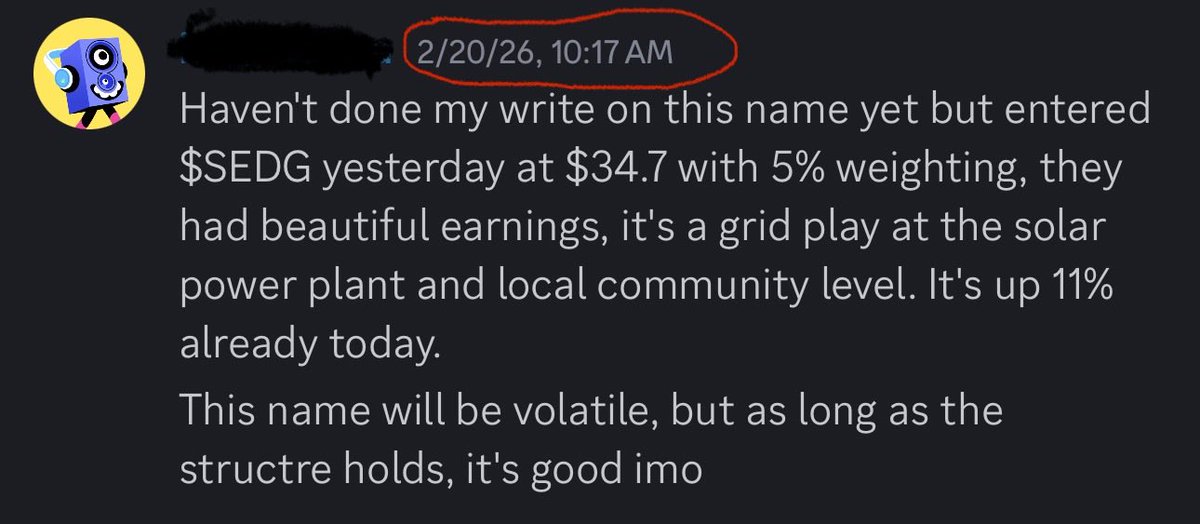
$SEDG up 12% today, making big moves 🥳
Calcus Cal tweet media
English
0
0
0
42
Calcus Cal
Calcus Cal@CalcusCal·
$BLDP red to green 👀
Calcus Cal@CalcusCal

$BLDP $PLUG $BE $EQIX The U.S. power grid infrastructure is aging and has been exhausted, forcing hyperscalers into behind-the-meter power generation. However, deploying massive gas turbines introduces secondary bottlenecks: severe EPA air quality permitting delays and community opposition. Solid oxide fuel cells bypass both the electrical grid interconnection queue and the most stringent emissions permitting. Furthermore, infrastructure private equity is now decoupling the financing of the Bring Your Own Power (BYOP) asset from the data center itself, creating a standalone project finance market for off-grid power generation. Disclosures from the IMN Data Centers Private Equity conference confirm that grid interconnections are structurally delayed up to four years, coinciding with Oracle officially dropping the gas-turbine plan for its massive Project Jupiter in favor of Bloom Energy fuel cells. This imo creates a structural demand for fuel cell OEMs that capture non-cancellable BYOP mandates from hyperscalers desperate to energize gigawatt-scale sites. Midstream natural gas pipeline operators would also benefit here as they'll be needed to supply a steady baseload fuel to these large off-grid fuel cell deployments. Going forward I think hyperscalers face permanent operating expense inflation to fuel these microgrids, but they effectively buy speed-to-market. Securing power without a four-year grid delay allows them to recognize software/compute revenue quicker, expanding their overall margins despite paying a premium for power.

English
0
0
0
144
Calcus Cal
Calcus Cal@CalcusCal·
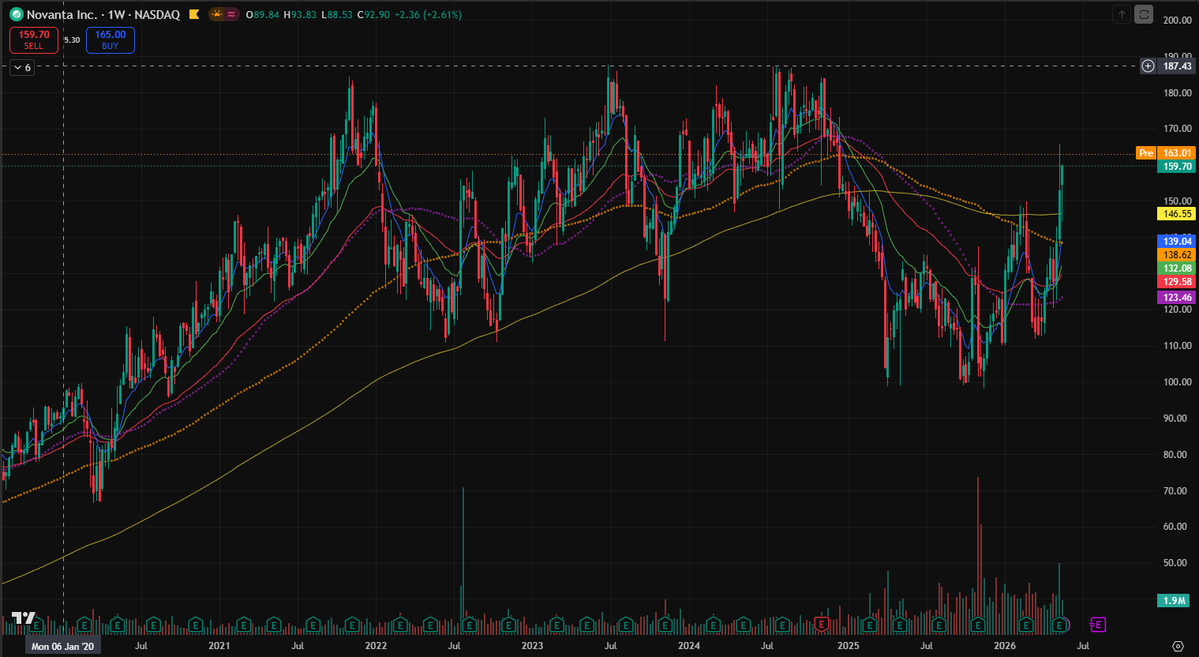
$NOVT has been one of my favorite robotics play. The weekly structure looks much better after forming a solid base since 2021. My cost basis is around $112, but I wouldn't mind upsizing this one. Things get much more interesting above $191 imo. Not Financial Advise!
Calcus Cal tweet media
English
0
0
0
38
Calcus Cal
Calcus Cal@CalcusCal·
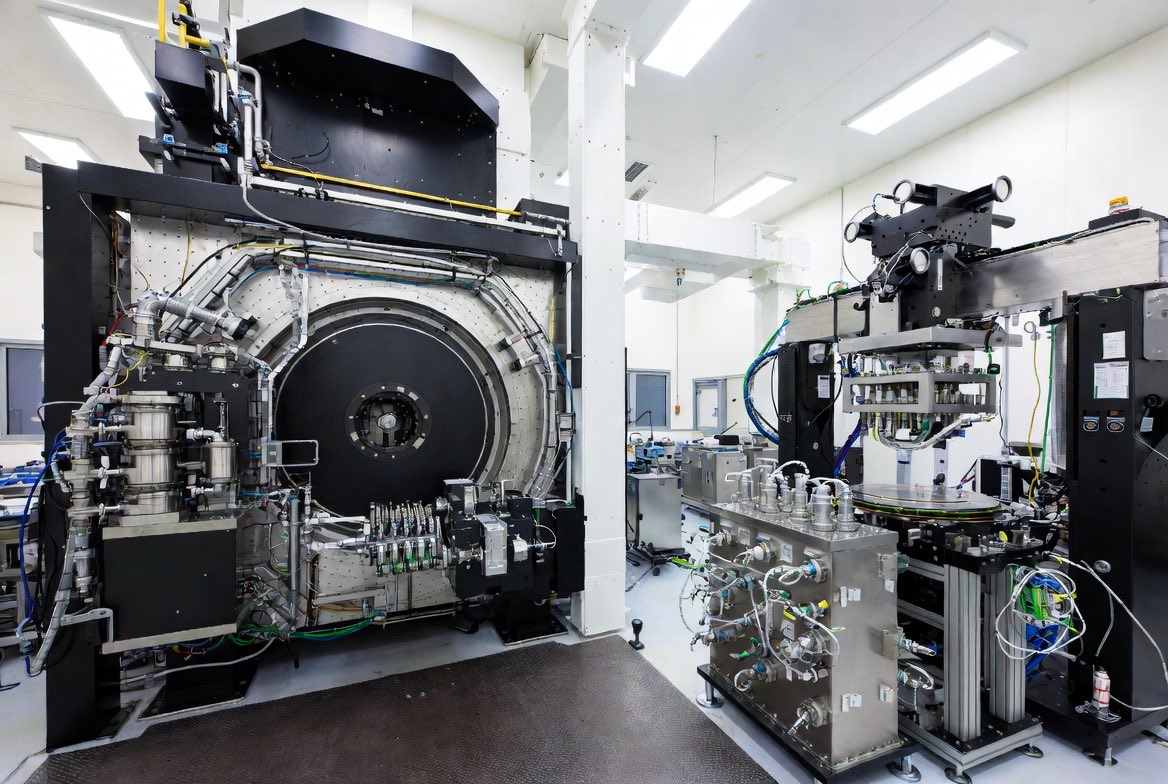
$MP is becoming increasingly important imo with how much of a bottleneck rare earths are in the supply chain of most of important themes in the market.
Calcus Cal tweet media
English
0
0
1
87
Calcus Cal
Calcus Cal@CalcusCal·
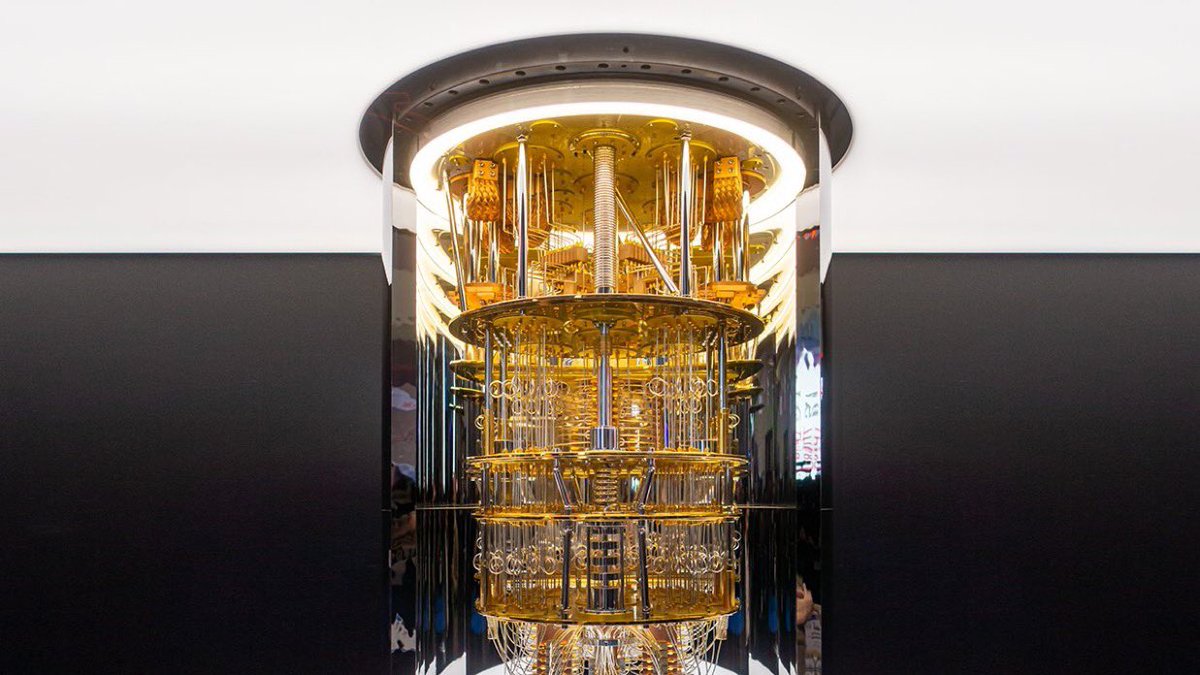
$MU $TSM $SHMD $ASML The capital intensity required to manufacture High-Bandwidth Memory (HBM) and next-generation interconnect architectures has exceeded the limits of traditional semiconductor capex cycle. CSPs can no longer rely on open-market merchant silicon. They’re actively transitioning into shadow project financiers. By directly funding the physical expansion of memory fabs, hyperscalers de-risk the capex cycle for IDMs but permanently tether the foundry supply chain to their proprietary data center architectures, fundamentally altering the semiconductor capacity planning industry. If you track the supply chain, you’ll see that the big hyperscalers are offering to directly bankroll SK Hynix capacity expansions, converging with TSMC formalizing its 2026 capex guidance at the top-end $56 billion range to meet AI interconnect demands. I think WFE giants like $ASML and $AMAT receive a revenue floor as fab equipment is effectively underwritten by trillion-dollar tech balance sheets rather than cyclical memory pricing, which makes them very interesting to me personally. $SHMD is one my favorite exposure to this. Memory IDMs receive massive off-balance-sheet capital relief, shifting execution risk away from their equity holders. Conversely, hyperscalers must absorb severe capital intensity and depreciation on their own balance sheets, guaranteeing structurally higher COGS for future compute instances.
Calcus Cal tweet media
English
0
0
1
310
Calcus Cal
Calcus Cal@CalcusCal·
@StockSavvyShay Good time to IPO. These companies know their timing and thematic relevance.
English
2
0
2
208
Shay Boloor
Shay Boloor@StockSavvyShay·
Quantinuum seeks up to $1.05B in what could be the largest quantum IPO to date. Its differentiator is a full-stack quantum model spanning both hardware and software.
Shay Boloor tweet mediaShay Boloor tweet media
English
45
86
675
69.4K
Calcus Cal
Calcus Cal@CalcusCal·
$TKR $OSS $AMBA $VPG $CRNC $GFS $INFQ $FIVN $BLDP $AMRC Positions that have significantly went up in weighting in my portfolio so far are all related to Inference, Edge computing and Robotics supply chain. I started posting here consistently a week ago and in that time many tickers I discussed with fundamental and thematic research behind them are now up double digits. There is much more to come 👀👀 If you get value from the research I provide, please considering following and sharing. Let’s all grow together
GIF
English
0
0
0
251
Dr Vinnie Boombatz
Dr Vinnie Boombatz@halfblindmonkey·
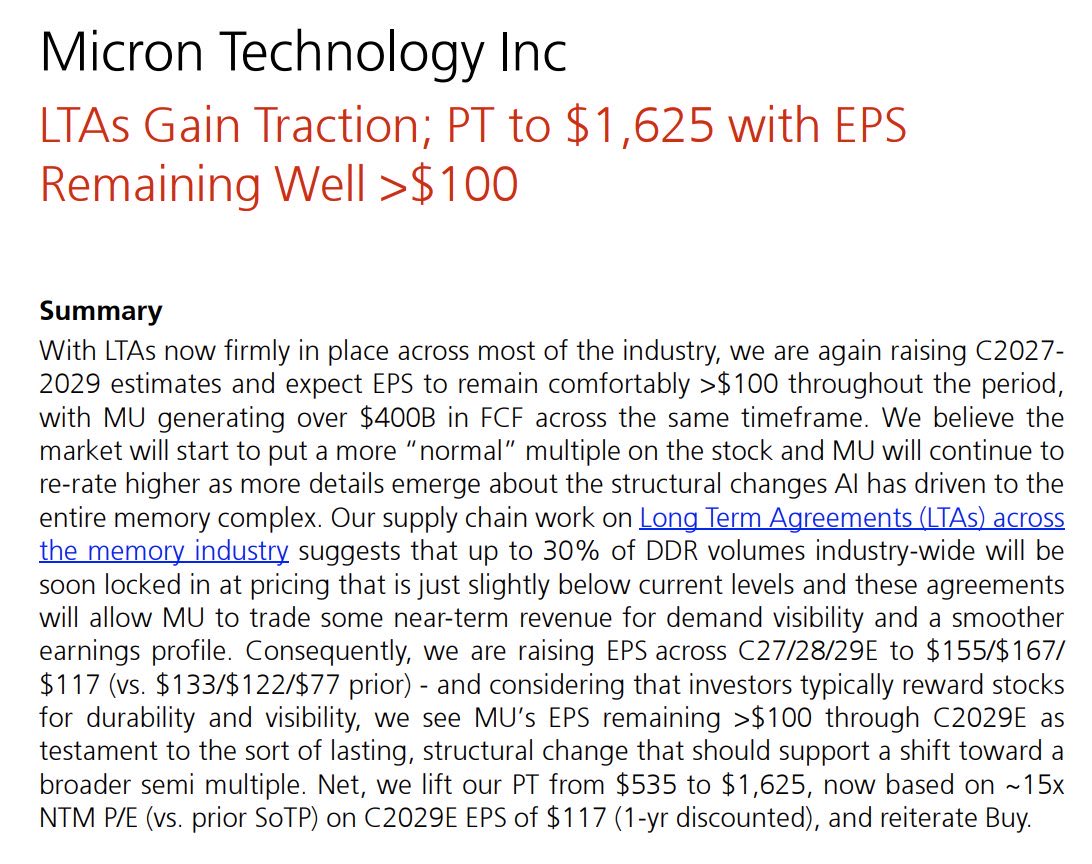
UBS raising $MU pt to... $1,625
Dr Vinnie Boombatz tweet media
English
30
168
1.2K
715.4K
Calcus Cal
Calcus Cal@CalcusCal·
@FirstSquawk Why is this surprising or a huge headline. I thought this was already true lol
English
0
0
0
1.1K
First Squawk
First Squawk@FirstSquawk·
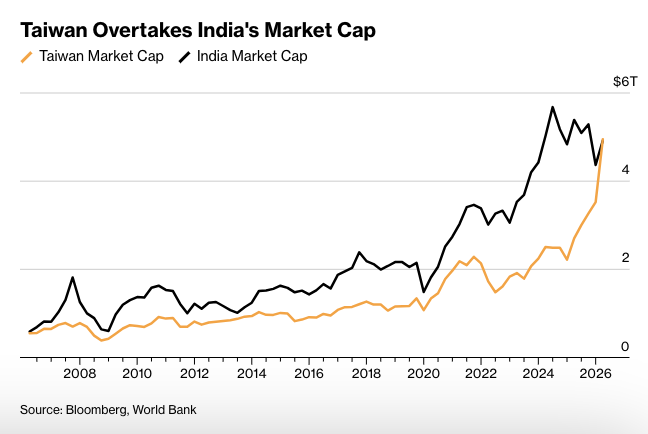
TAIWAN, WITH A POPULATION OF JUST 23 MILLION, HAS SURPASSED INDIA TO BECOME THE WORLD’S 5TH LARGEST STOCK MARKET — DRIVEN LARGELY BY THE GLOBAL AI AND SEMICONDUCTOR BOOM.
English
36
136
1K
124.4K
Paradis Labs
Paradis Labs@ParadisLabs·
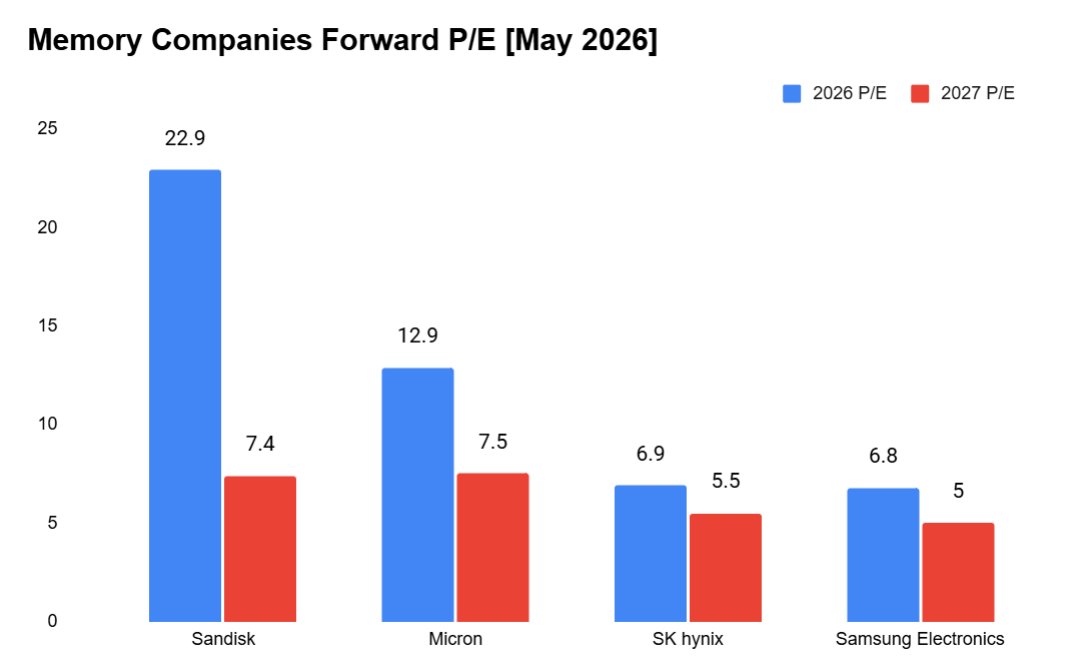
Memory Companies Forward P/E Estimates [May 2026]: Sandisk ( $SNDK ): ~22.9x [2026] ~7.4x [2027] Micron ( $MU ): ~12.9x [2026] ~7.5x [2027] SK hynix: ~6.9x [2026] ~5.5x [2027] Samsung Electronics: ~6.8x [2026] ~5.0x [2027] Data sources: Sandisk: Bernstein (1 May) Micron: BofA (13 May) SK Hynix & Samsung: JP Morgan (18 May) LTAs extending through to 2030 from hyperscalers have effectively transformed memory companies to have predictable SaaS-style revenue streams. A paradigm shift to reliable earnings where suppliers hold all the pricing power. Yet forward P/E multiples remain paradoxically compressed.
Paradis Labs tweet media
English
26
23
307
48.3K
Calcus Cal
Calcus Cal@CalcusCal·
📢 SK Hynix just solved one of the biggest power constraint problems. The new iHBM memory chips with cooling elements built inside the package itself allow for: Thermal resistance ↓ 30% Stacking ↑ AI speeds ↑ And it slots straight into today’s GPU designs. Heat management is the #1 thing holding back the next generation of AI chips. SK Hynix just made it dramatically easier (and cheaper) to keep cranking performance in data centers. → NVIDIA gets even more headroom for Blackwell/Rubin → Data centers can run hotter, denser, and more efficient → The HBM race just got a new leader imo $NVDA $MU $SK Hynix This type of engineering win moves the needle. For more breakdowns and research, hit follow! I try to surface the moves that matter before they’re obvious. 🚀
Wall St Engine@wallstengine

SK HYNIX INTRODUCES INTEGRATED COOLING FOR NEXT-GEN HBM SK Hynix launched iHBM, a thermal management solution for future high-bandwidth memory chips. Instead of relying only on indirect cooling through the core die, iHBM embeds cooling elements inside the HBM package where heat concentration is highest. The company says the technology reduces thermal resistance by 30%. It is designed for next-generation HBM products, including HBM5. SK Hynix says iHBM can operate stably under high-temperature and high-pressure conditions. The technology is also compatible with existing System-in-Package architectures, meaning customers can adopt it with limited design changes.

English
0
0
0
69
Calcus Cal
Calcus Cal@CalcusCal·
Notice they specifically called out the humanoid exposure, “With exposure to secular end markets including A&D, power and electrification, automation, and humanoids, the demand backdrop is solid”
English
0
0
0
26
Calcus Cal
Calcus Cal@CalcusCal·
JPMorgan Upgrades $TKR to Overweight from Neutral, Raises PT to $150 from $130 Analyst comments: "We are upgrading Timken to Overweight from Neutral and raising our price target to $150 from $130, based on 12.1x our FY27 adjusted EBITDA. We believe the growth runway over the next several years is compelling, with Lucian Boldea at the helm executing a structured 'Elevate to Outperform' strategy unified under the 'One Timken' framework, giving us confidence that the 2028 target is achievable. With exposure to secular end markets including A&D, power and electrification, automation, and humanoids, the demand backdrop is solid, and the underlying 80/20 initiative is driving structural and durable margin improvement. Timken's competitive advantage lies in its technical depth, broad application reach, and local-for-local manufacturing footprint, positioning the company as a solutions provider rather than a commodity supplier, delivering engineering expertise that competitors struggle to replicate. This foundation supports a compelling secular growth opportunity across A&D, power and electrification, automation, and infrastructure, all of which are becoming increasingly meaningful revenue contributors. The strategic shift toward system-level applications, moving beyond individual components to end-to-end solutions, further deepens customer relationships and drives meaningful wallet share expansion." Analyst: Tomohiko Sano
English
1
0
2
82
Evan
Evan@StockMKTNewz·
Taiwan's 🇹🇼 stock market is now larger than India's 🇮🇳 Taiwan's market cap has climbed to $4.95 trillion, surpassing India's $4.92T, making Taiwan's stock market the fifth largest in the world - Bloomberg
Evan tweet media
English
65
122
740
139.3K
Calcus Cal
Calcus Cal@CalcusCal·
These $BB calls are gonna be up over 300% by tomorrow open! PAYtience pays 🥳
Calcus Cal tweet mediaCalcus Cal tweet media
English
0
0
1
231